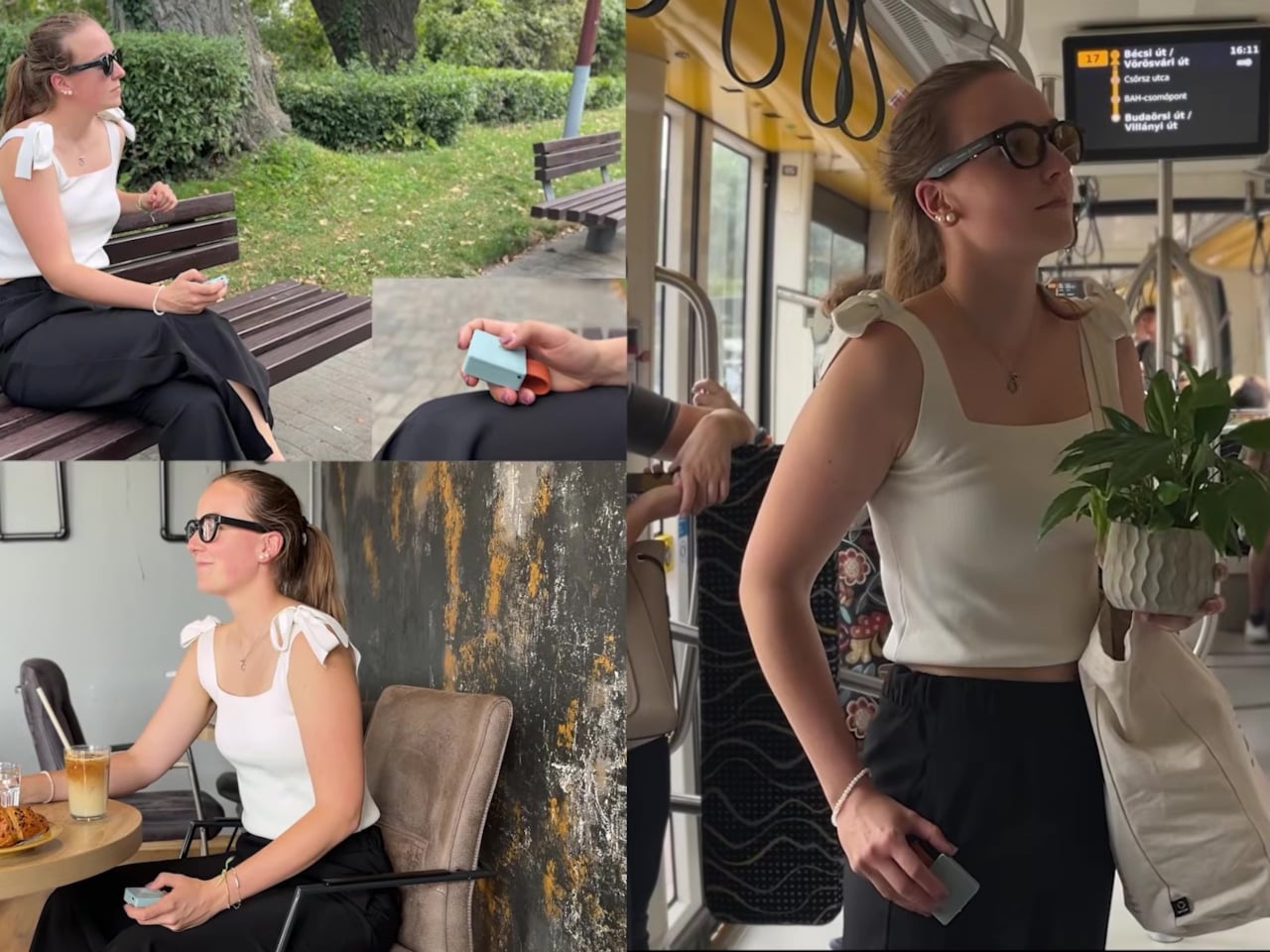
Typing through smart glasses can mean speaking messages aloud or reaching for another device. MindRove’s TypAir offers a quieter option, attaching a gesture-based Bluetooth keyboard to your clothing so your fingers can enter text without a conventional set of keys. Still a working prototype, it puts the typing surface beside a pocket rather than asking you to find room on a table.
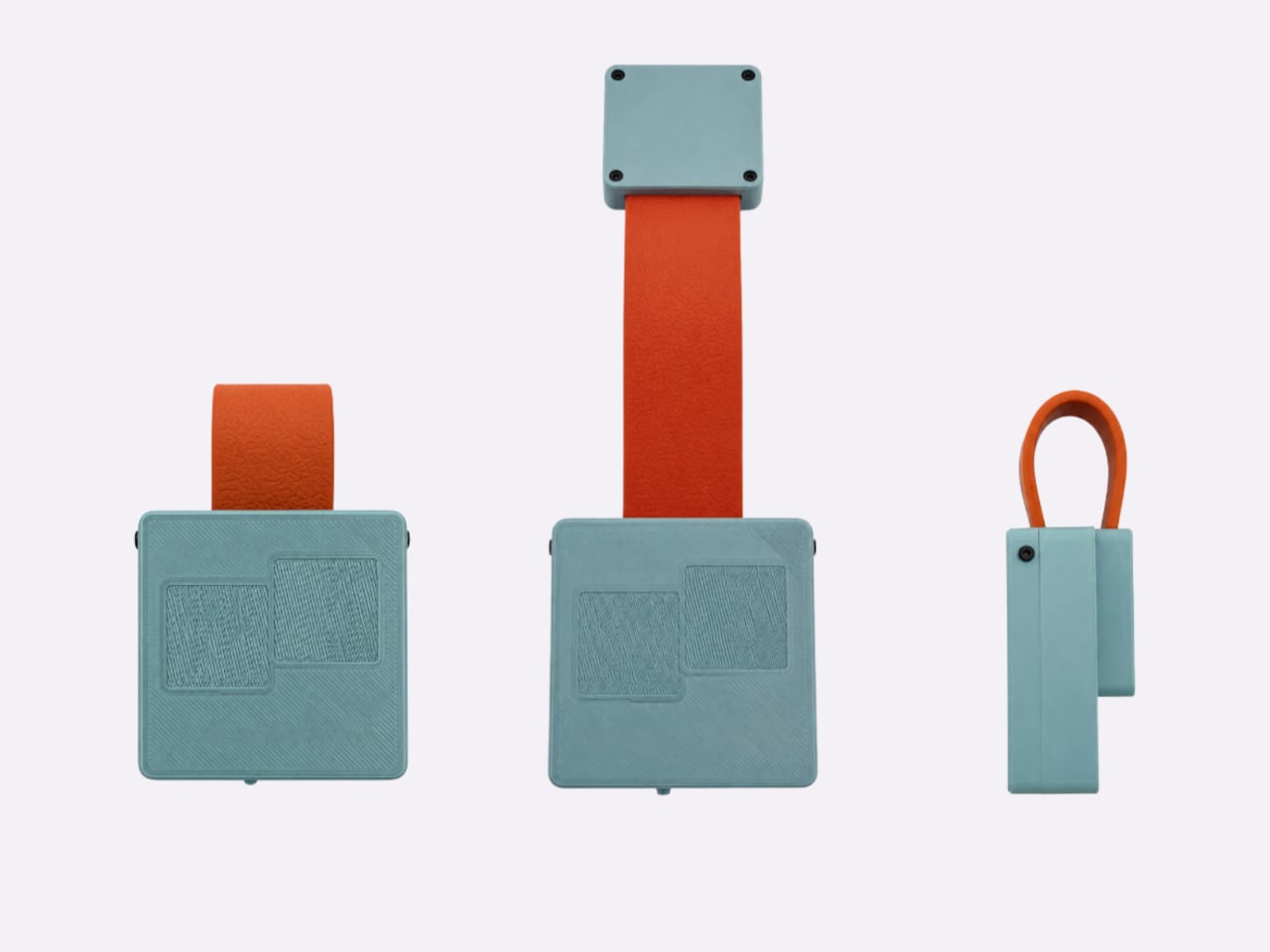
The device has a compact, roughly square body, with a strap that attaches magnetically to clothing, pockets, or other straps. That placement is central to the idea. Worn near your hip, TypAir could let you enter a short reply with your hand close to its natural resting position, although comfort will depend on the attachment point, the garment, and the hardware’s eventual proportions.
Designer: MindRove
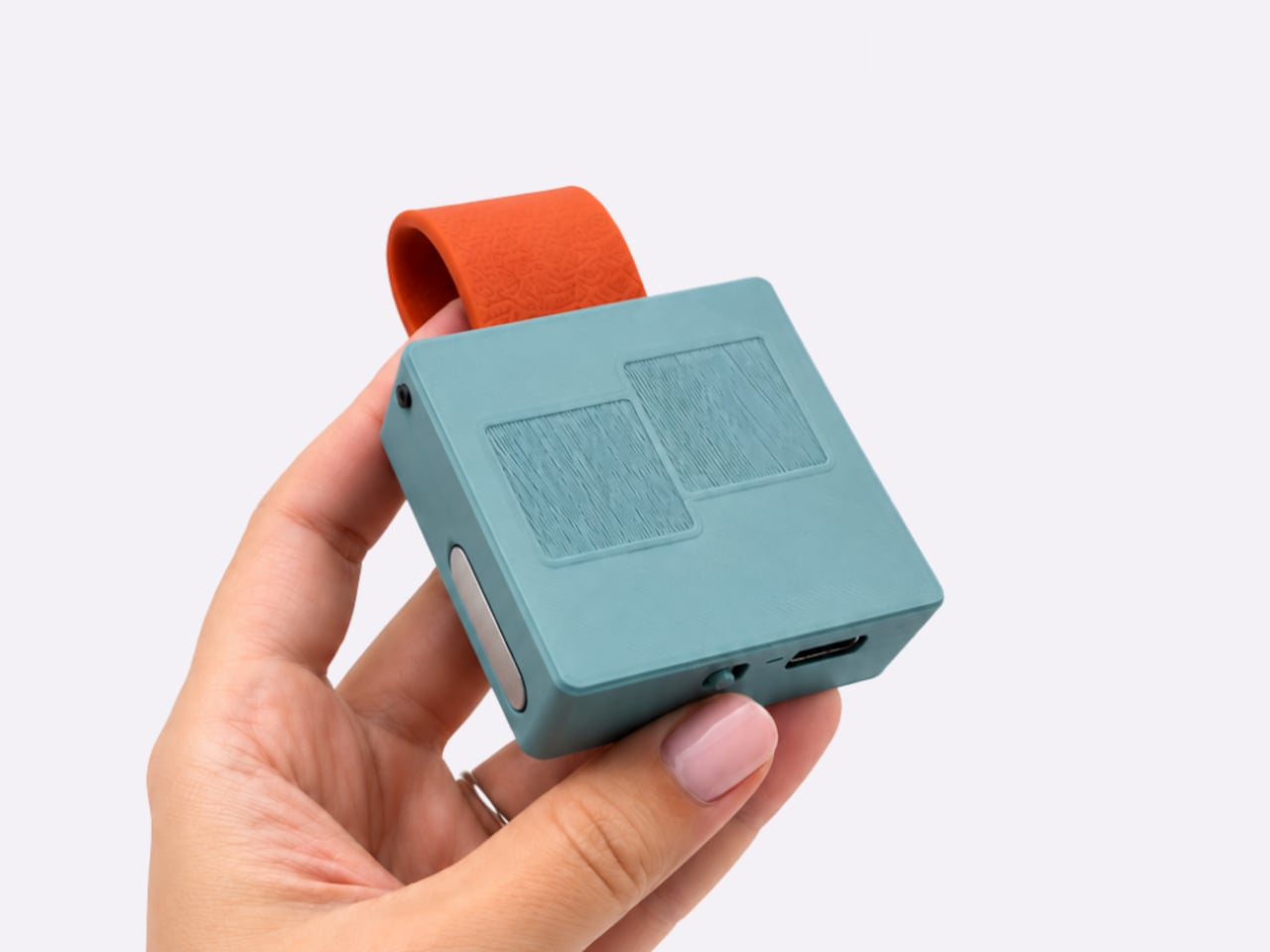

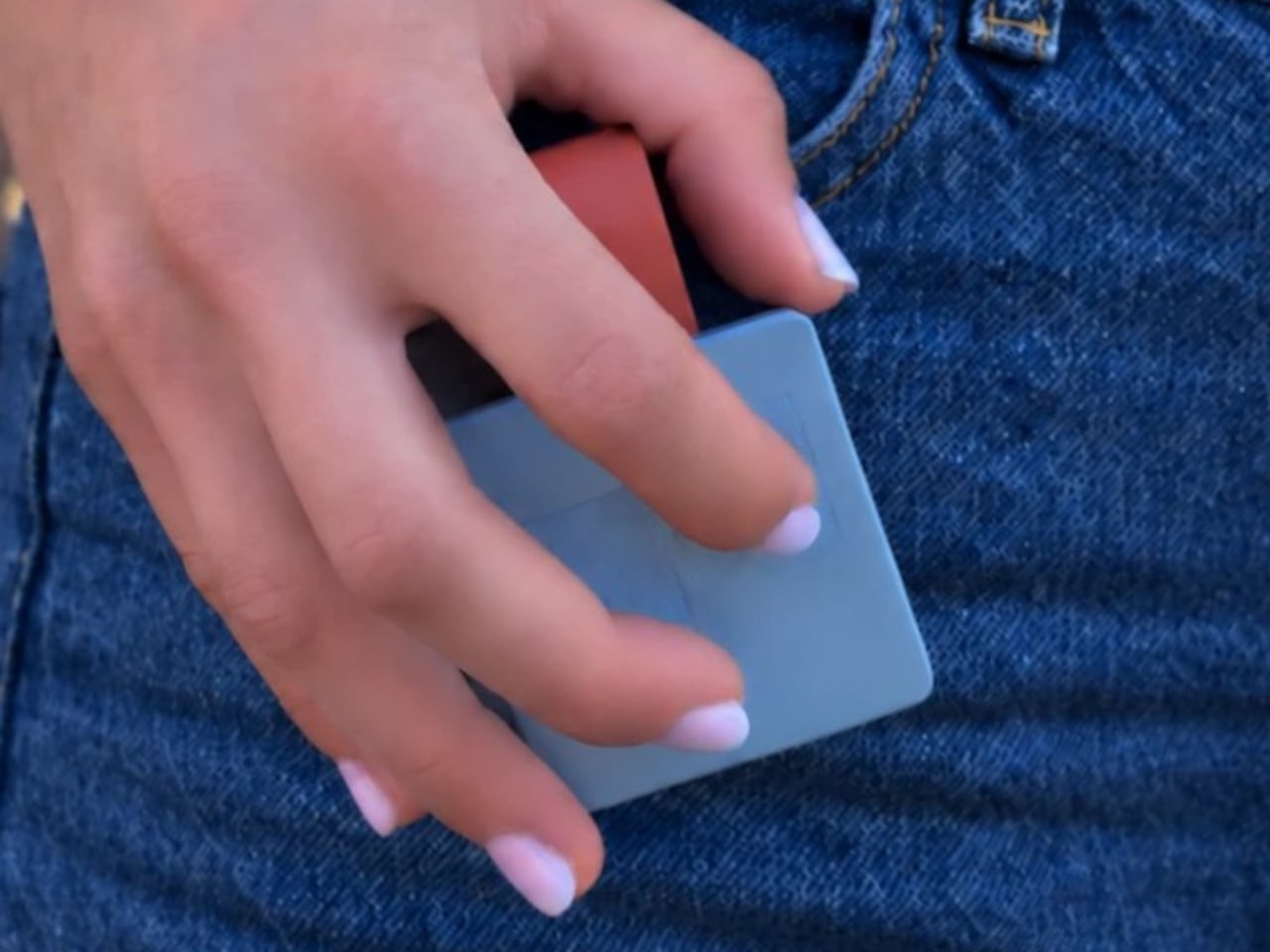
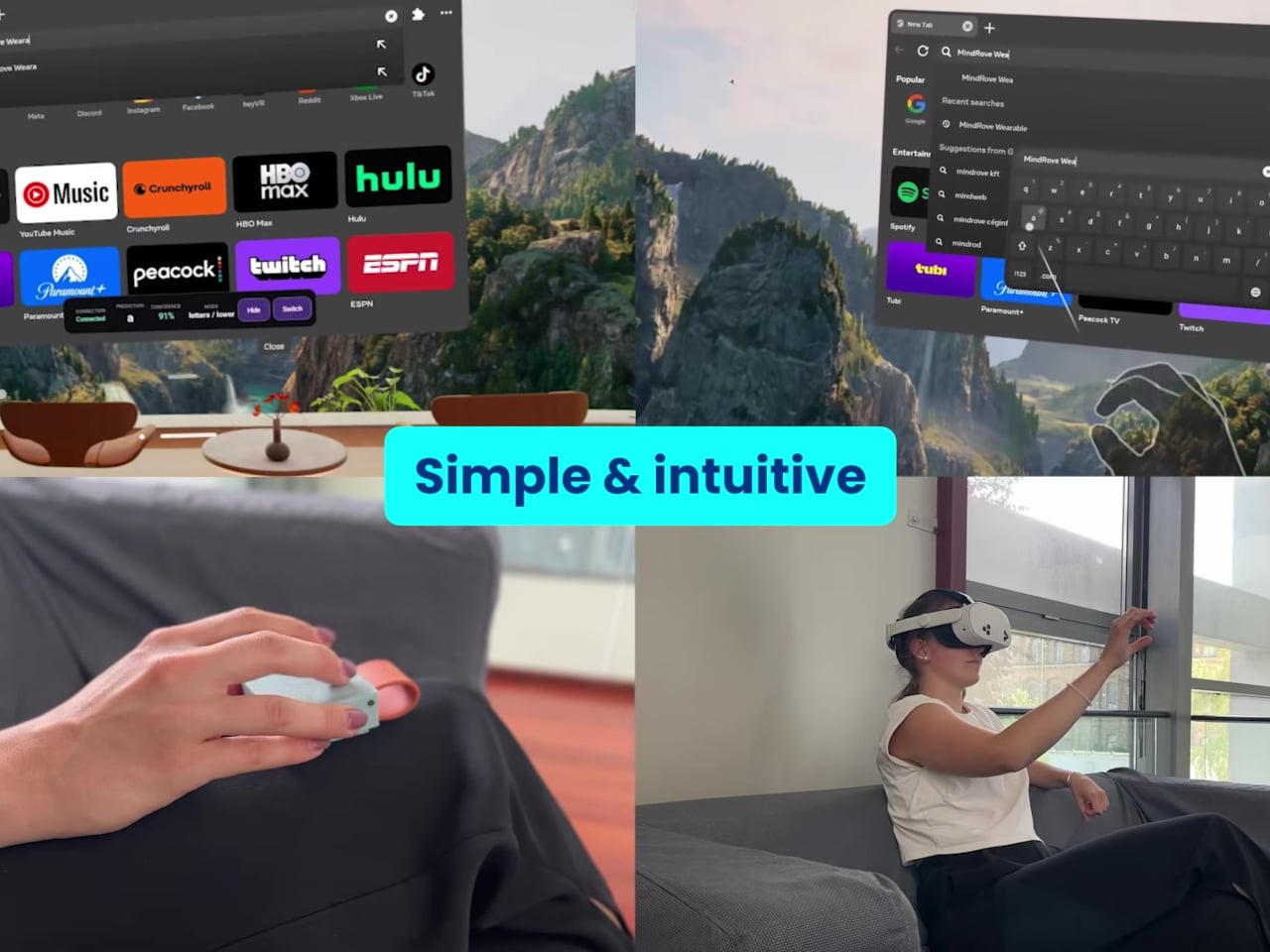
Typing itself requires a different rhythm. There aren’t any lettered keys to press, because TypAir translates a predefined set of finger gestures into characters. Its browser guide assigns A to a tap in the bottom-left corner, for example. Other letters use different movements, so the small footprint comes with a clear compromise: you’ll need to learn an alphabet before typing becomes familiar.
MindRove also plans customizable gestures for letters, symbols, shortcuts, and commands. That could give the device a purpose beyond spelling out sentences. Someone entering the same instruction repeatedly might prefer a single learned movement, while occasional messages could use the standard alphabet. The interesting design question is how much you can simplify an everyday action without making its gesture harder to remember later.
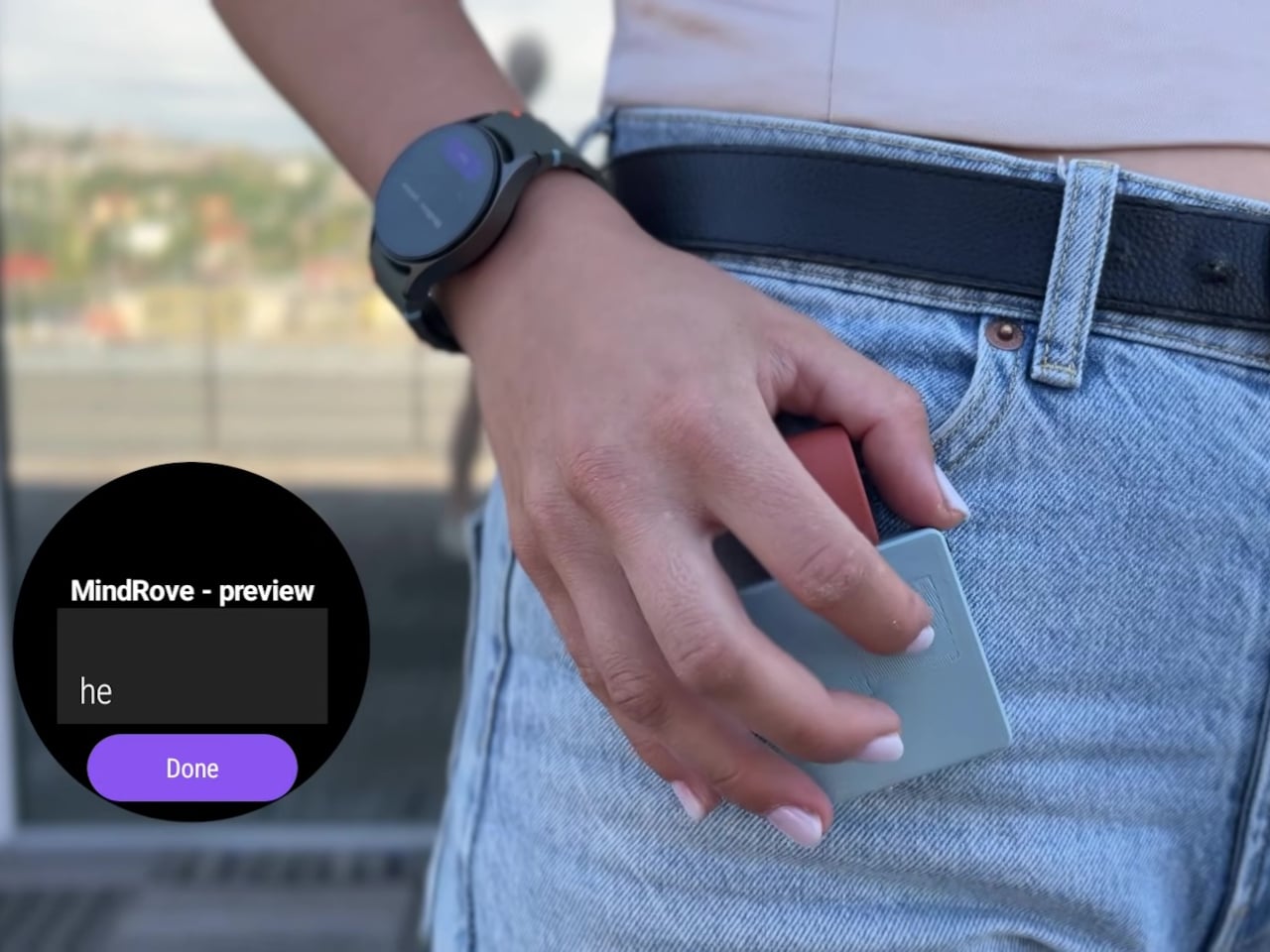

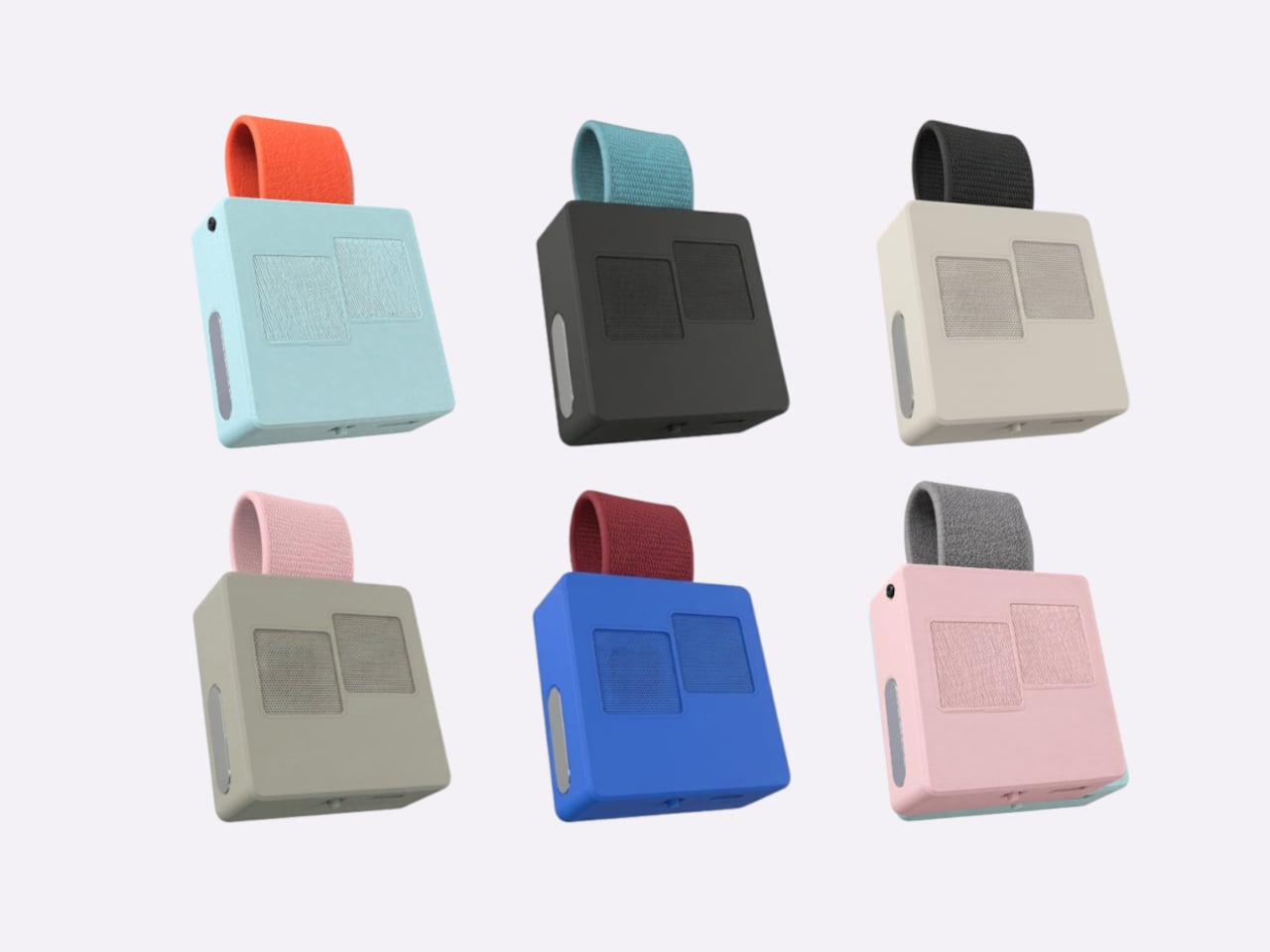
There’s a visual decision here, too. A keyboard worn on clothing becomes part of an outfit, so the module and strap can be paired in different colors. Black-on-black offers a quieter presence, while brighter combinations make the attachment more noticeable. That flexibility acknowledges something wearable electronics sometimes overlook: people might accept the function but still dislike having another gadget attached to them.
The appeal is clearest in moments when speaking would be intrusive. A message composed while waiting for an appointment could stay unspoken, provided the connected glasses support Bluetooth keyboard input. Inside a headset, the same approach could offer somewhere physical to enter text. These are plausible conveniences, but their value depends on gesture recognition being dependable enough that corrections don’t interrupt every exchange.
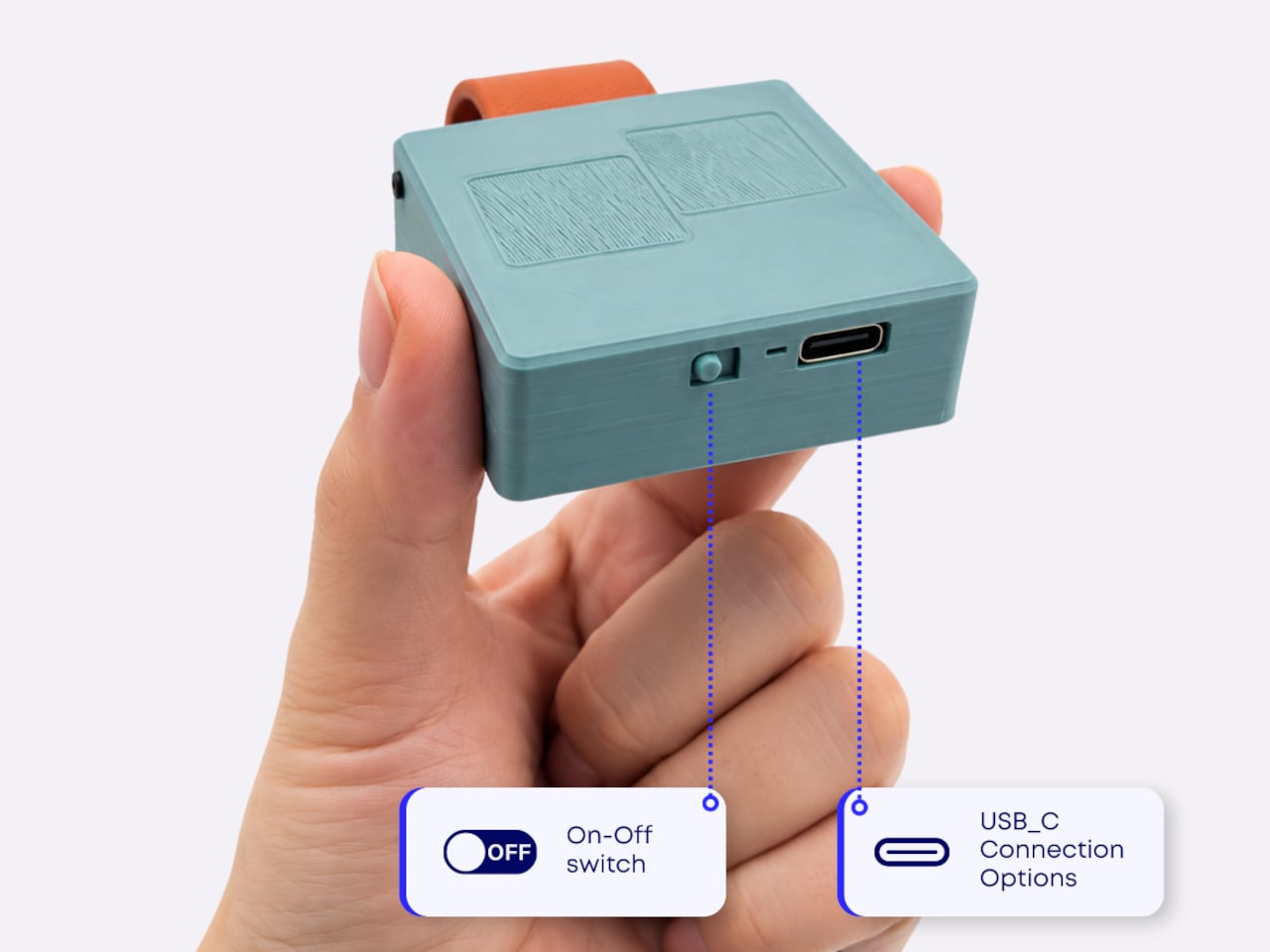
Compatibility and power place more ordinary limits around that promise. MindRove lists Android and Windows support, while iOS and macOS remain under development; the connected app matters, too. The company also claims more than six hours of use per charge. That adds another battery to your routine, and the stated runtime doesn’t establish that it’ll stay available throughout a full working day.
MindRove says the wearable design, gesture recognition, and manufacturing preparation still need further work. Those unfinished details will determine how practical the idea becomes, particularly when your fingers have to locate the controls without looking down. Learning the alphabet is only part of the adjustment. Wearing TypAir also means finding a position you can return to comfortably, across the clothes you actually wear.