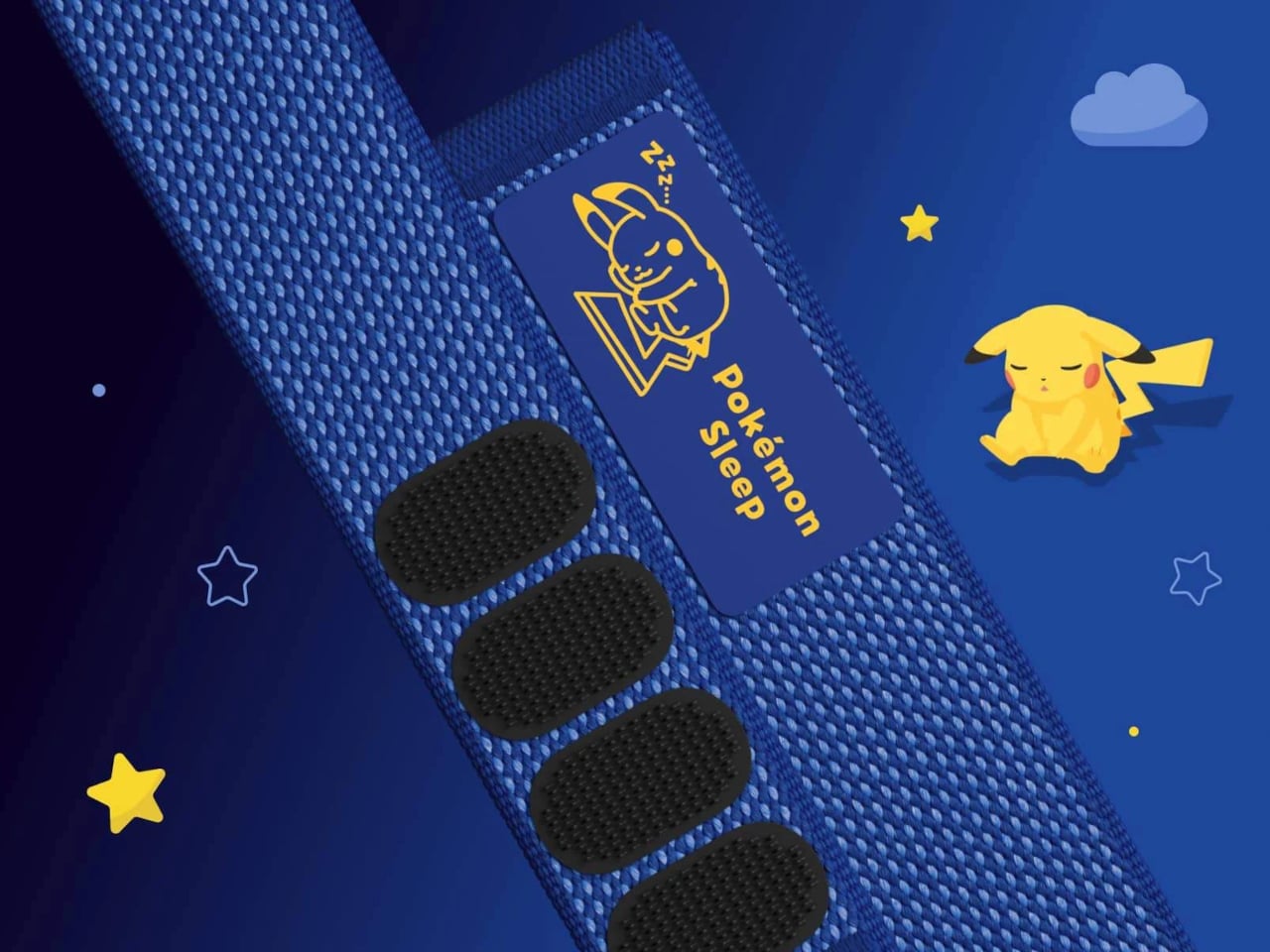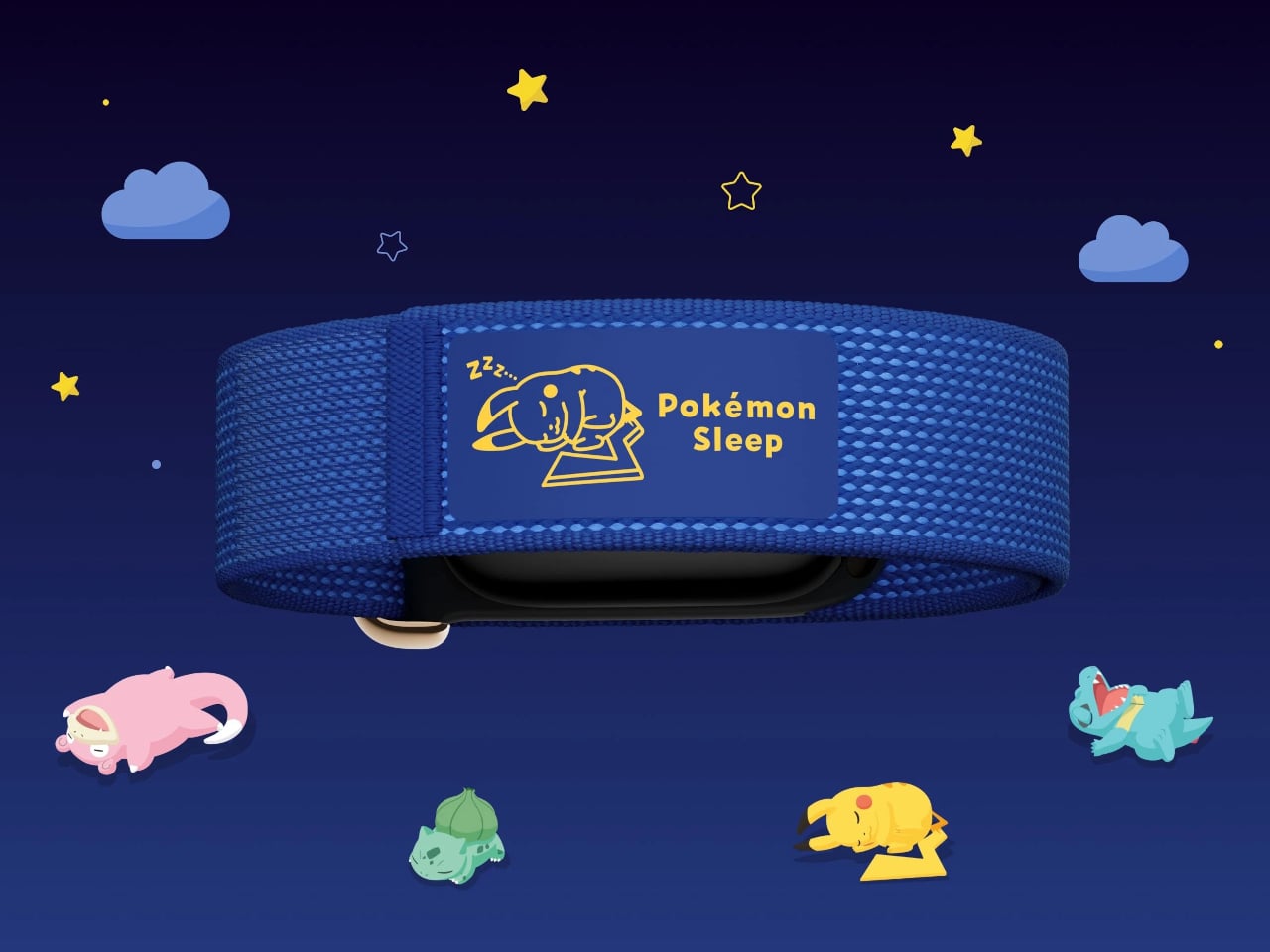

Sleep tracking has a credibility problem. Wearables can tell you exactly how long you were in light sleep and precisely when your deep sleep dropped off, but none of that information comes with a reason to care about it enough to actually change your behavior. The Fitbit Air Special Edition Pokémon Sleep, at $129.99, takes a different approach to motivation: your sleep score feeds directly into a game, and Snorlax is waiting.
The Pokémon Sleep app already had this mechanic before the Fitbit collaboration. Sleep well, generate Drowsy Power, and more Pokémon show up around Snorlax in the morning with their own sleeping styles to research and log. What the Fitbit Air adds is a wrist-based tracker that captures the data automatically, running it through Google Health, which then pipes it into the app via Health Connect on Android or Apple Health on iOS. You wake up and open the app. That’s it.
Designer: Google, The Pokemon Company
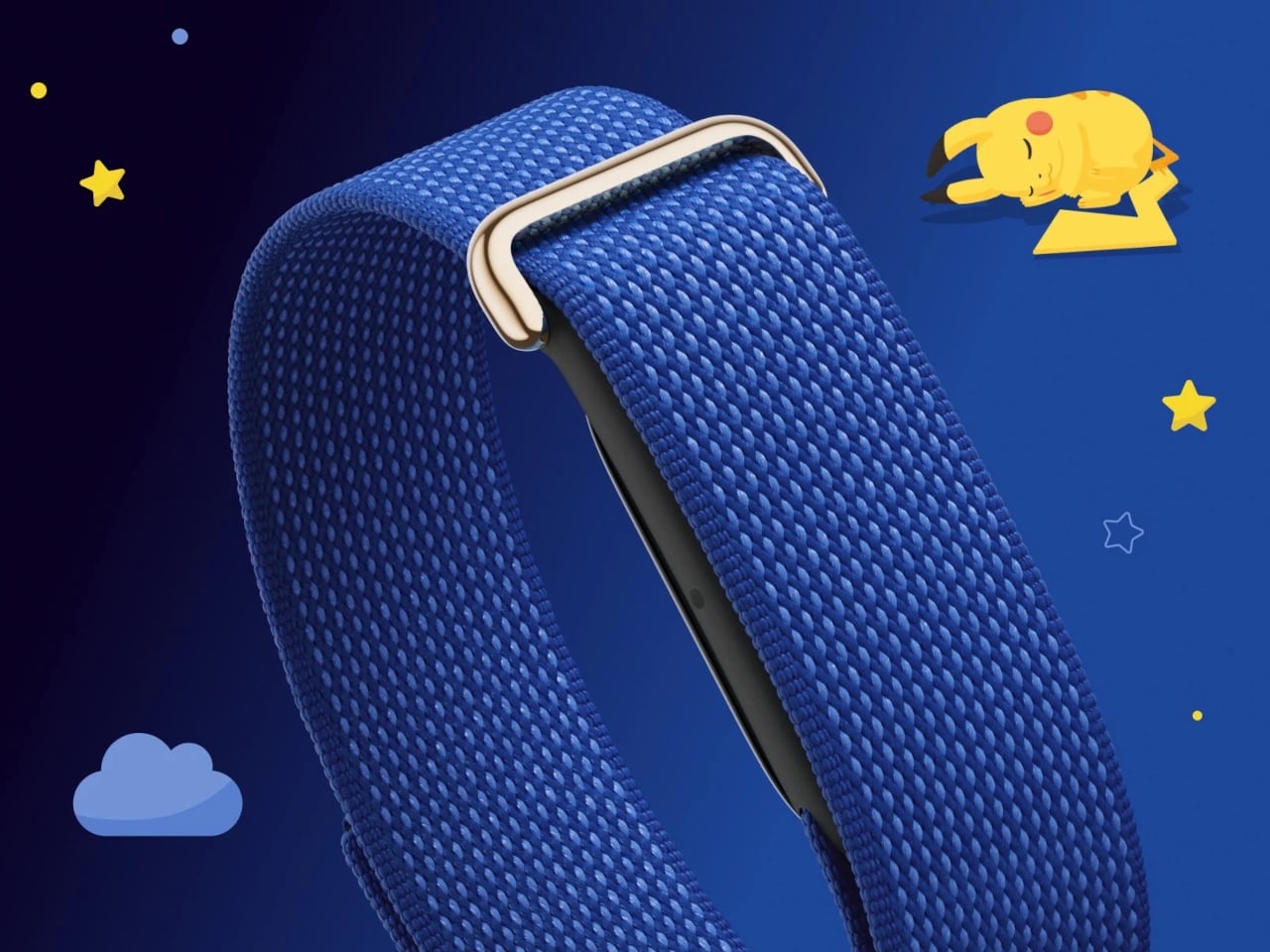
The hardware is the same screenless Fitbit Air that launched in May 2026, which is worth understanding. It weighs 12 grams with the band, resists water to 50 meters, monitors heart rate, SpO2, skin temperature, and atrial fibrillation, and the battery runs up to seven days between charges. A five-minute charge returns roughly one day of use. None of those specs changed for the special edition. What changed is the band, the packaging, and a three-month Google Health Premium trial included in the box.
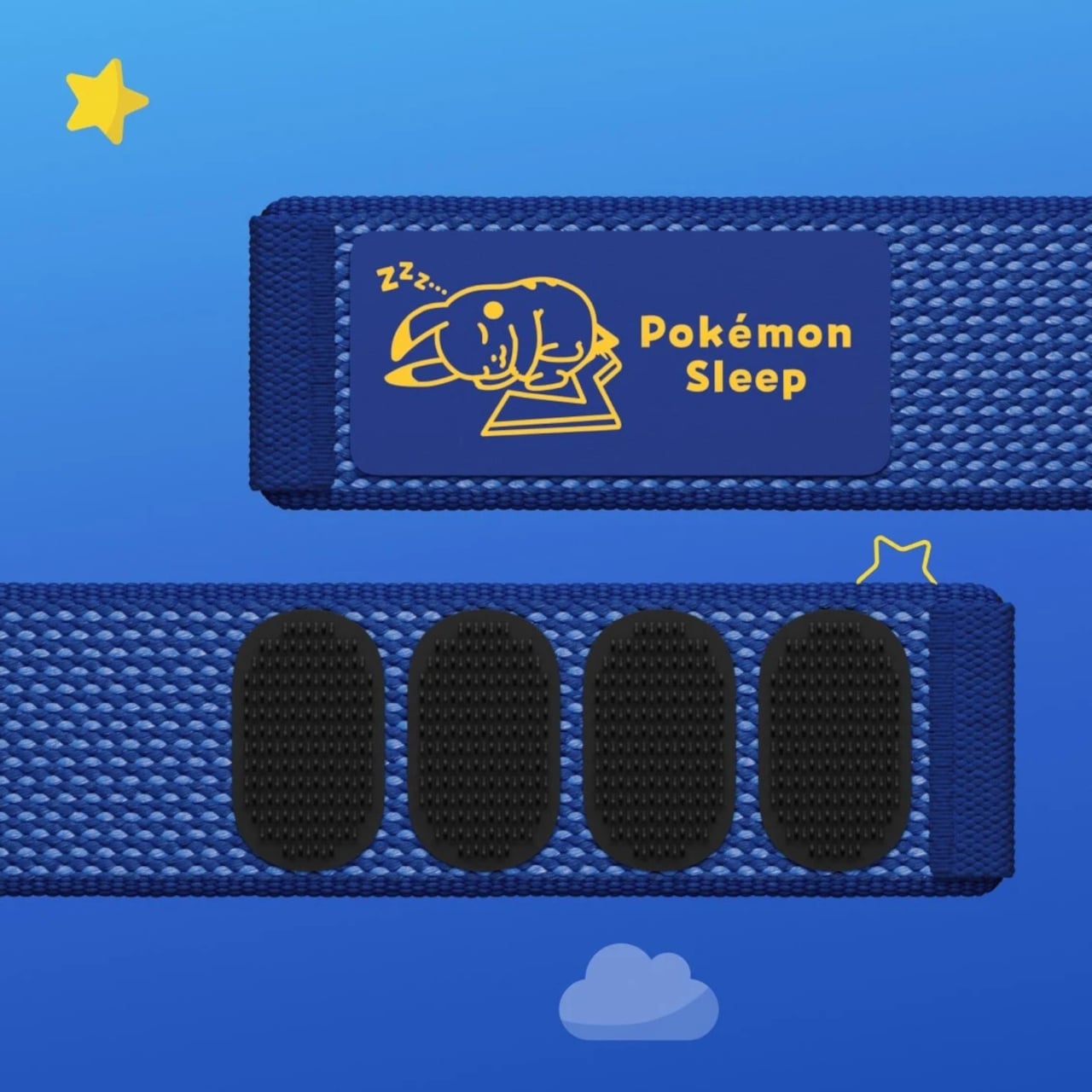

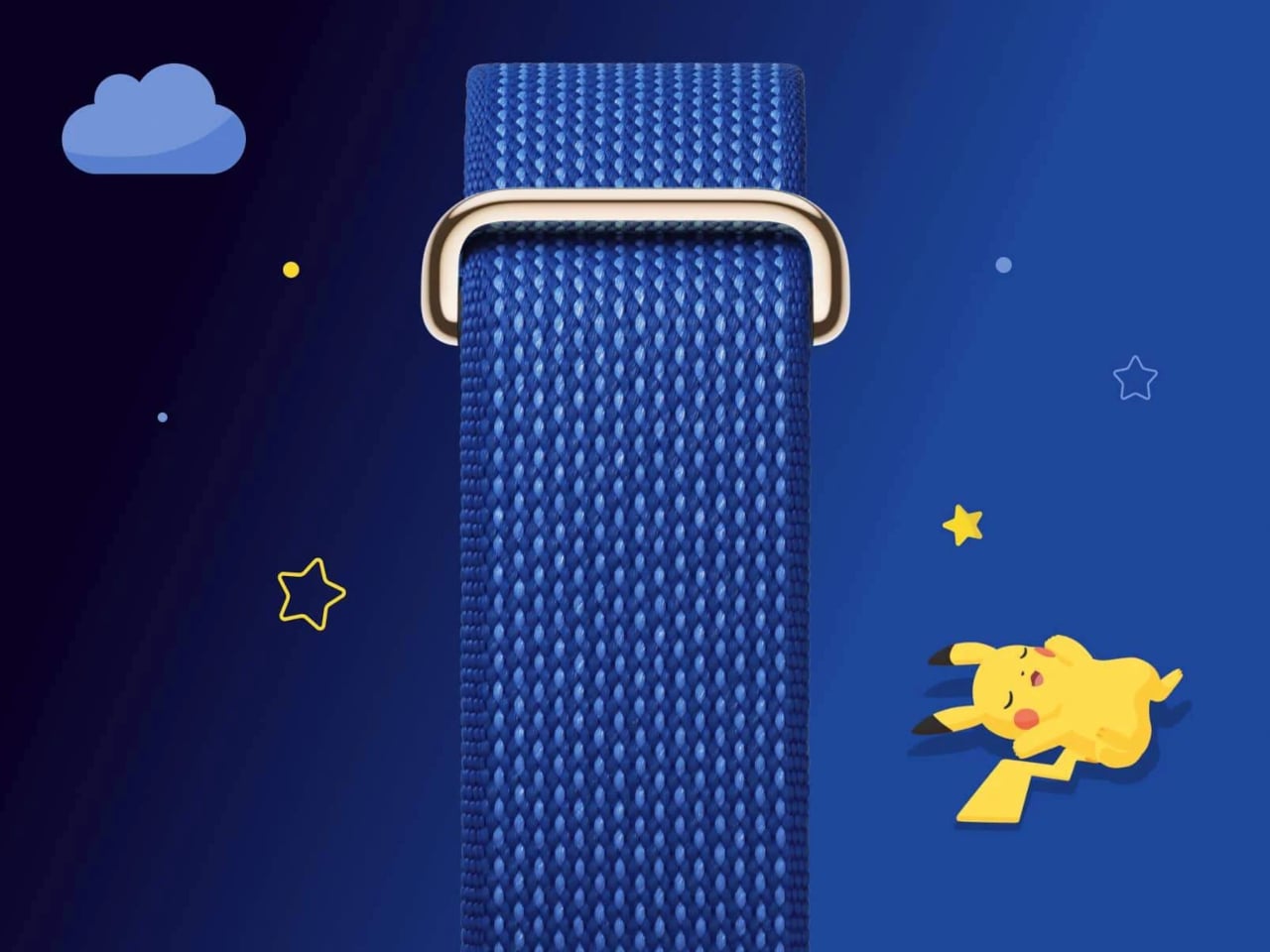
The band is Sleepy Blue, a soft textile with a champagne-gold stainless-steel buckle and a silk-printed Sleeping Pikachu label on the strap. The micro-adjustable design is the same as the standard model, designed to sit close enough that it doesn’t shift during sleep without feeling restrictive. Sleep tracking only works reliably if the tracker stays in contact with your skin all night, so the comfort argument isn’t incidental.
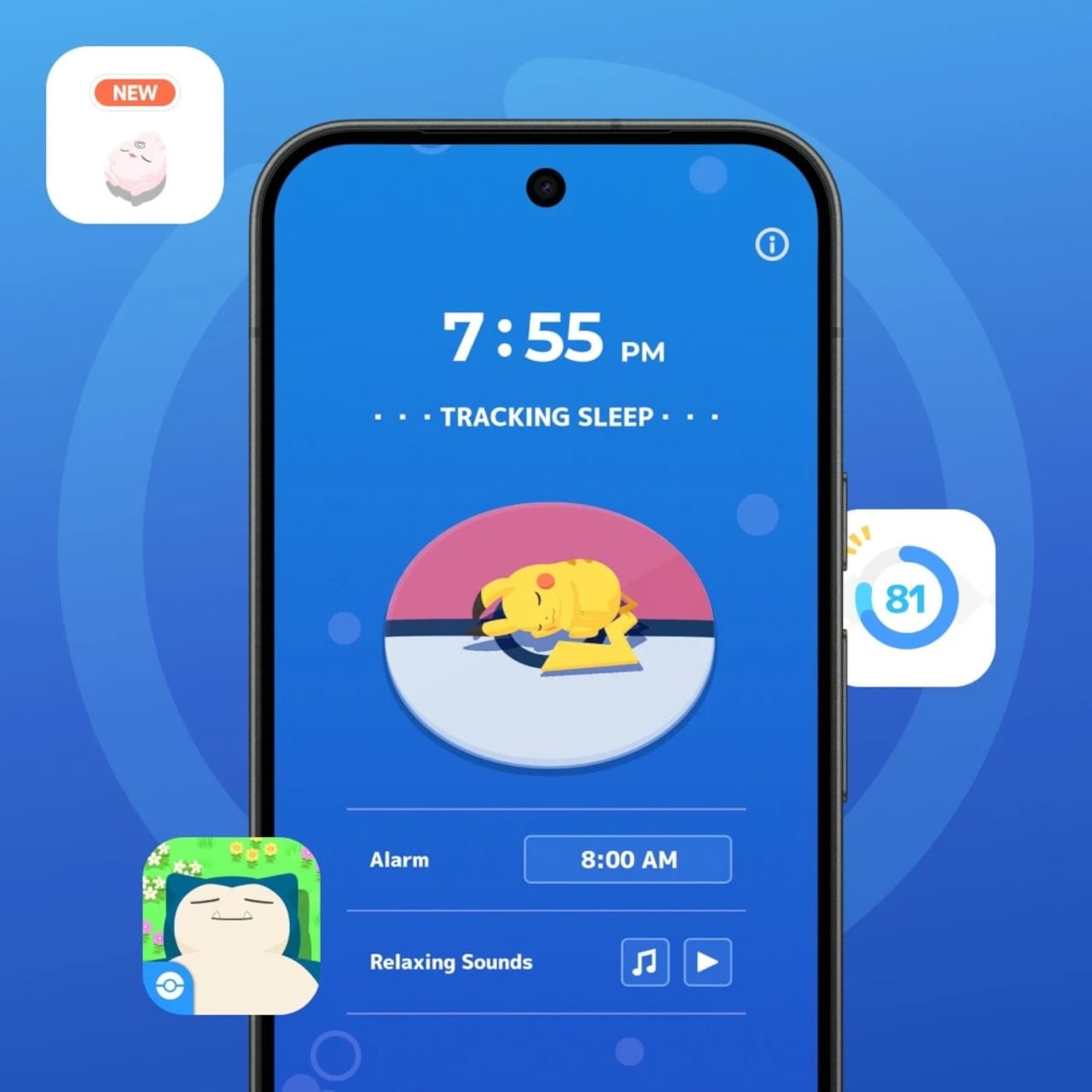
Naps count toward Drowsy Power, not just overnight sessions, which is a small but genuinely useful detail. It means the tracker rewards rest across the full day rather than treating a nine-hour night as the only path to progress. People with irregular schedules or who rely on afternoon naps get the same feedback loop as anyone with a consistent bedtime routine.
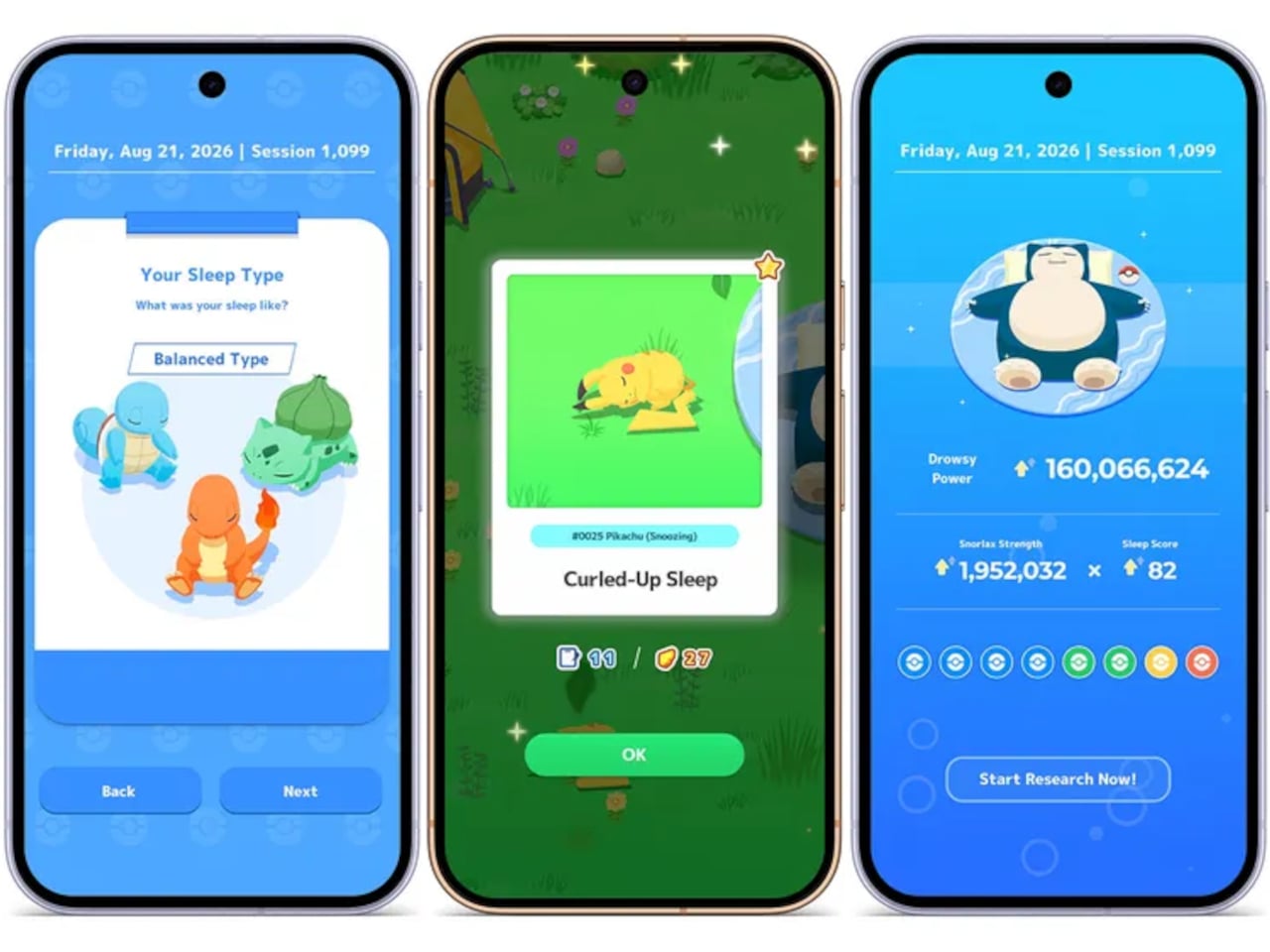
This is Pokémon’s 30th anniversary, which is part of why the collaboration exists in the form it does. The Snorlax-themed packaging, the silk-print label, and the Sleepy Blue colorway are all timed to that milestone rather than representing a permanent product direction. It’s a collector’s object that also happens to work as a serious sleep tracker, and the two things coexist without competing.
The Fitbit Air Special Edition Pokémon Sleep is available for preorder at the Google Store and Target, with shipping starting September 15. It’s a $30 premium over the standard Air, for a band that looks like a Pokémon game, a branded box, and a trial of the coaching service. For Pokémon Sleep players who need a new tracker anyway, that math is fairly simple.