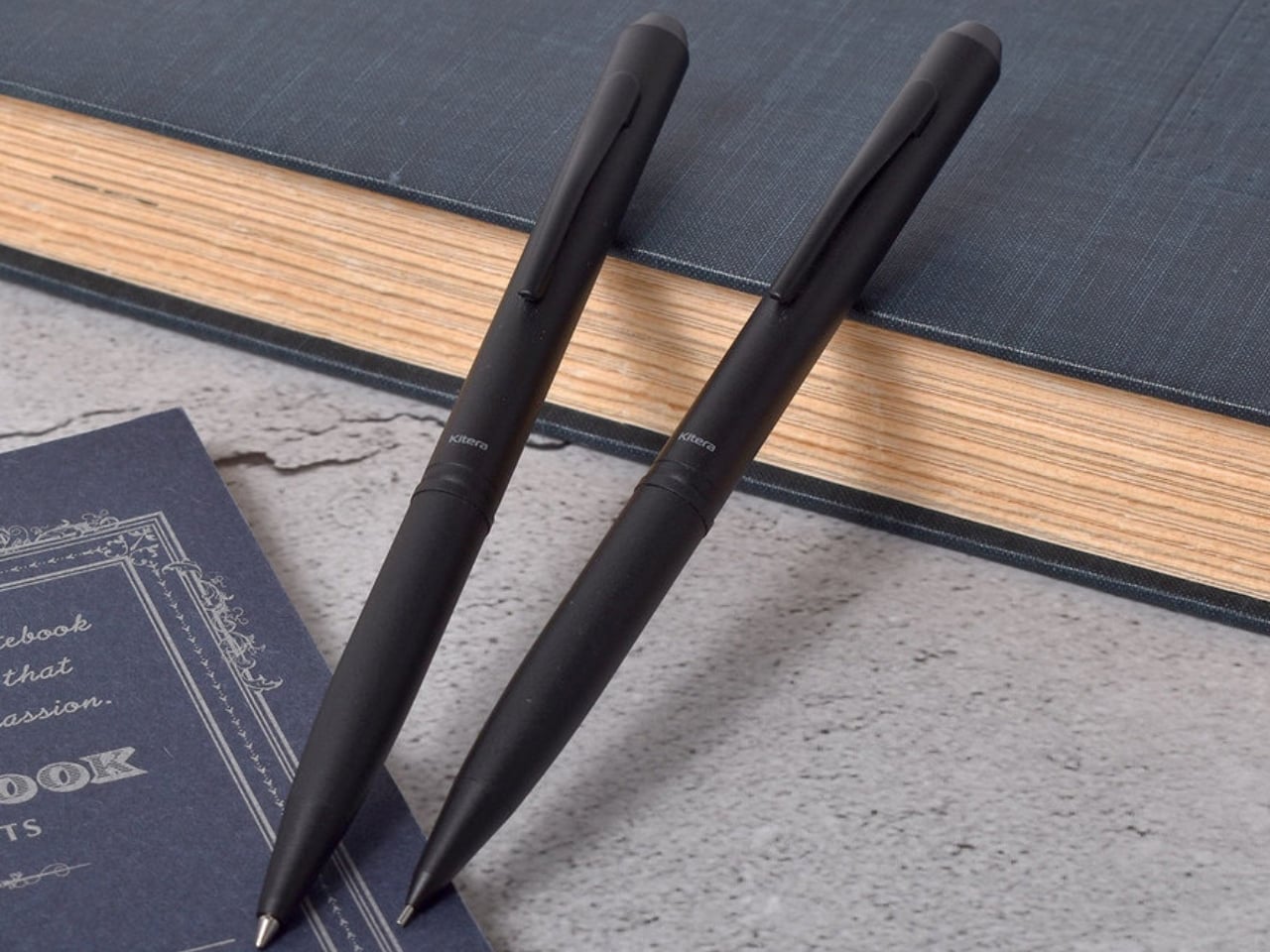

The mechanical pencil has barely changed in over a century. You hold it, click the top, the lead advances, you write. Nobody questions it. Nobody feels the urge to fix what isn’t broken. Which is exactly why the Kitera Side Knock Mechanical Pencil is such a fascinating, and slightly baffling, object to come across.
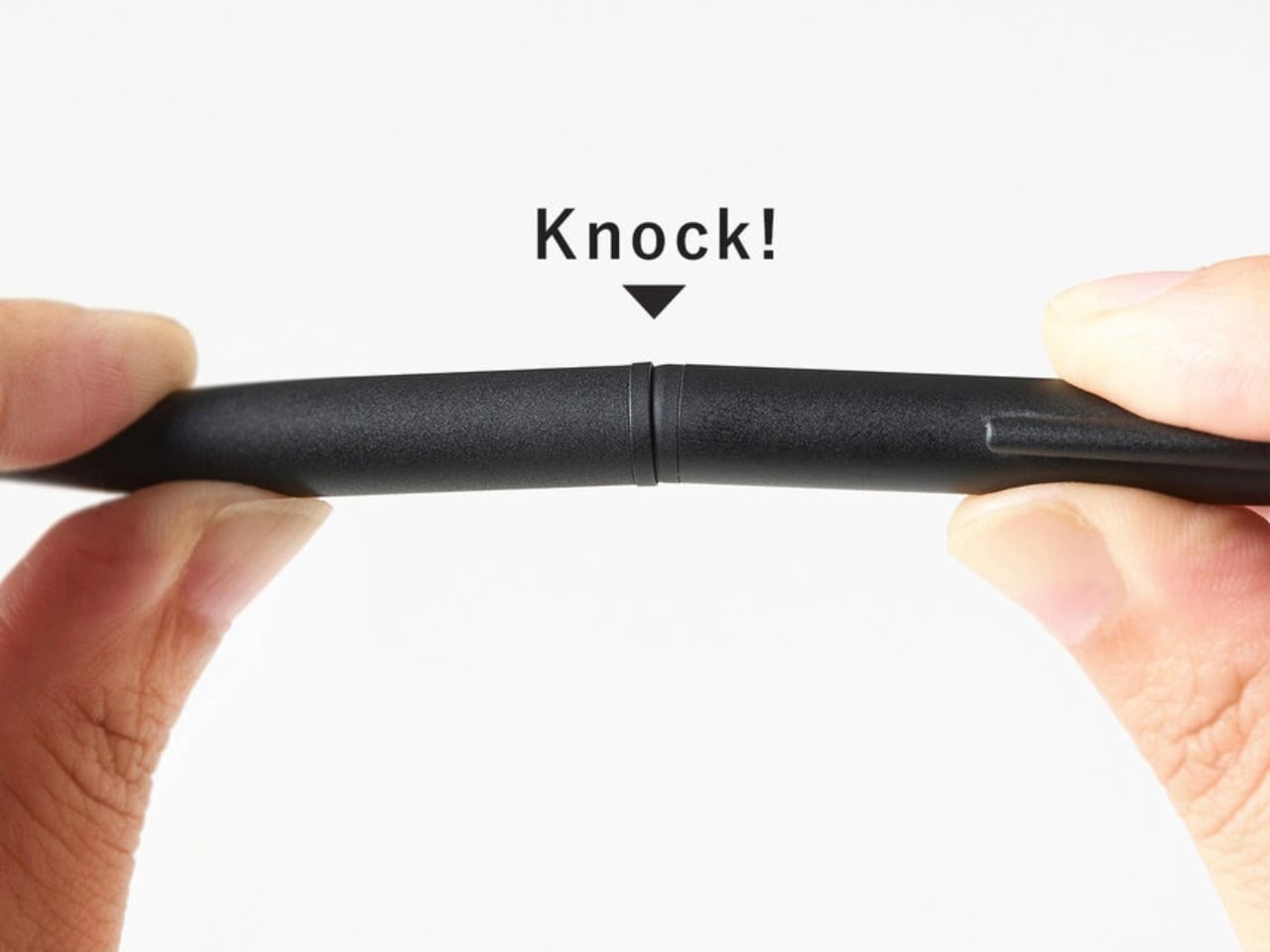
Instead of the familiar clicker at the top of the barrel, Kitera’s engineers designed a mechanism that responds to lateral pressure. You press sideways against the body of the pencil, almost like you’re trying to snap it in half, and the lead advances. That’s the “knock.” And unlike conventional side-knock pencils that feature a discrete button at a fixed point on the barrel, the Kitera responds to pressure from any direction around the shaft, a full 360 degrees of responsive flex.
Designer: Kitera
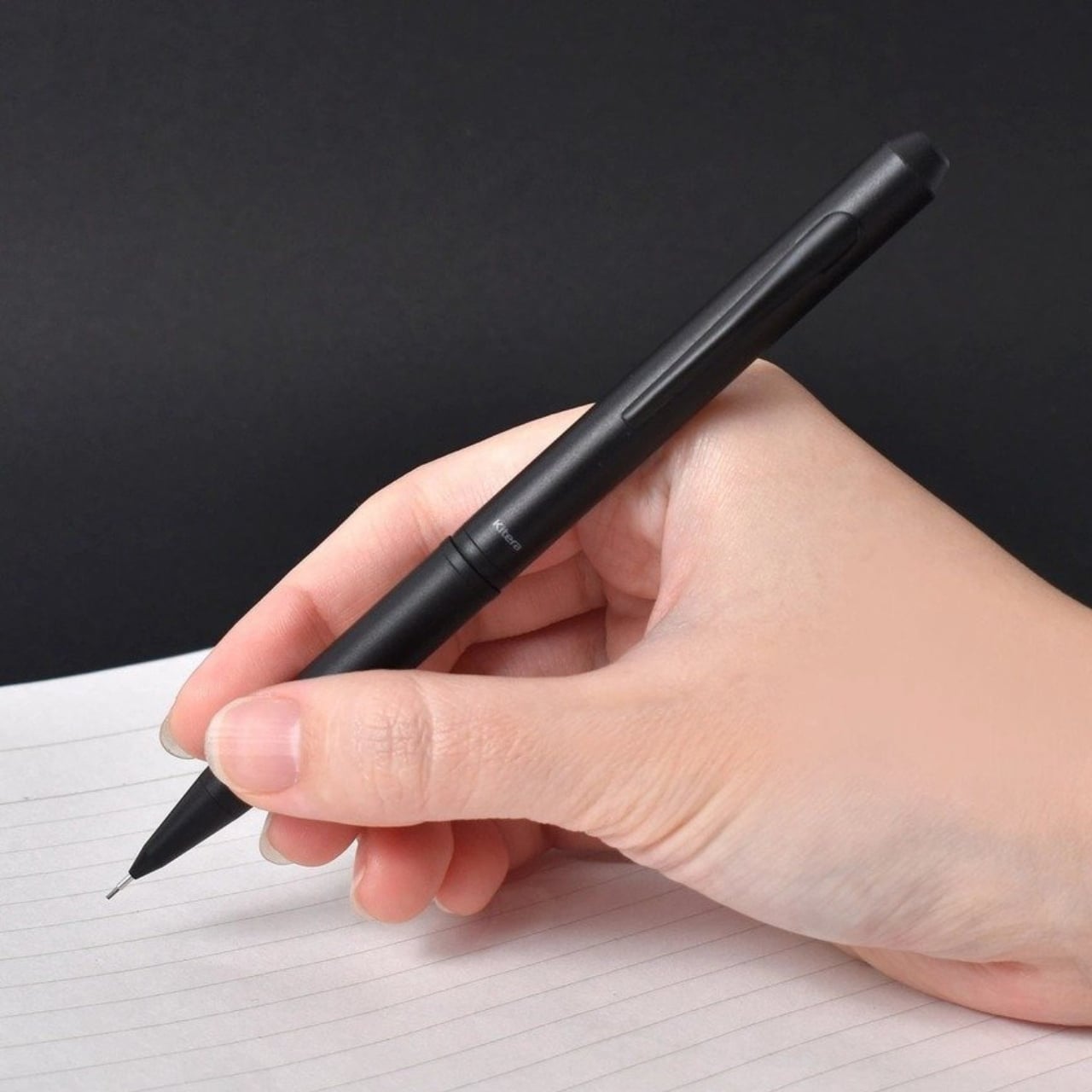

The justification, according to the brand, is uninterrupted writing. You never have to shift your grip, rotate the pencil, or go hunting for a specific click point. Wherever your hand happens to be, you squeeze, the lead comes out, you continue. It sounds logical enough until you sit with it for a moment and realize that most people don’t run out of lead mid-sentence while feverishly trying to capture a thought. Running low on lead is a pause, not a crisis. The whole pitch is a solution to a micro-problem that most of us never noticed, packaged as a quality-of-life upgrade. But that’s a trick product designers have been pulling for decades, and when they do it confidently enough, it works. And yet, the Kitera somehow makes you want to believe it.
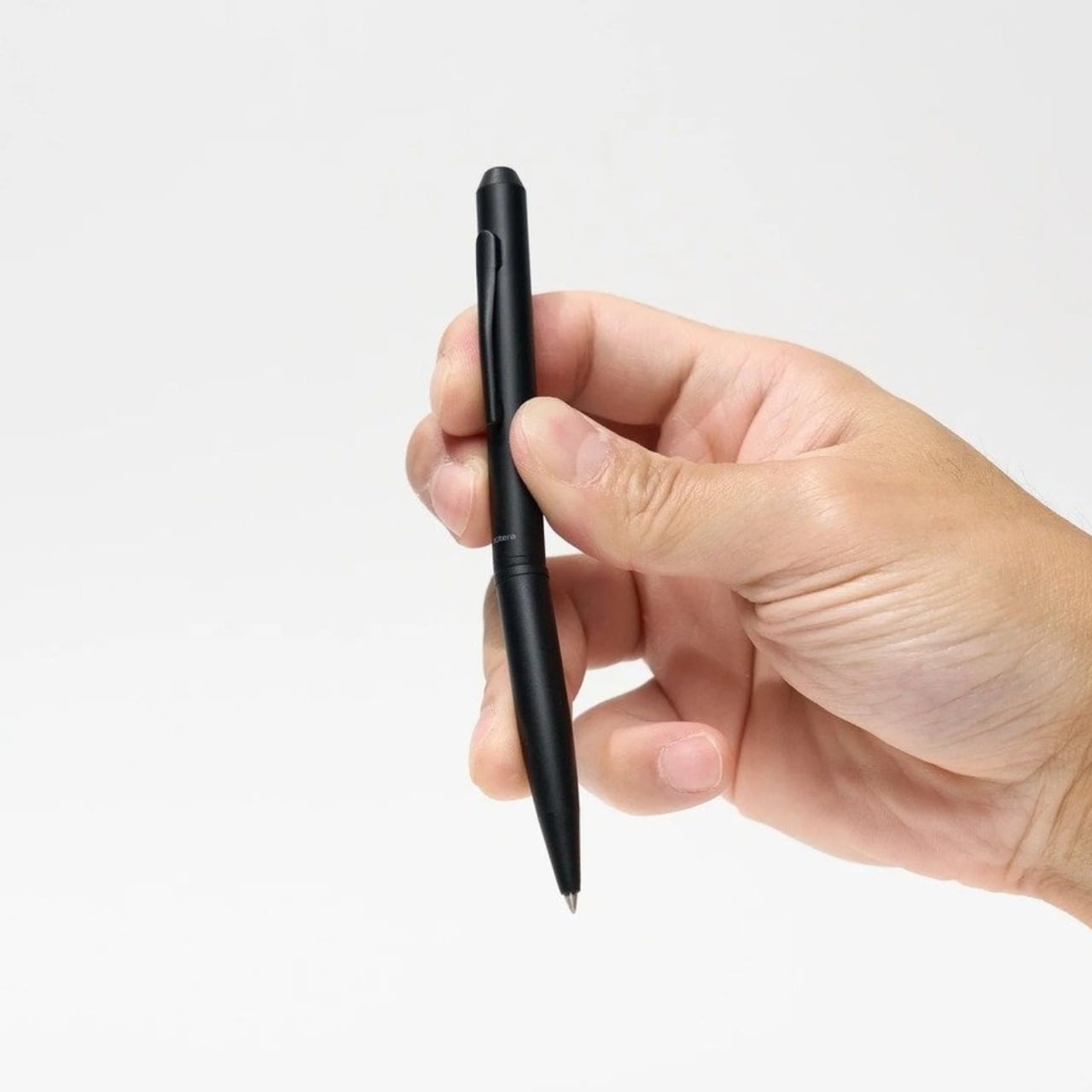
What actually earns it genuine respect, beyond the mechanism’s theatrical qualities, is its construction. The barrel is built from brass, stainless steel, and POM, a high-performance engineering polymer used in precision components. This is not novelty-store stationery. It has heft and intention. The 0.5mm lead diameter is completely standard, so it fits right into a real daily workflow for anyone who writes, sketches, or drafts by hand. Engineering a barrel that physically flexes to advance lead while still feeling like a considered, well-made writing instrument is a real challenge. The fact that it apparently works is worth acknowledging.
Side-knock mechanisms on mechanical pencils are not entirely new. Pentel’s Technica from the early 1970s featured a side-mounted button as an alternative to the top click, and it was seen as quietly revolutionary for its time. Kitera’s version removes the fixed button point entirely, distributing the action across the entire circumference of the barrel. That is a meaningful design step forward, even if its practical payoff is modest.
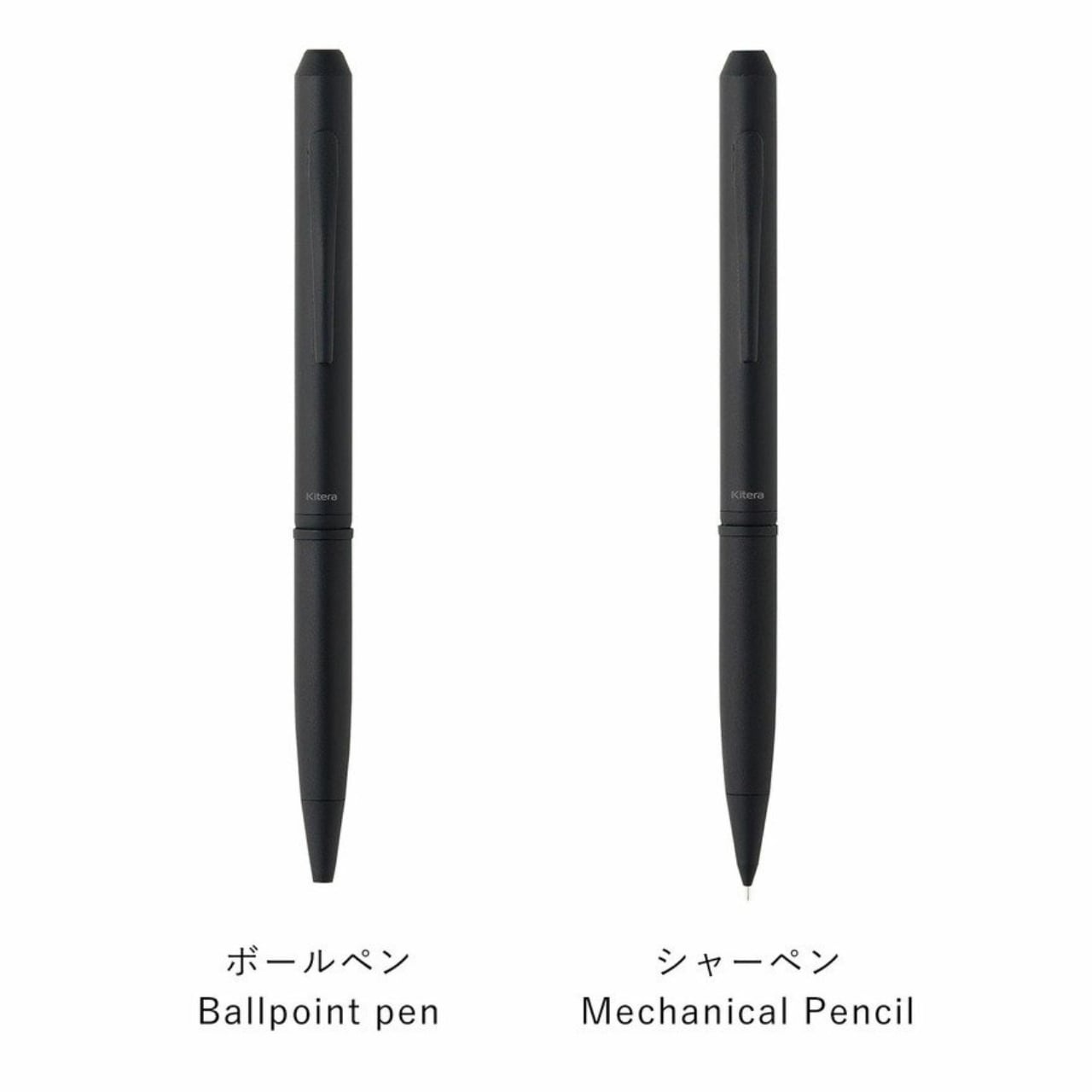
The pencil also exists alongside a Side Knock Ballpoint Pen from the same brand, and that’s where things get philosophically interesting. The ballpoint version can’t claim the uninterrupted writing angle, since ballpoints don’t require lead advancement at all. At that point, the mechanism becomes purely about identity, and the brand is essentially saying they do things differently, even when they don’t have to. That’s either a design philosophy worth admiring or a very stylish kind of stubbornness. Possibly both.
I happen to find it admirable. Analog tools need to earn their place in a screen-first world. Objects that make people stop, pick them up, and ask “how does this even work?” carry a kind of cultural value that pure utility can’t always provide. A pencil with a distinctive interaction becomes a pencil worth owning, worth keeping on your desk, worth recommending to someone who will immediately try to bend it and look delighted when the lead comes out.
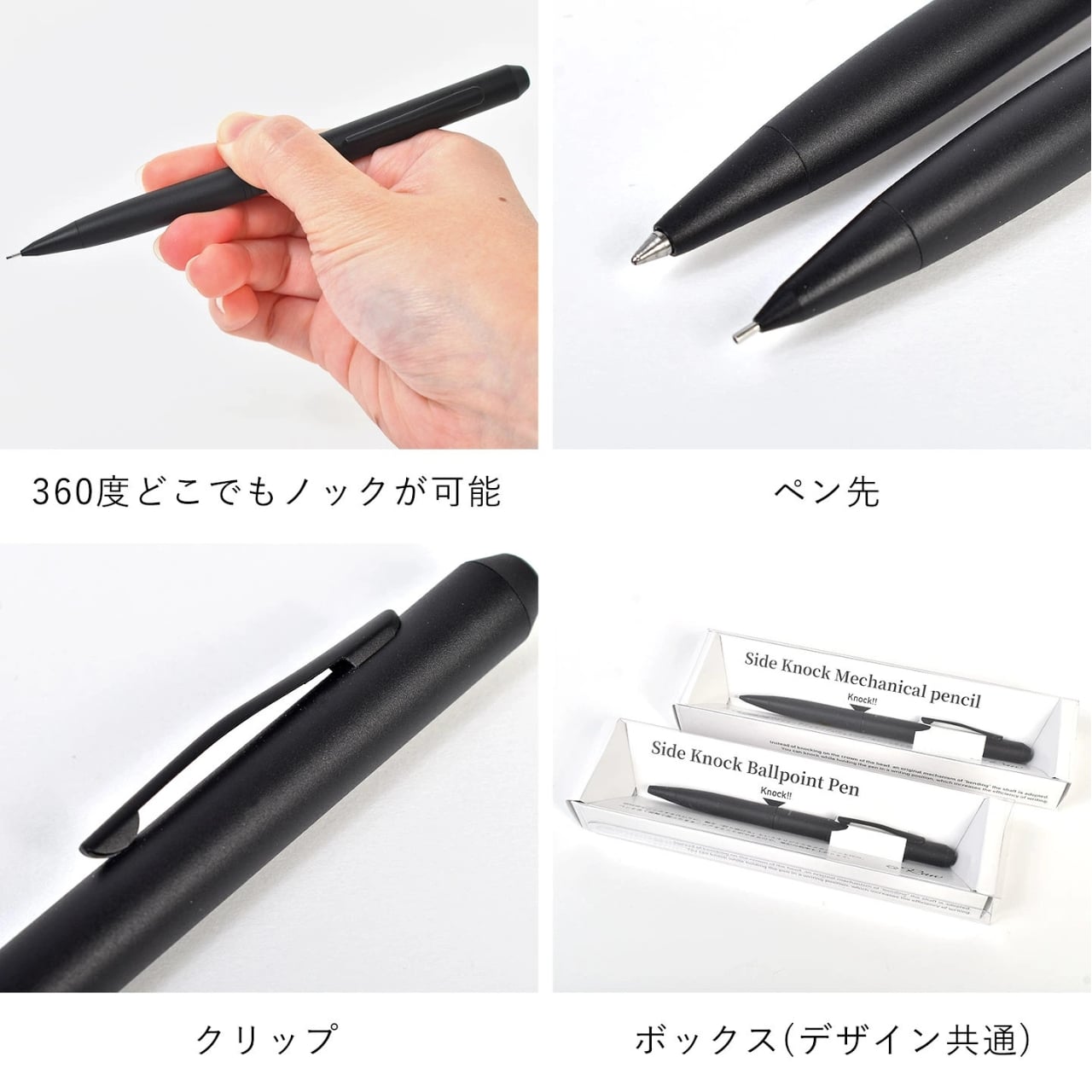
If you’re a purist who just wants a pencil to behave the way pencils have always behaved, the Kitera will feel like too much. But if familiar objects getting genuinely curious rethinks is your kind of thing, this one is very much worth your attention. Just don’t squeeze it too hard on your first try. Lead travels farther than you’d expect.