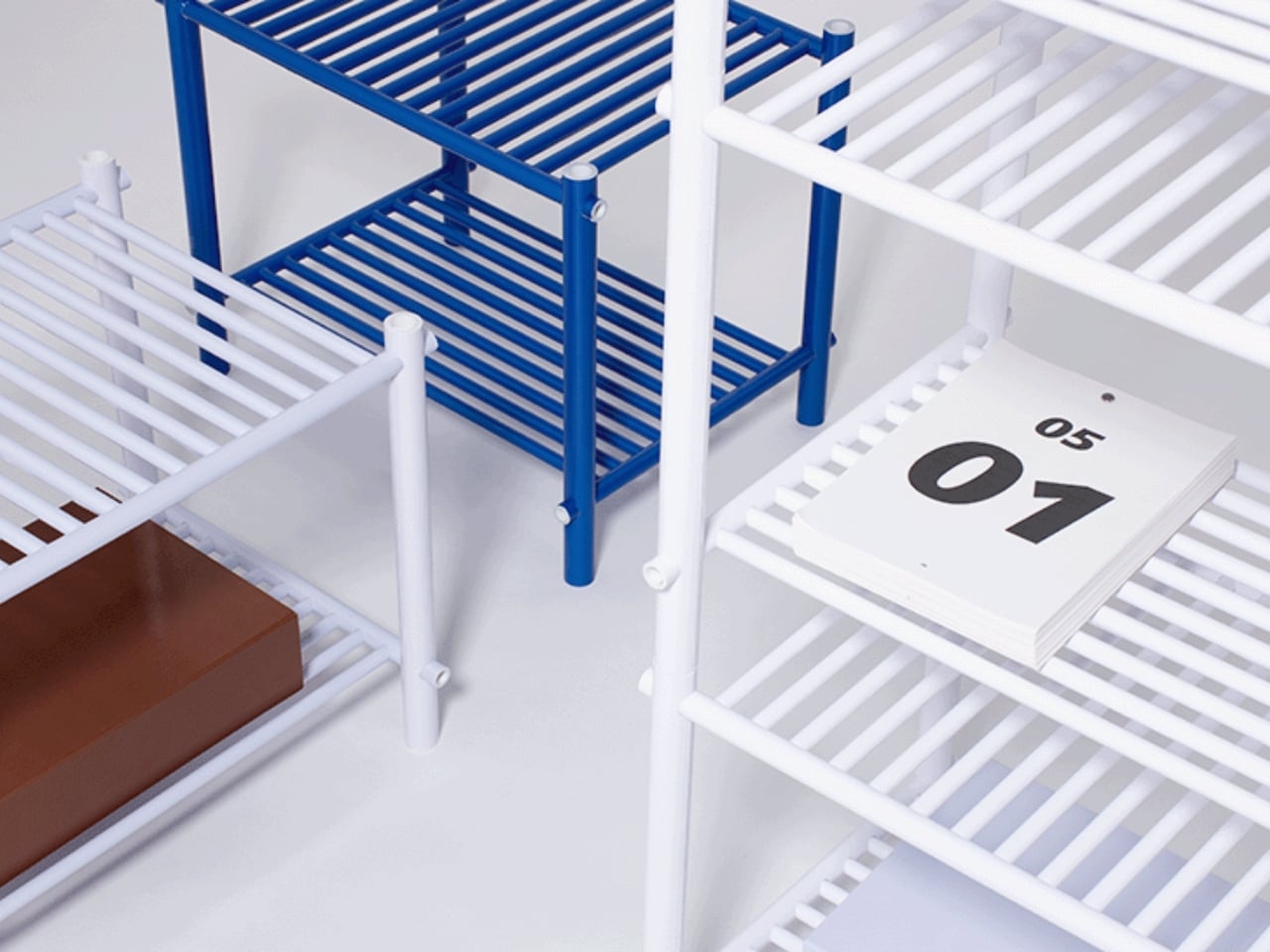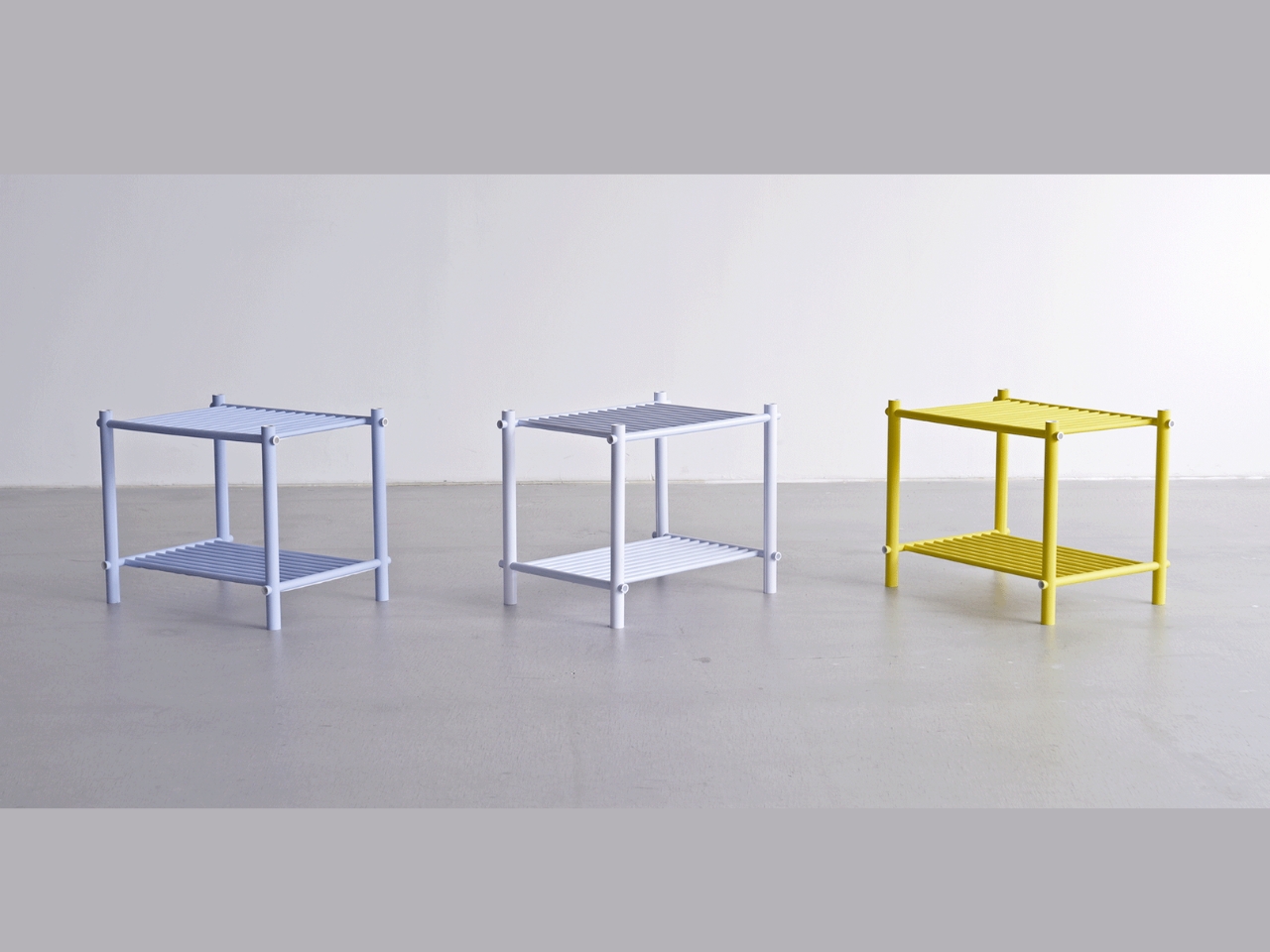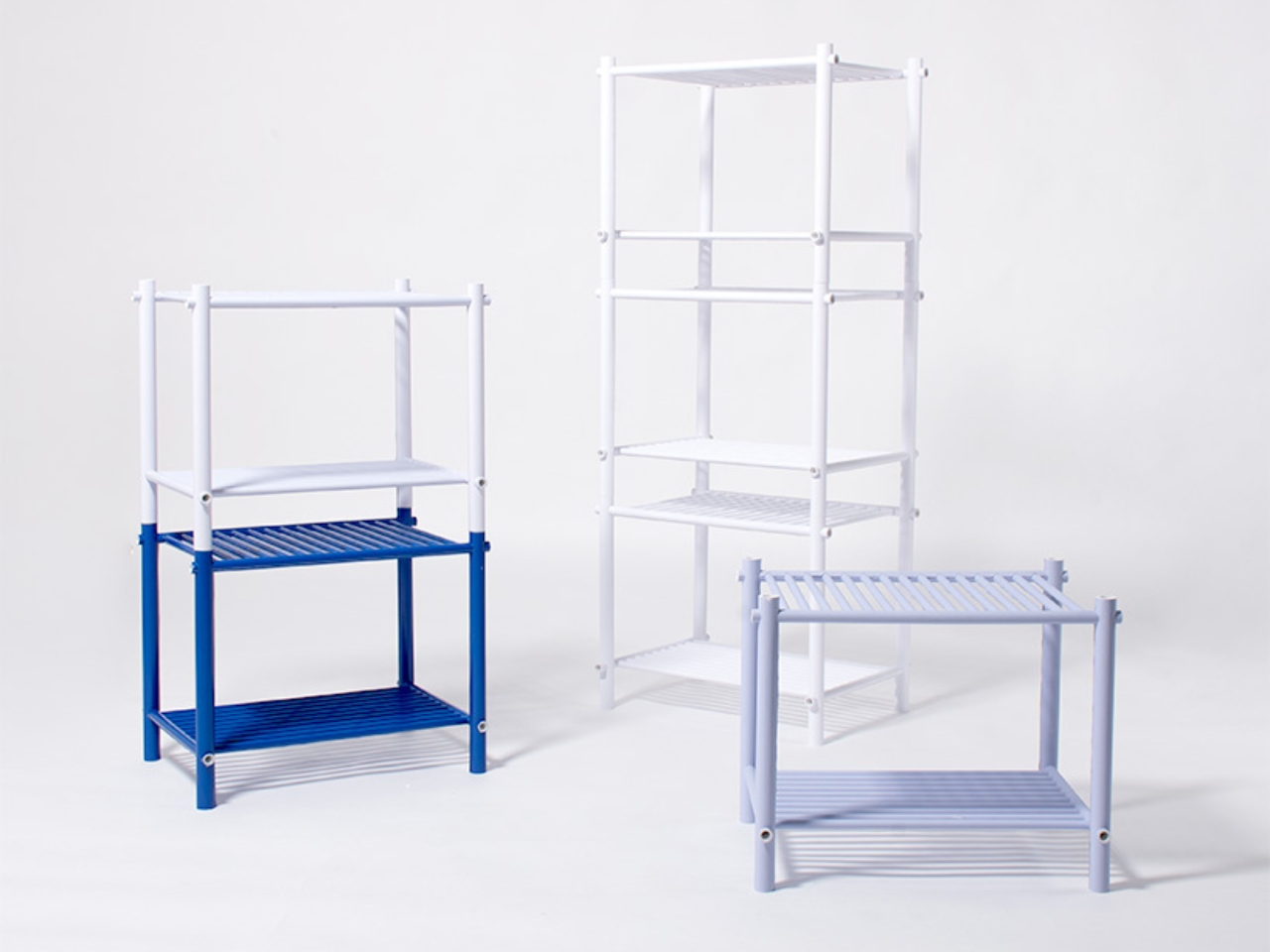

When Japanese designer Muto Yumi set out to make furniture from paper, the result was not what most people would imagine. No papier-mâché. No origami-inspired folding. No cardboard box aesthetics salvaged and called art. What she produced is a modular furniture system so structurally sound and visually precise that it makes you question almost everything you assume about material strength and decorative surface.
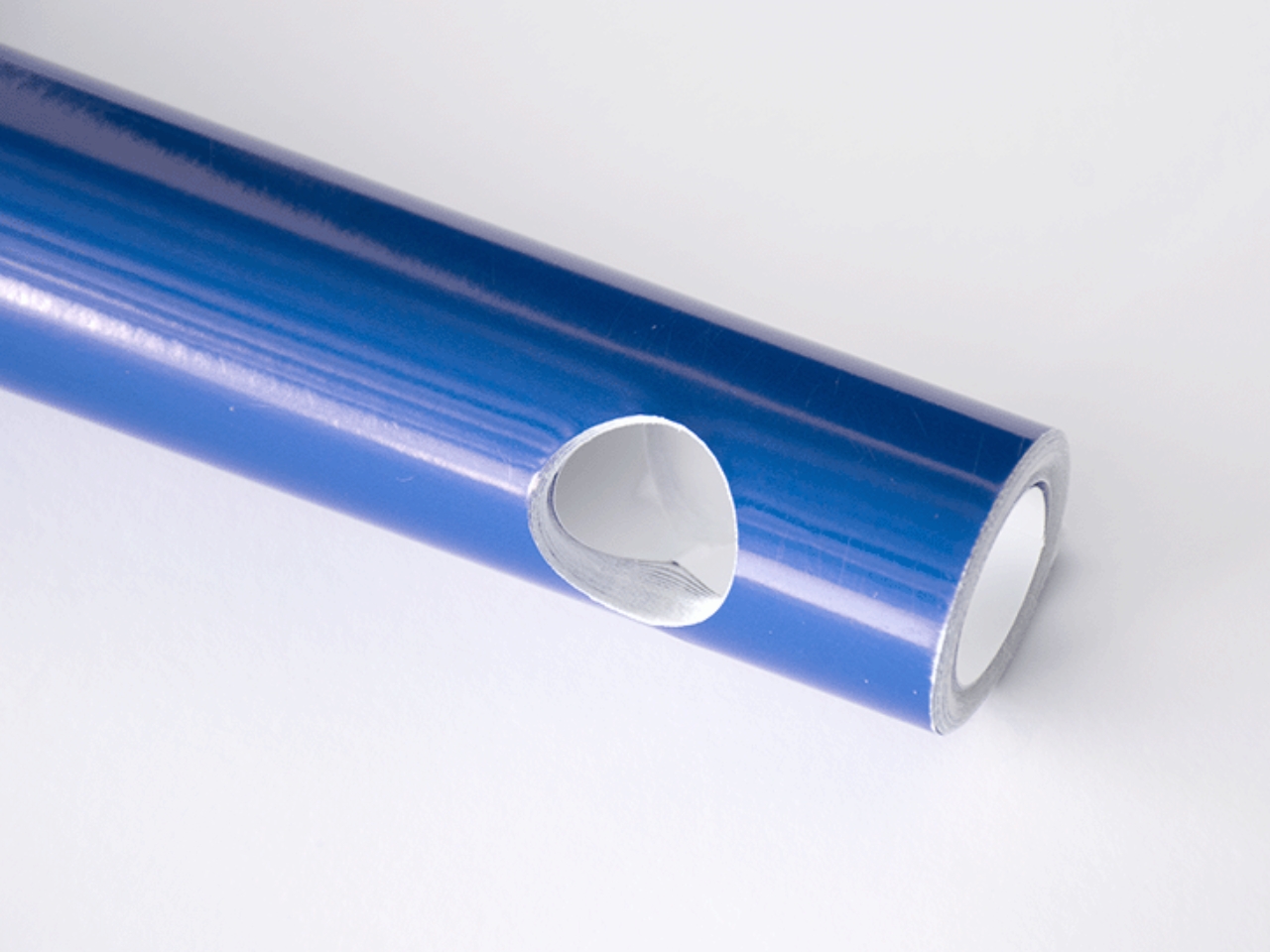
The project is called Pattern as Structure, and the name is not just poetic framing. It is literally the concept. Muto starts with flat sheets of paper pre-cut with holes arranged in a specific pattern. Roll that sheet tightly around itself, layer upon layer, and the paper transforms from something limp and delicate into a dense, rigid rod capable of bearing real weight. The physics of it are intuitive once explained, but watching it happen feels like a magic trick. A single sheet does nothing. Rolled and compressed, it becomes architecture.
Designer: Muto Yumi
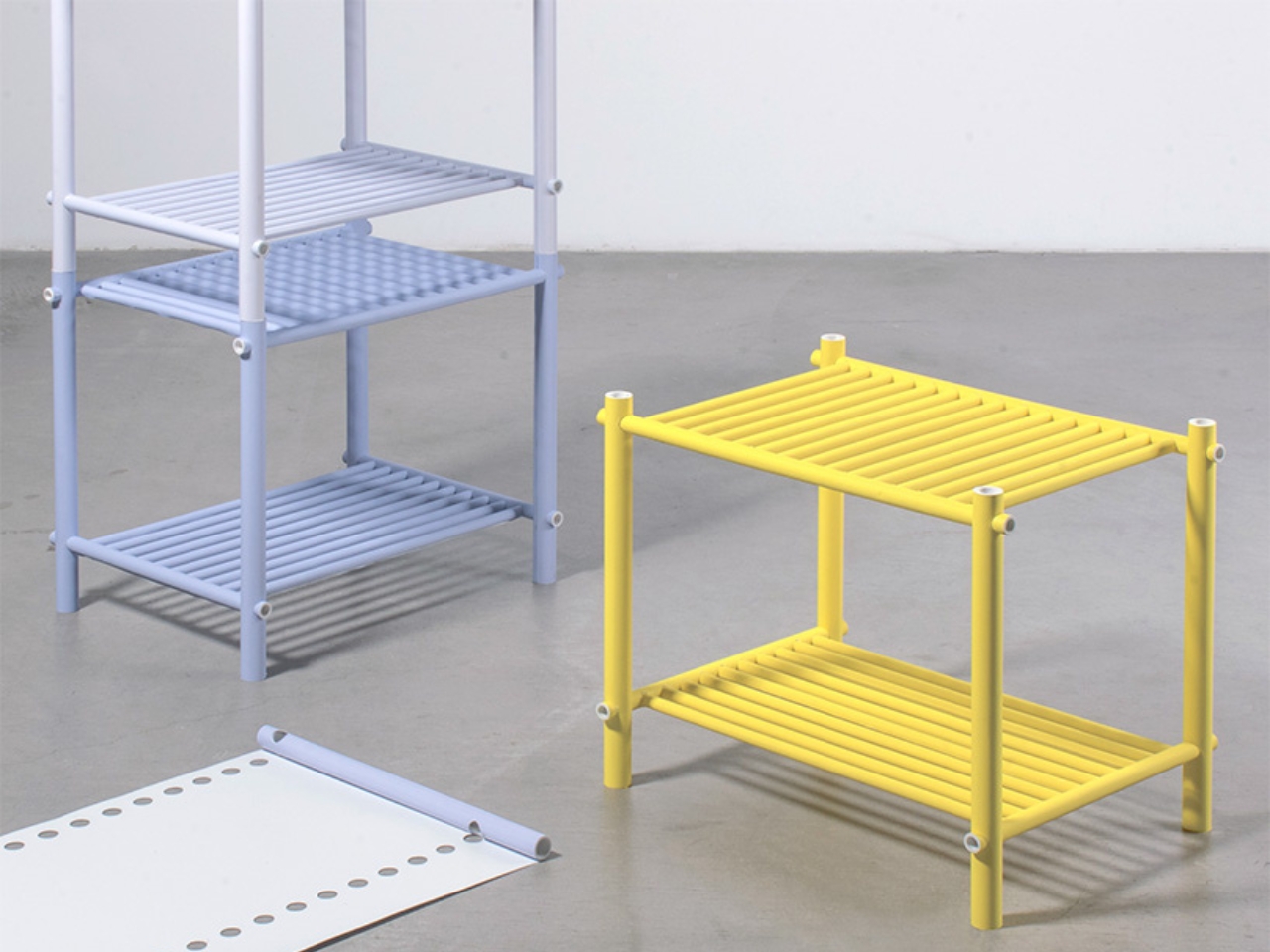
Here is where it gets more interesting. Those pre-cut holes that look like a graphic pattern on the flat sheet? Once the paper is rolled into a rod, those holes become tunnels running through its body. They are the connection points of the whole system. Other paper rods slot through them, linking one piece to the next without glue or hardware. The pattern was never just decoration. It was always the joint, the connector, the system’s logic. The aesthetics and the engineering are the exact same thing.
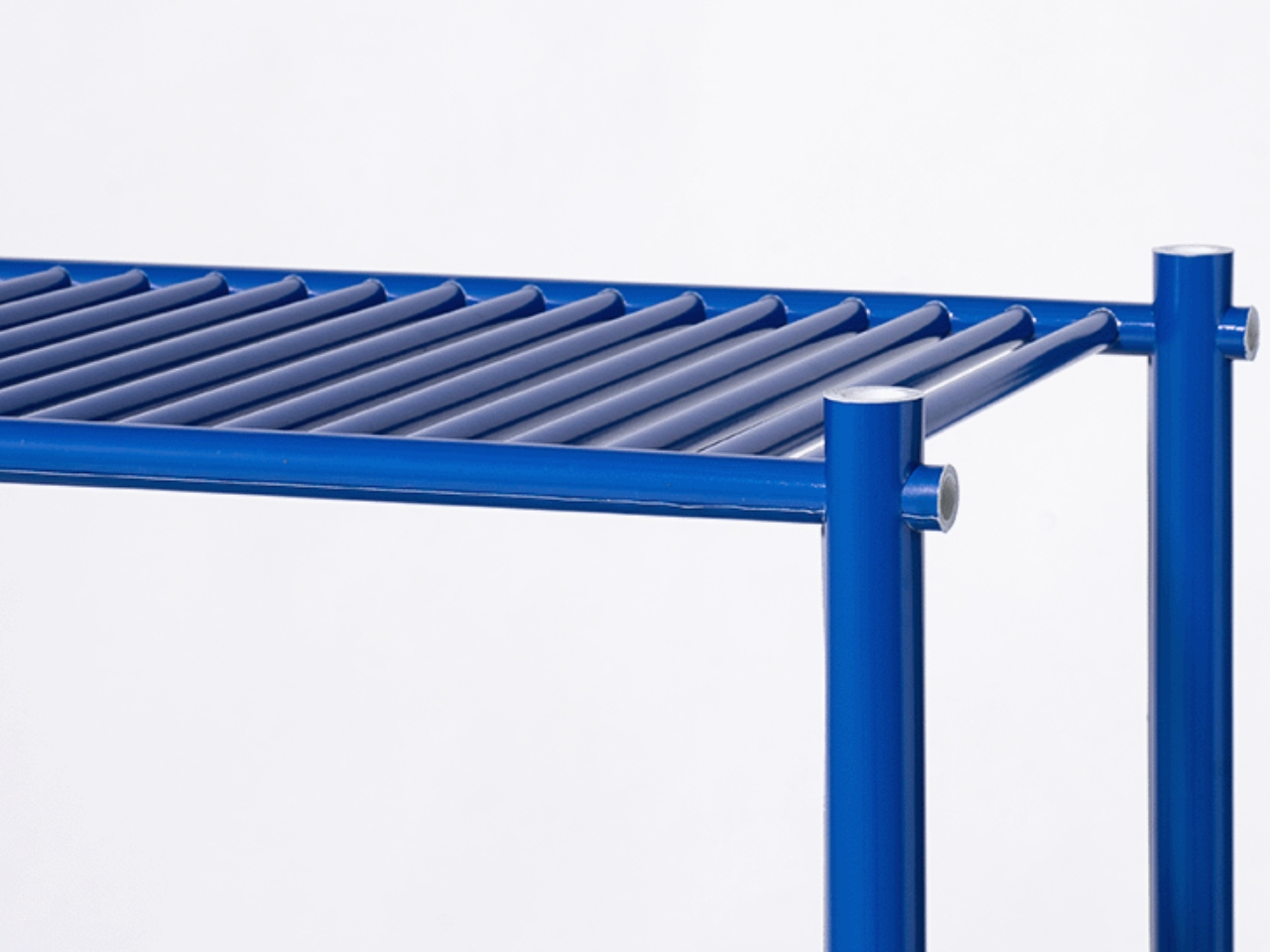
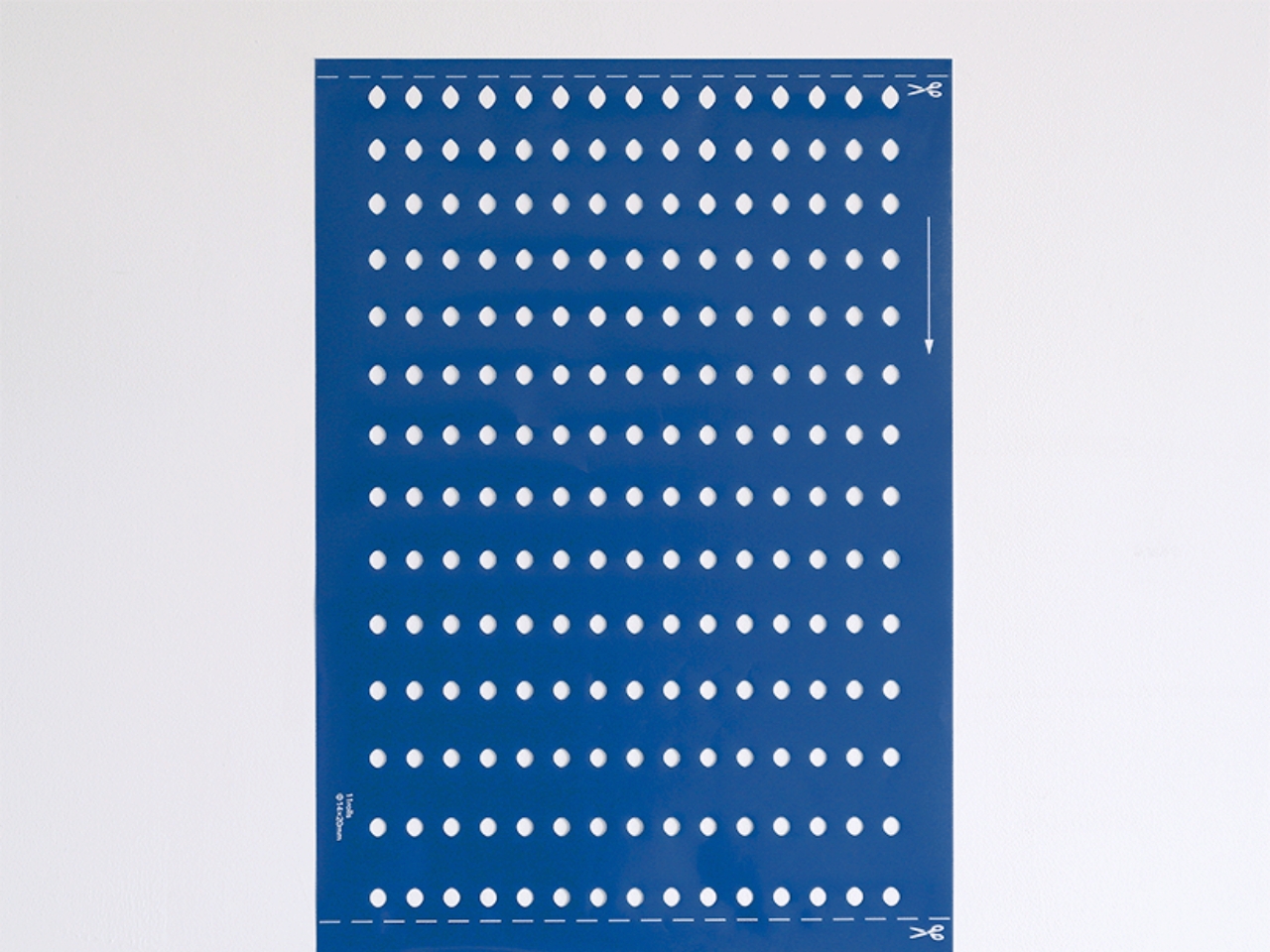
That kind of design clarity is genuinely rare. Most furniture design separates surface from structure, treating them as two different problems to solve. A frame holds the load; a finish makes it beautiful. Pattern as Structure collapses that division entirely. The surface IS the structure. The decoration IS the joint. You cannot take one away without destroying the other, and that coherence is what makes the project feel so resolved.
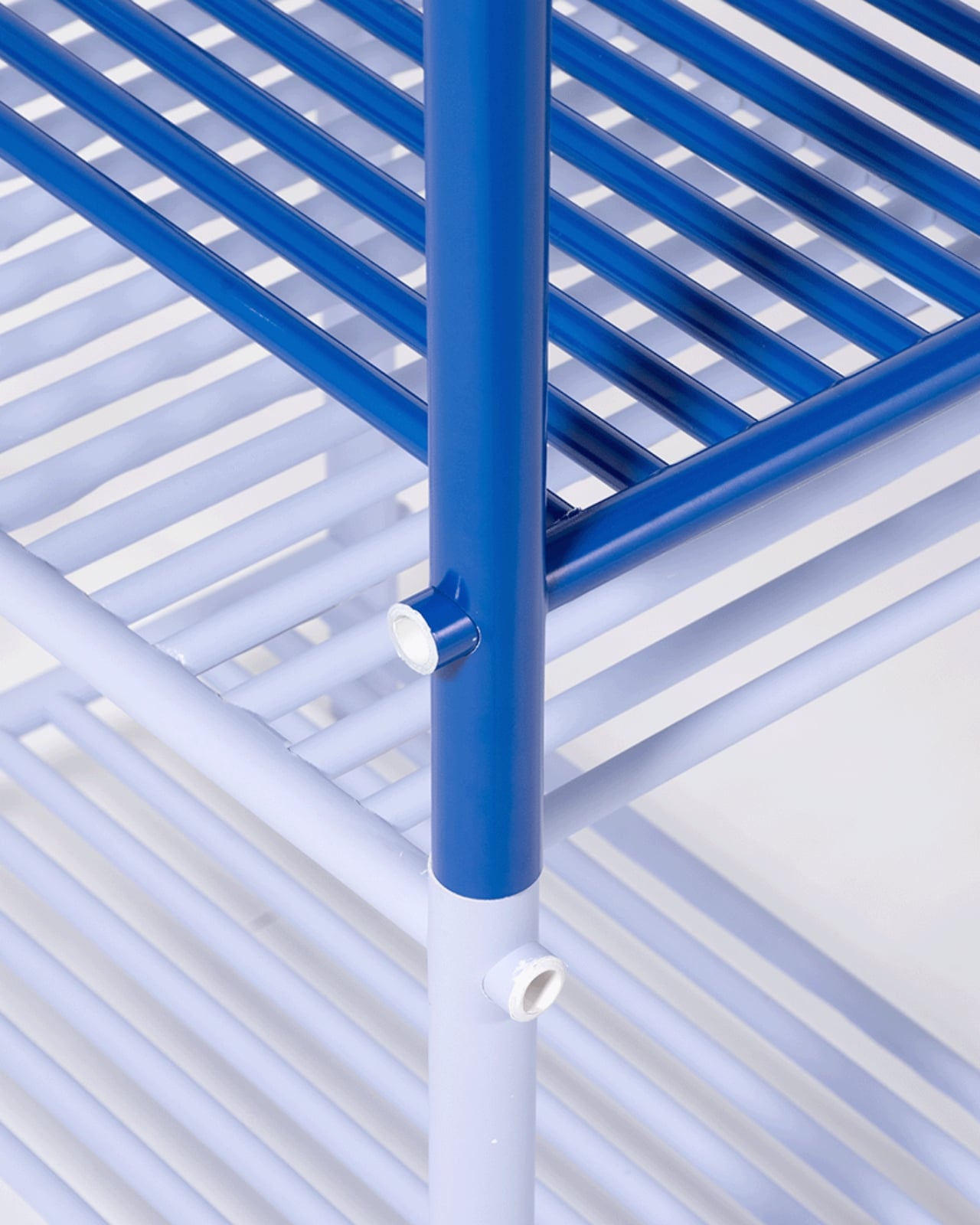

What Muto has produced so far is a family of open shelves in varying sizes. They look clean and slightly architectural, like something you would expect to find in a gallery or a well-curated apartment. But the real achievement here is not the object itself. It is the proof of concept. Because the rods are made from printed paper sheets, the color and graphics on the surface can change infinitely without altering the construction method at all. Want a shelf in deep terracotta? Stripe patterns? Illustrated surfaces? Print the sheet differently and roll it the same way. The structural logic stays identical. The visual language can do whatever it wants.
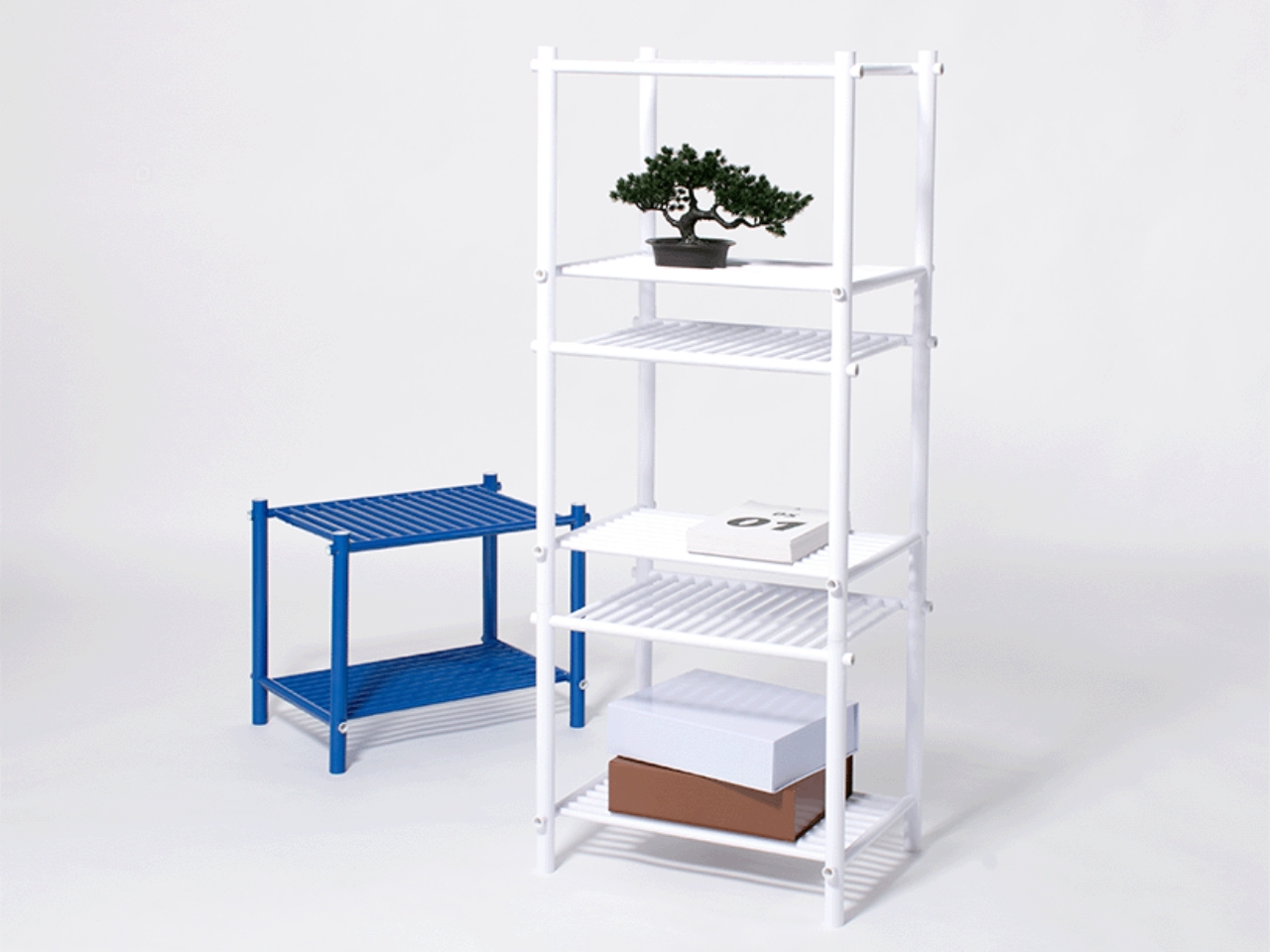
For anyone paying attention to design right now, this matters. The conversation around sustainable materials has become crowded with beautiful ideas that fall apart under practical conditions. Paper furniture is not new, but paper furniture that is also modular, reconfigurable, and visually customizable without requiring any change to its fabrication process? That is a more sophisticated argument. It asks whether we really need virgin timber, powder-coated steel, or injection-molded plastic to make things that last and look good. Muto’s answer is apparently no.
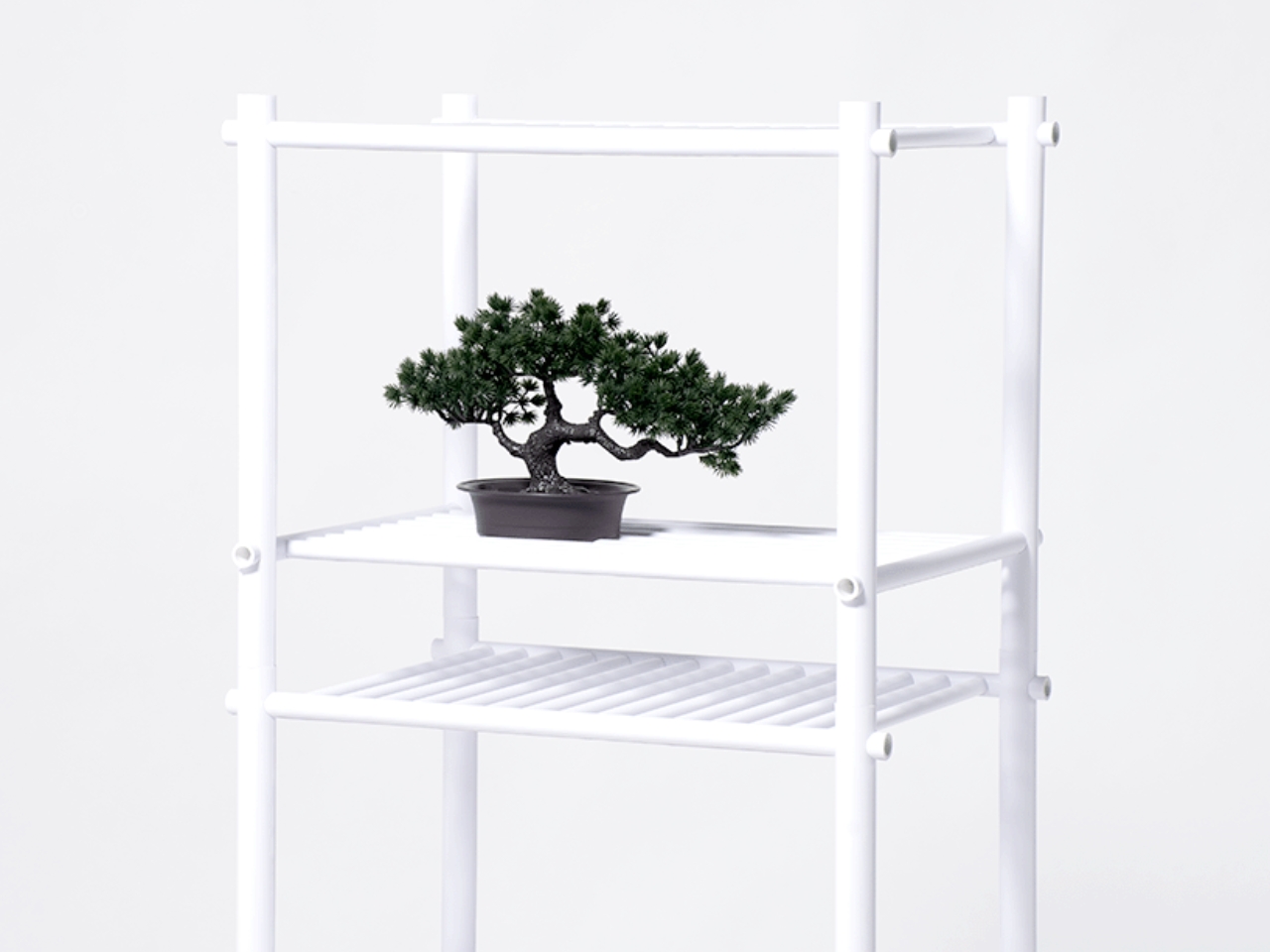
I keep returning to the honesty of the material choice too. Paper does not pretend to be something else. It does not mimic wood grain or stone texture or metal sheen. It is exactly what it is, and somehow that straightforwardness makes the furniture more interesting, not less. The pattern on each rod is visible. You can see the rolled layers at the cut ends. The making is part of the looking.
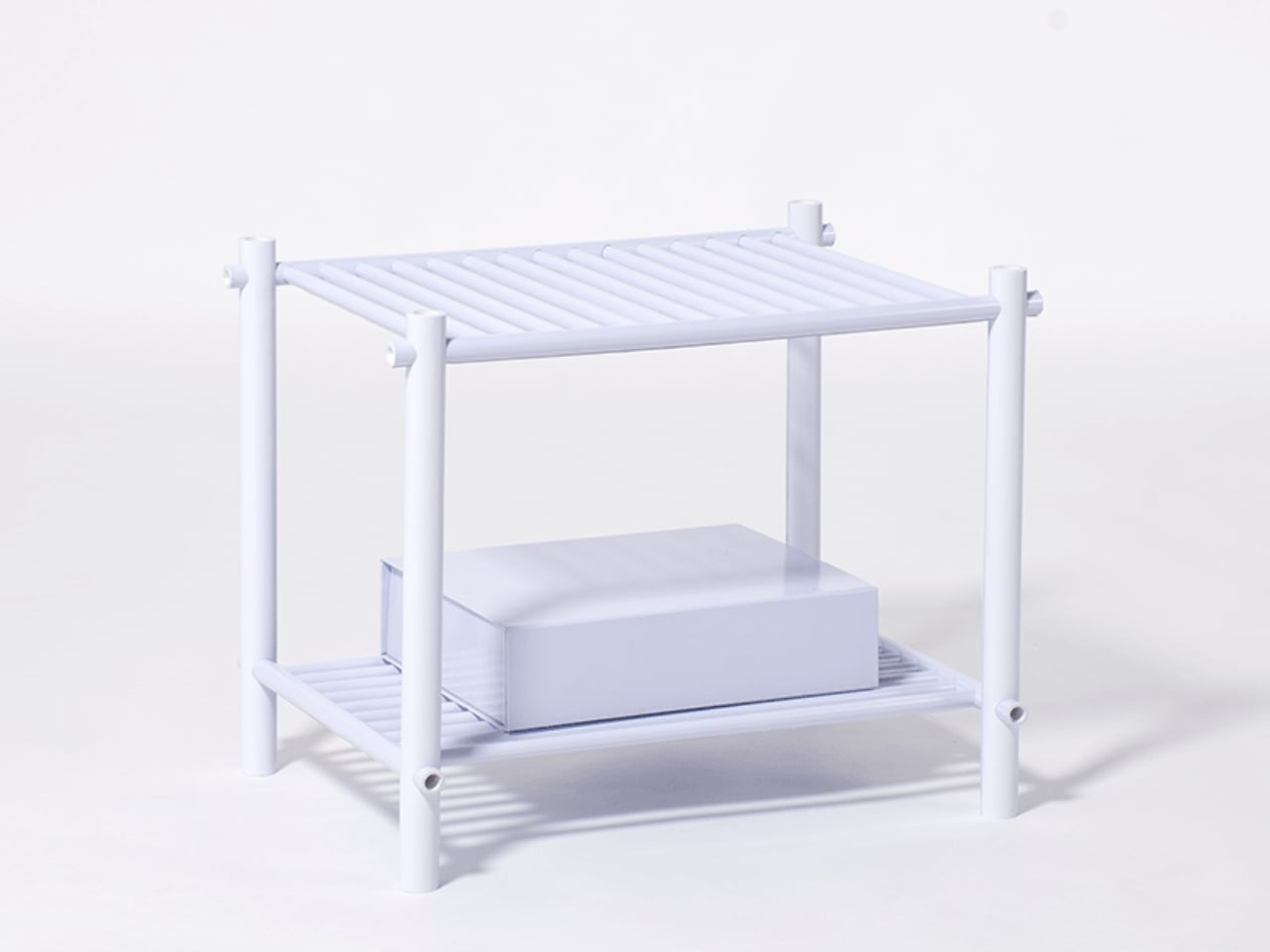
Design that is this conceptually tight often sacrifices warmth or approachability in the process. Pattern as Structure avoids that trap. The pieces feel considered without being cold. They feel experimental without being precious. And for a project made from something as unassuming as a sheet of paper with holes punched through it, that balance is quietly remarkable. Muto Yumi is someone worth watching. Not because she is working with expensive materials or chasing spectacle. But because she is asking better questions about what furniture is actually made of, and why.