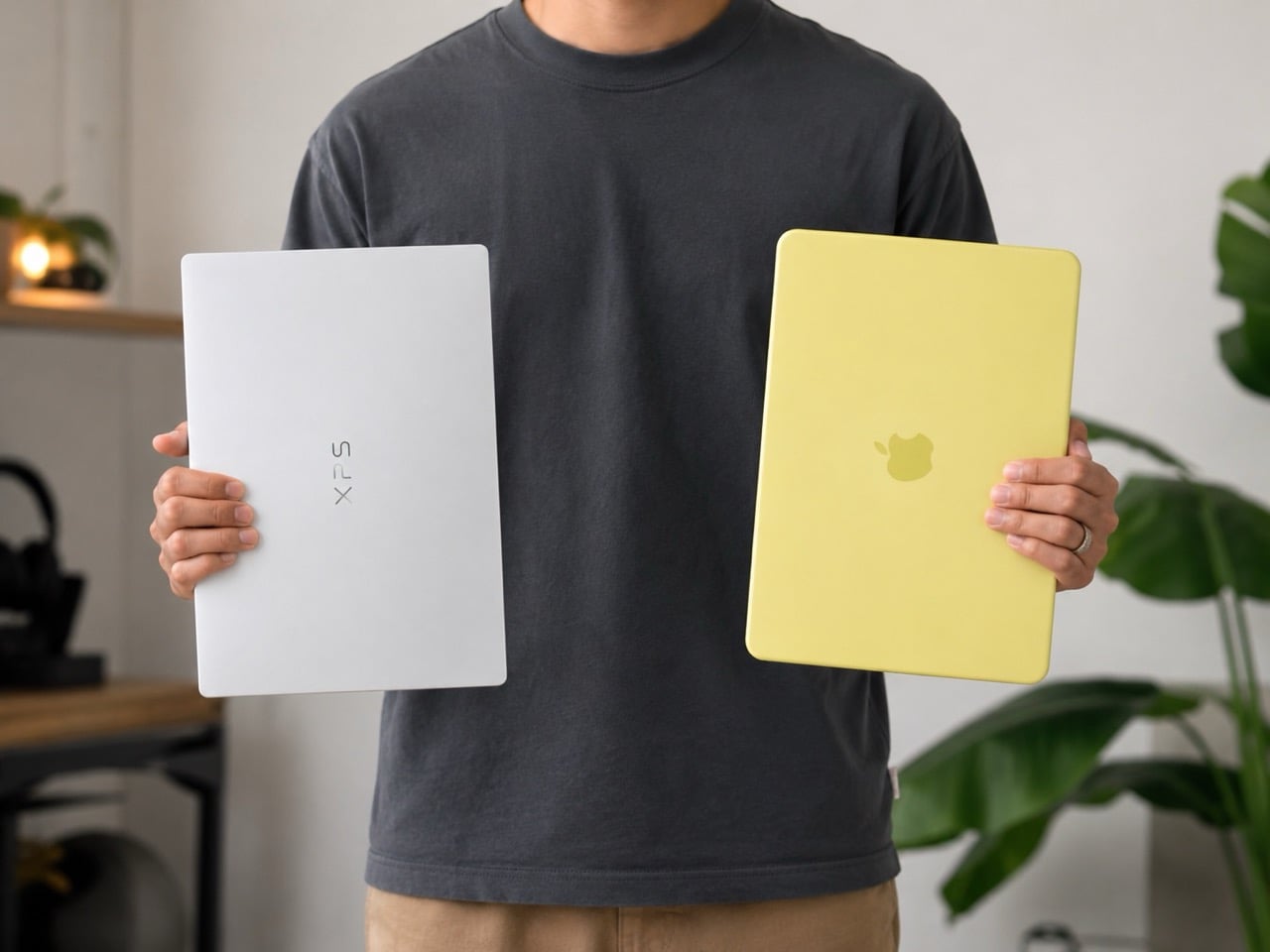

When Apple priced the MacBook Neo at $599 earlier this year, the reaction from the Windows side of the industry was roughly equivalent to a student showing up to a spelling bee having never studied. Manufacturers who had been selling mediocre plastic laptops at $700 and $800 suddenly had a very visible, very beautiful problem: a computer with premium aluminum construction, Apple Silicon efficiency, and a brand name that makes people line up outside stores, available for less than most of them were charging for hardware that couldn’t compete on any meaningful dimension. The demand that followed was so staggering that, as we covered recently, Tim Cook himself admitted Apple fundamentally misjudged how many people were waiting for exactly this moment, with production targets doubling and shipping estimates stretching to weeks. The scramble across the Windows world was predictable in direction if not in execution. What nobody quite predicted was that Dell, of all companies, would be the first to show up with a credible answer, and that it would look this good.
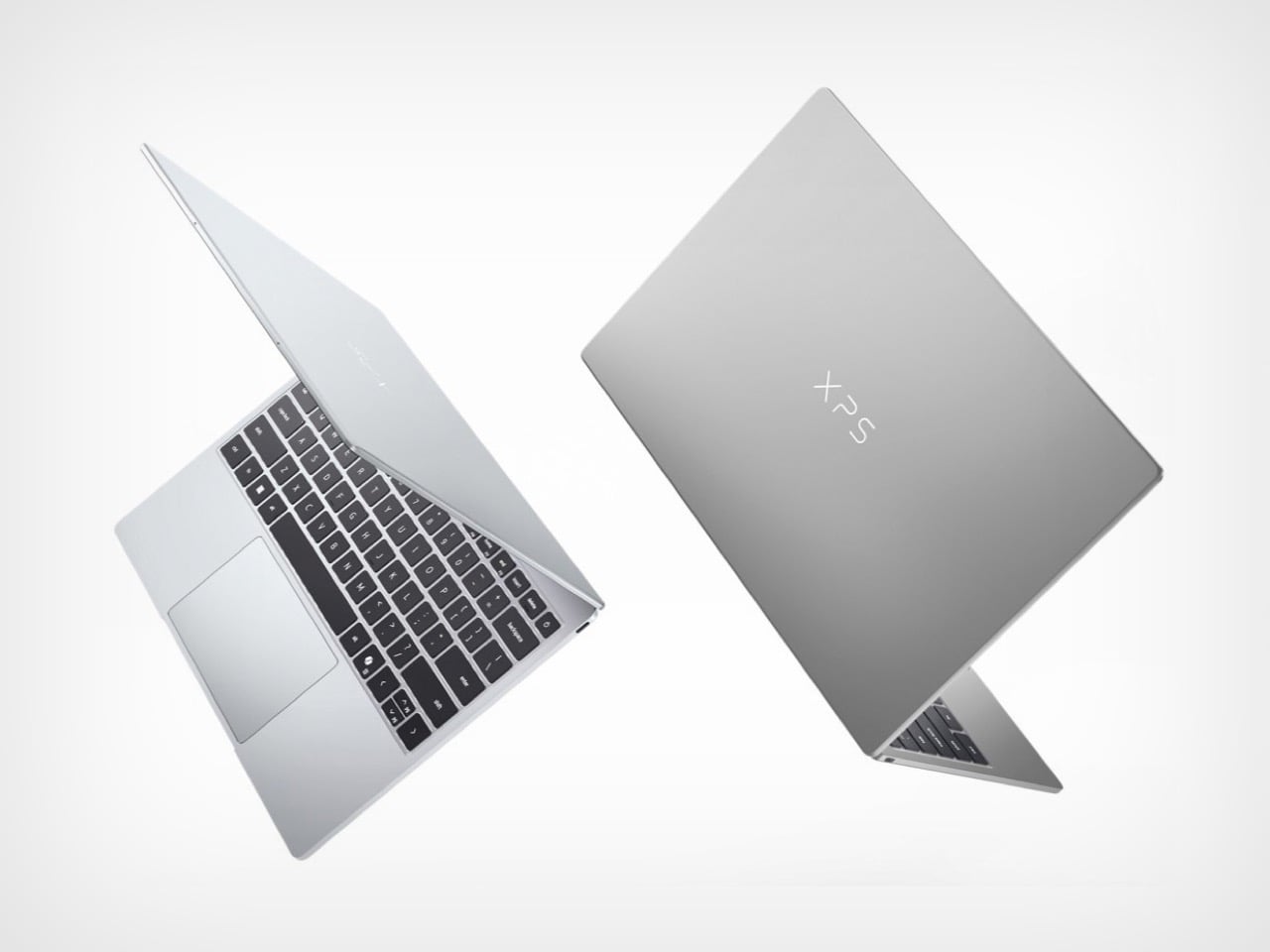
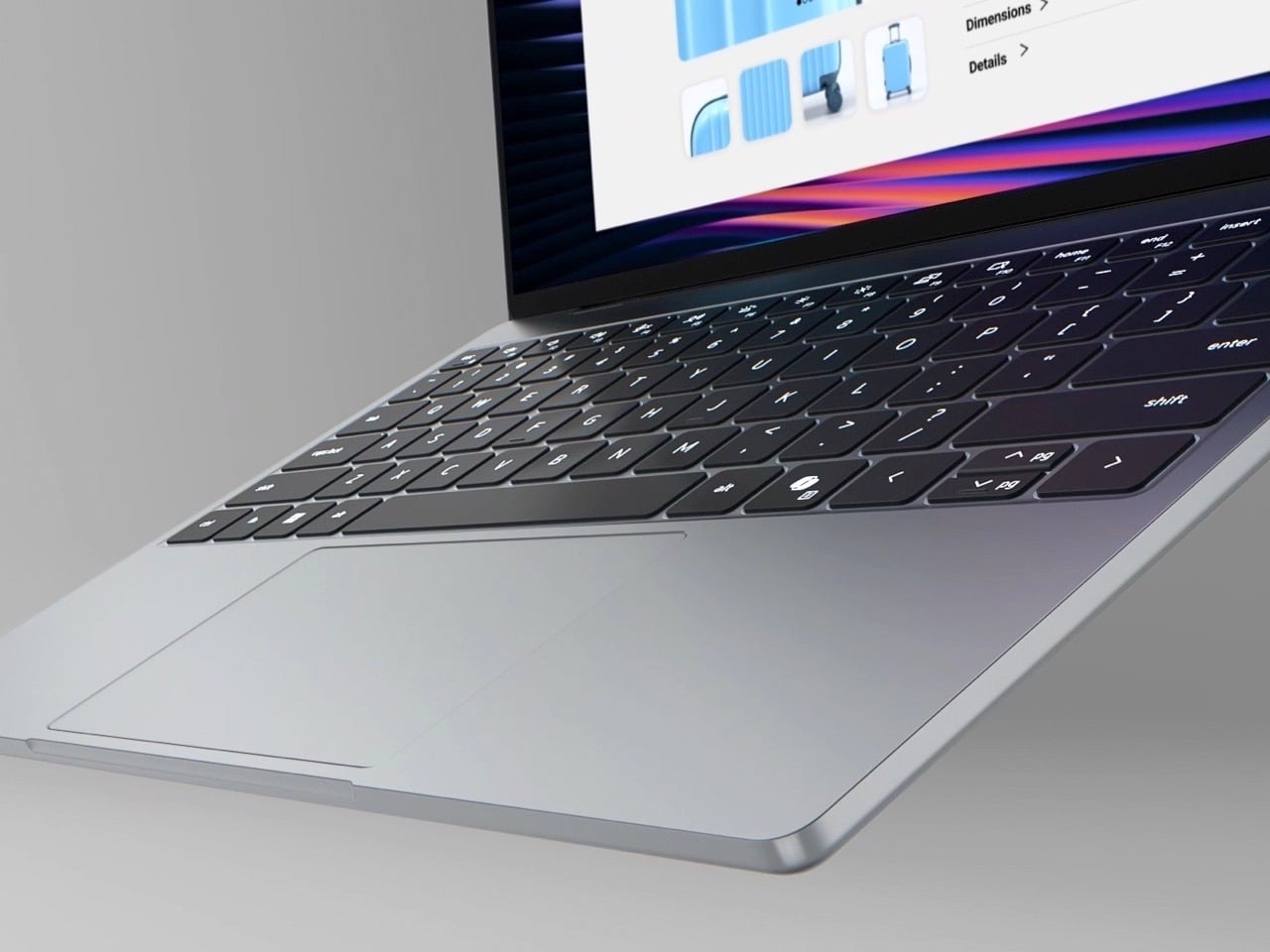
The new XPS 13, announced at Computex 2026, starts at $699 for general buyers and $599 for students, making it a direct price competitor to the Neo, and it arrives throwing considerably more hardware at the comparison. The display alone reframes the conversation: a 2.5K touchscreen running at up to 120Hz with HDR and Dolby Vision support, against the Neo’s non-touch panel that tops out at 60Hz. The chassis is CNC aluminum, the keyboard is backlit with chiclet keys, and the whole machine weighs 2.2 pounds at 12.7mm thin, lighter and slimmer than the Neo by a meaningful margin. Dell COO Jeff Clarke told journalists the company wasn’t chasing a pricing war but a value argument, and through the lens of pure hardware, that argument holds up convincingly right up until you hit the one decision that threatens to unravel all of it.
Designer: Dell

Let’s address the naming first, because it tells you everything about Dell’s thinking here. XPS stands for Xtreme Performance System, a designation Dell has historically reserved for its most capable consumer hardware, machines that justified the premium with raw processing muscle and build quality that could take on Apple’s best. Dropping that badge on a $699 laptop with a cut-down Intel Wildcat Lake processor and entry-level specs represents a deliberate repositioning of what the XPS identity means. Dell is essentially retiring the “extreme performance” promise and replacing it with “extreme value,” which is either a bold strategic pivot or a quiet brand dilution, depending on how the product actually performs in the real world. The hardware design team clearly delivered. The question is whether the product team followed through with the same conviction.
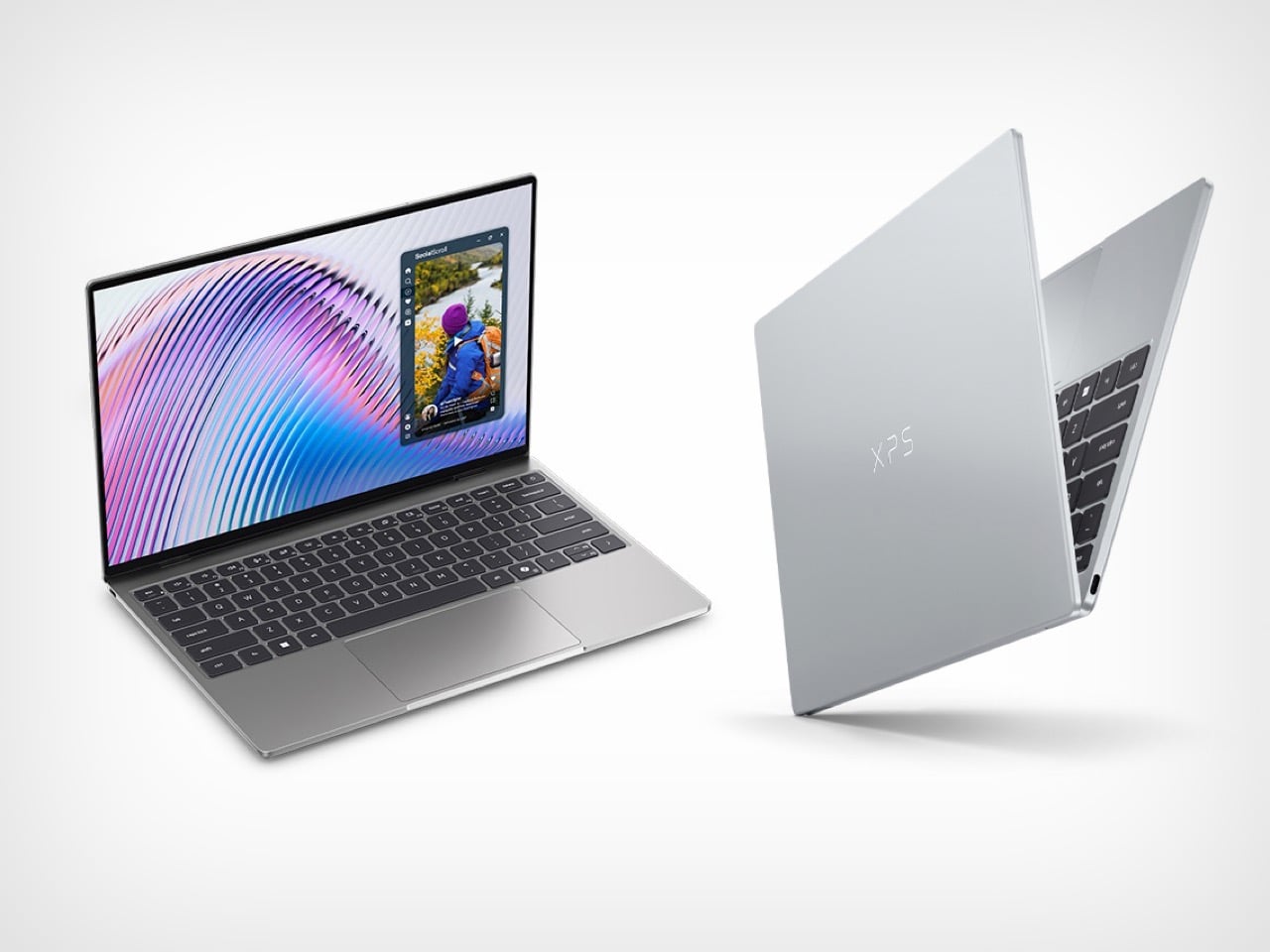
The base model ships with Intel’s new Wildcat Lake Core 5 320, a chip that shares its architecture with the Panther Lake lineup but is trimmed specifically for efficiency and lower price points. Paired to that processor is where the baffling decision lives: 8GB of LPDDR5x RAM in single-channel configuration, with 16GB as the upgrade option. On macOS, 8GB is a workable baseline, because Apple’s unified memory architecture and the efficiency of Apple Silicon mean the system manages that headroom with genuine intelligence. Windows in 2026 operates under an entirely different reality. Microsoft itself has publicly stated that 16GB is the recommended baseline for Windows going forward, and anyone who has watched a single Chrome tab push a Windows machine toward its memory ceiling knows this concern is grounded in daily experience. The XPS 13 can be configured up to 32GB, which is a meaningful long-term advantage over the Neo’s fixed 8GB ceiling, but that flexibility means very little if the entry configuration ships users straight into a frustrating afternoon.
One other cut worth flagging: there is no headphone jack on the XPS 13, while the cheaper MacBook Neo actually keeps one. In isolation this would barely register as a footnote, but alongside the RAM situation it starts to sketch a picture of a product team that obsessed over every physical surface while trimming in places that affect daily use. The build quality is genuinely exceptional, the display beats the Neo’s on paper in almost every measurable way, and the backlit keyboard is something Neo owners have been asking Apple to include since launch. These are real advantages. They just deserve a foundation that doesn’t wobble under the weight of a normal workday.
The broader industry moment here is genuinely exciting, and the XPS 13 deserves credit for existing at all. We’ve also been watching with cautious optimism (and maybe some slop-skepticism) the rumors around Google’s Googlebook, and which could represent Google finally waking up to the fact that the MacBook Neo is eating the lunch that Chromebooks spent a decade carefully building. Google essentially invented the affordable premium laptop category for education and casual users, then wandered away from it, and Apple walked straight through the door they left open. If the Googlebook turns out to be a real product with genuine ambition, this sub-$700 category suddenly has three serious players fighting for the same buyer, and that competition is exactly what consumers at this price point have deserved for years.
For now, the XPS 13 is the most compelling Windows laptop at this price in years, possibly ever. Spec up to 16GB of RAM and the value argument becomes genuinely hard to refute: a superior display, a backlit keyboard, Windows Hello biometrics, and CNC aluminum construction for the same money as a fully optioned Neo. But the base configuration, the one that captures the headline price and draws the comparison, asks buyers to trust that 8GB on Windows will be fine in 2026. That is a considerable ask, and Dell knew it when they made the call. The XPS may stand for Xtreme Performance System, but right now its most extreme feature is the optimism it takes to ship that memory configuration and call it done.