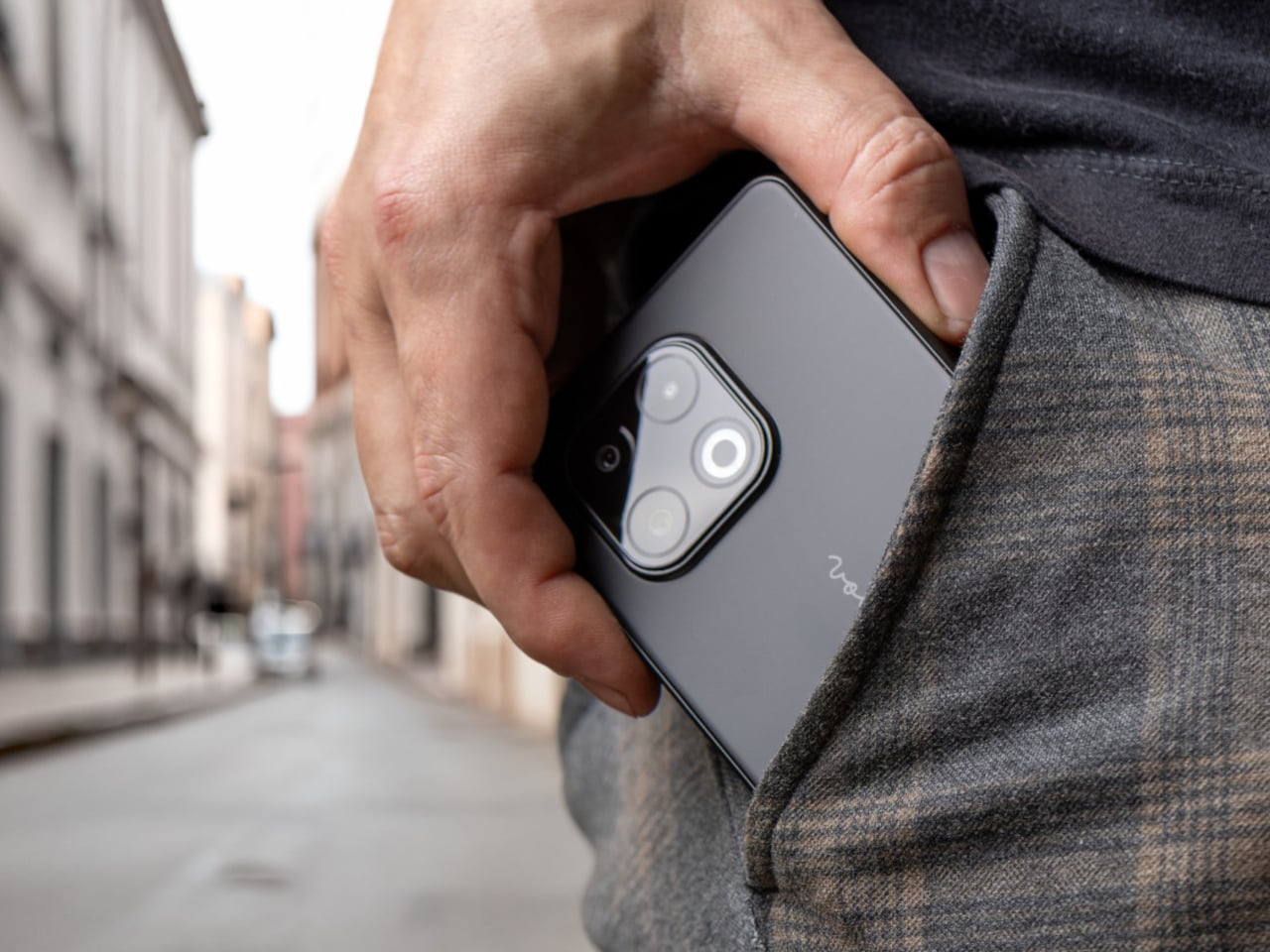

Most smartphones ship with an assumption baked in: that you’re fine with your data running through Google’s servers, your habits feeding its algorithms, and its apps occupying your home screen whether you asked for them or not. Privacy-first phones have tried to push back against this for years, but they’ve often done so at the cost of build quality, performance, or both.
Volla has been making the case that those trade-offs aren’t necessary, and the Plinius is the latest, most convincing version of that argument. Named after Pliny the Elder, the Roman naturalist who died investigating the eruption of Vesuvius, it’s a phone built for the curious, the outdoorsy, and the uncompromising. It’s also the direct successor to the Volla Phone X23, and it’s a considerable step up.
Designer: Volla
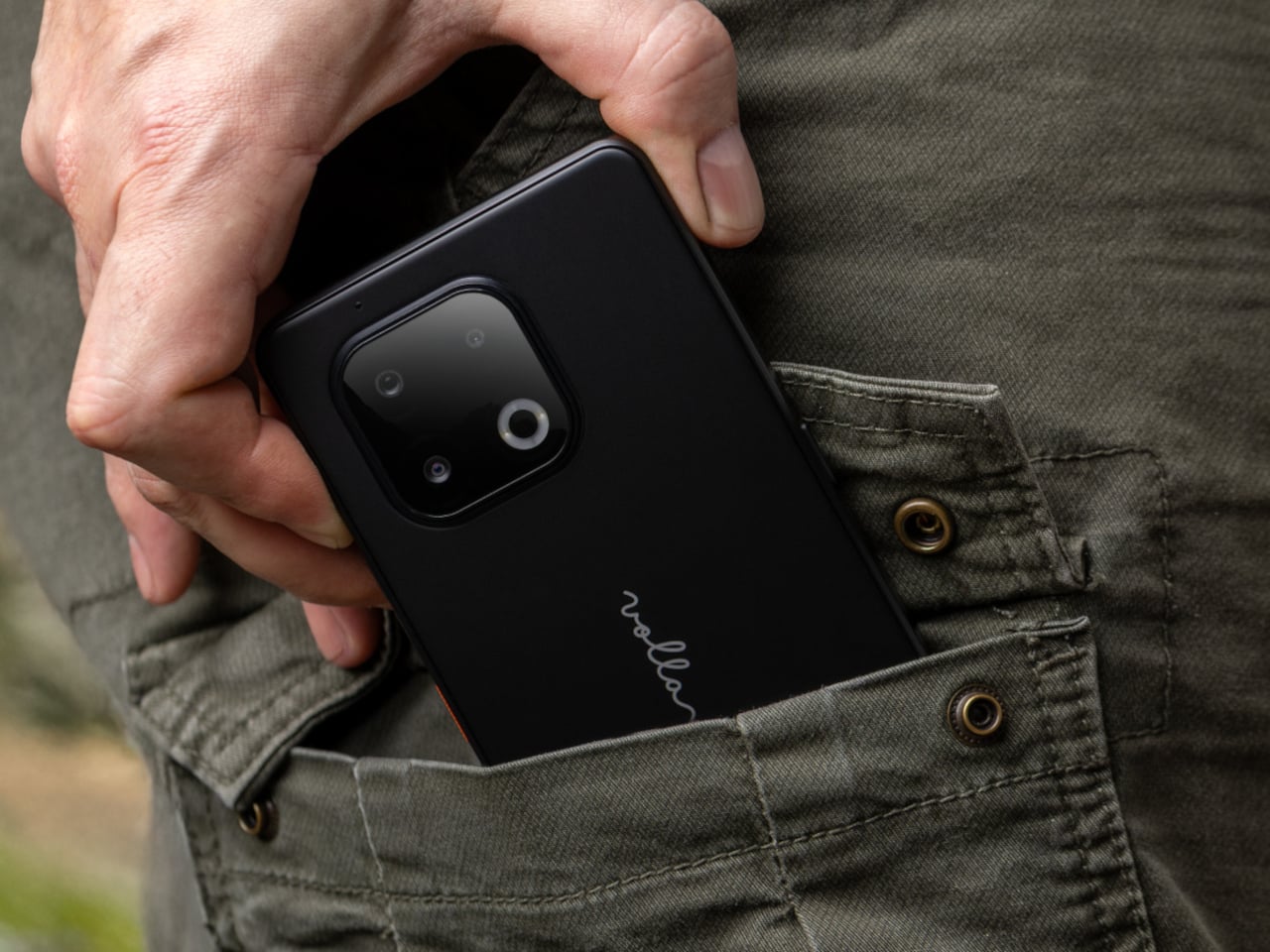
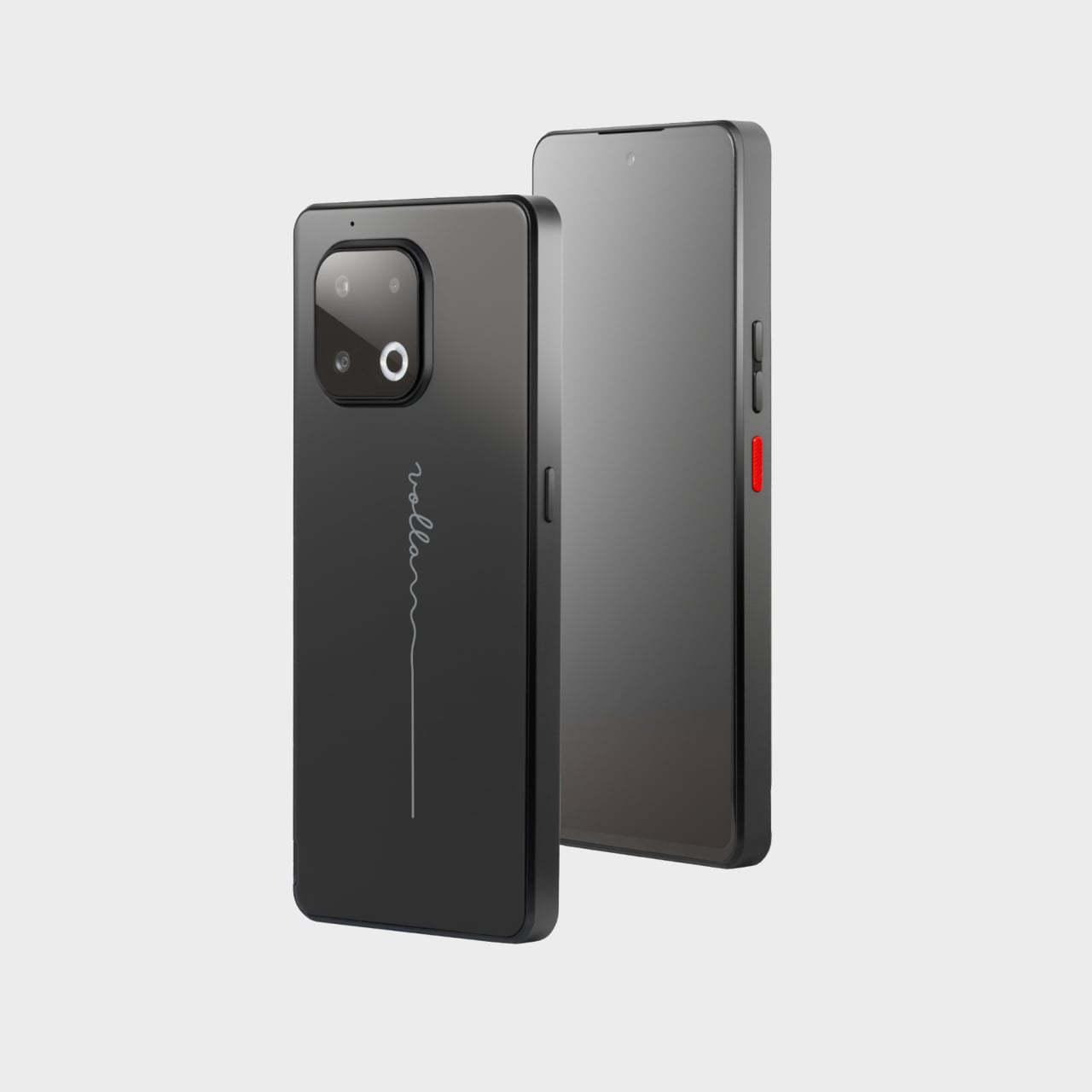
The body carries an IP68 rating against water and dust, which you’d expect from a rugged phone, but what’s less expected is how slim and light the Plinius is. At 163mm x 76mm x 10.5mm and 230 grams, it’s noticeably slimmer than its predecessor. A transparent back cover and armored glass film come in the box, and the touchscreen handles wet hands and gloves without missing a beat.
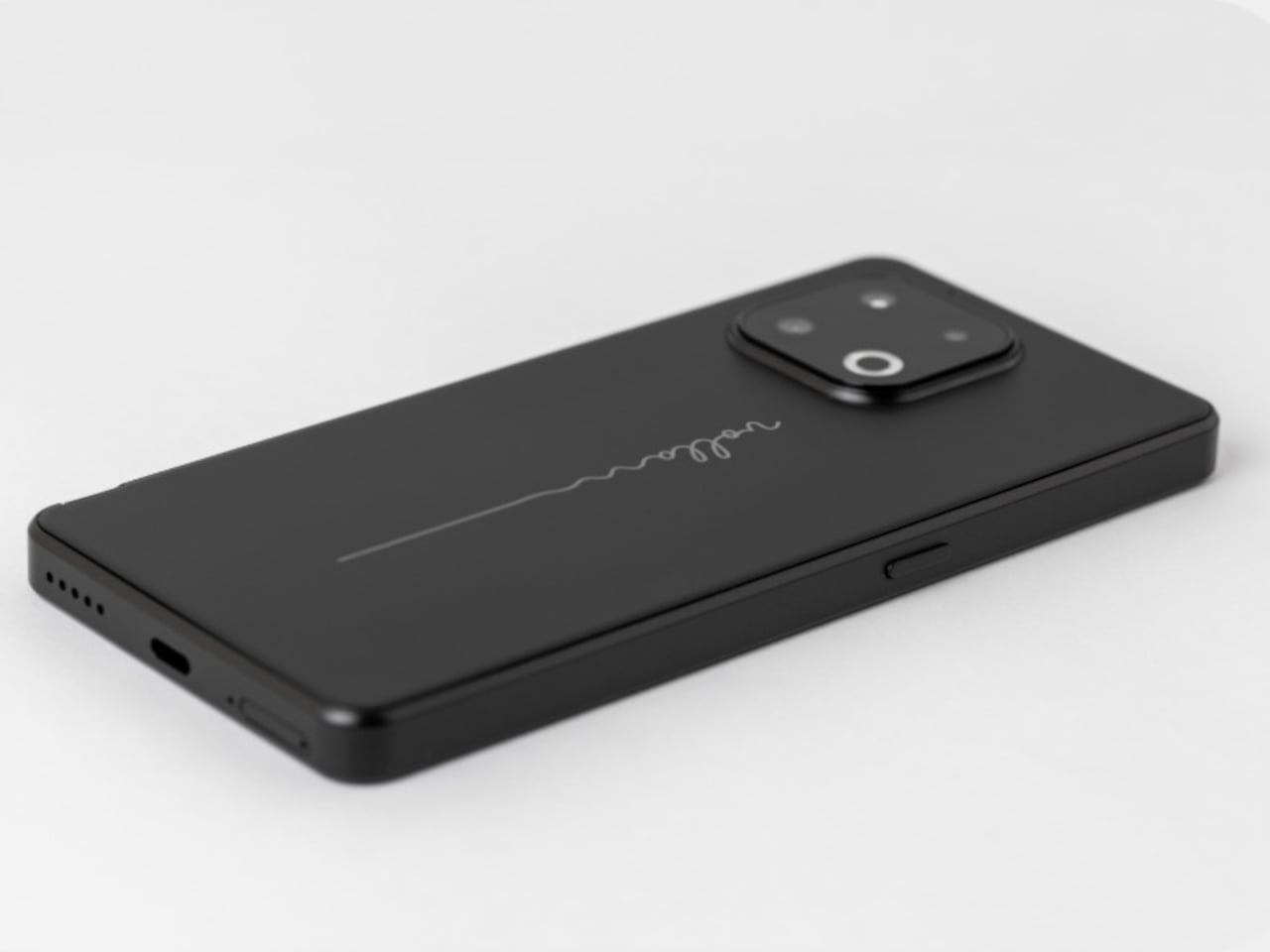
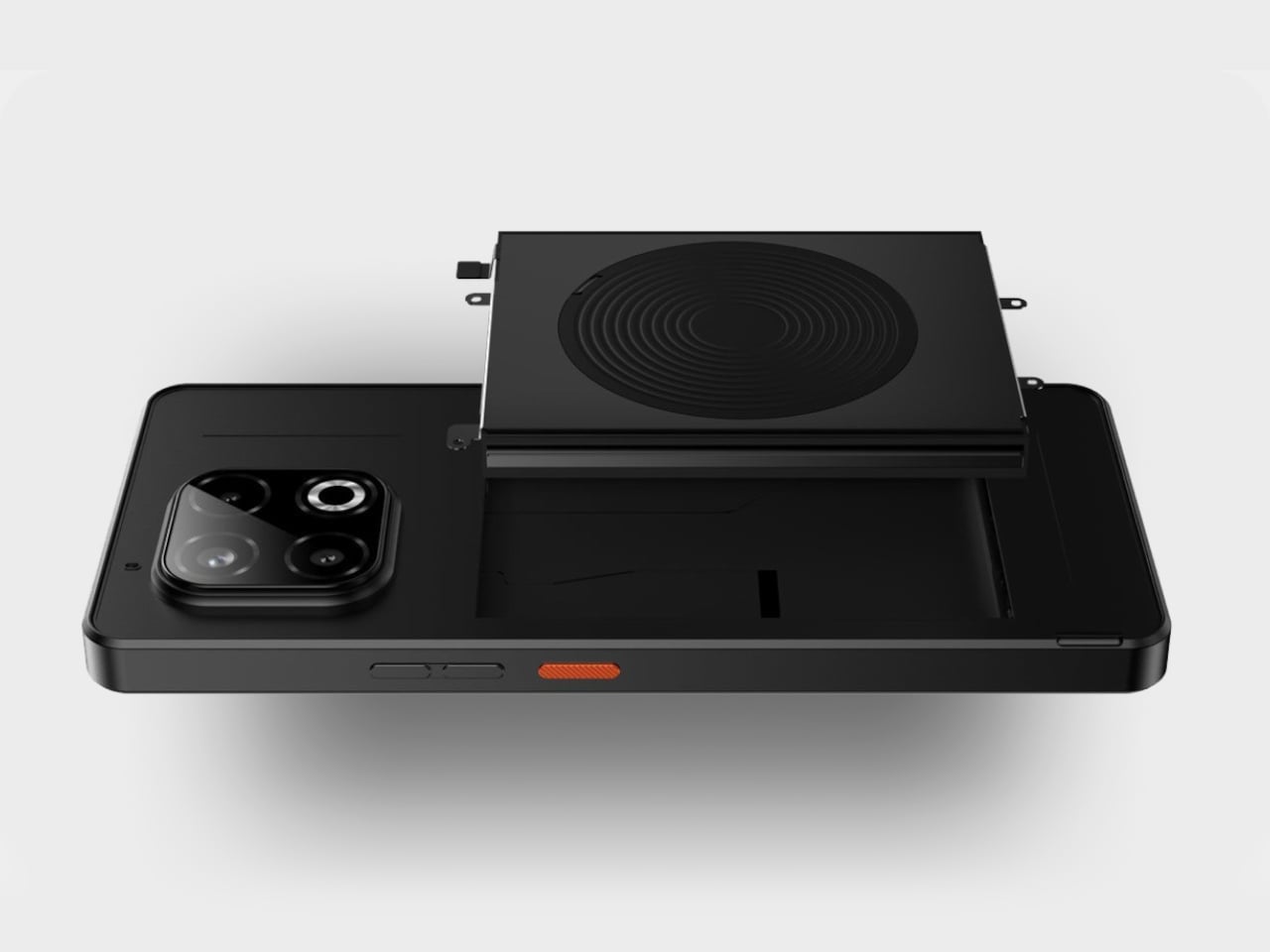
The 5,300 mAh battery keeps things going through a full day and beyond, with 30W fast charging and 15W wireless charging both covered. What’s genuinely unusual, though, is that the battery is user-replaceable with a standard screwdriver, even with the IP68 rating in place. That’s a deliberate choice from a company that built its reputation on longevity and transparency rather than planned obsolescence.
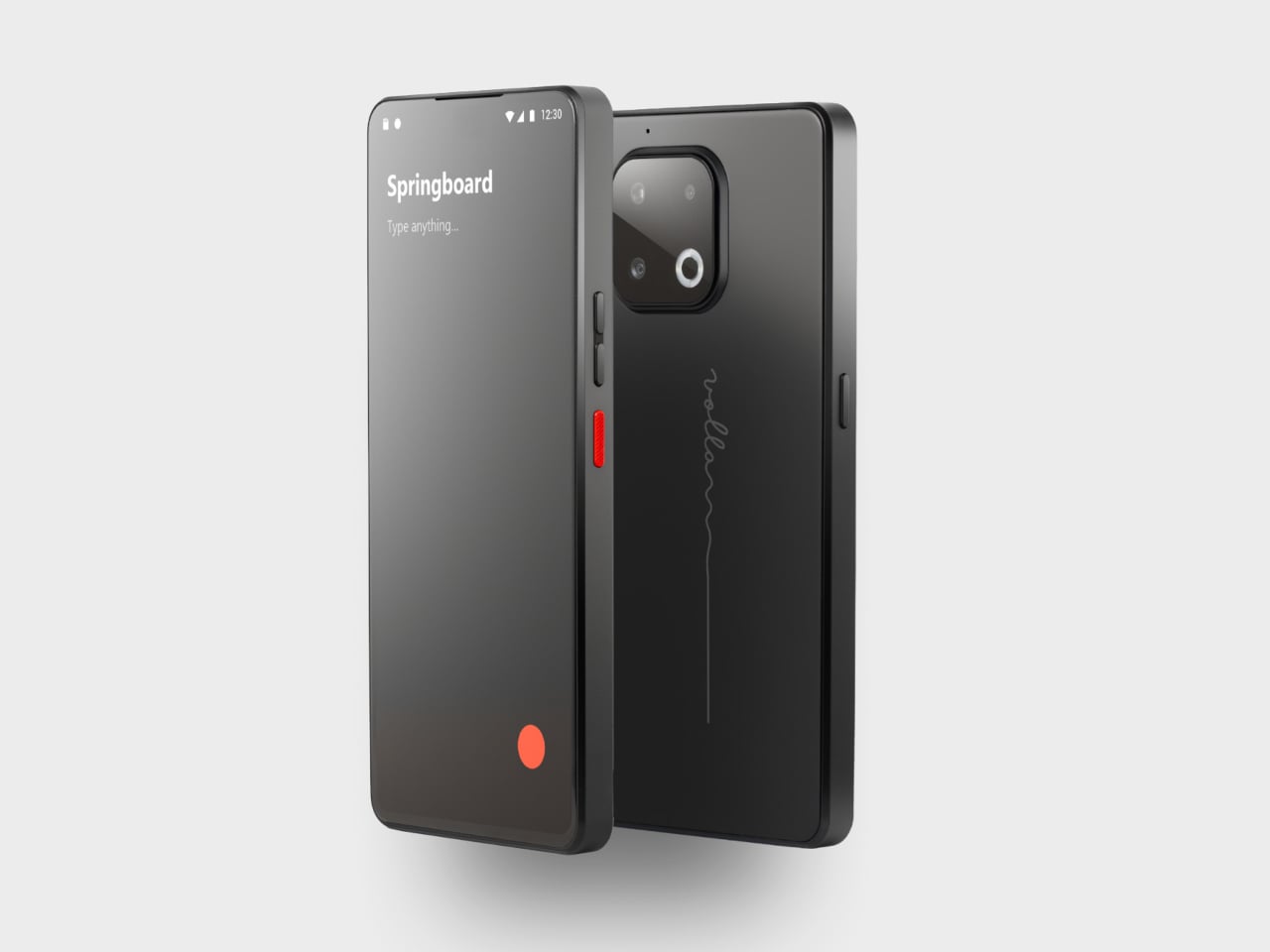
Out of the box, the Plinius runs Volla OS, a Google-free build of Android with a clean, text-based interface and a Security Mode that controls which apps communicate externally. Ubuntu Touch is also available, a fully Linux-based OS from the UBports Foundation that doubles as a desktop when connected to a monitor, and you can run both on the same device.
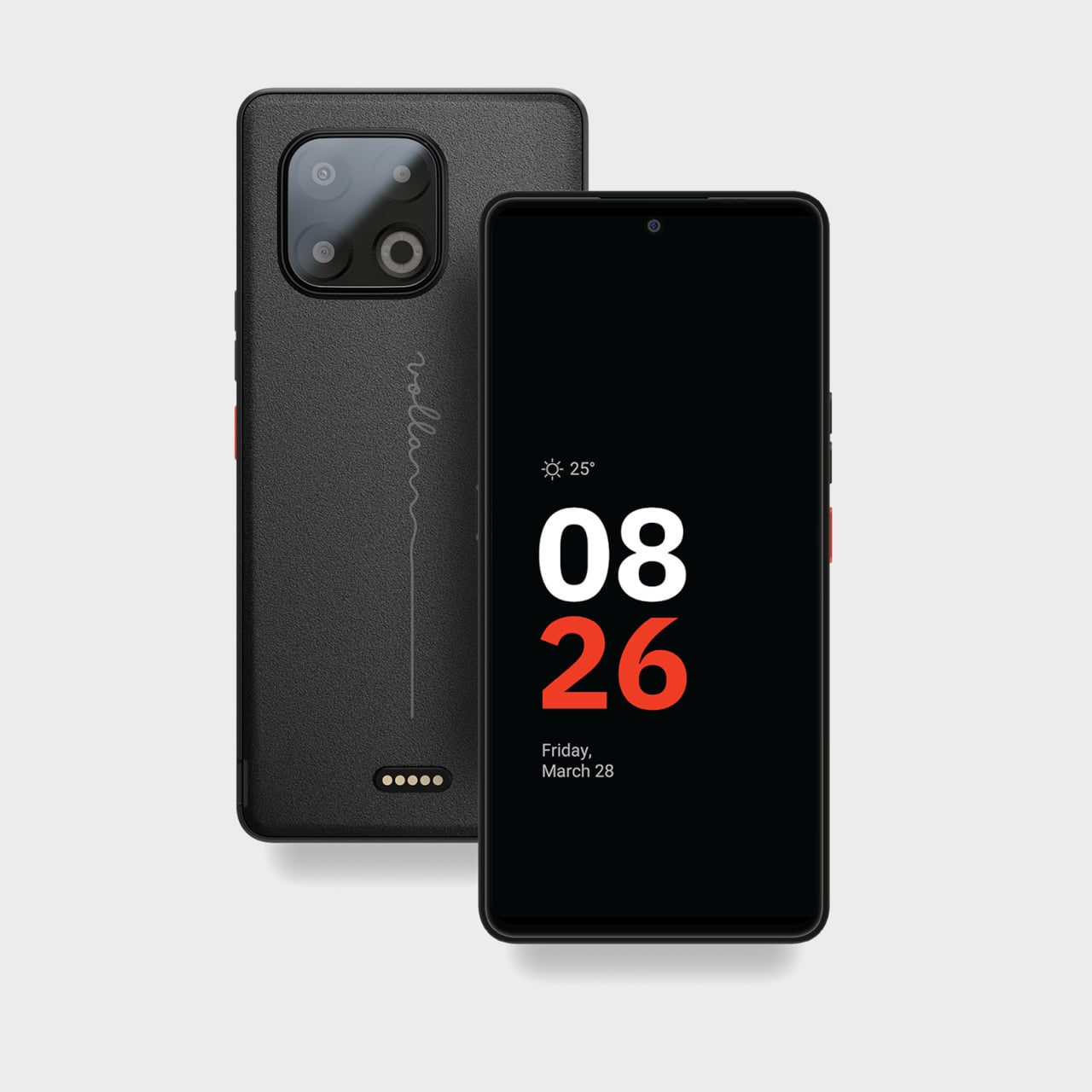

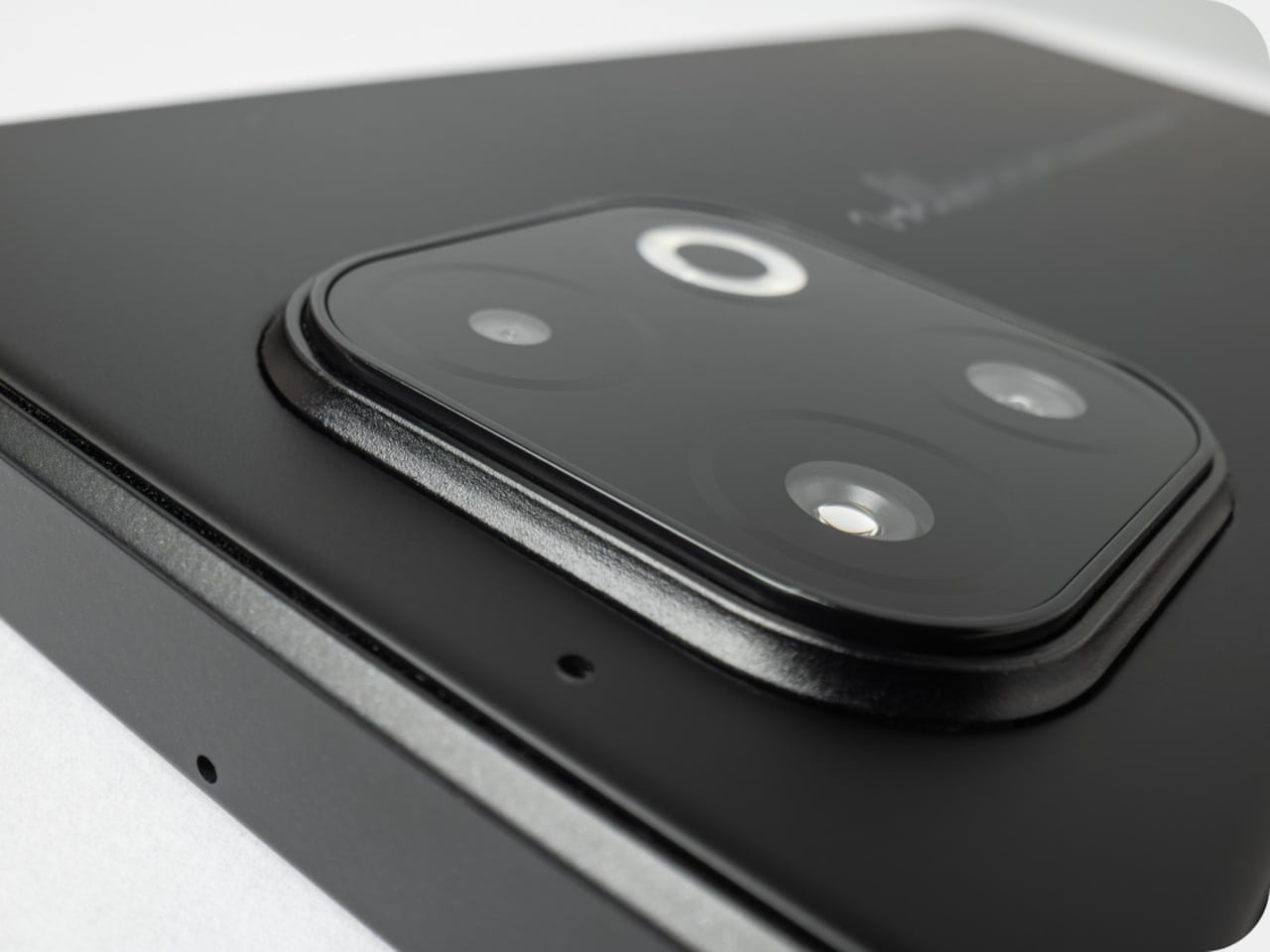
The 6.67-inch FHD+ OLED display runs at up to 120 Hz and reaches 1,000 nits of peak brightness, so outdoor visibility isn’t an issue even in direct sunlight. The triple-camera setup is anchored by a 64MP main shooter with phase-detection autofocus, an 8MP ultra-wide, and a 2MP macro, with a MediaTek Dimensity 7300 processor and 5G connectivity running the show underneath.
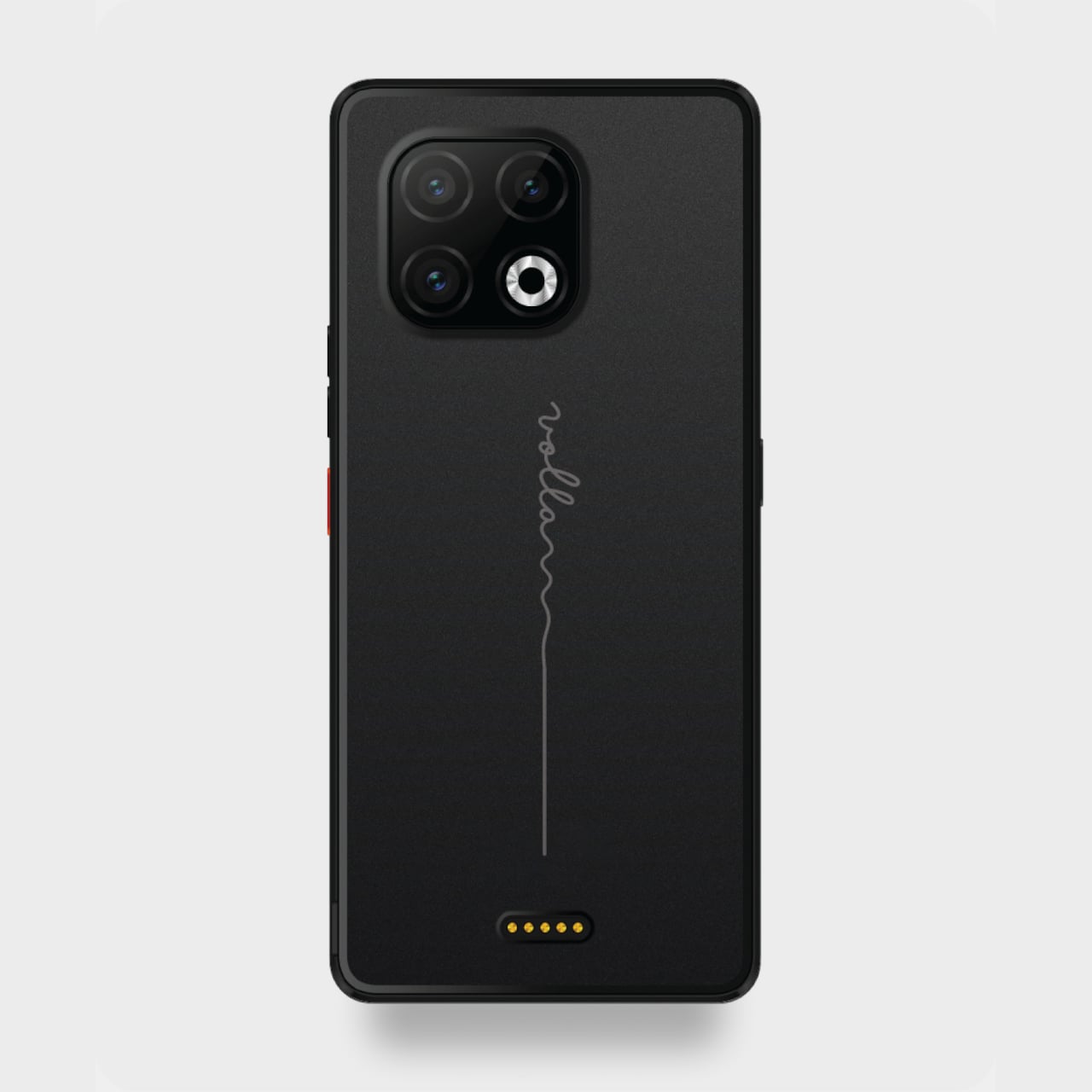
Step up to the Plinius Plus, and you get 12GB of RAM, 256GB of storage, and an extra-durable back cover with a Pogo PIN connector for accessories that attach magnetically. The modular system is still in its early days, but the open-source hardware foundation is already in place, and it’s a signal that Volla isn’t done thinking about where this phone can go.
The standard Plinius starts at €598 and arrives in April 2026, while the Plus is priced at €698 with a June 2026 release. For most people, neither version is a cheap proposition, and mid-range internals might make that sting a little. For those who’ve quietly grown tired of being tracked, targeted, and optimized against, the price suddenly starts to look far more reasonable.