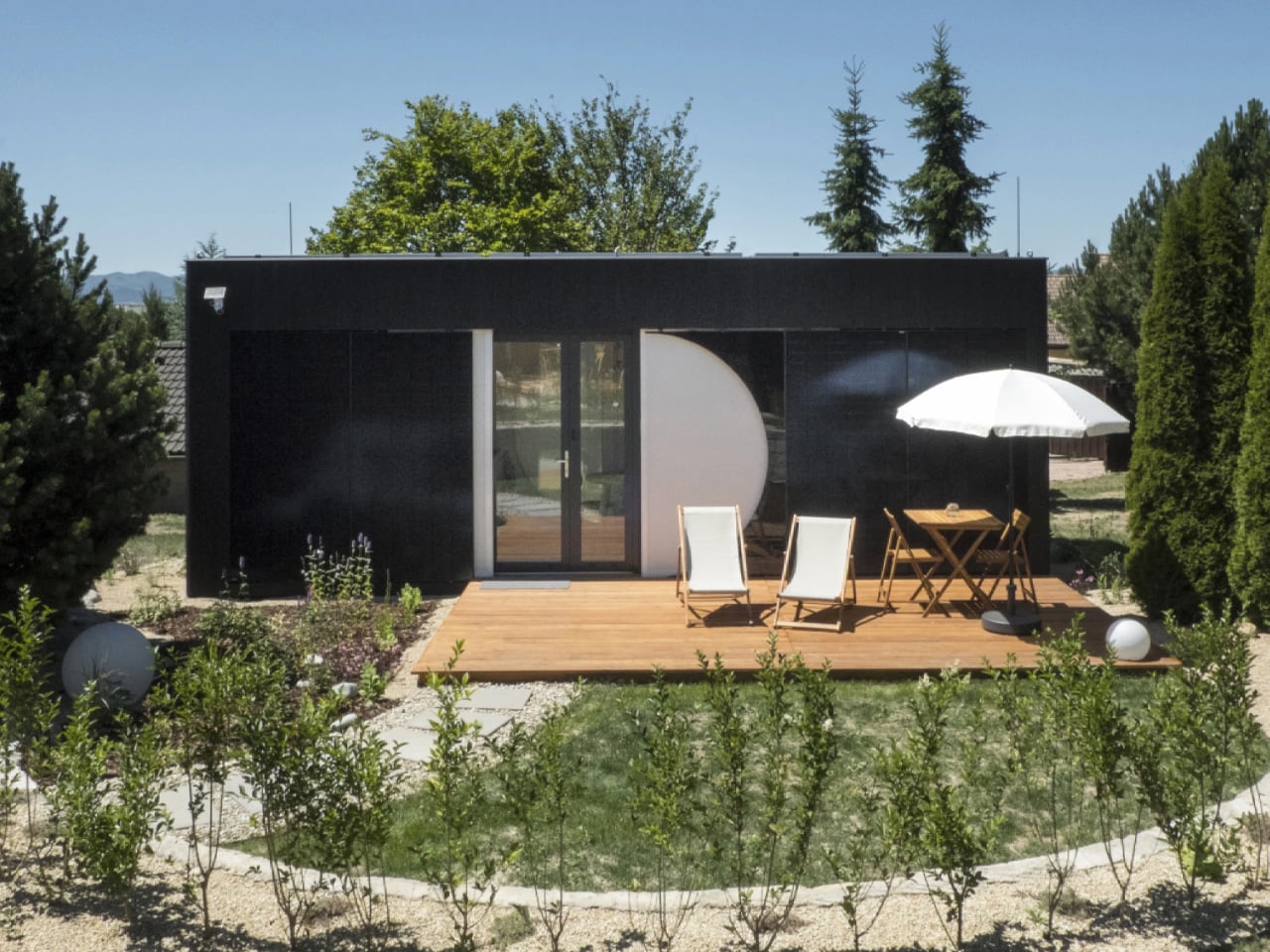

A quiet revolution is reshaping the future of sustainable architecture. Instead of treating buildings merely as energy-saving shells, designers are now turning them into active power generators. With innovations such as Building-Integrated Photovoltaic (BIPV) panels and ultra-thin solar films, the building’s exterior becomes an energy-harvesting surface, enabling power generation directly where people live and interact. This shift creates a new, dynamic dialogue between architecture and the landscape it occupies.
This transformation moves the industry beyond passive efficiency toward a more expressive, technology-driven design philosophy. Structural components now serve dual roles as sculptural elements and renewable energy assets. For high-net-worth homeowners, this translates into increased long-term property value, reduced operational costs, and a significantly lower carbon footprint, and a new visual language defined by sleek, intelligent, nearly invisible power.
Core Drivers of the Micro Power Revolution include:
1. Aesthetic Solar Integration
The challenge with older photovoltaic systems was their tendency to disrupt a building’s visual harmony. Today, architects tend to favor thin-film solar cells and BIPV solutions that blend seamlessly into the building’s envelope. These systems maintain material authenticity while introducing clean, unobtrusive energy generation.
Resembling glass, ceramic tiles, or flexible metal sheets, these technologies transform roofs and façades into active energy skins, rather than passive surfaces. High-net-worth clients want sustainability without aesthetic sacrifice, and this approach delivers both. The architecture retains its visual clarity while every sun-facing surface works quietly as an elegant, invisible power source.
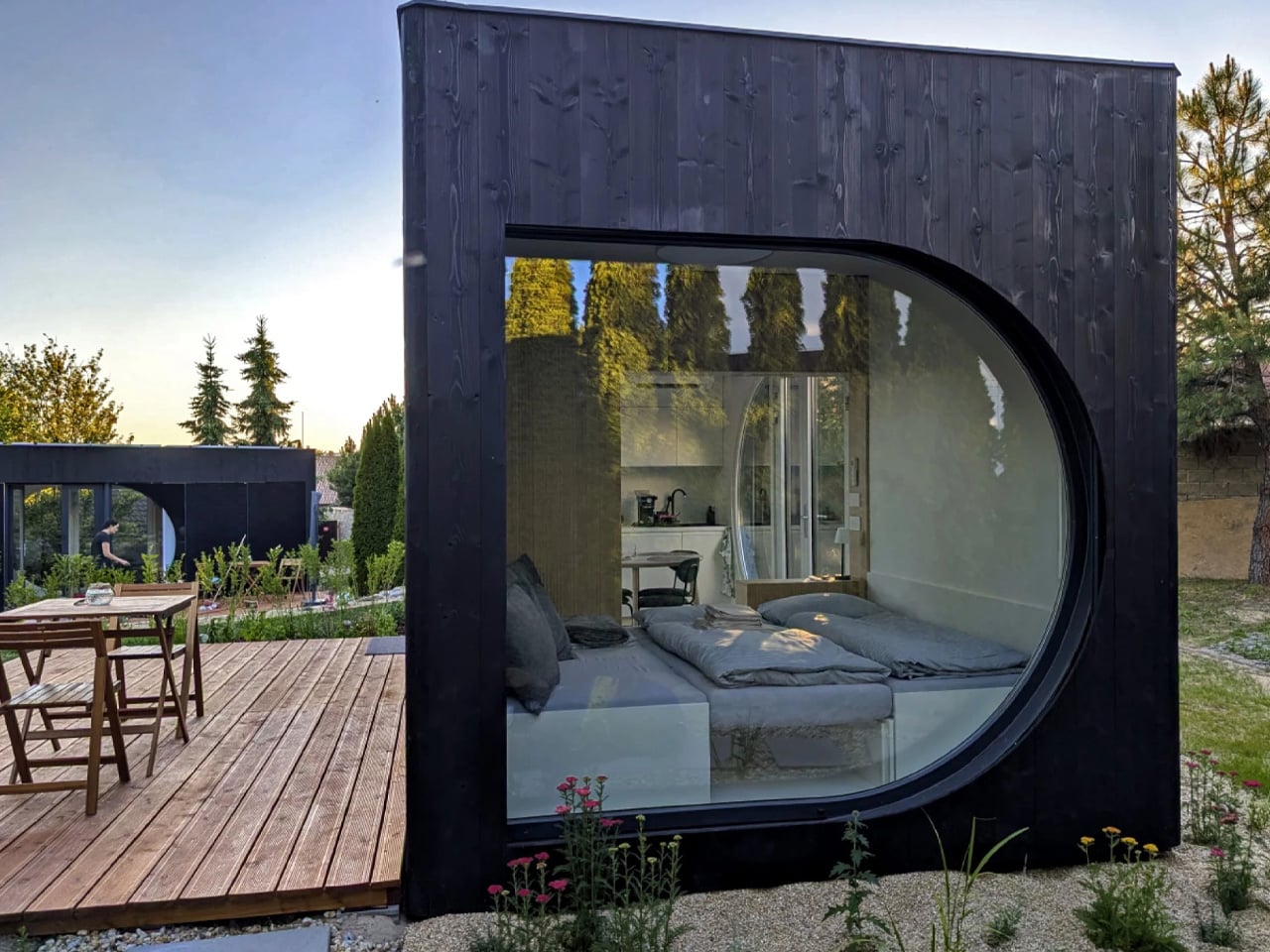
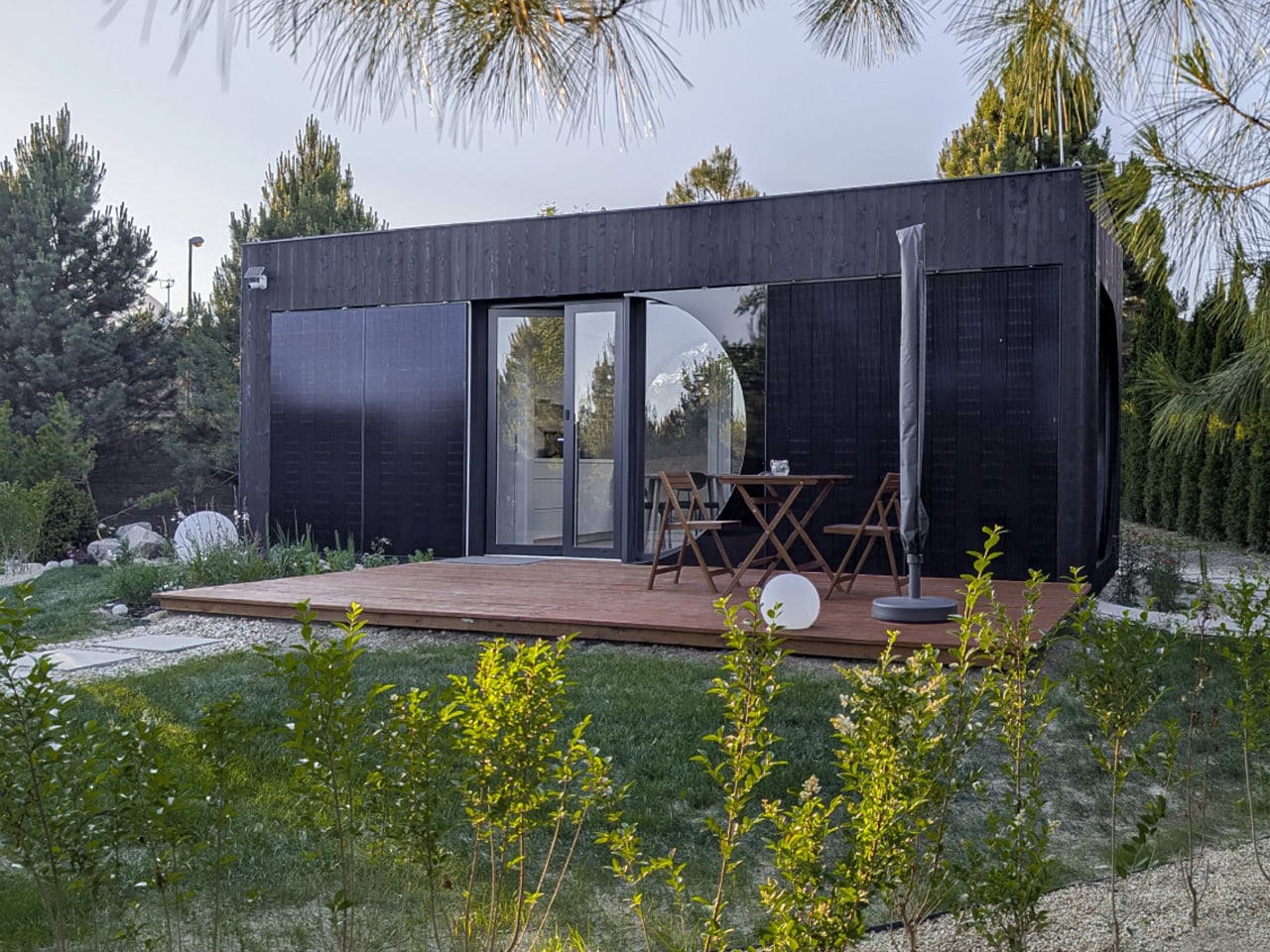
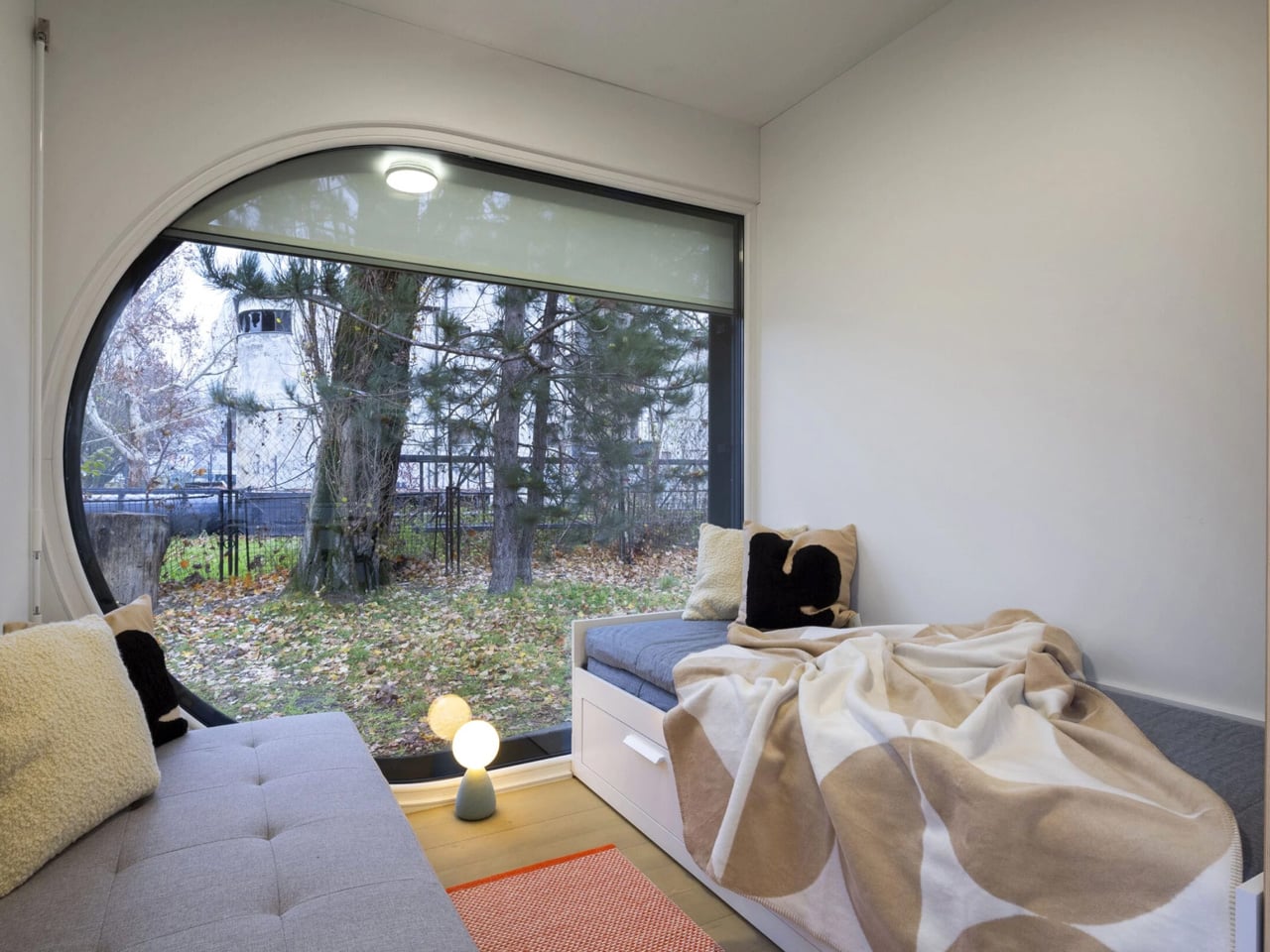
The Ecocapsule Box embraces a clean, rectangular design that prioritizes comfort and practicality over novelty. Its elongated form, expansive glass walls, and neatly organized interior create a bright, contemporary living space that feels far more like a modern micro-home than an off-grid experiment. The layout flows effortlessly, with convertible seating, integrated storage and clear zoning that make the compact footprint feel genuinely functional. This present design shifts the focus from making a visual statement to offering a calm, well-crafted environment that blends quietly into different landscapes.
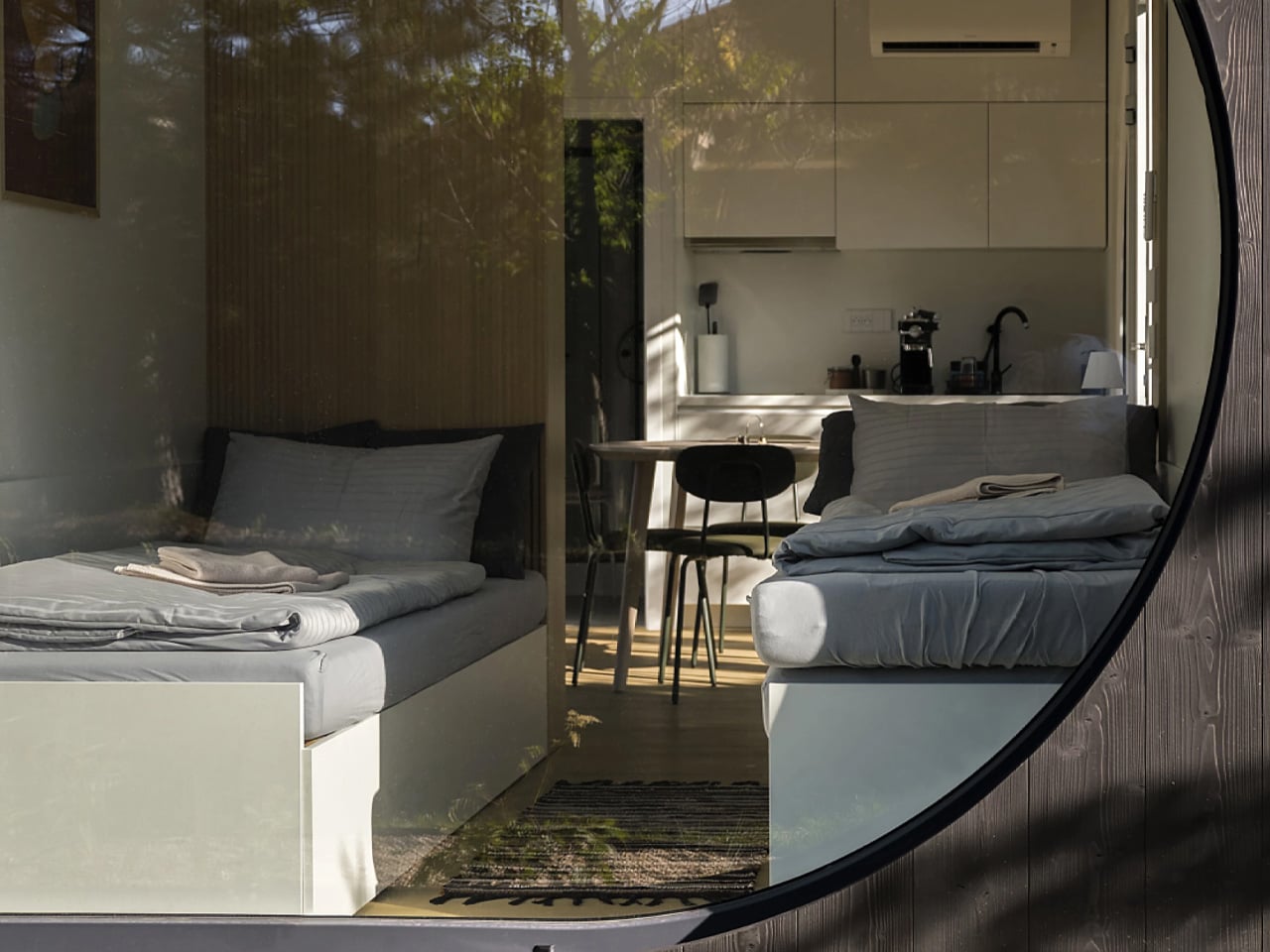
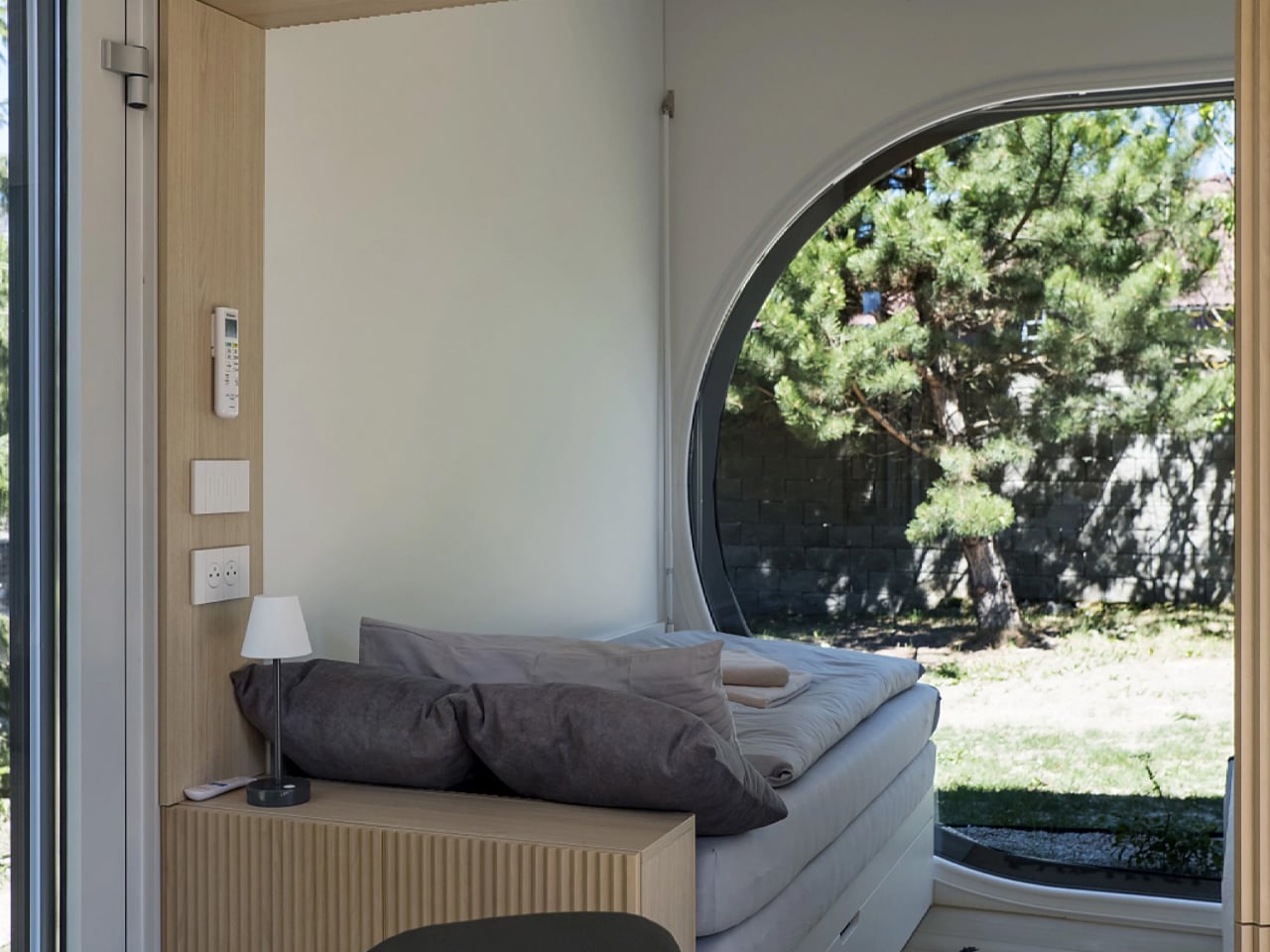
Solar panels are central to the Box’s current architecture, powering essential systems with reliable renewable energy. These roof-mounted panels support lighting, appliances and climate control, allowing residents to live fully off-grid without sacrificing comfort. The technology is seamlessly built into the structure, maintaining the clean aesthetic while delivering true energy independence.
2. Versatile Solar Surfaces
The micro power revolution thrives on turning previously passive surfaces, especially vertical ones, into productive energy assets. New flexible, lightweight solar harvesters, such as perovskite and CIGS thin films, can adapt to curved forms and unconventional façades, allowing architects to integrate power generation into complex geometries.
This adaptability expands harvesting potential far beyond the flat roof, proving that expressive design no longer limits energy performance. In dense urban settings, this capability is essential for achieving net-zero targets. By transforming vertical cladding into a power-producing layer, buildings improve ROI through higher energy yield per square meter of their envelope.

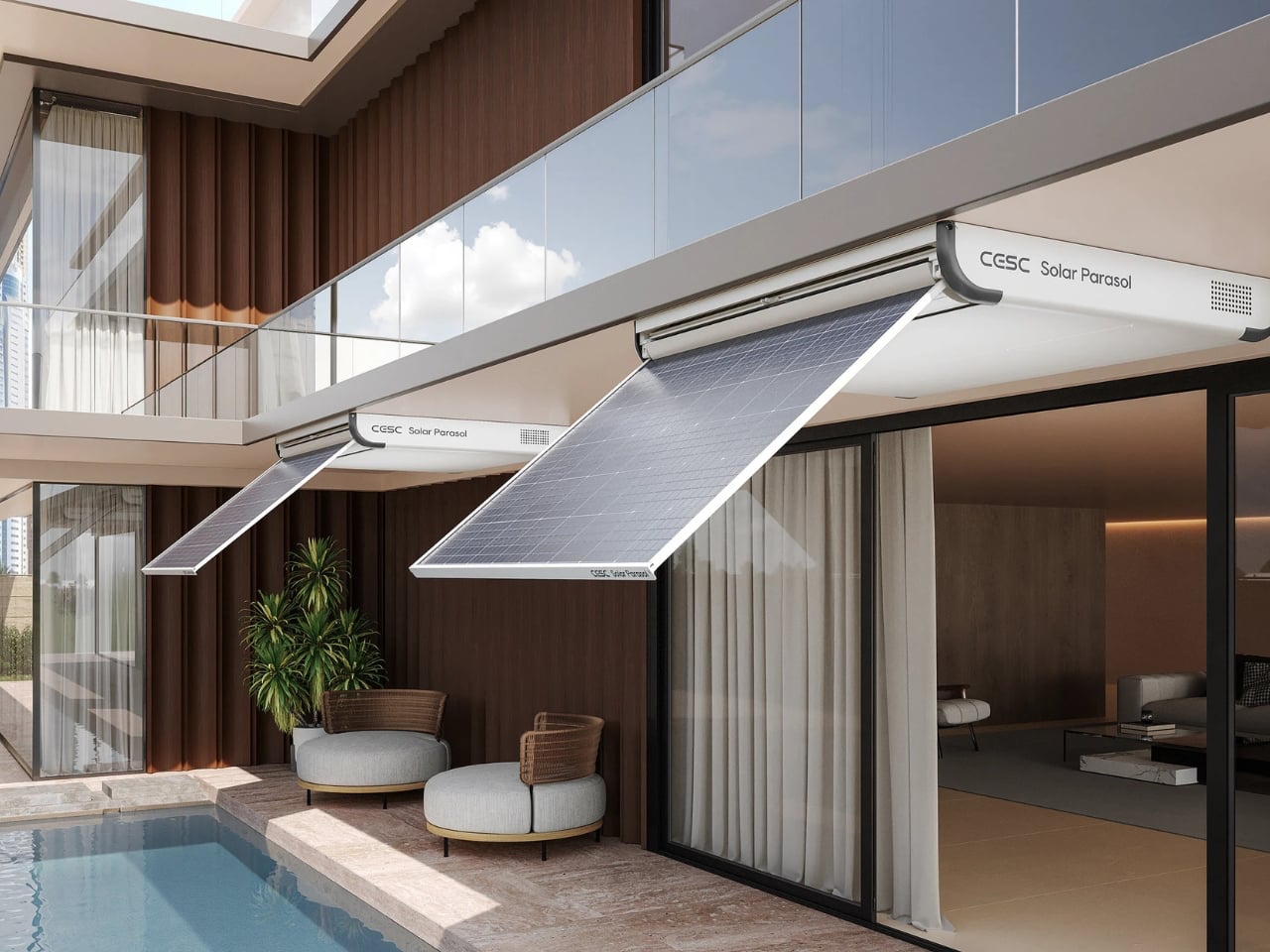
As more people seek sustainable energy options, urban homes often struggle with limited space for traditional solar installations. The CESC Solar Parasol by gang.lab design addresses this challenge with an elegant, space-efficient solution tailored for high-rise living. This smart parasol turns small balconies and overlooked corners into clean-energy hubs. Its minimalist aluminum frame, sleek white finish, and integrated LED lighting create a refined, modern aesthetic while enhancing the usability of compact outdoor areas.
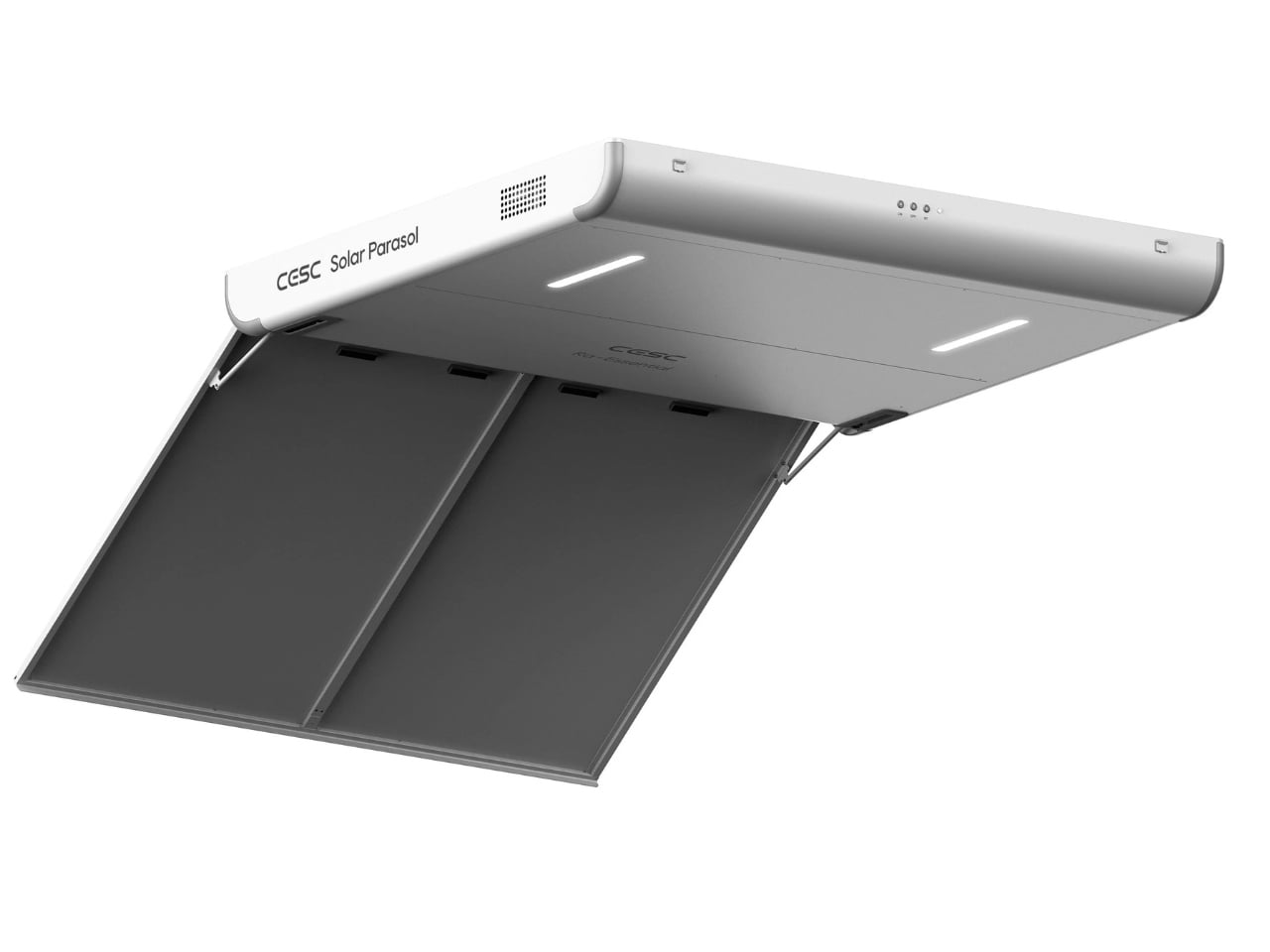
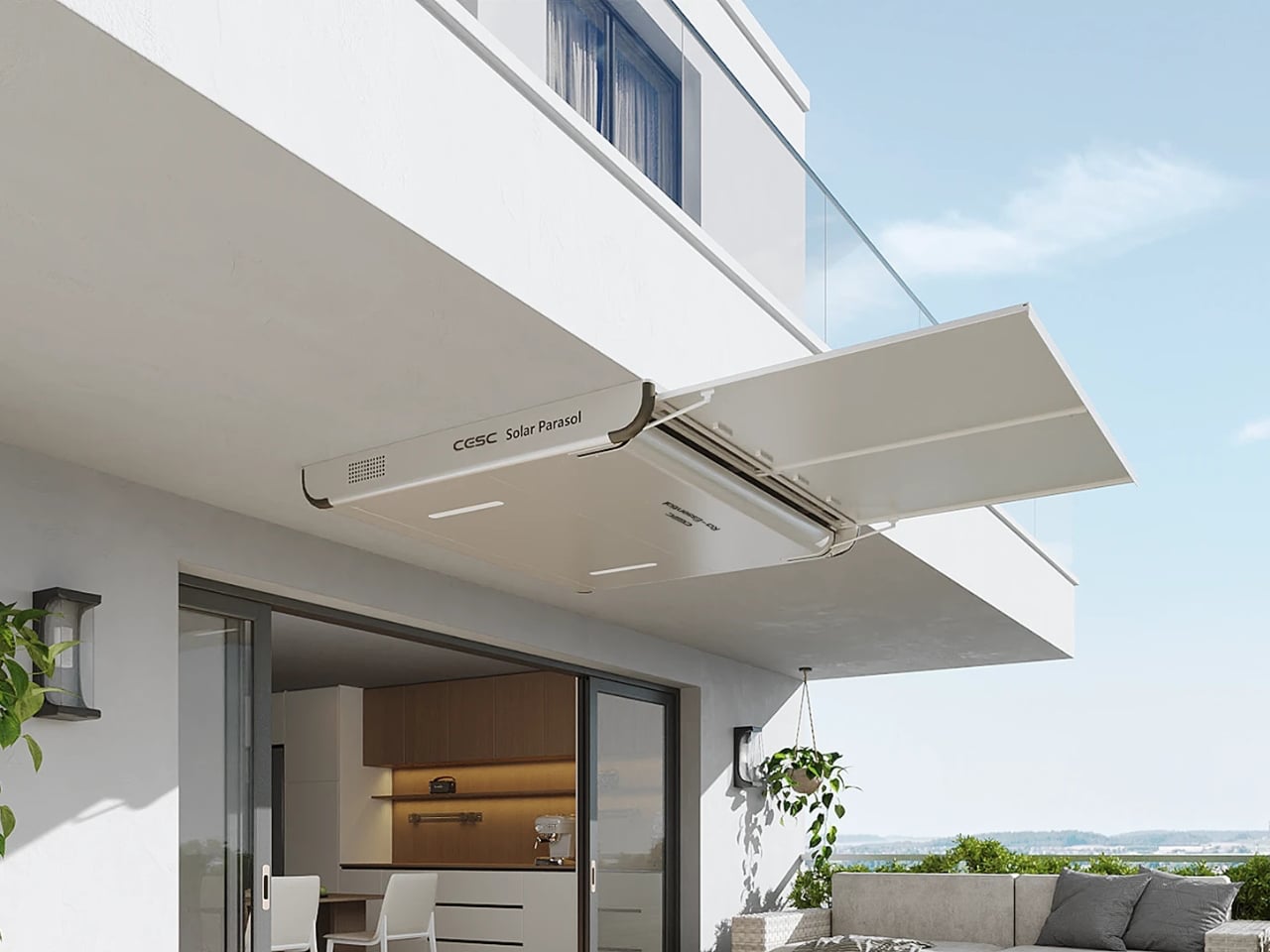
At the heart of the design are high-efficiency solar panels capable of generating 315W of renewable power. These flexible panels fuel a 12W LED system and support intelligent energy management through an adaptive control mechanism. Users can adjust the parasol’s angle between 0°, 35°, and 90° via remote or mobile app, optimizing both shading and solar intake. By merging elegant design with practical photovoltaic technology, the CESC Solar Parasol offers a realistic, future-ready approach to sustainable urban living.
3. Thermal Smart Envelope
Optimized thermal performance is a central advantage of today’s BIPV systems. Beyond producing electricity, these panels function as an outer skin that absorbs solar radiation before it reaches the primary insulation. This reduces heat gain and lowers the cooling demand inside the building, making the envelope work harder and smarter.
This dual-purpose design turns the energy-generating layer into a dynamic shading surface. It doesn’t just add solar capacity; it actively shapes the thermal behavior of the interiors. The result is cooler spaces, reduced reliance on mechanical systems, lower long-term operating costs, and a more comfortable environment for occupants.
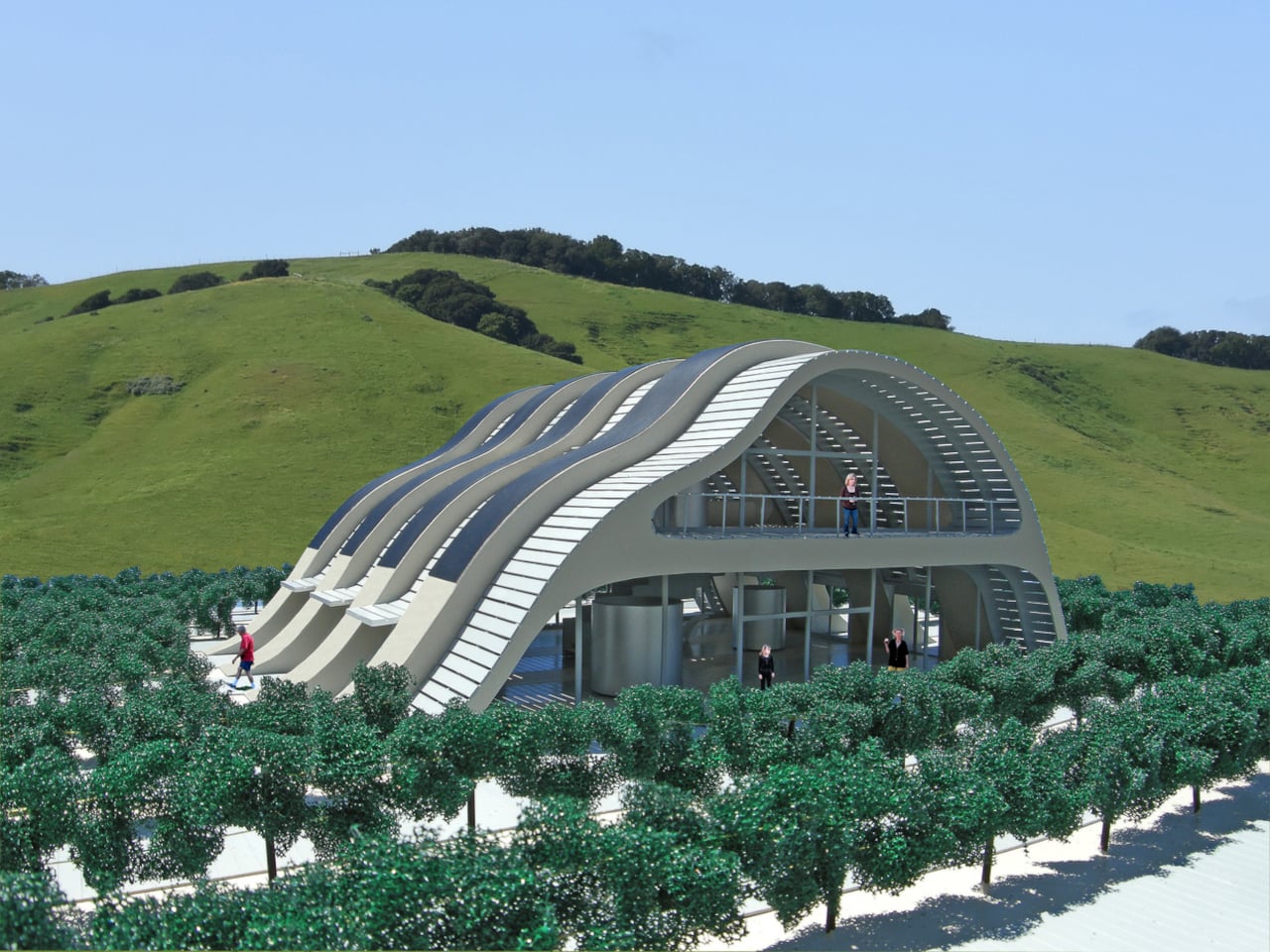
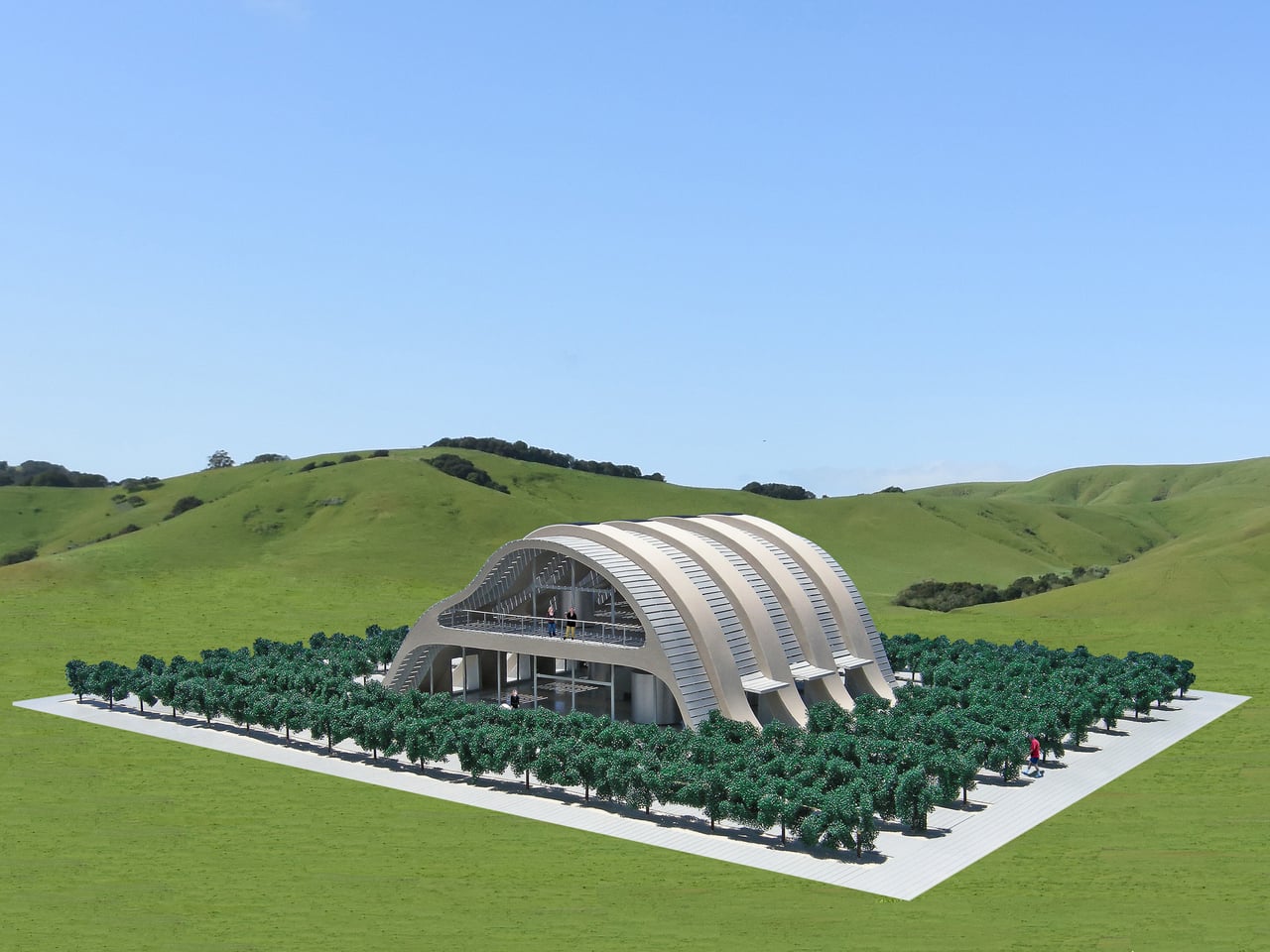
Michael Jantzen’s Solar Vineyard House combines sustainability and aesthetics in a 5,000-square-foot concept that merges living space, small-scale wine production, and environmental responsibility. Four sweeping concrete composite arches, linked by expansive glass sections, anchor the design and echo the rolling Californian landscape. Sustainably sourced wood pathways weave through the vineyard and over the structure, offering natural shading and circulation.
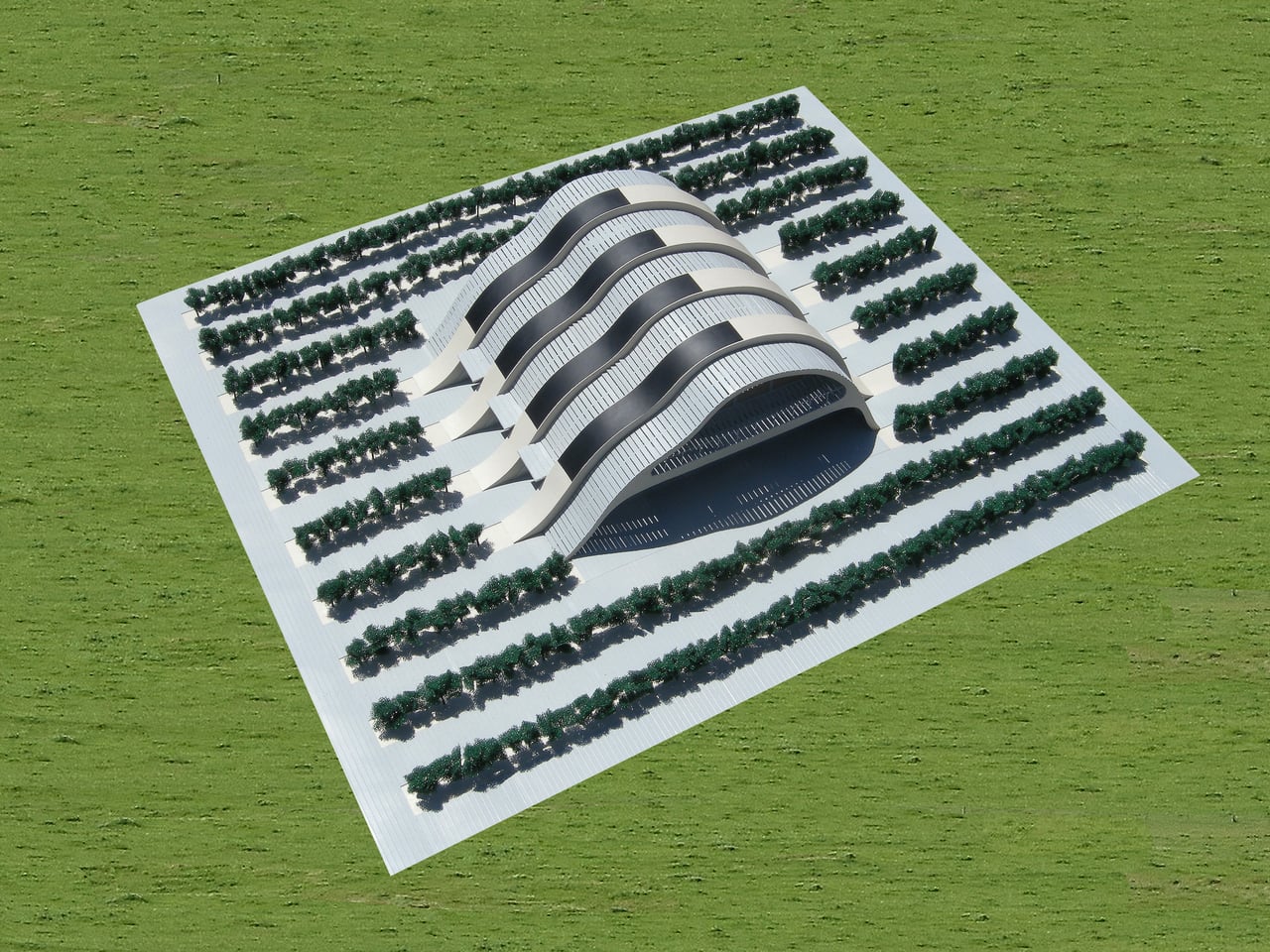
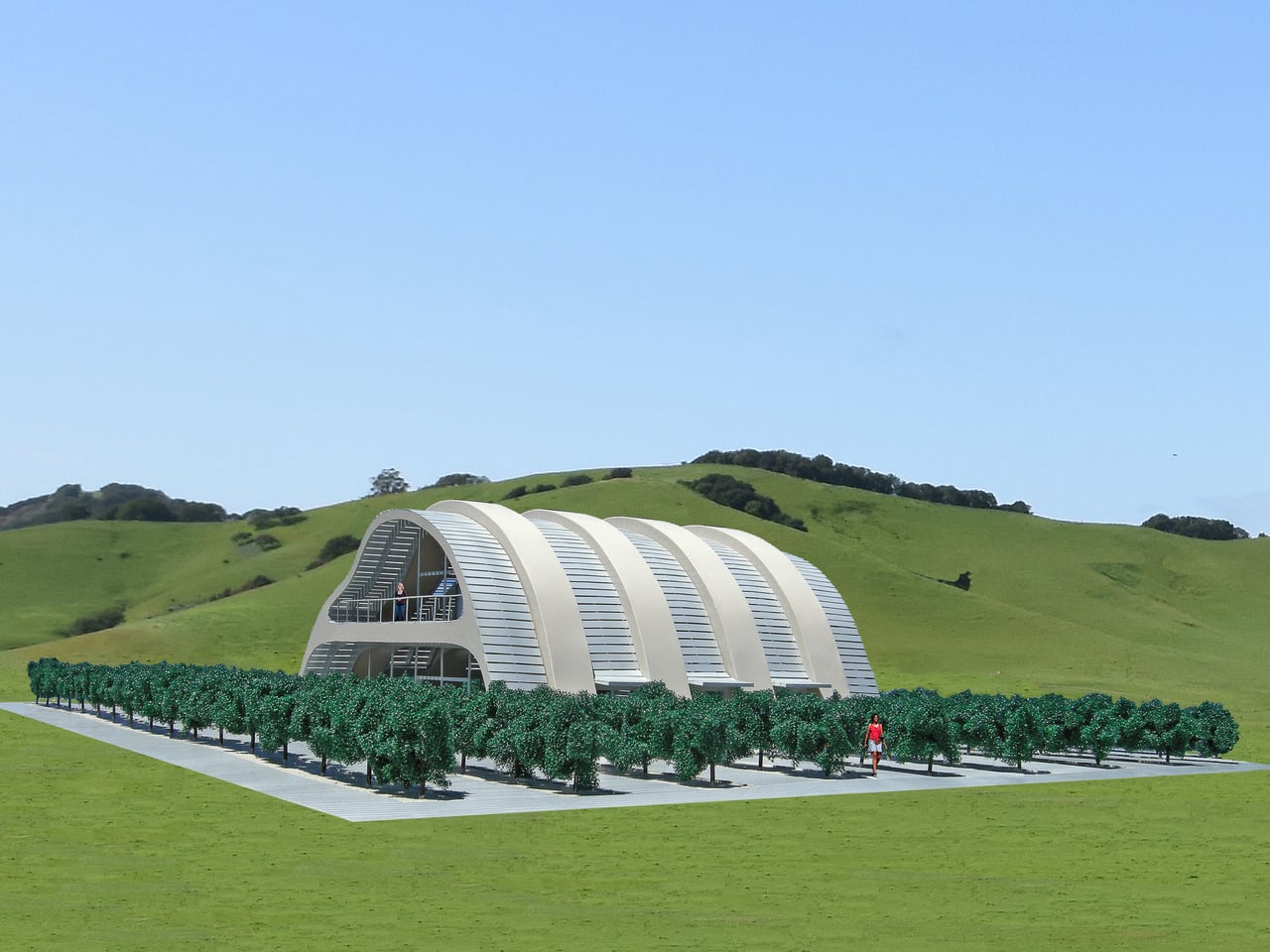
Sustainability is integrated seamlessly, not added as an afterthought. Curved solar panels along the south side generate renewable power while maintaining the home’s sculptural fluidity. Natural ventilation, deep overhangs, and rainwater harvesting reduce energy use and support vineyard irrigation. Inside, modular cylindrical units on wheels create flexible living and working zones, with filtered sunlight animating the interior and strengthening the home’s constant dialogue with its surrounding landscape.
4. Microgrid Advantage
Integrating surface harvesters opens the door to creating a decentralized building microgrid, a major advantage for homeowners seeking true energy resilience. With micro-inverters installed at the module level, each unit can operate independently, improving performance and adding built-in protection against system failure.
Pairing BIPV with advanced battery storage transforms the building into a self-reliant power ecosystem. This setup provides autonomy during outages or peak-demand periods, offering long-term security for high-net-worth homes. The property becomes a self-sustaining micro-economy of energy, ensuring consistent, uninterrupted power and elevating resilience and overall value.

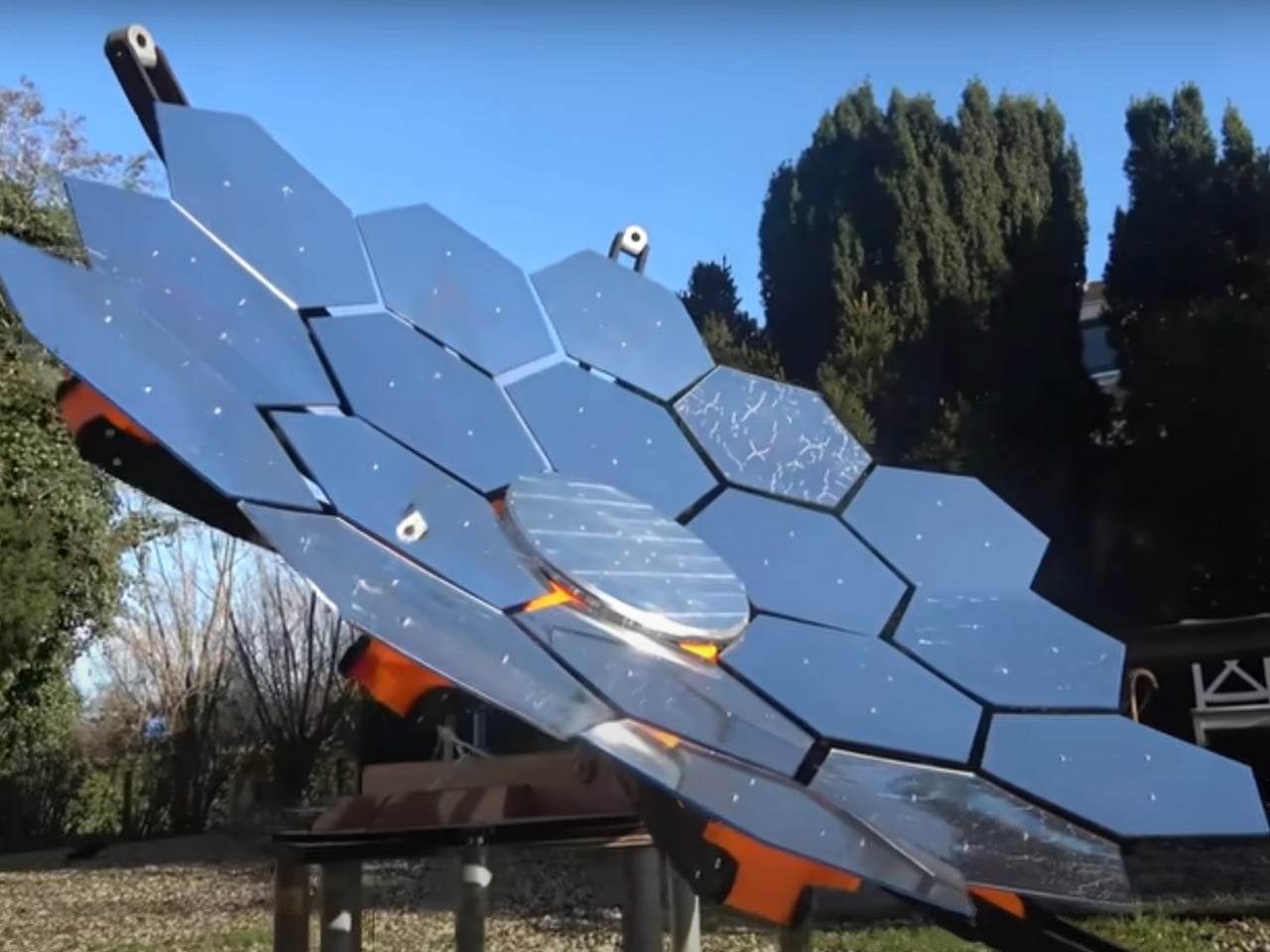

Solar energy was once considered a luxury, but today it has become accessible enough for anyone to experiment with. A DIY solar generator offers an affordable way to generate clean, renewable power using just a few essential components. Whether you want emergency backup power, a portable source for camping, or simply a way to lower electricity costs, building your own generator is both practical and rewarding. The project took inspiration from NASA’s solar technology, adapting high-efficiency panels and smart battery systems similar to those used on space missions into a setup suitable for everyday use at home.
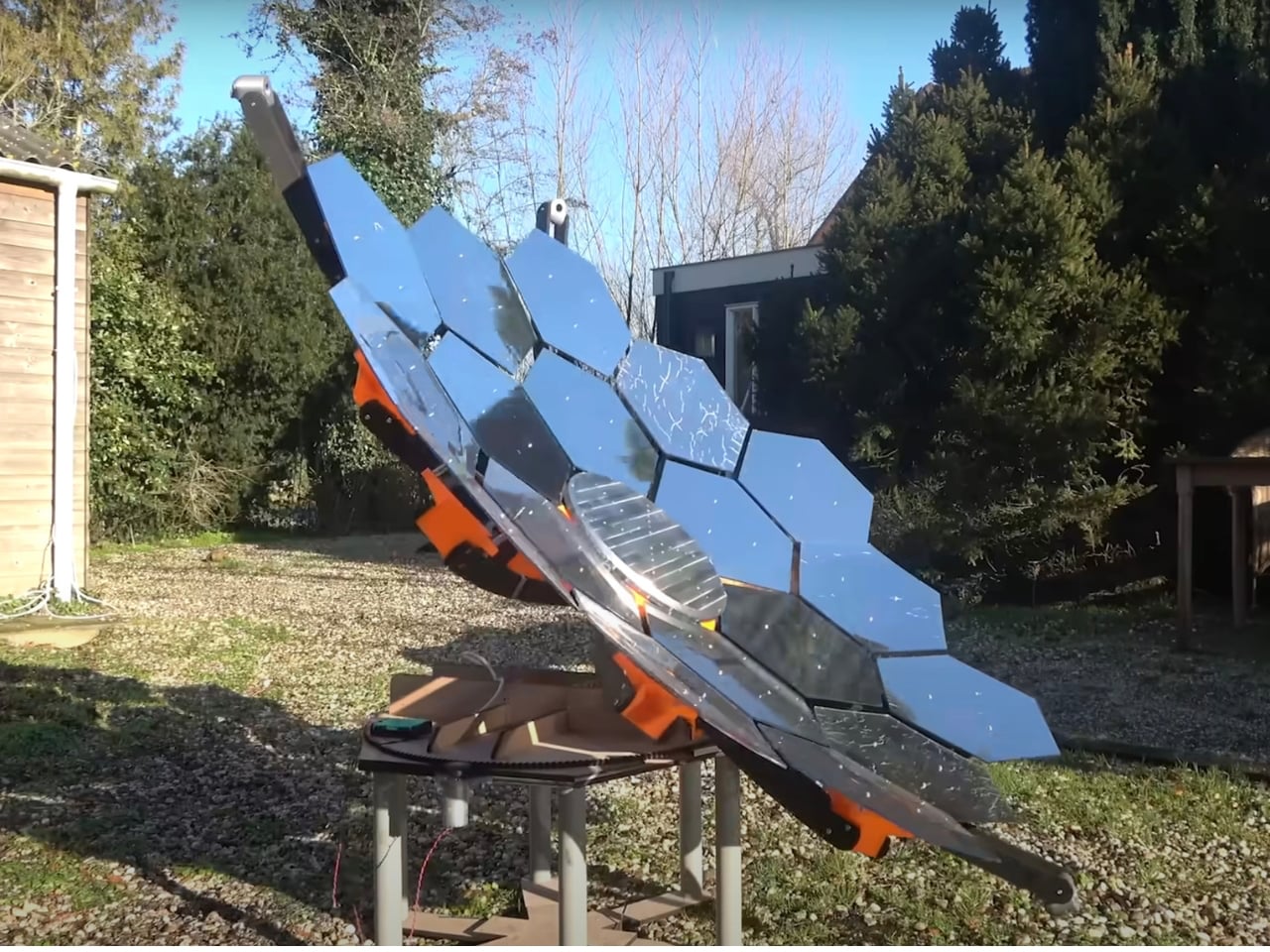
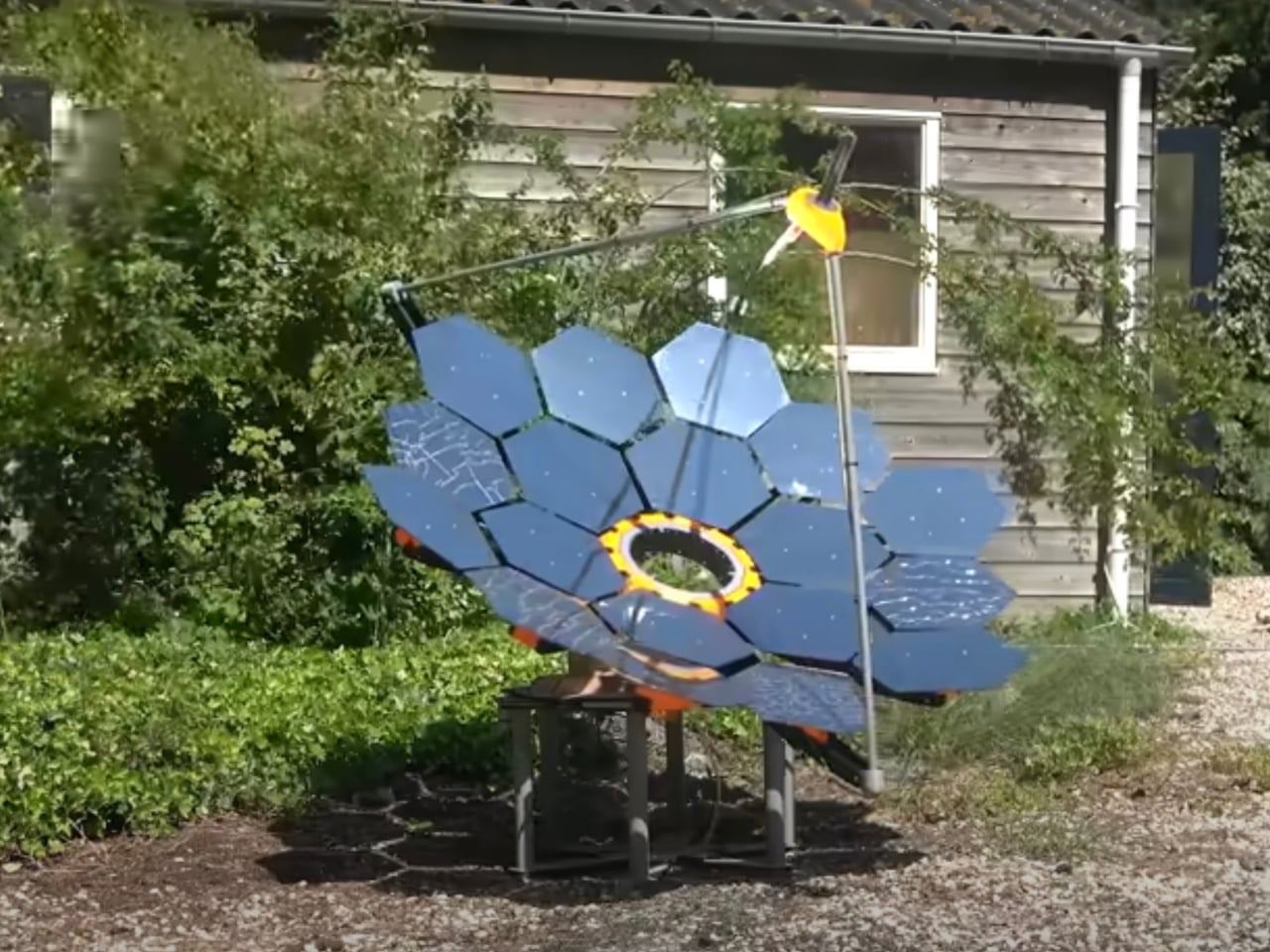
The build requires solar panels, lithium iron phosphate batteries, a charge controller, power outlets, and a portable case, all assembled by following the video guide. Once completed, the generator can charge phones, laptops, lights, and small appliances, offering both convenience and energy savings. Beyond cost efficiency, it provides peace of mind during outages, supports sustainable living, and allows anyone to harness solar power in a hands-on, meaningful way.
5. Material Innovation
Advances in materials science are rewriting what solar technology can look like. Semi-transparent PV glazing now allows windows to generate power while still delivering daylight, turning a basic architectural element into an active energy source without sacrificing interior quality.
Colored and textured BIPV options, enabled by specialized coatings and nanotechnology, give architects a much broader palette of finishes. This means solar technology becomes an intentional design feature rather than a visual concession. By merging color, texture, and energy production, these next-generation materials elevate each surface from a functional module to a refined architectural expression that blends performance with beauty.
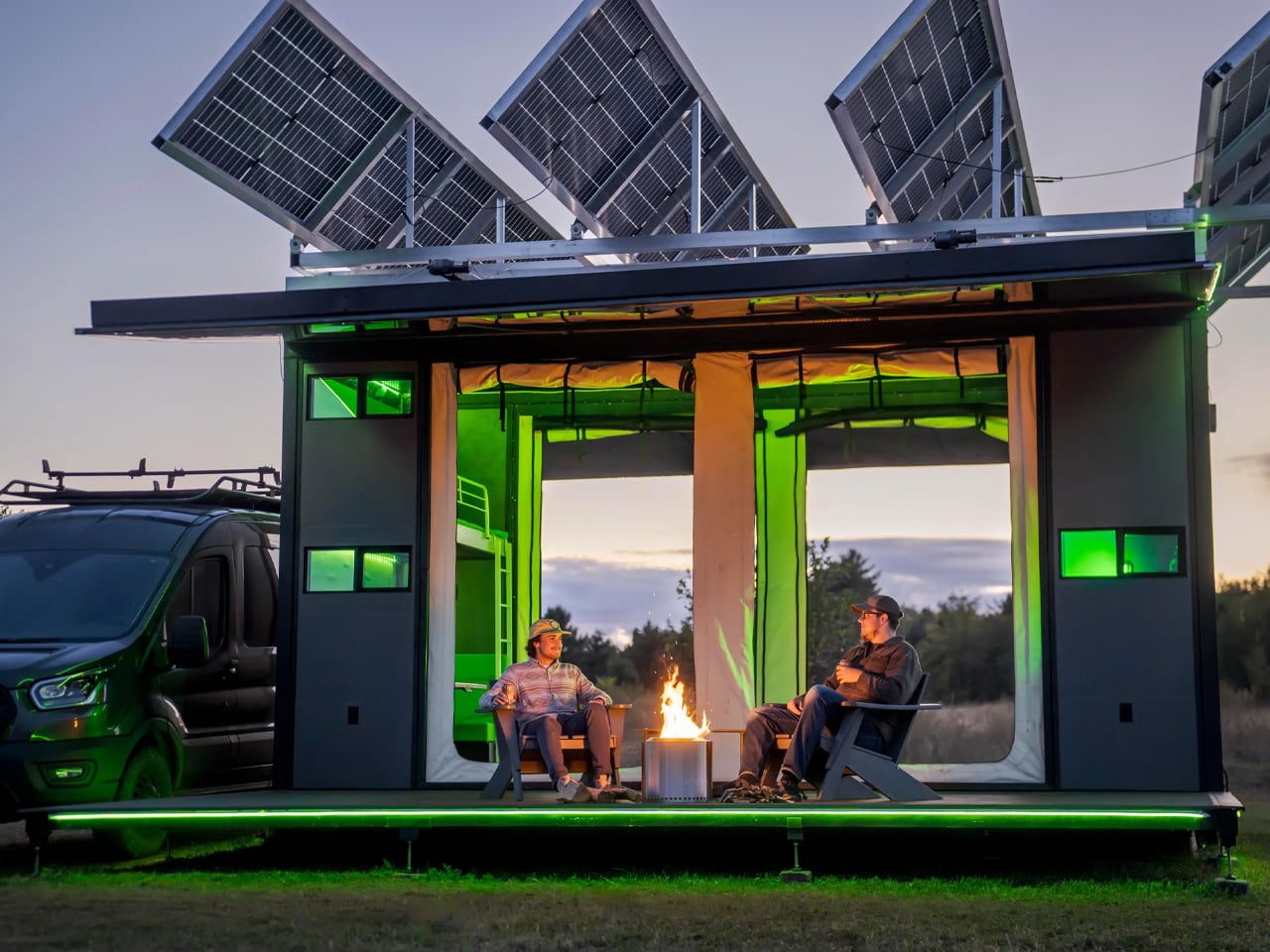
The EO Canopy by Electric Outdoors represents a significant advancement in off-grid camping, delivering urban-level comfort through a fully solar-powered system. Classified as a “canopy,” it requires neither permits nor additional infrastructure, offering exceptional flexibility in a variety of locations. The unit is notable for its ability to generate its own water and for its substantial energy system, which includes a 154-kWh sodium-ion battery pack that can be expanded up to four times. Its 6,600-watt solar-tracking roof produces between 45 and 64 kWh of power per day, ensuring a highly reliable and continuous energy supply.
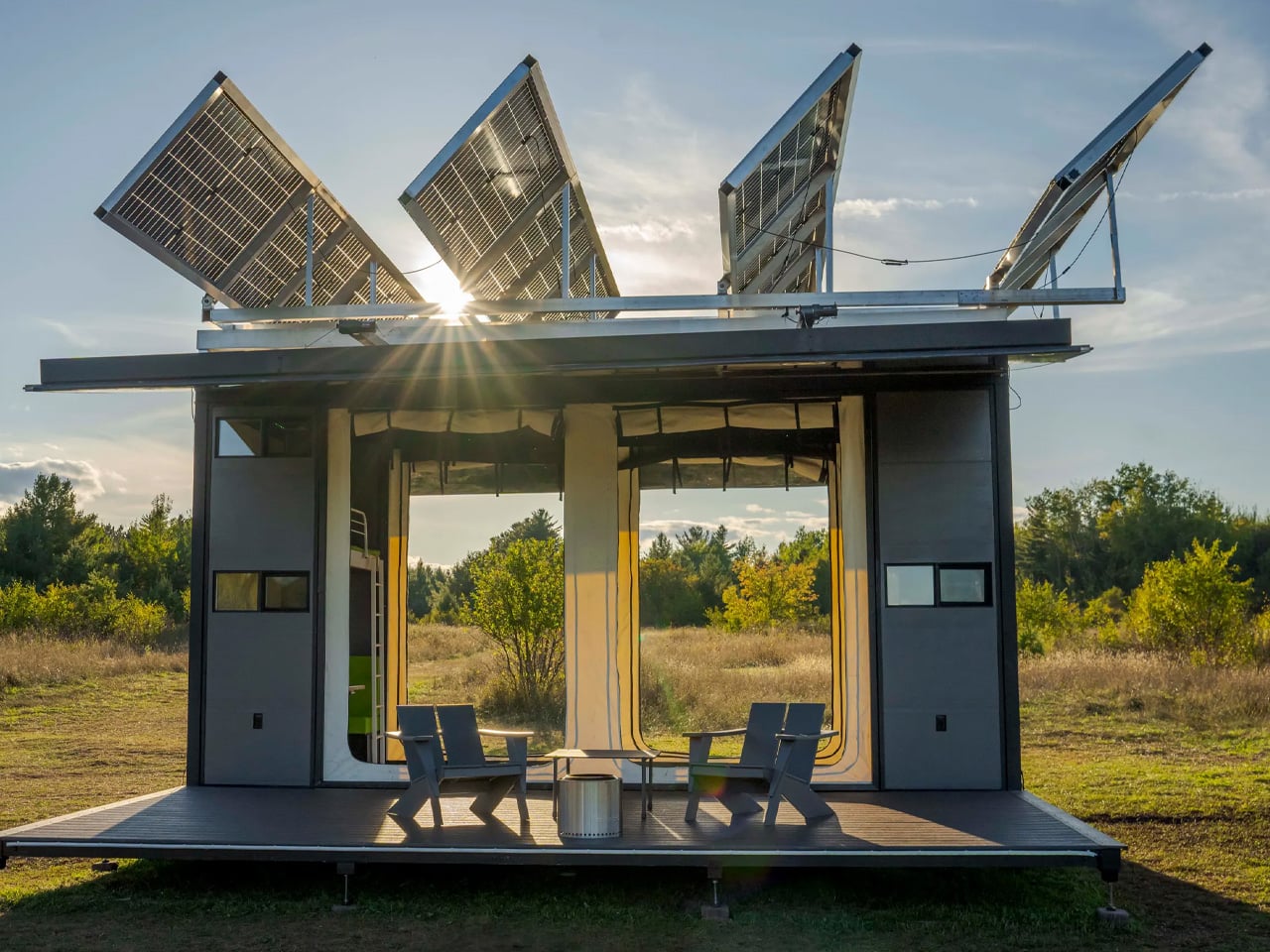
This solar configuration is capable of generating enough electricity to power approximately two American homes each day. It also supports the charging of electric vehicles, including Tesla and Rivian models, providing an estimated driving range of up to 150 miles (241 km) via the integrated Level 2 charging station. Additionally, the 154-kWh battery bank enables uninterrupted air-conditioning use, positioning the EO Canopy as a sophisticated and self-sufficient solution for modern off-grid living.
The Micro Power Revolution redefines how architecture and energy interact. By embedding solar harvesters directly into building materials, every structure becomes an active generator rather than a passive consumer. This self-sustaining model represents modern luxury: high design, strong performance, and true ecological responsibility.