
The electric bike has never been more interesting than it is right now. Designers are throwing out the rulebook entirely, drawing inspiration from anime, music culture, and aerospace engineering to produce machines that feel less like transportation and more like strong, deliberate statements of intent. Each design on this list represents a strikingly different vision of what riding could — and should — feel like in 2026. These are the bikes defining the moment.
From a mobile DJ booth on two wheels to a hydrogen-powered, enclosed cockpit that blurs the line between motorcycle and sports car, the range of ambition represented here is staggering. What unites them is an unrelenting push to make electric mobility something worth getting genuinely excited about. These five machines are not just bikes. They are bold, considered answers to a world demanding something far more extraordinary than a quiet motor and a charge port.
1. Ayra
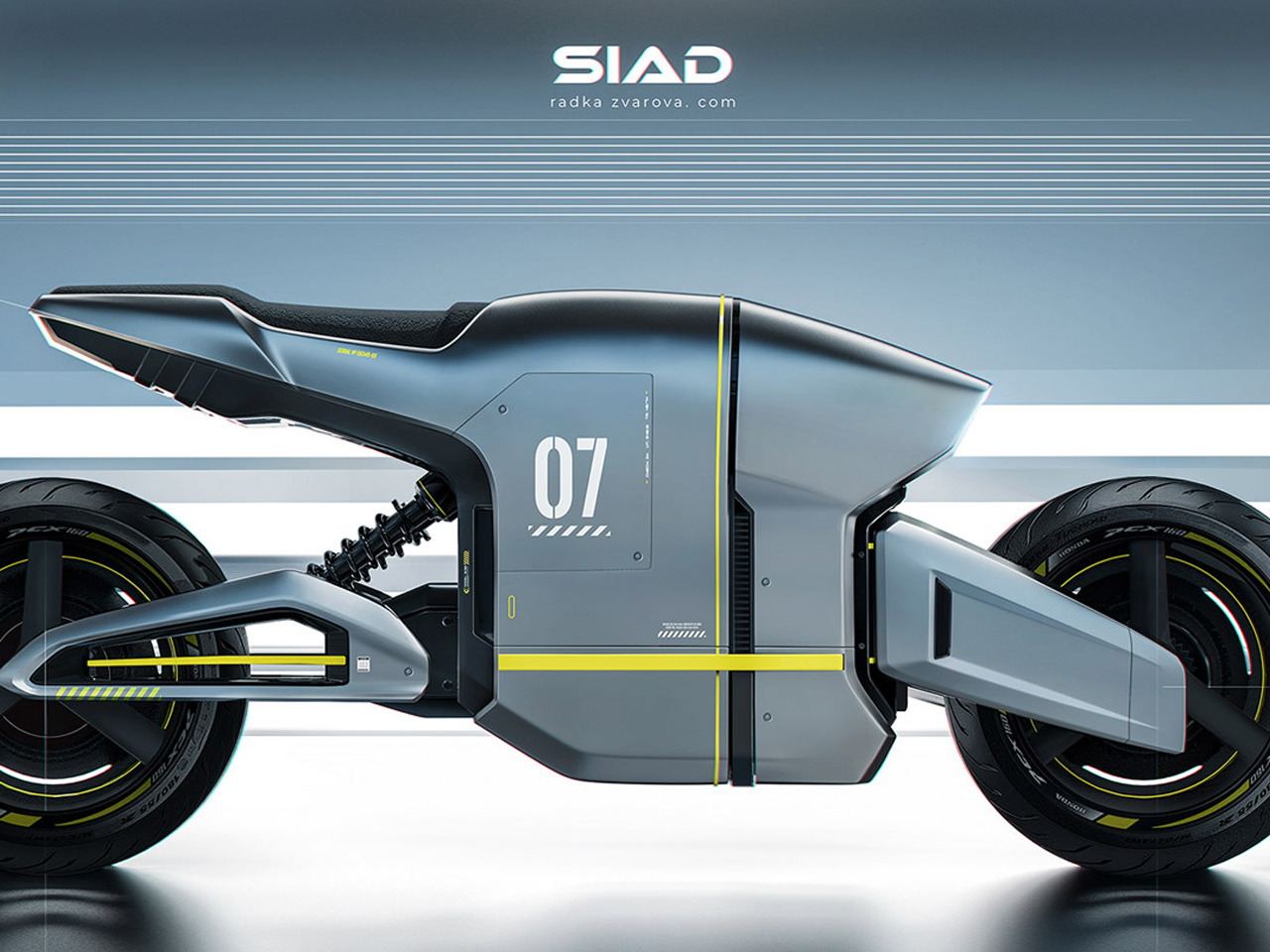
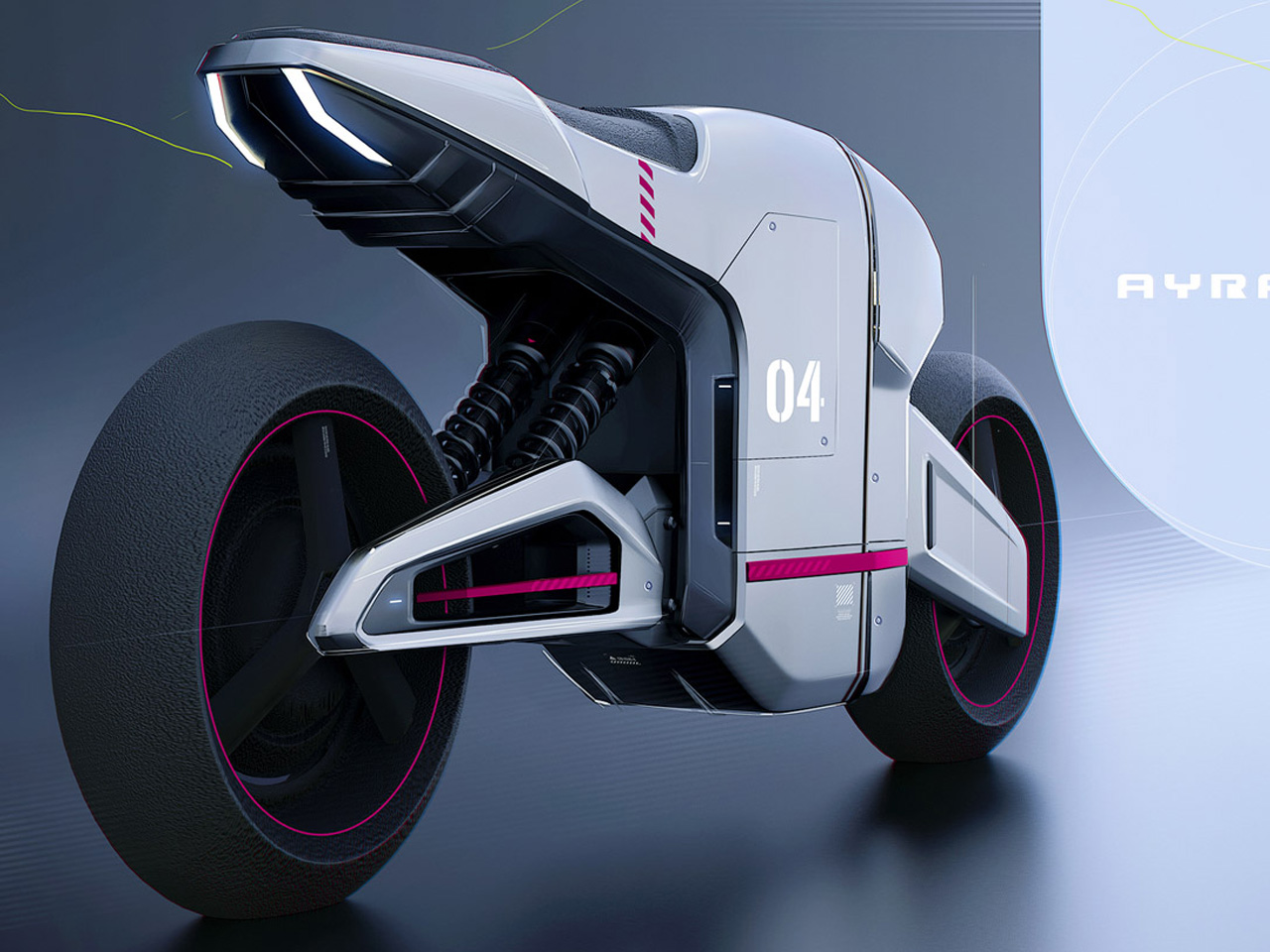
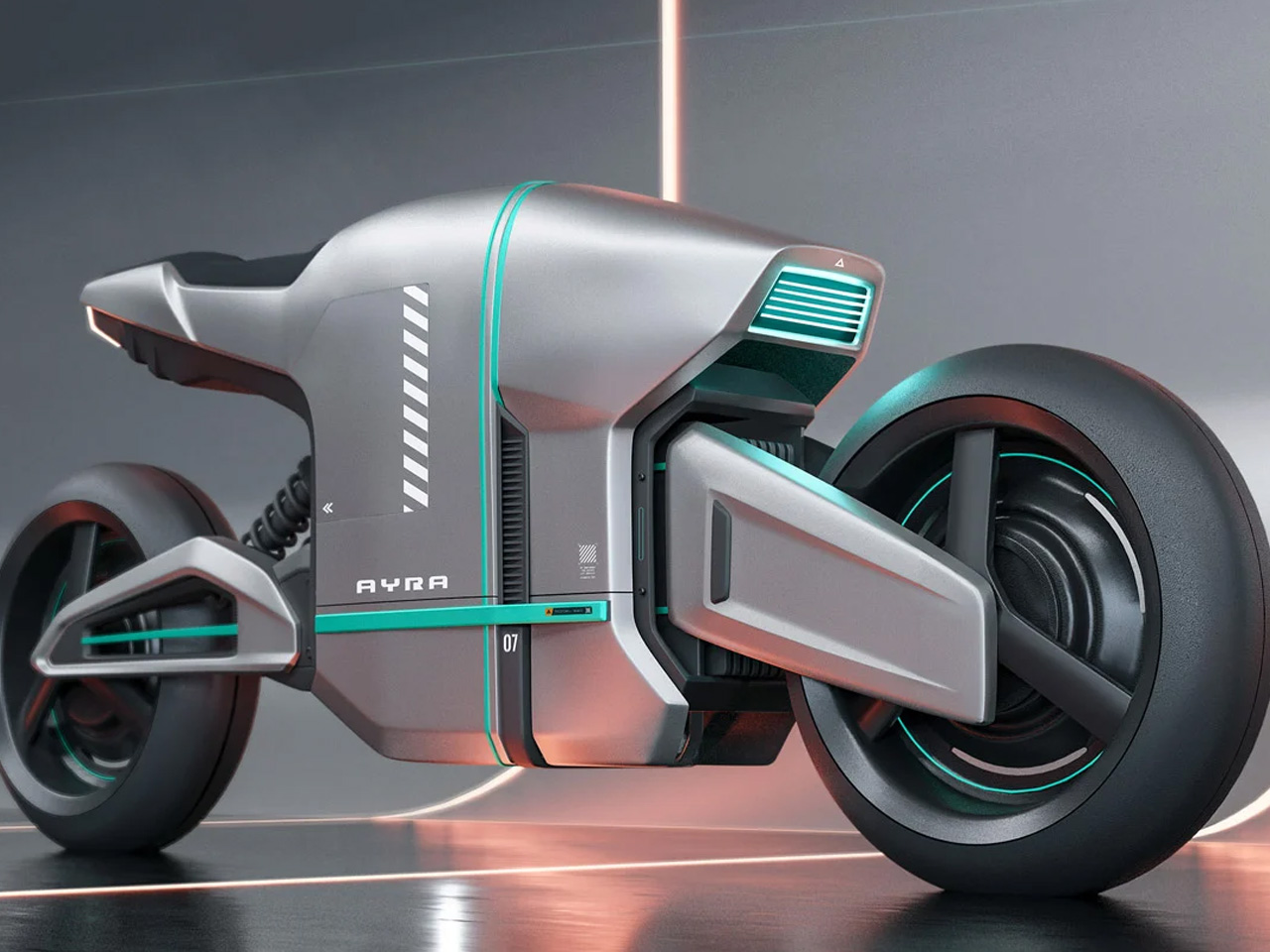
The Ayra does not whisper its intentions. Designed by Radka, it sits at the intersection of street racer and city machine, carrying both identities without apology, and the body language is pure confidence from every angle. Every surface has been shaped around the idea of cutting through air with as little resistance as possible, and the handlebars are pulled flush into the main body of the bike to eliminate the sideways drag that conventional handlebar setups typically introduce. It is the kind of detail that suggests the designer was thinking about airflow first and aesthetics second, with the two arriving at the same place anyway.
The engineering logic running through the Ayra is tight and purposeful. Front and rear monoshock swingarm setups preserve the frame’s structural integrity while pulling the ride height down into a more planted, confident stance. The wheelbase stretches wide enough to spread the machine’s mass evenly, giving the Ayra a naturally settled feel that most bikes of this silhouette have to work much harder to achieve. A compact electric motor sits at the core of the central unit, likely connected to a fast-charge system, though Radka has kept the powertrain details close to their chest for now.
What We Like
- The handlebar integration into the main body is a sharp aerodynamic solution that also gives the bike one of the cleanest, most uninterrupted silhouettes in its class.
- The wide wheelbase distributes weight with real engineering intelligence, delivering a composed, balanced ride without relying on complex or costly suspension architecture to get there.
What We Dislike
- Radka has offered nothing on the powertrain specifics, which leaves a significant gap in the story for a machine whose entire identity is built around performance and speed.
- The monoshock setup reads as elegant from the outside but offers little in the way of rider-adjustable tuning, which will frustrate anyone who wants to tailor the ride to their own preferences.
2. Ichiban Electric Motorcycle
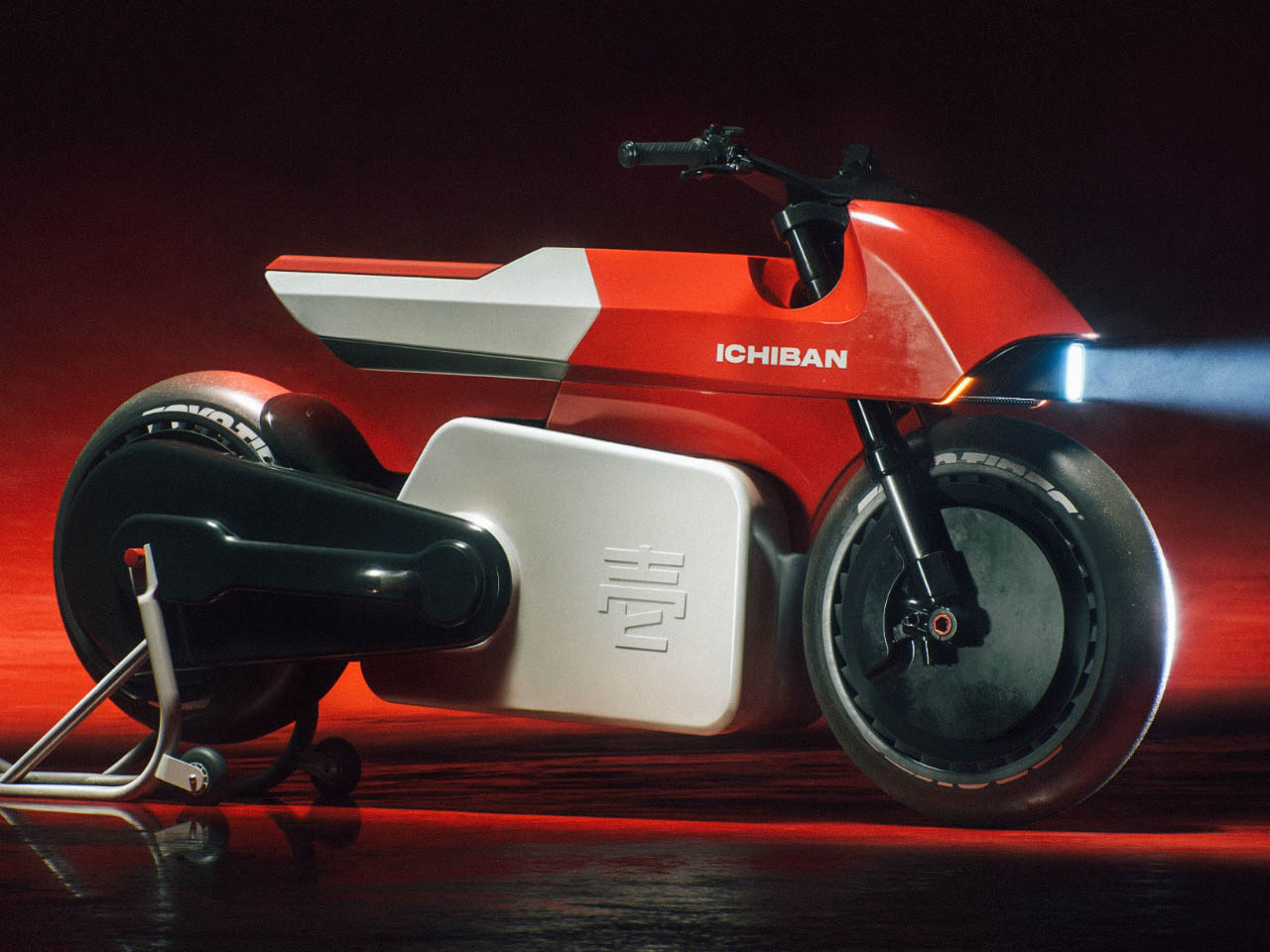
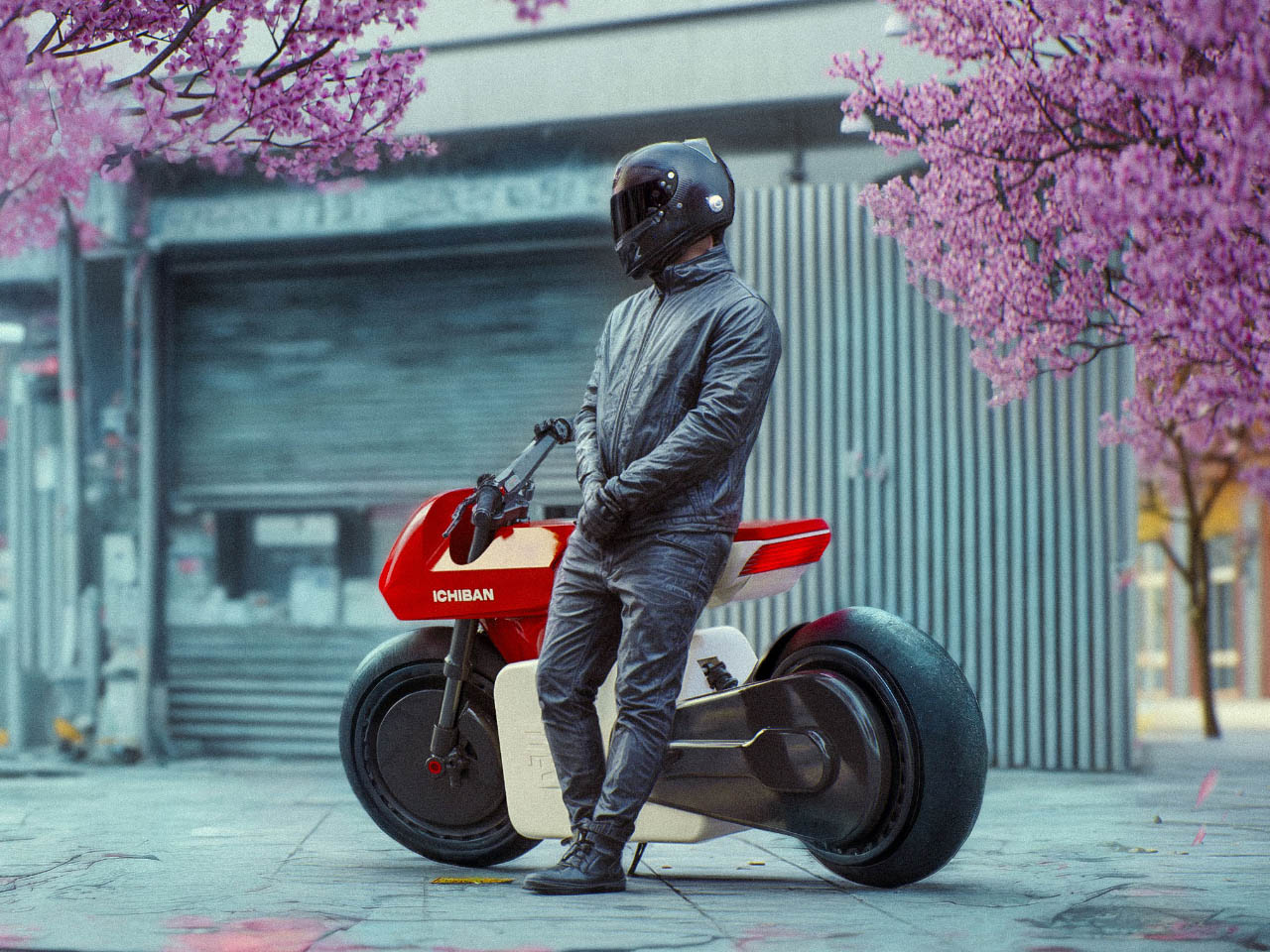
No motorcycle has approached the drivetrain question quite the way the Ichiban does. Proposed as the world’s first electric bike to run a full-wheel drivetrain, this Japanese machine channels power through both wheels simultaneously, producing a performance envelope that single-motor setups cannot touch. A 45kW dual-motor system launches it from a standstill to 100 km/h in 3.5 seconds, which is a number that lands with full weight when you sit with it. That kind of instant, seamless acceleration is entirely native to electric, and the Ichiban leans into it without hesitation.
What separates this machine from its contemporaries is a firm, principled resistance to digital overload. The HUD elements lean analog wherever possible, removing the layer of screen management that has quietly crept into so many modern electric bikes. The design philosophy is rooted in the relationship between the rider and the road rather than the rider and a dashboard. The result is a machine that communicates through feel first and data second, which is a brave choice in a category that has increasingly defaulted to connectivity as a selling point. For motorheads, it is an immediate draw.
What We Like
- The full-wheel drivetrain is a genuine industry first, delivering traction and acceleration performance across both wheels in a way that repositions what electric motorcycle engineering is capable of achieving.
- The analog-leaning interface strips away the screen dependency that burdens so many contemporary electric machines, restoring a more direct, instinct-driven connection between rider and motorcycle.
What We Dislike
- The full-wheel drivetrain remains at the concept stage, meaning real-world data on handling behavior, heat management, and long-term reliability is absent from the conversation.
- Riders who have built their habits around connected dashboards and live ride data may find the deliberately minimal interface more limiting than liberating in daily use.
3. BMW DE-02 x Deus
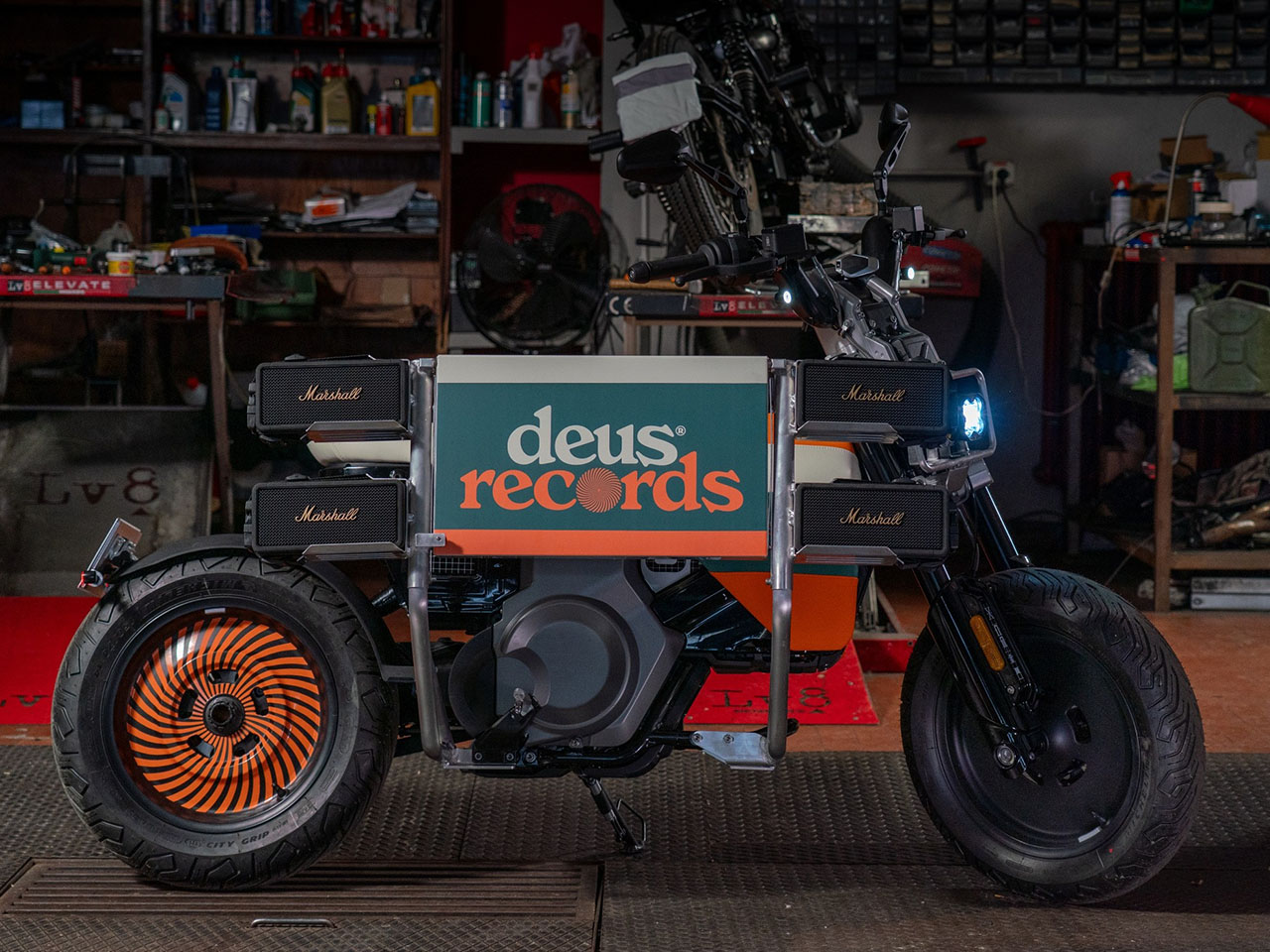
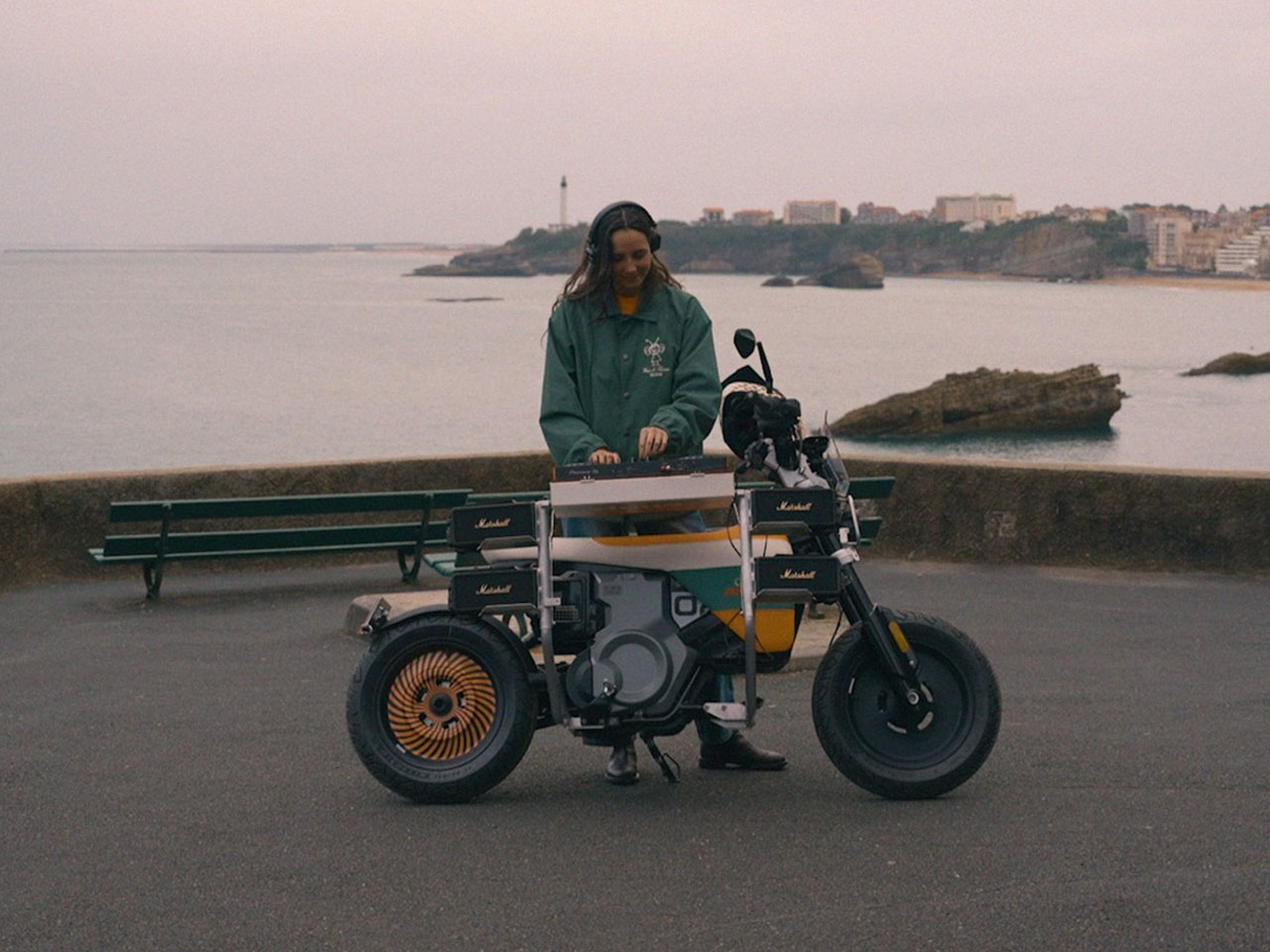
The BMW DE-02 x Deus is arguably the most culturally self-aware electric motorcycle collaboration in recent memory. Co-developed with Deus Records and built on the foundation of the CE 02 eParkourer, the bike arrives as a full reinterpretation of what that platform can carry — literally and conceptually. Where the base model might accommodate utility-focused cargo, the DE-02 replaces it with four Marshall Middleton speakers and a centrally mounted turntable. The idea of mixing a track from a mountainside or a back alley, with no power source needed beyond the bike itself, is as absurd as it is completely compelling.
The craftsmanship holding the concept together is what keeps it from feeling like a novelty. The saddle is hand-stitched leather carrying the Deus Records logo in embroidery, seamlessly woven into the speaker housing and turntable assembly as though it was always meant to be there. BMW Motorrad has long been willing to push at the edges of motorcycle culture, but the DE-02 is perhaps the most fully committed lifestyle statement the brand has produced. It does not try to be everything. It picks a lane — music, movement, and genuine rider culture — and occupies it entirely.
What We Like
- Four Marshall Middleton speakers and a built-in turntable transform this into a genuine mobile venue, making it one of the most conceptually ambitious and culturally resonant electric motorcycle designs in years.
- The hand-stitched leather saddle and Deus Records embroidery bring real artisanal craft to the build, elevating the collaboration well beyond what most concept projects manage to deliver in terms of finish quality.
What We Dislike
- The weight and bulk of the integrated sound system will inevitably affect the handling dynamics and off-road agility that the original CE 02 platform was designed and optimized to offer.
- There is no confirmed production intent behind the DE-02, which means the vast majority of people will only ever encounter it through photographs rather than from the saddle.
4. J Balvin x DAB Motors Electric Bike
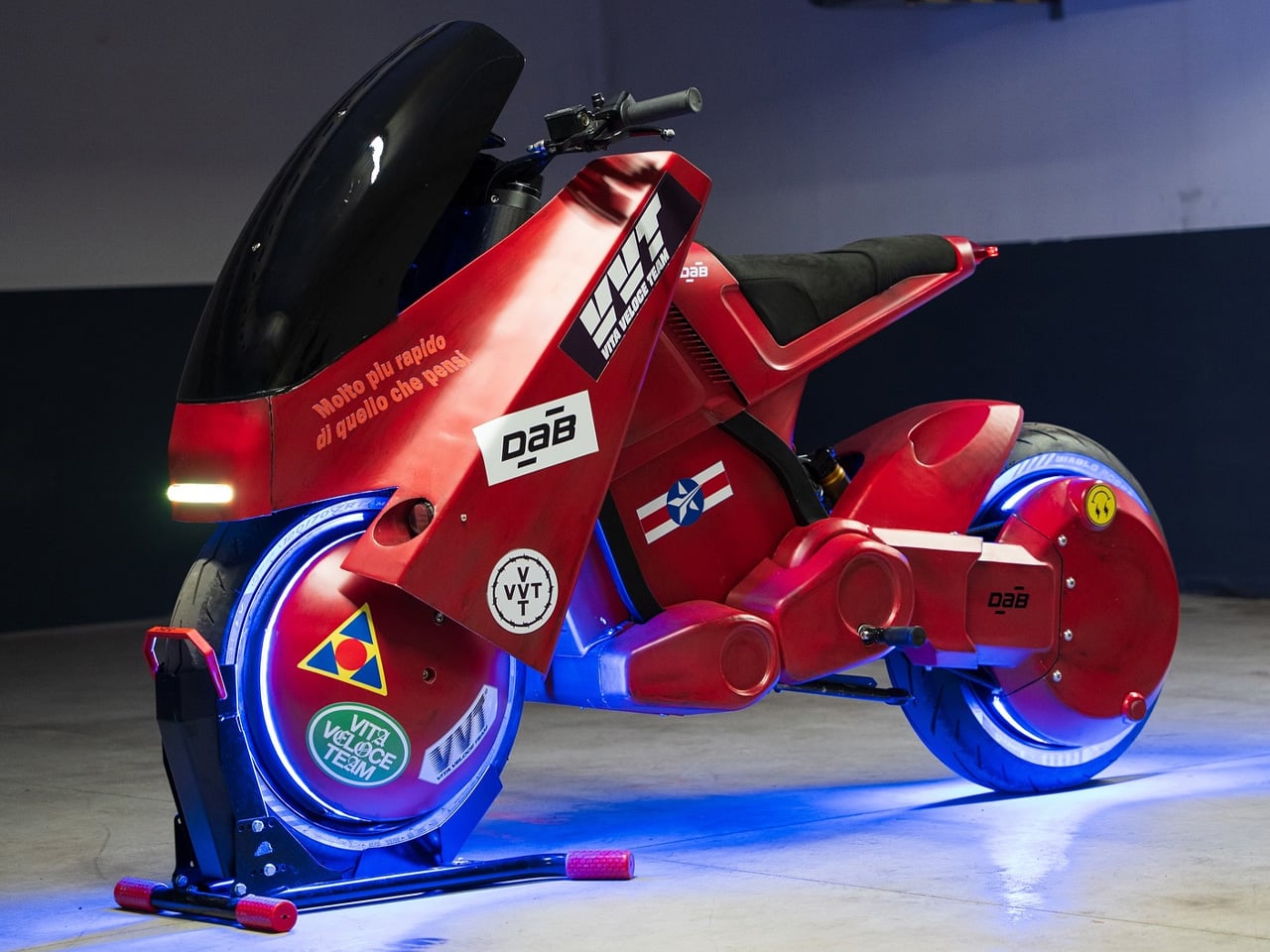
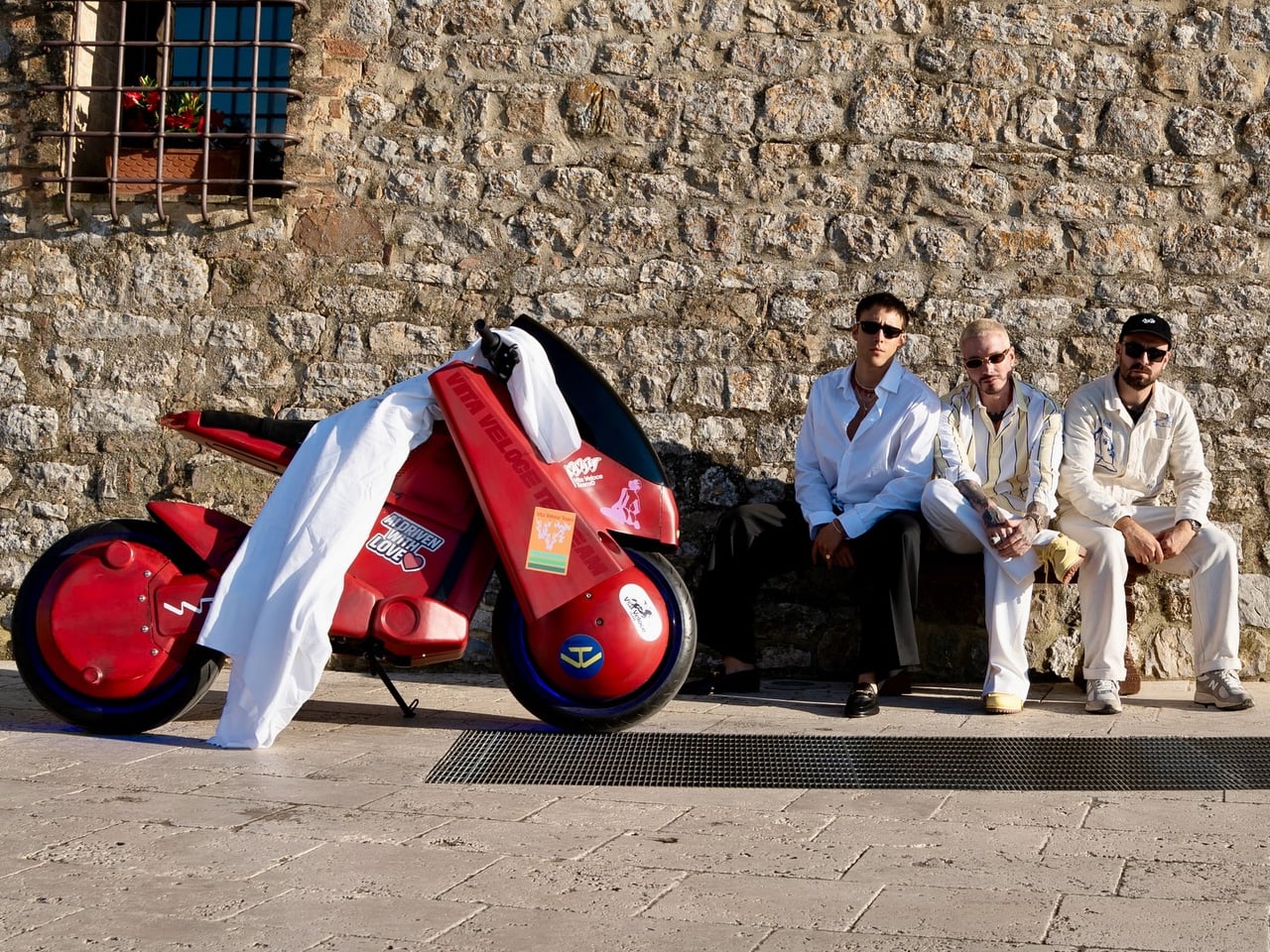
The backstory alone is remarkable. Designer Mattias Gollin and the Vita Veloce Team built this machine in three weeks flat, delivering it as an unannounced birthday surprise to J Balvin at a celebration in Tuscany. Conceived and constructed using AI-powered design tools and 3D printed bodywork, the prototype sits on DAB Motors’ proven 1α platform and arrives as something genuinely difficult to categorize — part rolling sculpture, part rideable anime, completely unlike anything else on the road. The VVT team later confirmed that Shotaro Kaneda’s iconic red motorcycle from the 1988 film Akira was a core reference point throughout the design process.
Gollin’s stated ambition was for the experience of riding this bike to feel like moving through a dream, and the details reflect that goal with real commitment. Sound-absorbing foam packed between the wheel rims and covers generates a low, hypnotic frequency hum as the bike cruises, while purplish-blue LED strips running through the wheels produce a visual sense of motion that reads almost like a trail of light. The frame carries a deep matte red finish that has been hand-patinated with deliberate scuffs and marks, giving the machine the remarkable quality of looking like it has already lived a complete and eventful life before a single rider ever climbed on.
What We Like
- Compressing the entire design-to-prototype timeline into three weeks using AI tools and 3D printing is a significant statement about how rapidly extraordinary machines can now be brought to life outside of conventional development cycles.
- The sound-absorbing foam integrated into the wheel covers to produce a low-frequency ride hum is a wholly original sensory design idea, one that no other electric motorcycle in recent memory has come close to exploring.
What We Dislike
- Built as a one-off prototype, the bike’s exclusivity is essentially total, and any future limited production run would almost certainly carry a price that places it firmly out of reach for the overwhelming majority of riders.
- The deliberately worn, hand-patinated finish is a strong and intentional creative choice, but riders who value a clean, unmarked surface will struggle to see the appeal of purposeful imperfection applied across an entire frame.
5. Karver Cycle Concept K1
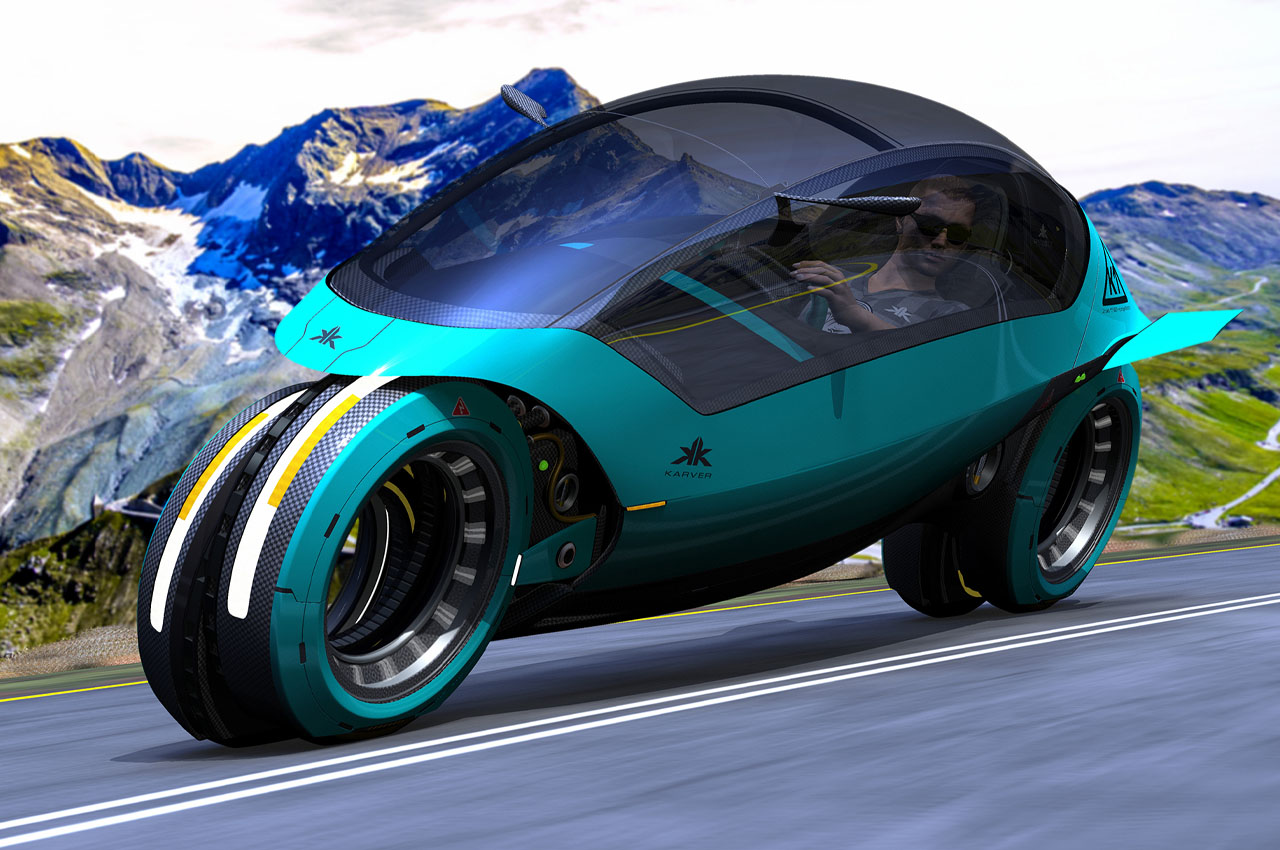

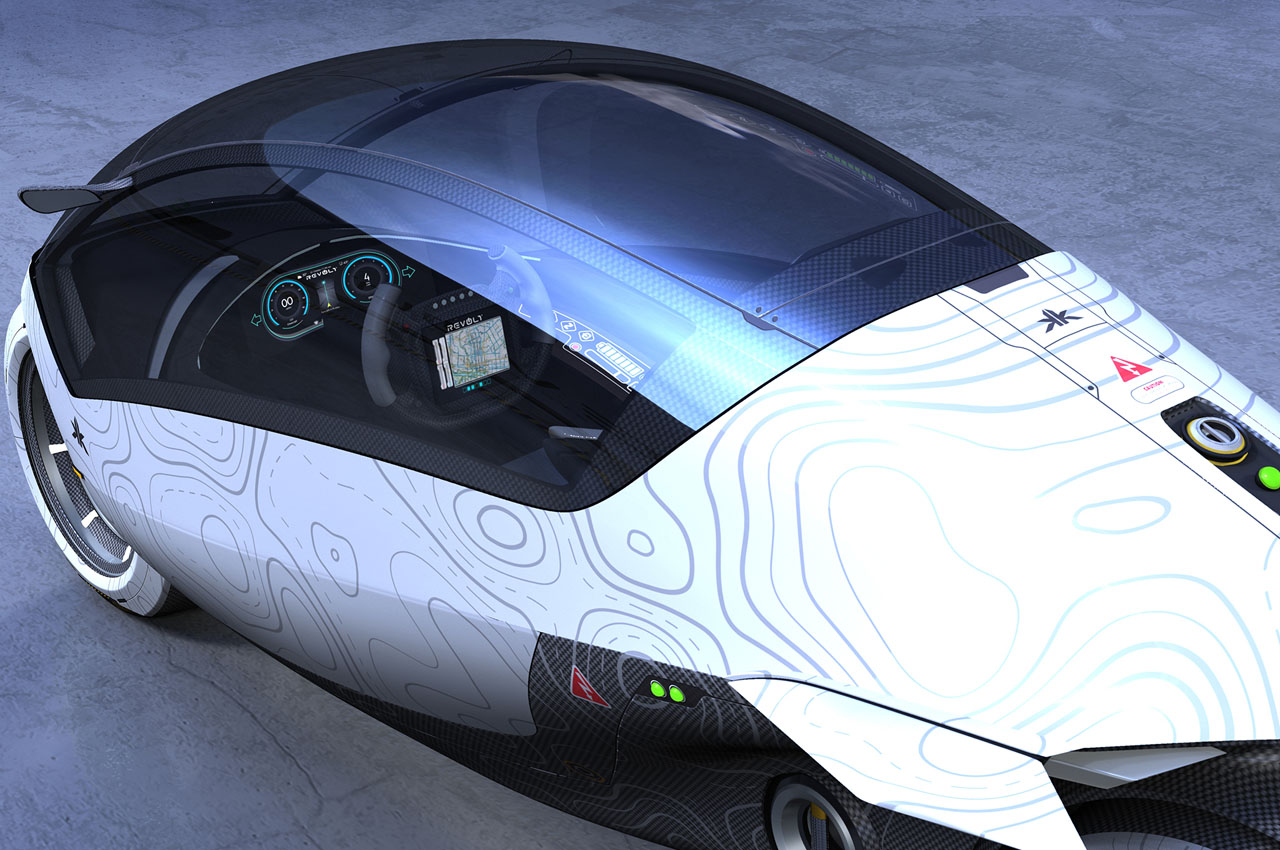
Designed by Kip Kubisz, the Karver Cycle Concept K1 challenges what a motorcycle is fundamentally permitted to be. The silhouette reads as a compact sports car until you look more carefully and find a two-wheeler operating by entirely different rules. Four hubless wheels are arranged in close pairs at the front and rear, each running its own independent wishbone suspension system, delivering a stability and cornering confidence that conventional two-wheel geometry rarely achieves. It looks like a vehicle from a decade that has not arrived yet, which is exactly the point.
The enclosed cockpit defines the riding experience entirely. Panoramic glass wraps the rider in a 180-degree field of view, offering full visual immersion without the wind and weather exposure that traditional motorcycles accept as unavoidable. Inside, an ergonomically tuned bucket seat and a steering yoke replace conventional handlebars, and a clean dashboard displays speed, motor temperature, and core ride data without visual noise. The powertrain is a hybrid electric and hydrogen system tuned primarily for torque, and aerodynamic fins at the rear keep the K1 tracked and stable when speeds climb on open freeways and highways.
What We Like
- The panoramic enclosed cockpit delivers genuine all-weather riding capability without surrendering the essential two-wheeled character of the machine, which is an exceptionally difficult engineering balance to achieve at the concept level.
- The hybrid electric and hydrogen powertrain positions the K1 as a forward-thinking mobility platform, anticipating the kind of clean energy infrastructure that is only just beginning to take meaningful shape around the world.
What We Dislike
- The enclosed cabin removes the open-air riding sensation that most dedicated motorcycle riders regard as the fundamental, non-negotiable quality of the entire experience, which will be a hard trade for many to accept.
- The four-wheel hubless configuration raises unresolved questions around street legality, production engineering, and regulatory classification that the concept stage entirely sidesteps.
The Future of Two Wheels Is Already Here
These five designs do not simply point toward where electric motorcycles are heading. They make the destination feel immediate and urgent. From the Ayra’s aerodynamic precision to the Karver K1’s fully enclosed cockpit, each machine argues for a future that is more considered and more daring than anything the combustion era managed to produce. Electric is no longer a concession to practicality. It is where the sharpest creative thinking in motorcycle design now lives and operates.
What makes this particular moment so compelling is the sheer breadth of intent across the five. The Ichiban defends riding freedom from digital noise. The BMW DE-02 x Deus turns the road into a stage. The DAB Motors and J Balvin collaboration is art that moves under its own power. None of them chase the same idea, and that is precisely the point. When electric motorcycle design starts feeling like genuine self-expression rather than an engineering exercise, the whole conversation shifts somewhere worth paying attention to.