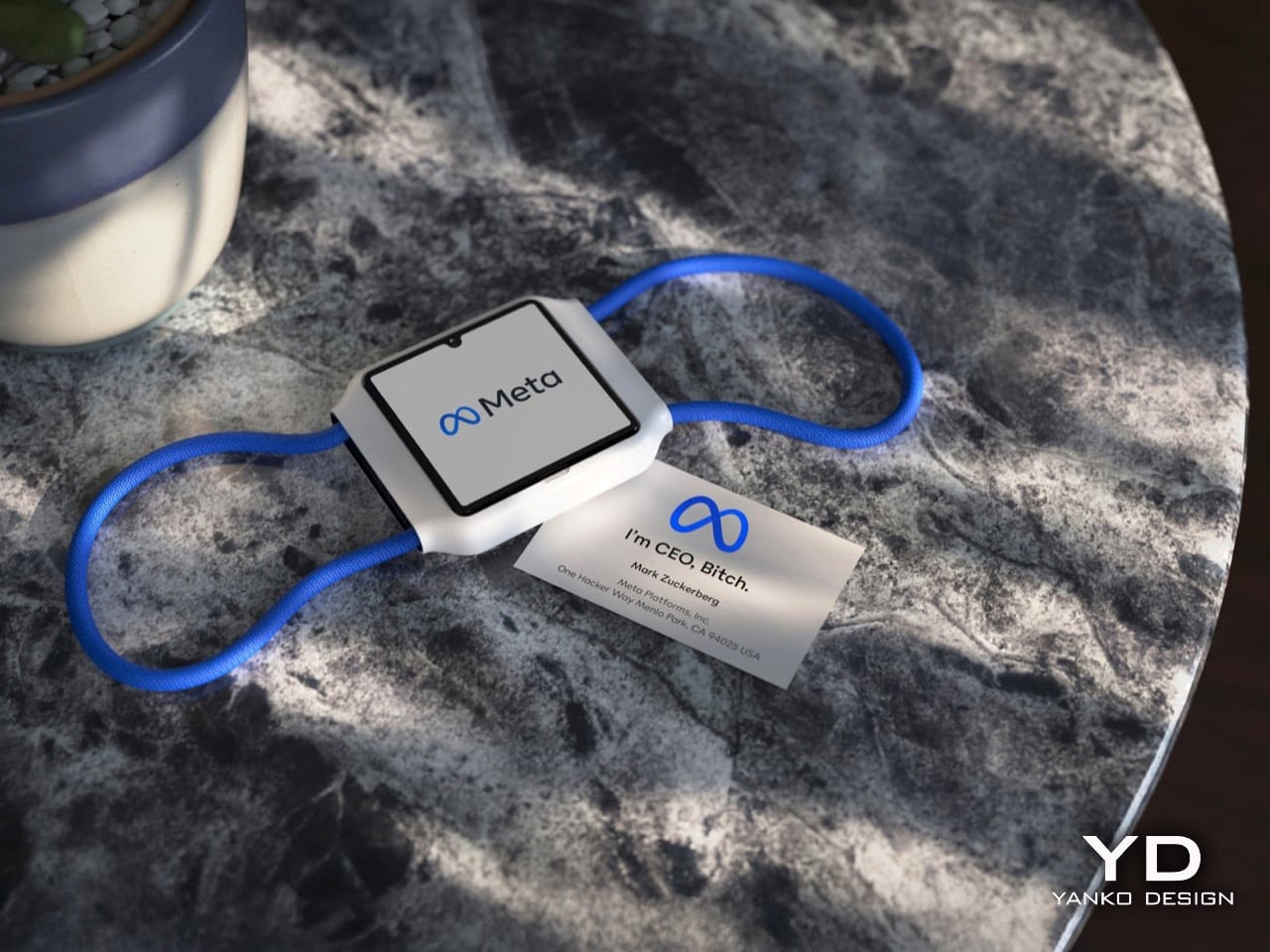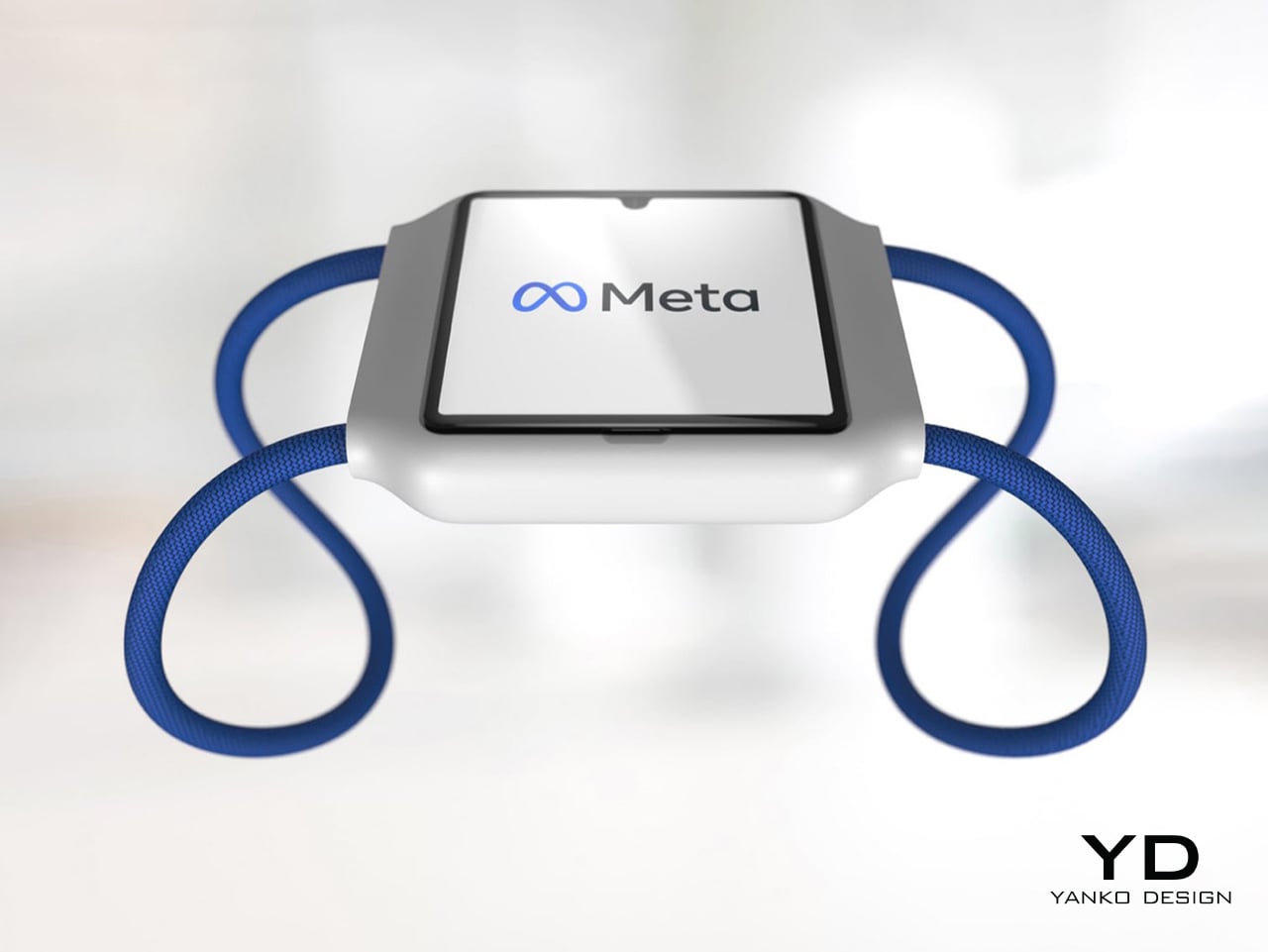

Meta is building a smartwatch, and it wants to know your heart rate, your sleep patterns, your activity levels, and whatever else it can pull from a sensor pressed against your skin all day. The device is codenamed Malibu 2, it’s targeting a 2026 launch, and by most accounts it sounds like a perfectly competent health wearable. The problem isn’t the hardware. The problem is the company attached to it.
This is the same Meta that just faced congressional scrutiny over social media addiction today. The same Meta whose smart glasses are reportedly inching toward facial recognition. The same Meta that filed a patent for Project Lazarus, a system designed to generate posthumous content from deceased users, because apparently your data doesn’t stop being useful to them just because you do. Handing your most intimate biometric information to that company is a case study in one.
Designer: Meta
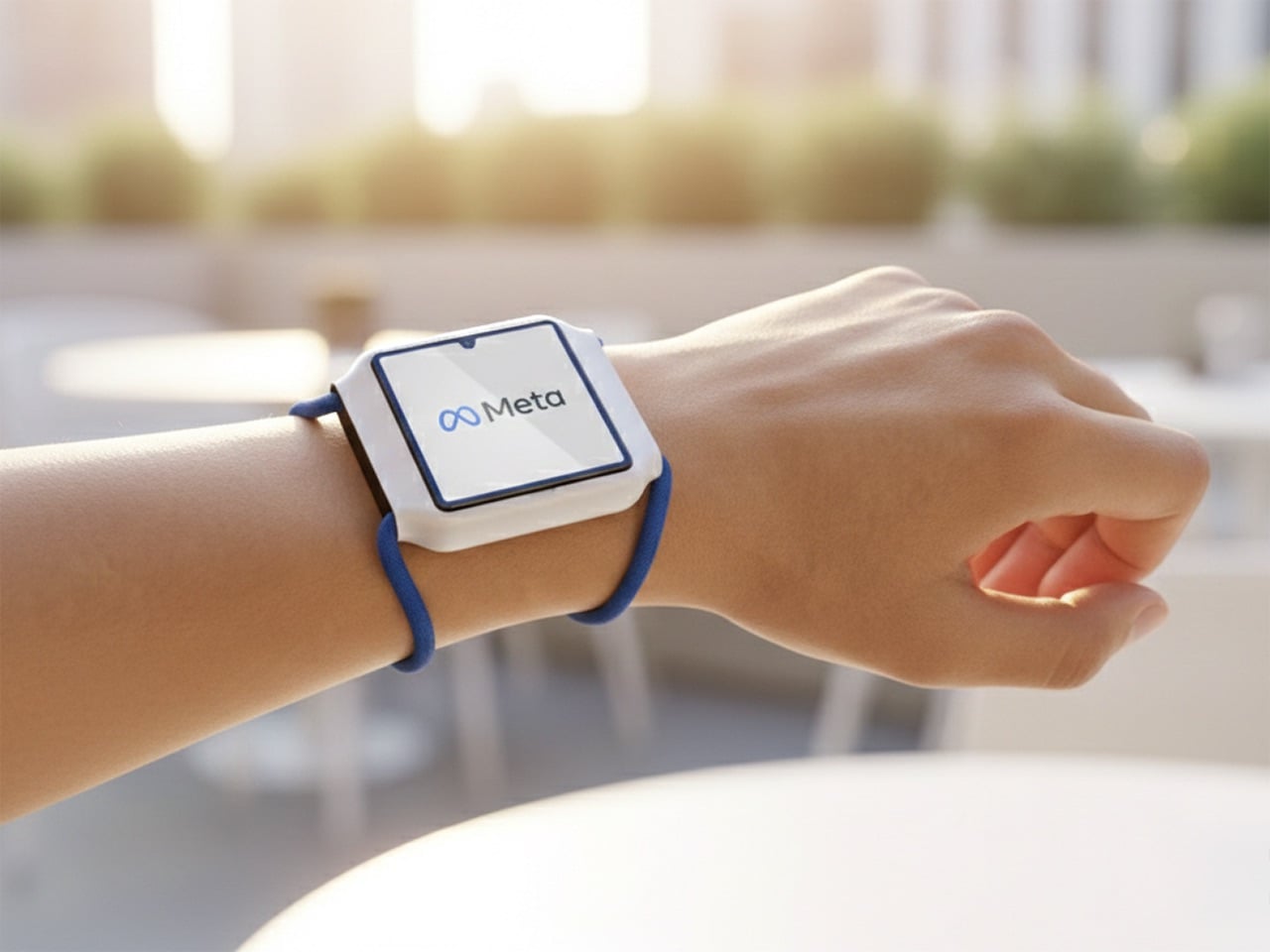

To be fair, the product itself has a coherent logic behind it. Meta’s Ray-Ban Display glasses have been received surprisingly well by the press, and the neural wristband that ships with them, which uses electromyography to read muscle signals and translate them into gestures, only works with those glasses. That’s a real limitation. A smartwatch that absorbs that gesture-control functionality while adding health tracking and a persistent AI assistant would close a gap that currently makes the whole setup feel incomplete. From a pure product strategy standpoint, Malibu 2 makes sense.
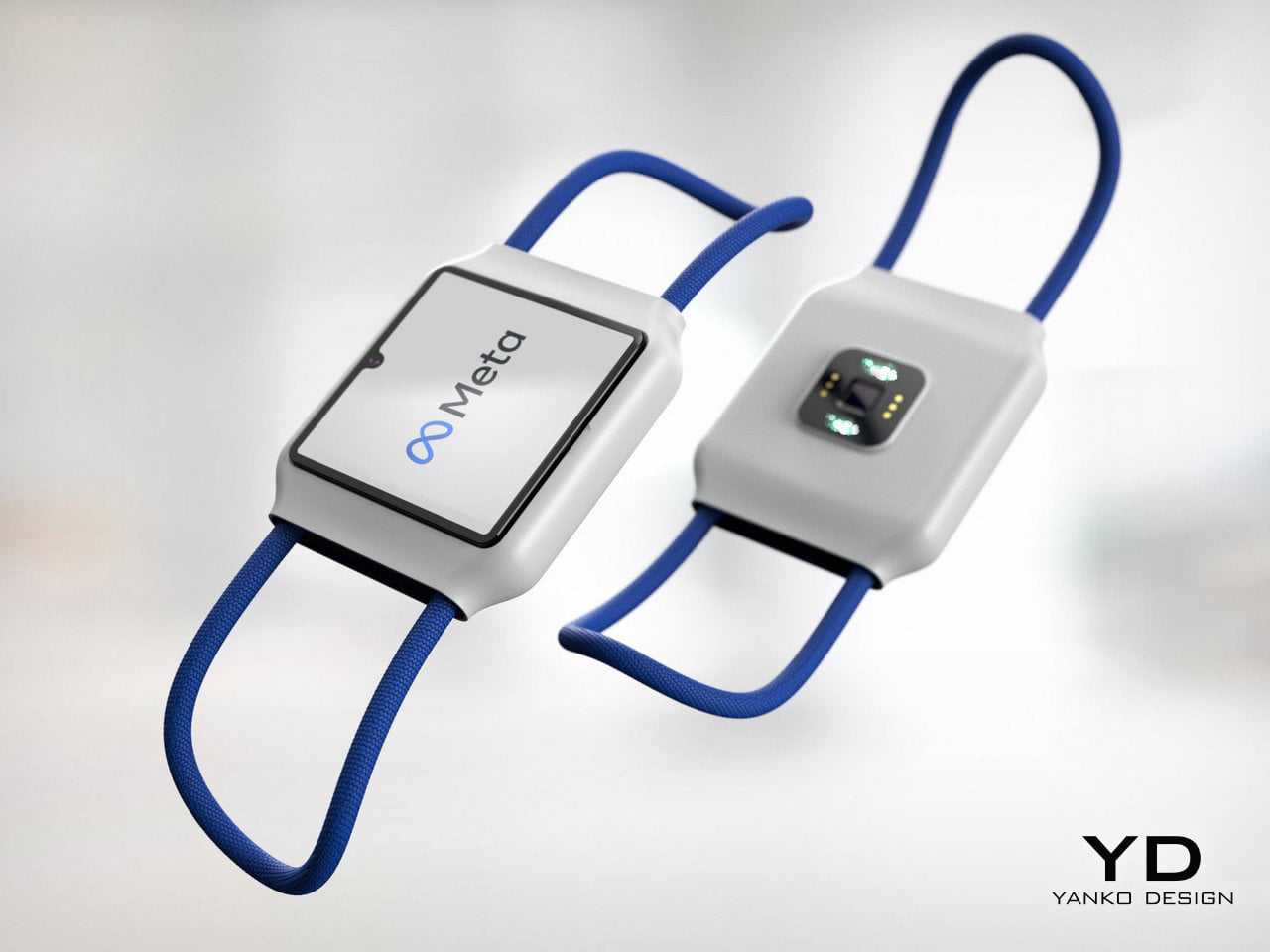
The hardware ambitions have also matured since Meta’s first attempt at a smartwatch, which was scrapped in 2022 after accumulating plans for detachable cameras and metaverse tie-ins that never quite added up to a coherent device. Malibu 2 is reportedly focused on health tracking and Meta AI integration, which is a much cleaner pitch. The company already has a working partnership with Garmin, visible in the Oakley Vanguard sports glasses and a neural band demo at CES 2026 inside a Garmin-powered car concept. If there’s a natural manufacturing and platform partner for this watch, Garmin is the obvious candidate.
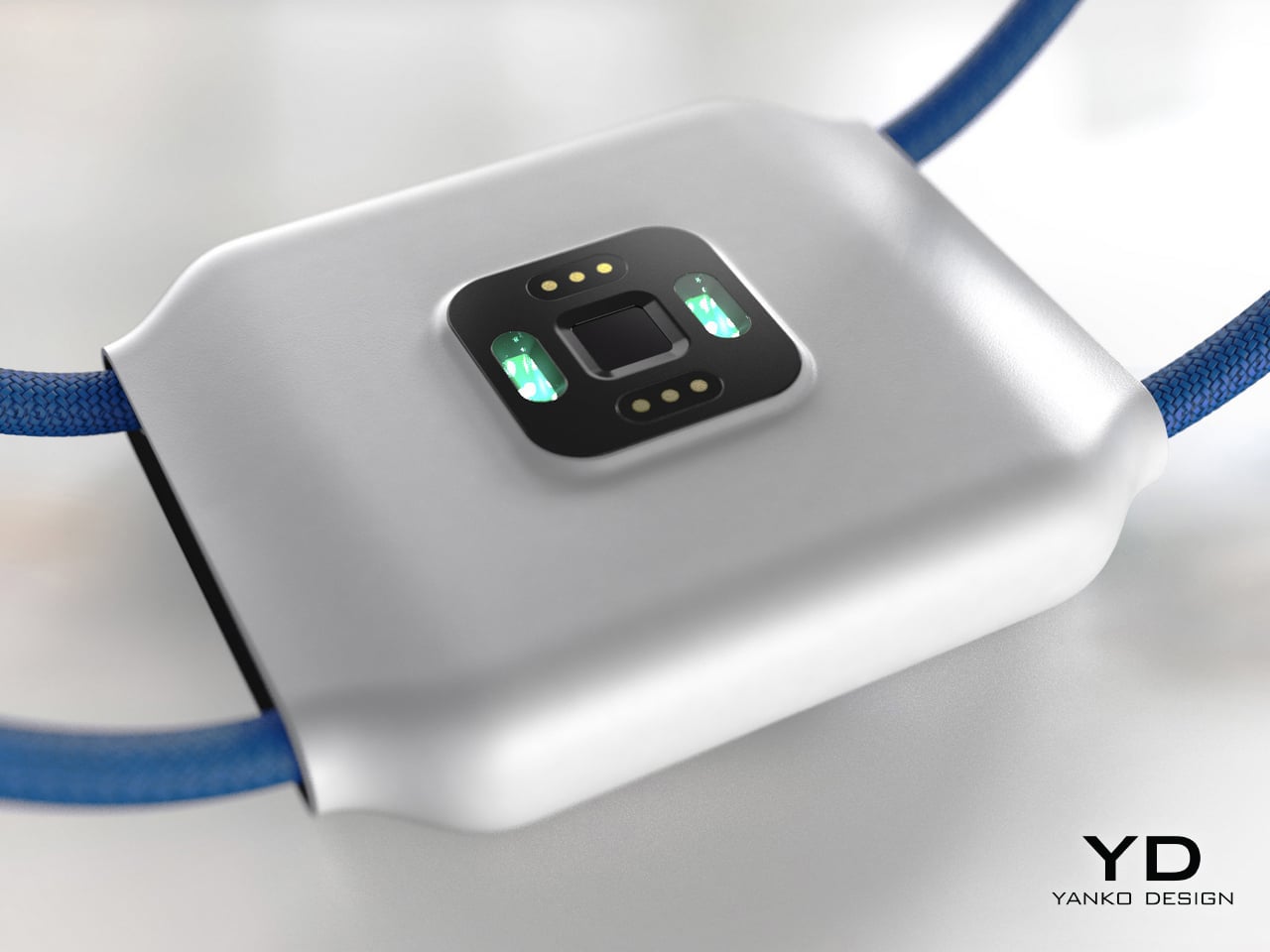
Meta is also reportedly developing the watch to sit alongside updated Ray-Ban Display glasses, internally called Hypernova 2, with both devices likely to be unveiled at Meta Connect in September. The Phoenix mixed reality glasses, meanwhile, have been pushed to 2027 partly because Meta’s executives were concerned about releasing too many devices at once and confusing consumers. That’s a reasonable concern. It’s also a little rich coming from a company whose current product lineup already includes smart glasses with a separate neural band that only controls one device.
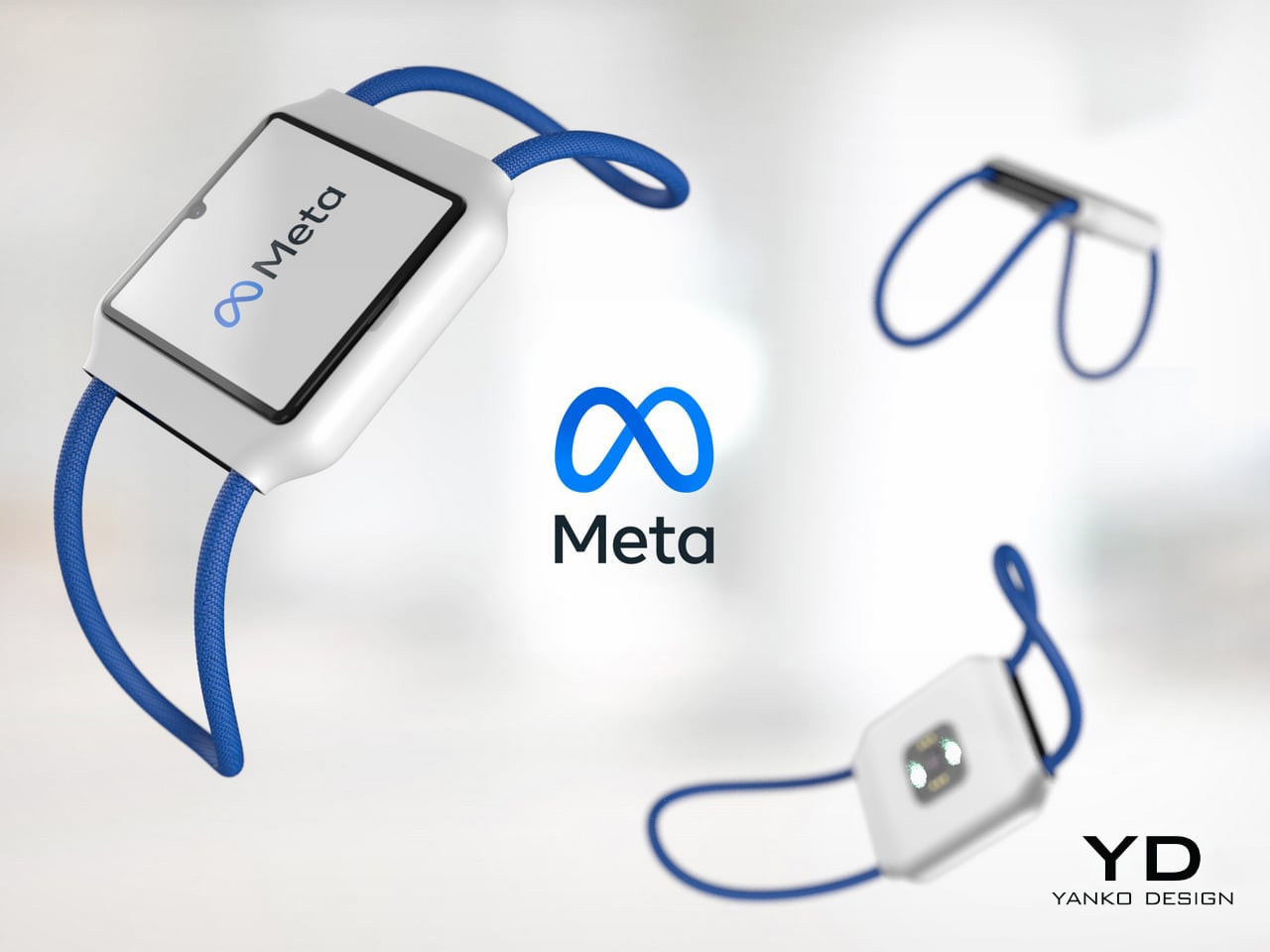
The wearables market is genuinely ready for a credible third competitor alongside Apple and Samsung, and Meta has the AI infrastructure and the existing glasses ecosystem to make Malibu 2 compelling from launch. But compelling and trustworthy are different things, and Meta has spent twenty years demonstrating which one it prioritizes. Your Apple Watch data sits in Apple’s ecosystem, behind a company that has made privacy a marketing pillar and a legal battleground. Your Malibu 2 data sits with a company that patented a way to keep monetizing you after you die.