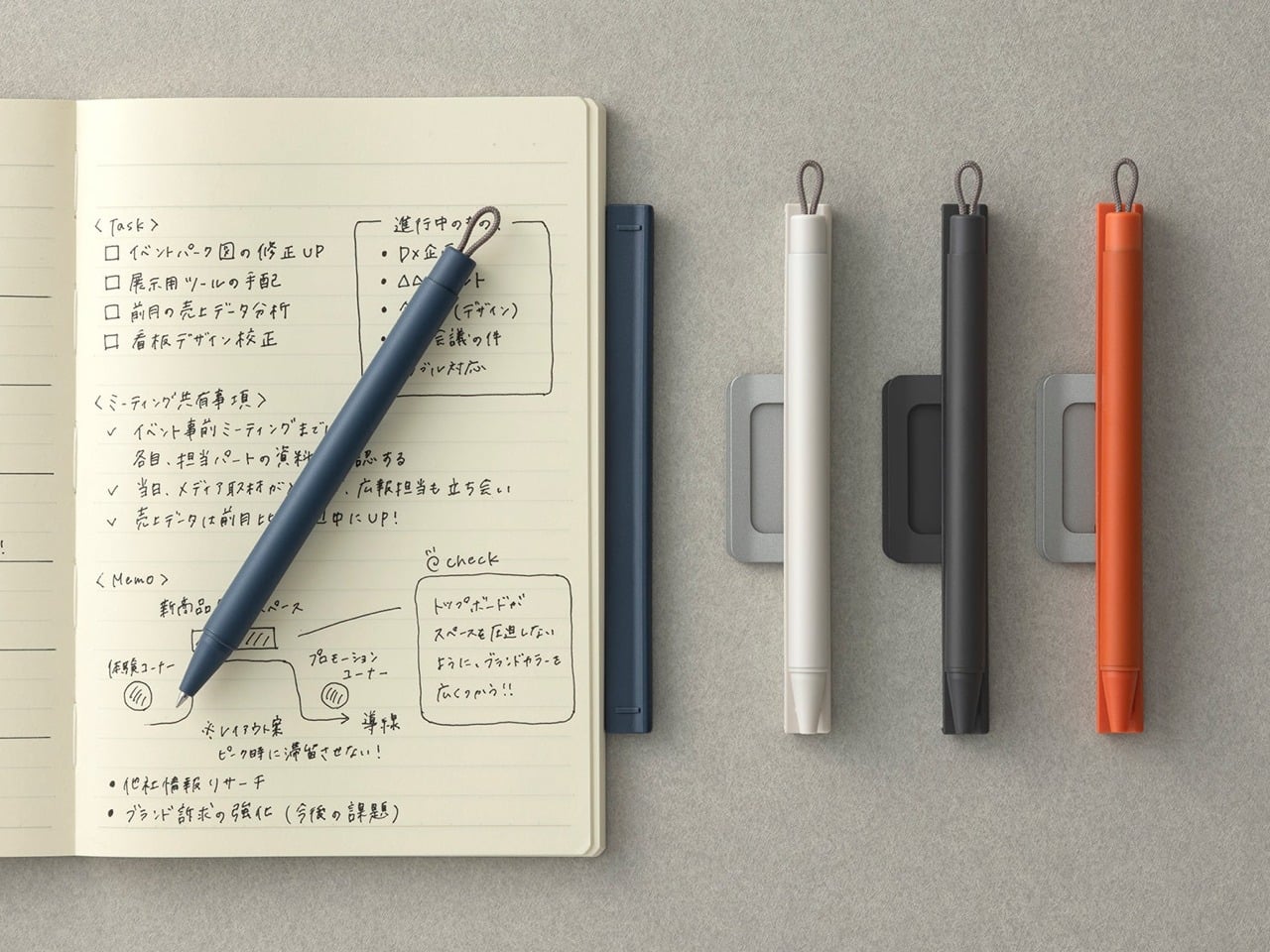

There’s something about the start of a new semester that makes you want to be more organized than you actually are. The folders, the planners, the fresh notebooks- most of it is forgotten by October. The stationery that survives a school year isn’t the cheapest or the most colorful. It’s the piece you reach for every morning without thinking, the one that fits your hand and your routine like it was built for both.
This list leans Japanese, not because it’s a trend, but because Japanese stationery culture takes the design of everyday objects more seriously than anywhere else. Every piece here comes from Japan or was designed in conversation with that same philosophy: that a notebook is not just paper, that a pen is not just ink, and that the objects you carry to class every day deserve more thought than they usually get.
1. Inseparable Notebook Pen

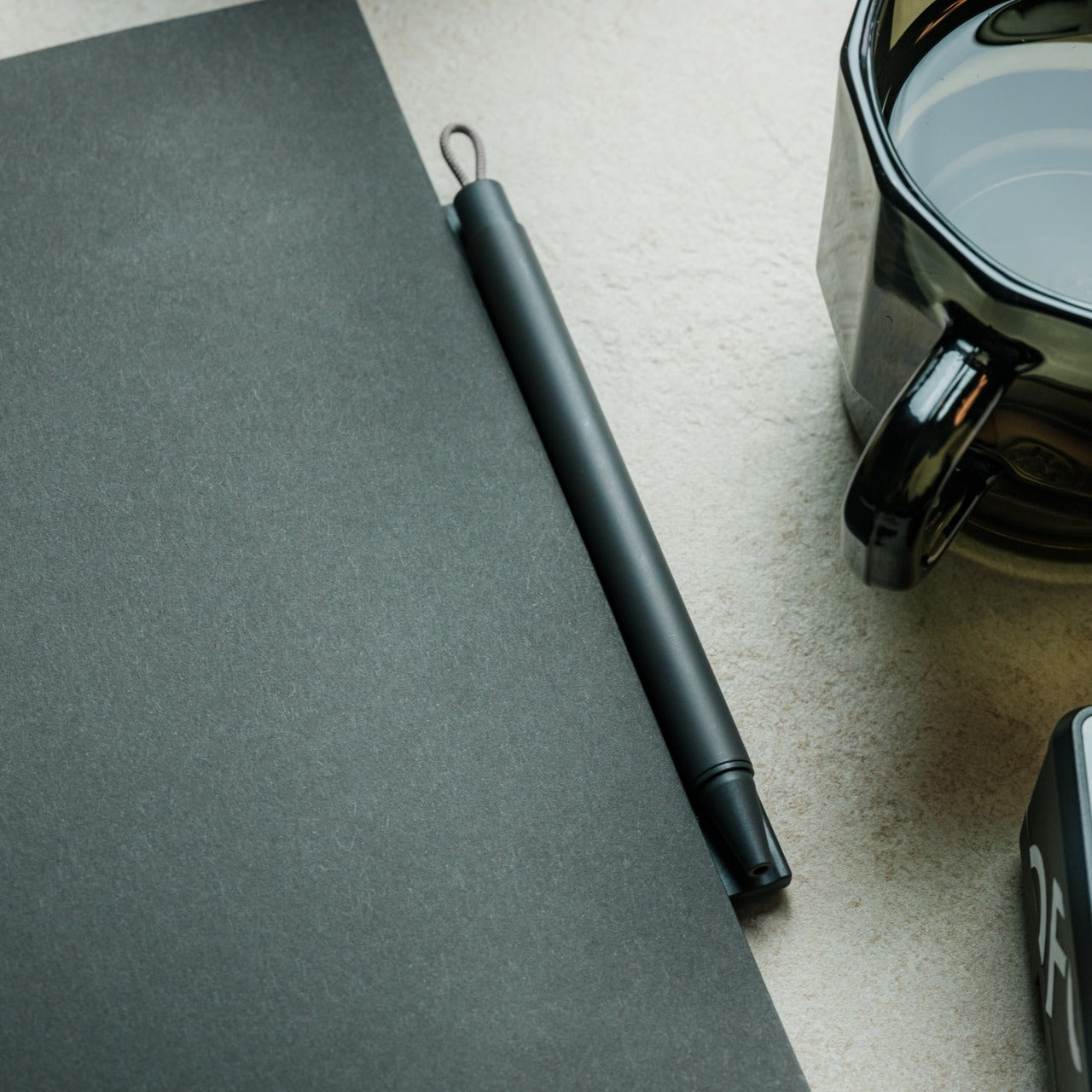

The most common desk frustration is not the work itself. It’s the pen that isn’t where it should be. The Inseparable Notebook and Pen solves this with the kind of restraint that good design always defaults to. The pen lives with the notebook, held in place by a mechanism that doesn’t feel like an afterthought. It’s a single object now, not two things that keep losing each other. Pick it up, and both are already in hand.
What makes this relevant for back to school isn’t novelty. It’s the reduction of one small daily friction, the kind that compounds quietly across an entire semester until you realize you’ve wasted ten minutes a week chasing a pen that should have been right there. The notebook is designed with the same intention: clean pages, a form factor that sits flat on a desk without fighting you, and a cover that holds its shape through a bag that sees daily use.
What we like
- The pen-and-notebook pairing solves a real problem without adding hardware or bulk
- Genuinely useful as a bag or desk companion that earns its place through the whole year
What we dislike
- Commits you to one pen choice, which won’t suit writers with strong preferences about their writing instrument
- Better suited as a secondary notebook than a primary daily journal
2. Classiky Chestnut Postcard Case
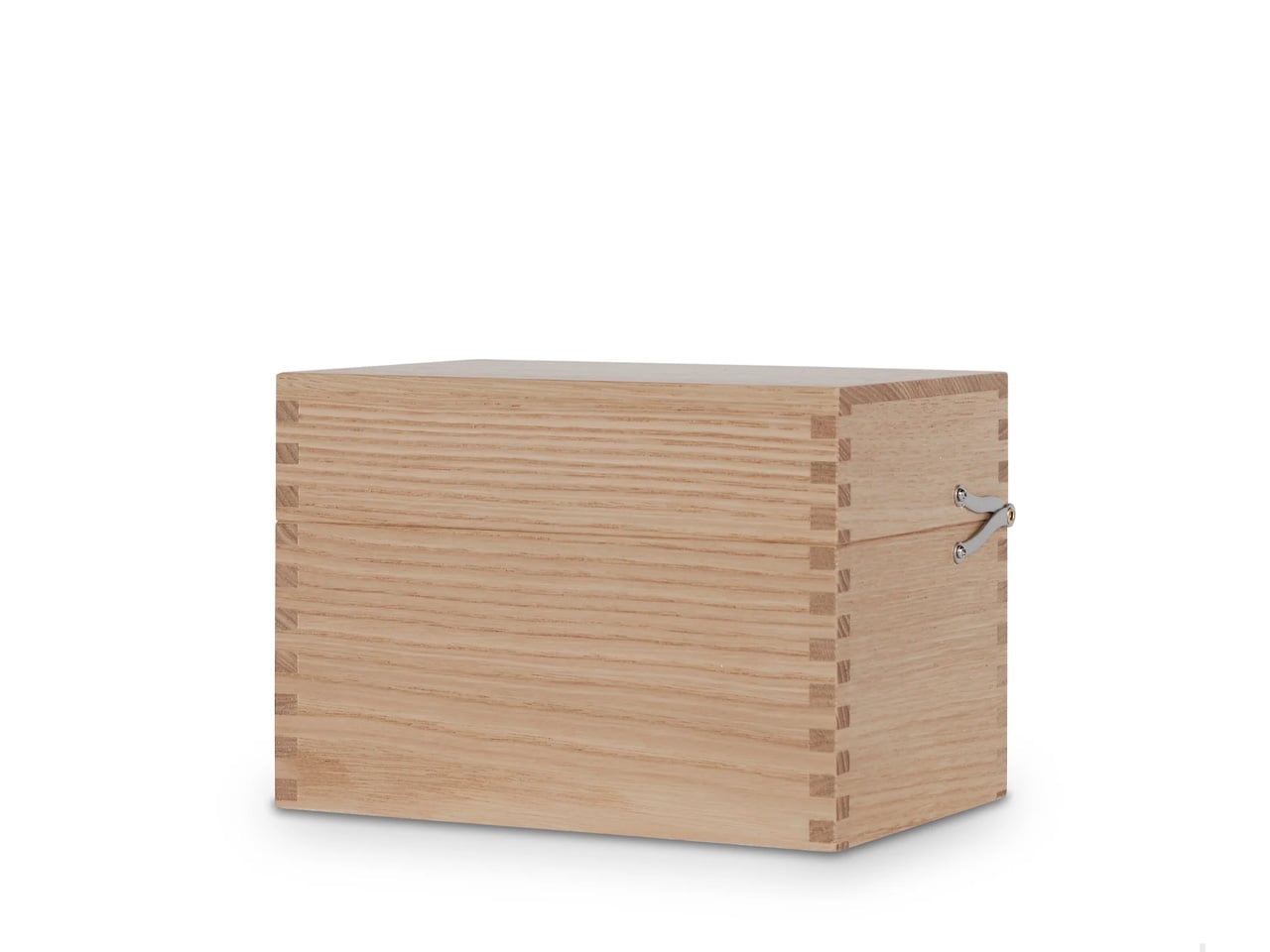
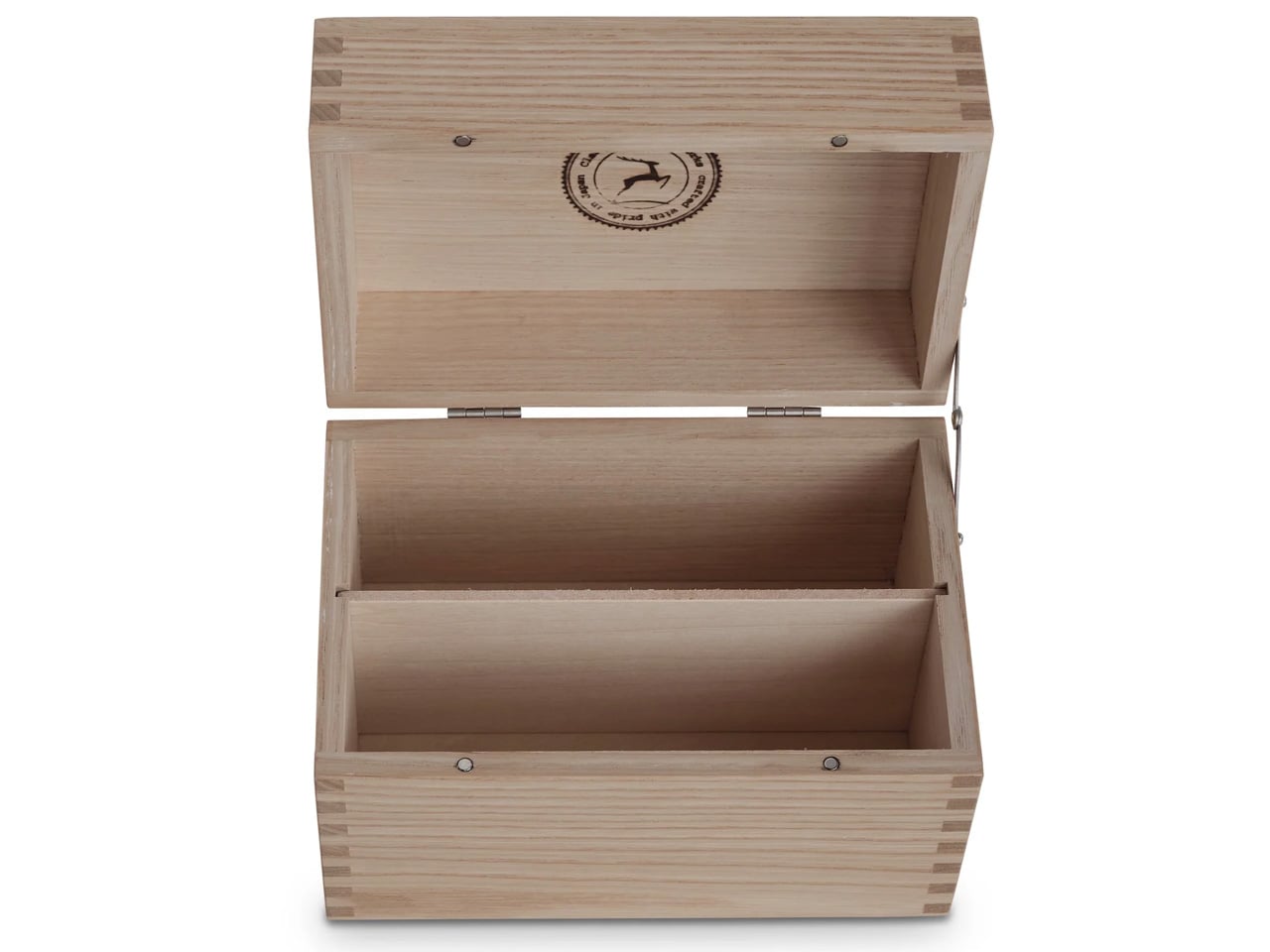
Classiky is a Japanese paper goods brand that works best when it’s working small. The Chestnut Postcard Case is exactly the kind of object the brand does well: a holder designed for postcards, loose notes, and small cards, with a quiet authority the category doesn’t usually earn. The chestnut colorway isn’t brown in the way most things are brown. It’s the specific warmth of something that ages into itself, a piece you’ll handle daily and find better for it six months from now.
For back to school, the use case is broader than it sounds. Business cards from professors, research source cards, index cards you’ve actually written something useful on, transit cards, anything that matters enough to keep but gets lost in a wallet. The postcard case keeps these things accessible and flat, in a form that sits comfortably in a bag’s outer pocket. It’s a solution to a problem most people don’t realize they have until they stop losing things.
What we like
- The chestnut colorway ages gracefully and won’t feel wrong on a desk six months into the year
- Compact and structured enough to keep cards flat and accessible without adding bulk to a bag
What we dislike
- Specialized enough that it only earns its place if you actually carry cards regularly
- Sized for postcards, so it won’t accommodate folded A5 paper or larger loose sheets
3. Clearslide Box Opener
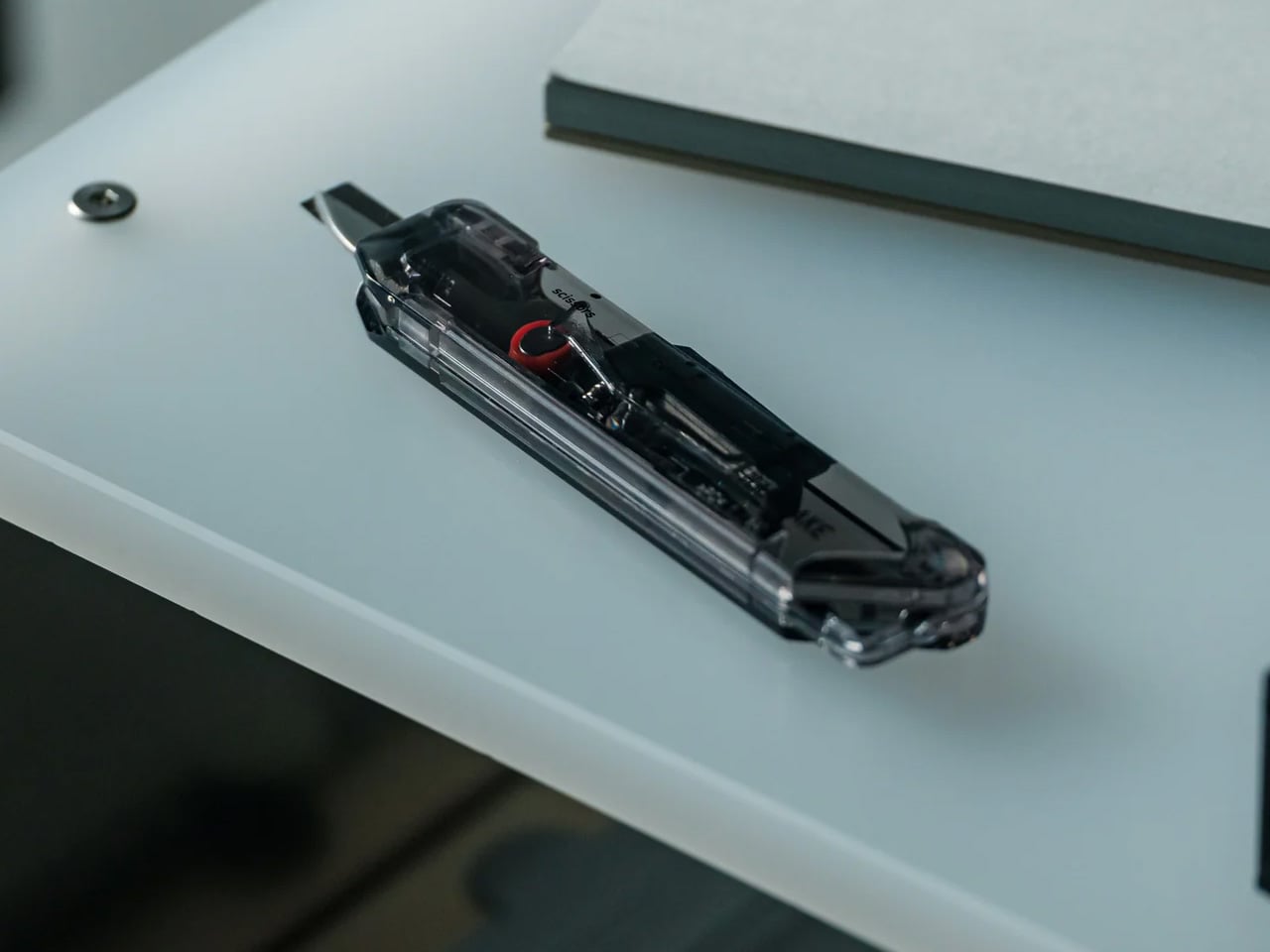
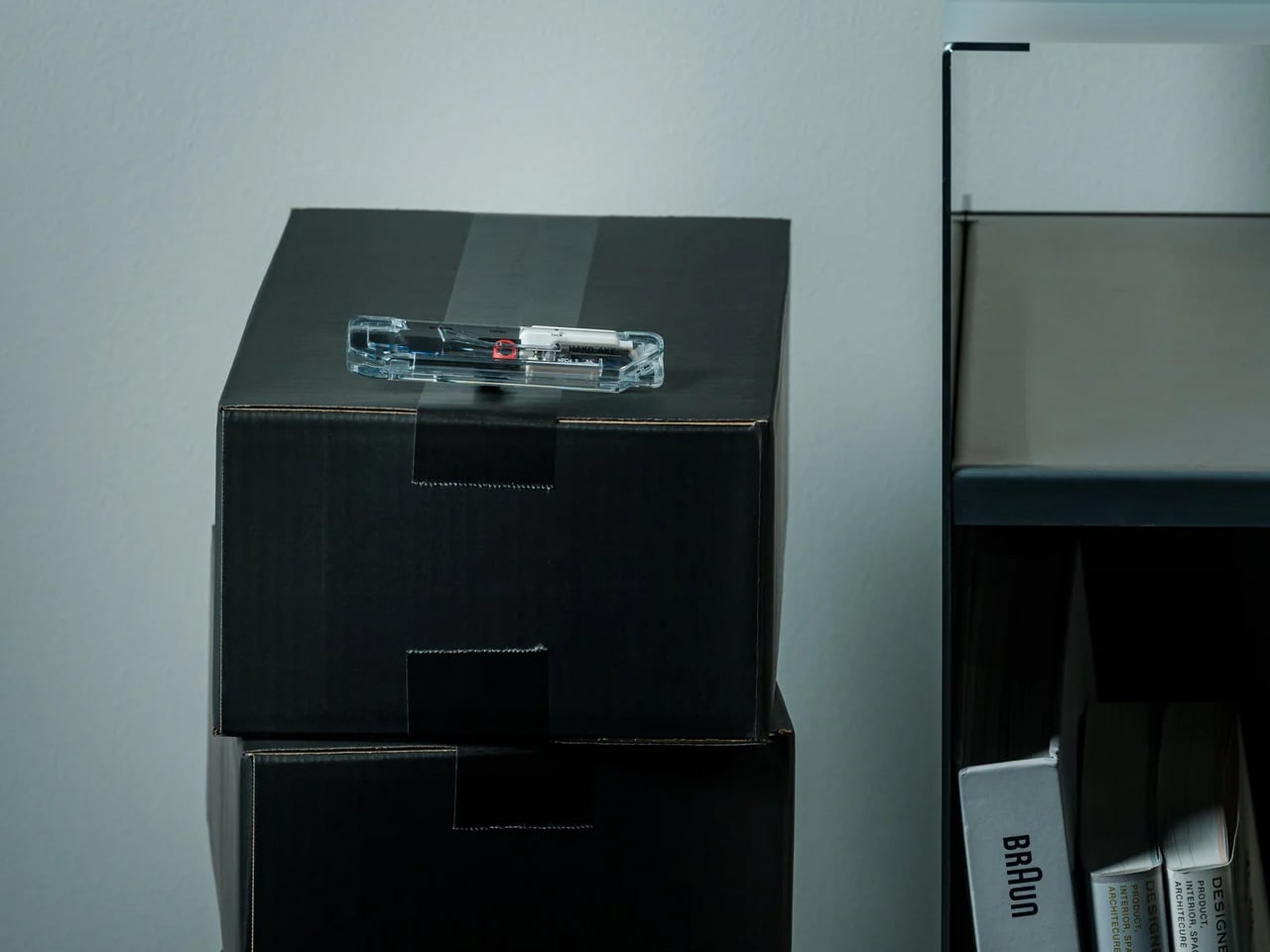
The box opener is one of those objects that lives in a junk drawer until someone designs it properly. The Clearslide is that version: a compact, refined take on something that’s usually made from whatever’s cheapest and shoved somewhere to live out its days next to a rubber band and a dead battery. The form factor is clean, the mechanism works without drama, and it sits on a desk without looking like a mistake.
Back to school means packages. Textbooks from online retailers, desk organization orders, care packages from home- opening them all becomes a daily task by October. The Clearslide turns that into a cleaner experience. It’s the kind of thing that earns its desk space not by doing something unusual, but by doing one thing better than anything else in the room. The sliding mechanism keeps the cutting edge protected when the tool is not in use, which is most of the time.
What we like
- Desk-worthy design that doesn’t need to hide when company comes over
- Compact enough to travel as easily as it sits on a shelf
What we dislike
- Single-purpose, so it only feels essential if you receive regular deliveries or open mail at your desk
- Not built for heavy-duty use; this is a precision desk tool, not a box cutter for the warehouse
4. Kokuyo Harinacs Stapleless Stapler Compact Alpha
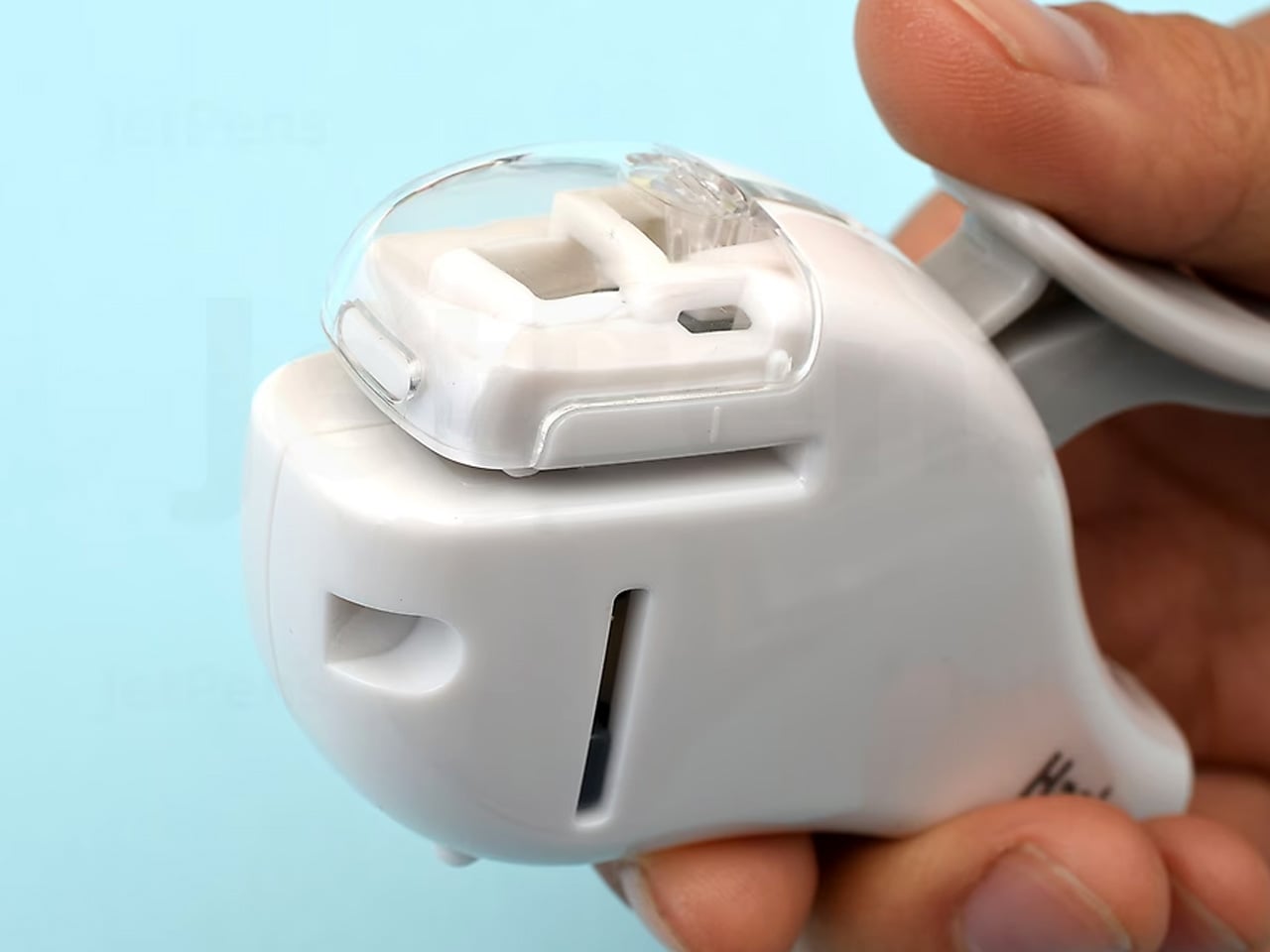
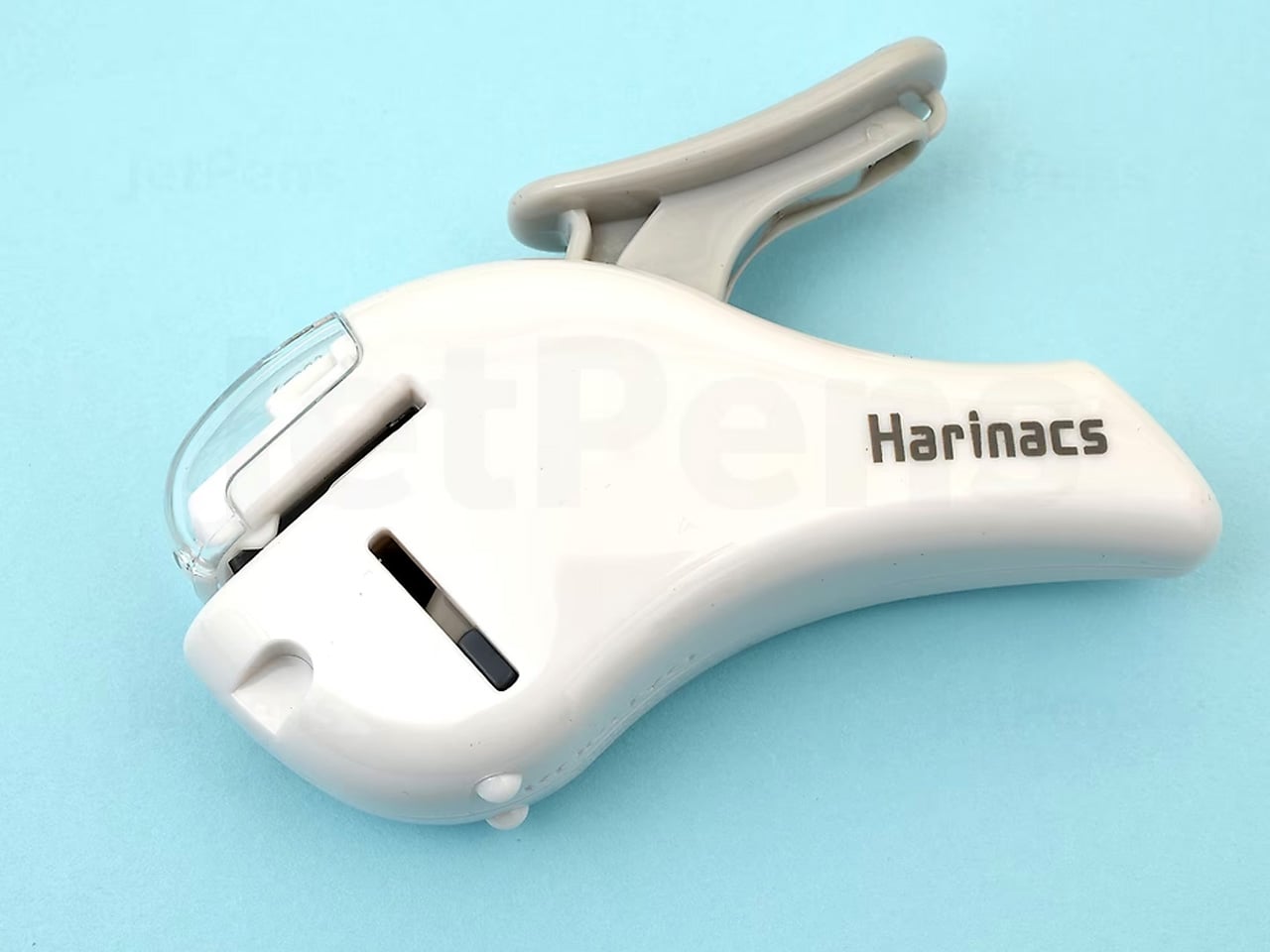
Kokuyo is one of Japan’s largest office supplies companies, and the Harinacs is the product that best captures what happens when engineering turns its attention to something everyone else stopped thinking about. Instead of a metal staple, the Compact Alpha cuts a small tab from the paper itself, folds it back through a slit, and binds up to five sheets cleanly. The result is permanent, metal-free, and fully recyclable without any extra steps.
For a student environment, this is more useful than it sounds. Lecture notes, assignment printouts, research papers that need to stay together- the Harinacs handles all of it without a supply chain. You never run out of staples because there are no staples. The white compact body is quiet on a desk, light enough to carry in a pencil case, and precise enough that the binding holds through a semester’s worth of daily bag use. Under ten dollars.
What we like
- The staple-free mechanism is genuinely clever and holds as well as a metal staple for everyday tasks
- Fully recyclable binding means no extra sorting: the bound packet goes into paper recycling as is
What we dislike
- Five-sheet limit is the real constraint; for thicker documents it simply won’t work
- The tab binding is functional but not as formally neat as a metal staple when presentation matters
5. Hobonichi Techo Original A6
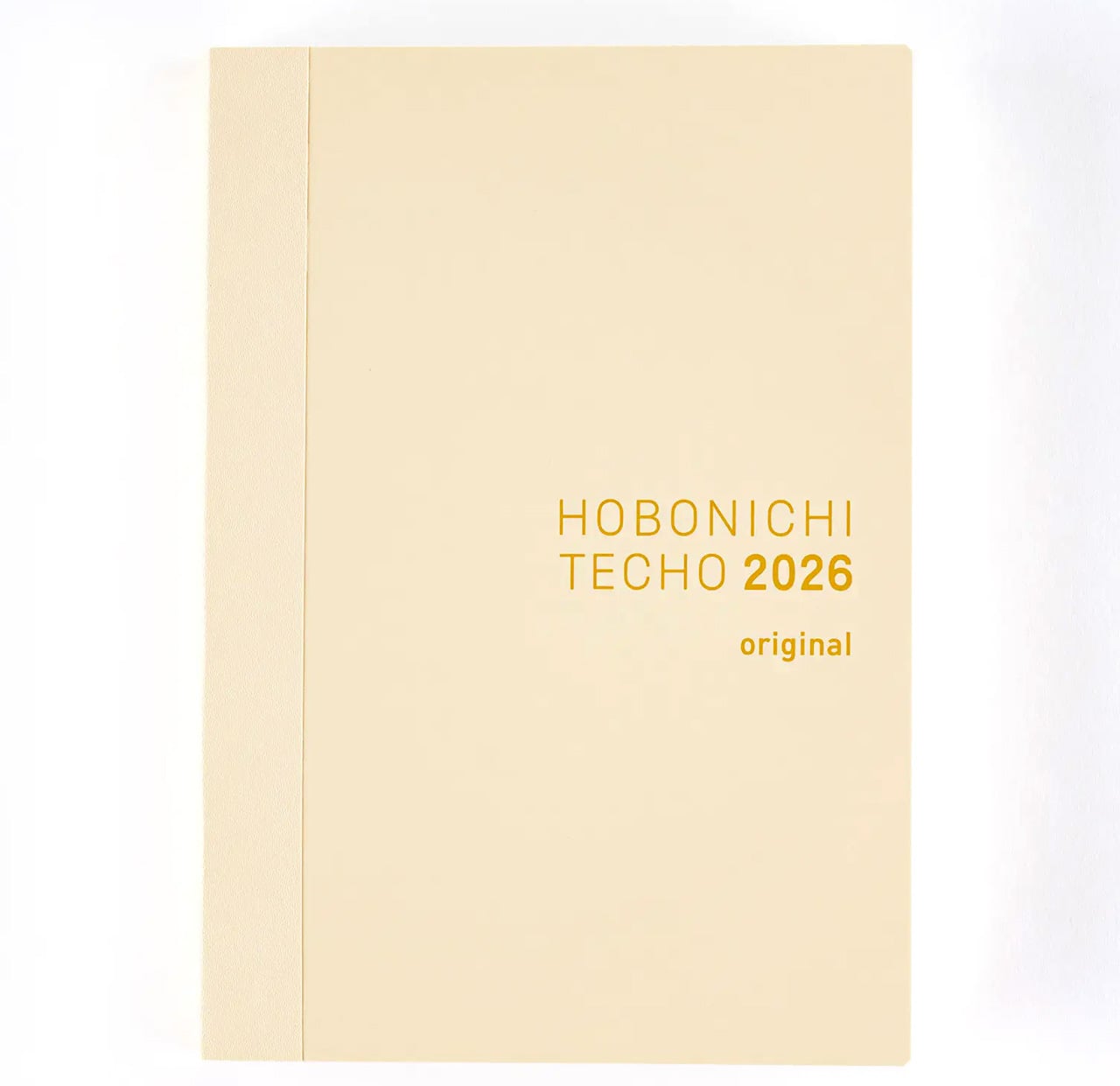

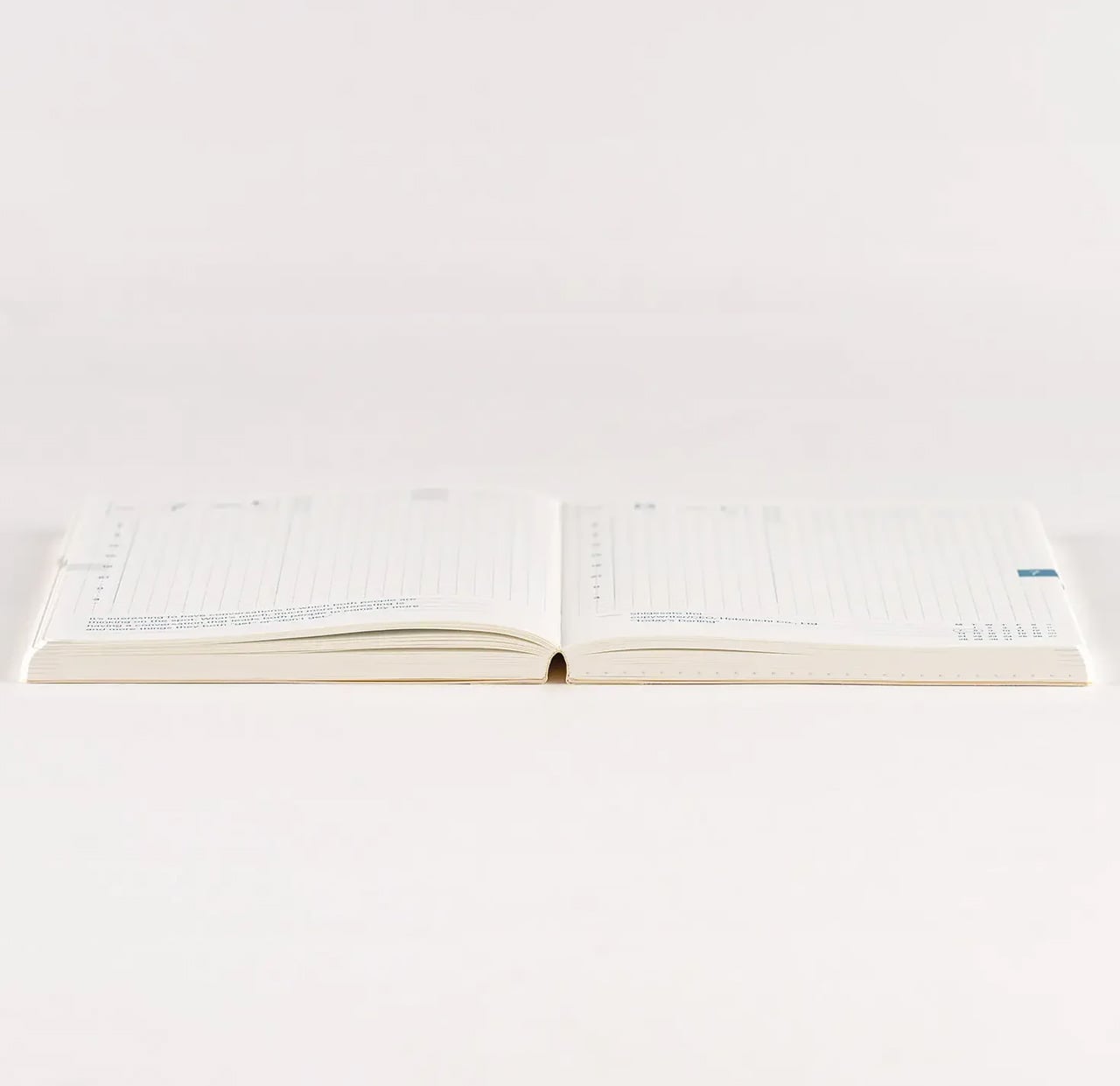
The Hobonichi Techo has been running in Japan since 2002, and the Original A6 English edition looks almost identical to the one made in the first year. That’s either a sign of a design that was never quite finished or one that was finished immediately. The Tomoe River paper is the main event: impossibly thin, fountain pen friendly, and resistant to bleed-through in a way that heavier papers often aren’t. One page per day, a 4mm graph grid, no motivational quotes.
The A6 size, roughly 4 by 6 inches, is the decision that makes this work for a student. It’s small enough to carry everywhere but generous enough to actually write in. The book opens completely flat, which sounds minor until you’re writing on a desk that’s too small and need both hands free. The English edition is printed in full on Hobonichi’s own Tomoe River stock, sourced and manufactured in Japan, and sold direct from the brand’s English store.
What we like
- Tomoe River paper handles fountain pens, fine liners, and brush pens without ghosting
- The flat-open binding makes it the most consistently usable daily planner in this category
What we dislike
- The book is sold without a cover, and a cover adds high cost to the full setup
- Certain editions sell out early; ordering in summer for the January start date is the safer move
6. Magboard Clipboard
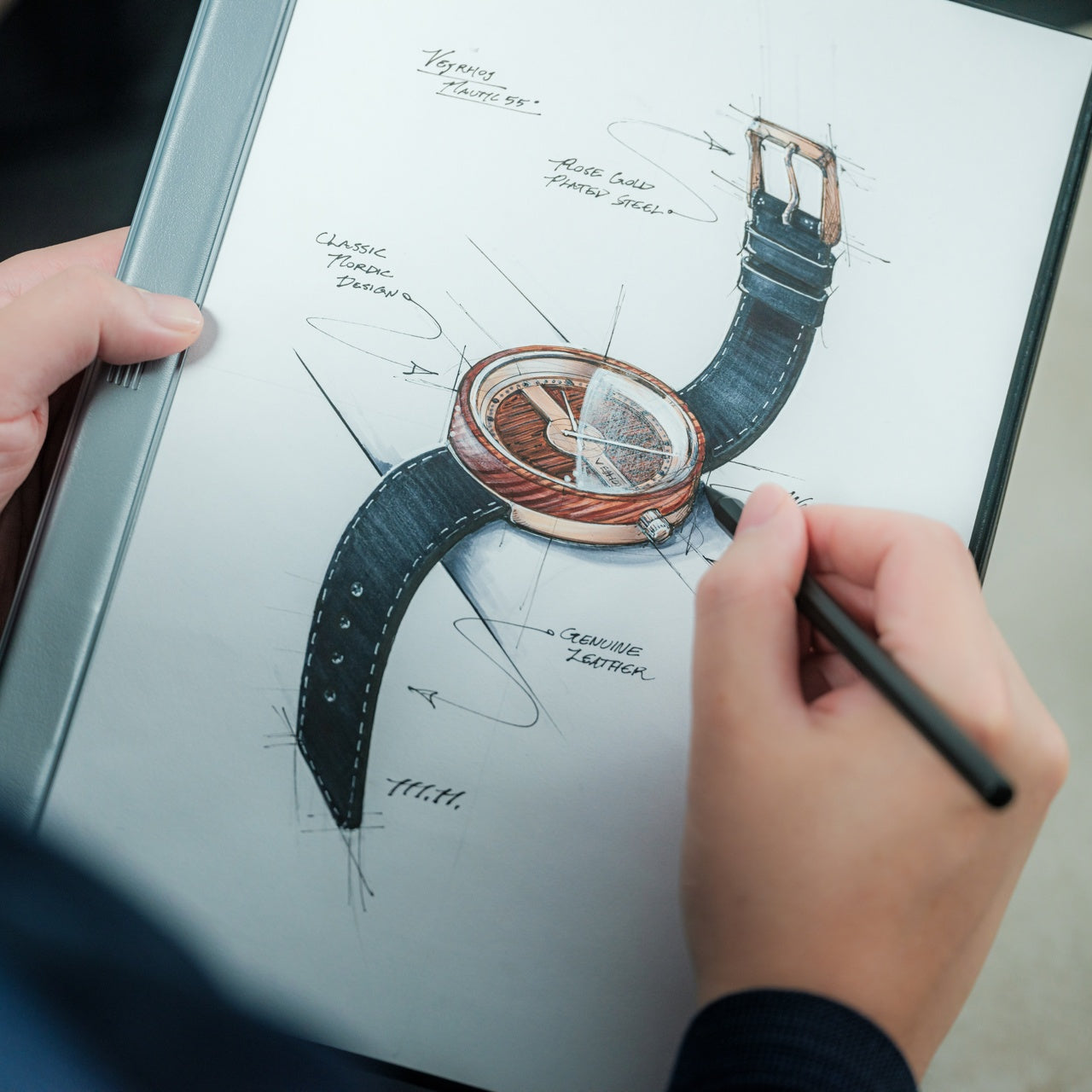
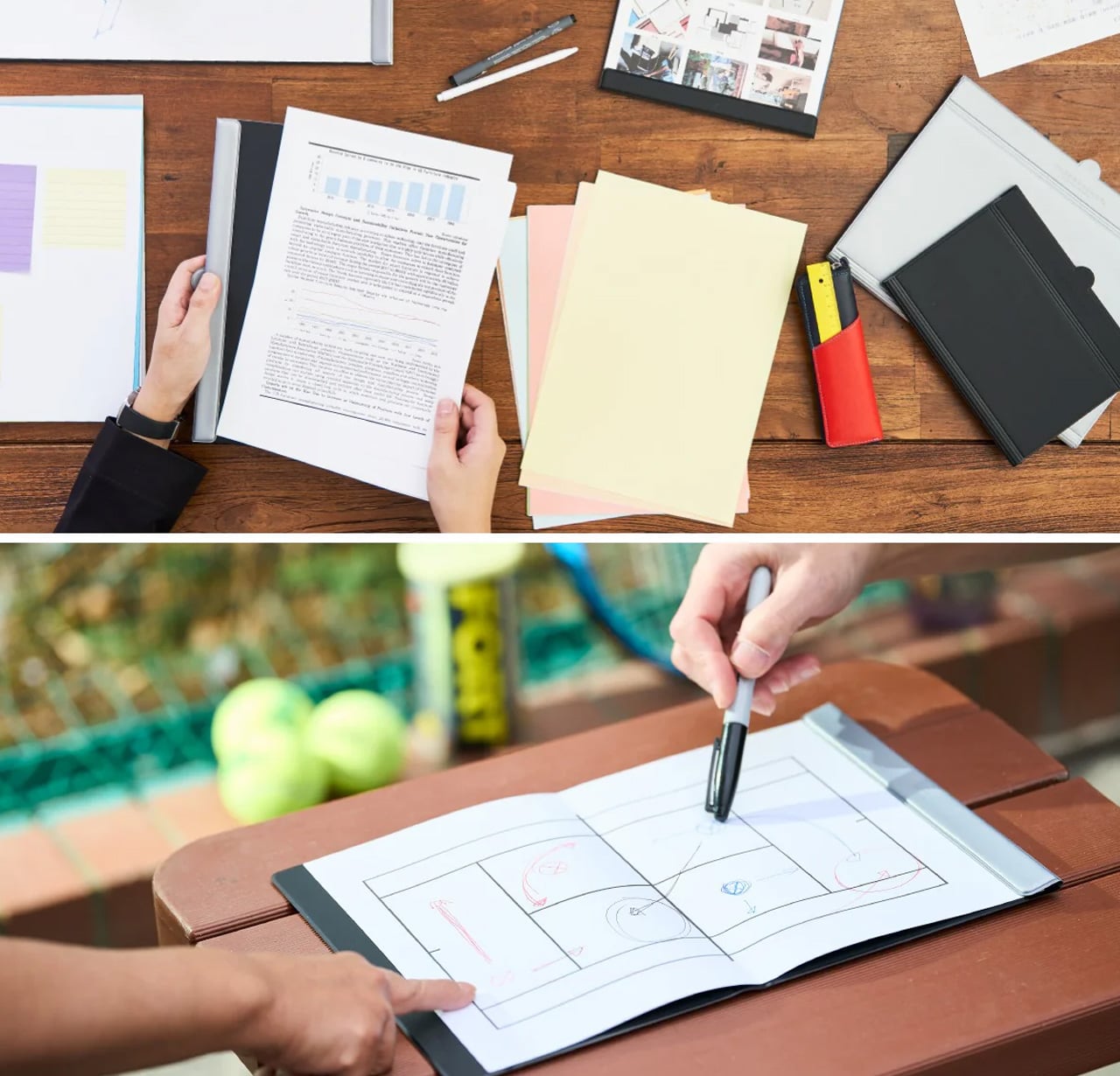

The clipboard is a category that design forgot. Most of them are pressed hardboard with a spring clip that loosens within a month and leaves rust marks on paper by the third. The Magboard replaces all of that with a magnetic closure that holds paper firmly, quietly, and without a mechanism that wears out. It’s flat, it’s clean, and it works the same on the last day of the semester as it does on the first.
For anyone who works between a desk and a lecture hall, the Magboard earns its place in that transition. Notes stay where you put them, the surface is rigid enough to write on without a hard surface underneath, and the form factor is slim enough to slide into a bag alongside a notebook without adding the thickness of a traditional clipboard. It also functions as a desk organizer when it’s not in transit, holding loose sheets vertically or flat depending on what the week requires. The magnetic closure is the detail that separates it from every alternative, a single design decision that removes the only part of a clipboard that ever fails.
What we like
- The magnetic closure holds consistently without the loosening or rusting that comes with spring-clip alternatives
- Slim enough to function as both a portable writing surface and a desk-side sheet organizer
What we dislike
- Not suited for very thick stacks of paper; the magnetic hold is firm for daily notes, not a semester’s worth of documents at once
- The flat minimal aesthetic shows wear from a full bag faster than a traditional hardboard clipboard would
7. Stalogy 365 Days Notebook A5
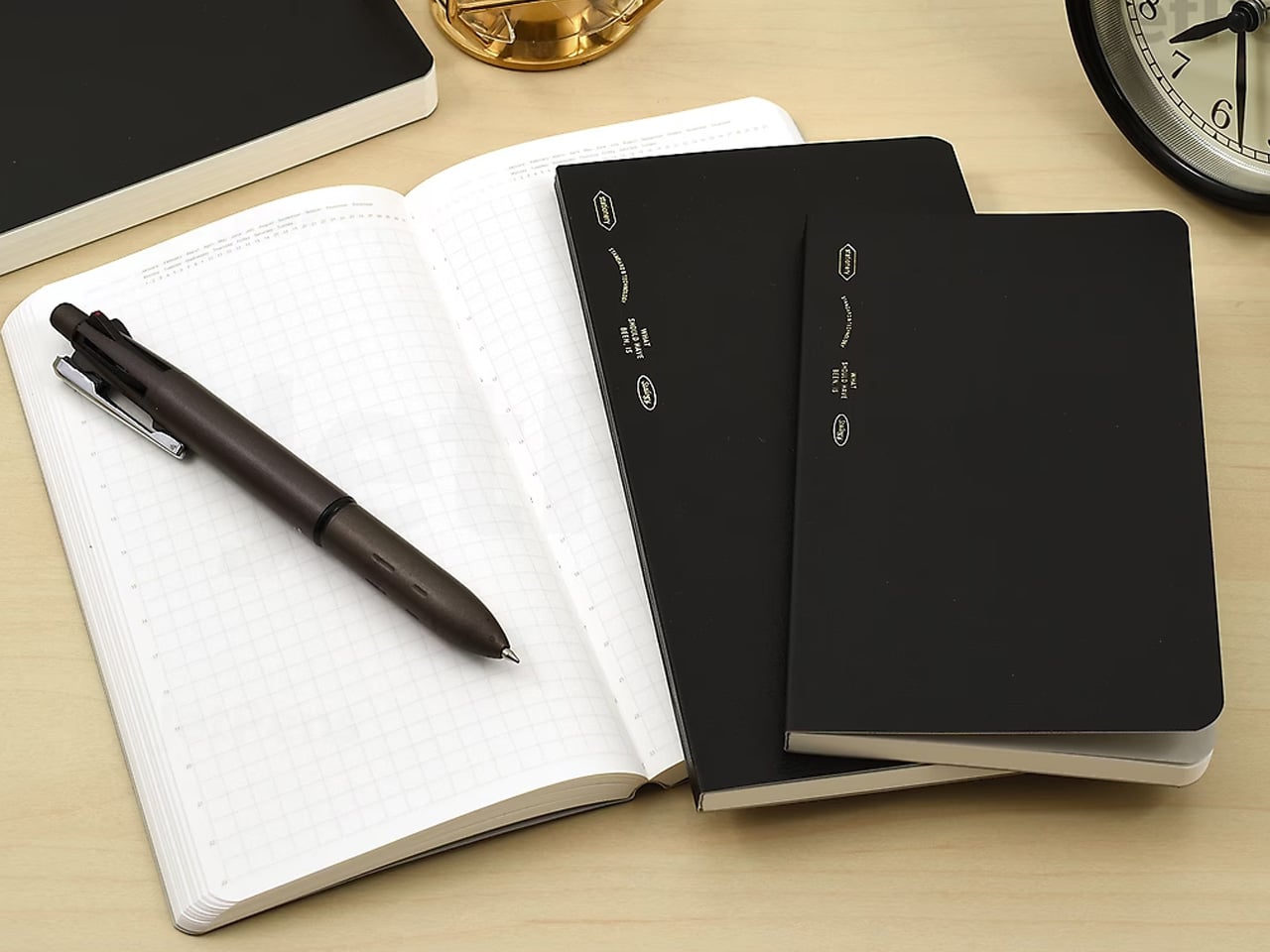
Stalogy is made by Nitoms, a Japanese industrial company that makes adhesives and functional materials for a living. The 365 Days Notebook is what happens when a company with no background in lifestyle products decides to make a notebook strictly on engineering terms. The paper is 52 gsm and fountain pen-friendly without being precious about it. The binding is Smyth-sewn, meaning the book opens completely flat at any page without cracking. The cover is matte black with near-zero branding. A small year-at-a-glance calendar sits at the front. After that, it’s 368 pages of 4mm grid, each one numbered and dated so you know exactly where you are.
For a school year, the dated structure is the feature that justifies the format. Every page already knows what day it belongs to, which removes the planning step that most blank notebooks push onto the writer. You open to today’s date and start. The A5 size is generous enough for long-form notes and detailed diagrams but compact enough to carry daily without making the decision feel burdensome. This is the notebook that tends to outlast every other system a student tries in September, not because it’s the most exciting object in the bag but because it has already solved every problem before you thought to have it.
What we like
- Dated pages remove the friction of setting up a daily note system, making it immediately useful without a learning curve
- Smyth-sewn binding opens flat at every page, including the first and last, which most notebooks can’t claim
What we dislike
- The black cover and minimal branding read as intentionally anonymous, which suits some desks and feels cold on others
- Dated format means unused pages feel like wasted money if your semester doesn’t follow a consistent daily rhythm
The Best School Supplies Are the Ones You’re Still Using in December
Every piece on this list does one thing well and stays out of the way the rest of the time. That’s the standard Japanese stationery holds itself to, and it’s the reason the best of it survives a year of daily use while the rest of what you bought in September ends up at the bottom of a drawer by November. None of these objects ask you to change your habits. They work inside the ones you already have, just more quietly and more precisely than whatever they replace.
The back-to-school moment is usually about buying things that signal a version of yourself you haven’t become yet. These are the things that help you actually get there.