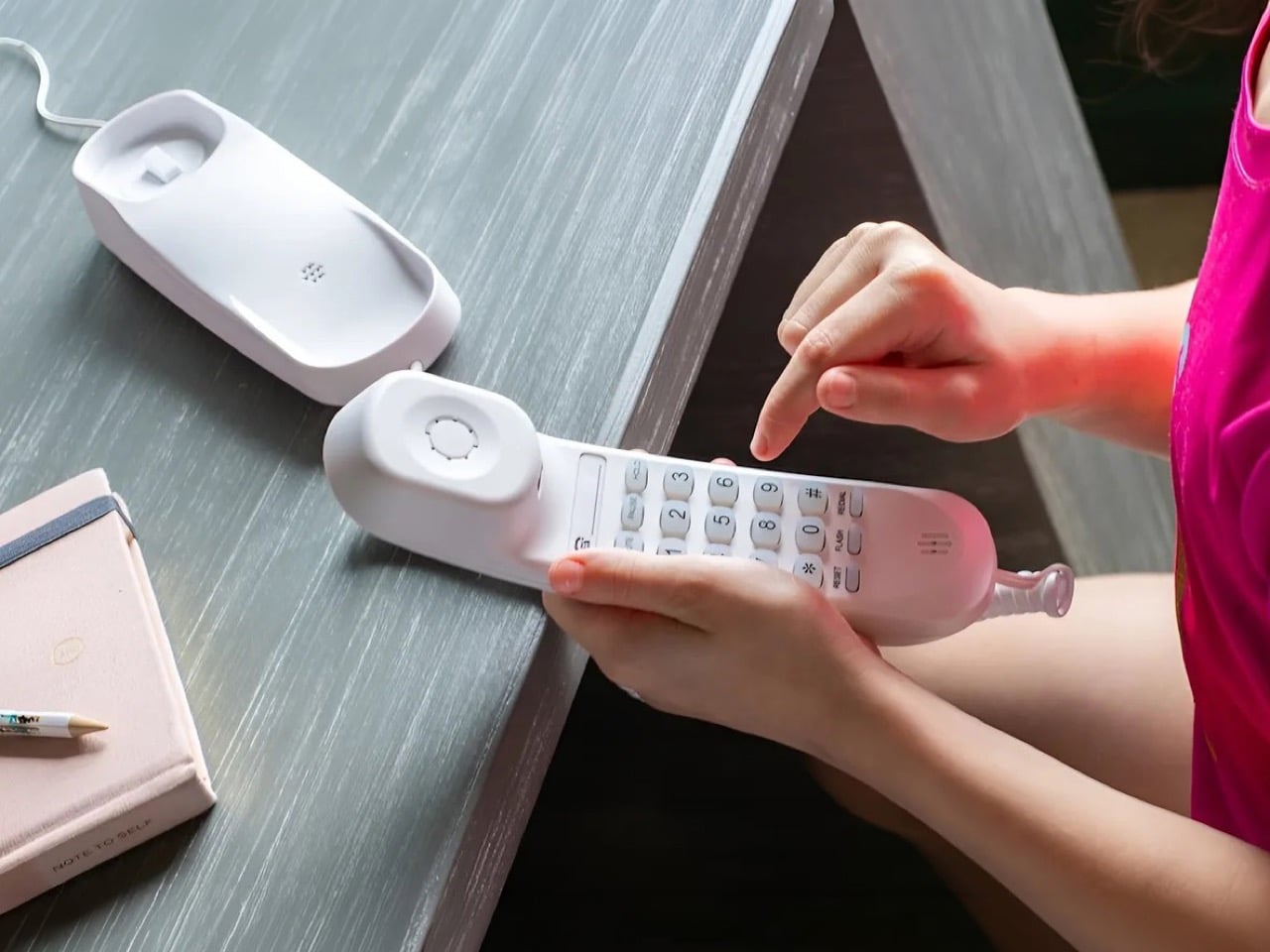

The landline died because of the wire, not because of the idea. A physical phone tethered to a wall socket made sense in 1985 and made increasingly less sense every year after, until entire households simply stopped bothering to replace them. Pinwheel’s new release makes the case that the object itself, the tactile handset, the dedicated cradle, the single purpose design, was worth keeping around long after the copper wiring became a liability. Strip out the jack and run the whole thing over Wi-Fi instead, and suddenly a nostalgia object becomes a genuinely practical piece of furniture again. That is the quiet design insight buried inside what looks, at first glance, like a novelty throwback.
Called Pinwheel Home, the device targets kids aged 5 to 10 who need a way to reach approved contacts without inheriting a full smartphone. It plugs into any outlet and pairs with Wi-Fi, meaning it can sit on a kitchen counter or a bedroom shelf without a technician ever showing up. Two versions exist, the smaller Home Spark at 68 dollars and the larger, more decorated Home Classic at 79 dollars, both sold directly through Pinwheel ahead of an Amazon release this fall. Parents control the whole experience through Pinwheel’s Caregiver Portal, approving every contact and setting the hours calls are allowed. The company already makes kid smartwatches, so this slots into a lineup built specifically around delaying smartphone ownership.
Designer: Pinwheel
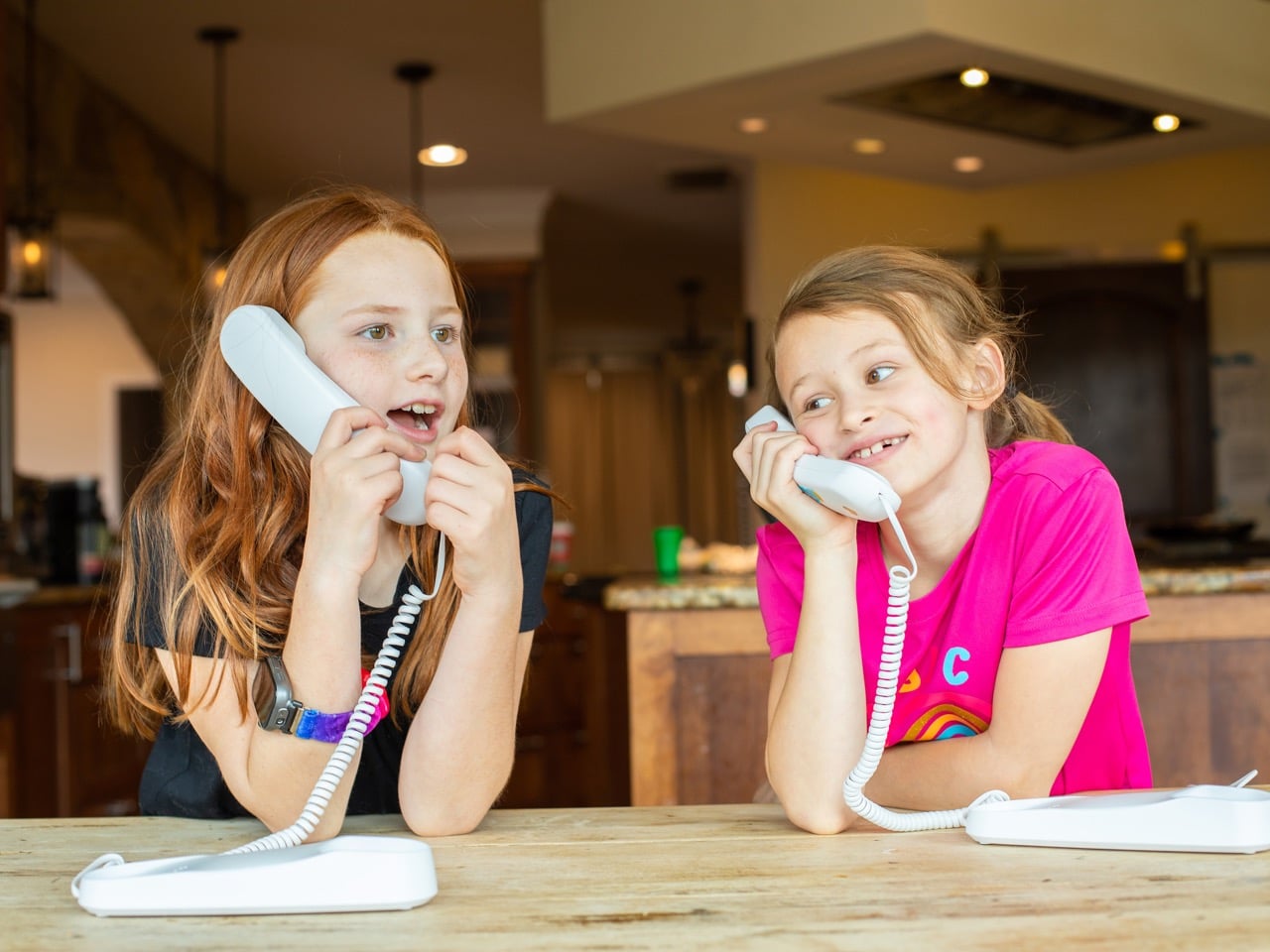
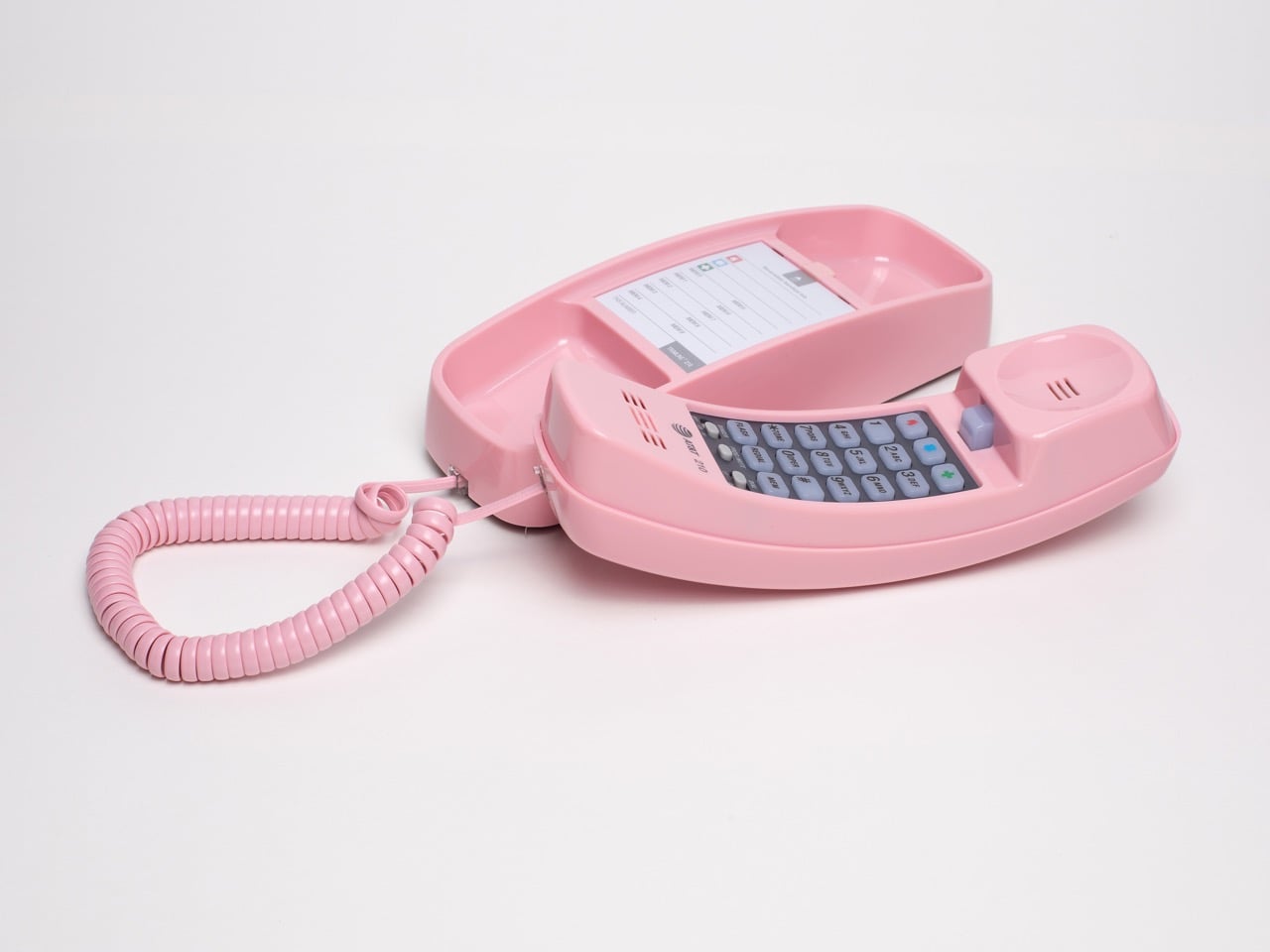
That oversized handset is not just a styling choice, it is the entire emotional payload of the product. Somewhere in the last two decades, ending a phone call turned into touching a red icon on glass, a gesture with all the drama of dismissing a notification. Home Classic hands a kid an actual weighted receiver and an actual spring loaded cradle, and the moment a call ends, physics takes over. Slam it down hard enough after telling a sibling they are wrong about something, and the whole base rattles. Rest it gently after a call with grandma, and it clicks shut soft as a whisper. That range, from petty dramatic slam to quiet contented click, is a form of emotional expression a swipe gesture has never once offered a five year old, and Pinwheel built the entire handset geometry around making that range possible.
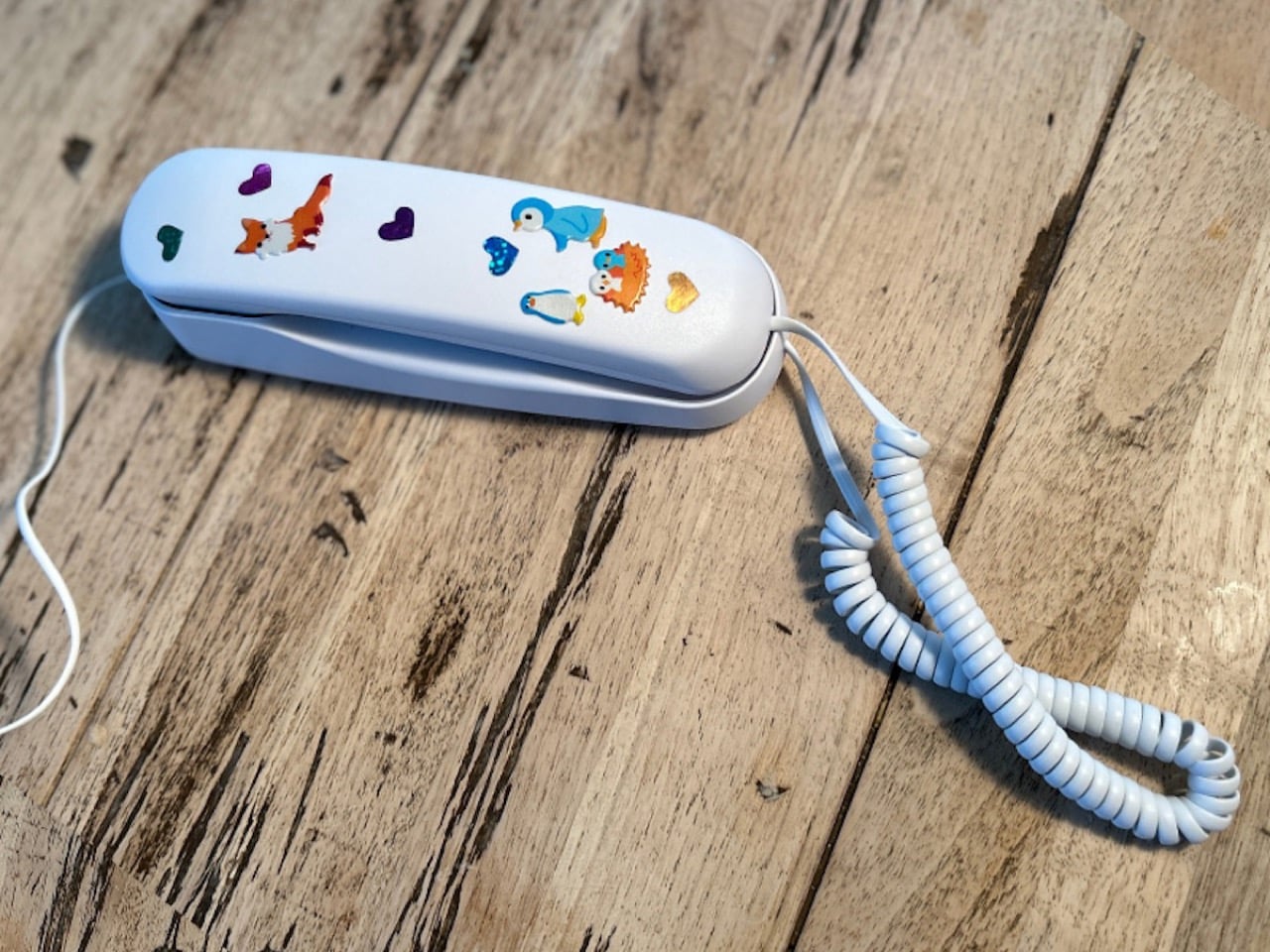
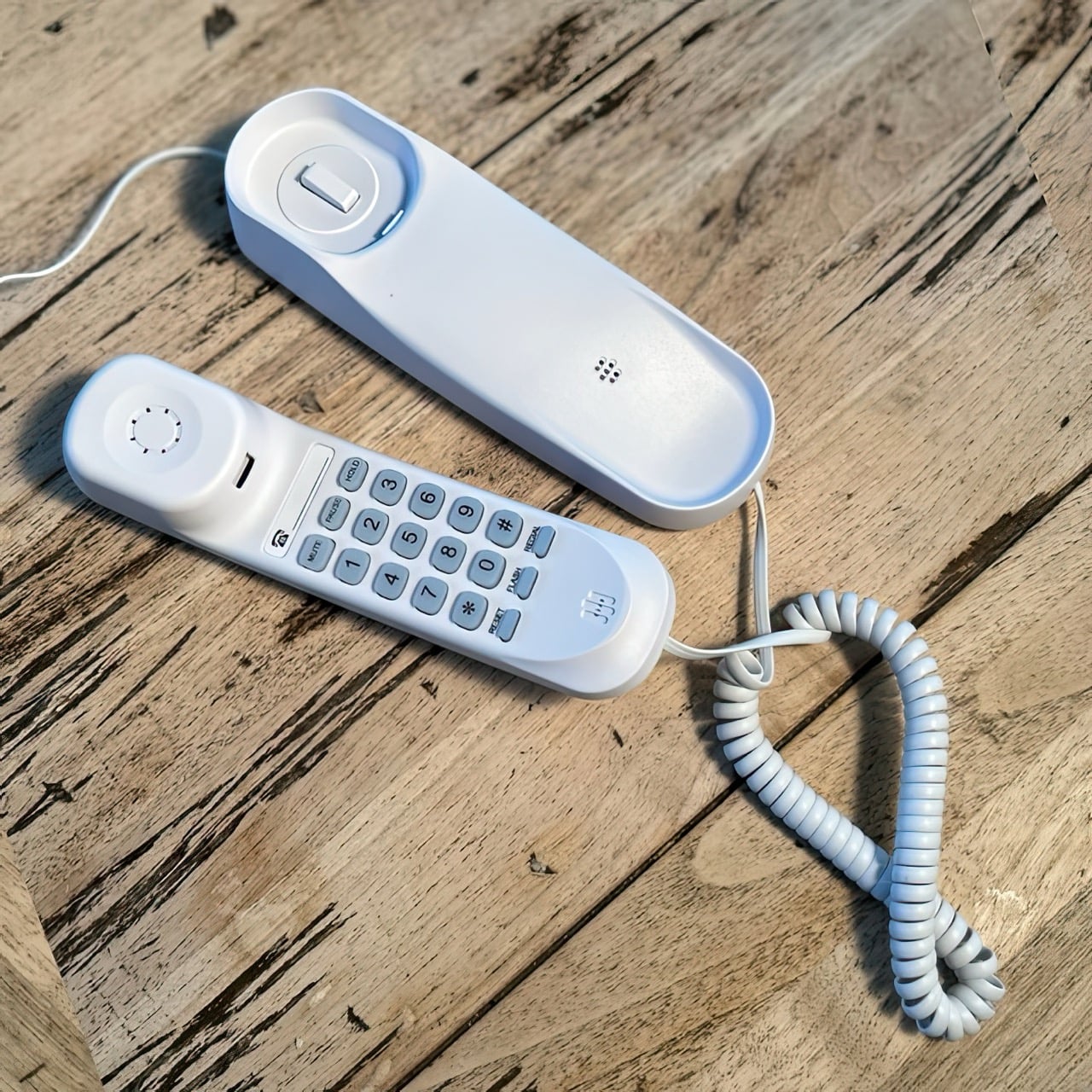

Calling another Pinwheel Home device is free, routed through the company’s own Circle network using a short internal code instead of a standard phone number. Reaching an actual mobile number, like a grandparent’s cell phone, requires a subscription, either 6.99 dollars monthly for a real 10-digit number and five approved contacts, or 9.99 dollars monthly to remove that contact ceiling. Emergency calling stays free no matter what plan a family is on, which is the one place Pinwheel clearly refused to charge across. Home Classic’s stickers might be the hook that gets a kid excited, but the free-versus-paid split is the part parents will actually feel every month.
Pinwheel has already teased three-way calling and tighter integration with its kids’ smartwatches, hinting that a child’s number and approved contacts could eventually follow them from the countertop straight onto their wrist as they get older. That continuity is the real long game here, not the retro shell. A phone that lets a kid slam down a receiver like they mean it sounds like a gimmick, until you realize it might be the only piece of hardware left teaching an entire generation how satisfying hanging up used to feel.