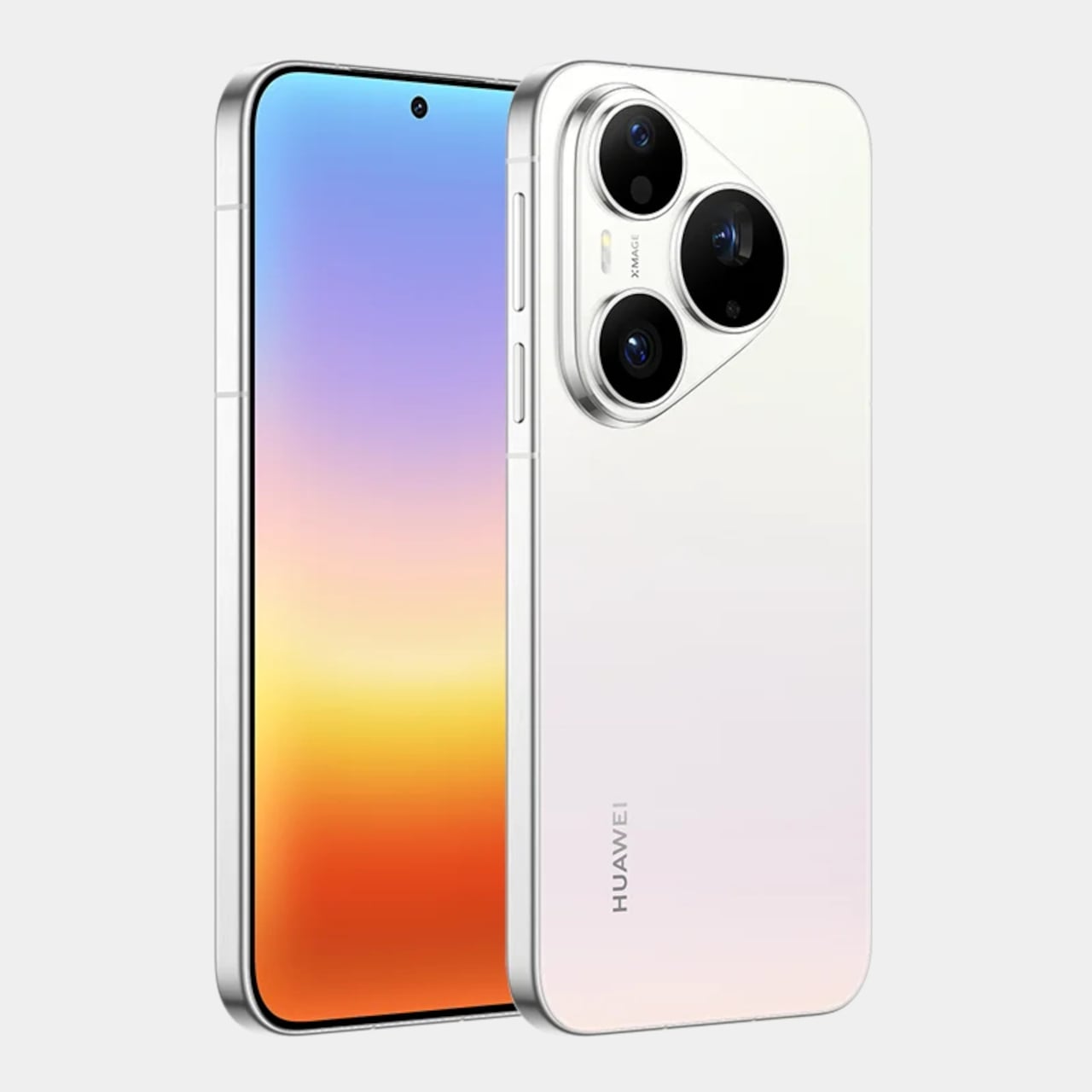

The smartphone camera arms race hasn’t let up. Most flagships are pushing harder on AI-assisted processing to compensate for the physical limits of small sensors, and the results are often technically impressive but not always true to what was in front of the lens. There’s a real difference between a photo that looks good and one that actually looks right, and that’s a harder problem to solve than adding megapixels.
The Huawei Pura 90s Pro and Pura 90s Pro Max are Huawei’s answer to both. Launched in Kuala Lumpur on July 14, 2026, the two phones arrive with a design philosophy called “Rhythm of Colour,” gradient colorways that flow across the chassis, and a camera system built around the idea that color accuracy matters just as much as how sharp the final image gets.
Designer: Huawei
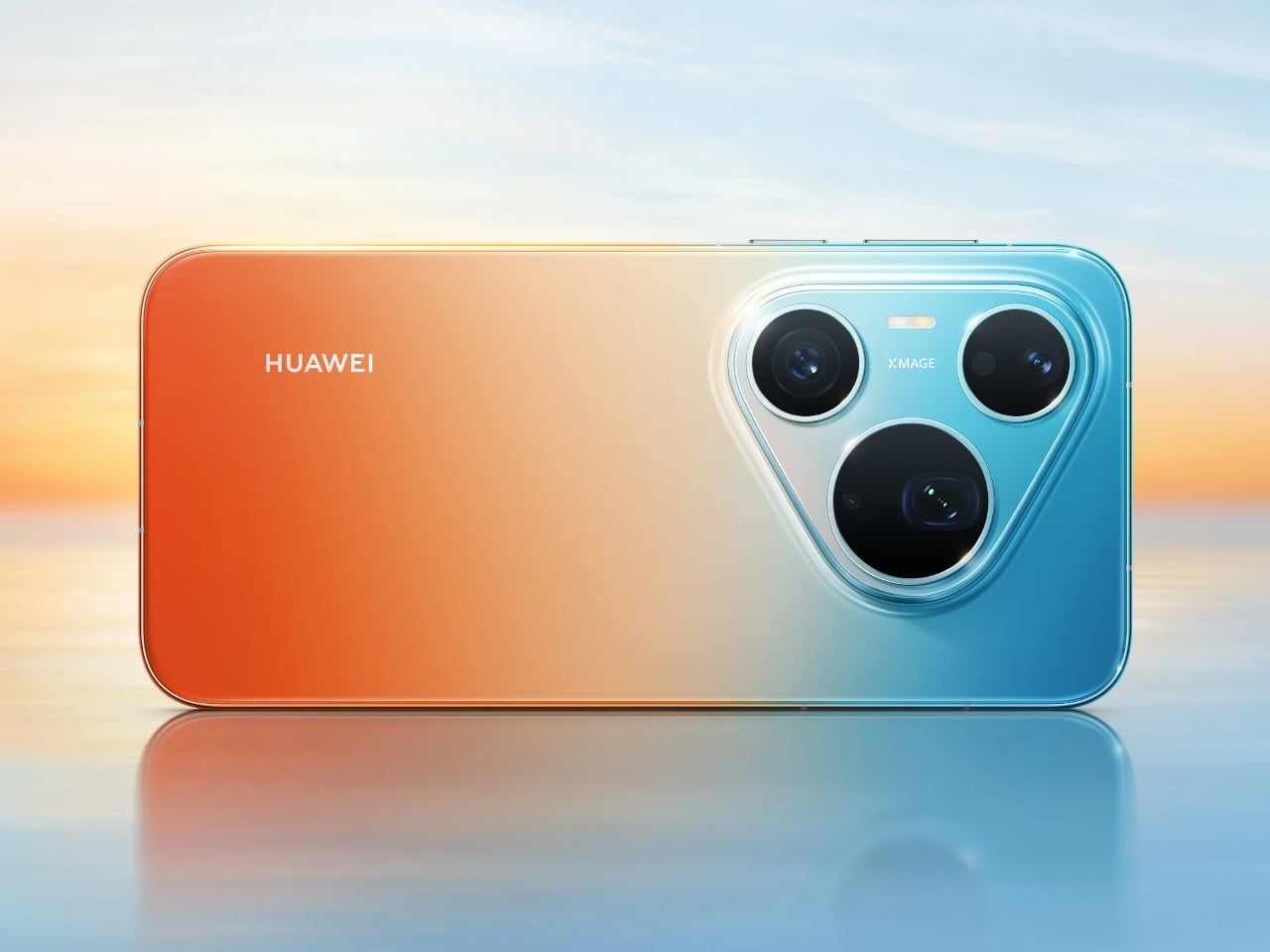
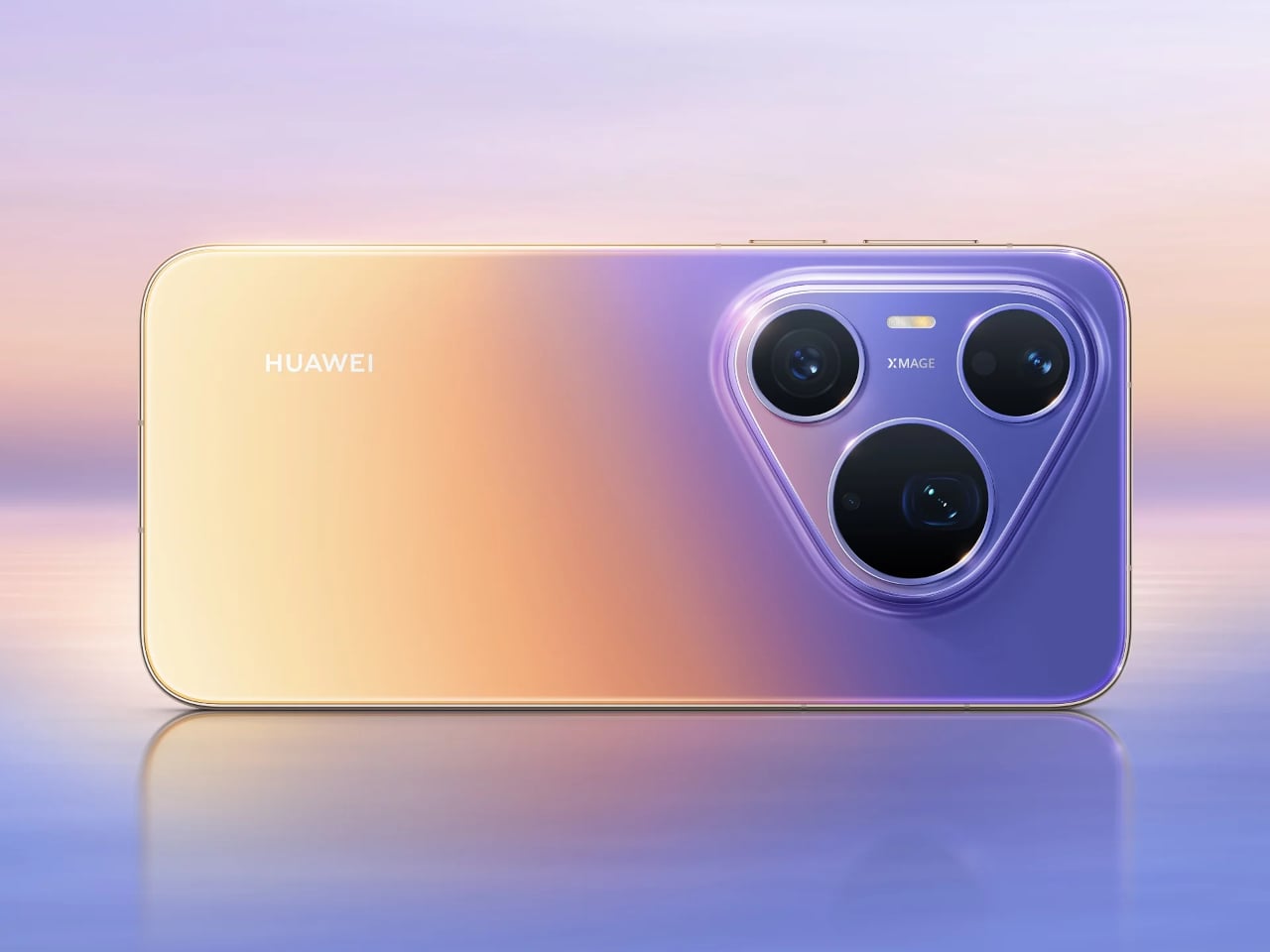
Both models feature True-to-Colour Camera 2.0, a system designed to close the gap between what the sensor captures and what the eye actually sees. A sunset shouldn’t come back looking oversaturated, and skin tones shouldn’t shift cooler or warmer than reality. The RYYB sensor array across all cameras supports this by gathering more color information in low-light conditions than a conventional RGGB layout can.

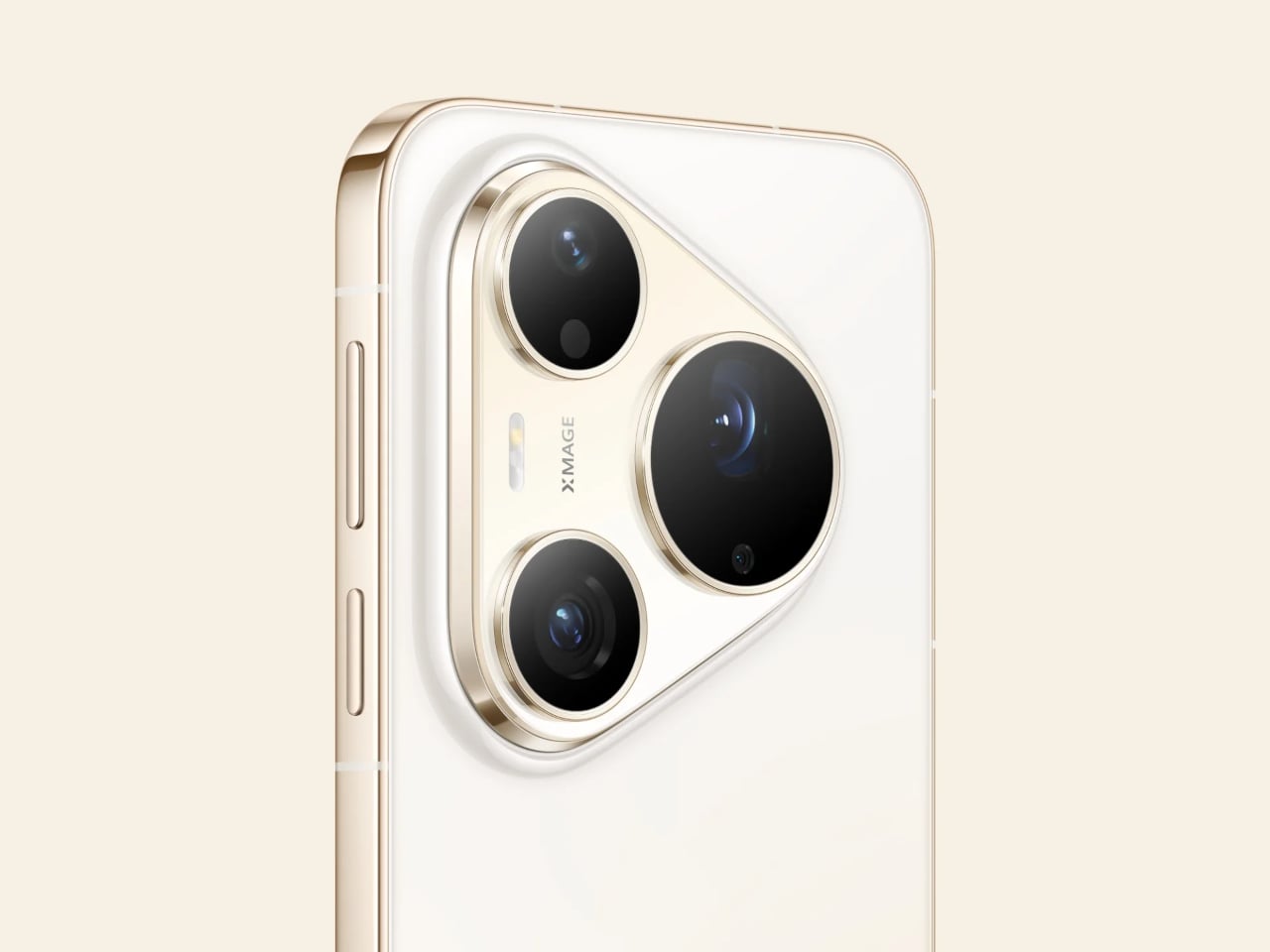
The Pro Max’s standout addition is a 200MP telephoto camera built on a 1/1.28-inch ultra-large sensor with OIS and 4x optical zoom that also functions as a macro lens. That resolution allows for aggressive cropping while still retaining detail throughout the frame. The Pro takes a different route with a 50 MP telephoto covering 4x optical and up to 8x optical-quality zoom.
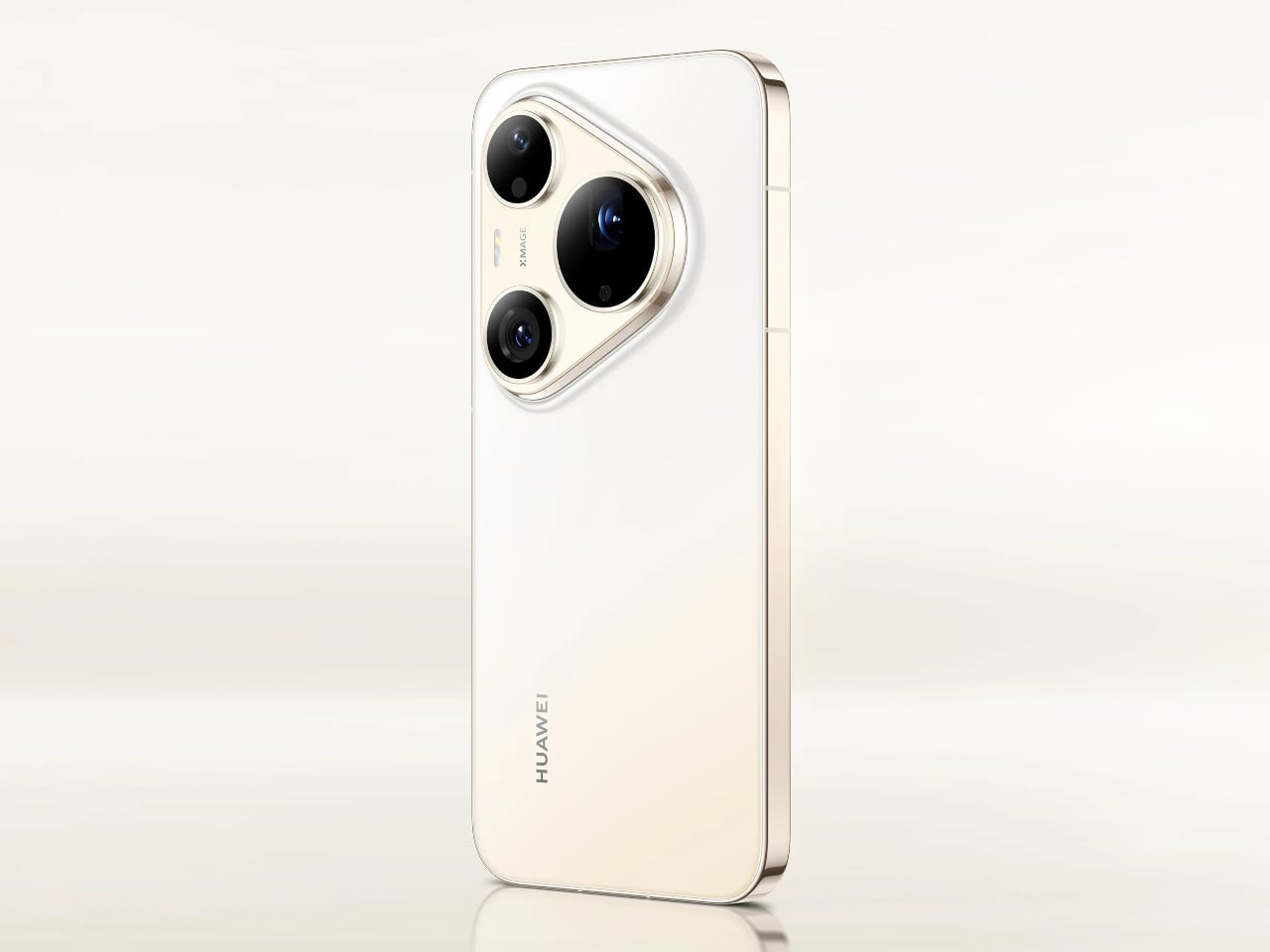
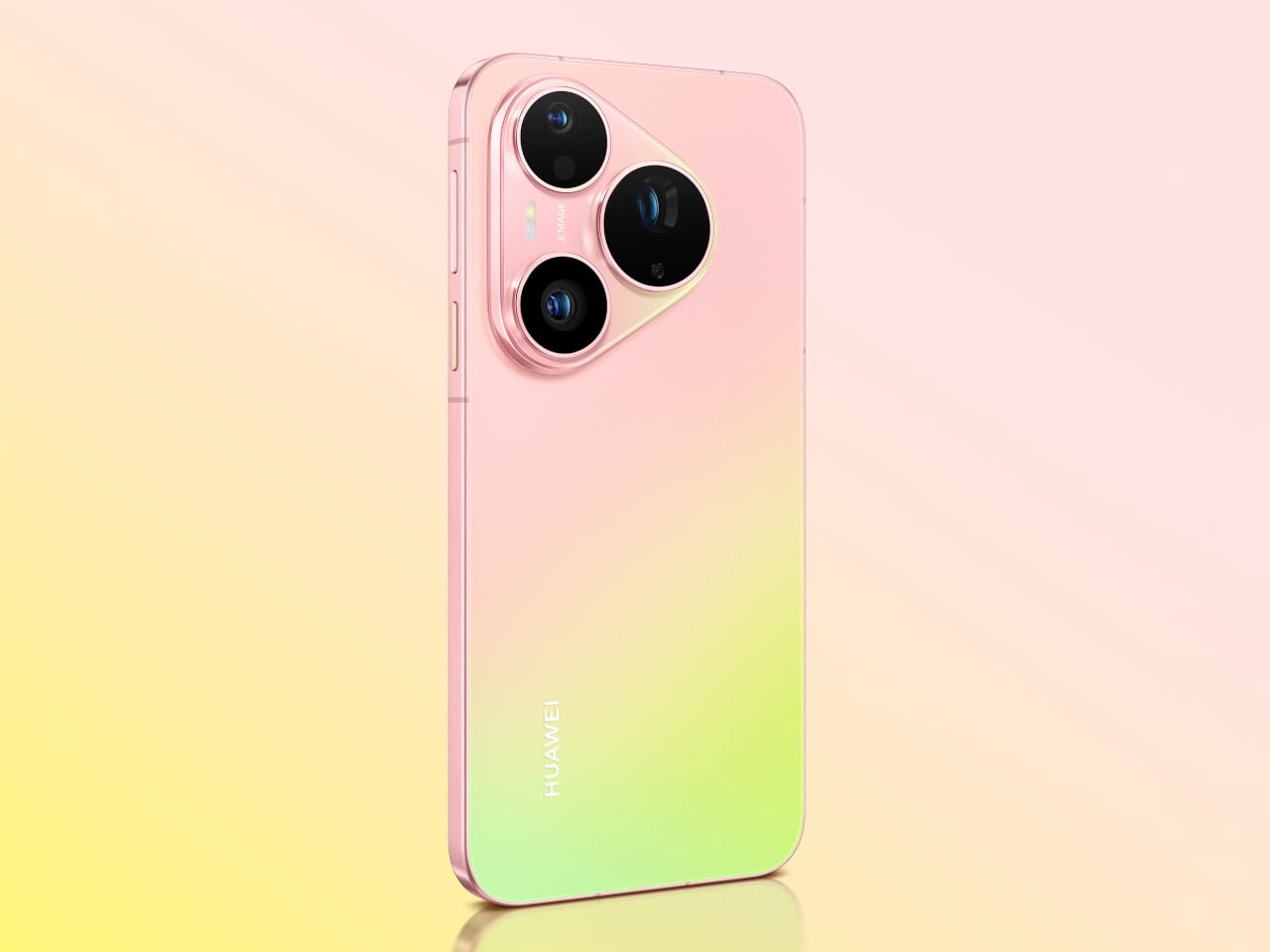
Both phones share a 50MP main camera with a physical aperture spanning 10 sizes from F1.4 to F4.0. It’s a genuine mechanical iris rather than a simulated depth-of-field effect, and that distinction matters when conditions change. Moving from a dim restaurant to a bright outdoor afternoon doesn’t mean switching modes; the aperture adjusts, the exposure holds, and the shot works.
An AI composition feature suggests framing adjustments while you’re still pointing the camera, and Kunlun Glass on the front panel is rated at 25 times the drop-resistance and 16 times the scratch-resistance of standard glass. The Pro Max also carries a 40 MP ultra-wide camera, stepping above the 12.5MP sensor on the Pro, and adds LOFIC technology to the main sensor for better dynamic range.
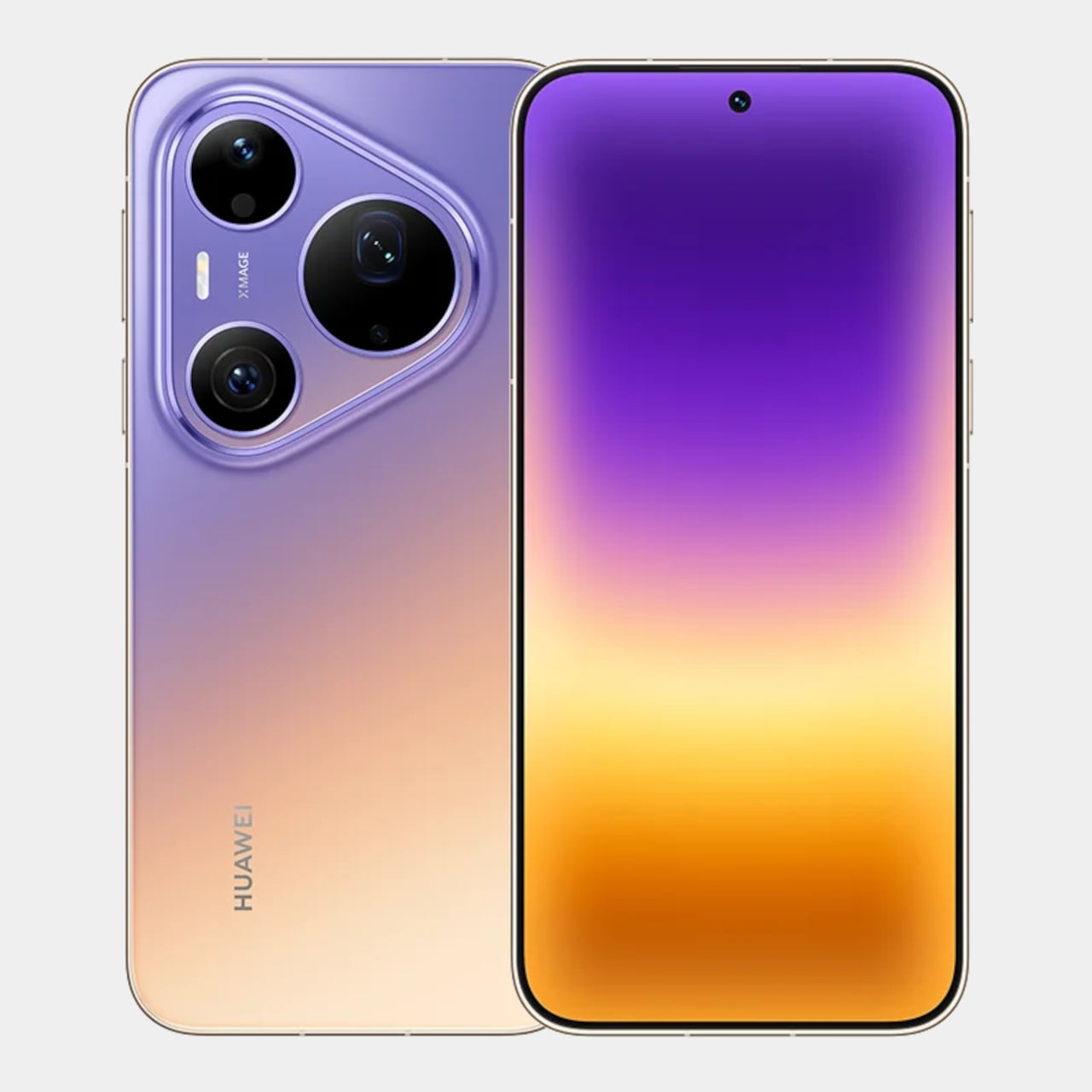
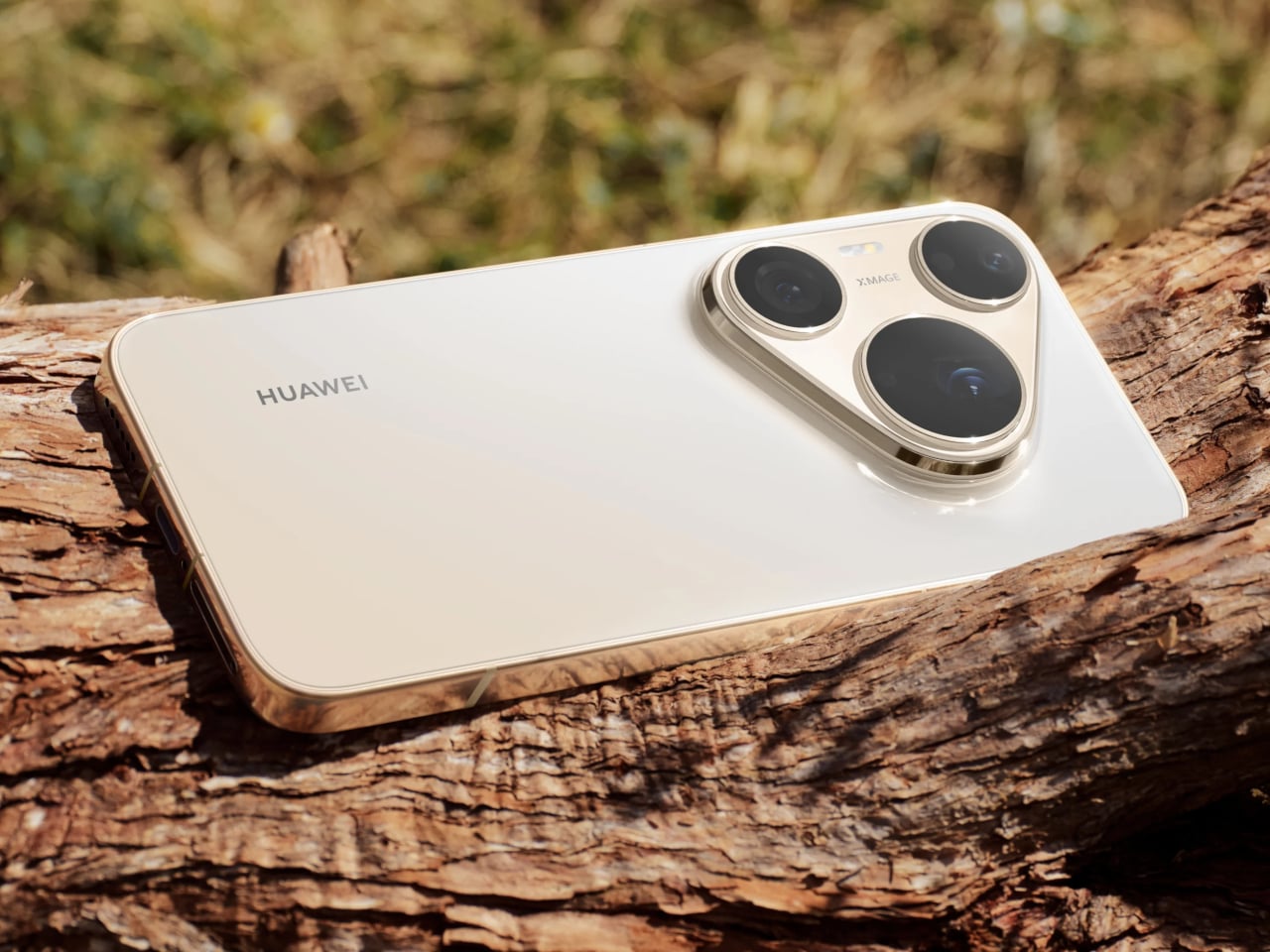
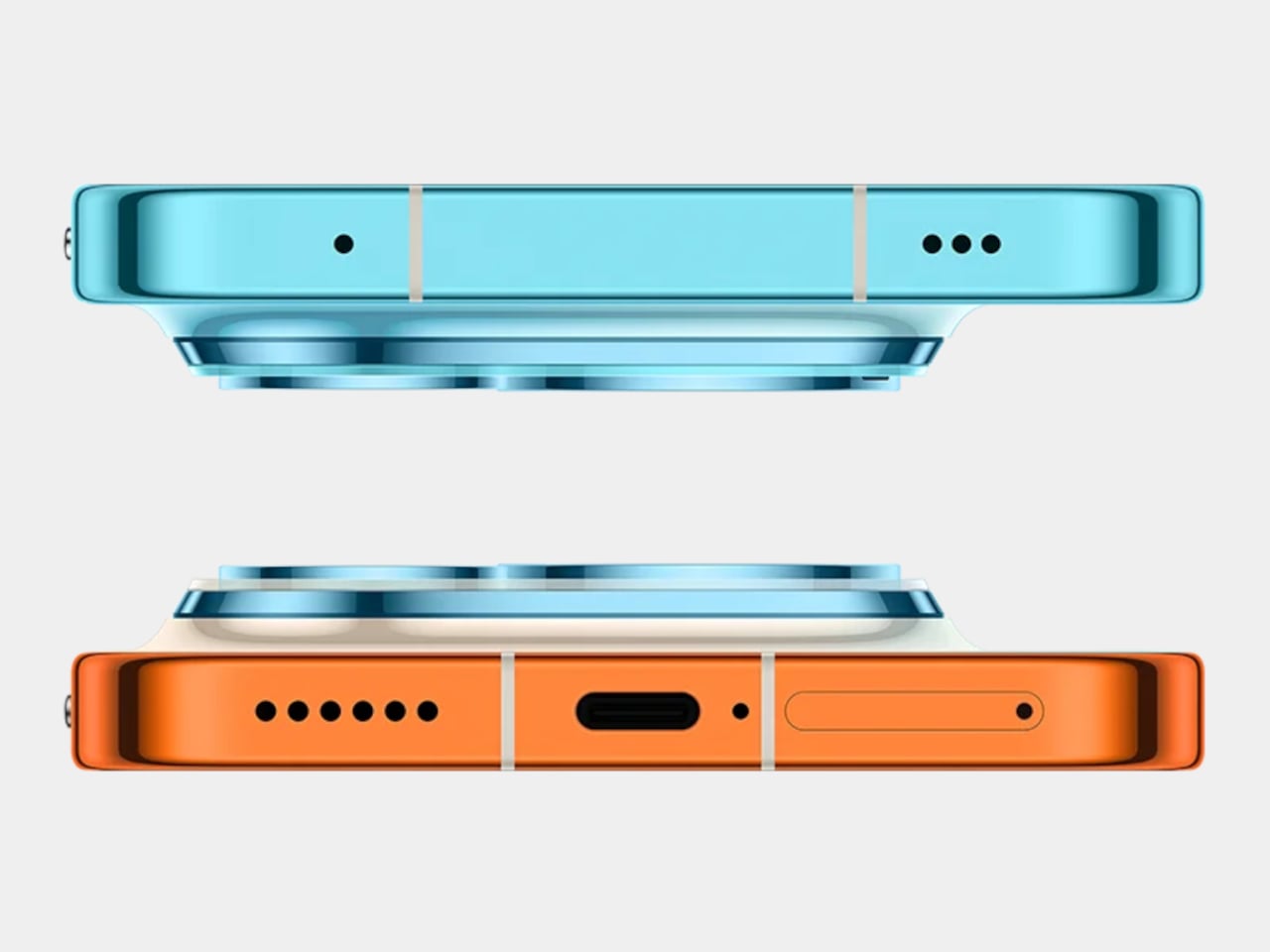
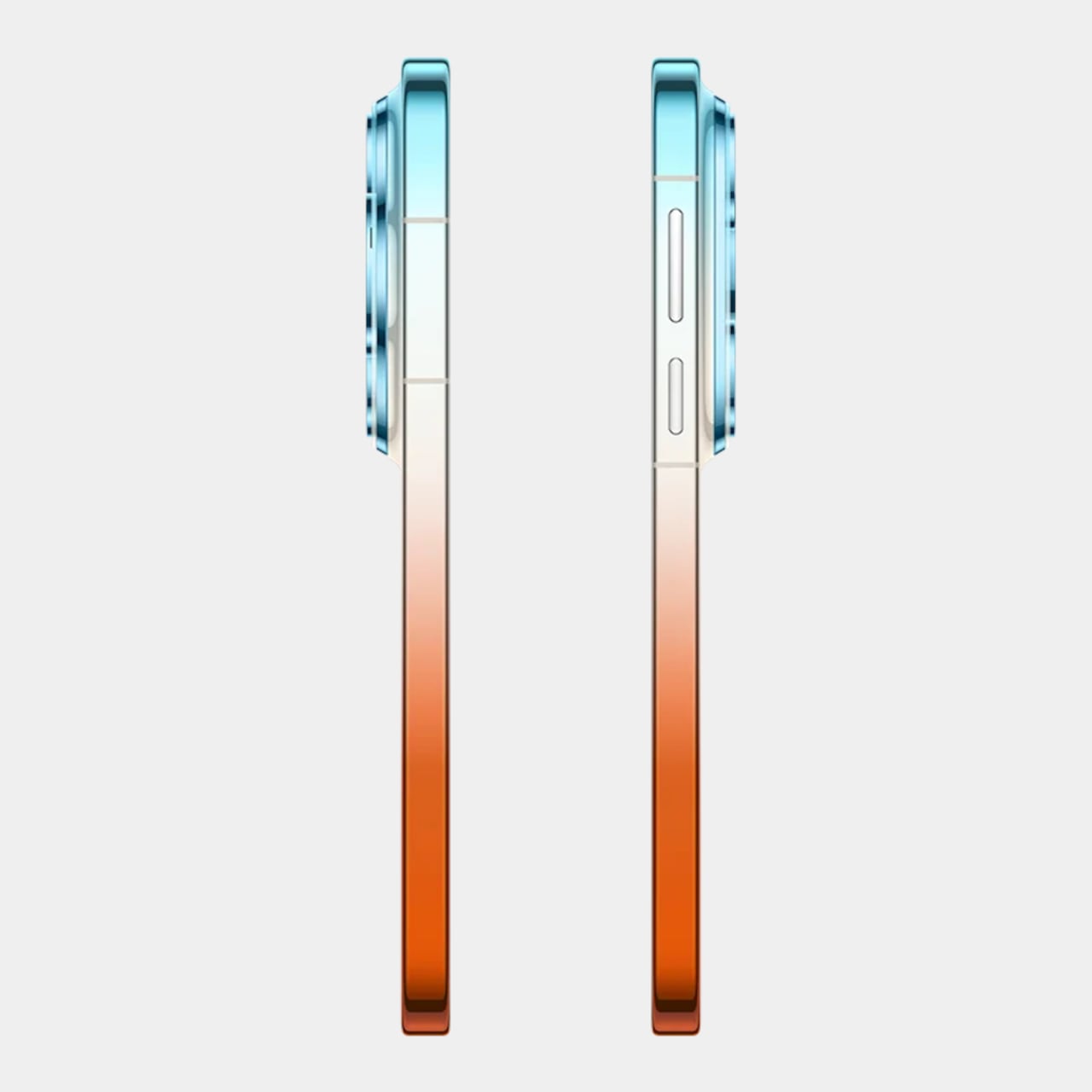
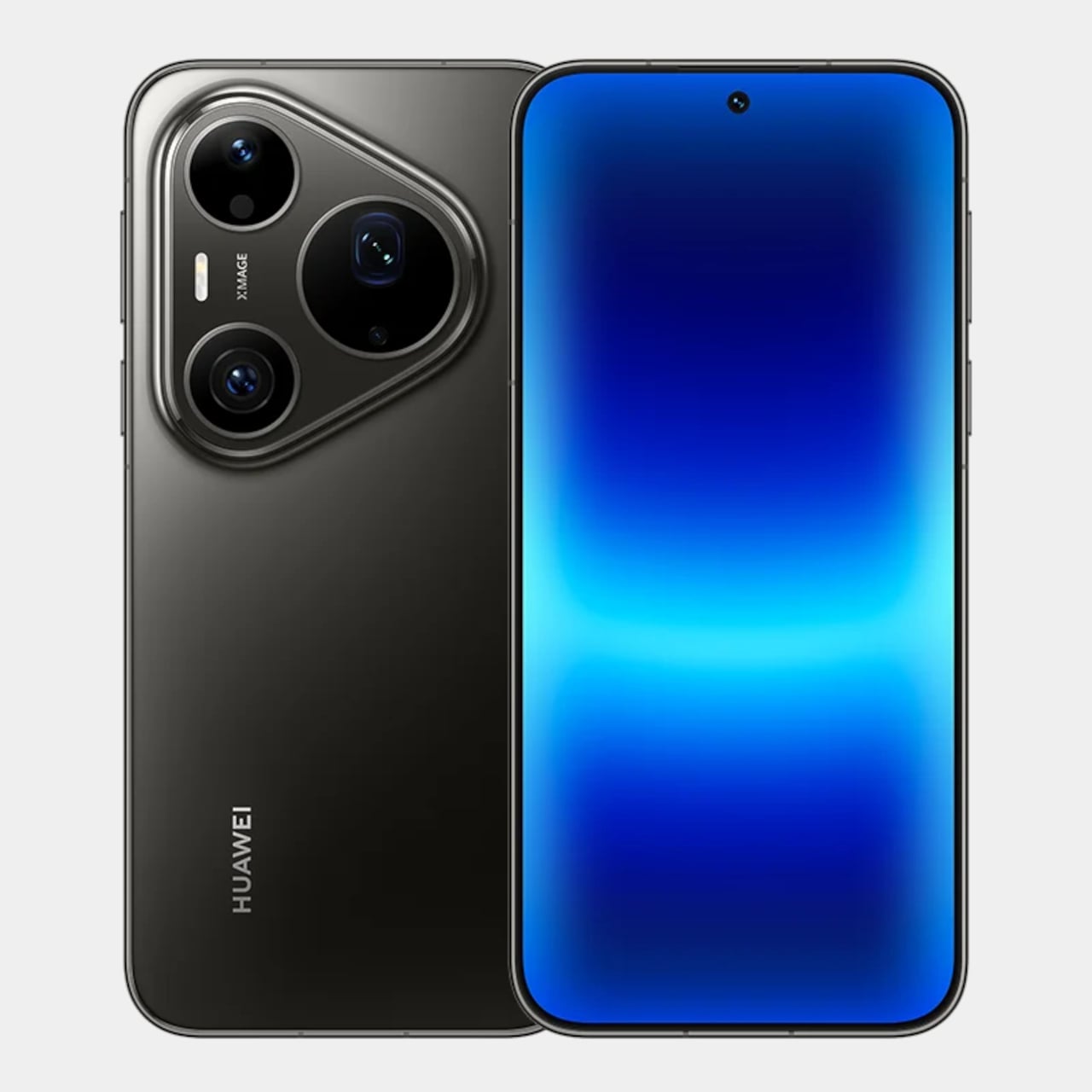
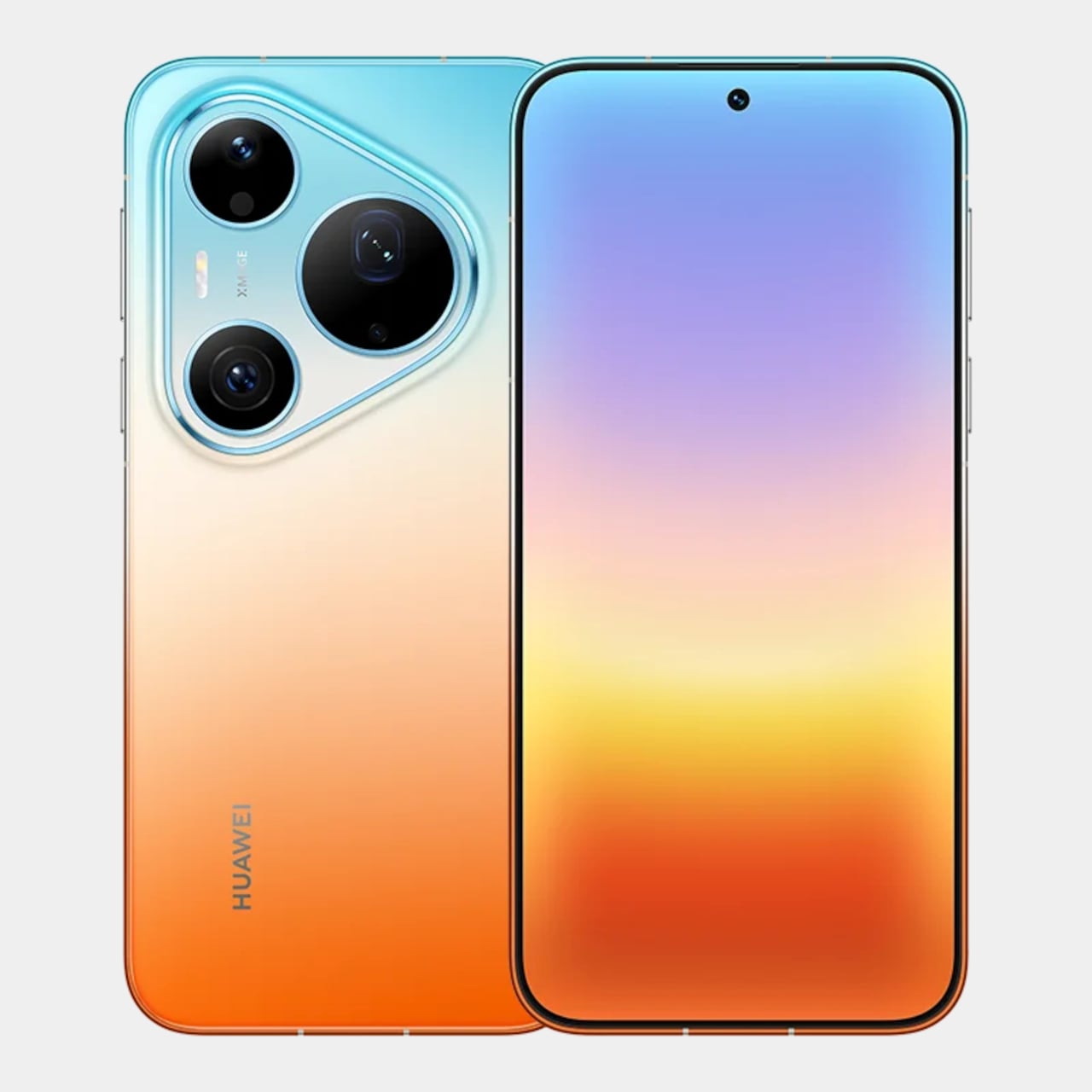
The “Rhythm of Colour” philosophy runs through every finish in the lineup, from the warm orange-to-gold Orange Ocean with its Dual-Tone Gradient Mid-Frame to a purple-to-peach option, deep matte black, and soft pearl white. The triangular camera module on both phones carries XMAGE branding and sits within a chassis that, despite the hardware inside, still manages to feel like a deliberate aesthetic choice.
A 5270mAh battery powers both phones, with 66W Huawei SuperCharge on the Pro and 100W on the Pro Max. Both run HarmonyOS 6.1 on the Kirin 9030S chip and carry IP68 and IP69 ratings for dust and water resistance. The Pro has a 6.6-inch OLED display, while the Pro Max steps up to a 6.9-inch LTPO OLED panel with an adaptive refresh rate from 1 to 120Hz.