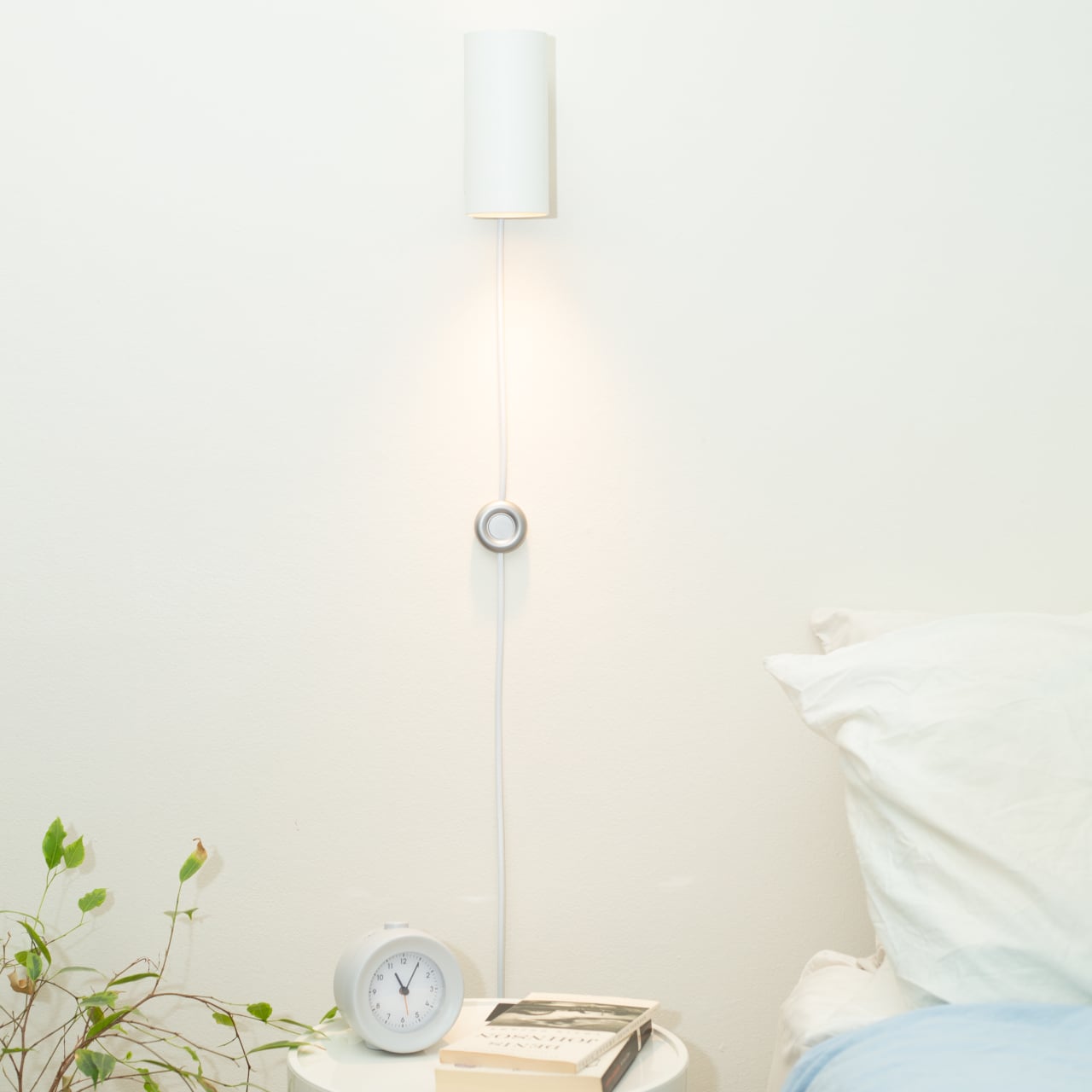

The inline switch is one of those details that nobody seems to question. Most floor and table lamps carry a cheap plastic switch dangling somewhere down the cord, lightweight and hollow, built for low cost rather than durability or feel. These switches are touched constantly throughout a lamp’s life, yet they’re rarely given the same attention as the lamp they’re attached to. That’s a strange kind of oversight.
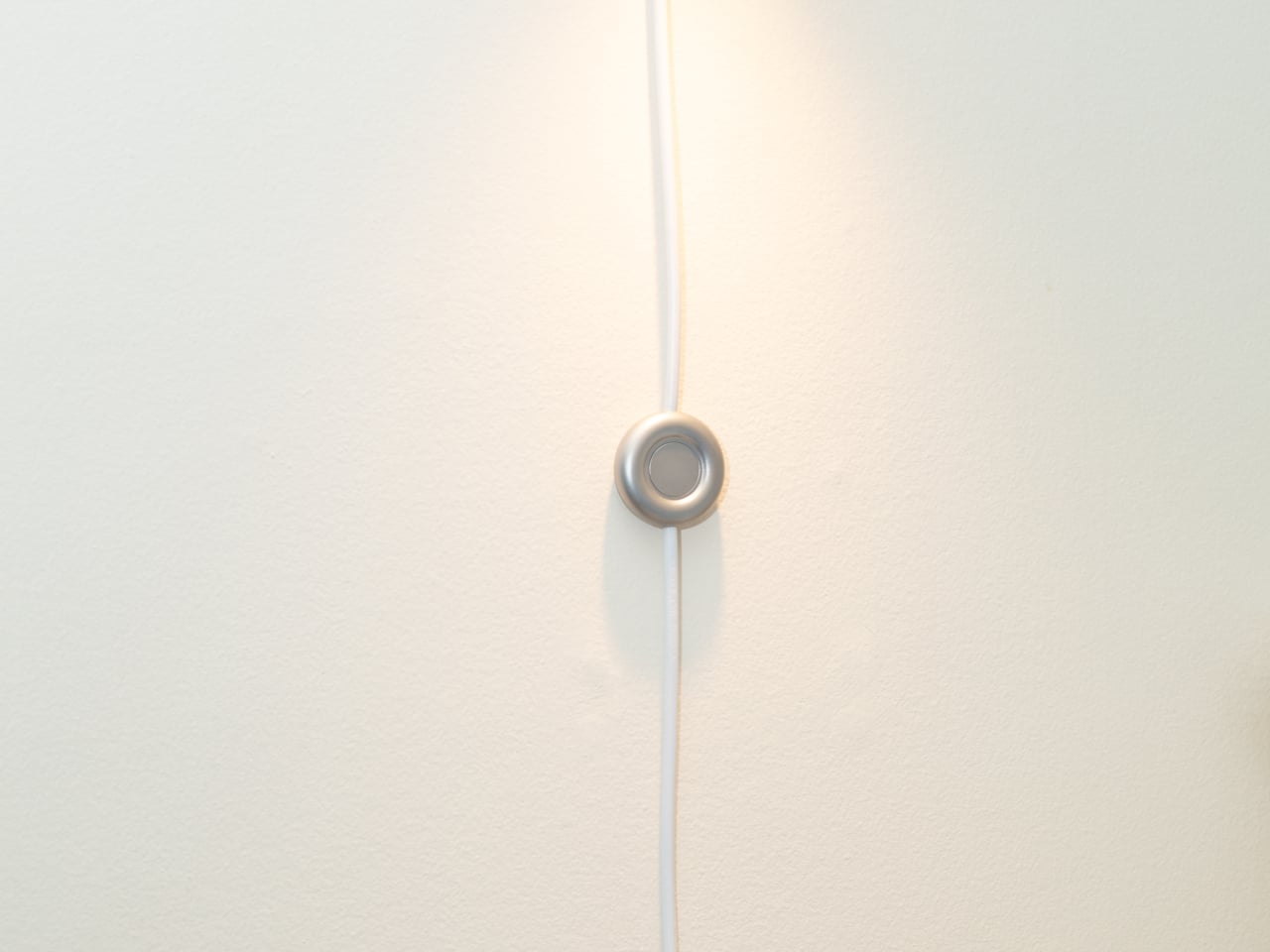
That disconnect is precisely what the Modal Inline Switch sets out to address. Instead of relegating the switch to an afterthought on the cord, it approaches the component with the same consideration typically reserved for the fixture it serves. The result is a CNC-machined, bead-blasted, anodized aluminum switch with a soft circular form, a more deliberate feel in the hand, and a presence that matches the fixtures it sits alongside.
Designer: Andrew King
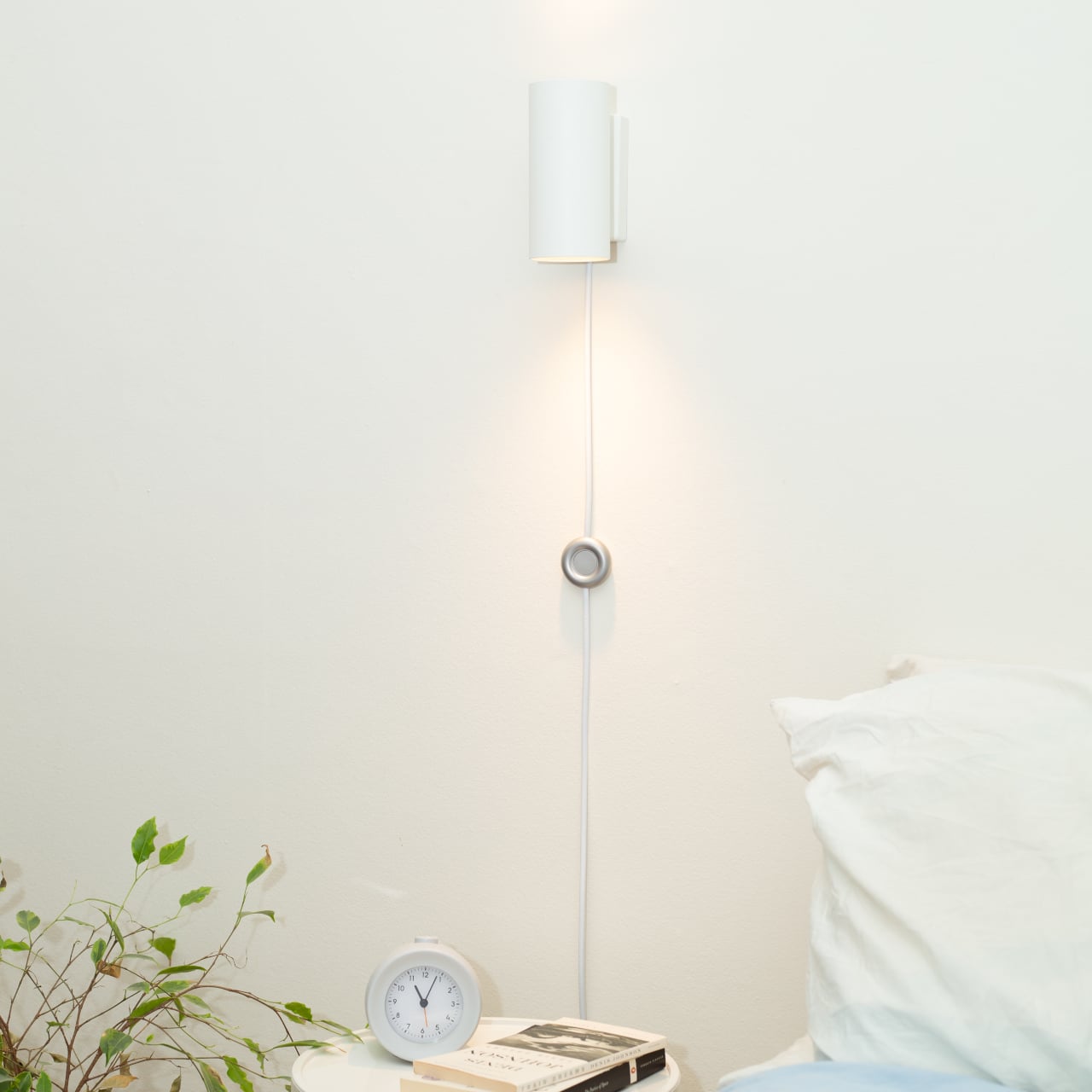

Think about the last time you clicked off a bedside lamp or nudged a floor lamp switch with your foot in the dark. The switch barely registers as a design object, something you feel more than see, yet that click says a lot about the quality of the lamp. A cheap plastic click gives you exactly that impression. The Modal, by contrast, gives you something that actually feels worth touching.
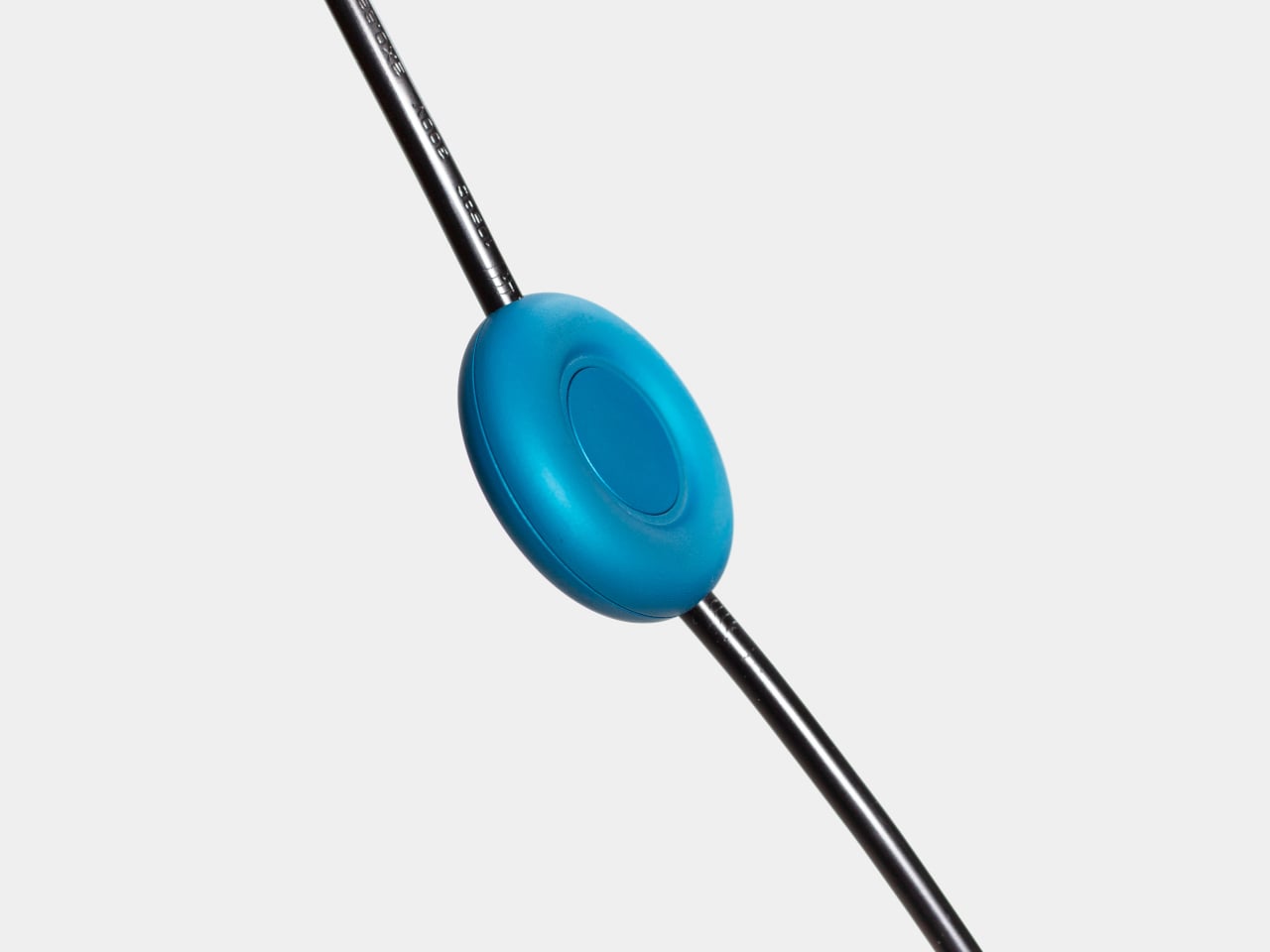
Standard inline switches are injection-moulded plastic, hollow and lightweight, built purely for low cost. Modal swaps all of that for bead-blasted, anodized aluminum, giving it a controlled matte finish that stands apart from any typical lamp cord component. It’s cooler to the touch, heavier in the hand, and more substantial in feel. That added weight, which initially seemed like an inefficiency, turned out to be one of its defining qualities.
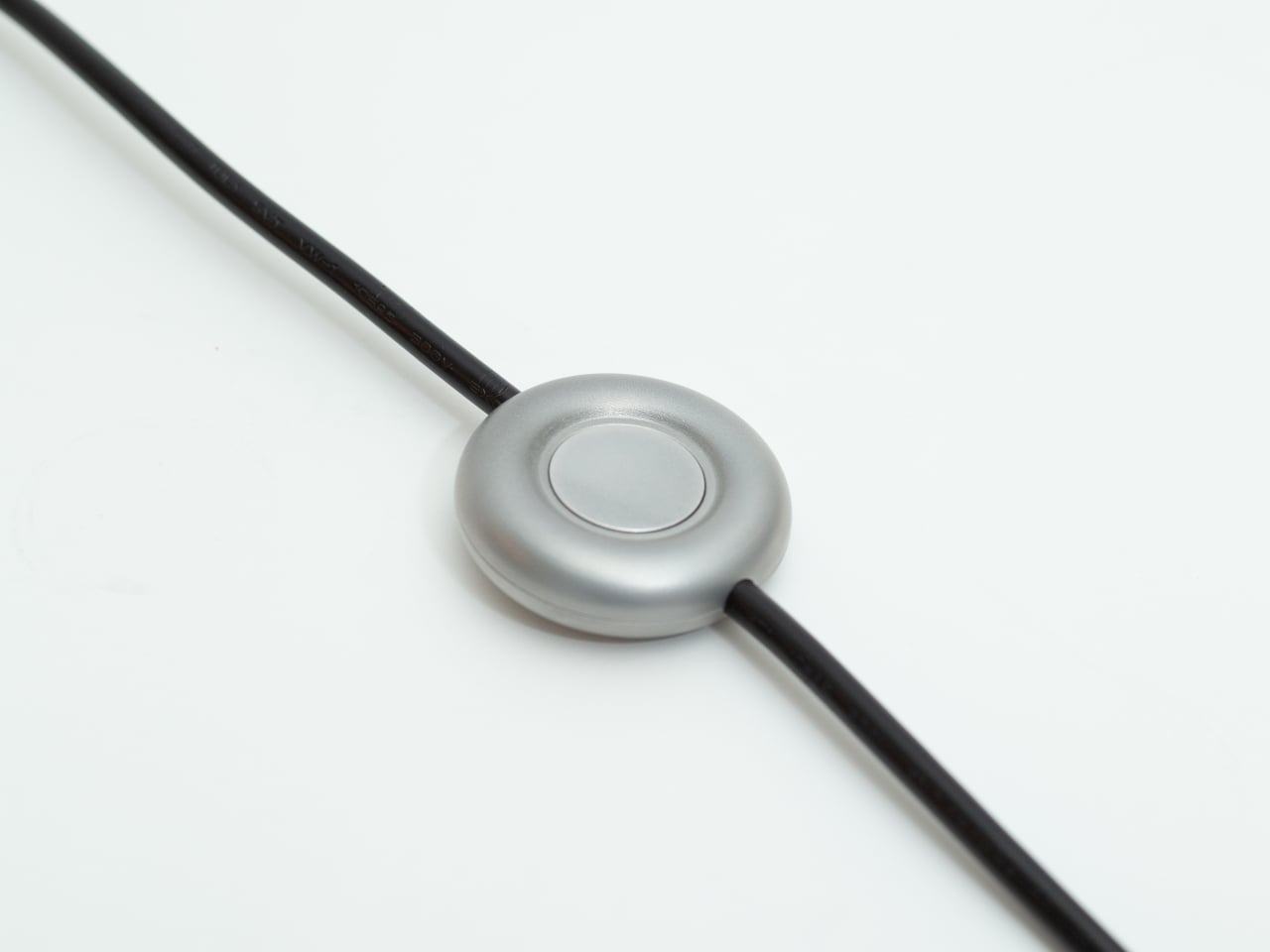
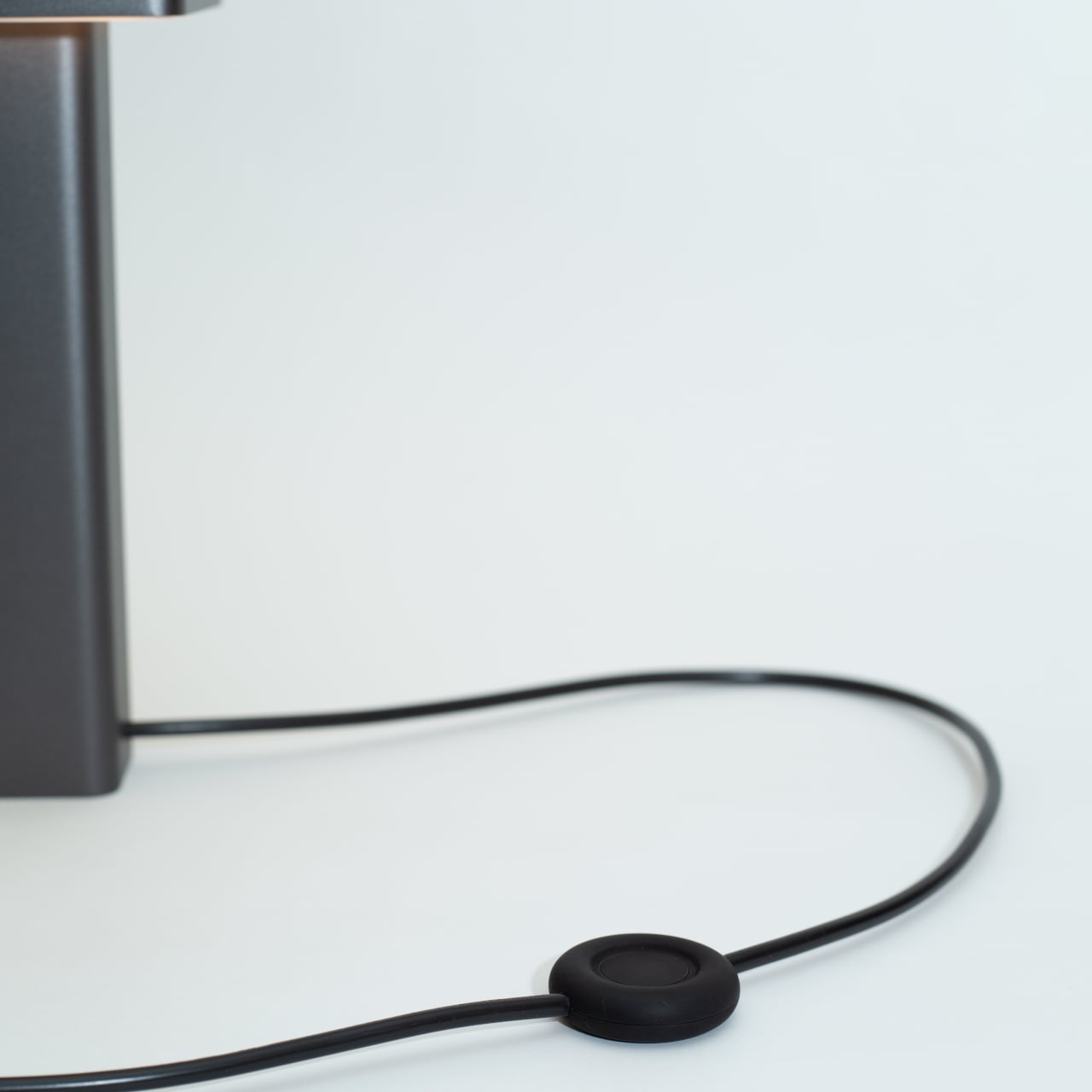
The circular form wasn’t arrived at immediately. Earlier prototypes explored angular geometries and segmented shapes before settling on a rounder, gentler profile, one that feels natural to nudge with a foot as well as press with a finger. The button mechanism went through its own refinement; early versions were unstable due to a mismatch between the larger cap and a smaller actuator, a problem the guided button cap system resolves.
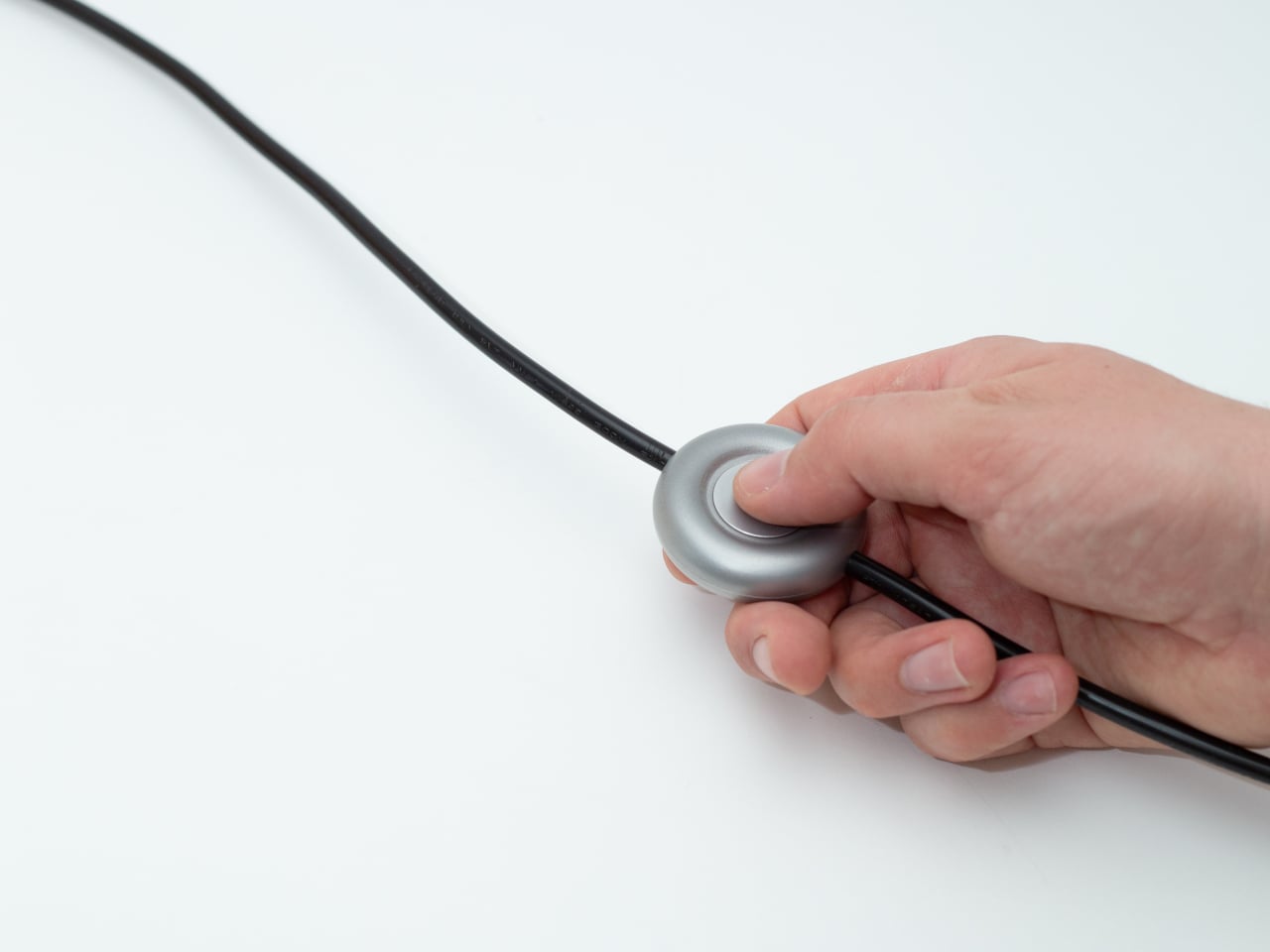
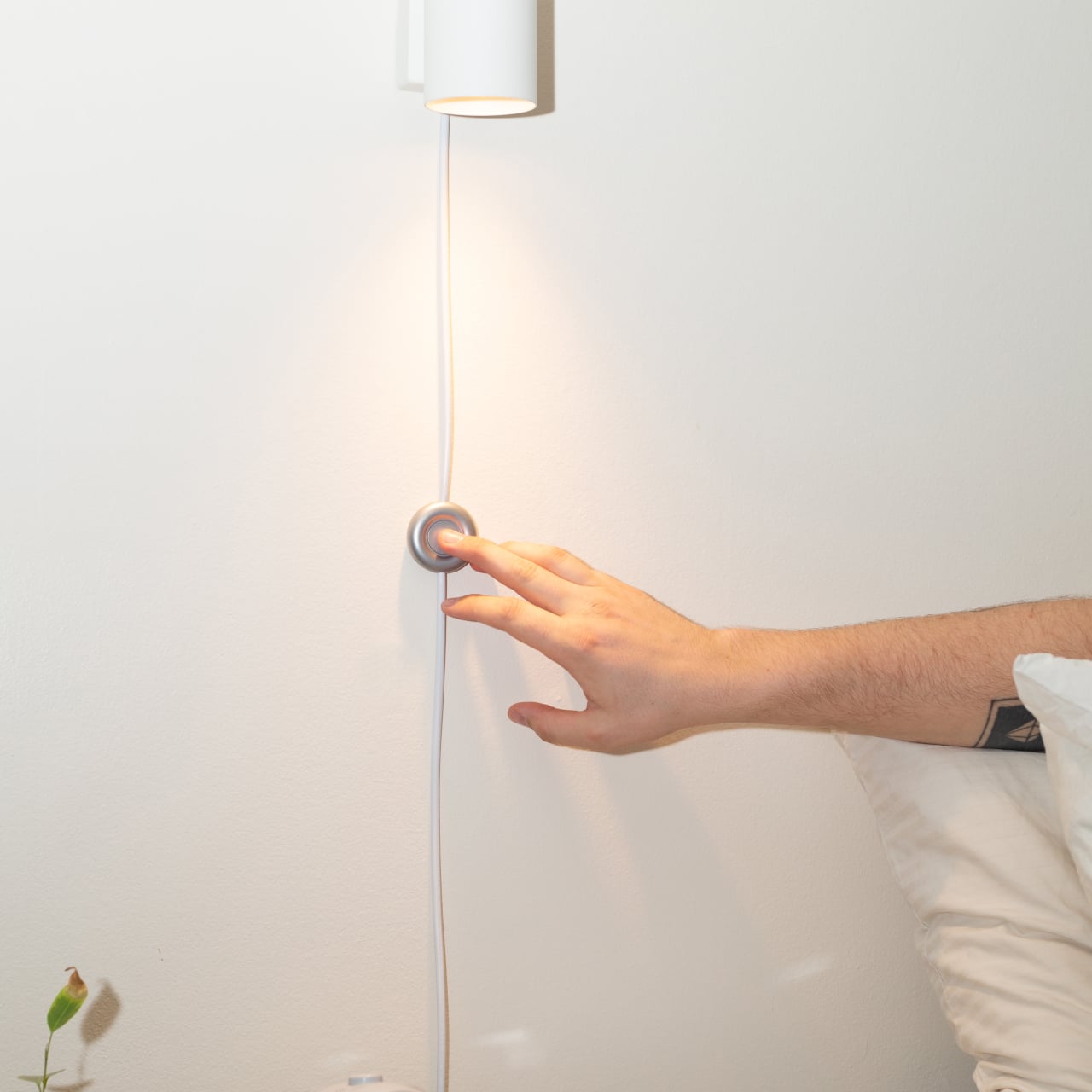
The switch’s housing is assembled mechanically rather than with adhesive, meaning it can be taken apart and repaired if needed. That’s not something most people would think to look for in a lamp switch, but it speaks to the broader thinking behind Modal: that making something from better materials, with more intentional construction, can shift how long it’s valued and kept, rather than simply replaced when something gives out.
The Modal Inline Switch isn’t trying to reinvent how a lamp works. It sits on the same cord, does the same on/off job, and doesn’t ask for any more attention than it needs. But it’s designed to hold its place, literally and aesthetically, rather than disappear behind furniture or dangle somewhere on the floor. It’s the kind of quiet intervention that’s easy to overlook until you actually reach for it.