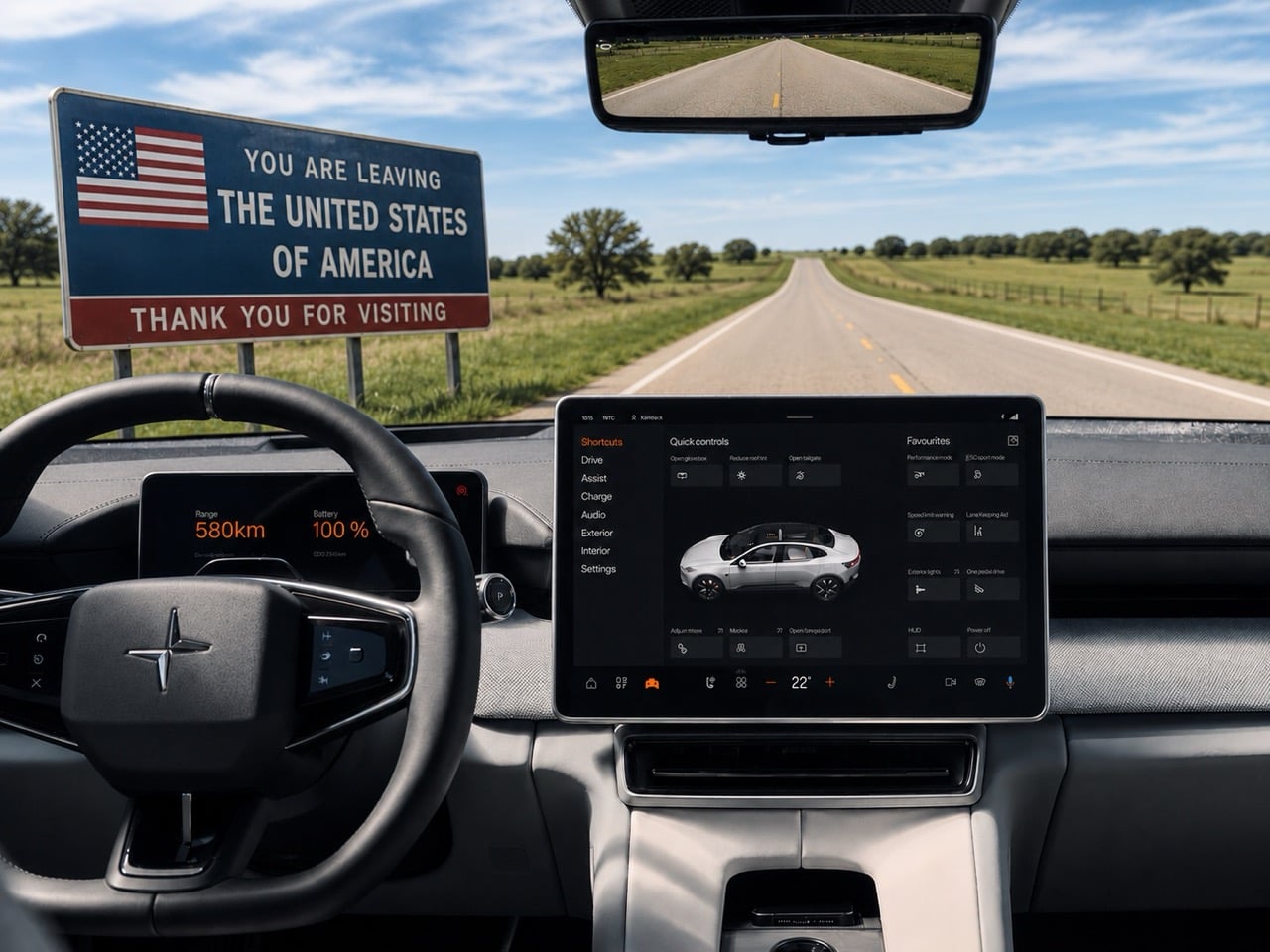

Somewhere in Washington state, a man named D.L. Byron recently bought a certified pre-owned Polestar 2. He did what most careful buyers do, researched the brand, appreciated the Scandinavian design, weighed the range and the reputation, and made a considered decision. Then, within days of that purchase, Polestar announced it would stop selling new vehicles in the United States from the 2027 model year onward, after the U.S. Department of Commerce denied the Swedish automaker authorization under the Connected Vehicle Rule. Byron’s reaction, reported by The Verge, was immediate and unambiguous. “It feels like we’re the ones left holding the bag, with no compensation for the sudden loss in market value on cars we just bought or leased.”
What Byron experienced is becoming the defining anxiety of the connected-car era. A modern EV purchase comes bundled with software ecosystems, service networks, regulatory standing, and brand-dependent resale value, all of which can shift dramatically on a government decision, a quarterly earnings report, or a geopolitical pressure point that the buyer had no awareness of on signing day. The car itself may run perfectly fine for years. The broader infrastructure that gives it value, the OTA updates, the service continuity, the dealer footprint, and the market confidence of potential used-car buyers, operates on forces that have very little to do with how capable the vehicle actually is. Polestar owners in the U.S. are learning this the hard way, watching resale anxiety arrive before the service network has missed a single appointment, and the lesson extends well beyond this brand and this moment.
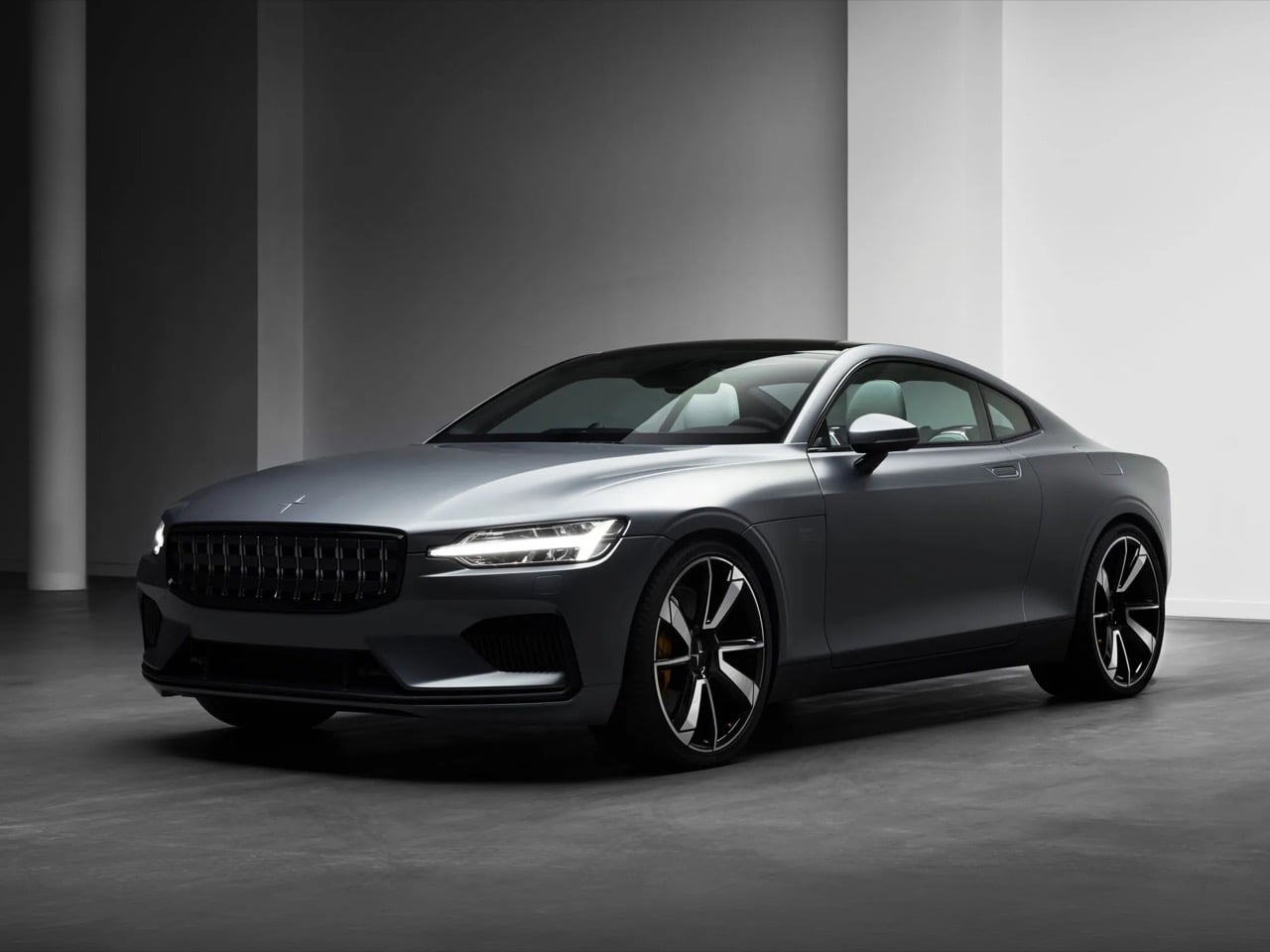
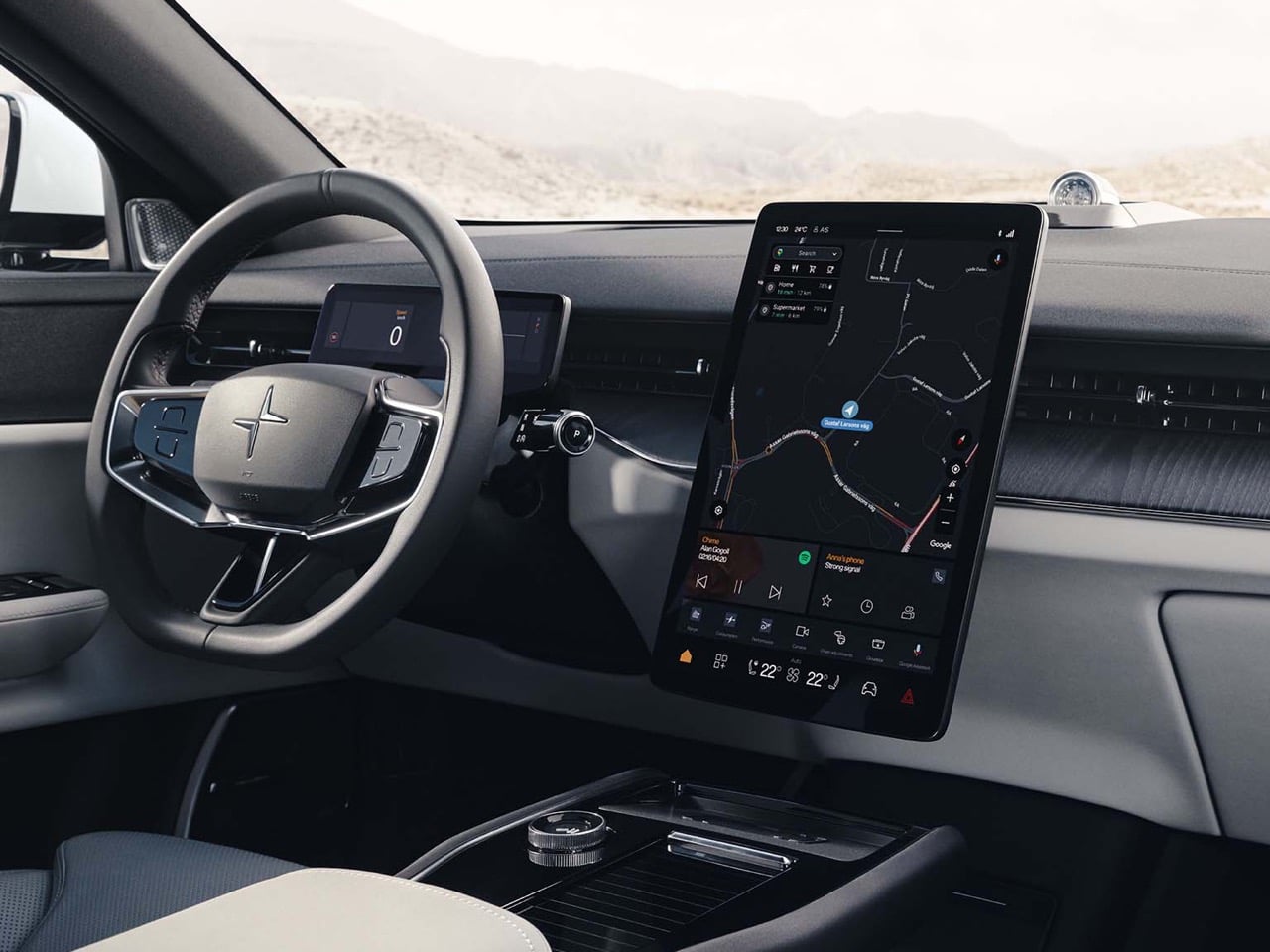
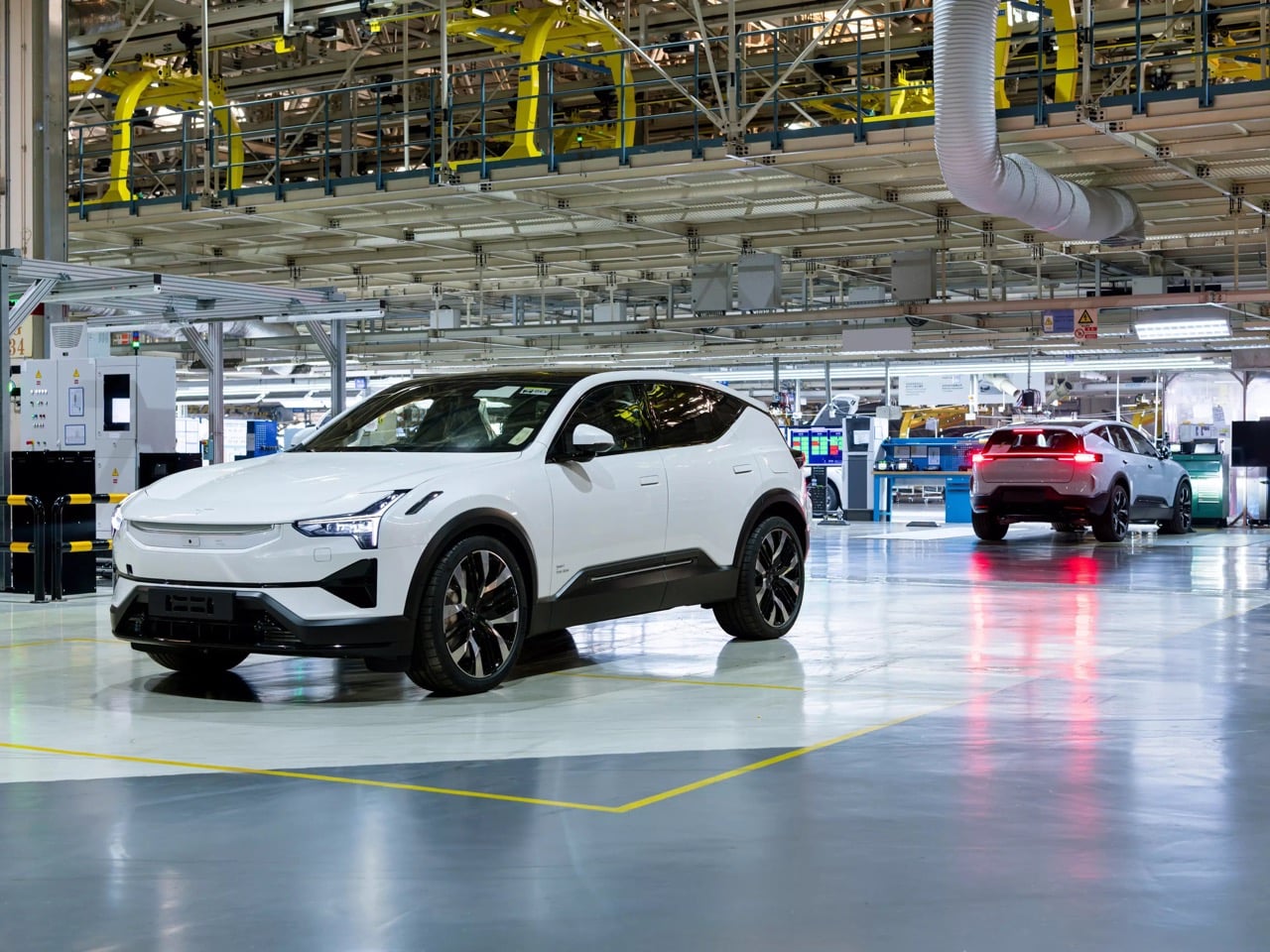
The Connected Vehicle Rule, finalized by the Department of Commerce’s Bureau of Industry and Security, targets vehicles with a “sufficient nexus” to China or Russia, covering telematics, cameras, GPS, Bluetooth, cellular modules, and automated driving systems. The software restrictions kick in at model year 2027 with hardware restrictions following in 2030. Polestar’s problem was never where its cars were built. The Polestar 3 is assembled in South Carolina alongside Volvos from the same Zhejiang Geely Holding Group, yet local manufacturing provided no shield from the authorization denial. The rule targets ownership structure and software entanglement, and Polestar’s Geely-majority ownership, combined with its reliance on the Geely ecosystem, gave the Bureau its grounds. Volvo, operating as a separately listed entity with a decoupled software stack and a more established U.S. footprint, secured a waiver. Polestar did not.
Polestar CEO Michael Lohscheller positioned the retreat as forward strategy, noting that Europe accounts for the largest share of the brand’s sales, and the company’s messaging on owner support has been consistent: warranties honored, existing Polestar 2, 3, and 4 owners continuing to receive service, and remaining Polestar 3 and 4 inventory sold at an aggressive discount until stock runs out. The brand had warned as early as 2024 that the Connected Vehicle Rule could effectively block its U.S. sales, yet when the formal exit became official, it still landed hard for buyers who had only just signed their paperwork. Matthew Haiken, owner of Polestar Short Hills in New Jersey, captured the dealer position precisely: “At this point, I have to trust that Polestar will honor its warranty and service commitments. We deserve better. This is the first time that anyone has said, ‘Hey, this is not us. It’s outside our control. It’s the government.’ So we’re left very vulnerable.” The warranty is still valid on paper. Whether the used-car market reads the situation as generously is a separate question, and used-car buyers are rarely sentimental.
Buying a connected car in 2026 without evaluating the brand’s regulatory standing, software continuity, and commercial presence in your market is a gap that Polestar owners are now navigating in real time. Fisker’s collapse last year was the more total and immediate version of this lesson, and while Polestar’s situation is structurally different, the emotional experience for current owners is uncomfortably familiar. The Polestar 2, 3, and 4 are genuinely well-designed vehicles that many owners will hold onto for exactly that reason. But resale value is a market sentiment measure, and market sentiment on a brand that has exited your market corrects fast and waits for no one. Polestar’s predicament makes the broader case: every connected-car buyer should be stress-testing the brand’s software stack, regulatory profile, service infrastructure, and long-term commercial standing before they sign, and those variables matter as much as the range figure on the window sticker.