
Most lamps don’t ask questions. They turn on, throw light at you, and call it a day. You adjust the brightness, maybe swap out a bulb with a warmer hue if you’re feeling particularly intentional about your space, and that’s the extent of the conversation. For decades, that’s been enough. But Korean brand BAENUE, the consumer-facing arm of LED technology company Baelux, is making a compelling argument that it shouldn’t have been.
The premise behind BAENUE is rooted in photobiology, the study of how light affects living organisms at a biological level. Specifically, the brand is built around something most of us quietly experience but rarely attribute to our lamps: the way artificial light disrupts our body clocks. The blue-toned light that keeps us sharp and focused at 9 a.m. is the same kind our phones and laptops push out at 11 p.m., suppressing melatonin production and quietly convincing our bodies that it’s still daytime. We chalk restless nights up to stress, too much screen time, too much coffee. Rarely do we think to blame the lamp sitting on the desk.
Designer: Baelux
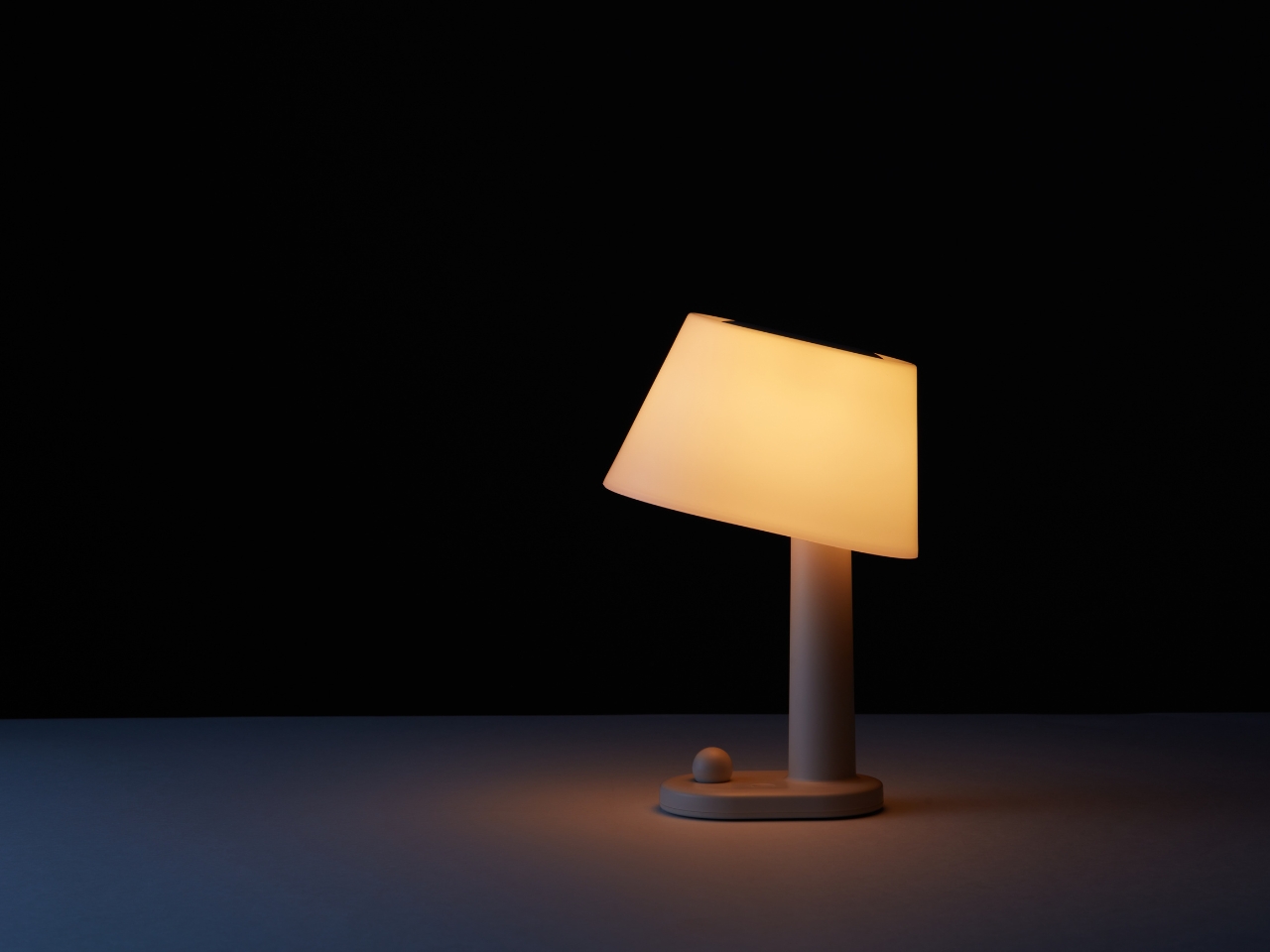
BAENUE’s answer is a proprietary, patented technology called Dim2Amber™. The concept mirrors nature in a way that feels almost obvious once you understand it. As you dim the light, the lamp doesn’t just reduce brightness. It simultaneously shifts the spectrum toward warmer, amber tones. Bright and crisp when you need to focus. Soft and golden when the evening calls for it. The entire transition happens through a single analog dial, a deliberate choice by founder and chief developer Dr. Jinwoo Bae, an MIT-trained engineer who has built his career on making advanced technology feel effortless rather than overcomplicated.
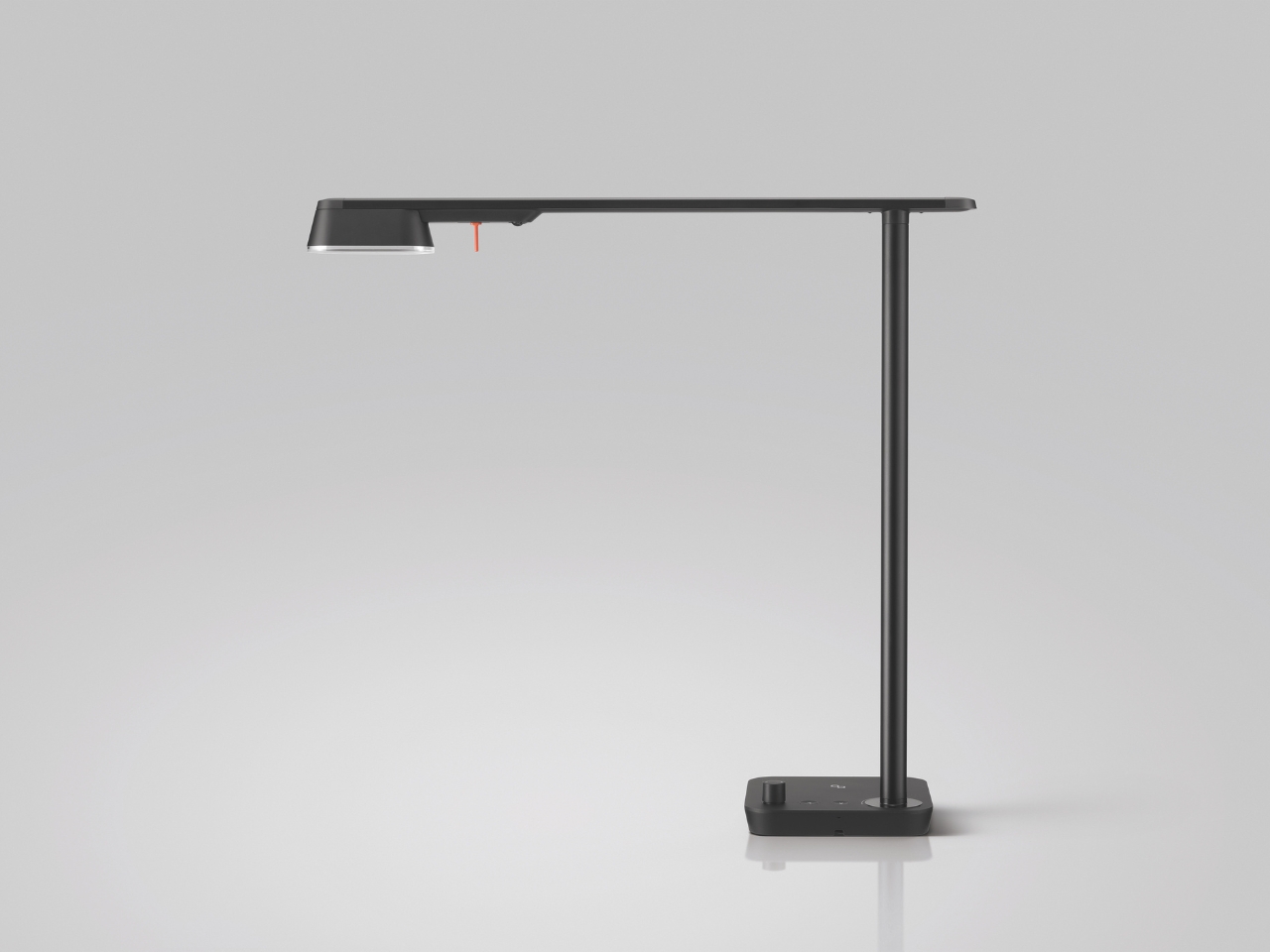
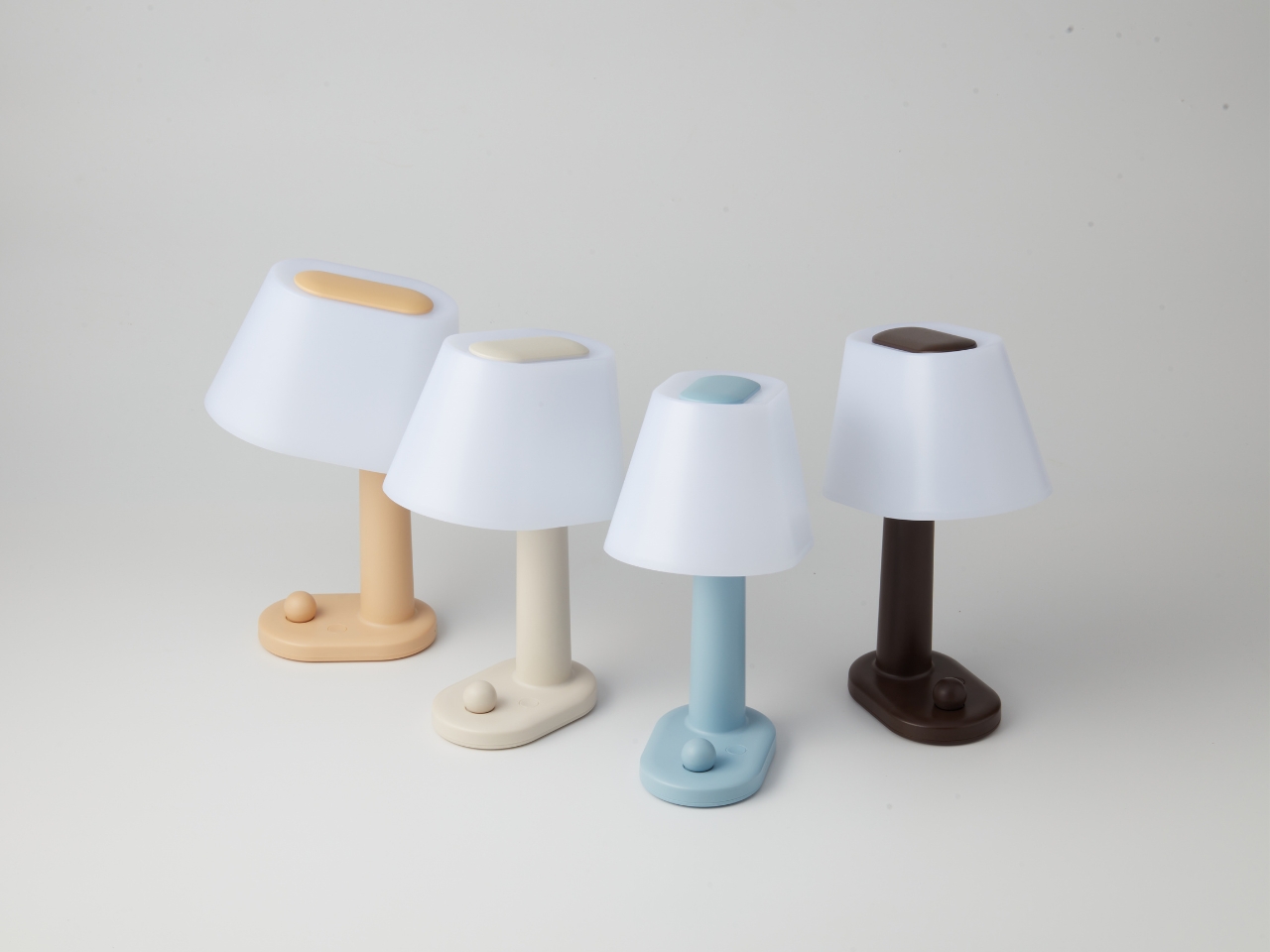
Both of BAENUE’s current products, The New Lamp and the portable MINI, carry this philosophy into their design. The New Lamp is the flagship desk piece, proportioned using the golden ratio to minimize glare and direct light precisely where it needs to go. It includes wireless charging, a motion sensor for automatic on/off, and a high CRI light source that renders color accurately. That last detail matters more than people realize until they’ve spent time under genuinely high-quality light and noticed the difference. The MINI is designed for mobility. Hand-sized, wireless, and versatile enough to function as a reading lamp, ambient light, or table lamp depending on where you set it down.
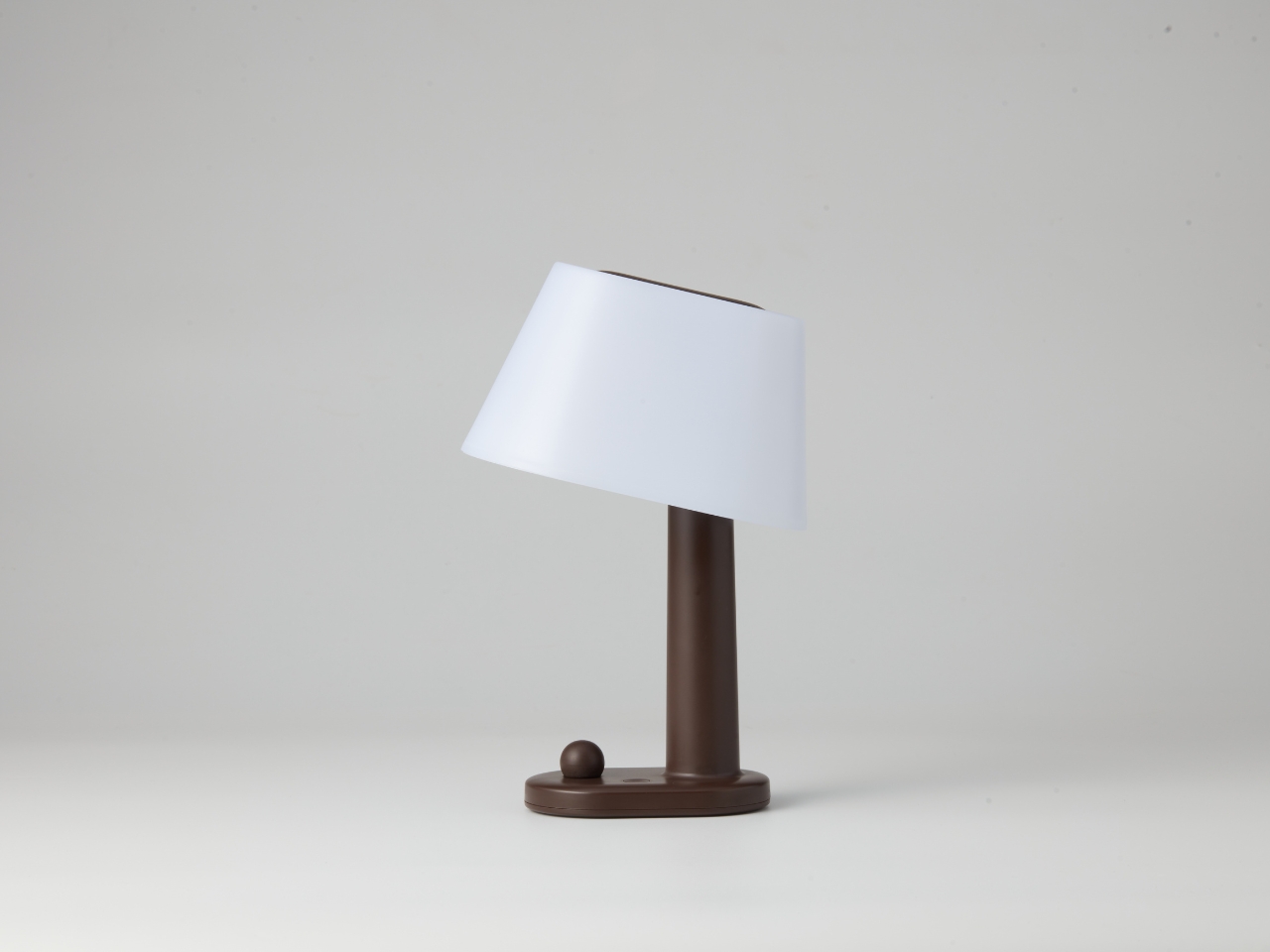
The price, around $575 to $635 for The New Lamp, will be the number that stops people mid-scroll. That reaction is fair, and worth sitting with for a moment before writing it off. Baelux has spent over a decade supplying LED light sources to premium architectural and commercial projects across Europe, quietly powering the kind of lighting most people only encounter in luxury hotels and gallery spaces. BAENUE is that same industrial-grade precision, redirected toward everyday life. You’re not just buying a lamp. You’re buying the output of years of engineering research that most people would never think to demand from something sitting on their nightstand.
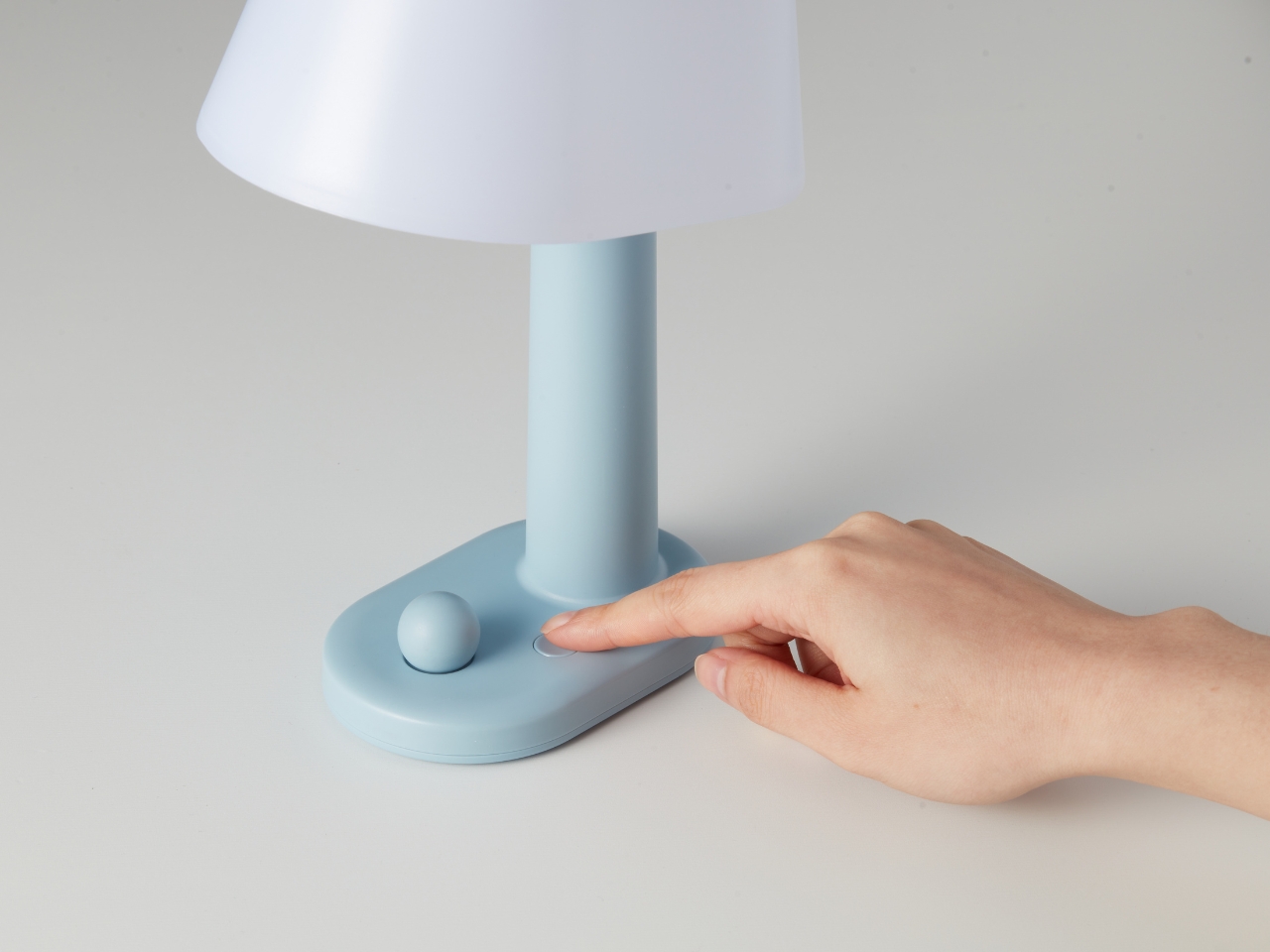
The brand’s restraint around wellness language is one of the more reassuring things about it. Dim2Amber is patented and technically specific. Dr. Bae’s insistence on eliminating micro-flicker, that imperceptible rapid fluctuation in light that contributes to eye strain without ever announcing itself, is exactly the kind of detail that only surfaces when someone genuinely cares about what light does to the human body. BAENUE made its public debut at 3 Days of Design 2026 in Copenhagen, a fitting stage for a brand that treats purpose and form as equally non-negotiable.
Lighting design has lagged behind the broader wellness conversation for too long, still measured mostly by how a room looks rather than how it makes your body feel. BAENUE is one of the more serious attempts to close that gap. Whether it changes the way the industry thinks about what a lamp is supposed to do is a bigger question, but the fact that someone is asking it seriously is, at minimum, a good start.