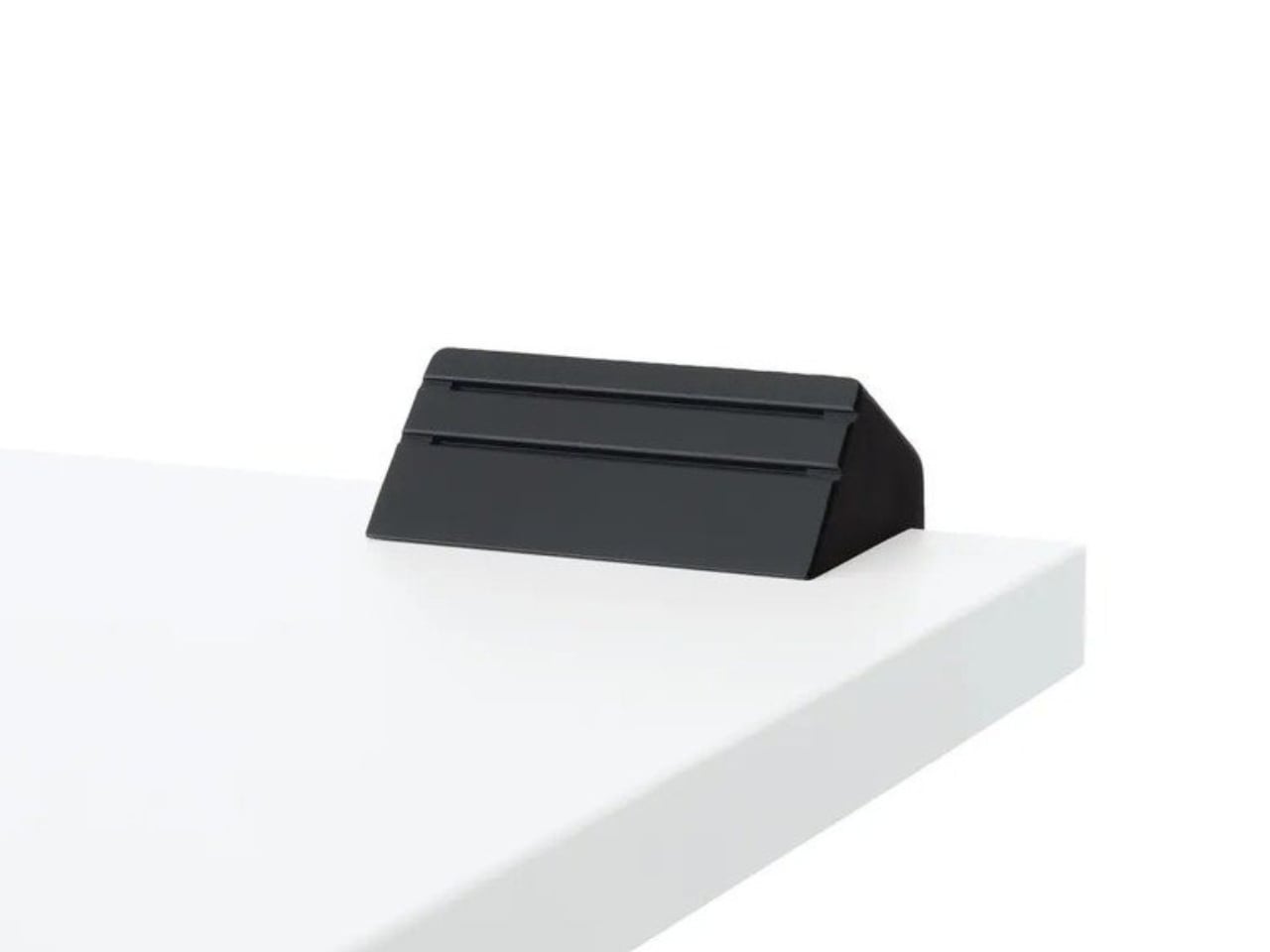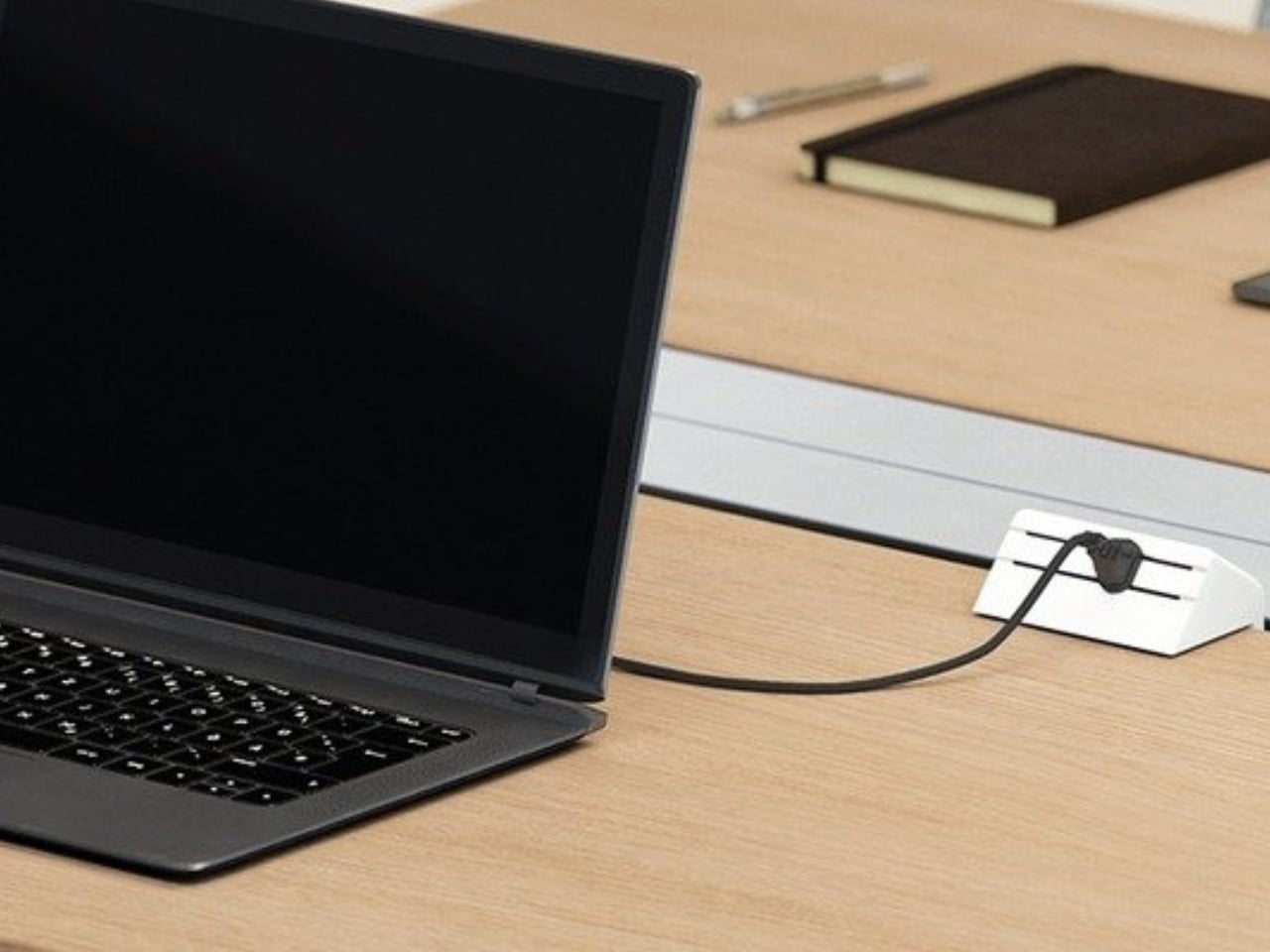

The power strip is, without a doubt, one of the most aesthetically defeated objects in modern life. You hide it behind your desk, stuff it under furniture, and pray that visiting friends won’t notice the tangle of cords trailing from it like electrical spaghetti. We’ve accepted this ugliness as a condition of modern productivity. Until now, maybe.
Kokuyo, the Japanese office furniture and stationery company that has been quietly improving the objects on your desk since 1905, has released a power strip called the Energy Line, and it is genuinely, legitimately beautiful. Not “beautiful for a power strip” beautiful. Just beautiful. It looks more like a sleek architectural detail than something you’d plug your laptop into.
Designer: Kokuyo
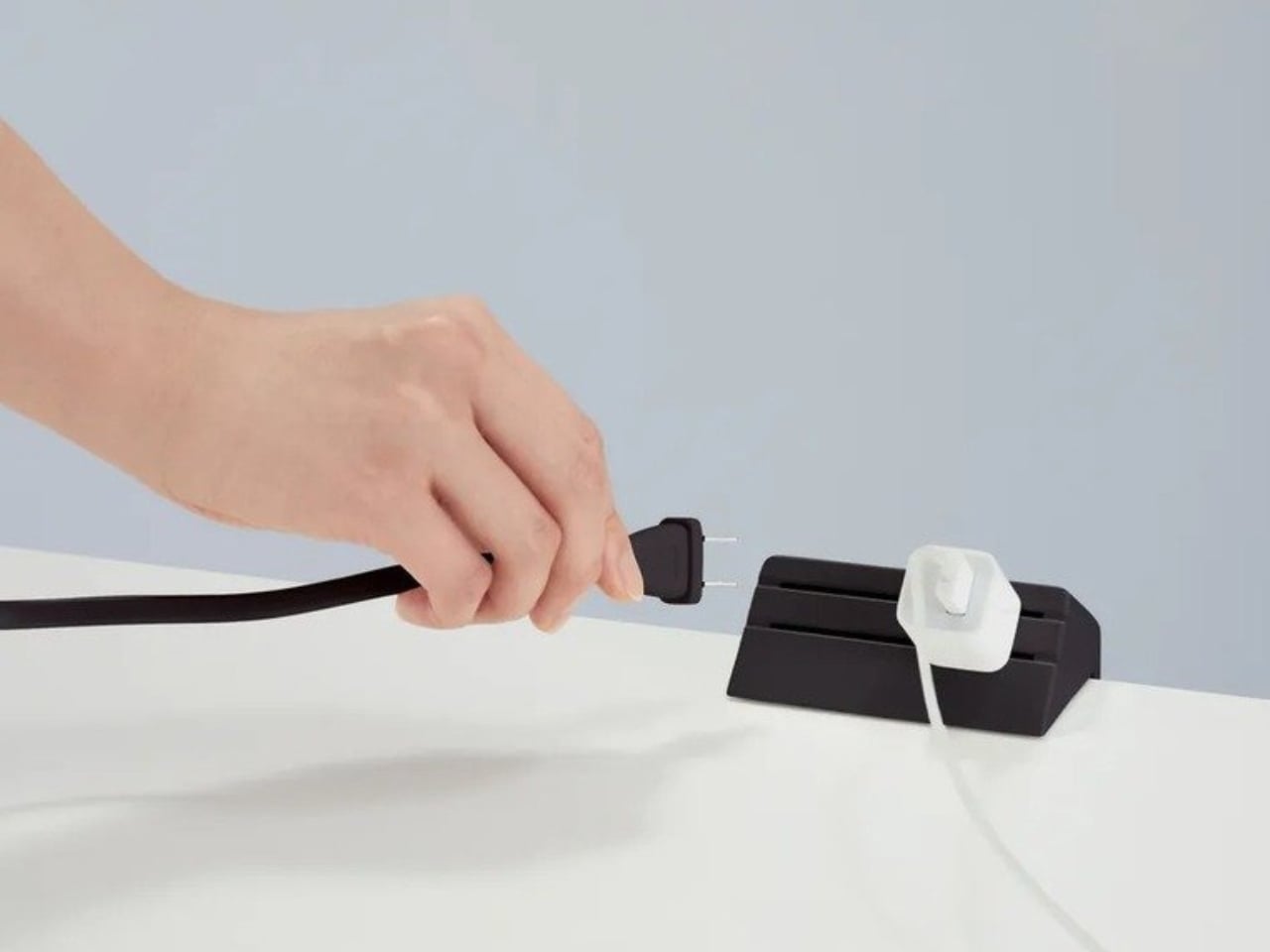
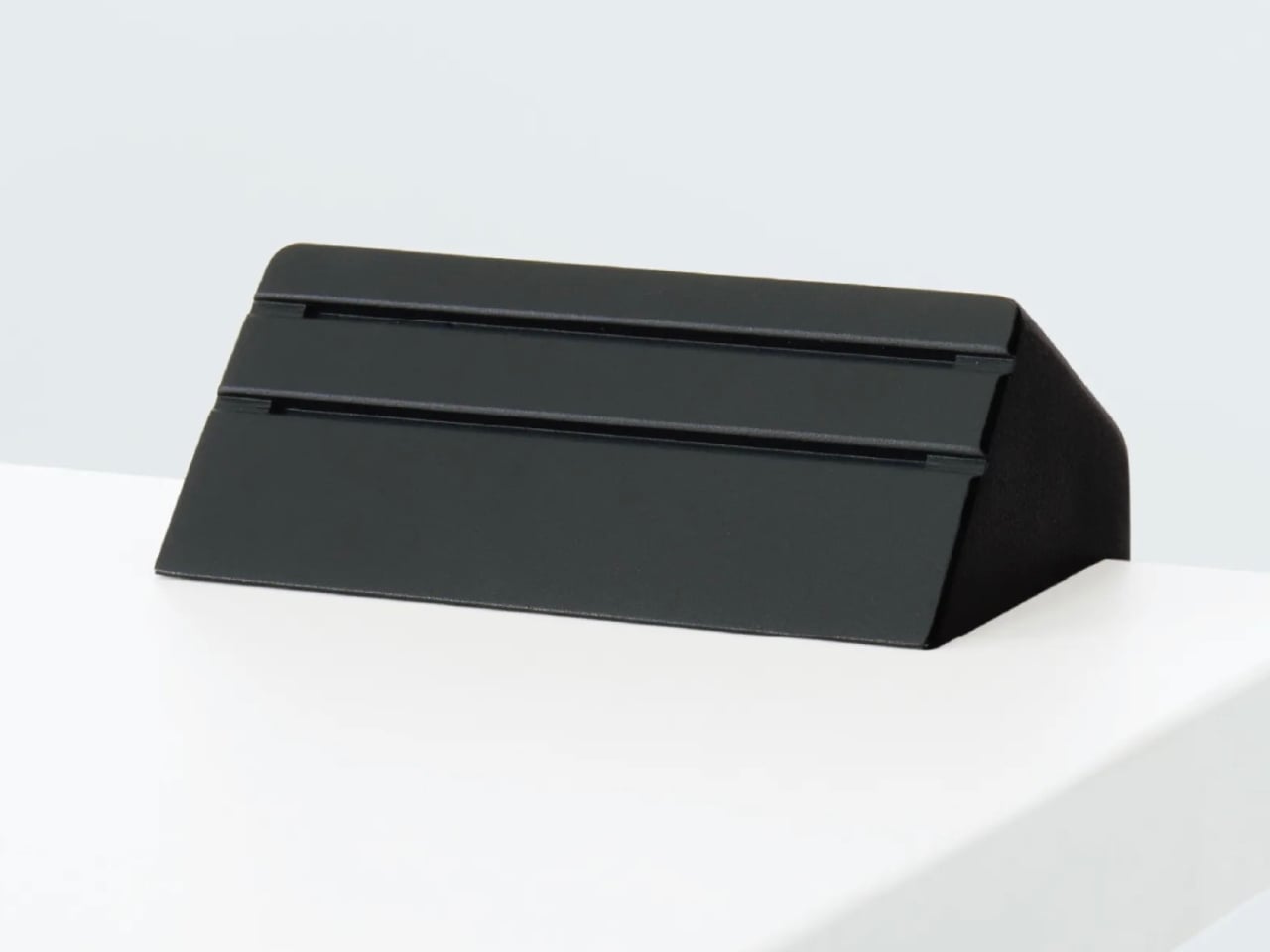
The design is deceptively simple. The Energy Line clamps to the edge of your desk, flush and low-profile, and features a linear row of slits running across its face. Those slits accept up to five two-pronged plugs at any position along the line. No discrete individual sockets, no chunky plastic bumps, no visual noise. Just a clean, flat surface with a continuous slot. From a distance, it reads as part of the desk itself rather than an accessory bolted onto it.
There is a caveat worth knowing: the Energy Line is designed for two-pronged plugs only, meaning it’s built for laptops, monitors, desk lamps, and peripherals rather than heavier appliances. For a modern desk setup, that’s rarely a dealbreaker. Most of what lives on a work surface runs on two prongs anyway.
But here’s where my opinion deviates slightly from pure admiration. The limitation does ask something of you: before purchasing, you’d need to audit your desk setup and confirm that nothing with a grounded, three-prong plug needs to stay on top. If you use a Mac with a standard power adapter, a monitor, maybe a desk lamp and a fan, you’re likely covered. If your setup is more eclectic, it’s worth a moment of honest inventory.
That said, the design philosophy behind this product feels deeply, specifically Japanese, and I mean that as a compliment. Kokuyo has a 120-year history rooted in the conviction that even ordinary, utilitarian objects deserve to be thought through completely. They started by making covers for account ledgers. They went on to design notebooks so beloved that students across Asia still buy them today. Their founding spirit, as they describe it, is “to enrich the world through our products.” The Energy Line is a natural expression of that. It takes a problem everyone has, cords everywhere, nowhere good to put them, everything looking chaotic, and solves it without announcing itself loudly.
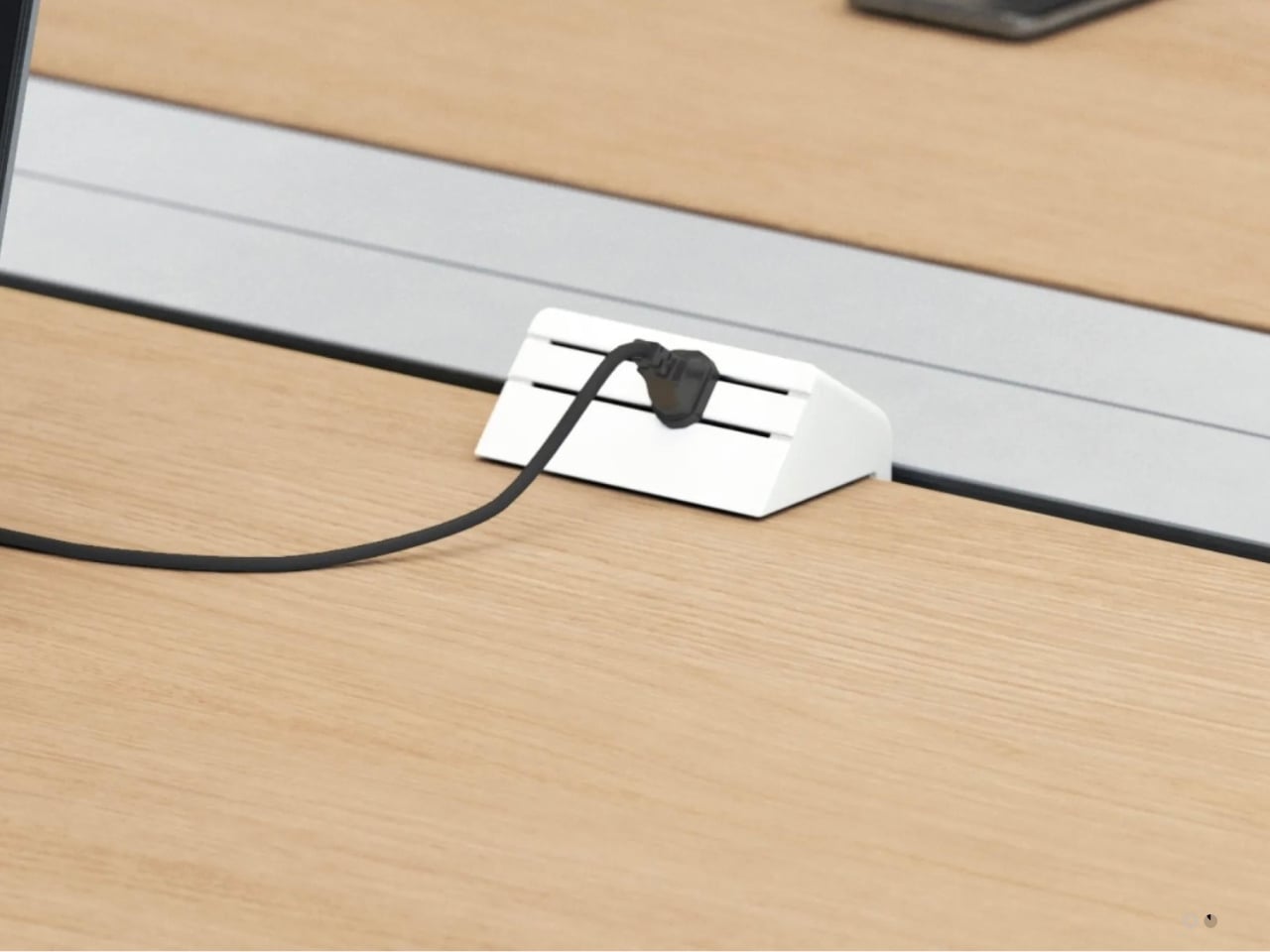
The broader cultural moment around this kind of design is real and worth acknowledging. Desk setups have become genuinely personal statements. People spend real money on monitor arms, cable management systems, and custom desk mats to achieve a workspace that feels intentional, curated, even beautiful. A power strip, more than almost any other desk accessory, has historically been the stubborn hole in that aesthetic. The one thing you couldn’t really fix. Kokuyo just fixed it.
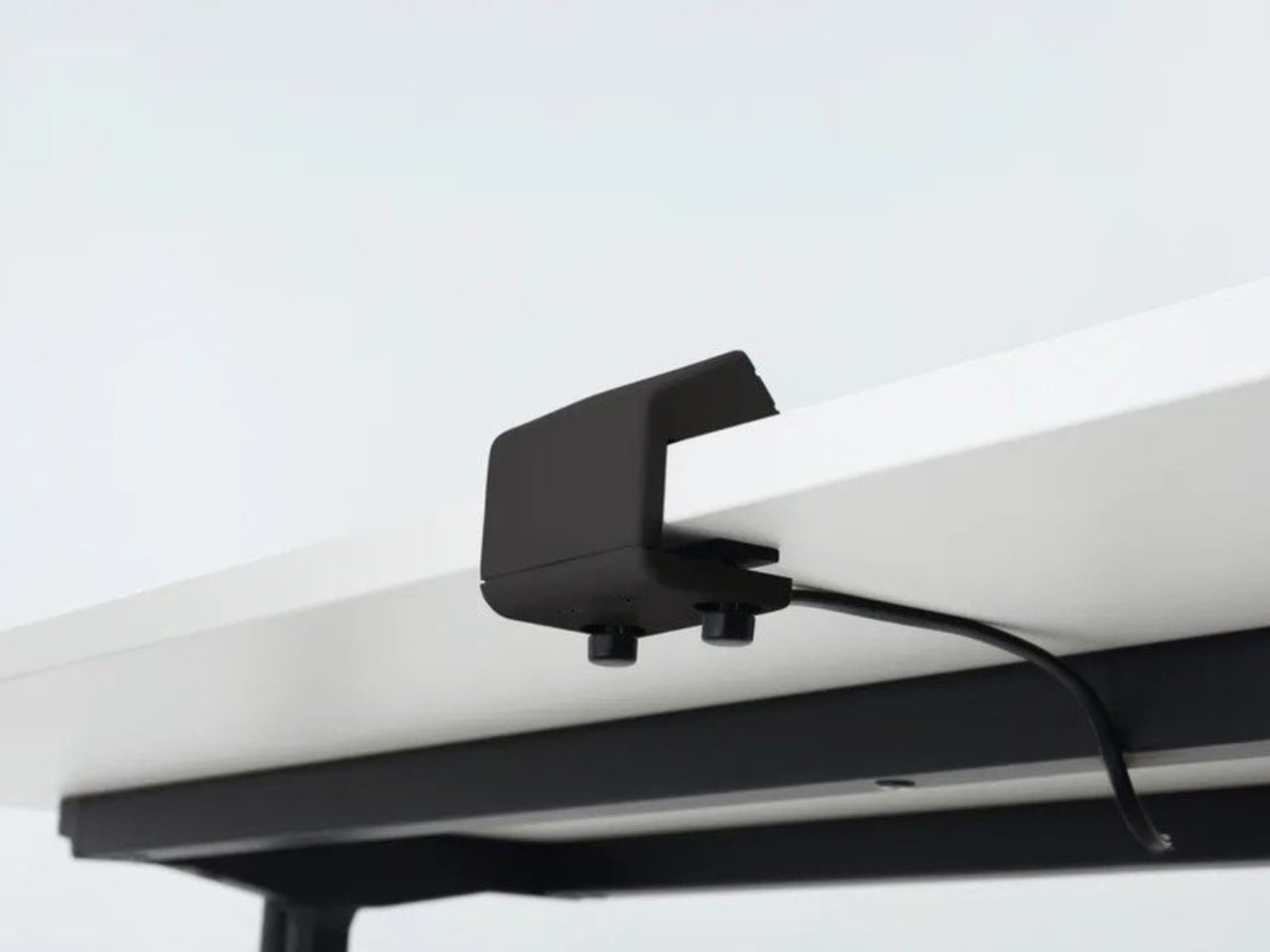
It’s also worth noting that this comes from an office furniture company, not a consumer electronics brand trying to go premium. Kokuyo makes desks, chairs, storage systems. They think about workspaces at an architectural scale. Designing a power strip that integrates with a desk rather than just sitting on or under it makes sense coming from that perspective. The Energy Line isn’t a gadget playing at being furniture. It’s furniture thinking that got applied to a gadget.
Whether you’re the kind of person who obsesses over every detail of your workspace or someone who just wants a cleaner desk without thinking too hard about it, the Energy Line is hard to dismiss. It doesn’t ask you to care about design. It just rewards you if you do. It’s genuinely rare that a product this utilitarian solves a problem this old in a way that feels this obvious in hindsight.