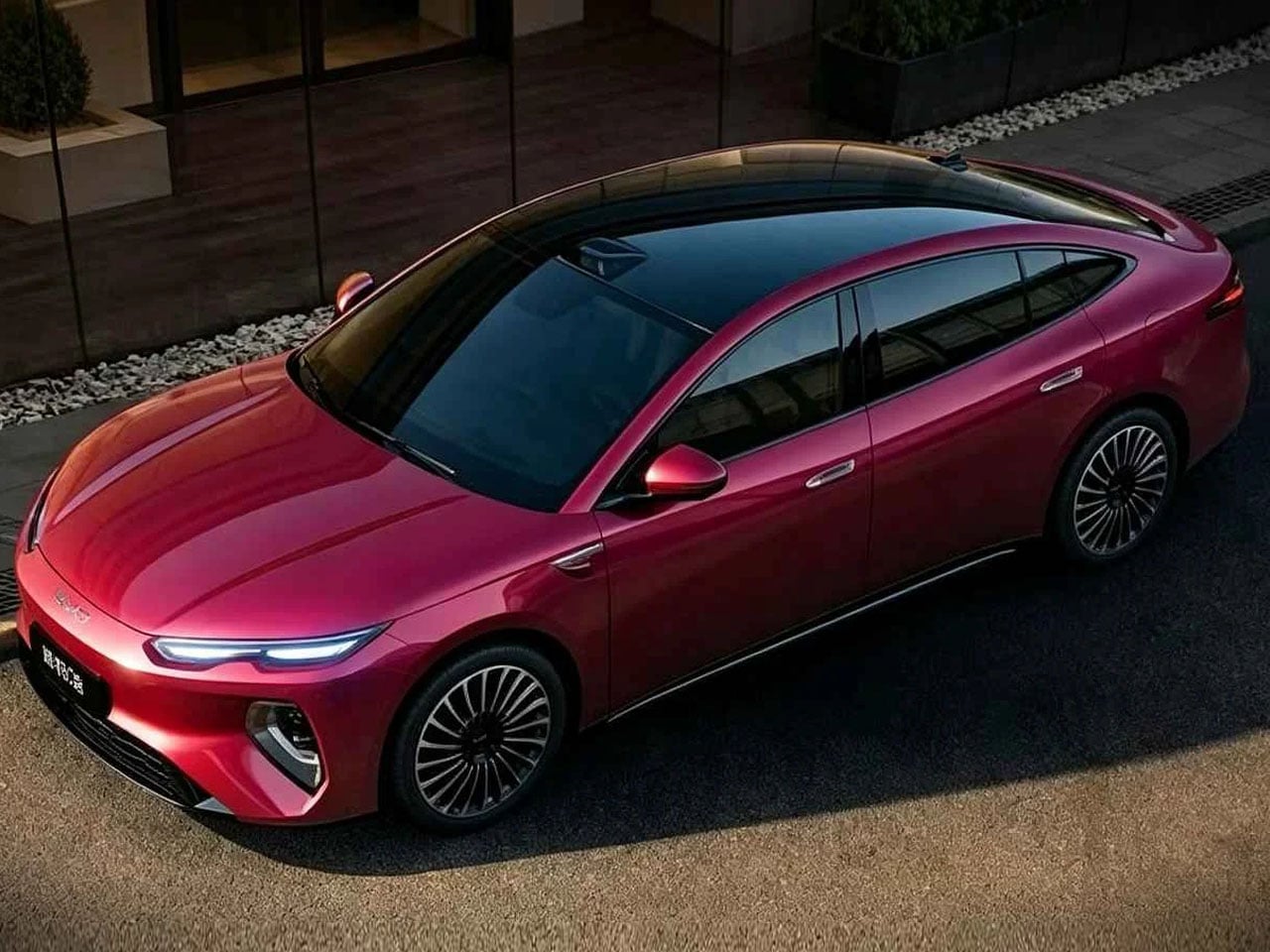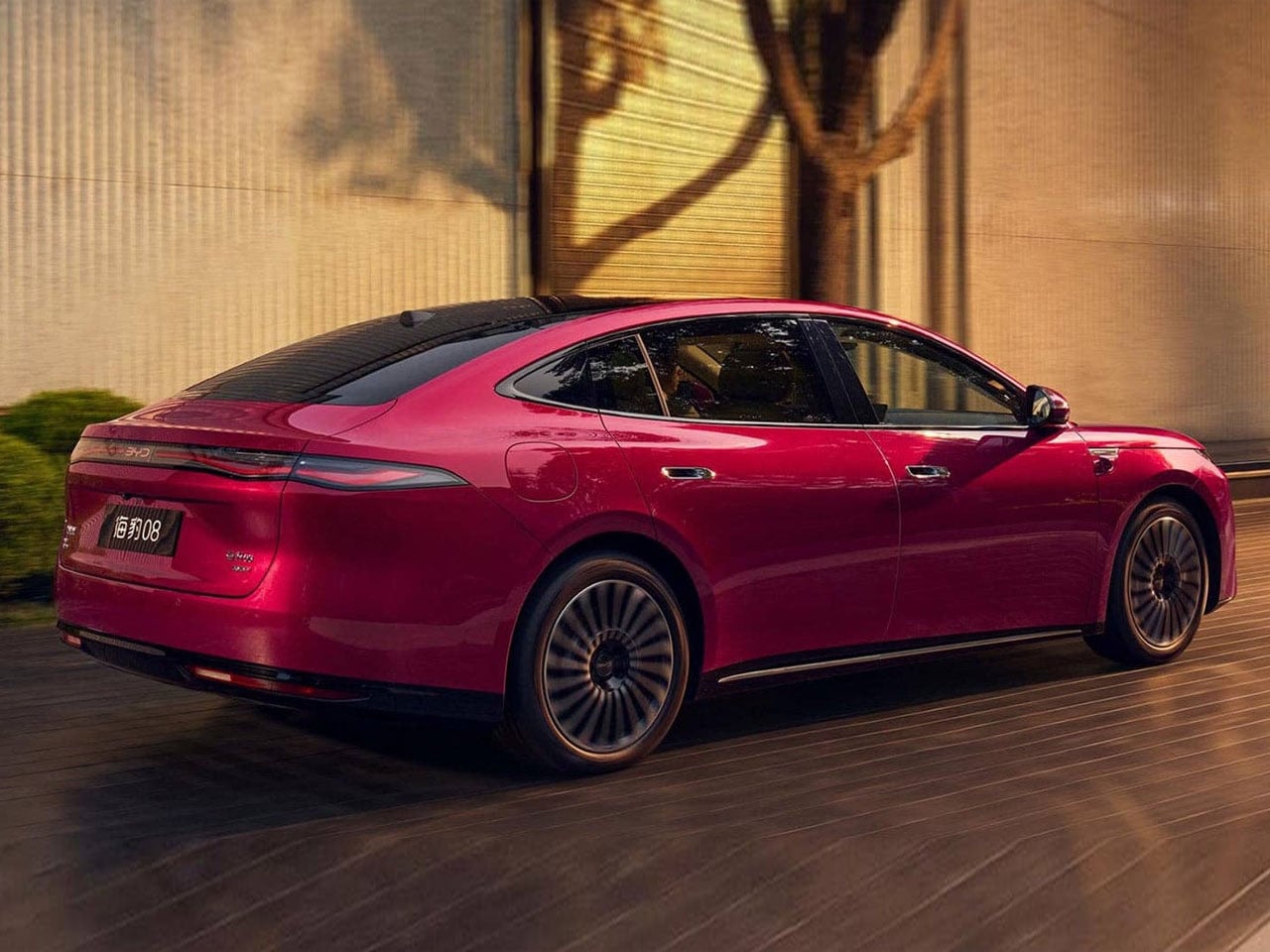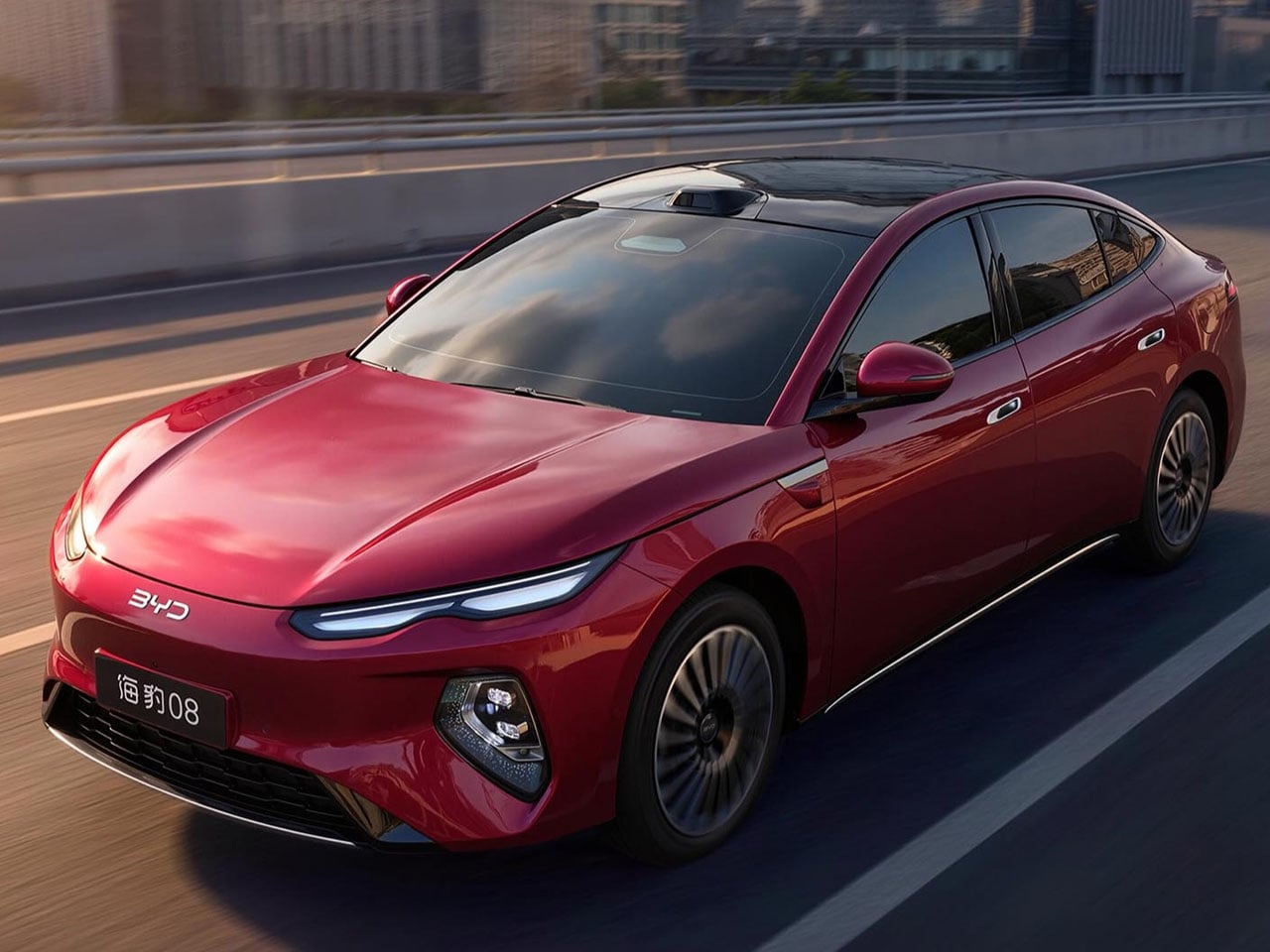

Six days after its official debut in China, the BYD Seal 08 is already making headlines for reasons beyond its specifications. The flagship sedan entered one of the industry’s most competitive segments with a starting price of 196,900 yuan (around $29,000). Interestingly, it offers the kind of technology typically associated with luxury electric sedans costing significantly more.
Available in three battery-electric (BEV) variants and three plug-in hybrid (DM-i) models, Seal 08 EV also recorded around 65,000 locked orders within its first 30 hours. A very strong signal that BYD’s strategy of combining premium engineering with mass-market pricing is resonating with buyers. The automaker is headstrong with its strategy for the future, aiming to dominate the commercial market segment and also having ambitions to be the first Chinese automaker to occupy the Formula-1 paddock spot by 2027. Of course, how can one forget their ambition to surprise the hypercar dreams with the marque offshoot Fang Cheng Bao.
Designer: BYD
Flagship Sedan With Mass-Market Pricing
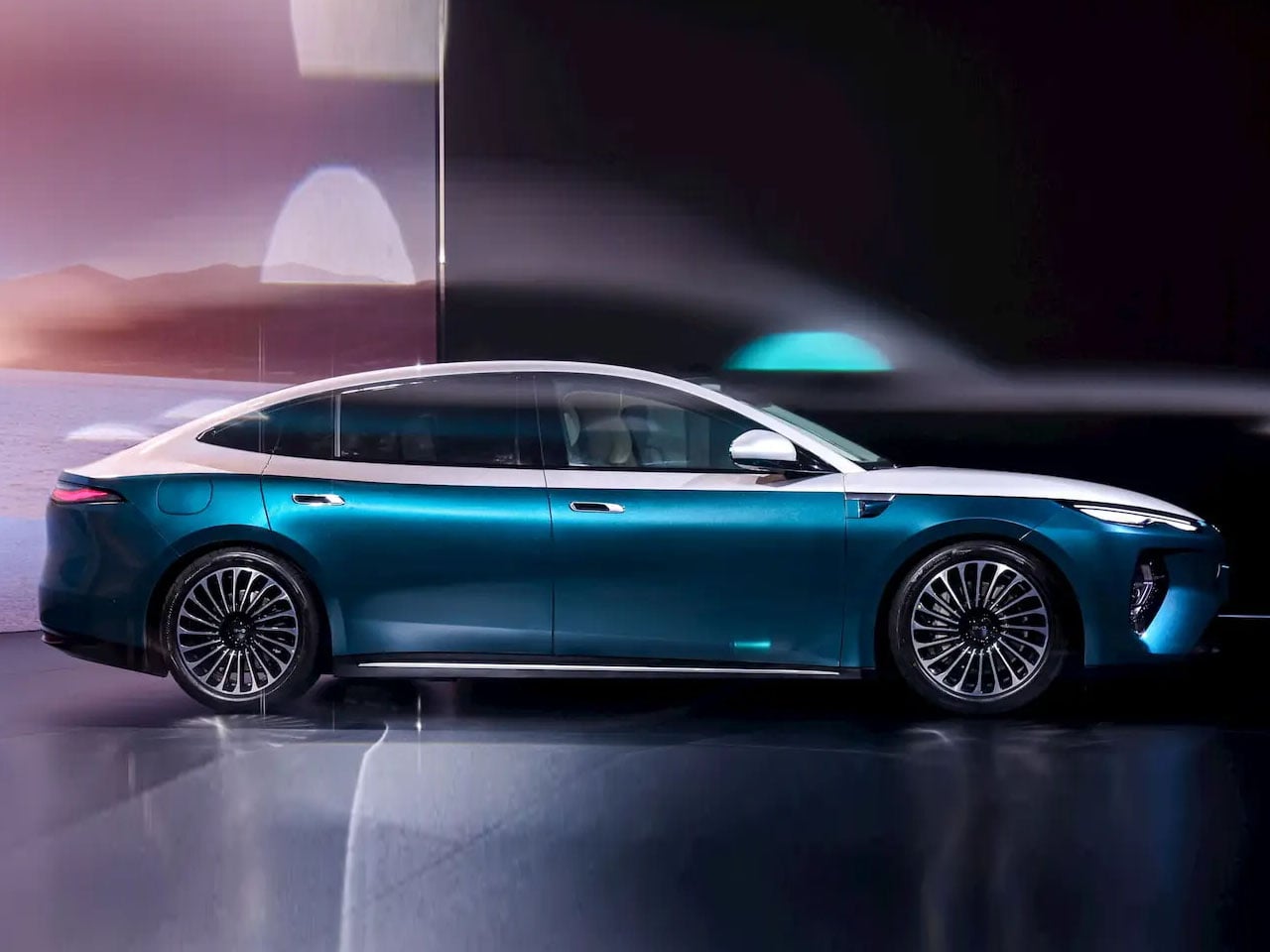
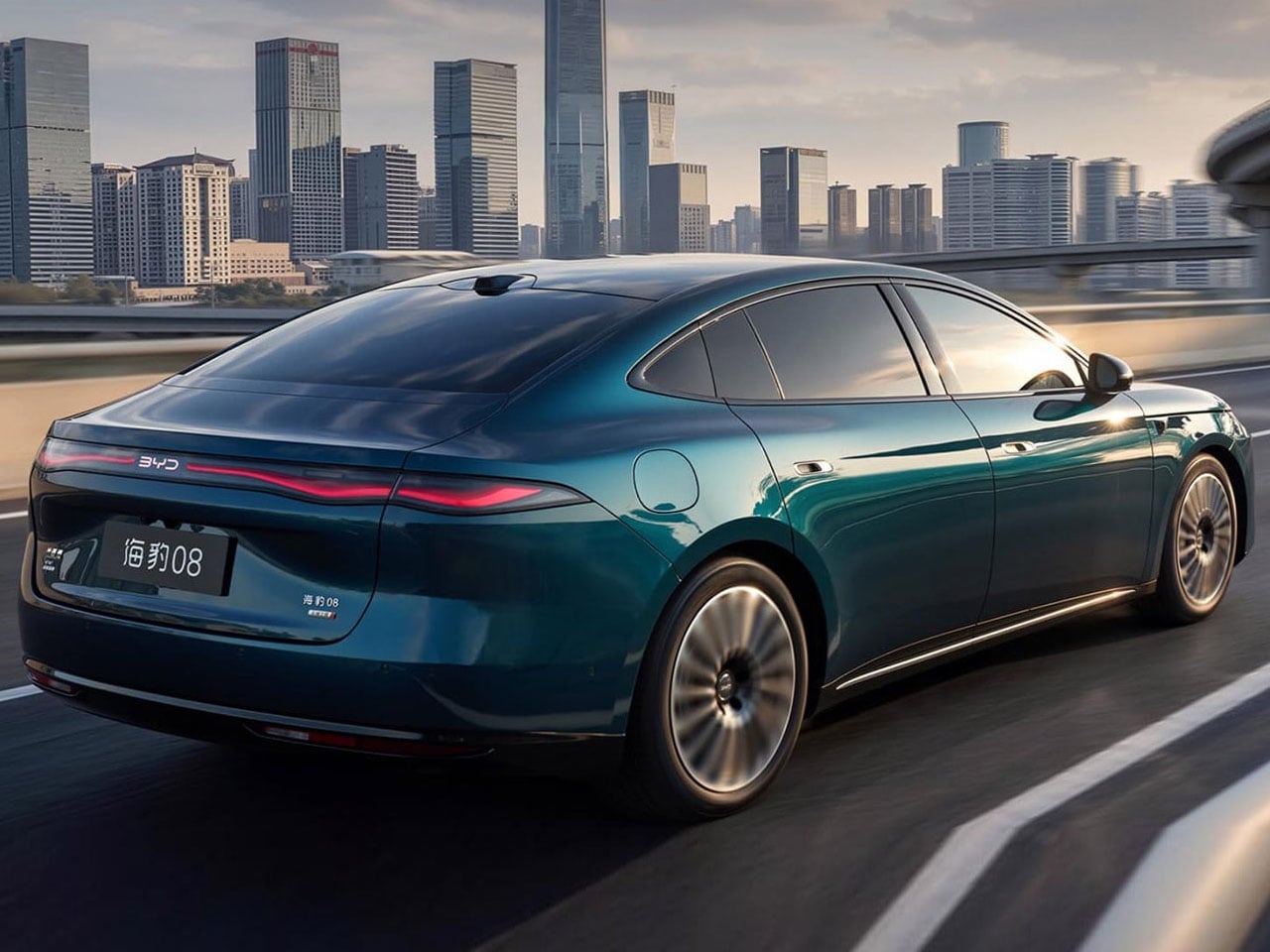
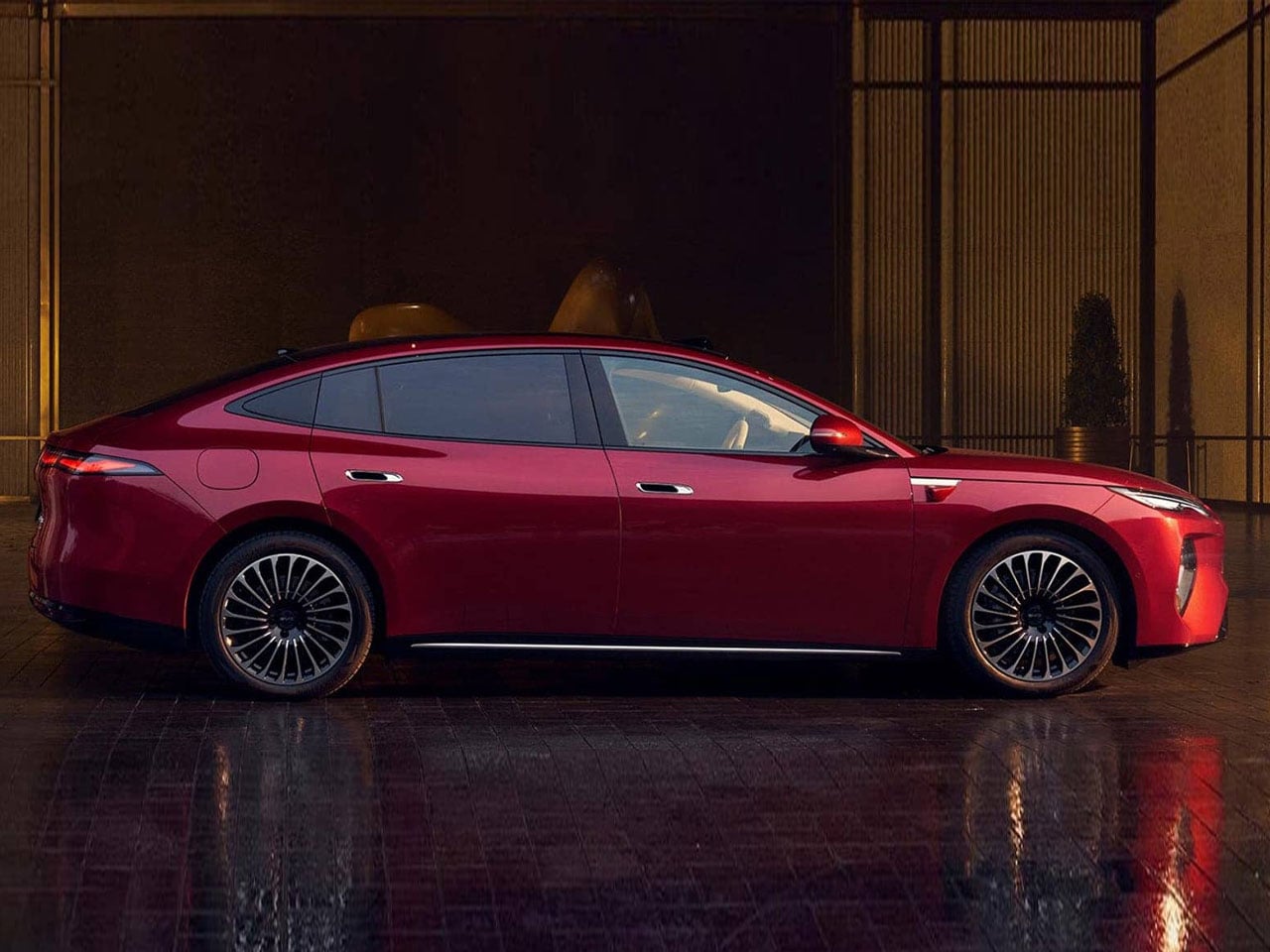
At 5,150 mm long with a 3,030 mm wheelbase, the Seal 08 is flush in the large sedan category, placing it alongside executive cars rather than mainstream family sedans. It adopts BYD’s latest Ocean Aesthetics 2.0 design language, characterized by clean surfaces, flowing proportions, flush door handles, and slim lighting elements that give the four-wheeler an understated yet premium appearance.
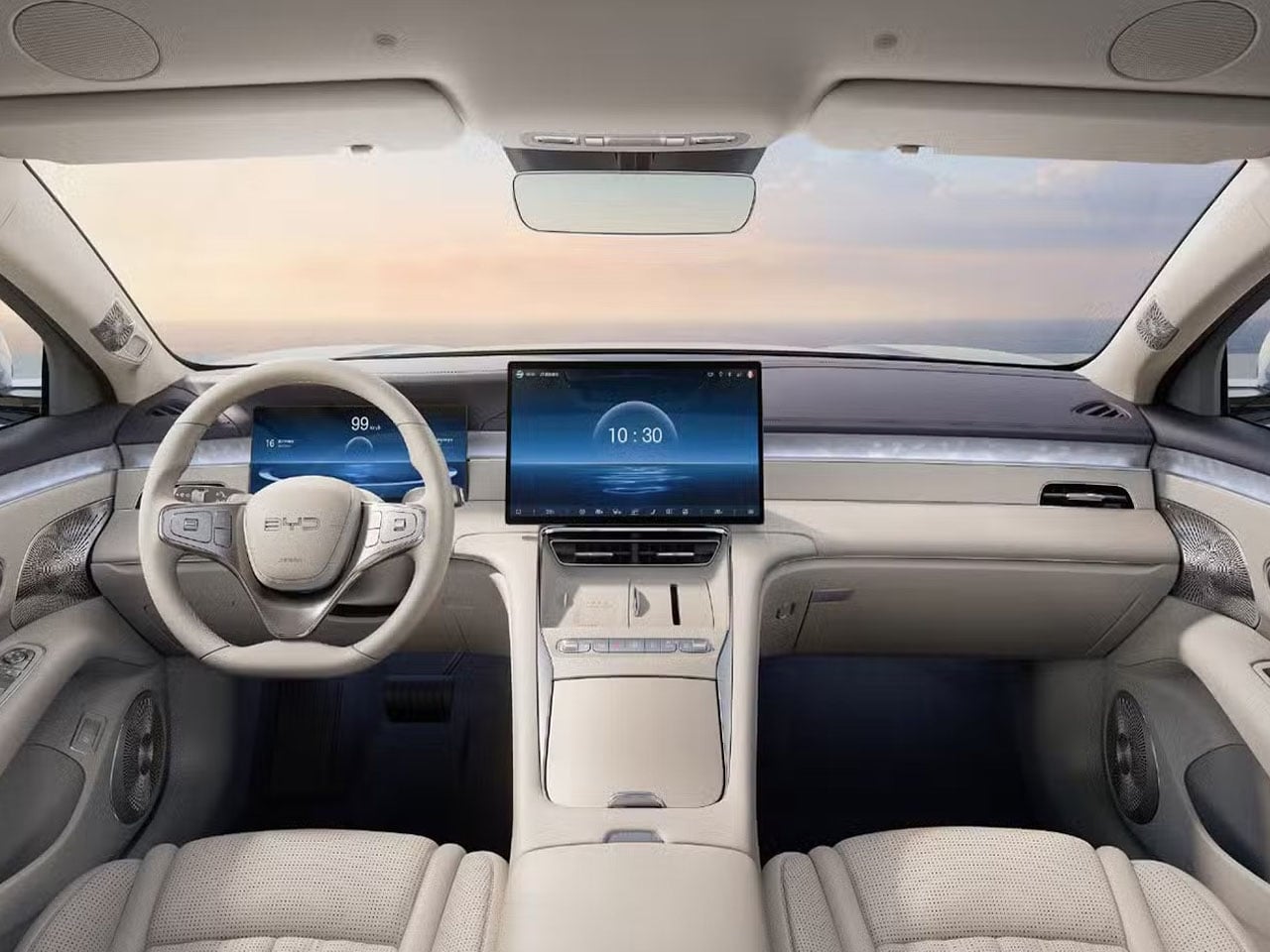
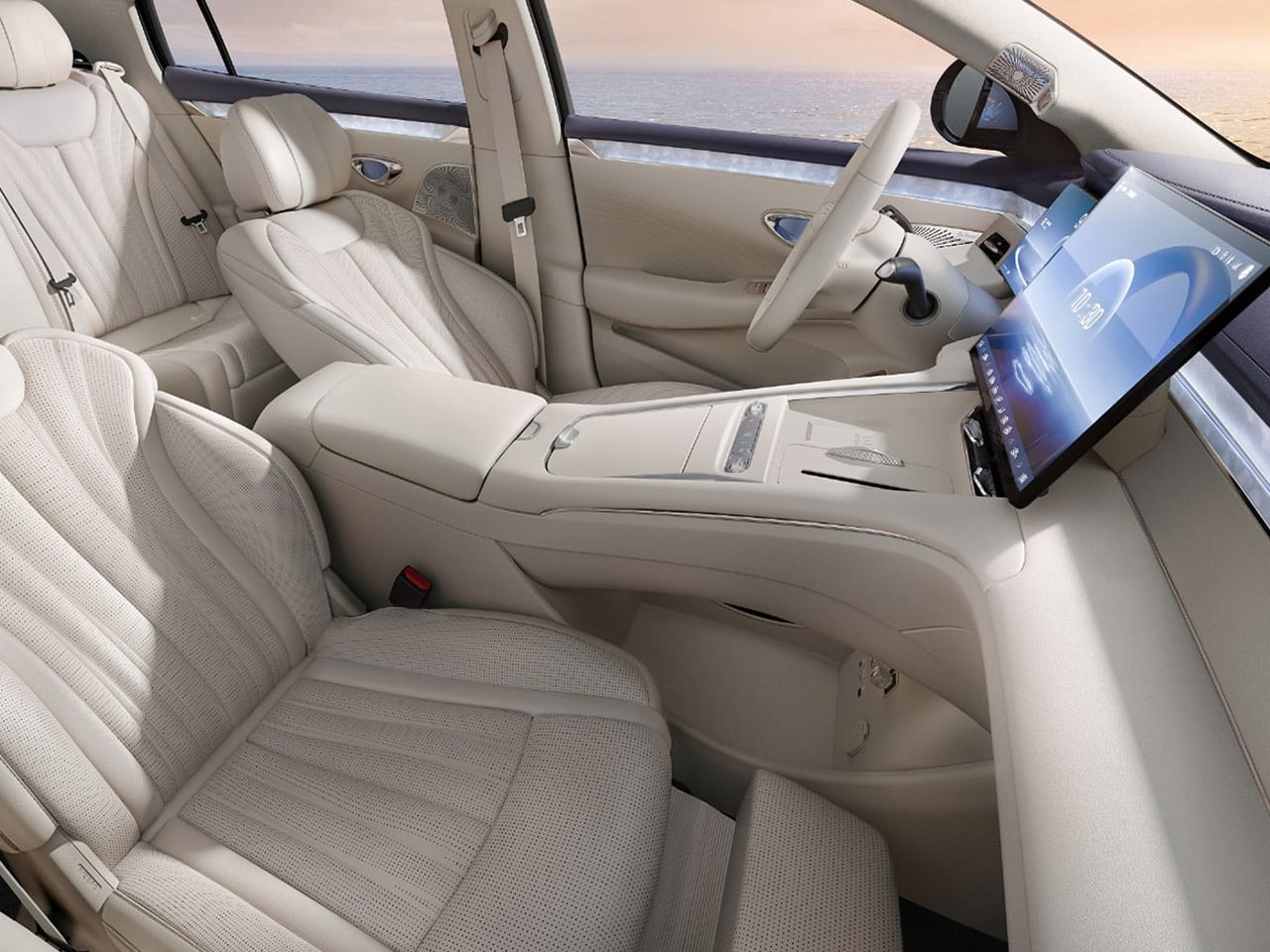
The interior follows the same philosophy. A floating central infotainment display anchors a clean dashboard layout, while the spacious cabin emphasizes comfort without overwhelming occupants with an excess of controls. The long wheelbase translates into generous rear-seat room, reinforcing the Seal 08’s positioning as a flagship designed for both daily commuting and long-distance travel.
Pricing of the EV is perhaps the biggest surprise. Starting below $30,000, the sedan undercuts many rivals while delivering dimensions, technology, and equipment usually reserved for vehicles in a much higher price bracket, like the Hyundai IONIQ 5. That value proposition helps explain why dealerships reported tens of thousands of orders shortly after sales opened.
Premium Hardware Usually Reserved for Luxury Cars
Beyond its size and styling, the Seal 08 showcases BYD’s latest engineering advancements. The battery-electric models are built on an 800V high-voltage architecture, enabling ultra-fast flash charging that significantly reduces charging times compared to conventional EV platforms. The sedan also debuts BYD’s Blade 2.0 battery, an evolution of the company’s well-known Blade battery technology. The new pack is designed to improve charging efficiency, energy density, and safety while supporting the vehicle’s long-range capabilities.
Higher trims introduce features that remain uncommon at this price point. DiSus-A intelligent air suspension continuously adjusts ride height and damping to improve comfort and stability, while rear-wheel steering enhances maneuverability in tight spaces and increases stability at highway speeds. Together, these systems give the Seal 08 a technology package more commonly associated with premium European luxury sedans. BYD also offers impressive driving range figures. The top BEV variant claims up to 905 km on the Chinese CLTC testing cycle, while the plug-in hybrid version combines electric power with a fuel engine for a claimed total range of 1,660 km. Although real-world driving distances are typically lower than CLTC ratings, both figures position the Seal 08 among the longest-range vehicles in its segment.
Why Seal 08 Matters Beyond China
The much hyped EV arrives at a pivotal moment for BYD. During the same week as the launch, reports indicated that the company had reclaimed the global battery-electric vehicle sales crown from Tesla after delivering roughly 557,000 BEVs in the second quarter of 2026. That context makes the Seal 08 more than just another product launch. It shows how BYD’s vertically integrated business model of designing its own batteries, electric drivetrains, semiconductors, and vehicle platforms allows it to deliver flagship-level technology at prices competitors struggle to match.
Rather than treating the battery as just another component sourced from a supplier, BYD has built an entire vehicle ecosystem around its battery expertise. The result is a sedan that combines advanced charging technology, sophisticated chassis systems, generous range, and premium comfort without carrying the premium price tag traditionally attached to such features. For global automakers, the electric vehicle raises an important question: if a flagship electric sedan with air suspension, rear-wheel steering, an 800V architecture, and a next-generation battery can start at around $29,000, how long can premium pricing remain the industry’s default? Judging by the first 65,000 orders, consumers may have already begun answering that question.