
Some buildings house culture, and there are buildings that ‘become’ it. The Shanghai Grand Opera House, designed by Snøhetta in collaboration with East China Architectural Design & Research Institute (ECADI), Theatre Projects, and Nagata Acoustics, belongs firmly to the second category. Completed in June 2026 on the convex banks of the Huangpu River, it is set to open to the public in the second half of the year — and it is already one of the most talked-about architectural completions on the planet.
The project began with an international competition win in 2017 and was formally commissioned in 2019. What Snøhetta has delivered since is a building that doesn’t just occupy its site — it reshapes your relationship with it. Positioned in Shanghai’s Houtan neighborhood, a district that has been steadily rebuilt around an ecological and low-carbon vision since the 2010 World Expo, the opera house was always meant to function as a cultural anchor. The radial landscape surrounding it was designed to harmonize with the building’s geometry, pulling the eye toward the river and the skyline with deliberate, unhurried intention.
Designer: Snøhetta
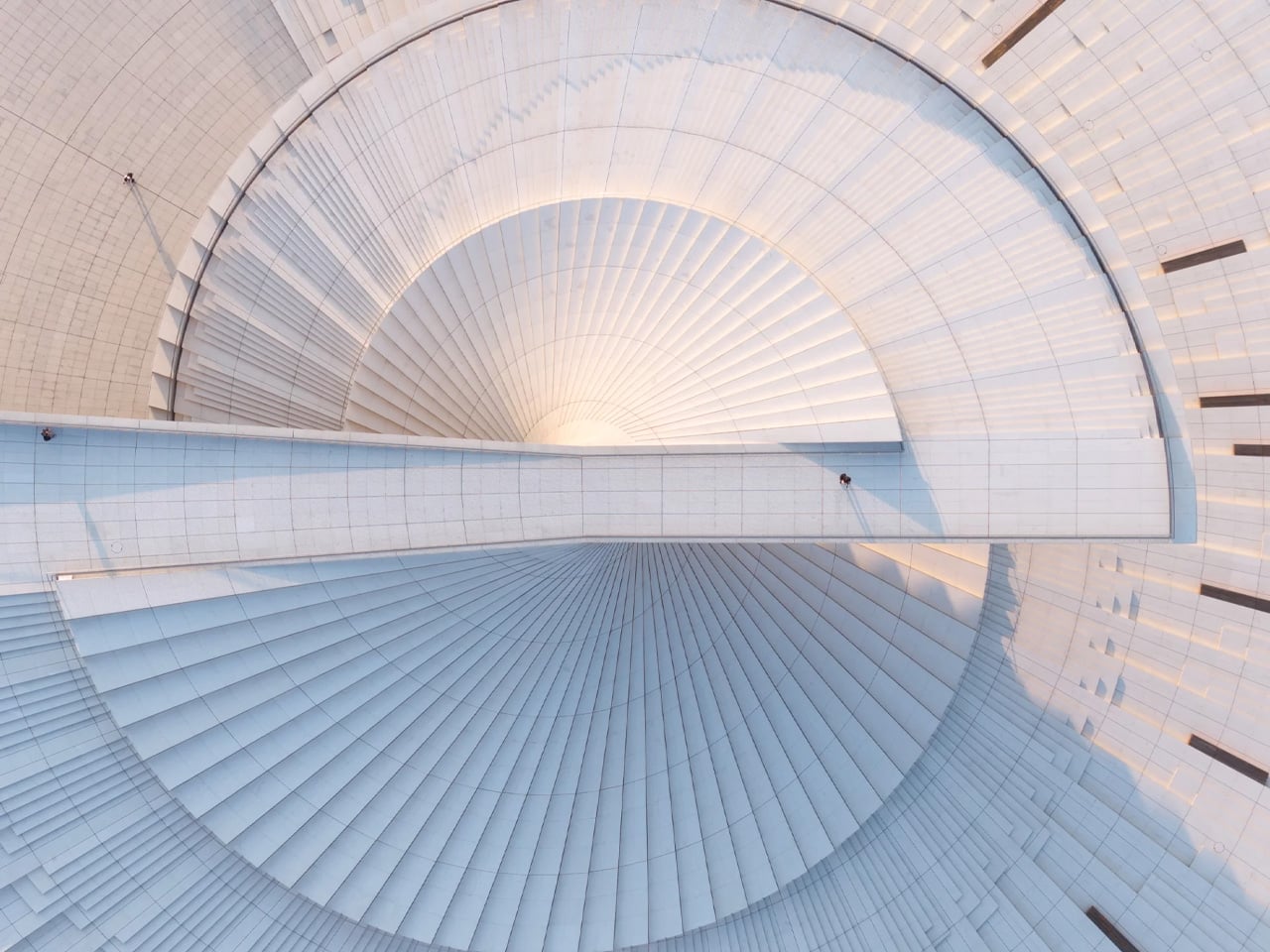
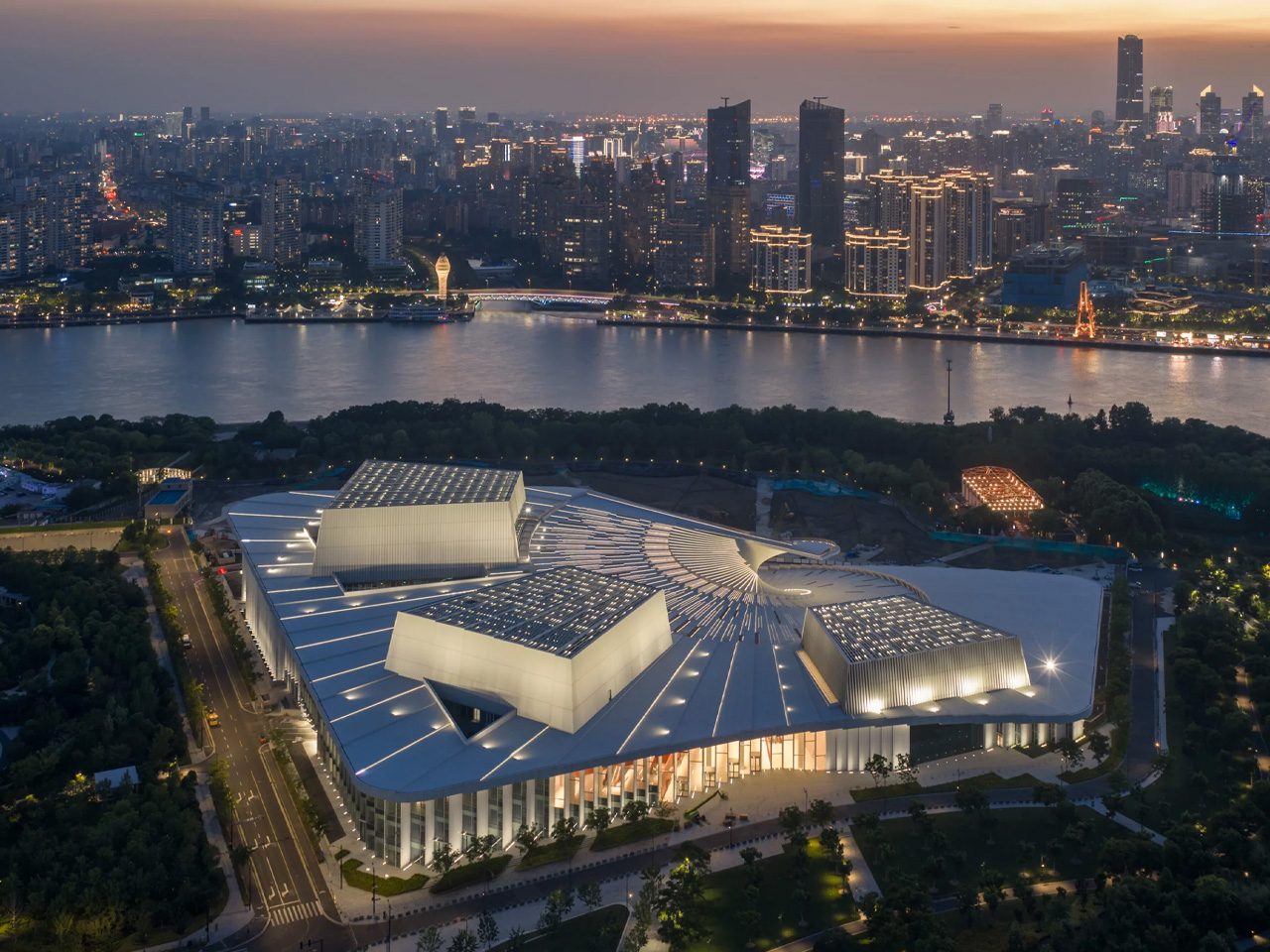
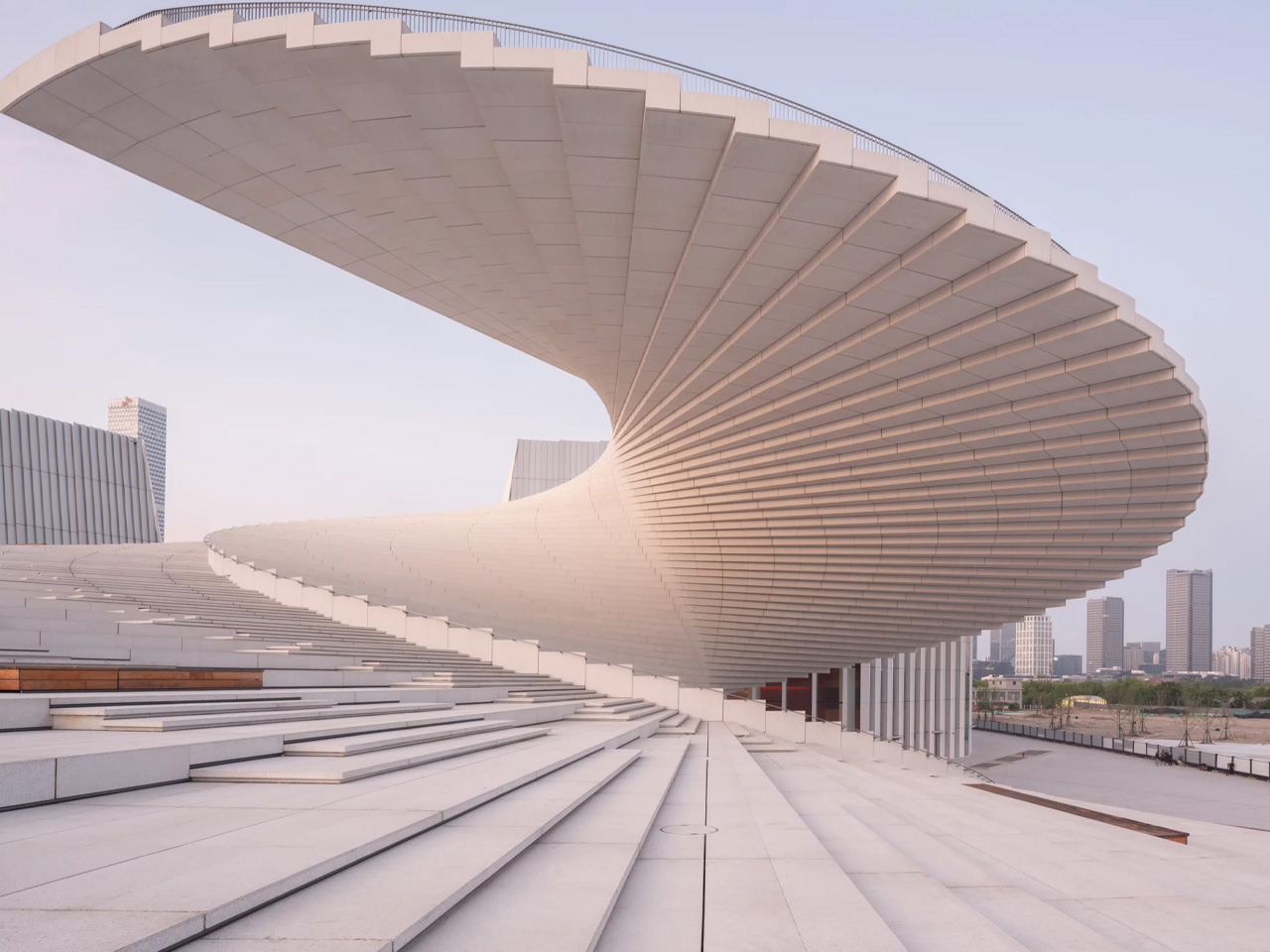
The architecture is defined by its helical roof — a sweeping, continuous surface that unspools like an opening fan. The reference is not decorative. The form draws from the dynamism of dance and the fluid articulation of the human body, and it does so with conviction. A spiraling staircase rises through the structure, connecting the ground to an observation deck that sits open to the public 24 hours a day, every day of the year. Snøhetta has always argued that civic buildings should belong to everyone, not just ticket-holders. Here, that argument is built into the architecture itself.
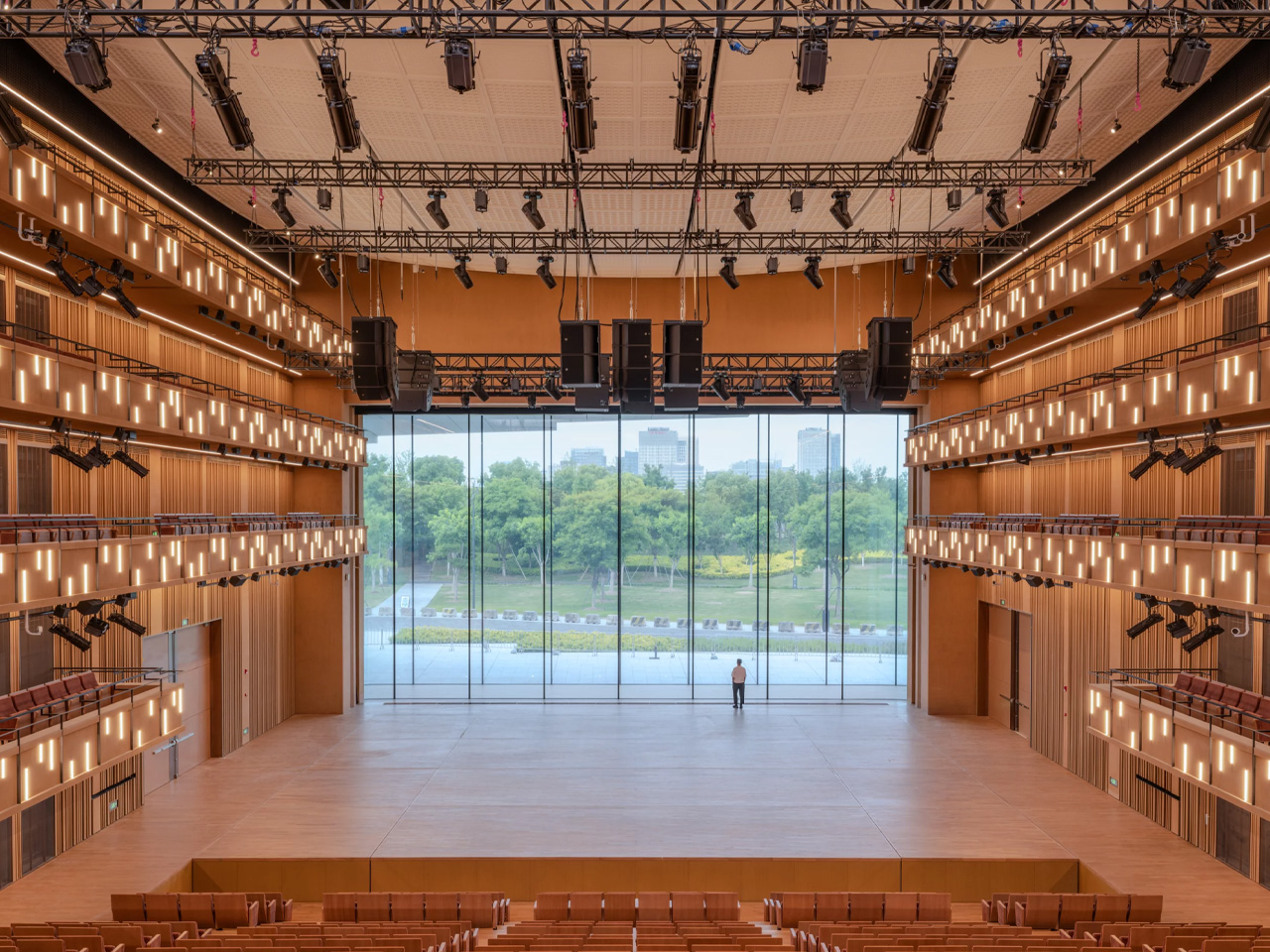
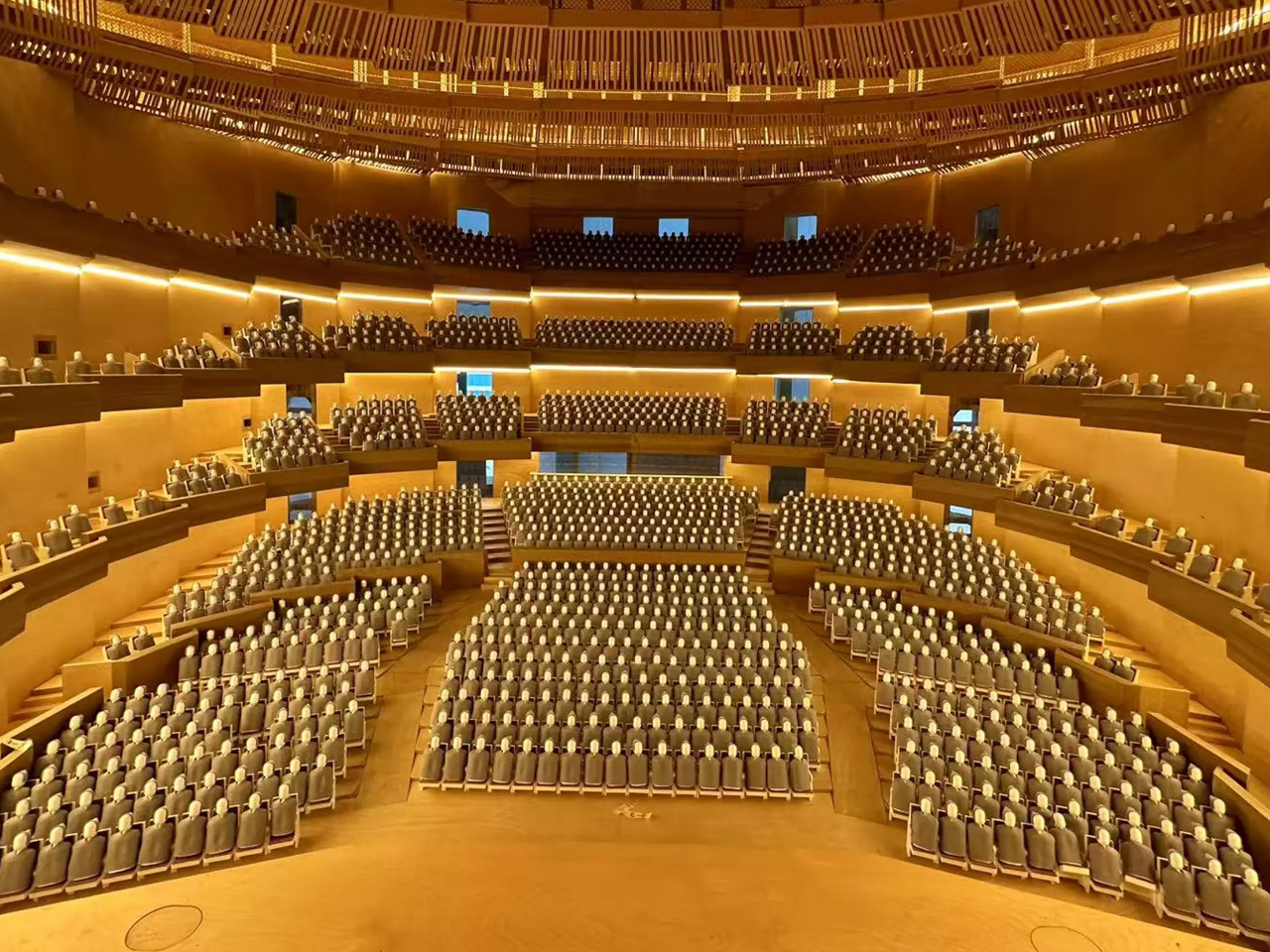
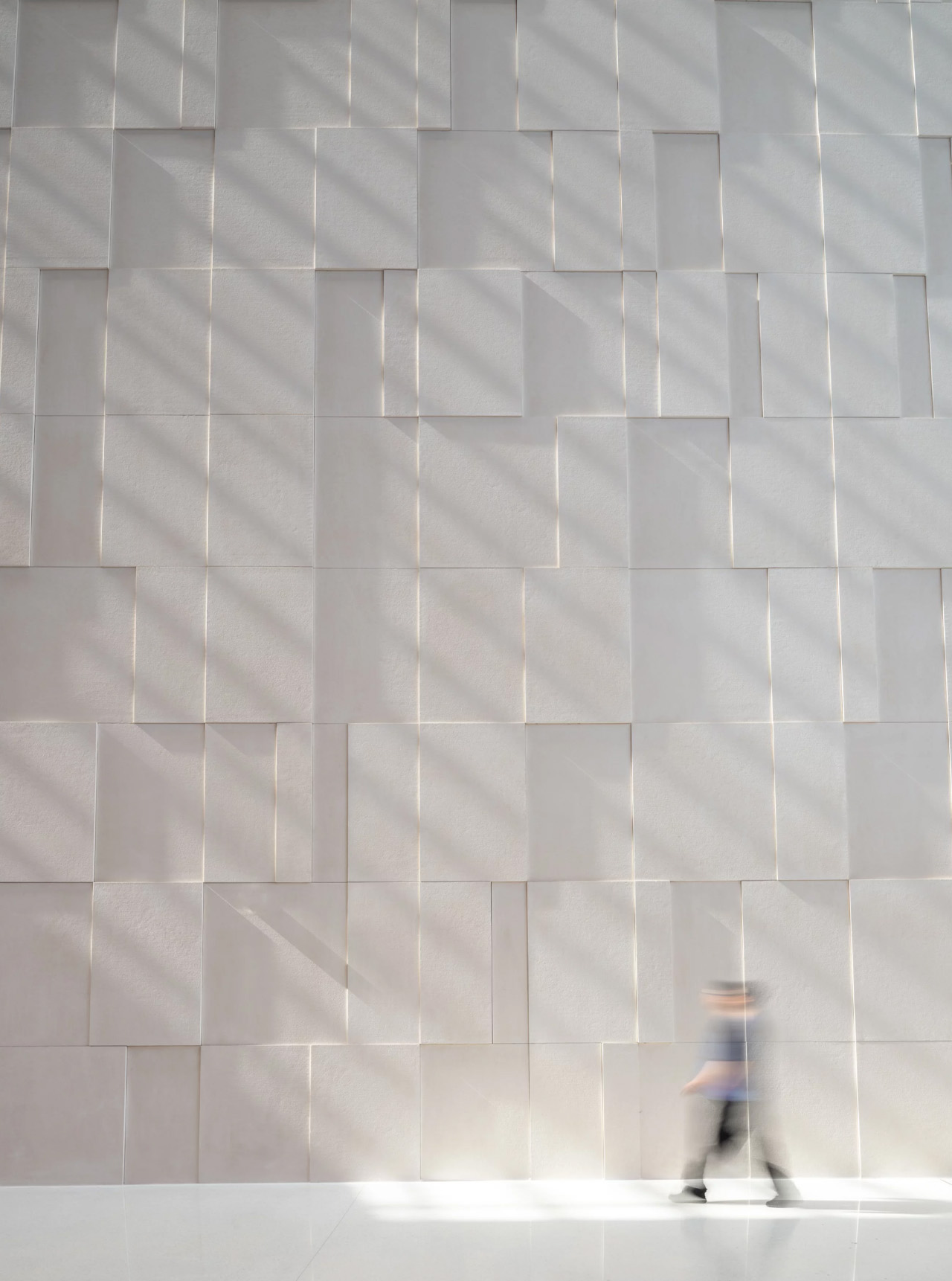
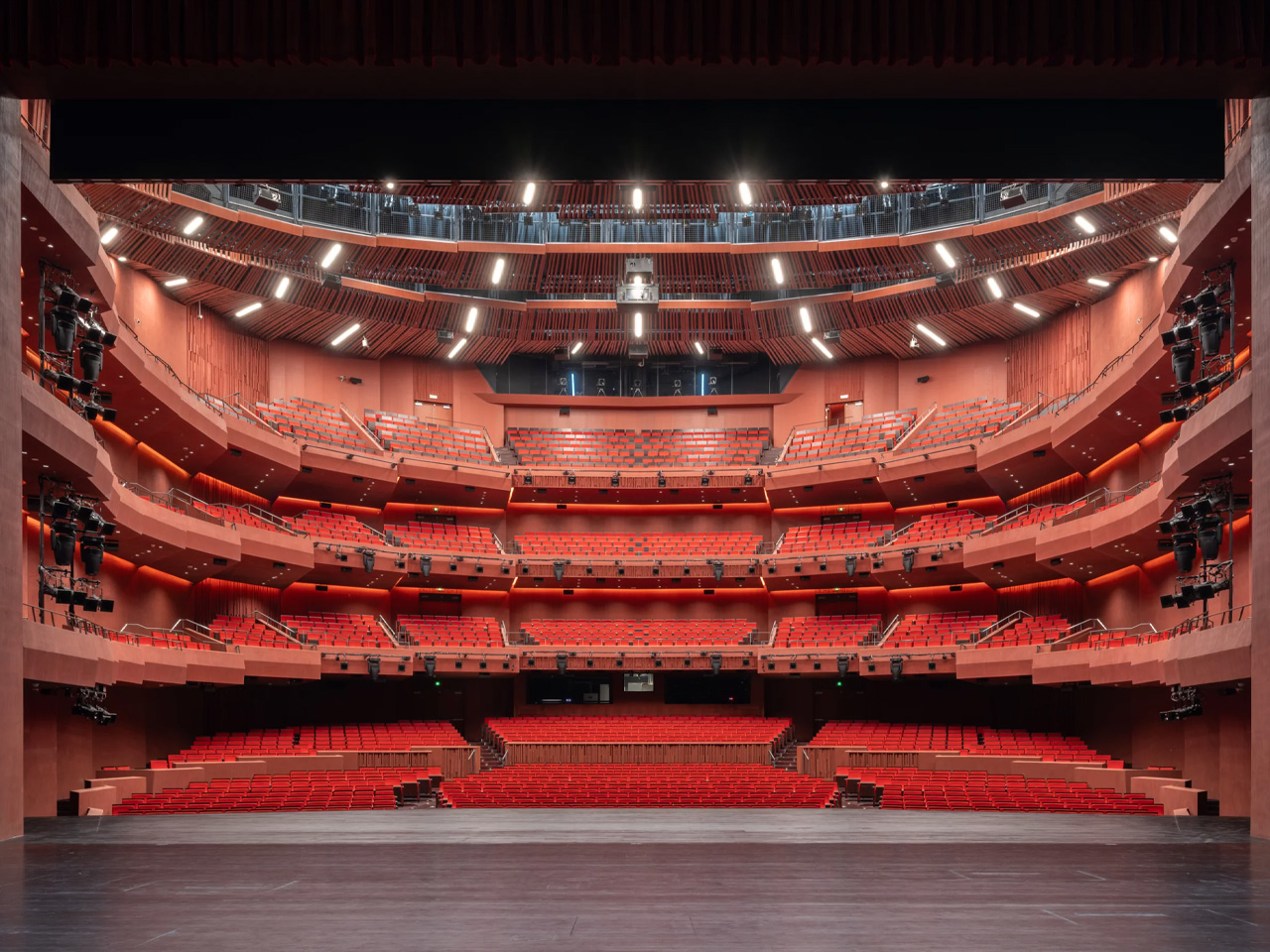
Inside, three performance venues sit beneath that roof. The main auditorium holds 2,000 seats and was developed with Nagata Acoustics to meet international acoustic standards for opera and large-scale productions. A 1,200-seat secondary hall offers a more intimate context for mid-scale work, while a 1,000-seat flexible theater can be reconfigured for experimental staging. The interior material language contrasts sharply with the white exterior — oak floors and dark-stained wood line the halls, warm and resonant, designed as much for the ear as for the eye. Expansive glass facades shift the lobby atmosphere across the hours, and at night the stage towers illuminate the riverfront like lanterns.
Snøhetta founder Kjetil Trædal Thorsen has described the project as a culmination of the firm’s performing arts work — from the Norwegian National Opera and Ballet to the Busan Opera House in South Korea. Looking at what has risen on the Huangpu River, that lineage is visible. So is the ambition to go further.