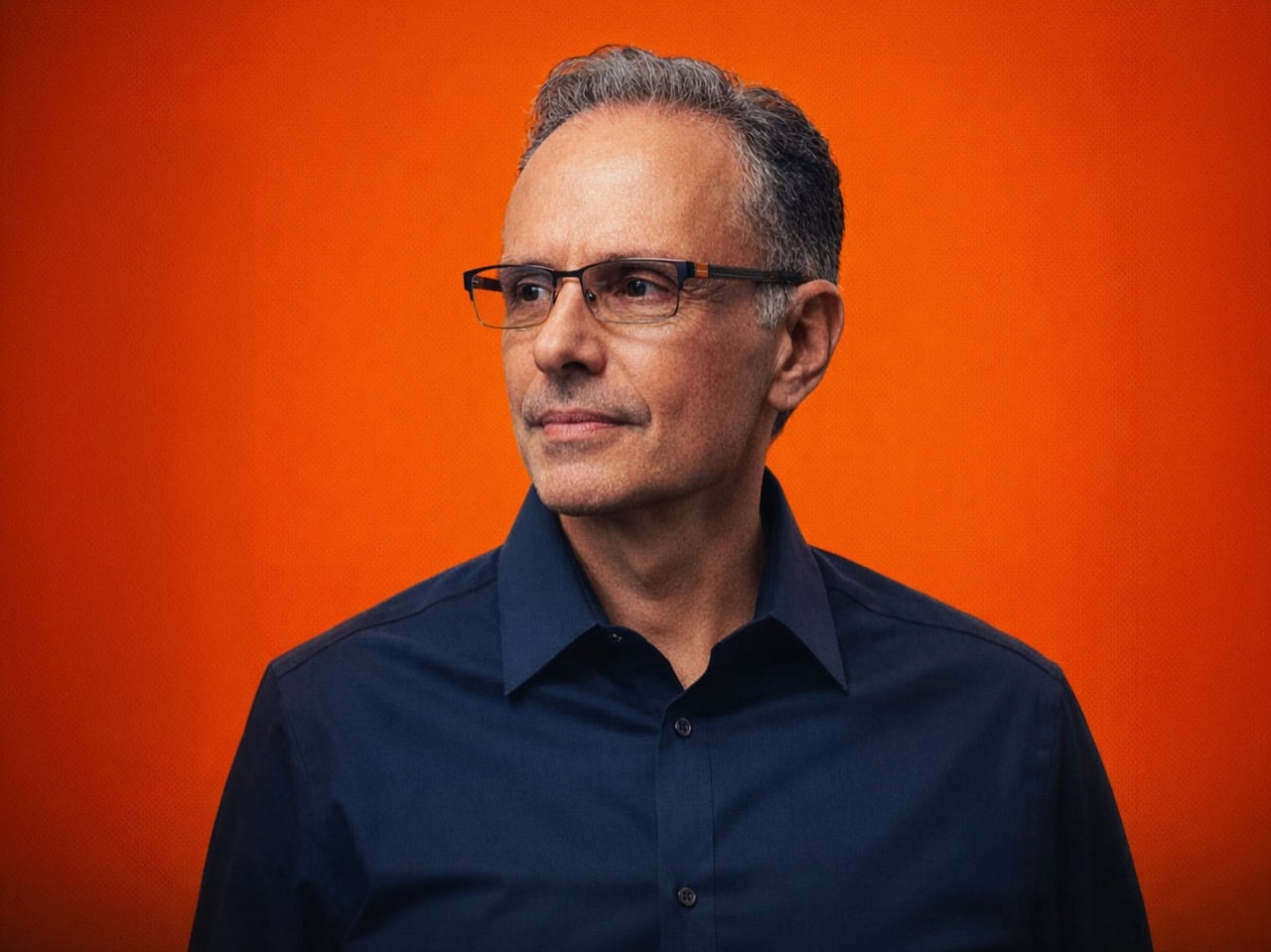

Every great Apple product from the last thirty years came out of a partnership. Steve Jobs had Jony Ive, a designer with more operational power than anyone at Apple except Jobs himself. Tim Cook inherited that dynamic in 2011, and over the next fifteen years the industrial design studio slowly lost its seat at the executive table, with finance and operations gaining a larger say over product direction. Bloomberg’s Mark Gurman has described the current studio as a shell of what it used to be, briefed by other teams rather than briefing them. That is the Apple John Ternus takes over on September 1, 2026, and his choice of number two says everything about where the next decade is headed.
Johny Srouji became Apple’s Chief Hardware Officer on April 20, 2026, a title that did not exist a day earlier. The role folds Apple’s hardware engineering group, previously run by Ternus himself, into the hardware technologies organization Srouji has led since 2015. He now controls silicon, batteries, cameras, sensors, displays, storage controllers, cellular modems, product design engineering, and every reliability lab in Cupertino. Ternus is his only boss, which effectively makes Srouji operational number two at a four trillion dollar company. The last time one Apple executive held this much hardware authority, Steve Jobs was still alive and Bob Mansfield was running the show.
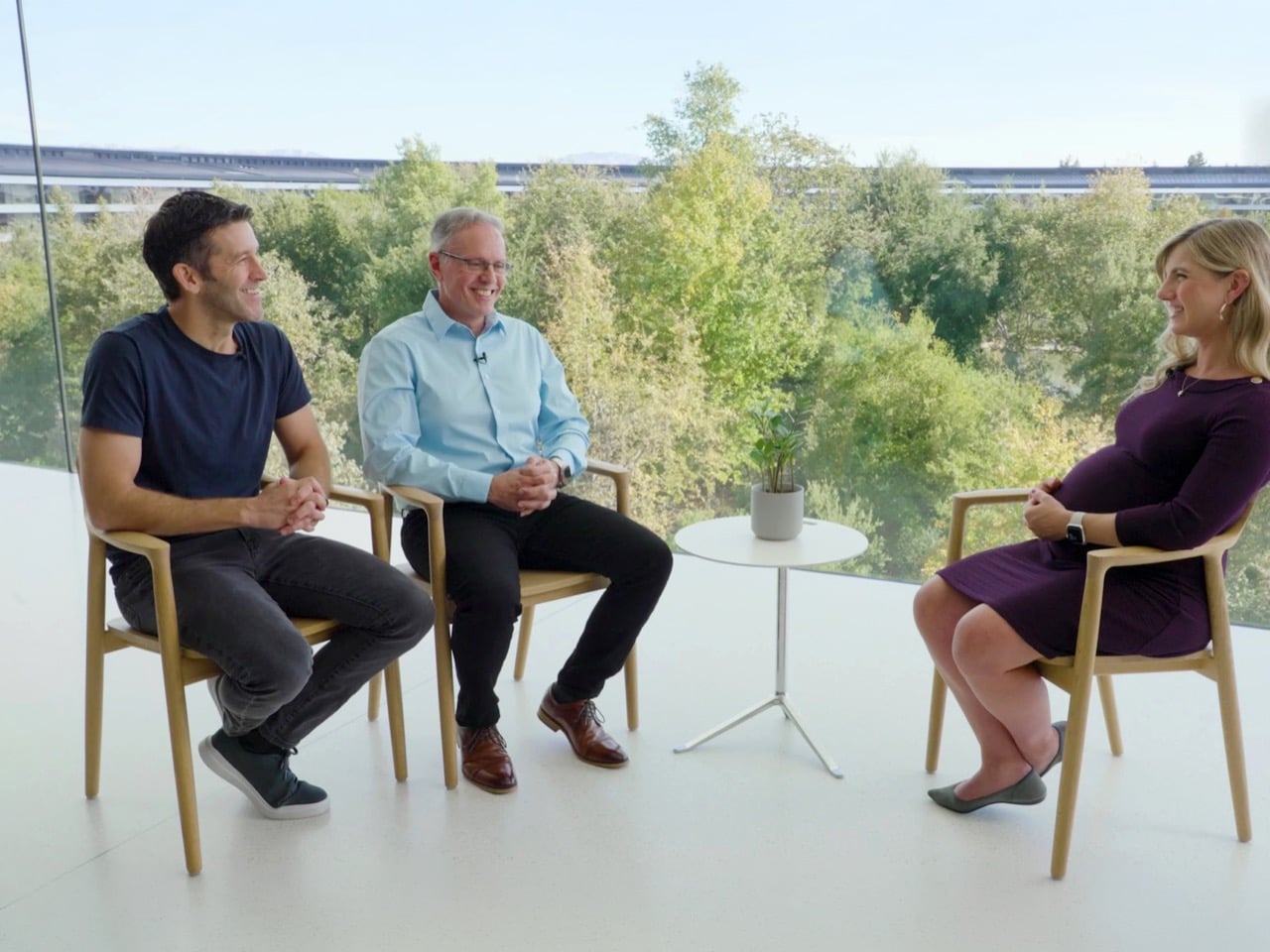

Srouji was born in 1964 in Haifa, the third of four children in a middle-class Arab Christian family, his father a carpenter who built casting molds by trade. He studied computer science at Technion, graduating summa cum laude on his bachelor’s and magna cum laude on his master’s. Before Apple came calling, he had already done processor design at Intel Austin and managed IBM’s POWER7 CPU. Bob Mansfield recruited him in 2008 to build a chip Apple did not yet know how to design, which became the A4 that launched inside the first iPad and iPhone 4. Colleagues describe him as no-nonsense, allergic to technical vagueness, and unwilling to accept anything less than the hard truth about what silicon can and cannot do.
Every A-series and M-series chip you have ever used came out of Srouji’s org. His team pulled off the 64-bit A7 in 2013 that caught Qualcomm completely flat-footed, then engineered the M1 transition in 2020 that made Intel Macs obsolete overnight. Apple’s whole vertical integration story, the one that lets a MacBook Air outperform Windows laptops twice its price on battery life, is essentially his life’s work. His team also introduced the Neural Engine in 2017 with the A11 Bionic, quietly laying the groundwork for on-device AI half a decade before the industry decided AI was a talking point. The man who liberated Apple from Intel’s silicon almost got poached by Intel to be their CEO in 2019.
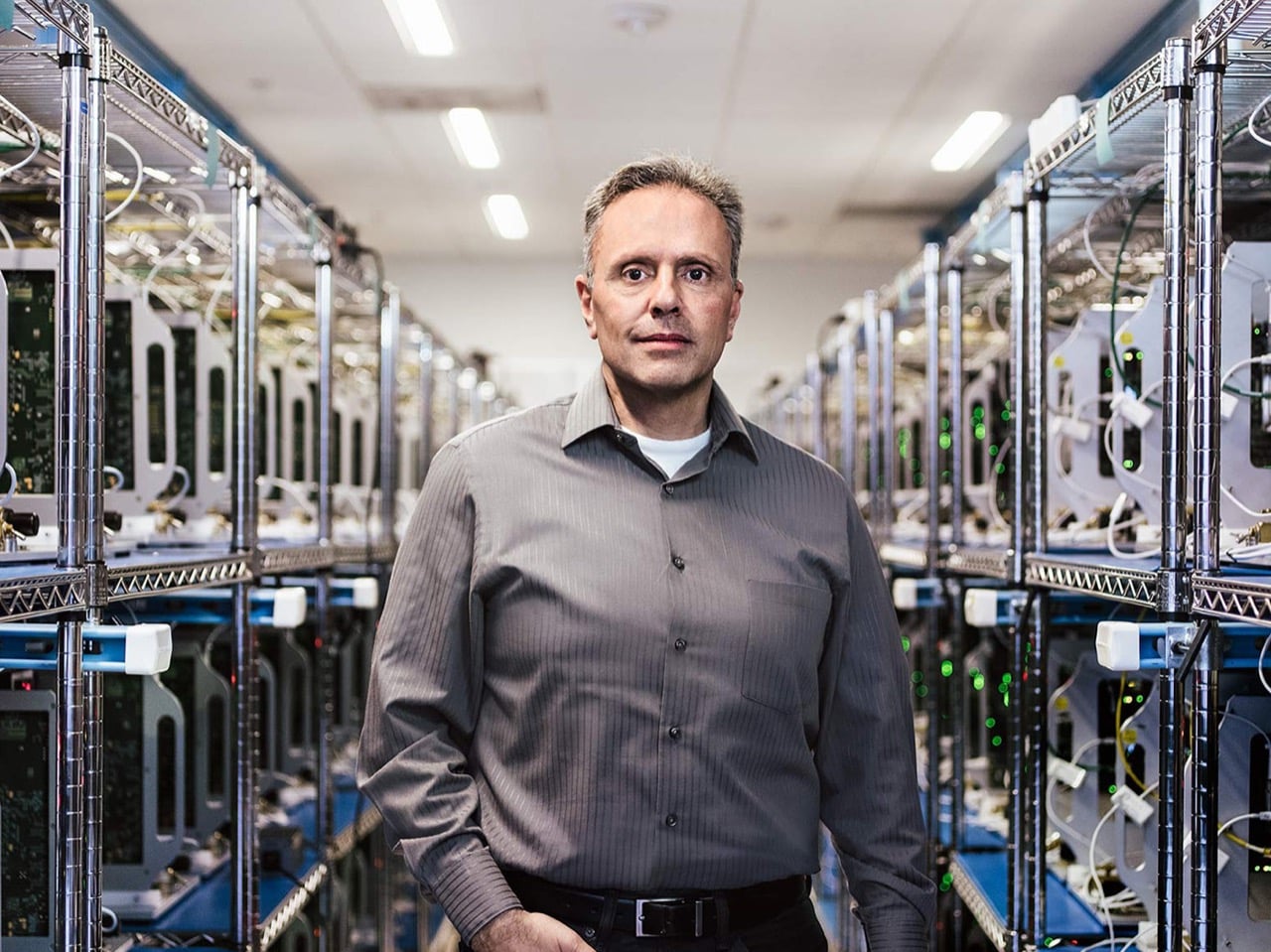
Ive read Dieter Rams and treated industrial design as the ordering principle of a product, sketching an object first and asking engineering to solve for it. Srouji operates from the opposite pole, treating silicon as the ordering principle and letting form factor, material, and thermal envelope adapt to what the chip can do at what power draw. The $599 MacBook Neo Apple launched in March 2026 is the perfect case study, because it only exists as a product because the A18 Pro from last year’s iPhone 16 Pro became efficient enough to run macOS without cooking itself or eating the battery. Ternus led the keynote and got the credit, but Srouji built the runway. That reframing of where design begins, at the wafer rather than the render, is the first coherent thesis about form and function anyone has articulated at Apple since Ive walked out in 2019.
Ternus and Srouji together cover the full stack from atom to product enclosure, which is the tightest hardware leadership Apple has run since Jobs, Ive, and Jon Rubinstein were setting product direction from the same conference room. Srouji has already started restructuring aggressively, splitting hardware into five groups and moving product design authority from veteran VP Kate Bergeron to Shelly Goldberg on Mac and Dave Pakula on Watch, iPad, and AirPods. He has also stood up a new Ecosystems Platforms and Partnerships team led by Matt Costello and Kevin Lynch, the latter of whom runs Apple’s still-secret robotics group. In his internal memo to staff, Srouji wrote that he intends to deepen integration between the silicon teams and the product-creating teams. Translation: the chip designers will now sit closer to the people deciding what the next iPhone actually looks like.
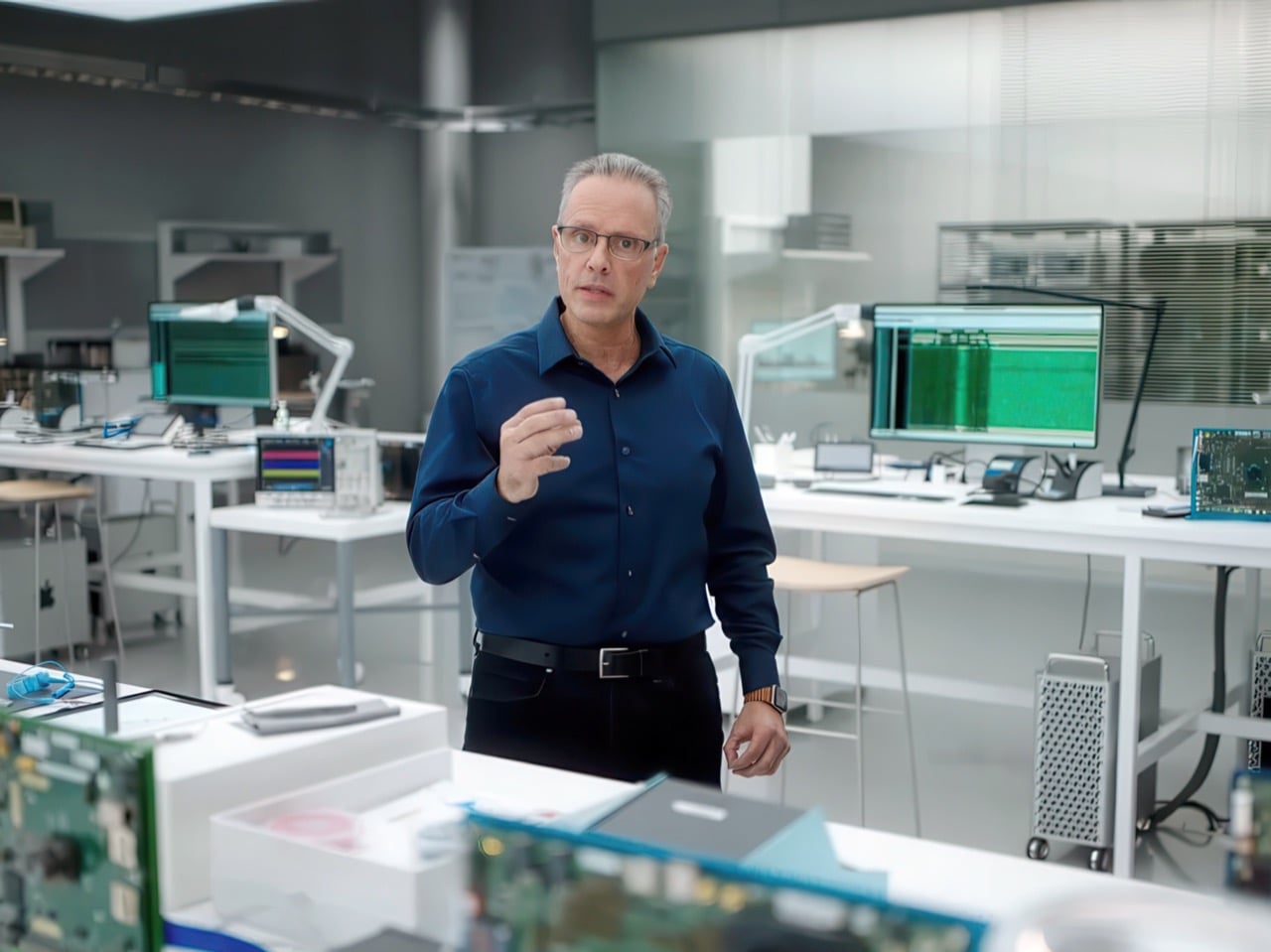
Everyone keeps asking whether Ternus and Srouji will turn Apple into a Xiaomi or Samsung style product factory, launching sub-brands and price tiers across every possible category. I don’t think that is where this goes. Xiaomi wins on volume and value engineering, Samsung wins on being first to try every new form factor, and Apple under Srouji looks positioned to do something closer to the Jobs-era iPod strategy: one core capability, several related form factors, each tuned to a different lifestyle. AI camera glasses in 2027, camera-equipped AirPods, a rumored wearable pendant, a HomePad with a swiveling display, and a foldable iPhone all sit on the same roadmap, and they are fundamentally the same argument as iPod versus Nano versus Shuffle was in 2005. Discipline stays intact, but the surface area for hardware expands into whatever new form the current silicon can actually support without turning your pocket into a hand warmer.
Srouji’s promotion is Apple’s bet that AI-era consumer devices will be won by whoever can co-design chip, sensor, battery, and enclosure as a single integrated object. That is a bet Apple can uniquely make because it already owns the whole stack, and one that Meta, Google, and even OpenAI (currently building its own hardware future with Ive, Evans Hankey, and Tang Tan poached straight out of Cupertino) still cannot fully replicate. The risk sits on the software side, where Apple’s own AI models trail rivals and Siri keeps getting delayed for reasons nobody at Apple wants to explain in public. Srouji cannot fix that himself. What he can do is make sure that whenever Apple finally ships a competent generative model, the hardware waiting to receive it has been designed around what the model actually needs, rather than retrofitted around it after launch.