Framework laptops let you swap the motherboard. Fairphone lets you replace the battery with a coin. Teenage Engineering builds entire product ecosystems around interoperability. Somewhere between the maker-movement idealism of the mid-2010s and the sustainability push of the pandemic years, modularity graduated from hobbyist curiosity to a legitimate consumer electronics strategy. Now GoPro has quietly joined that movement, and almost nobody has noticed because the packaging looks like a standard product launch.
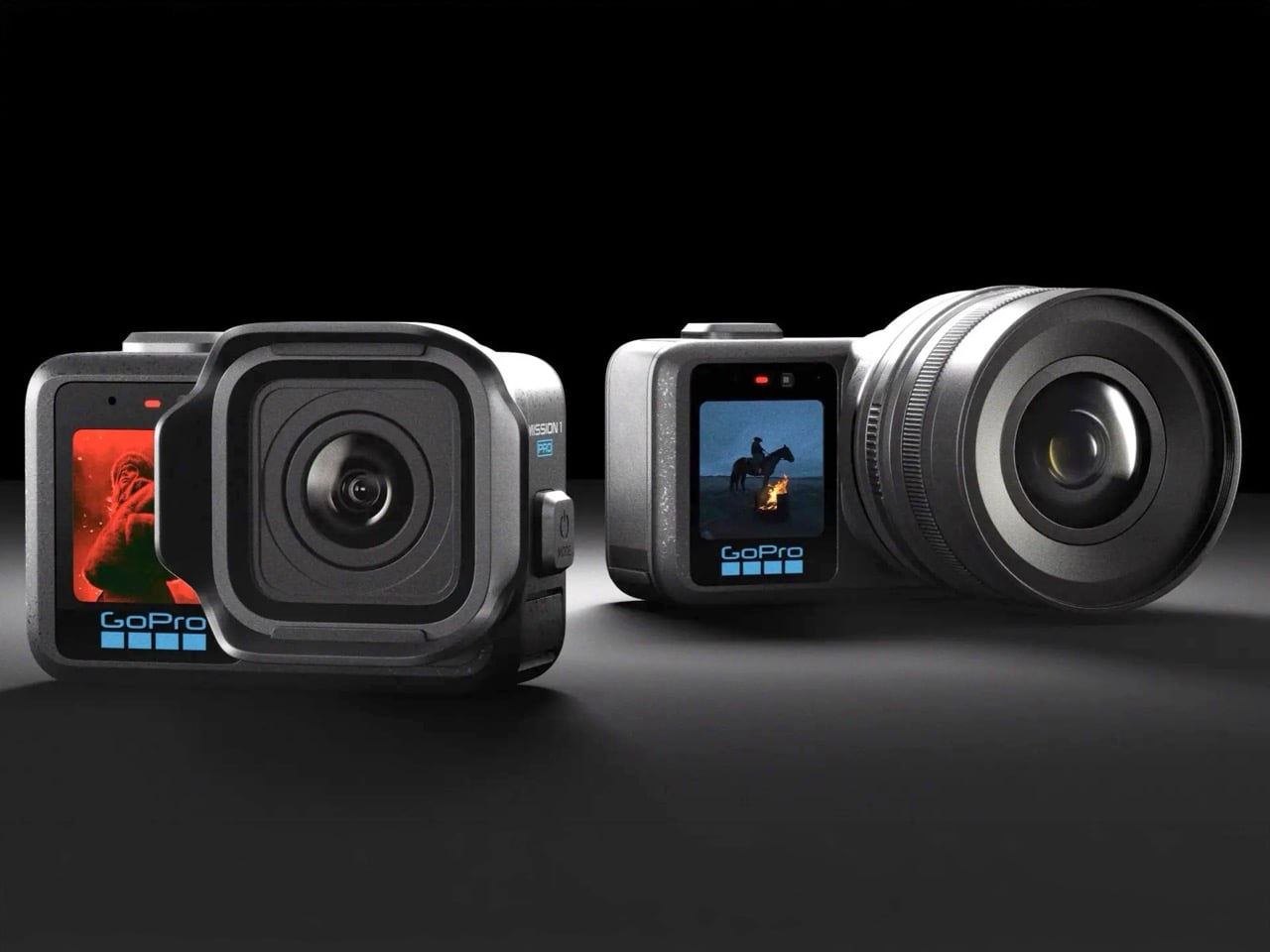
The MISSION 1 lineup contains six distinct configurations built around a single hardware core: a 50MP 1-inch sensor and GP3 processor, wrapped in a rugged compact body waterproof to 20 meters. There’s the base MISSION 1, the MISSION 1 PRO, the PRO Grip Edition, the PRO ILS with a Micro Four Thirds mount, the PRO Creator Edition, and the PRO Ultimate Creator Edition. Preorders opened May 21, 2026, with the ILS and Creator variants shipping in Q3. Pricing wasn’t announced at launch, which is its own kind of tell. What GoPro has actually built here is a hardware platform wearing the clothes of a product line.
Designer: GoPro
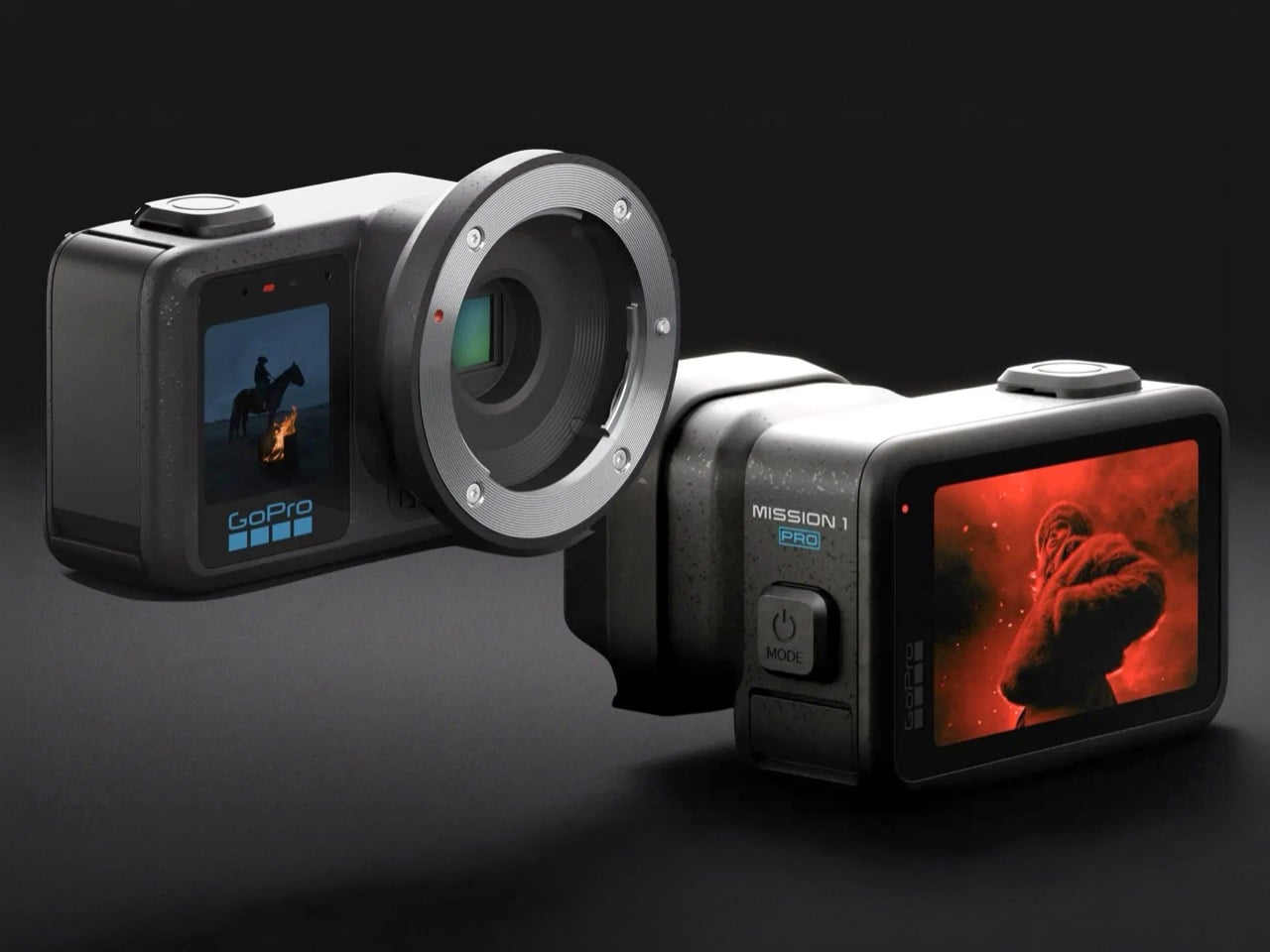

The base MISSION 1 caps at 4K120 Open Gate and 8K30 in 16:9, positioned for creators who want the new sensor without paying flagship money. The MISSION 1 PRO unlocks 8K60, 4K240, and 1080p960 slow motion, all recorded in 10-bit with the GP Log2 profile for grading headroom. The PRO Grip Edition bundles a dedicated handle for run-and-gun work. The Creator and Ultimate Creator Editions add production accessories aimed at YouTubers who want a boxed kit rather than a shopping list. Every variant shares the same 14-stop dynamic range, the same 32-bit float audio, and the same waterproofing without an external housing. Firmware caps and bundled accessories, in other words, do all the heavy lifting across five of the six SKUs.
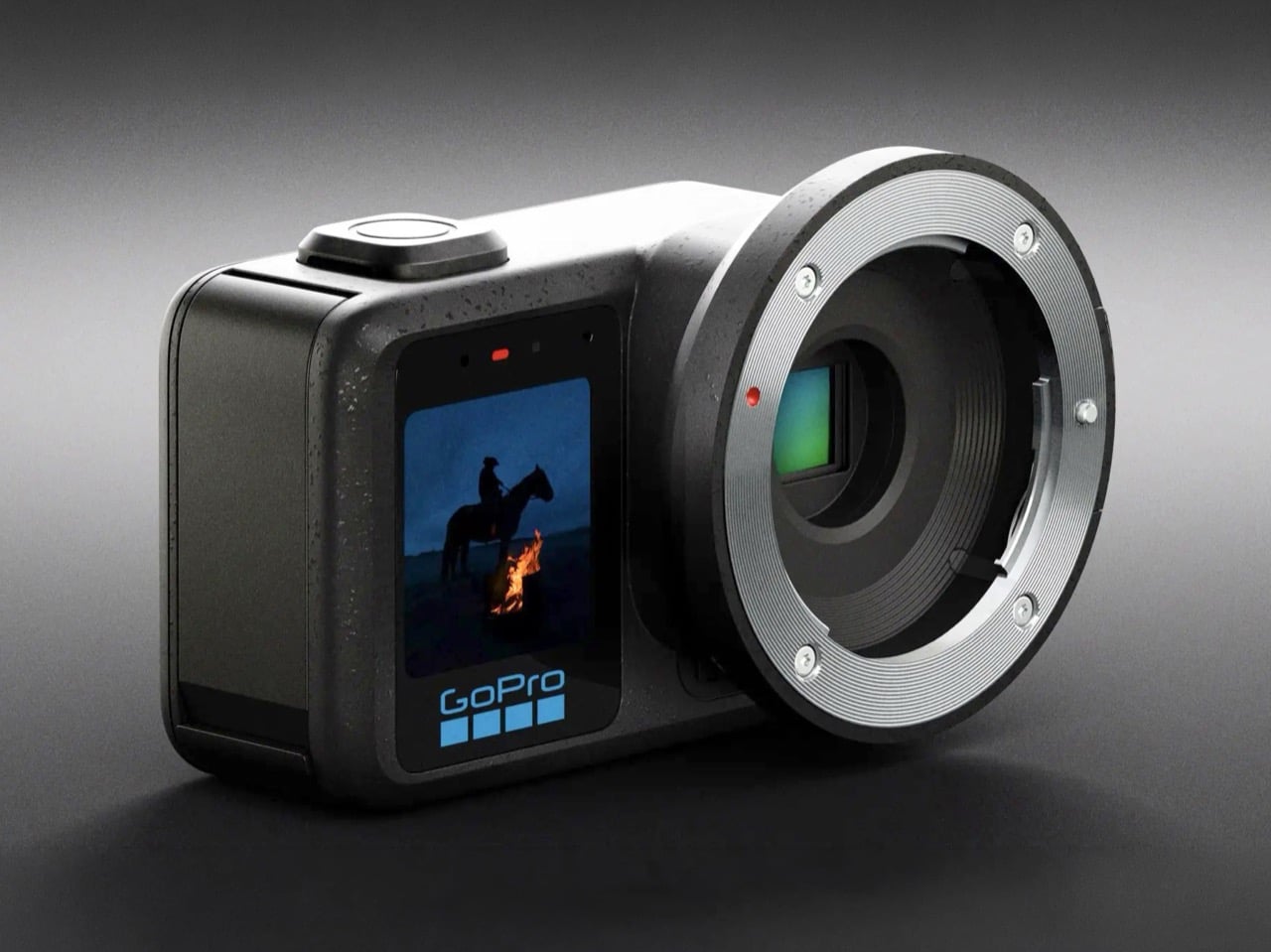

Micro Four Thirds compatibility on the PRO ILS is where the platform argument stops being subtle. The mount opens the door to hundreds of existing lenses from Panasonic, OM System, Sigma, Voigtländer, and Laowa, meaning GoPro inherits nearly two decades of glass engineering without designing a single optical element themselves. HyperSmooth stabilization keeps working with any rectilinear prime, which is genuinely wild given how stabilization algorithms usually assume a fixed lens with known distortion characteristics. The body stays waterproof despite the mechanical mount, which required custom sealing work that GoPro has been notably quiet about. This is Framework’s motherboard-swap philosophy transplanted into a category where interchangeable parts were reserved for cameras that cost five times more. MFT also carries mature adapters for Canon EF, Nikon F, and PL cinema glass, quietly extending the effective lens library into the thousands.
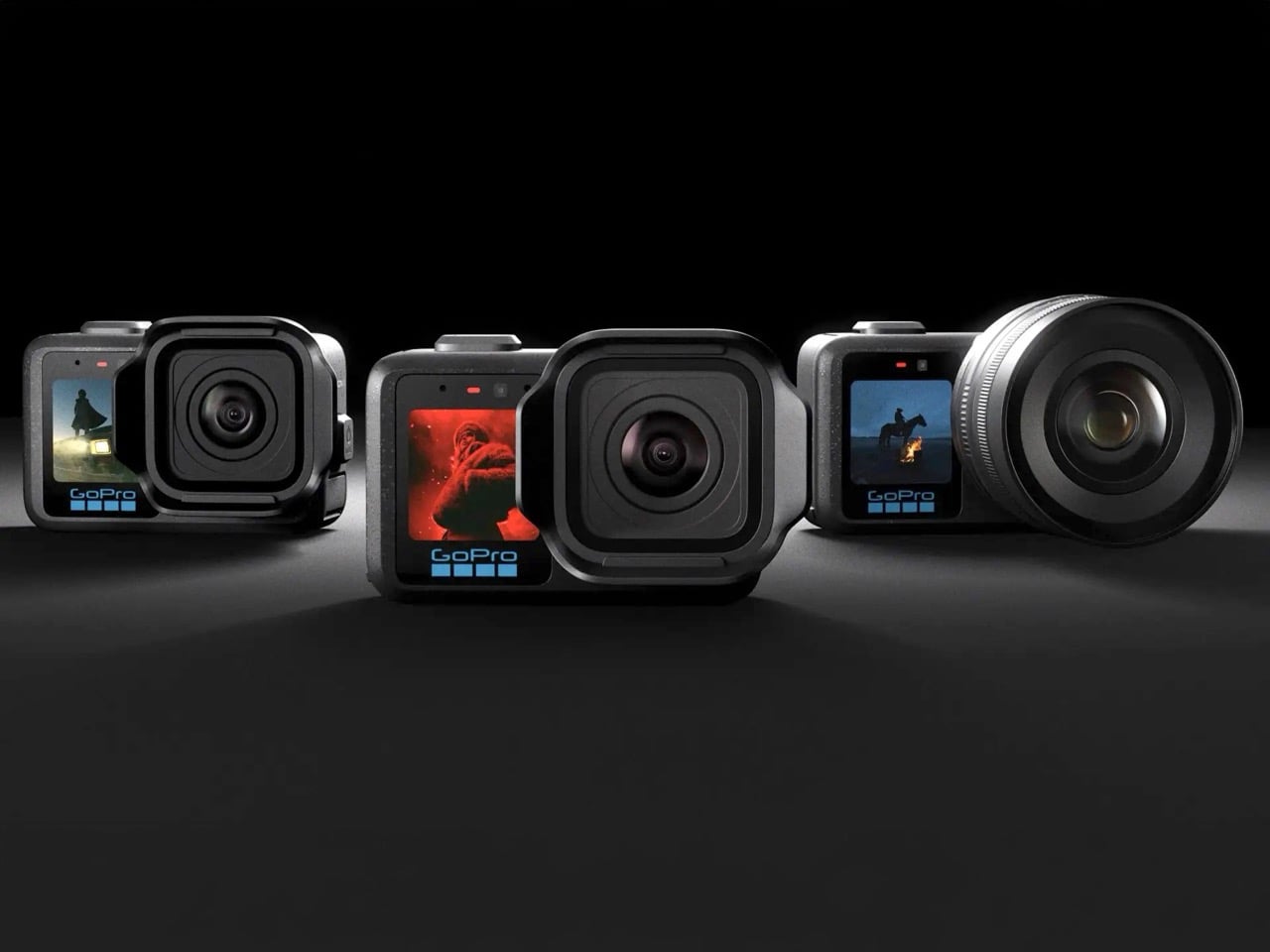
Six SKUs from a single sensor line is also a hedge, and a smart one. If the ILS flops with videographers because Blackmagic and Panasonic own that mindshare, the base MISSION 1 still sells to adventure creators on brand recognition alone. If 8K60 pricing scares off the semi-pro tier, the 4K120 base model catches the mid-market. The recent industry chatter that GoPro may be for sale following the MISSION 1 pivot reads very differently through this lens. Whether Nicholas Woodman is building for the next decade or quietly pitching to potential acquirers like DJI or Sony, a modular platform tells a far more compelling story than a single hero product ever could. The action camera market that GoPro invented has been eating itself for years, and platforms tend to survive longer than products in categories that are actively contracting.