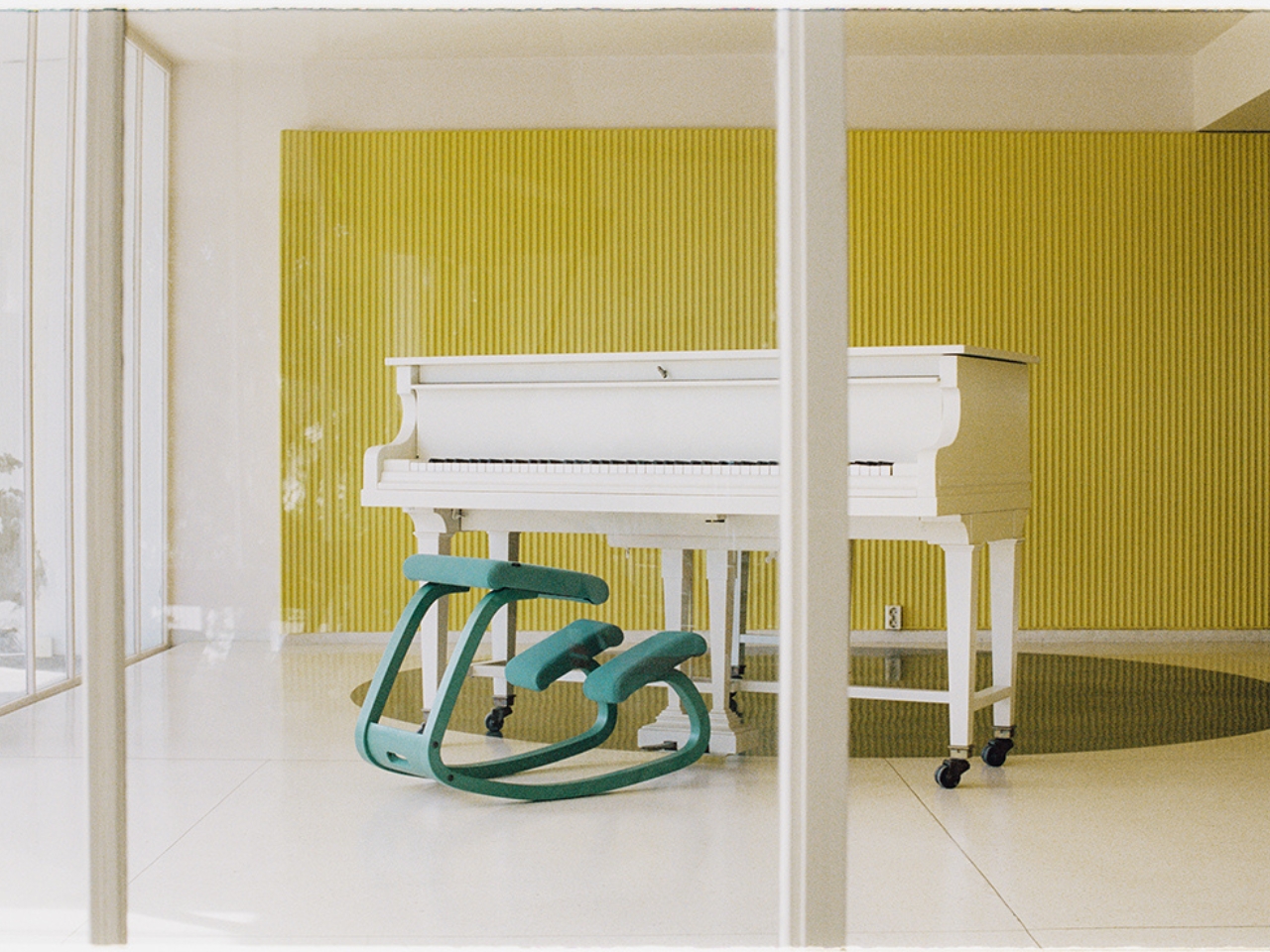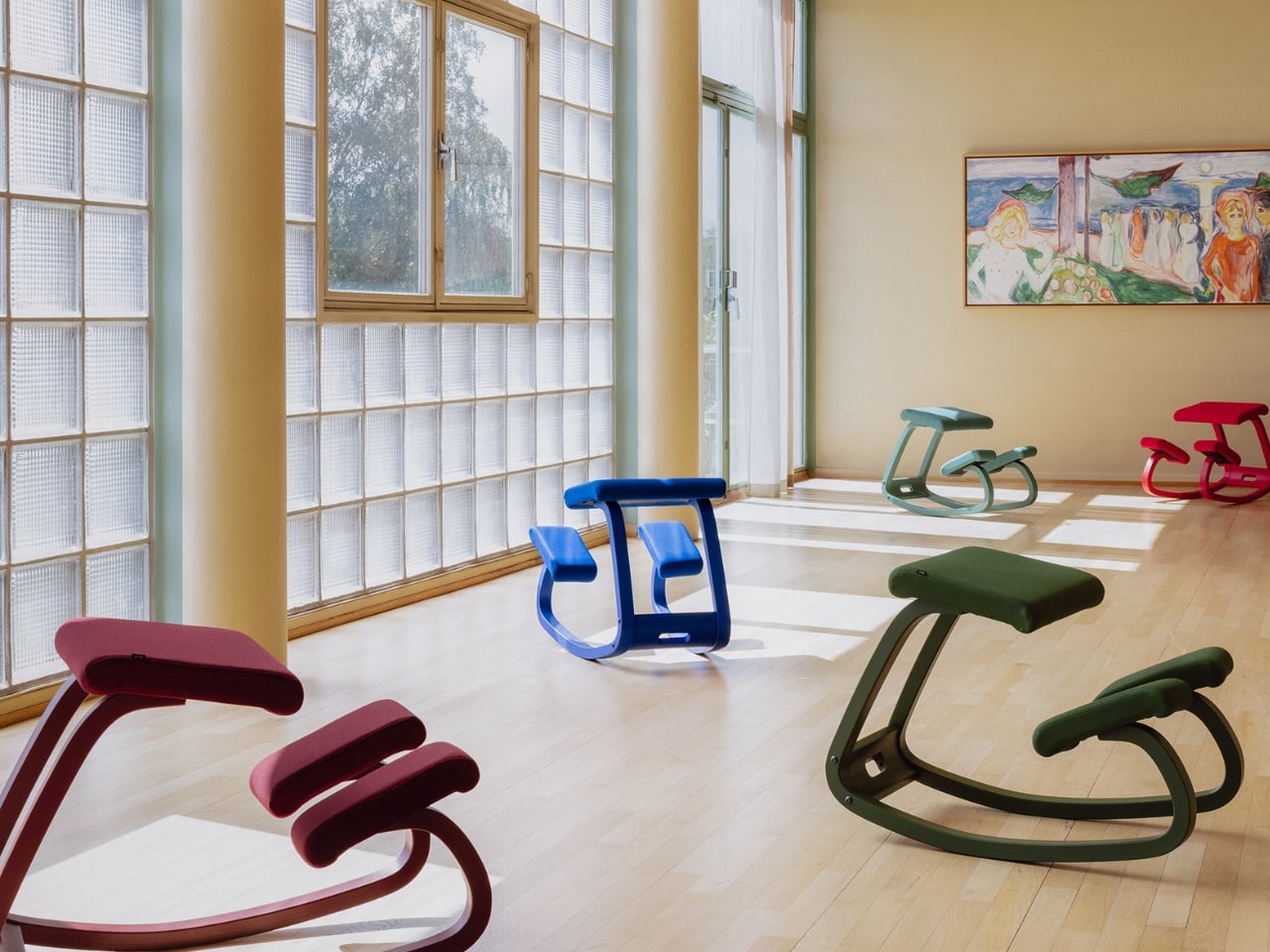

Most great design doesn’t need a second chance. It gets one take to impress you, and either you connect with it or you don’t. But occasionally, a design is so fundamentally right that it earns the rare privilege of being revisited, and when that moment arrives, the update feels less like a revision and more like a long-awaited answer to a question nobody thought to ask. The VARIABLE™ Monochrome is that answer.
The original VARIABLE™ chair was designed by Norwegian industrial designer Peter Opsvik in 1979, and it landed with mixed reactions. The premise was strange by conventional furniture standards: tilt the seat forward, add a knee rest, redistribute the body’s weight, and let the spine decompress naturally. It didn’t look like a chair. It didn’t feel like sitting. But it worked, and that mattered more than aesthetics. Forty-five years later, it’s the most popular chair in the Varier collection, which tells you everything you need to know about the long game good design plays.
Designer: Peter Opsvik
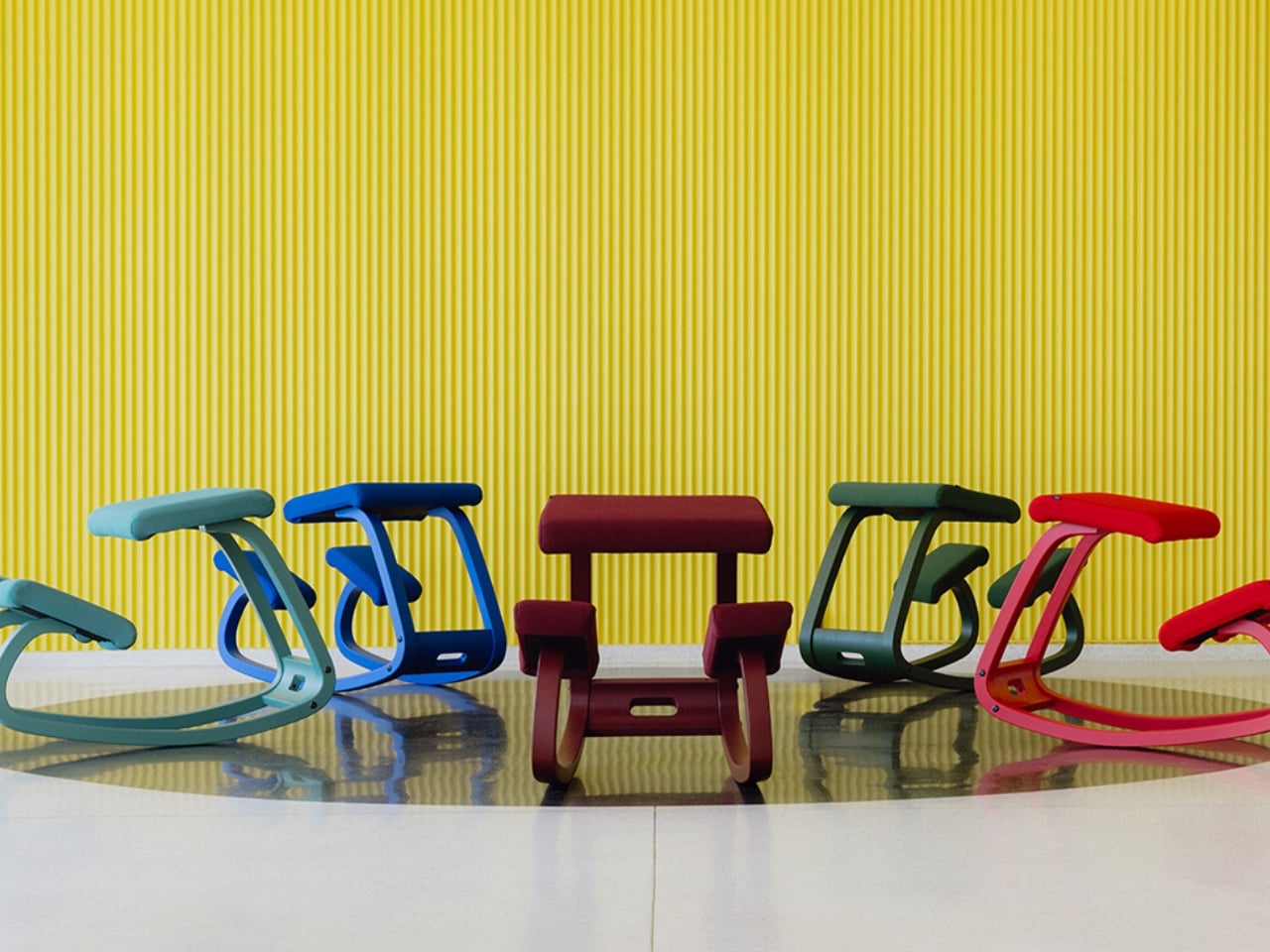
Now the VARIABLE™ Monochrome takes that story a step further. This isn’t a redesign or a departure from the original. It’s a chromatic celebration of it. Varier has reimagined the chair in a palette of five distinct colorways: Forest, Poppy, Plum, Marine, and Grotto. Each one offers a seamless transition from the wooden runners to the upholstered surfaces, so the chair reads as a single sculptural object rather than a sum of separate parts. The result is that the VARIABLE™ looks, arguably for the first time, like it was designed not just to be used but to be admired. That shift matters more than it might seem.
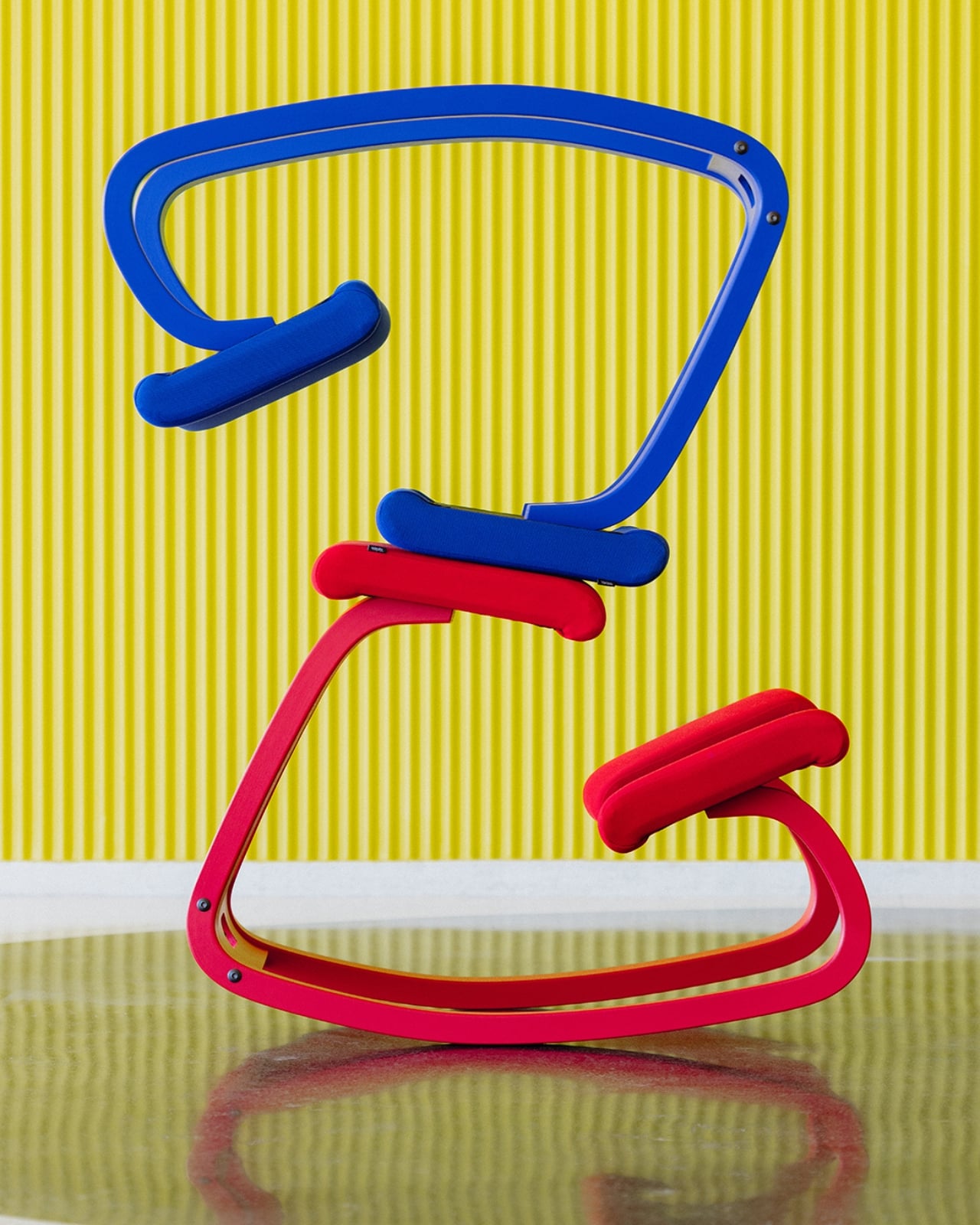

The choice of materials is worth a mention because it adds a layer of integrity to what might otherwise read as a purely aesthetic update. The upholstery is a knitted textile made from 100% recycled polyester, sourced entirely from post-consumer plastic waste and OEKO-TEX certified. The wooden runners are beech and ash plywood, finished with a water-based lacquer. Varier backs the whole thing with a 10-year guarantee, which is a bold commitment for any furniture maker. It suggests a confidence in the design that I respect.
Opsvik’s philosophy has always been rooted in movement. Traditional chairs, the argument goes, force your body into a single fixed position and then leave you to manage the consequences. The VARIABLE™ was designed to invite variation instead, gently encouraging the sitter to shift between kneeling and more upright postures without even thinking about it. You don’t sit in this chair so much as you settle into a quiet collaboration with it. That core experience hasn’t changed. What Monochrome adds is the sense that this chair now has a personality to match its purpose.
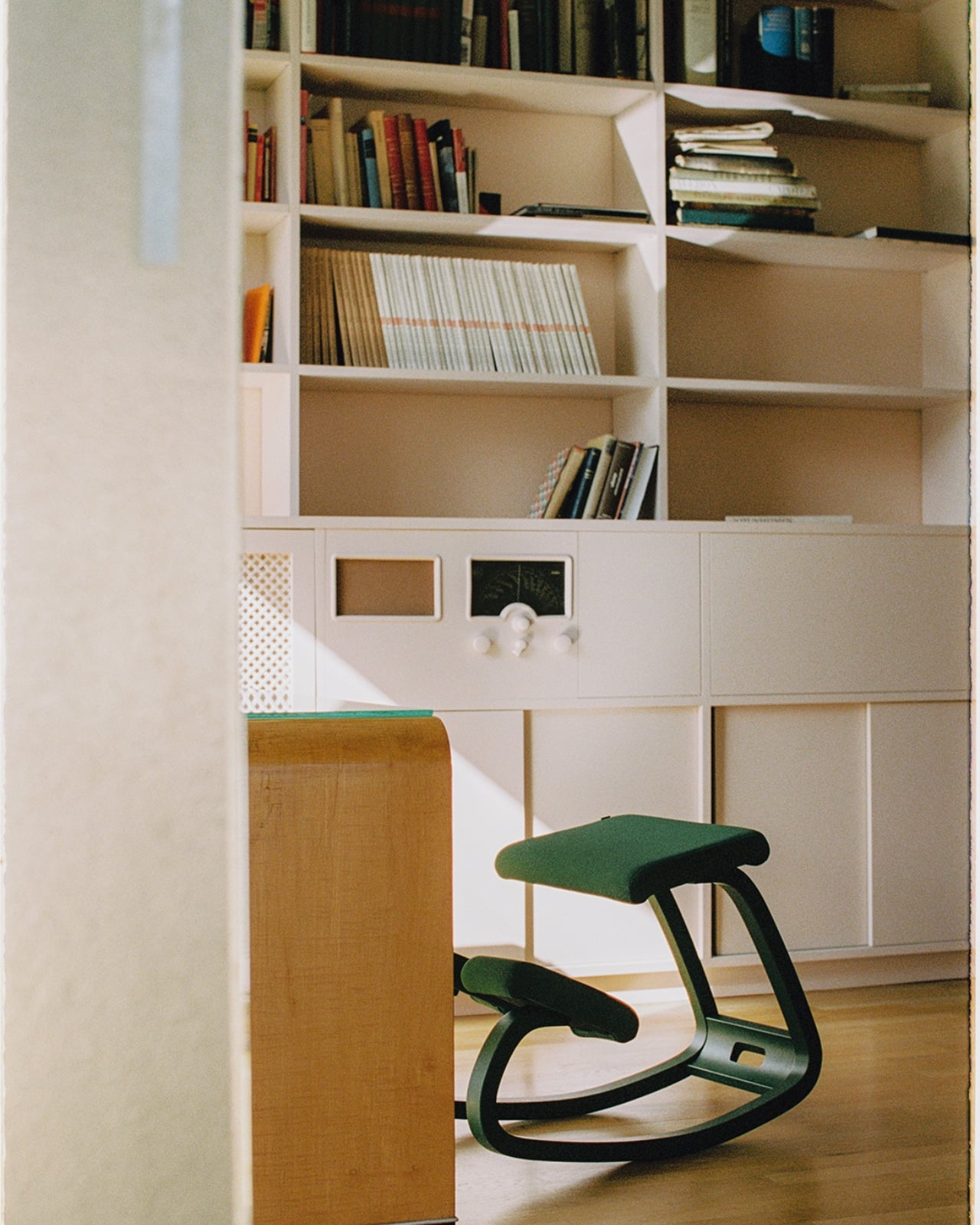
The VARIABLE™ Monochrome was named a winner of the BIG SEE Product Design Award 2026, which feels right. Design awards tend to follow where cultural attention has already landed, and there’s been a quiet but consistent reappraisal of ergonomic furniture happening across interior design circles. The pandemic-era focus on home office setups opened up conversations about how we actually sit and what our furniture is doing to our bodies over time. Pieces like the VARIABLE™ suddenly had a wider audience ready to receive them.
Peter Opsvik passed away in 2024, making this version of his most iconic design something of a posthumous tribute as much as a commercial release. That context doesn’t change how the chair performs, of course, but it does make the whole thing feel more weighted with intention. Varier continues to work closely with his team, and the VARIABLE™ Monochrome reads as a genuinely affectionate send-off to a designer who spent his entire career asking a question most people never thought to ask: what if the chair worked for the body, and not the other way around?

It’s rare that a piece of furniture can make you rethink both how you sit and how you see a room. The VARIABLE™ Monochrome quietly does both. That’s the mark of design that was never really finished. It was just waiting for its moment in color.