

The home office had its reckoning. Somewhere between the fourth video call of the morning and the moment you noticed your own face in the corner of the screen, the question changed from “does this setup work?” to “does this setup say anything?” The best remote workspaces in 2026 are no longer just functional. They are intentional, and the difference between the two is visible in about three seconds on any video call.
These eight picks cover the full range of what a considered desk can look like, from a laptop concept that reimagines what hardware transparency means, to a clipboard that earns its place among all the screens. Not everything here ships today. One is a concept that belongs at the top of any honest list of what remote work could become. The rest are real, mostly purchasable now, and each chosen because it earns its space on a desk that has to work for eight hours straight.
1. Nothing Book Laptop
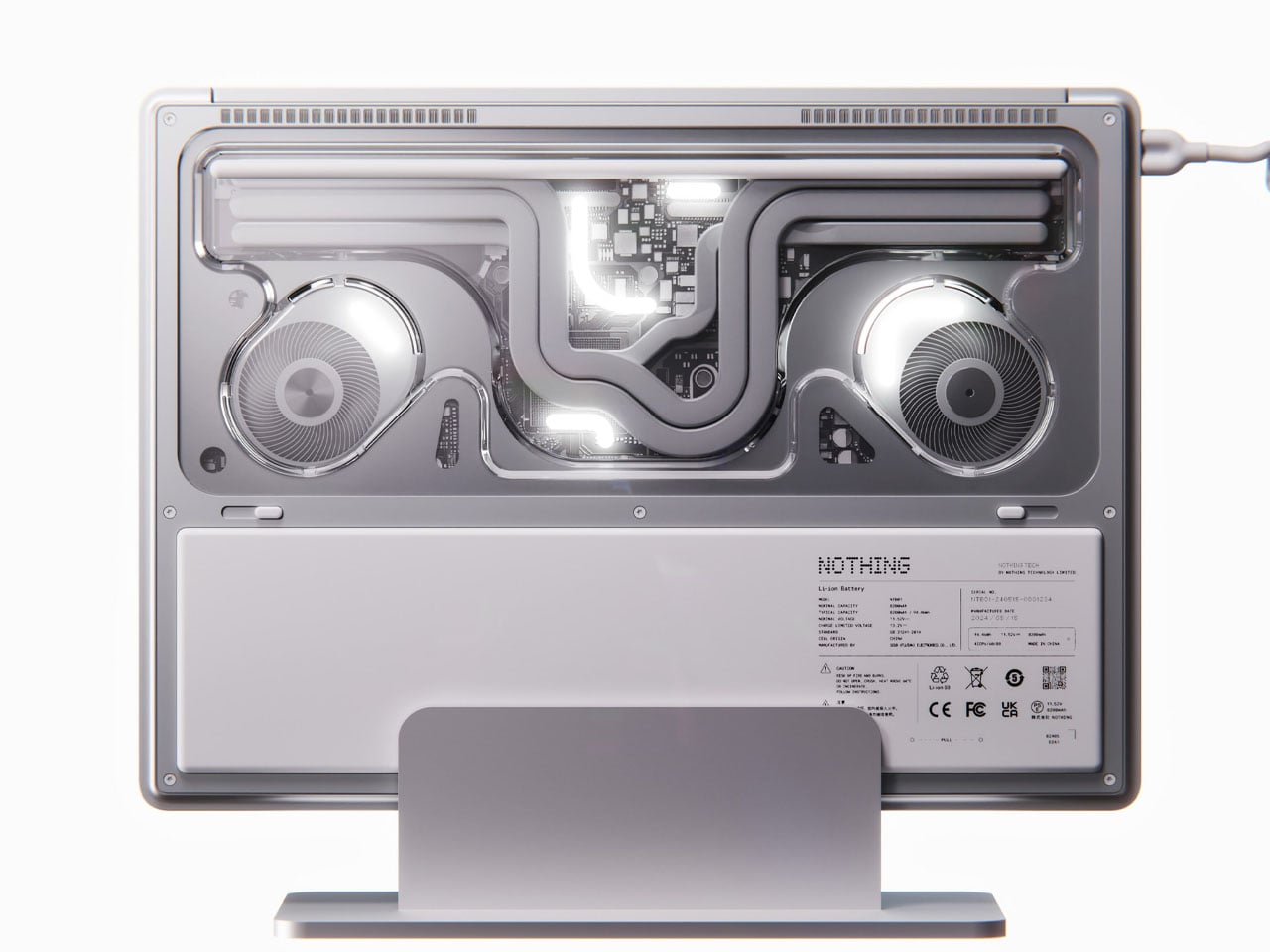
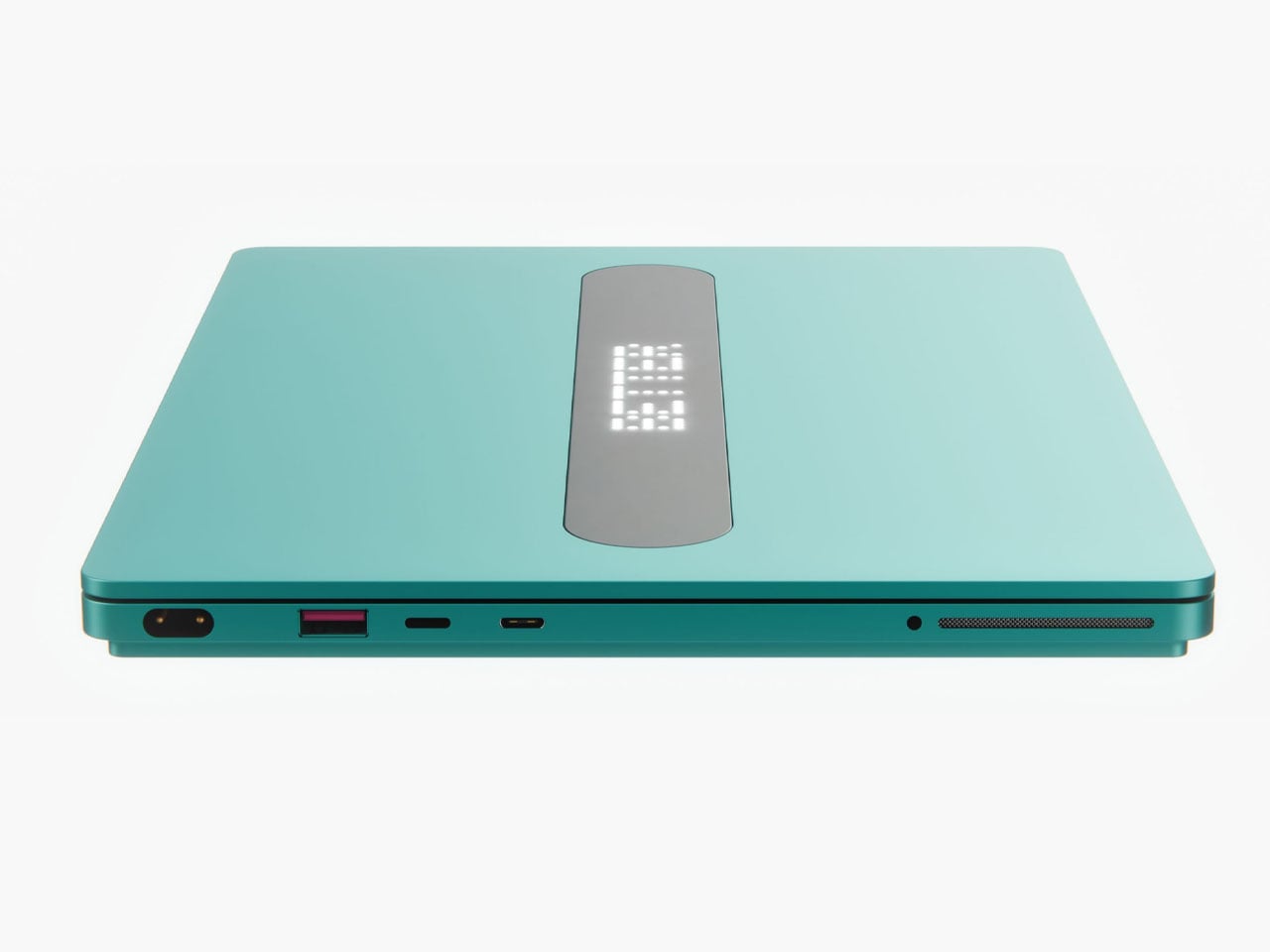
The most compelling thing about the Nothing Book is that it exists as a concept and still makes every laptop you can currently buy feel slightly apologetic. Designer Nikita Bukoros builds on Nothing’s see-through aesthetic but takes it somewhere the brand never has: a performance laptop that treats the inner architecture as the surface detail. The cooling system, board layout, and internal geometry are not hidden but composed, layered in a way that Bukoros calls an industrial art piece, and the label feels accurate rather than generous.
The defining feature is the secondary screen on the lid, a slender external display that lets you surface messages, symbols, or status in Nothing’s own typeface. It is not a gimmick. It is the first design decision on this laptop that makes you rethink what the lid is actually for. The charging dock completes the idea, displaying an animation on the secondary screen when the machine is docked. Whether Nothing ever builds this is a separate conversation. What matters is that someone designed it, and it looks better than what is currently shipping.
What we like:
- The secondary lid screen reframes what a laptop exterior can actually communicate
- Available in four colorways including hot red and magnetic teal
What we dislike:
- A concept with no confirmed release date or pricing
- The see-through aesthetic may not read as professional in every work environment
2. OBSBOT Tiny 2 AI Webcam

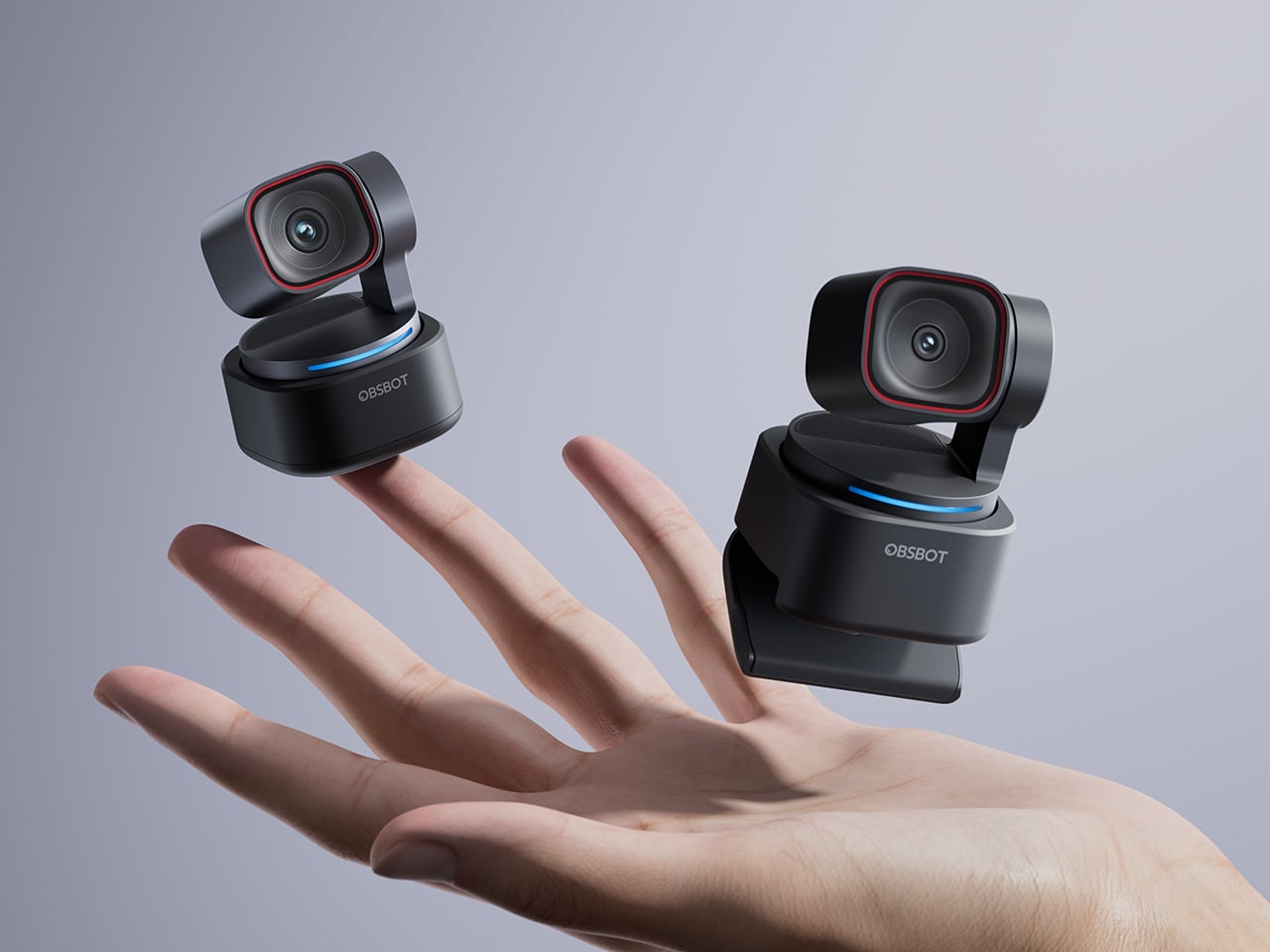
The OBSBOT Tiny 2 is the product that makes everything else on this list matter. A camera with a 1/1.5-inch CMOS sensor in a desk-mounted form factor is not a common thing, and the size of that sensor is the reason the Tiny 2 produces images with the kind of natural depth and tonal accuracy that built-in laptop cameras can only approximate. At its Prime Day price, it is the most significant single upgrade available for any remote work setup right now.
What separates it from other webcams at this price is the AI tracking system. The camera follows you as you move, zooms with gesture controls, and can be operated entirely hands-free through voice commands. OBSBOT calls this Autonomous Imaging, and it earns the name. For anyone presenting, teaching, or spending several hours a day on video calls, the difference between a camera that frames you correctly and one that does is not cosmetic. It is the difference between looking prepared and looking like you have not thought about it.
What we like:
- 1/1.5-inch sensor delivers genuinely cinematic depth of field for a webcam
- AI tracking and gesture controls work hands-free without additional software
What we dislike:
- The full feature set takes some time to configure properly out of the box
- Requires a good lighting setup to get the most out of the large sensor
3. Lofree Block Pro Mechanical Keyboard
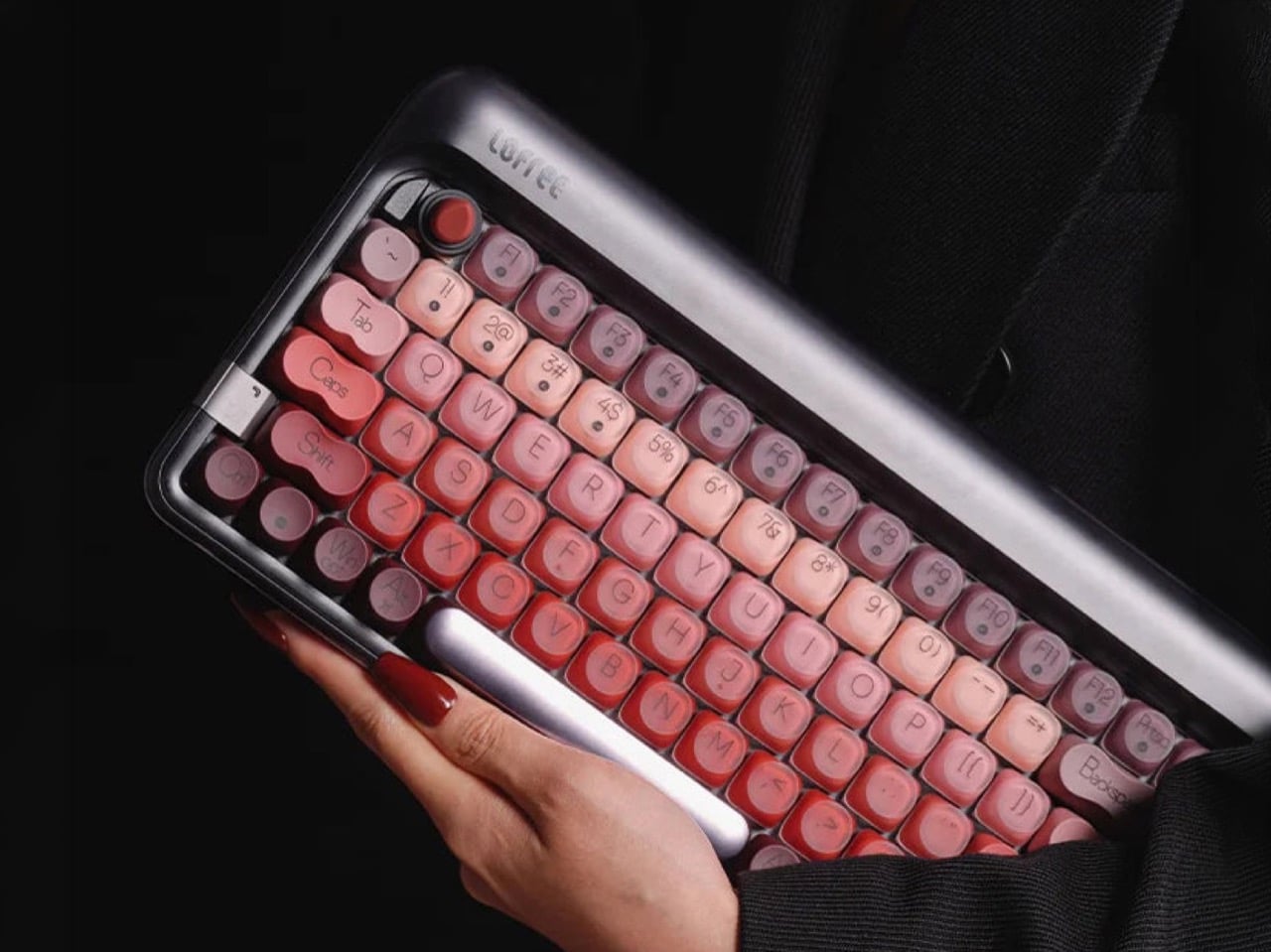

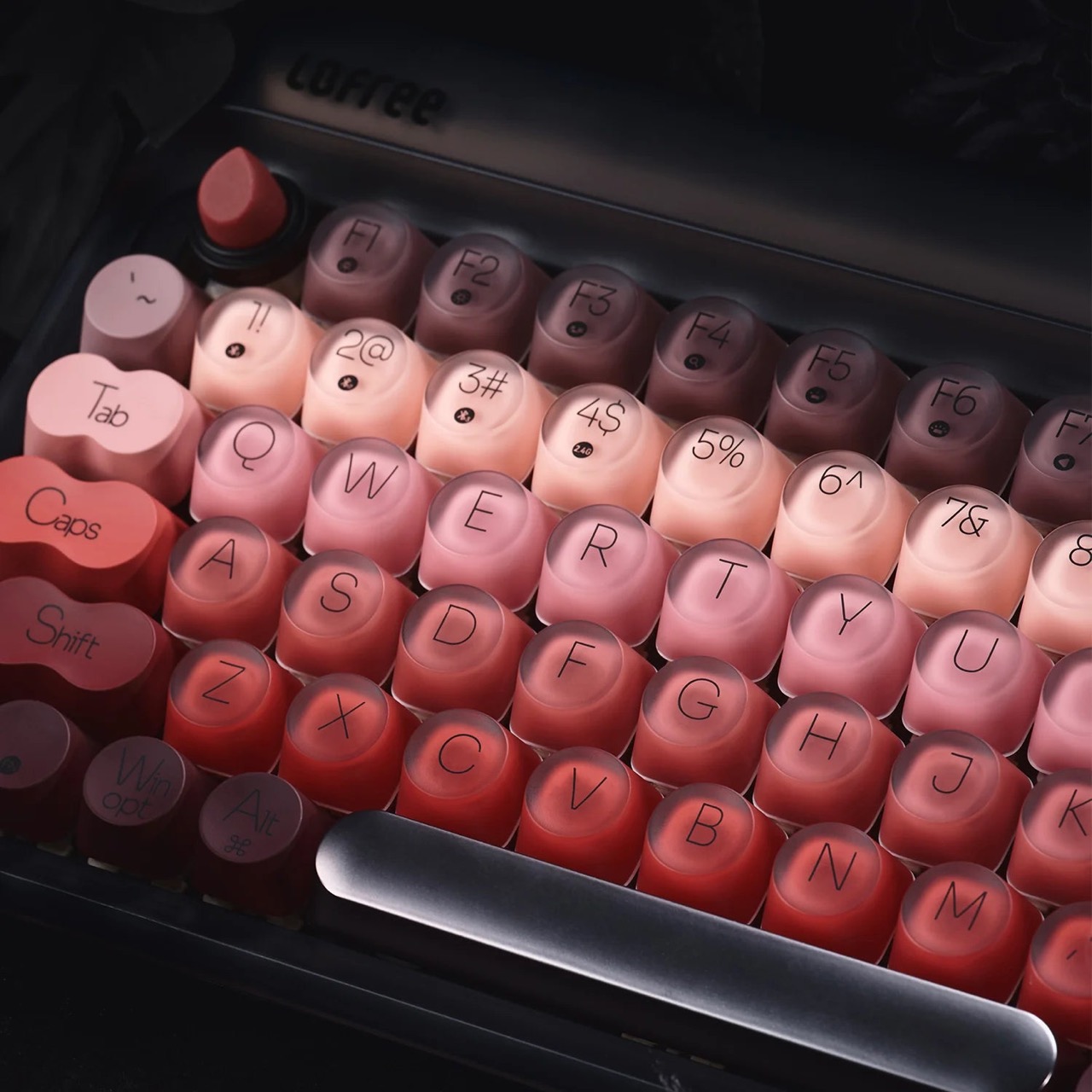

There is a version of the mechanical keyboard built entirely around sound and feel, and then there is the Lofree Block Pro, which is built around the understanding that a desk is something you look at for eight hours, and it should be worth looking at. The keyboard is the most visible object in any setup. Lofree has been making the argument for years that a keyboard does not need to be sober to be serious, and the Block Pro makes that case more convincingly than anything the brand has released before it.
The inspiration drawn from lipstick is not a marketing note. It is a design decision that shows up in the finish, the profile of the keycaps, and the choice of materials in a way that makes the keyboard feel like it was conceived by someone who thought carefully about what the object communicates before anyone types a word. It sits on a desk and says something before it does anything. That is rarer than it should be in peripheral hardware, and it earns slot three on a list that opened with a concept laptop designed on the same premise.
What we like:
- One of the most visually distinctive mechanical keyboards available in 2026
- Lofree sells direct, so there is no crowdfunding wait involved
What we dislike:
- The aesthetic-forward design may not appeal to users who prioritize acoustic dampening above everything else
- Colorway availability can be limited depending on stock timing
4. Bean Lamp
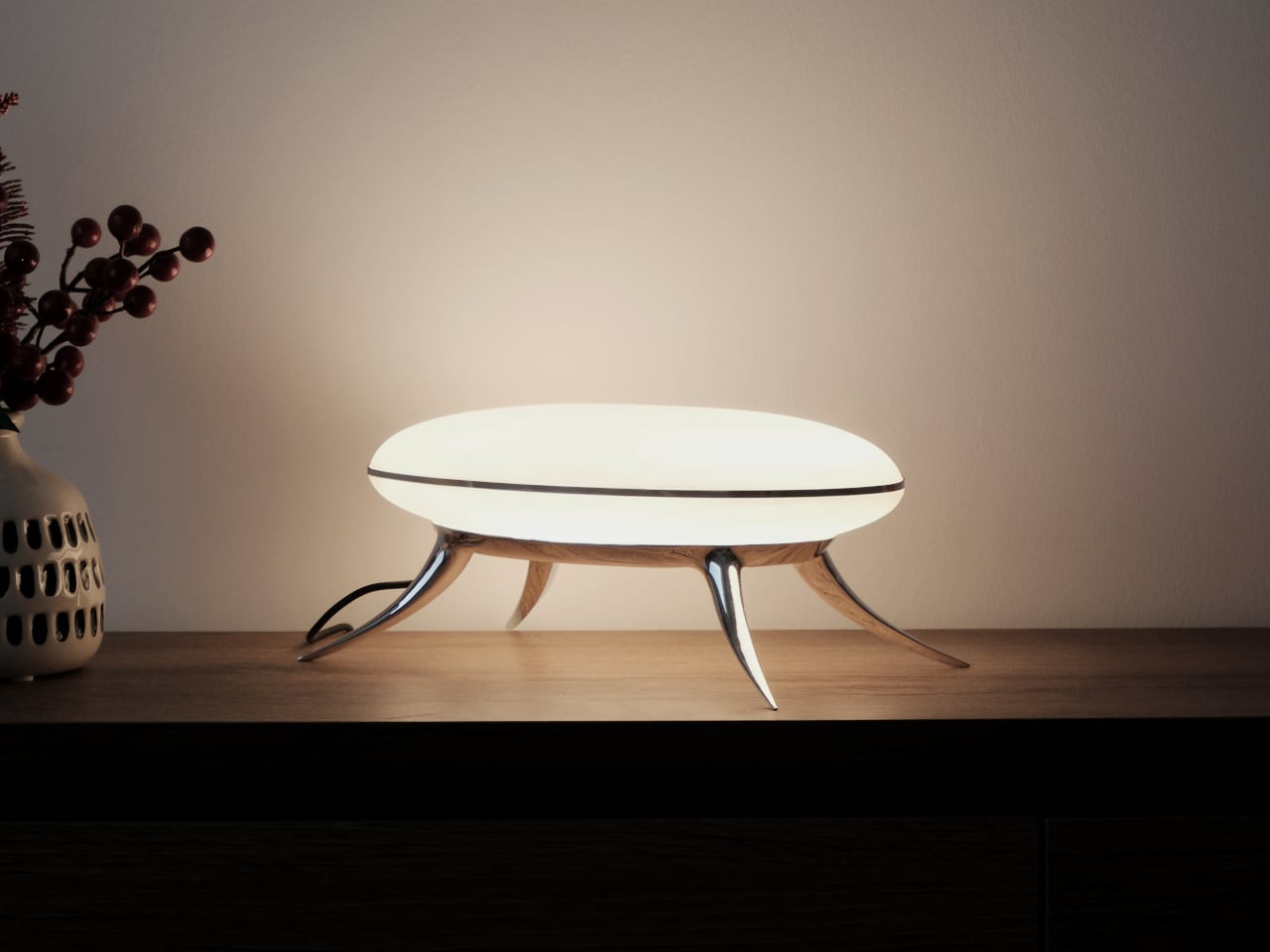
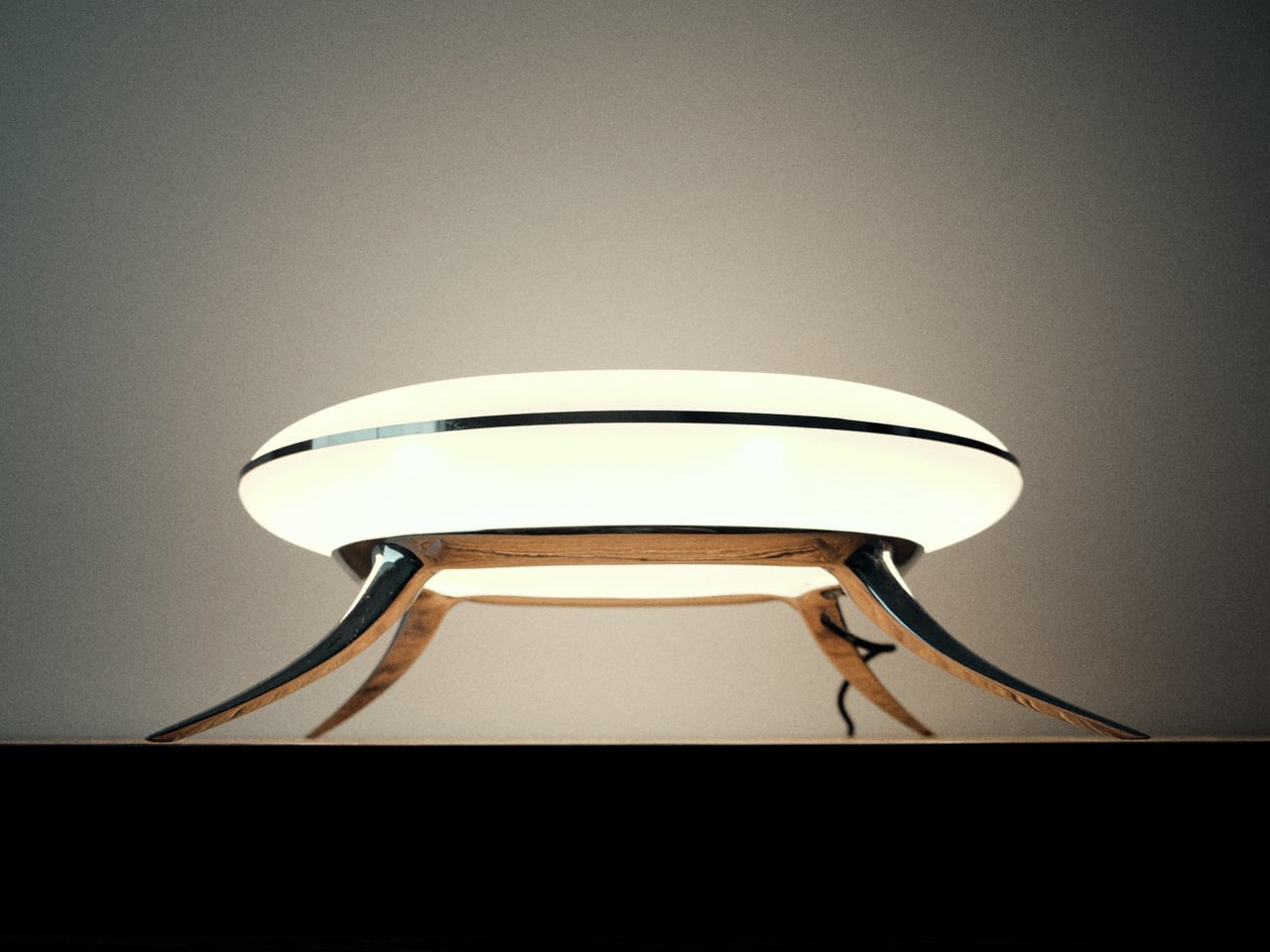
The Bean Lamp was designed in Brooklyn and released in 2026 as a limited edition. It has four articulated legs and functions, in its own description, as a light source and a quietly unsettling presence on the desk. That framing is not a problem. It is the point. The remote work desk accumulates screens and cables and productivity tools until everything on it is optimized and nothing on it is interesting. The Bean Lamp is interesting, and it earns that through its form rather than any feature set.
Placing a lamp in slot four is deliberate. Lighting is the most underdiscussed upgrade in any home office and the one with the most immediate visual return, both in the room itself and in how you appear on a call. The Bean Lamp is not the brightest option or the most technically advanced. It is the one that makes the desk feel like it was arranged with intention, which is what this entire list is building toward. Limited edition means its availability window is narrow, and that is the only deadline on this page genuinely worth paying attention to.
What we like:
- Four-legged form sits in a category entirely its own within desk lighting
- Limited edition production makes it a genuinely collectable object
What we dislike:
- Limited stock means it may be unavailable by the time you look for it
- Form is prioritized strongly enough that adjustability takes a back seat
5. Rolling World Clock
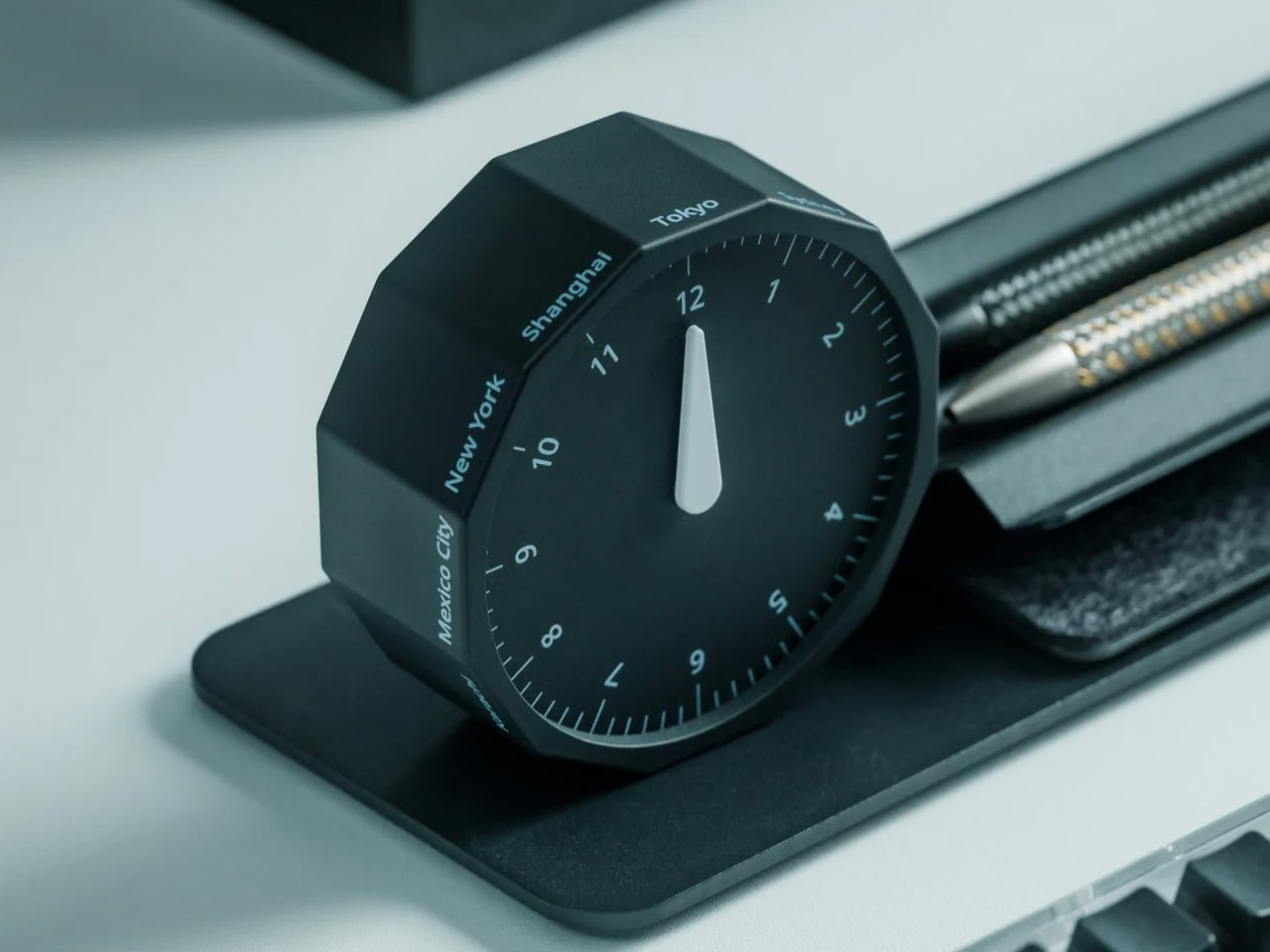
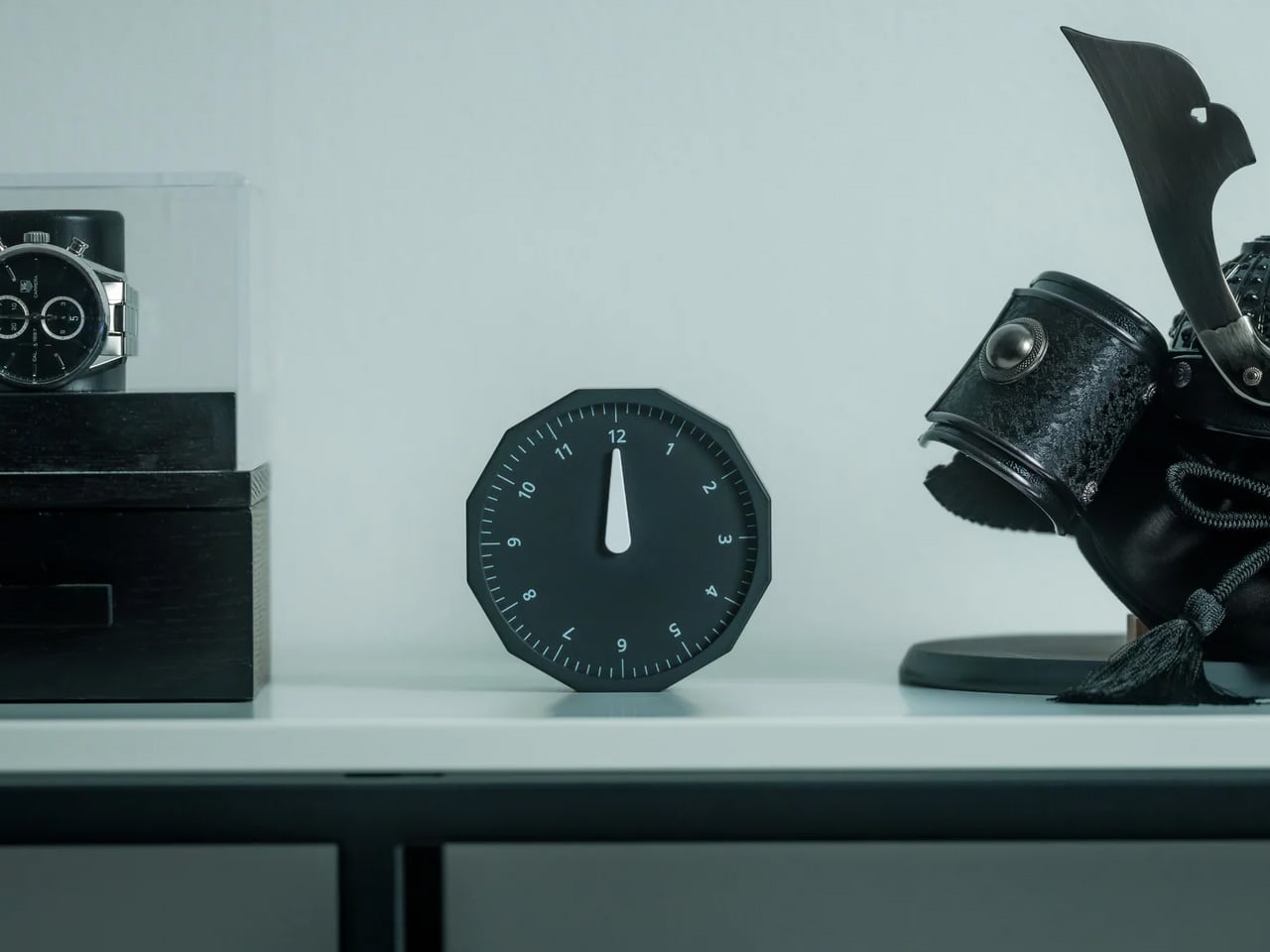
The rolling world clock resolves a problem that no app has solved well. Time zone arithmetic done in your head at the start of a call, or the three-second check of a world clock widget before sending a message to someone on a different continent, is a small friction that accumulates across a remote workday. A physical clock that surfaces that information without requiring a screen does not eliminate the problem, but it changes the quality of the interaction with it. You glance instead of switching tabs.
It is also the most analog object on a desk full of technology, and that contrast does real work in the room. The rolling mechanism and the considered design of the face are the reason it earns slot five rather than an app recommendation. It looks like it belongs next to the Bean Lamp and beneath the concept of the Nothing Book. The design has been through editorial curation before reaching this list, and that is a form of provenance worth acknowledging.
What we like:
- Physical world time display removes the need to leave a screen mid-thought
- Design language sits naturally alongside other considered desk objects
What we dislike:
- Physical clocks require manual adjustment for daylight saving changes
- Works best for users tracking two or three time zones rather than a full global roster
6. Noble Osprey Earbuds

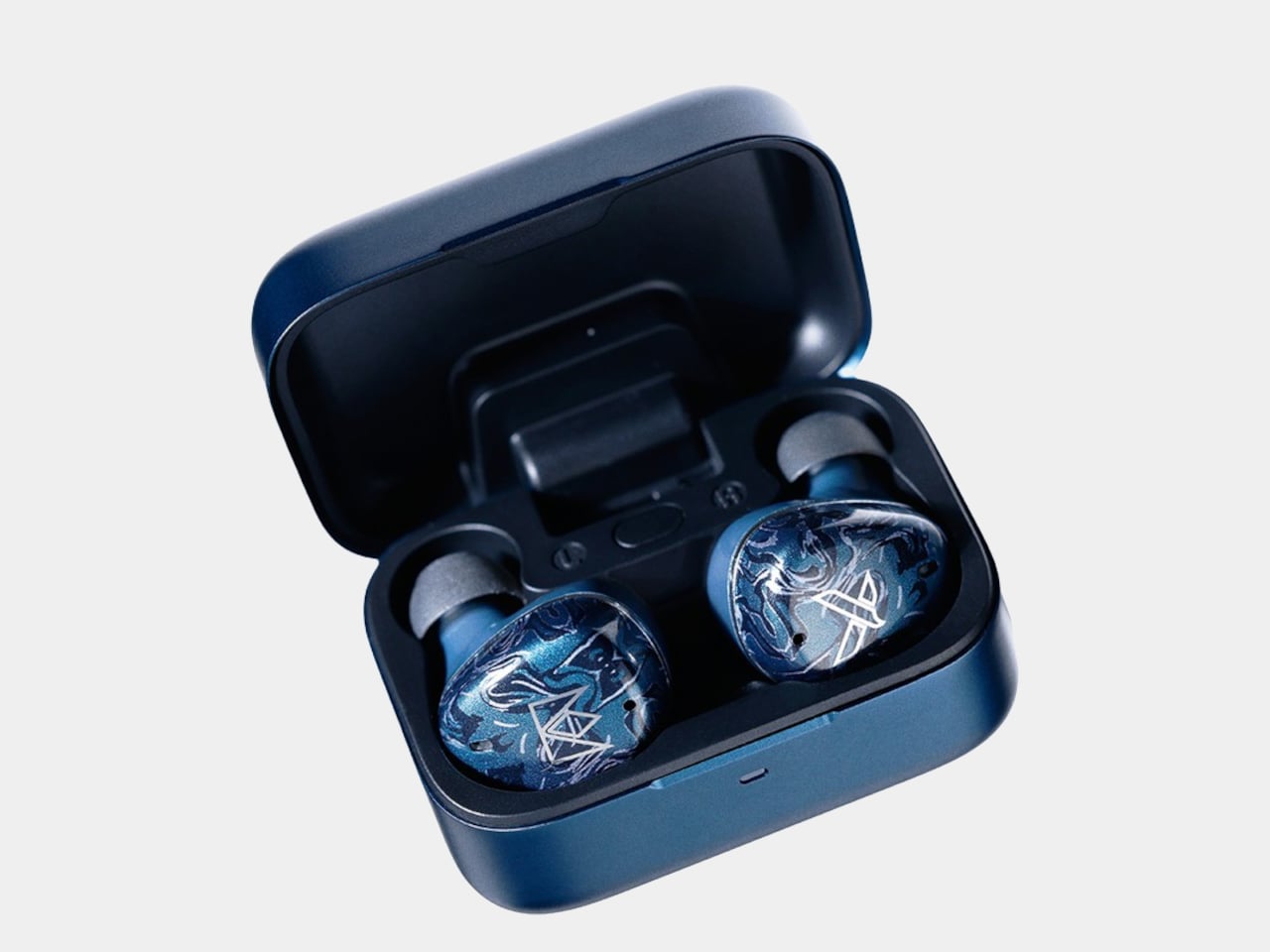
Noble Audio comes from the audiophile end of the earphone market rather than the consumer electronics end, and the Osprey is its attempt to bring that lineage into the daily carry price range. It positions itself directly against the Sony WH-1000XM6 and makes a credible case. The Osprey debuted at High End Vienna 2026 and begins shipping at the end of June, which makes it the most time-sensitive pick on the list.
For remote work specifically, the audio quality of what you listen to across eight hours matters in a way that is easy to underestimate. The difference between earbuds that are technically fine and earbuds that are genuinely good is not primarily about music. It is about fatigue. A call at the end of a long day sounds different through something built to reproduce sound accurately rather than simply transmit it. The Noble Osprey makes that argument at a price that is harder to dismiss than it used to be, and against a competitor charging significantly more for the privilege.
What we like:
- Debuted at High End Vienna 2026, placing it firmly in audiophile rather than consumer territory
- Undercuts the Sony XM6 meaningfully while matching it in credibility
What we dislike:
- Noble Audio has less mainstream retail presence than Sony or Apple
- Shipping timeline makes it an immediate purchase or a wait, depending on when you read this
7. Logitech Mobi Fold Mouse
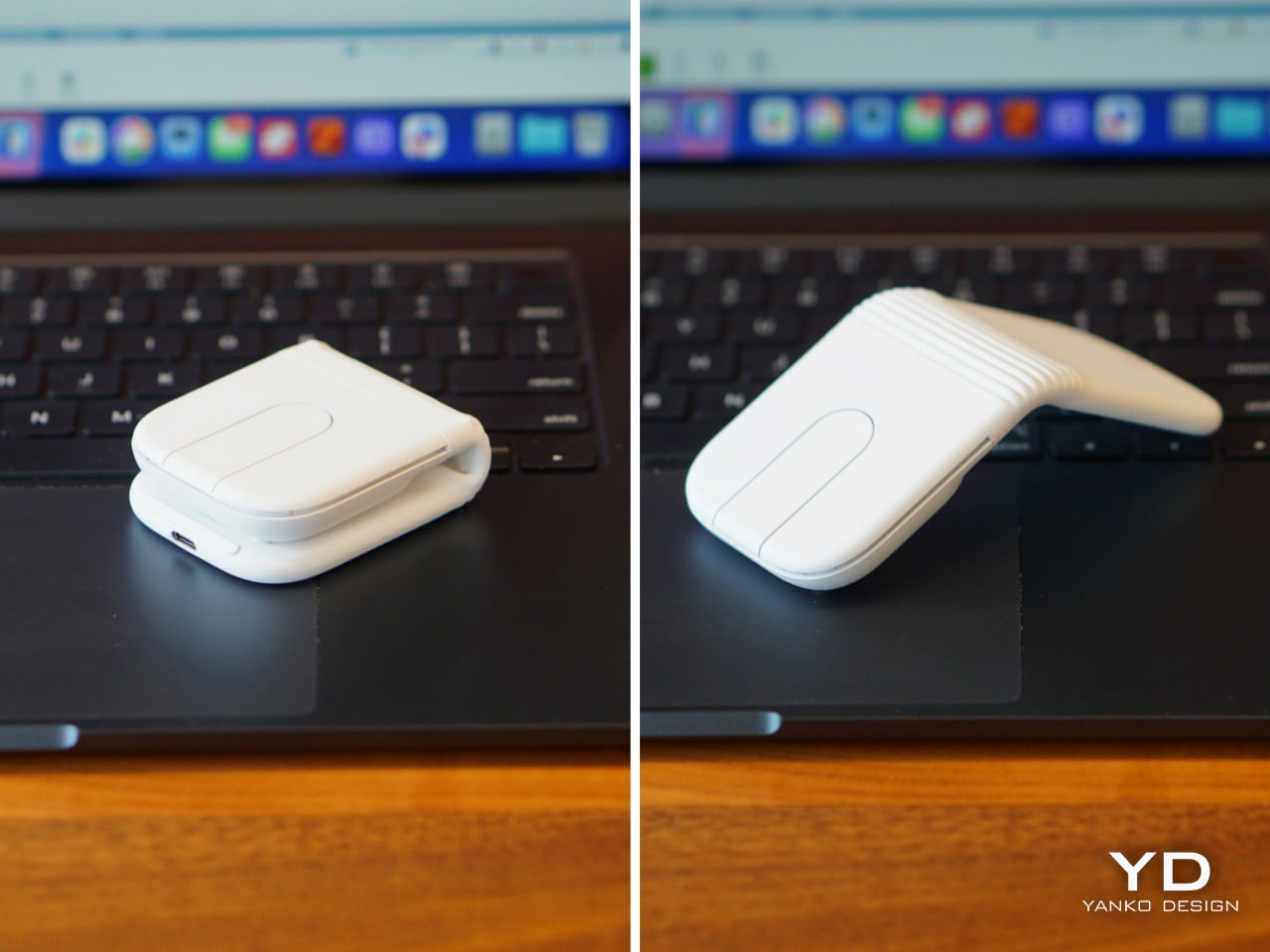
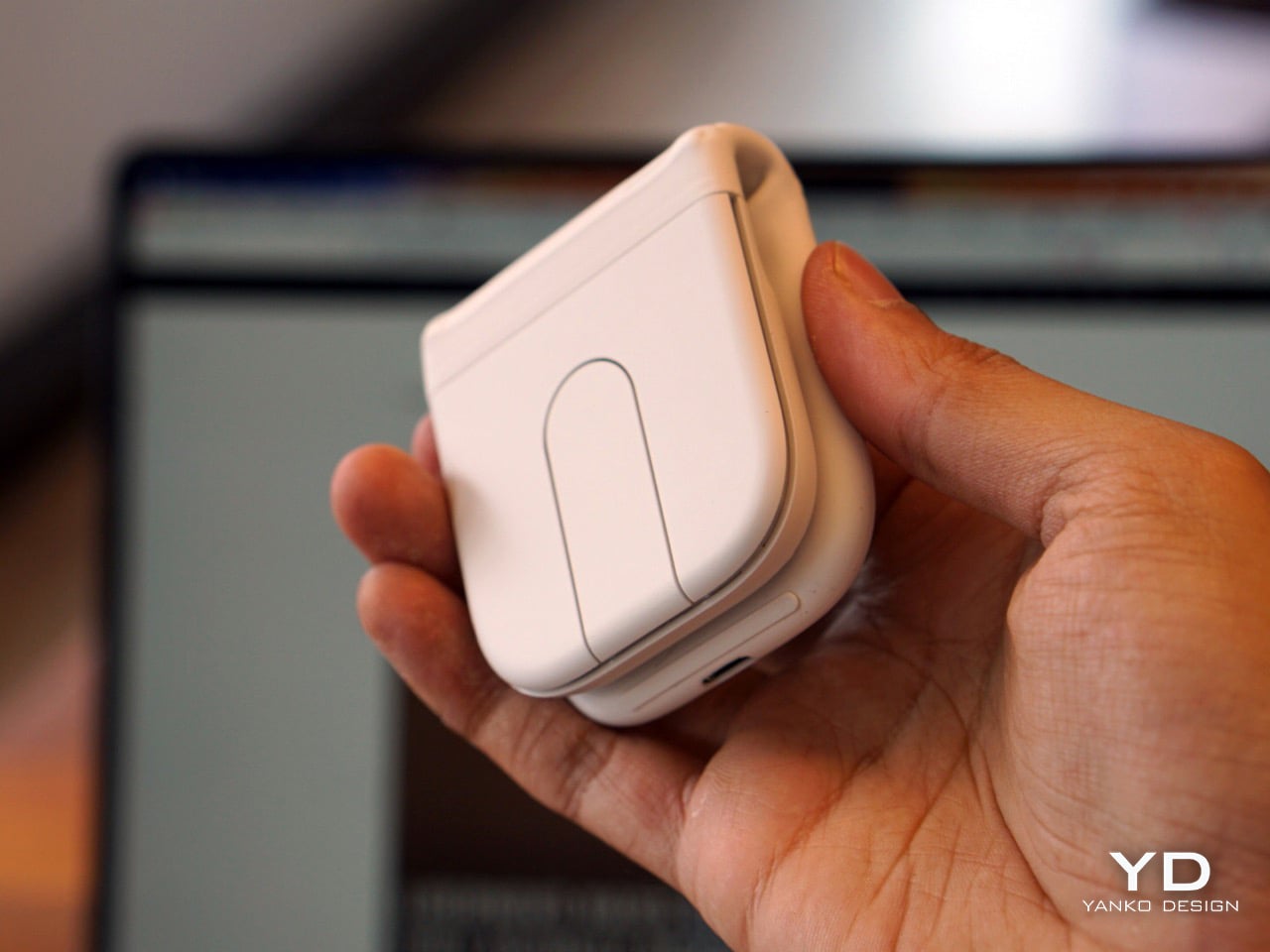
The Logitech Mobi Fold folds flat to the size of a wallet. That sentence covers most of what needs to be said about it for the remote worker who moves between a home desk, a café table, and a meeting room in a single day. Logitech’s own hands-on noted that unfolding it one-handed is cleaner than expected and that the mouse settles into its ergonomic angle with a firmness that feels researched rather than approximated. That detail matters more than it appears. A peripheral that requires two hands and a beat of fiddling to deploy is a peripheral that stays in the bag.
It occupies a price point where the tradeoff between portability and comfort is usually uncomfortable. The Mobi Fold avoids that by treating the folding mechanism not as a compromise but as the primary design problem to solve. The result is a mouse that works at a desk and works equally well away from one, which is an accurate description of how most remote workers actually spend their time in 2026. The form factor is the feature, and it is a well-executed one.
What we like:
- Card-thin profile fits in a jacket pocket or laptop sleeve without adding bulk
- Ergonomic angle on deployment feels solid rather than provisional
What we dislike:
- The folding mechanism adds mechanical complexity that a standard mouse does not carry
- Works best as a travel companion rather than a primary desktop mouse
8. Magboard Clipboard
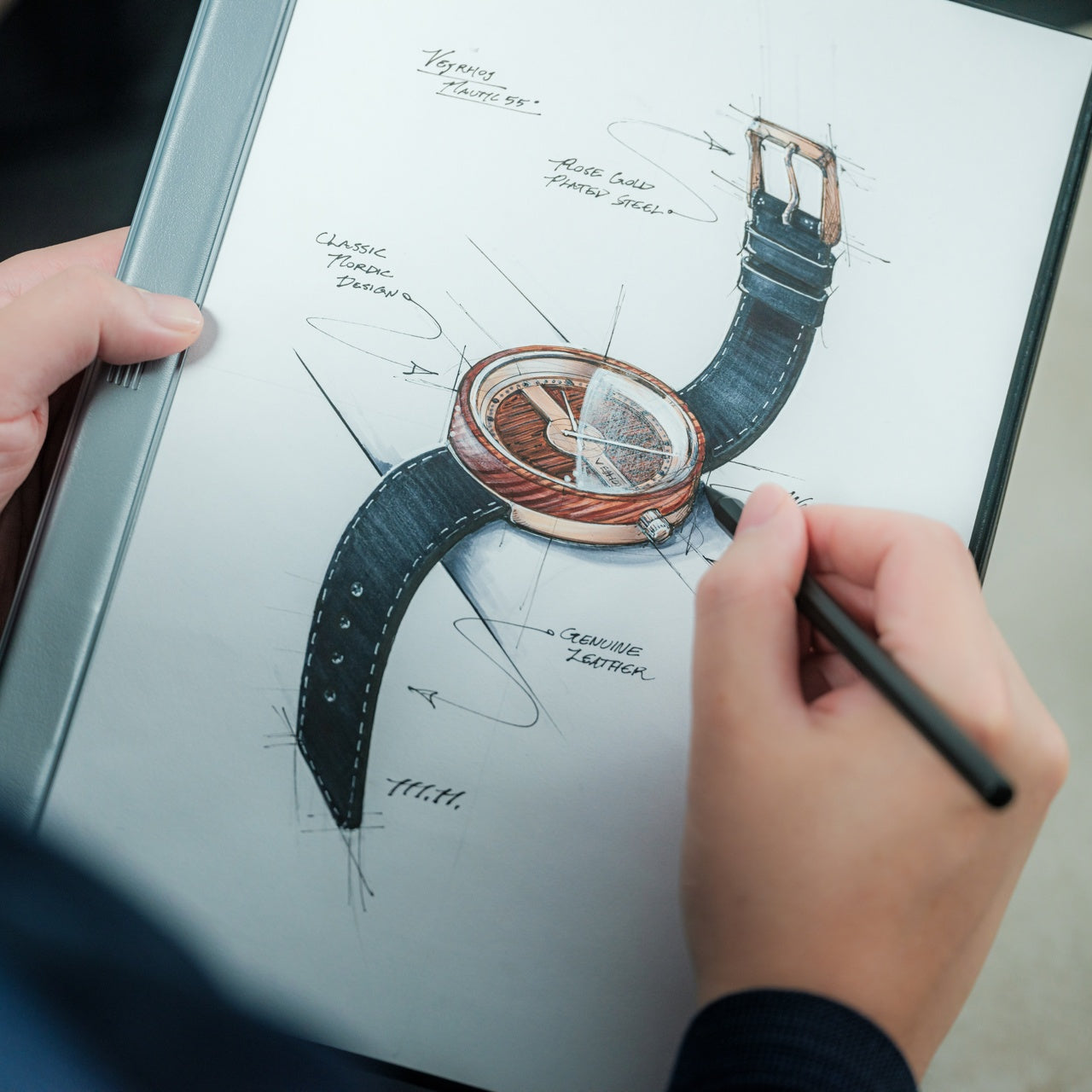
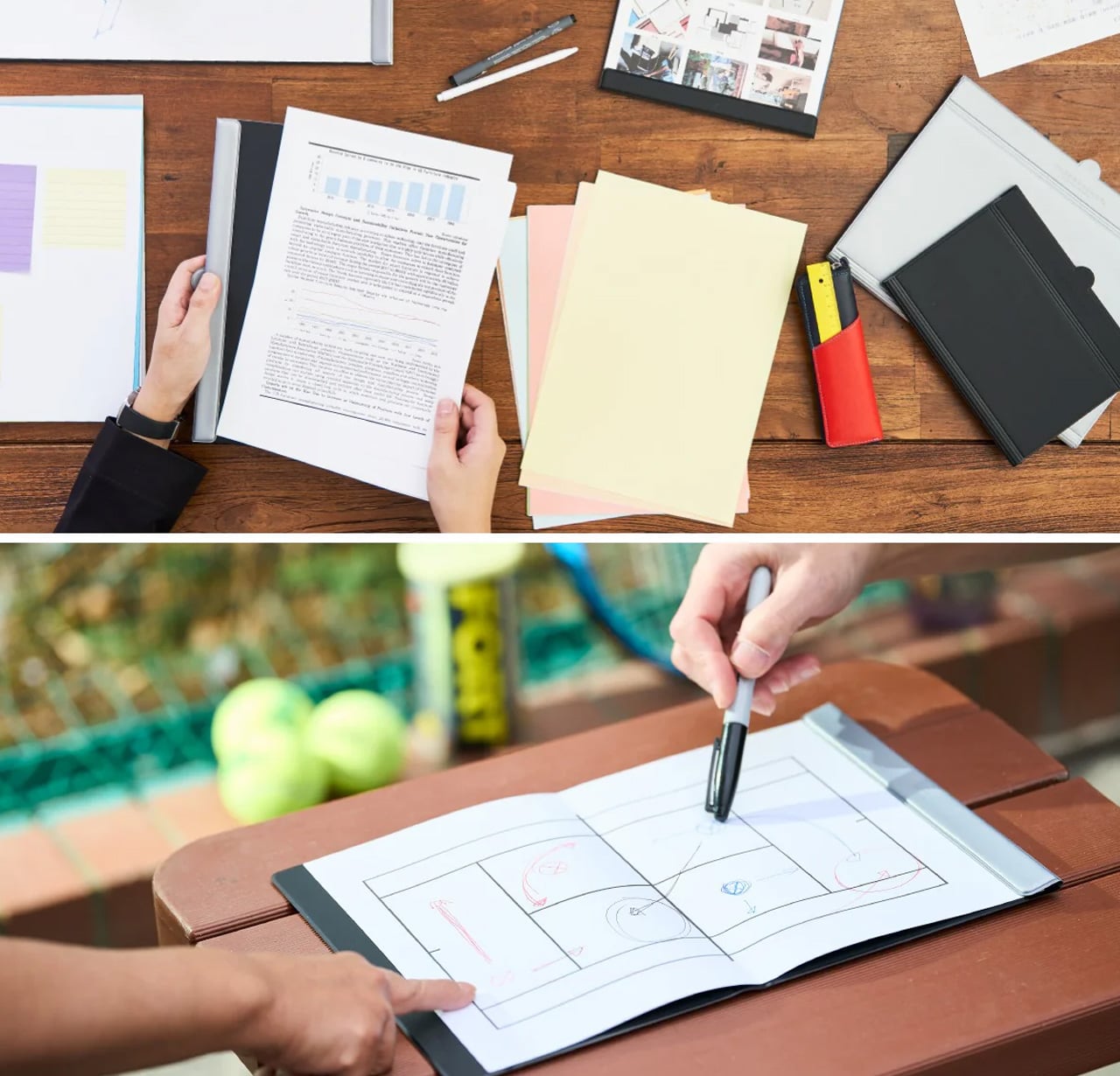

The Magboard closes the list because it answers the question every other product on it leaves open. A desk built around screens, cameras, and AI tracking is a desk that has optimized entirely for output and left nothing for the moment before output, when a thought is still a thought and not yet a task. The Magboard is a magnetic clipboard. It holds paper. It does this with enough design intentionality that it belongs next to everything above it, and that is not a low bar to clear.
Physical note-taking has not disappeared from the remote work day. It has become invisible in setups that treat analog tools as an afterthought. Giving the clipboard a dedicated surface on the desk, one that clips, holds, and stays put through magnetic precision, is a small act of organizational clarity that shows up in how the rest of the desk functions.
What we like:
- Magnetic mechanism adds a tactile precision that a standard clipboard never has
- Grounds a screen-heavy setup with a deliberate and well-designed analog presence
What we dislike:
- Purpose is specific enough that it won’t resonate with users who have moved fully to digital note-taking
- Works best as part of a considered setup rather than as a standalone purchase
The Desk Is The Message
The remote work desk in 2026 is past the point where functional is enough. Every product on this list, from the concept laptop that opened it to the clipboard that closed it, was chosen because it treats the desk as a designed space rather than an accumulated one. That distinction is what separates a setup that works from a setup that communicates something before a single word is spoken on a call.
Not everything here is available today, and one of the best things on the list may never be. That is an honest reflection of where design is in 2026: the most interesting ideas are still a step ahead of the shelf. What you can buy right now is already better than what most home offices are running. The OBSBOT, the Lofree, the Noble Osprey, and the Logitech Mobi Fold are genuinely good objects that earn their place on a desk that has stopped settling for whatever was closest.