
Most furniture with a sustainability story asks you to make a trade. You sacrifice the aesthetics for the ethics, and you call it a choice well made. The RE-UP Side Table by Thai design studio TAKEHOMEDESIGN is quietly rewriting that agreement. It is not asking you to settle. It is asking you to look at a food delivery container and actually see something beautiful. That is a harder ask than it sounds.
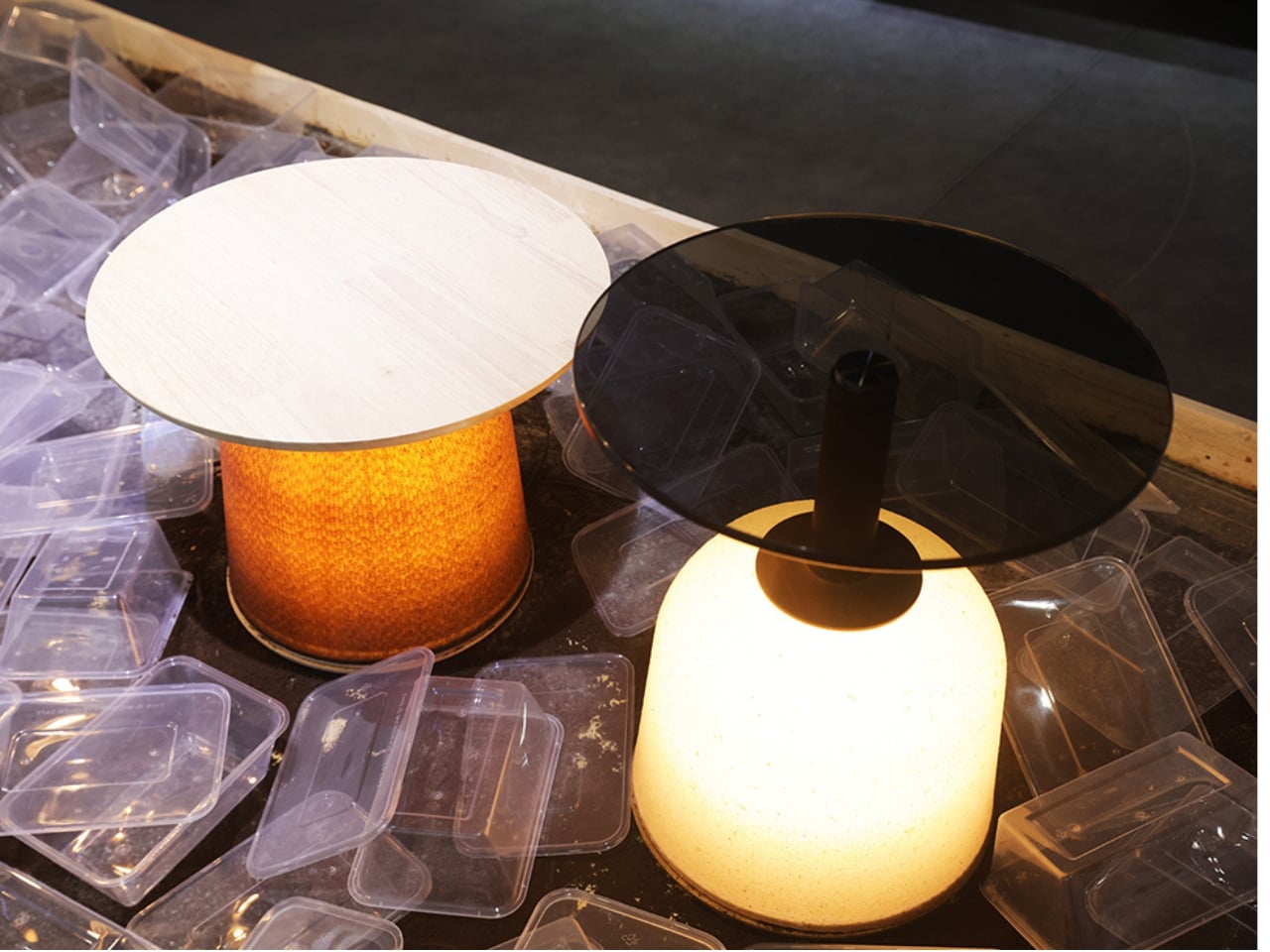
TAKEHOMEDESIGN, founded by designer Paphop Wongpanich and based in Bangkok, has been producing furniture that blends Thai craftsmanship with a globally informed design sensibility for over a decade. The RE-UP collection is the studio’s most pointed statement yet. The bases of these side tables are made entirely from moulded plastic waste, sourced from two material streams: polycarbonate from industrial sources, and post-consumer polypropylene pulled from food packaging and delivery containers. Thailand generates more than 2 million tons of plastic waste annually, and a significant portion of that comes from exactly the kind of single-use containers most of us forget about the moment we toss them out. TAKEHOMEDESIGN is pulling them back.
Designer: TAKEHOMEDESIGN
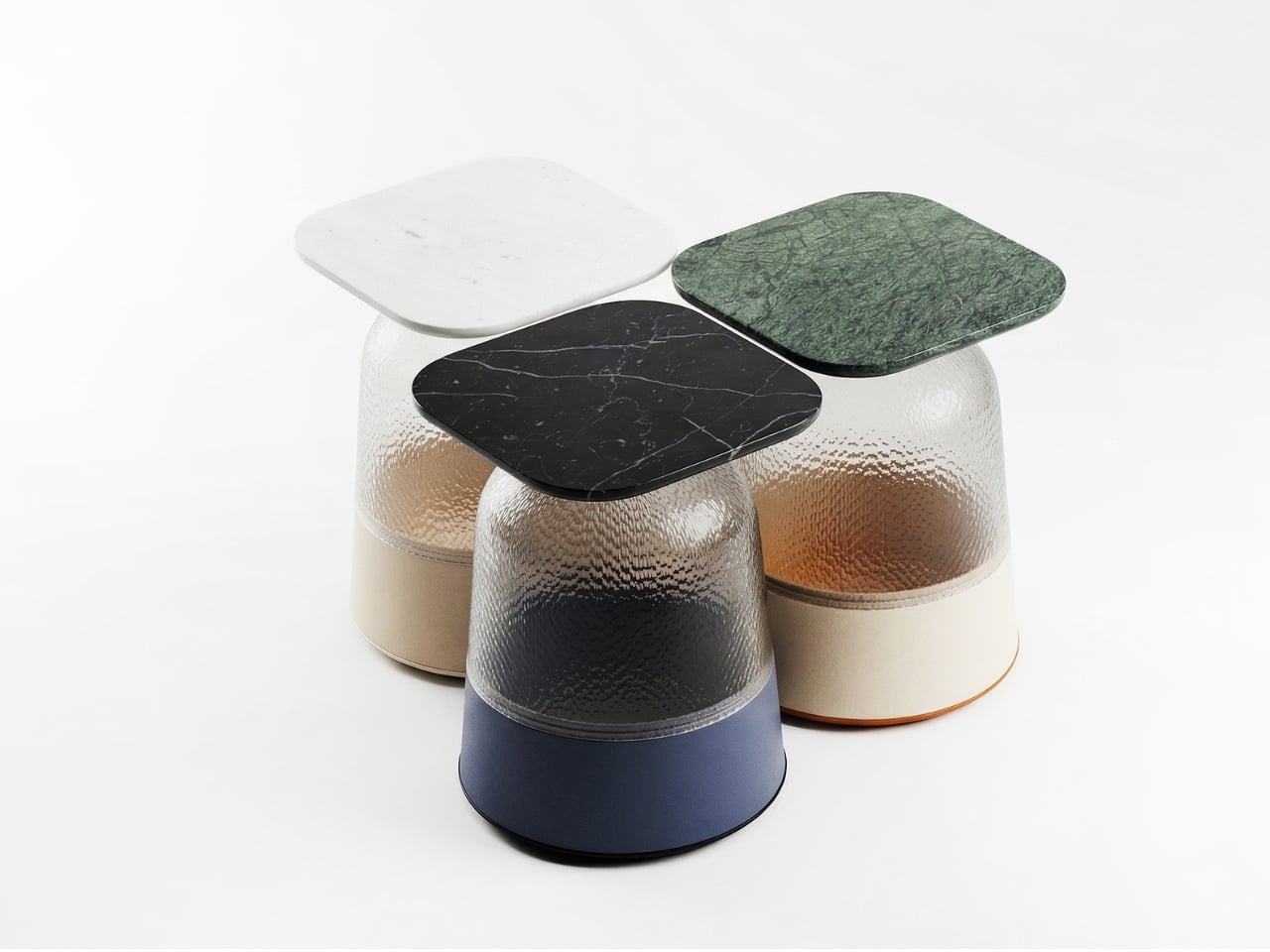
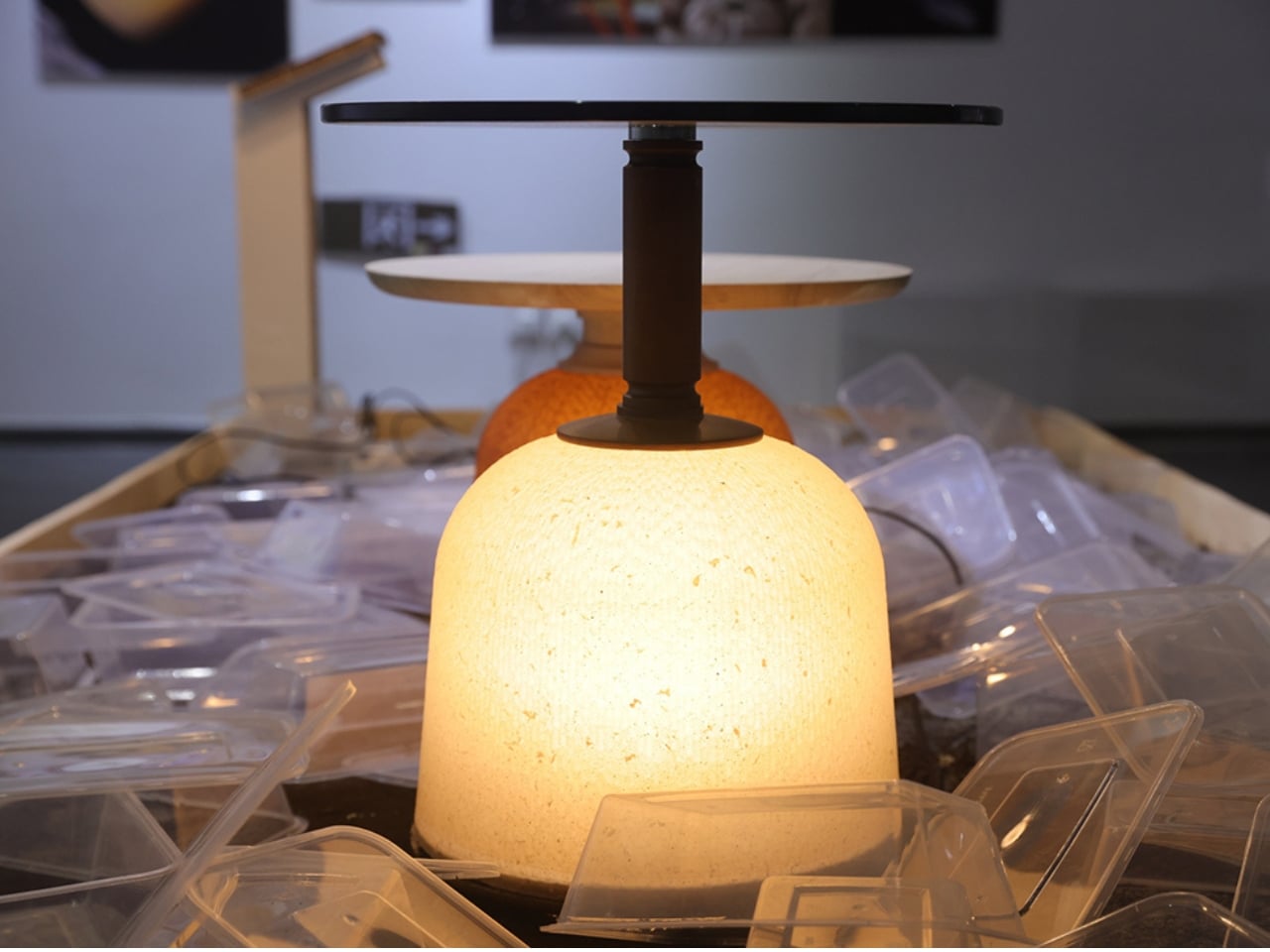
What makes the RE-UP particularly interesting from a design perspective is how unapologetically honest it is about its materials. The polycarbonate bases carry a frosted glass-like finish that reads as sleek and almost architectural. The polypropylene versions, on the other hand, reveal a visibly shredded texture beneath the surface, and when some of the designs are lit from within with soft internal illumination, that texture catches the light in a way that feels more like art than furniture. It is the kind of detail you would notice and then have to explain to a guest, which I think is exactly the point. Good design should give you something to say.
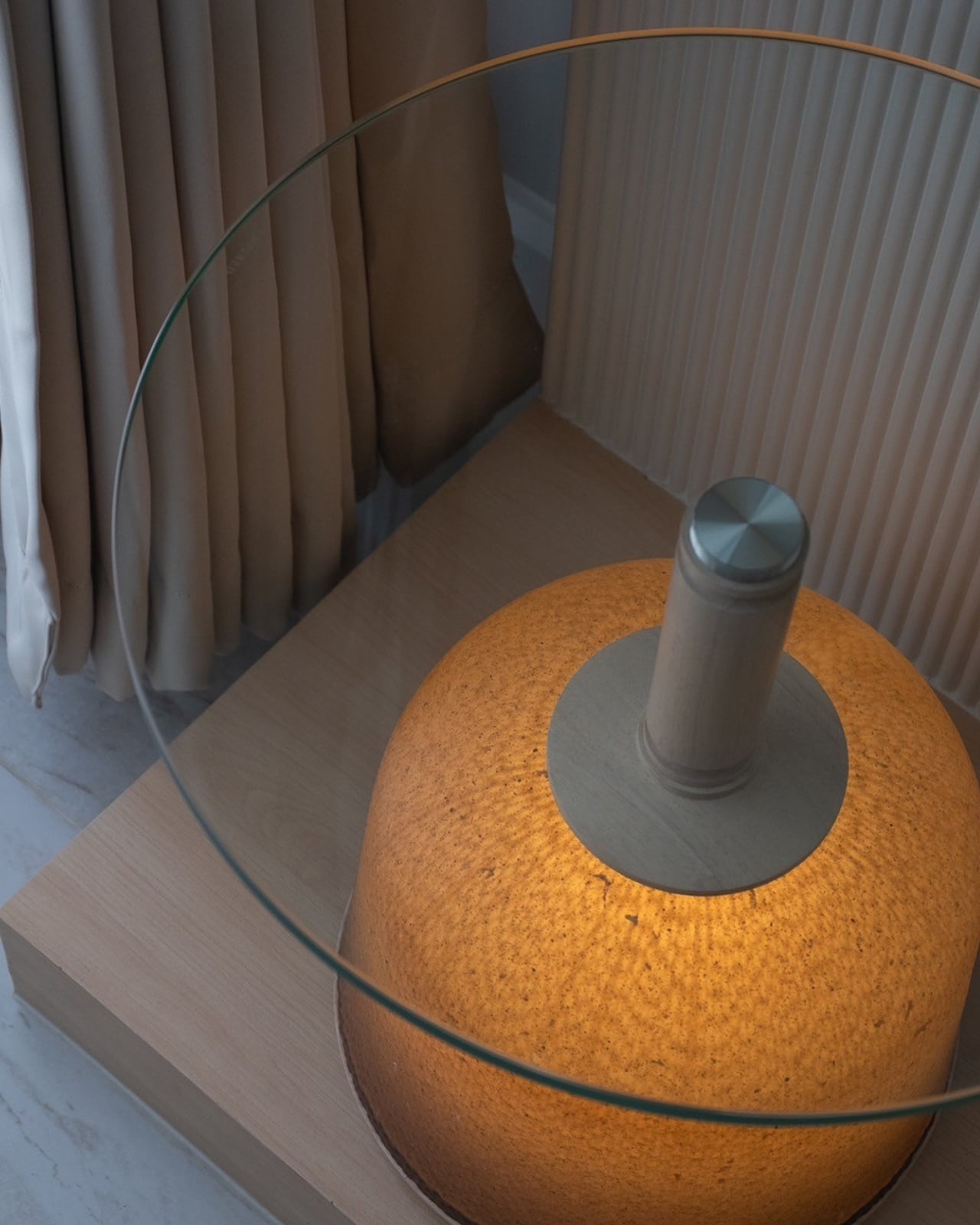

The tabletops bring a contrasting layer of naturalness. Options include rubberwood shaped using traditional Thai woodworking techniques, recycled UHT milk cartons (yes, really), clear tempered glass, and marble. The rubberwood itself is a byproduct of Thailand’s rubber industry, which means the sustainability thinking extends beyond just the base. For those who want a warmer tone overall, coffee grounds are used to tint the base in a mocha finish, which is either a very clever material choice or a very good piece of storytelling, possibly both.
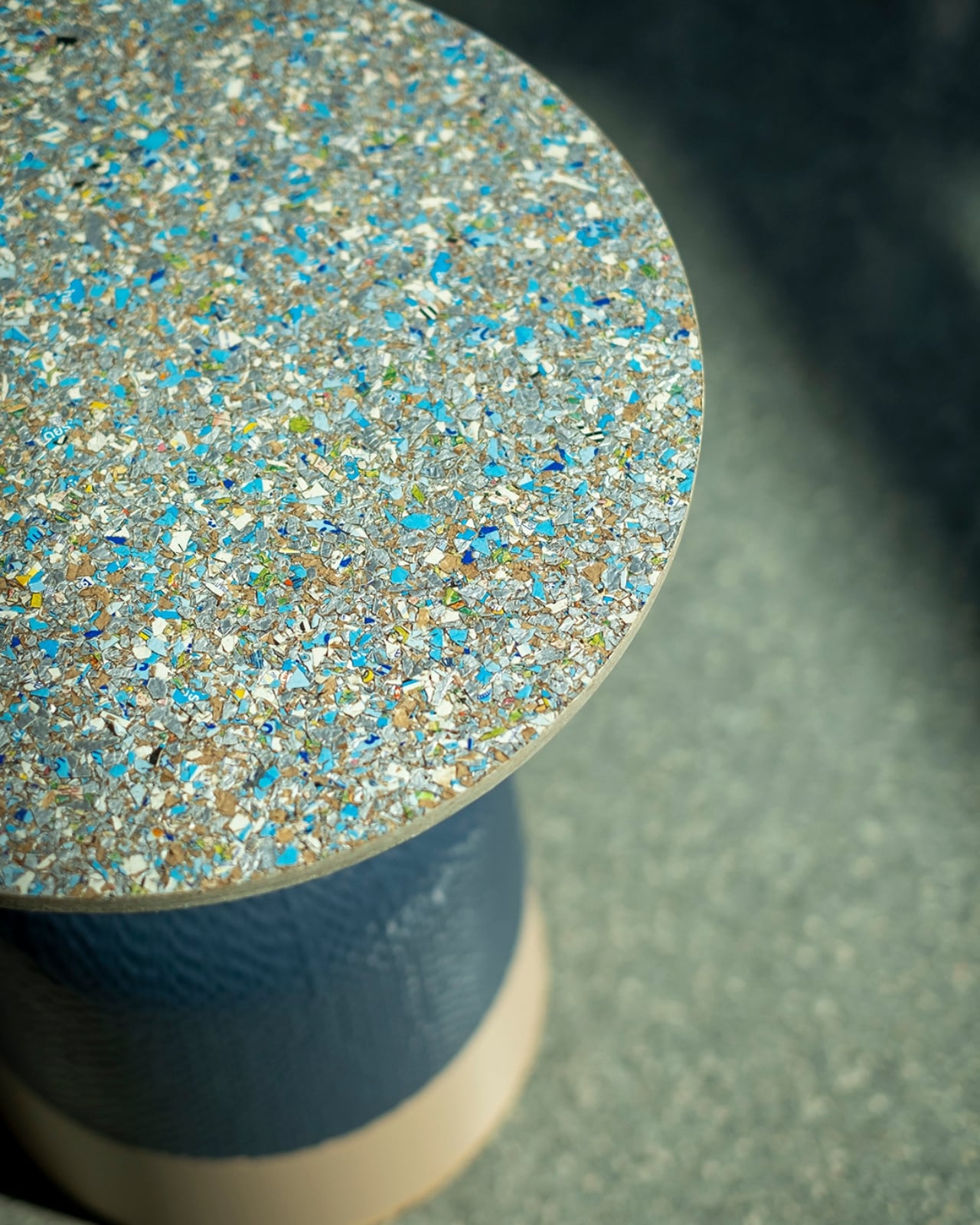
I genuinely appreciate when design does not try to hide where it came from. There is a category of sustainable product that scrubs its origin story clean, presenting itself as simply tasteful and letting the eco credentials live quietly in a footnote. RE-UP is the opposite of that. The process is the product. The texture of the shredded plastic, the slight translucency of the base, the warm unevenness that tells you this did not come from a conventional mold. These are not flaws being forgiven. They are the design.
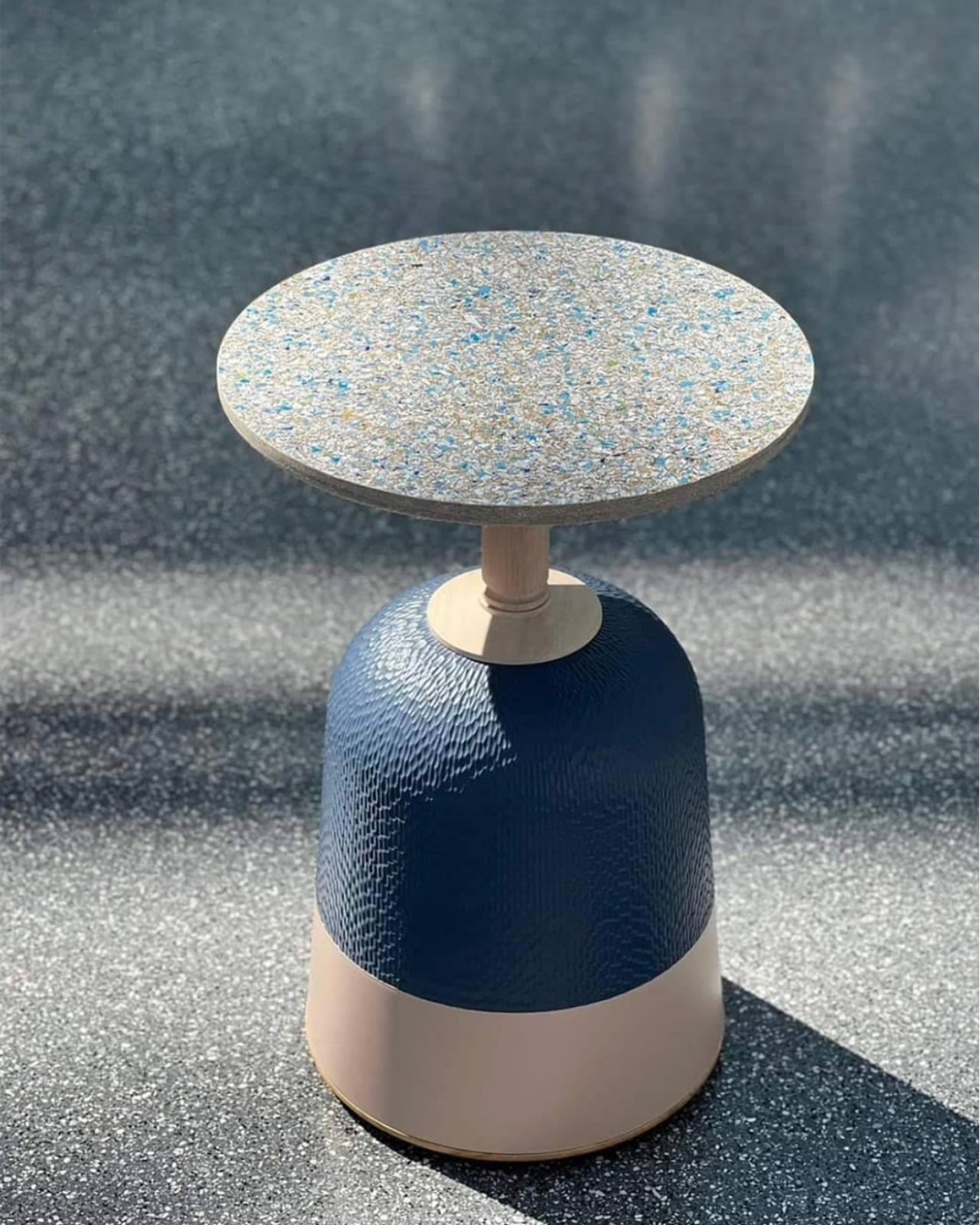
The collection won the BIG SEE Product Design Award 2026 in the Furniture for Living Spaces category, a European design recognition that signals this work is resonating well beyond its home market. TAKEHOMEDESIGN has also shown at the HD Expo in Las Vegas, which suggests the studio is thinking seriously about hospitality and commercial interiors alongside the residential buyer. It is the kind of traction that tends to follow studios that say something real with their work.
The RE-UP also extends into pendant lights and coffee tables, so it is not a singular statement piece floating in isolation. It is a liveable system, and that matters. A design philosophy only scales when you can actually build a room around it. For something born from a takeout container, it holds up remarkably well.