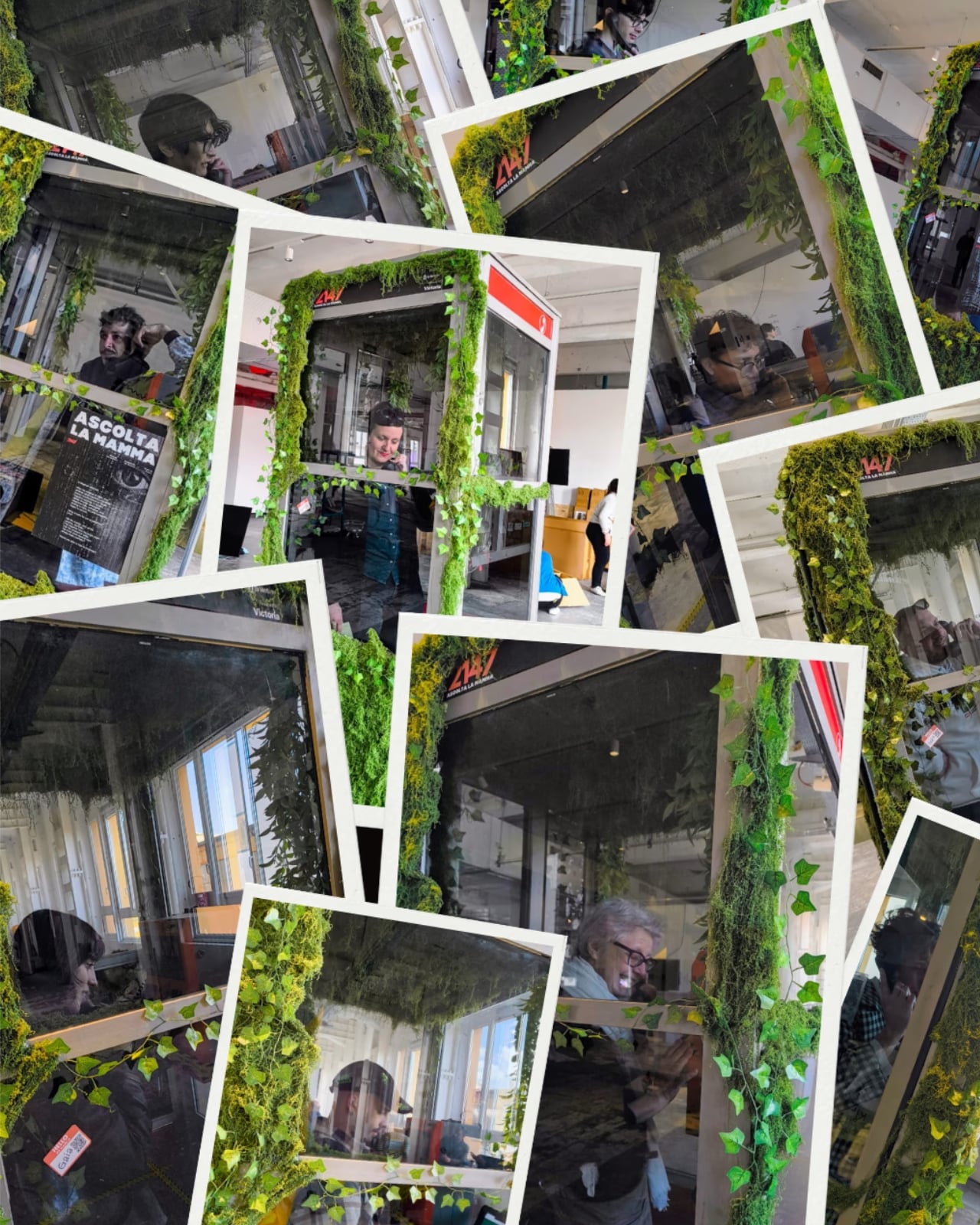
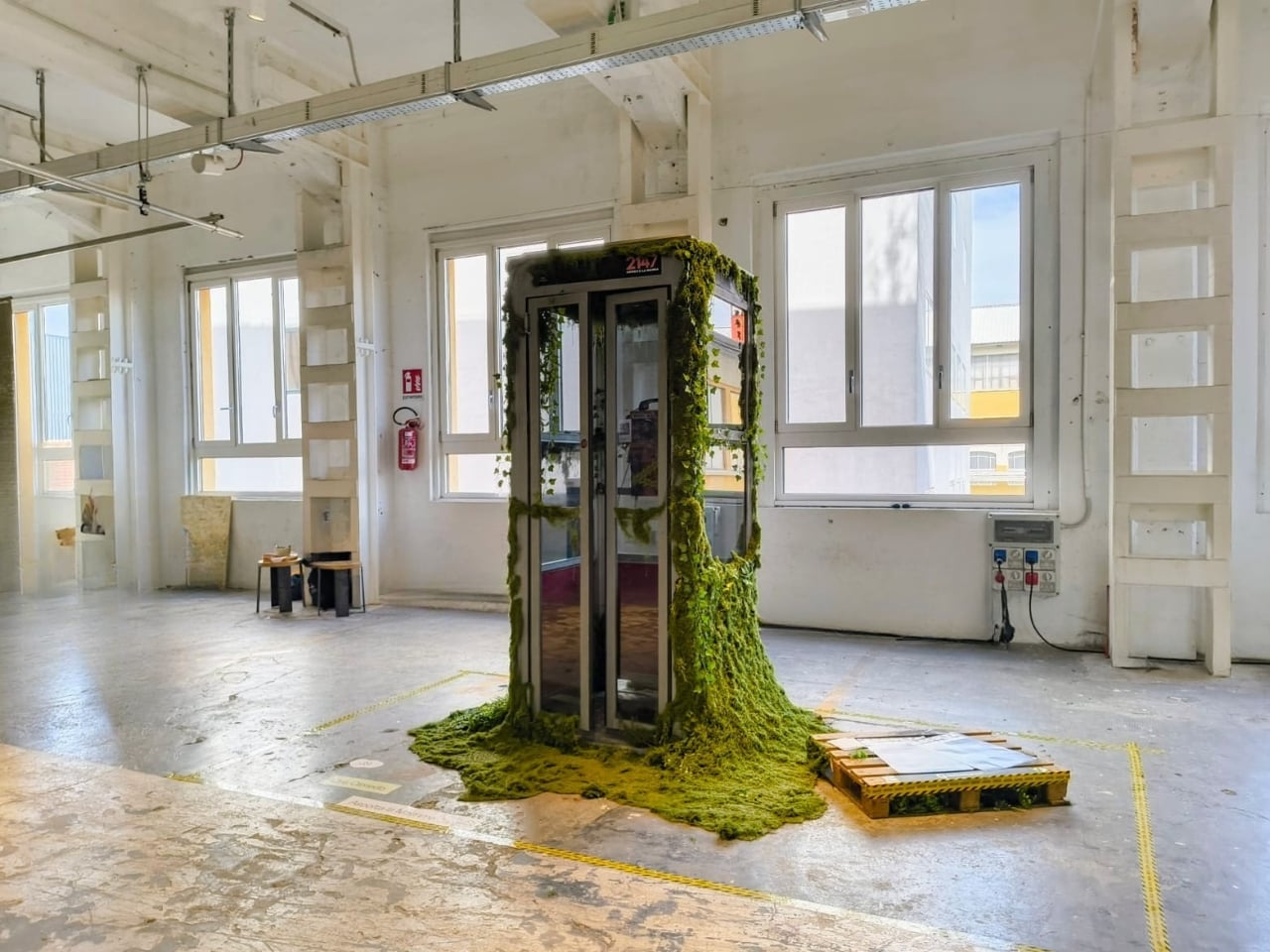
Picture a payphone. Not a sleek, reimagined version, just an actual, beat-up Telefónica booth, the kind you might walk past on a Barcelona street without a second glance. Except this one is overtaken by moss. And if you pick up the handset, the Earth answers.
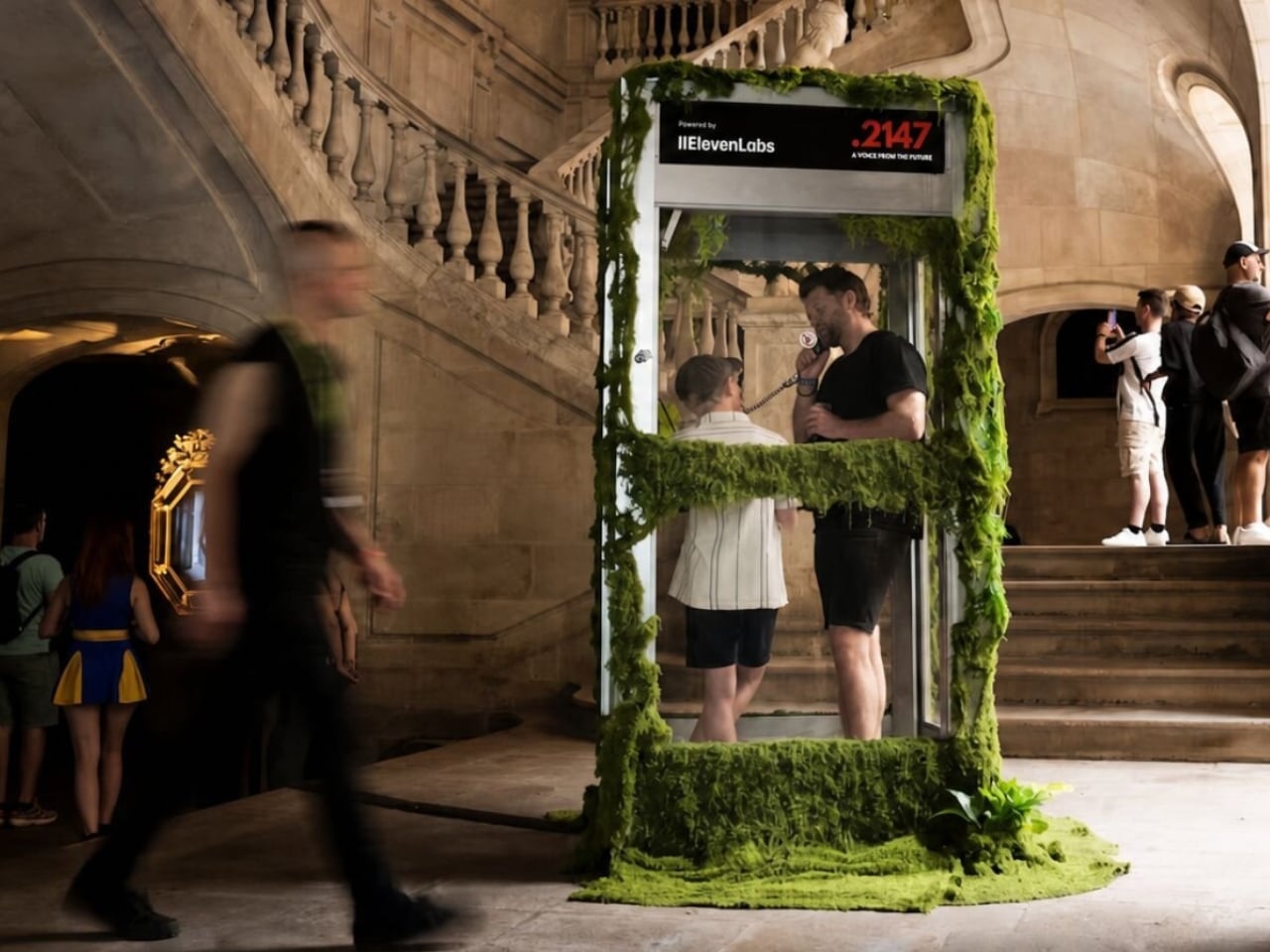
That’s the premise of 2147: A Voice from the Future, an interactive installation by Cris Olmedo of Divina Machina, the digital art branch of creative innovation studio QS Ventures. The piece was presented at Sónar+D, set against the medieval backdrop of the Llotja de Mar in Barcelona. That pairing alone says something: one of the oldest commercial buildings in the city, hosting an open-ended conversation with an AI that speaks on behalf of a future planet.
Designer: Cris Olmedo (Divina Machina)

The concept is disarmingly simple. You pick up the handset. The AI, voiced through an ElevenLabs system and powered by a Raspberry Pi 5 tucked inside the original booth, responds in real time as a fictional representation of the Earth. No scripts, no predefined dialogue paths, no multiple-choice menus. You take the conversation wherever you want, whether that’s climate, survival, memory, or grief. The Earth, imagined 121 years from now, has things to say. Whether you do is another matter.
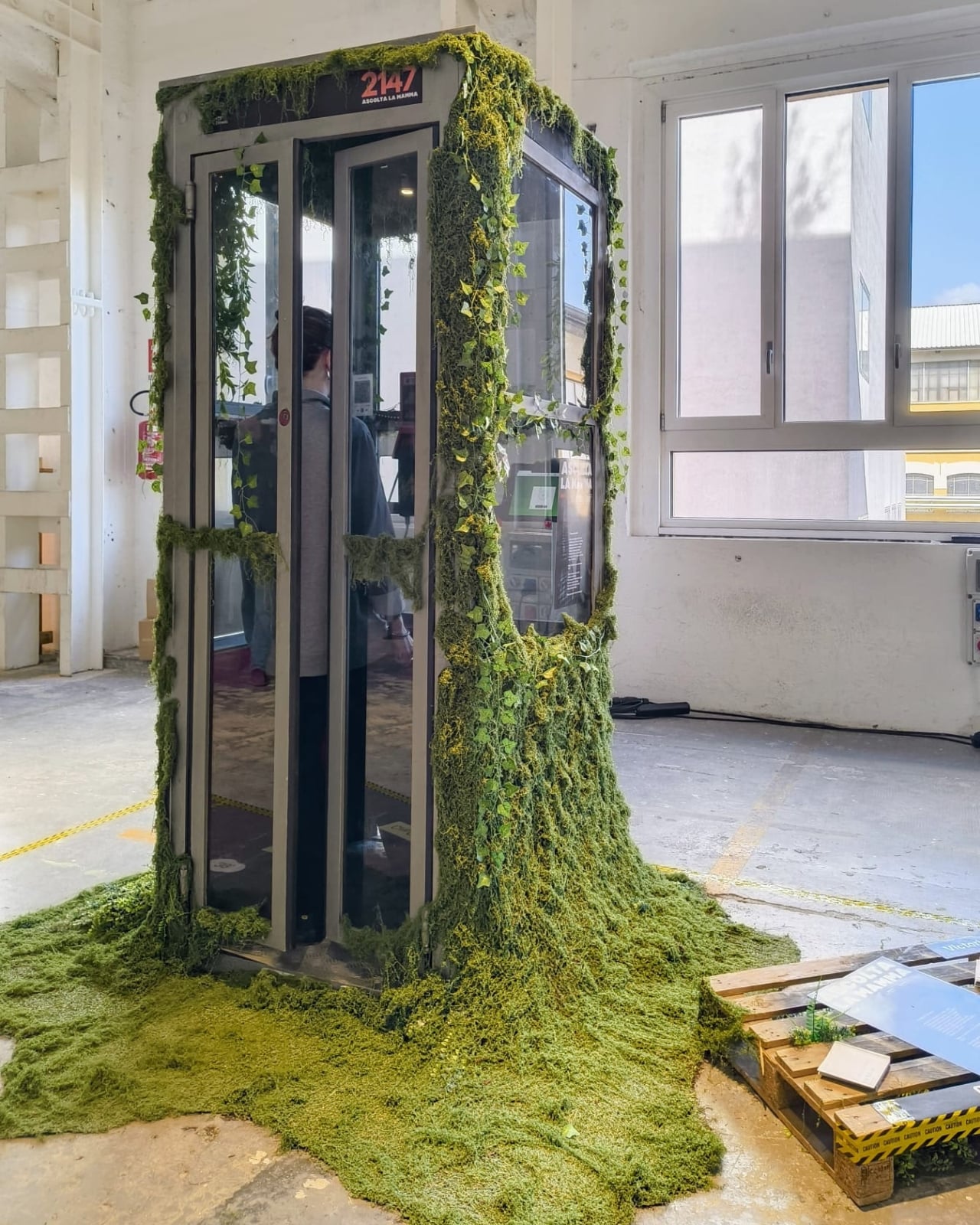
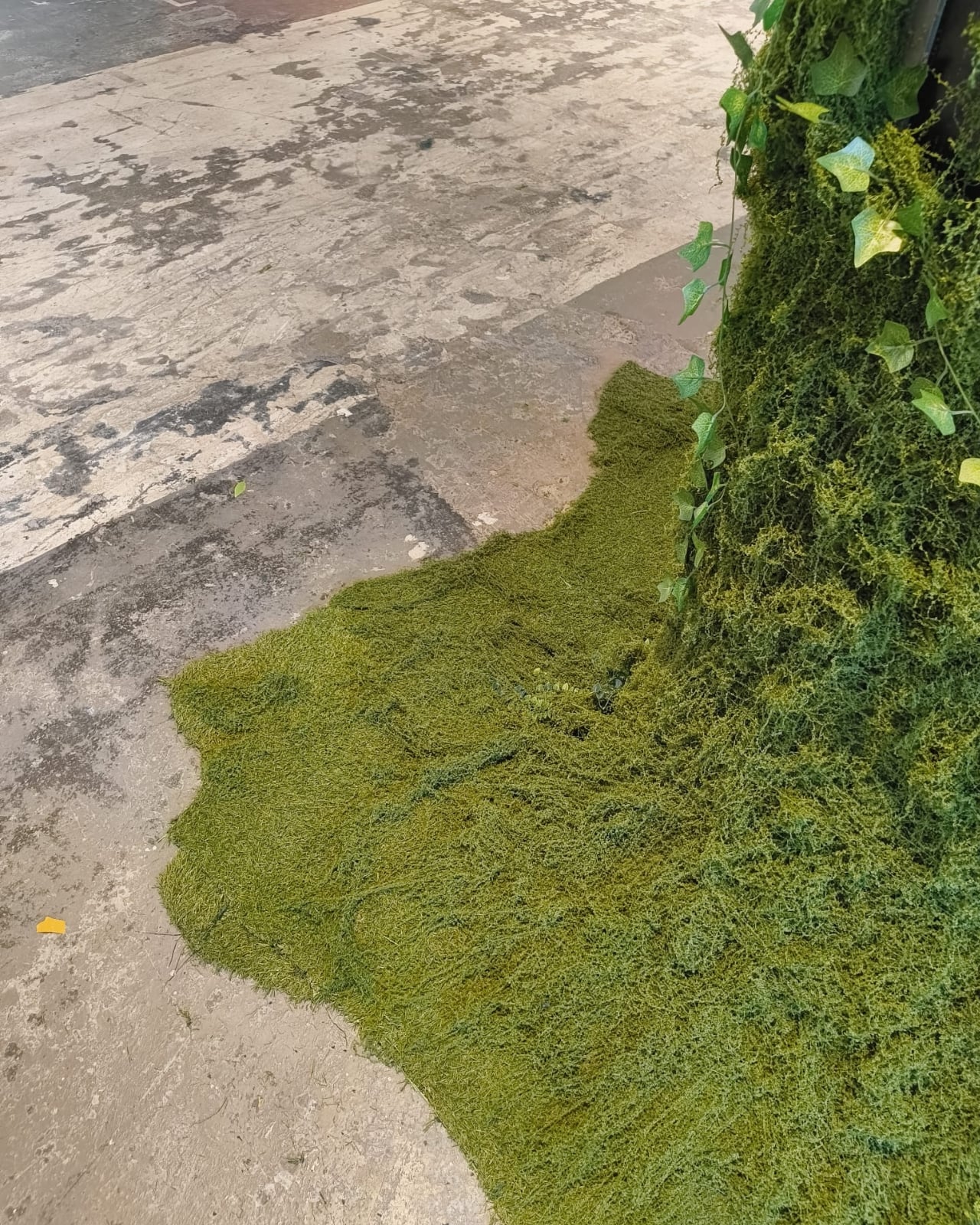
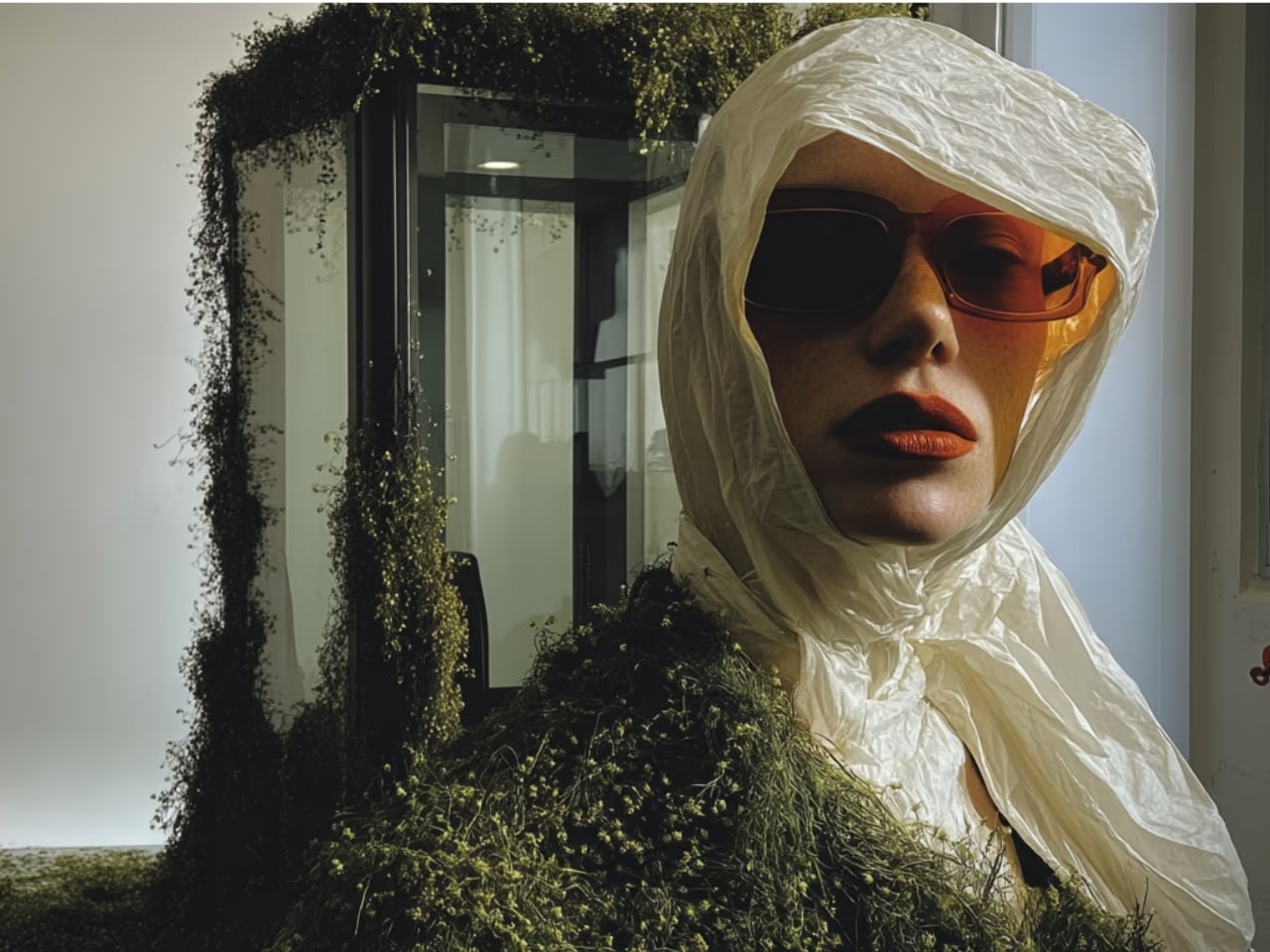
What makes this work is the object itself. Olmedo didn’t design something new and purposefully futuristic. The booth kept its original Telefónica structure, its original signage, its unmistakably analog bones. Only what’s hidden inside changed. The moss slowly consuming the exterior reads like nature quietly reclaiming something that people gave up on. That tension between the obsolete and the alive does a lot of the emotional heavy lifting here, and it’s a smarter choice than any glowing interface could have been.

We tend to think of design as a forward-moving discipline, always chasing newer, faster, more capable. But 2147 asks a different question: what happens when you take something we’ve already discarded and give it a new reason to exist? The payphone is a perfect vessel for that question, precisely because it was once the most public, most democratic form of long-distance communication we had. You didn’t need an account, a plan, or a device you owned outright. Just a coin and a number to dial.

Now that infrastructure is largely gone. Olmedo took what’s left of it and filled it with something else entirely. That’s not just clever art direction. It’s a genuinely pointed observation about how we build things, discard them, and eventually recognize that the shell still has something to offer. The fact that this installation lives inside an actual retired Telefónica booth, rather than a replica, matters more than it might seem.
The year 2147 gives me pause, in the best way. It’s far enough to feel like science fiction, but close enough to feel like a countdown. It’s the kind of temporal framing that shakes you out of the comfortable haze of “we’ll deal with it later.” The Earth speaking through this installation isn’t a distant abstraction. It’s speaking through a receiver you’ve held before, in a language you already understand, about problems you’ve already heard about.
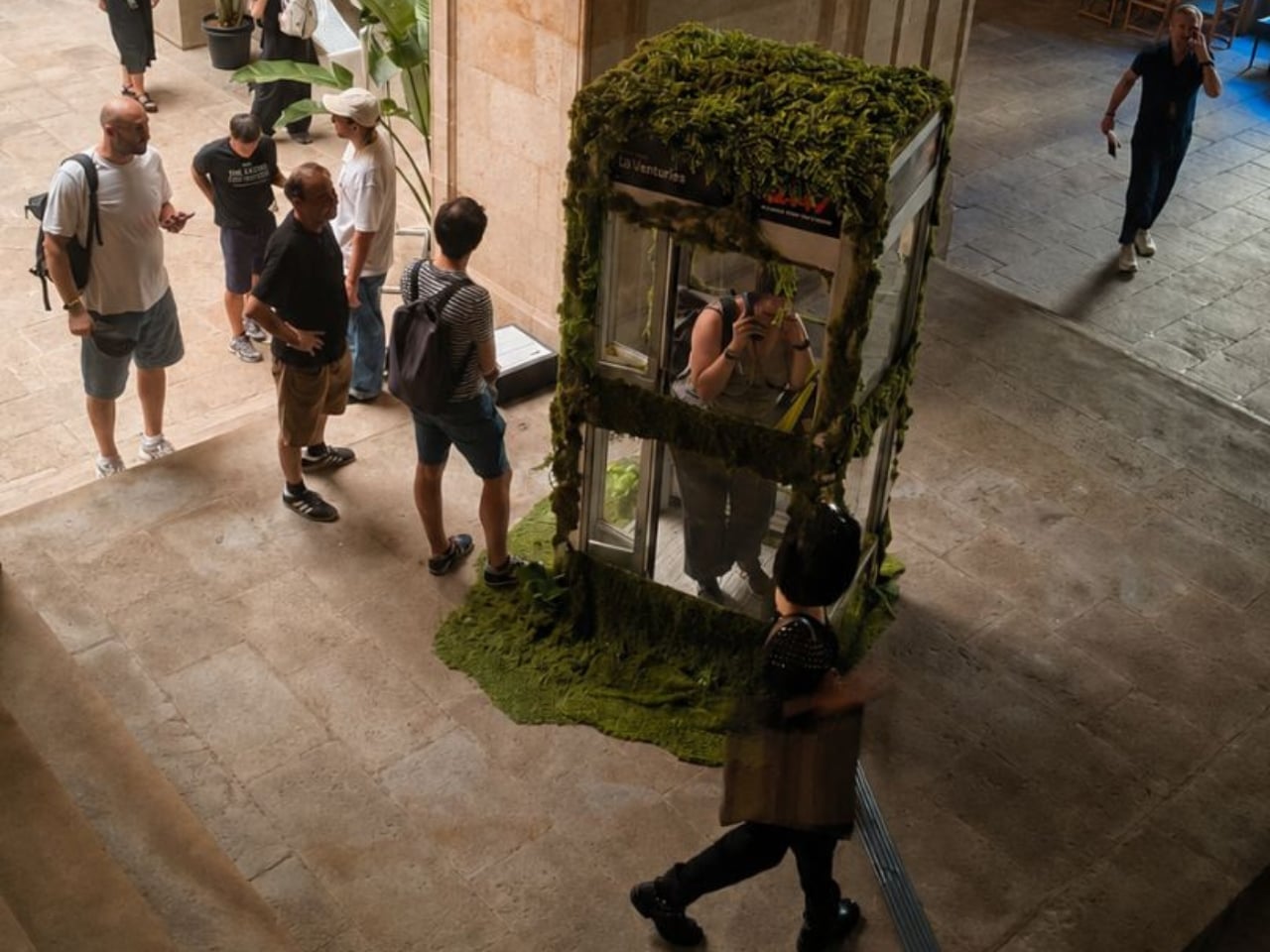
The moss is the detail I can’t stop thinking about. It reads as both beautiful and quietly alarming, the natural world slowly spreading over a structure that once represented human connection. As if the planet didn’t wait for us to sort things out. It also turns a mundane artifact into something you actually want to stop and stare at, which is half the job of any good installation. It communicates instantly and without explanation, which is exactly what good design is supposed to do.
2147: A Voice from the Future earns its concept. It’s not a payphone with AI bolted on. It’s a meditation on time, obsolescence, and the conversations we keep putting off. And the most compelling thing about it is that it asks you to start one, right now, handset in hand, with a planet that’s been waiting for you to pick up.