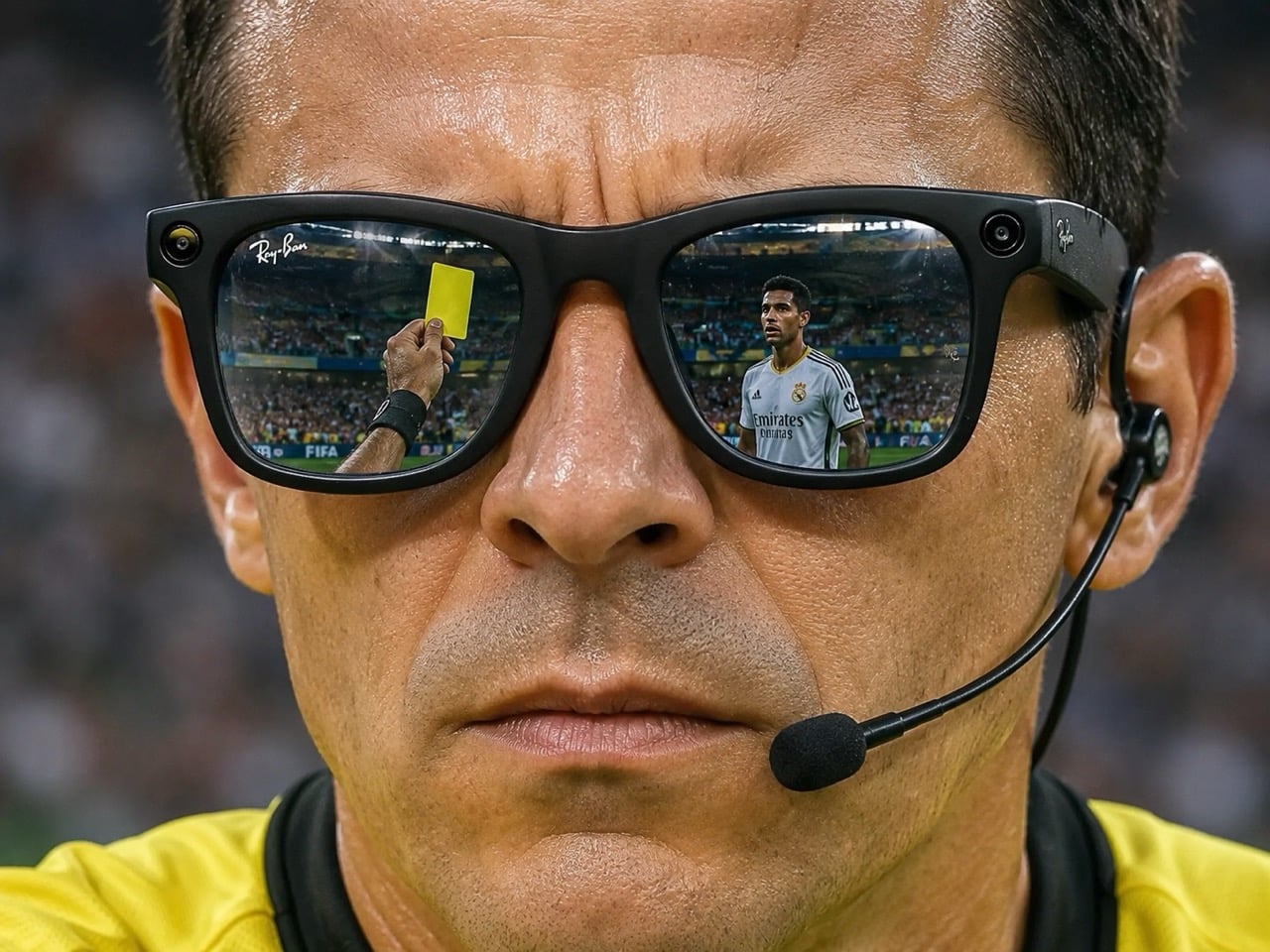

For centuries, a pair of glasses has been one of the most socially innocent objects a person can wear. They exist in one of two lanes: as a quiet medical tool for correcting vision, or as a deliberate fashion statement, an accessory as personal as a watch. In either role, tool or ornament, they are fundamentally passive. They sit on the face, and in return for their service or their style, society grants them a kind of ambient trust. Smart glasses were designed to borrow that trust. They slip into the familiar silhouette of eyewear, hijacking the social permission we’ve granted them, hoping we won’t notice the difference.
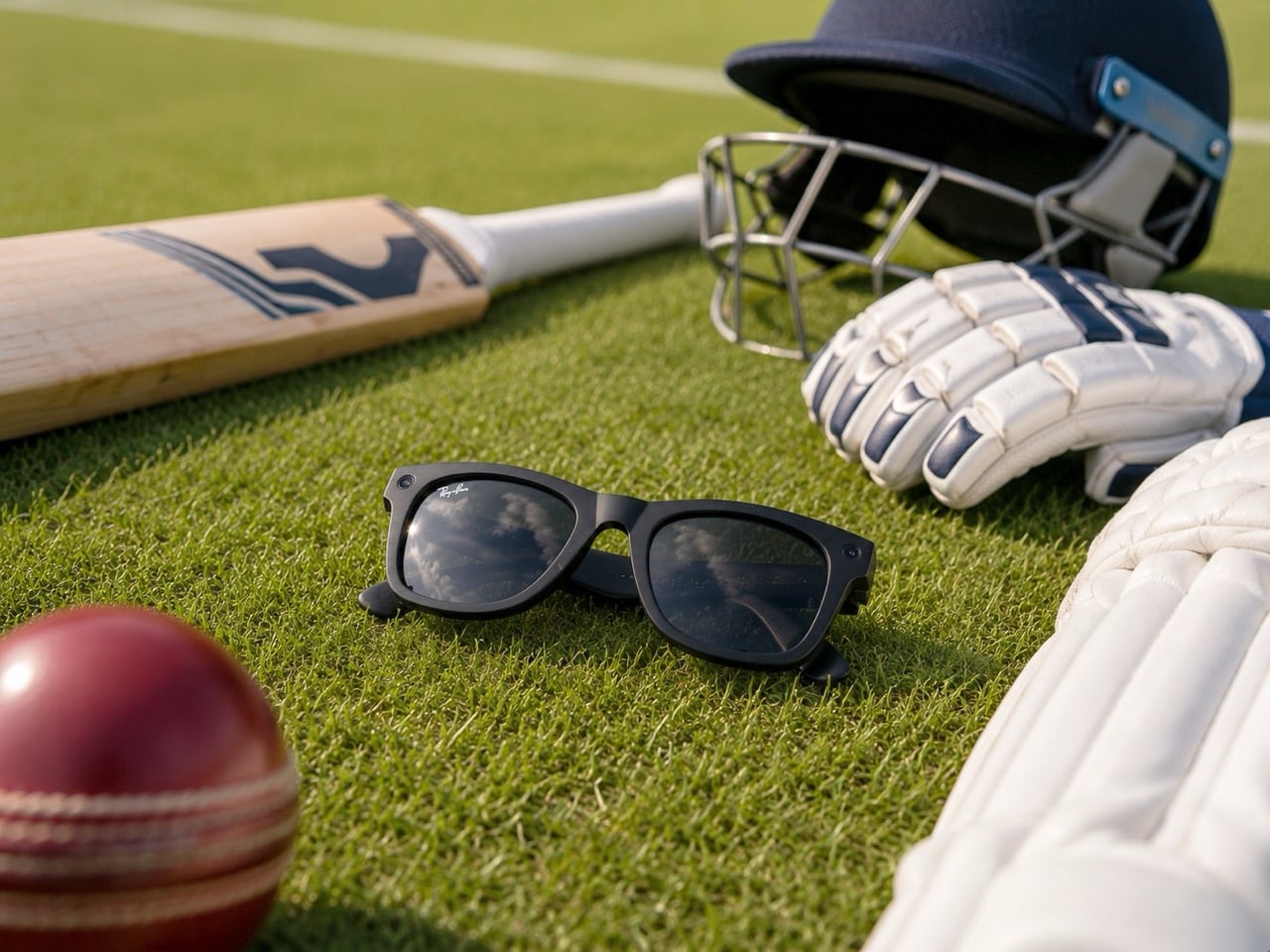
But that’s the thing, isn’t it? The moment that quiet, passive object gains the ability to see, record, and communicate on its own, the social contract shatters. It stops being a corrective lens or a simple accessory and becomes a question mark. And in the high-stakes world of professional sports, that question is no longer theoretical. In the Indian Premier League, one of the most-watched cricket leagues on the planet, it has been answered with a firm ‘no.’ The league’s advisory body recently banned smart eyewear from all restricted match-day areas as reported by Indian Express, not because they might help a player see better, but because their ability to discreetly communicate threatens the very integrity of the game. It’s the first major institutional line drawn in the sand, a clear signal that what makes smart glasses so compelling, their seamless, discreet power, is exactly what makes them so threatening to an environment built on trust.
Which makes the current scoop from the FIFA World Cup all the more interesting. This year, cameras attached to referees have been delivering something genuinely compelling: a first-person view from the center of the match, fast, intimate, and unlike any angle a traditional broadcast camera can offer. FIFA has partnered with Lenovo to stabilize the footage, reportedly reducing blur and shakiness by up to 50%. The result is a piece of wearable camera tech that audiences have embraced without a second thought. And the reason it works has nothing to do with the stabilization algorithm or the resolution. It’s because everyone knows exactly what it is, what it records, and who controls the output. The ref cam is sanctioned intimacy, an invitation behind the official’s gaze with the entire institution of the sport standing behind it.
The problem has never really been head-worn cameras. GoPros have existed for more than twenty years, and nobody writes angry op-eds about them, because a GoPro announces itself the way a tourist in neon shorts announces themselves. Gloriously, almost aggressively obvious about what it is and what it’s doing. The same logic applies to the FIFA ref rig: dedicated broadcast hardware, sanctioned by the league, feeding a known output to a known destination. Smart glasses are slipperier. Their design philosophy actively works against that legibility, optimized to look like ordinary eyewear while quietly carrying camera, microphone, and communication capabilities underneath. That gap between appearance and function is exactly where trust evaporates.
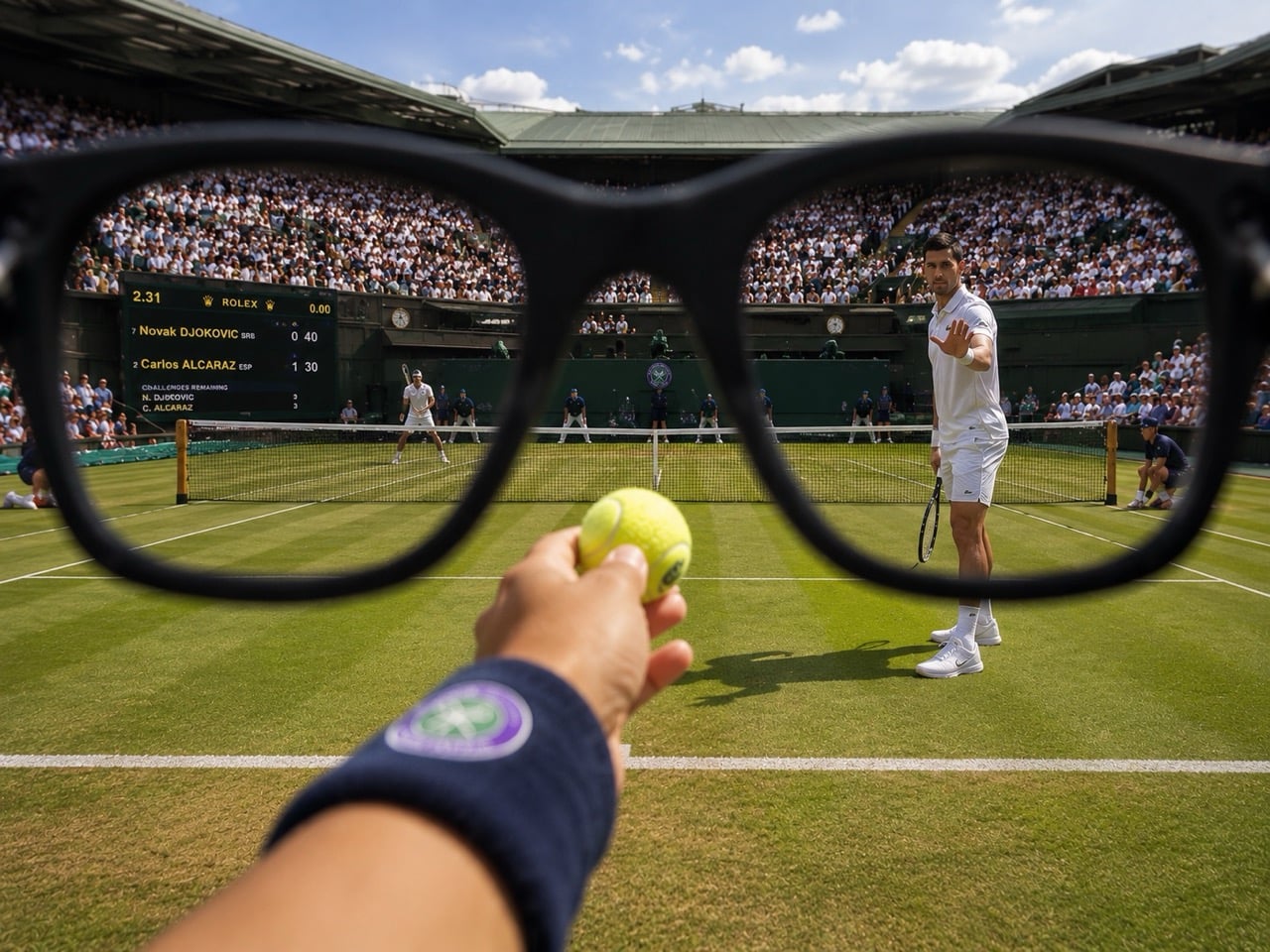
Silicon Valley has spent years selling the idea that the best interface is the one that disappears. Ambient computing, seamless experiences, invisible technology. It’s a seductive design philosophy, and in most consumer contexts, it’s probably the right one. But sports may be quietly proving the opposite. In a high-stakes, heavily monetized environment where betting markets move in real time, the most valuable technology is often the least ambiguous. Leagues don’t just need devices that work; they need devices that can be understood at a glance, audited, regulated, and explained. The IPL’s concern isn’t really about what smart glasses are doing today. It’s about what they could be doing, invisibly, in a dressing room, on a pitch, in a dugout. Seamlessness, in that context, isn’t a feature. It’s a liability.
None of this means smart glasses have no future in sports. They might, just not in their current form. The ref cam points toward a version of wearable vision technology that could genuinely work: purposeful, controlled, institutionally transparent, and designed to communicate its function rather than conceal it. Soccer officials in other leagues are already using similar cameras for post-match performance reviews, a quiet but meaningful step toward something bigger. The path from there to a trusted live-match tool, however, runs directly through a design problem. Smart glasses need to stop borrowing the social invisibility of ordinary eyewear and start building their own visual language, one that tells players, officials, and leagues exactly what the device is, what it records, and who is watching. Until then, the trust deficit isn’t a policy issue. It’s a design failure, wearing a very familiar frame.