
At some point, most of us stopped caring what our charging setup looks like. A tangle of cables here, a plastic brick there, maybe a few adapters scattered across the desk like tech confetti. It works, so why fuss? London-based design studio LAYER is making the case that we’ve been setting the bar way too low, and once you see Node and Loft, it’s pretty hard to disagree.
LAYER, the studio founded by award-winning British designer Benjamin Hubert, recently unveiled Node and Loft, a new family of charging products developed for lifestyle brand Daily Objects. The premise is simple but smart: what if your charging accessories actually looked like something you chose on purpose?
Designer: LAYER

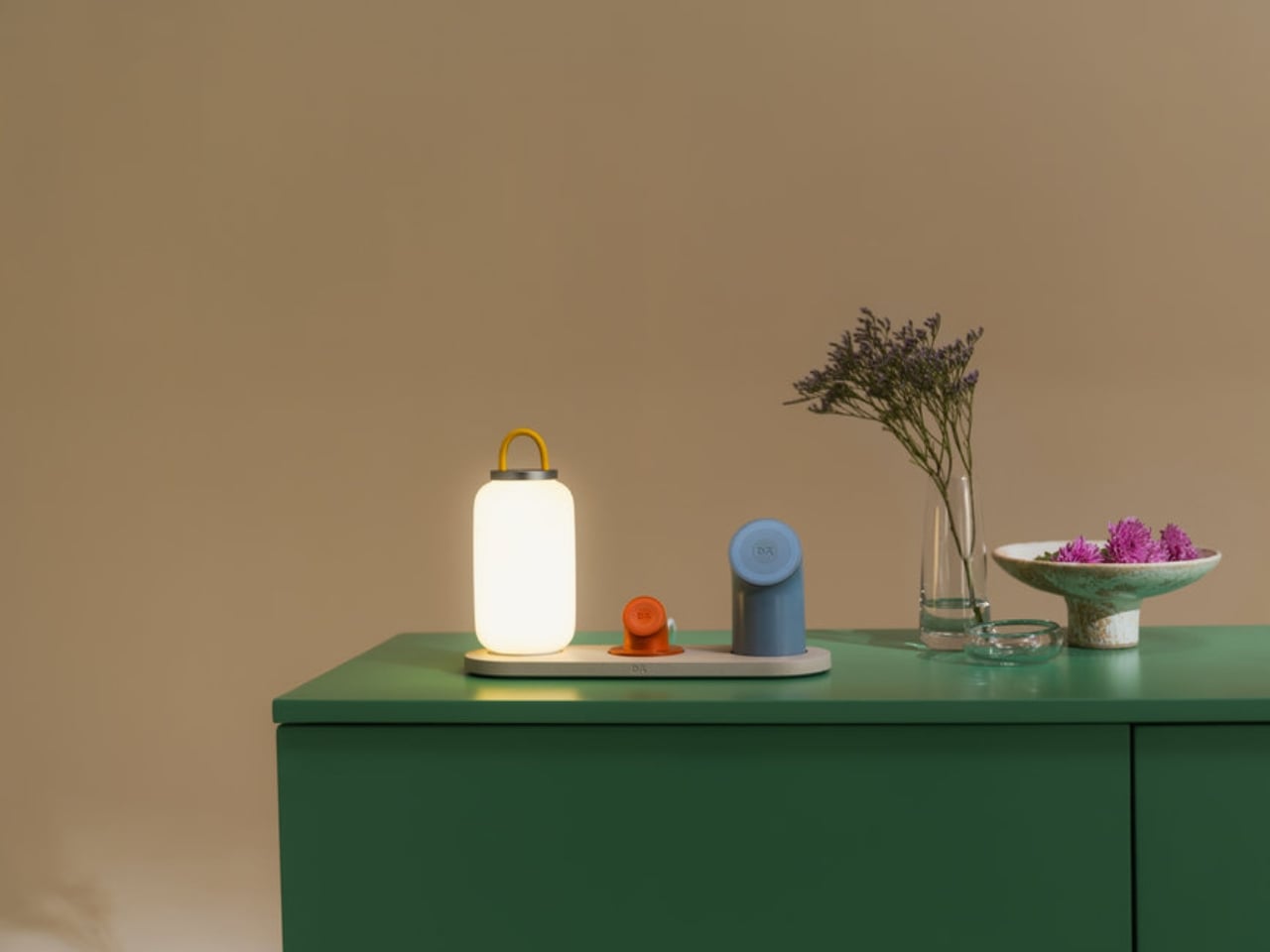
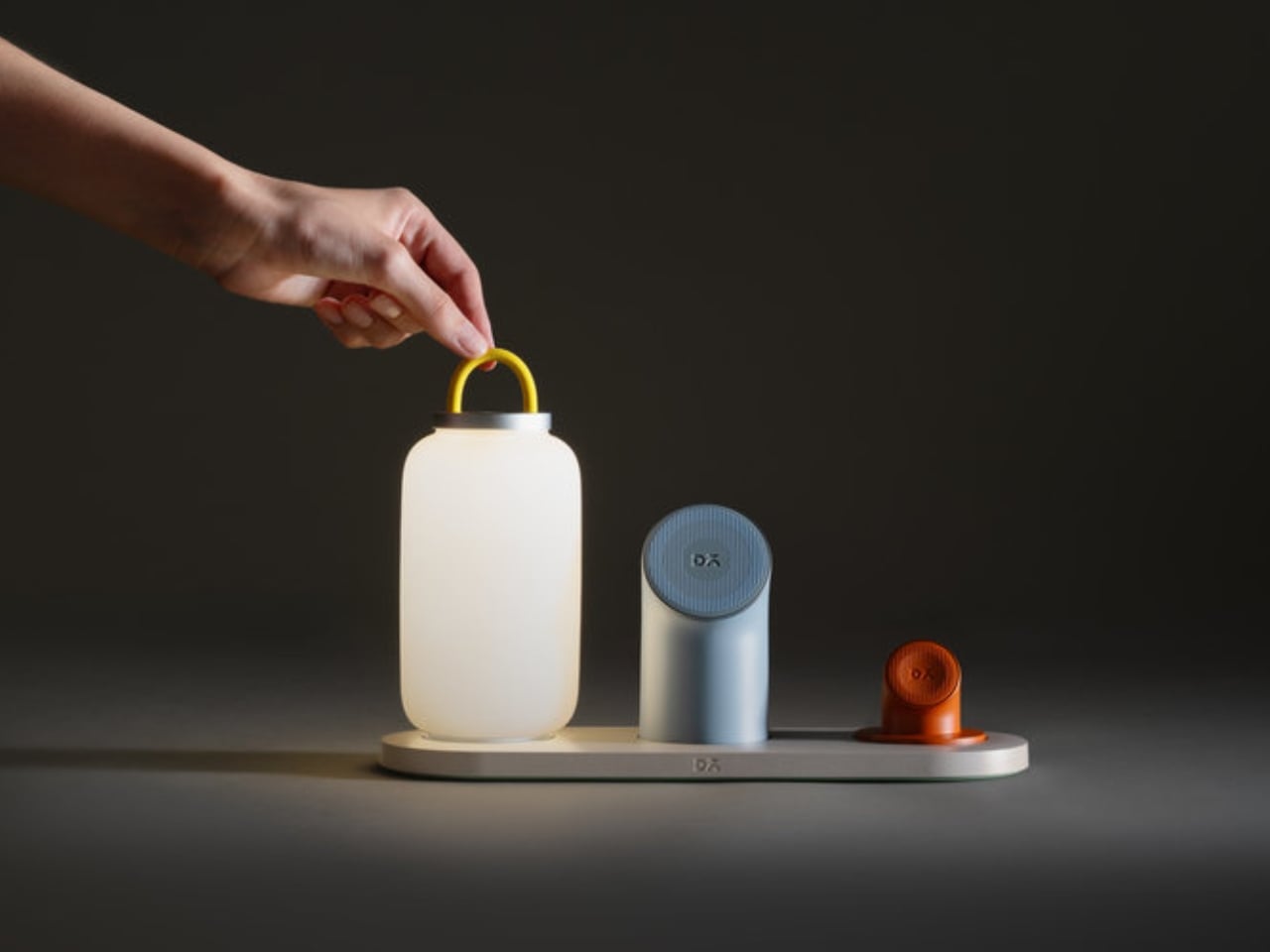
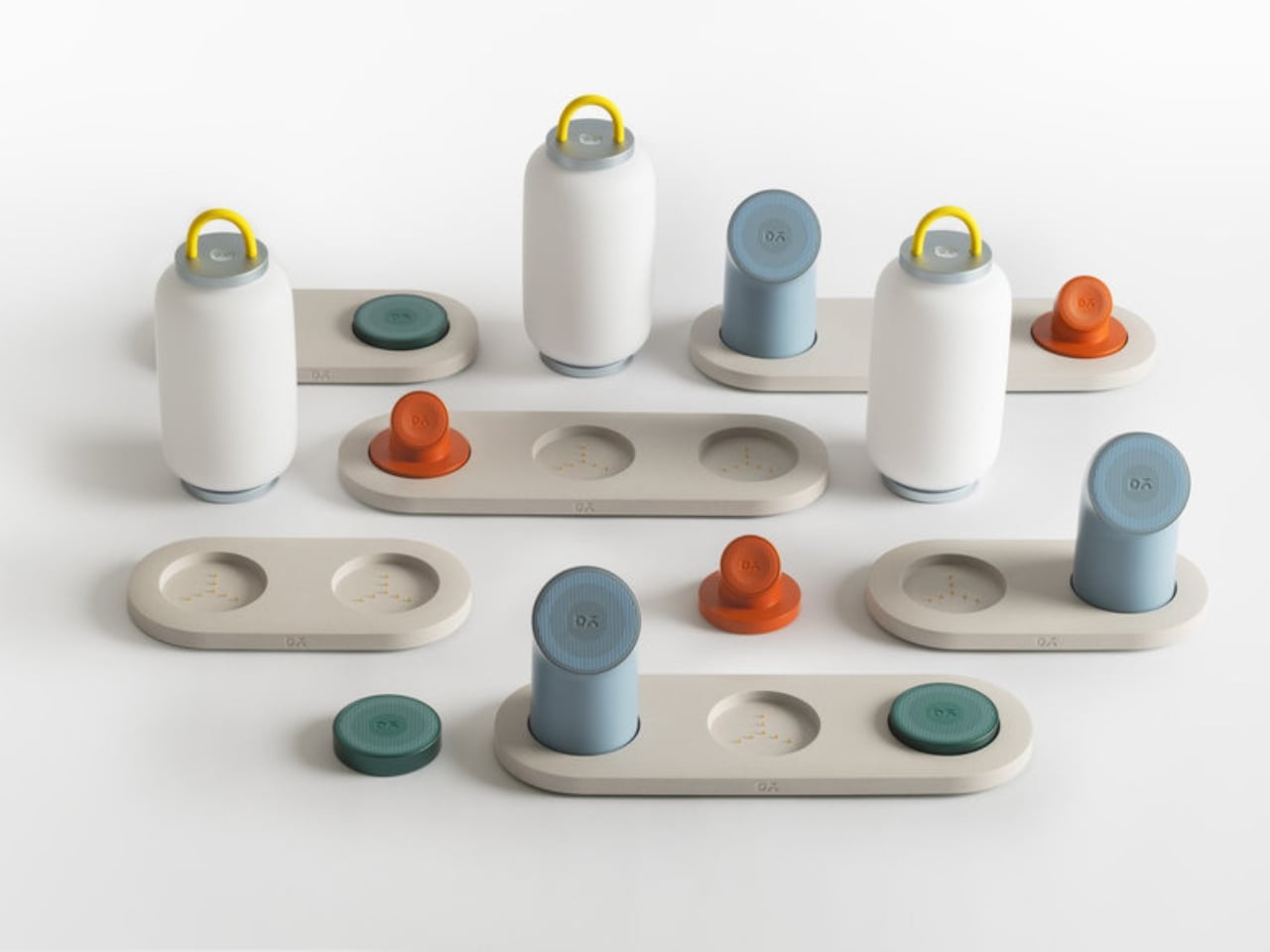
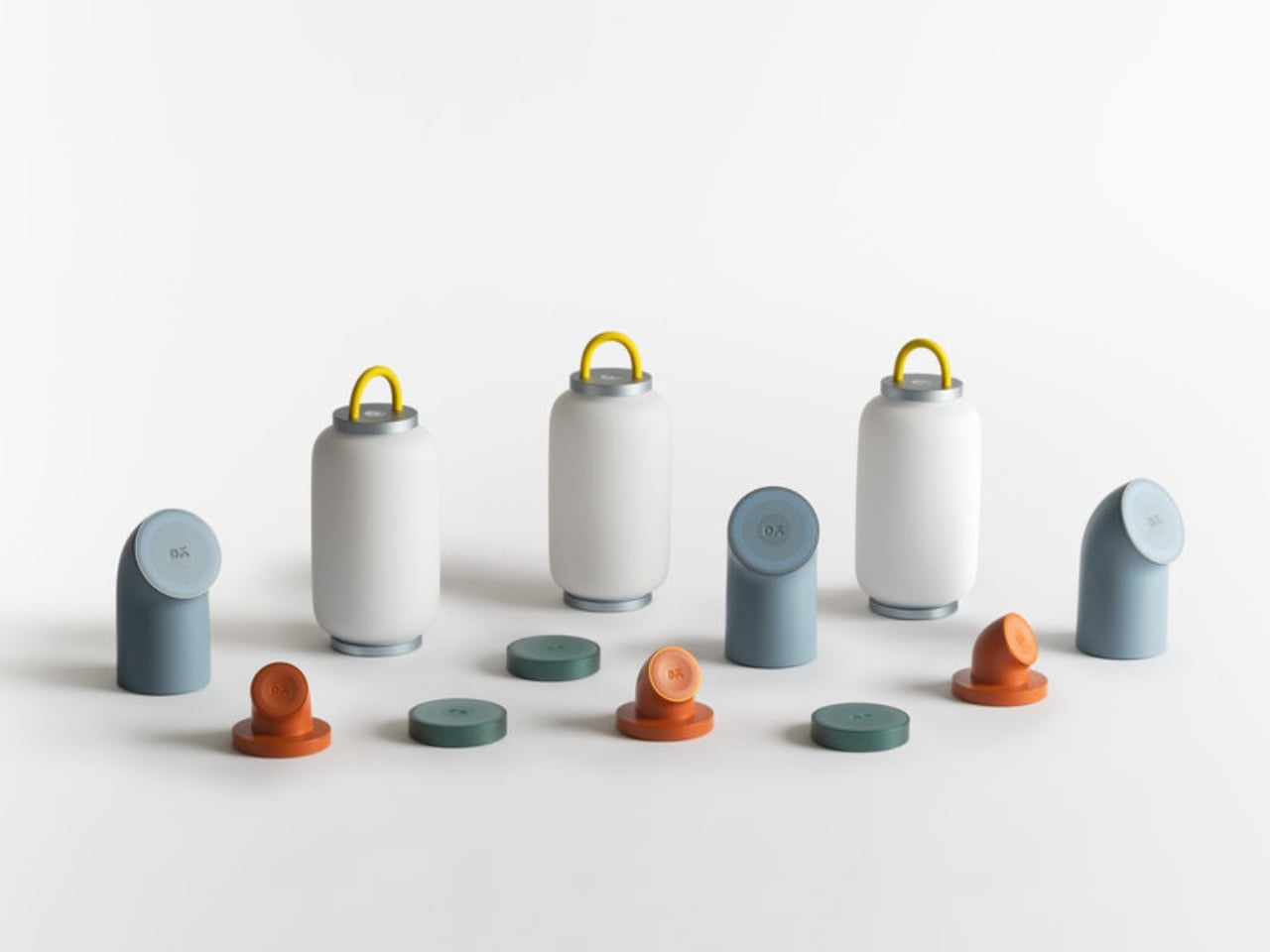
Node is the modular piece of the duo, and it’s genuinely clever. Built around a one-wire setup, it works as either a 2-in-1 or 3-in-1 dock, with four interchangeable modules to mix and match: a Wireless Charging Phone Stand, a Wireless Charging Disk, an Apple Watch Charging Stand, and a Portable Lamp. Each module clicks in when you need it at the desk and lifts off just as easily when you’re heading into a different room or packing a bag. The whole thing feels less like cable management and more like a system you’d actually enjoy using.
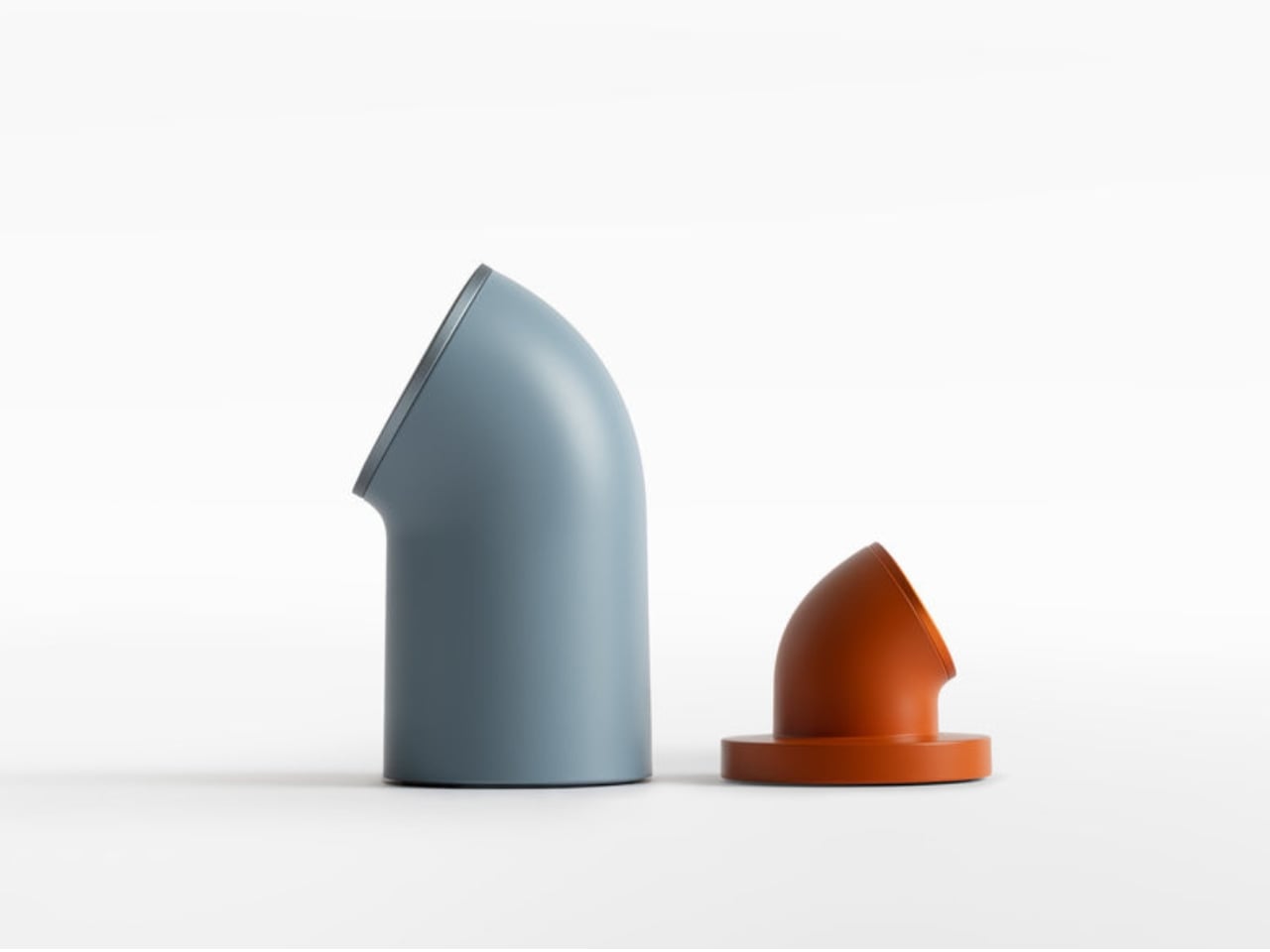
Loft, the other half of the collection, is a 65W charging station designed to sit on your desk without apology. It handles up to four devices at once, mains and USB-C included, all packed into a compact, sculptural form that looks far more intentional than what most charging stations have to offer. The silhouette is arched and minimal. The materials feel considered. It’s the kind of object you leave out because you want to, not because you forgot to tidy it away.
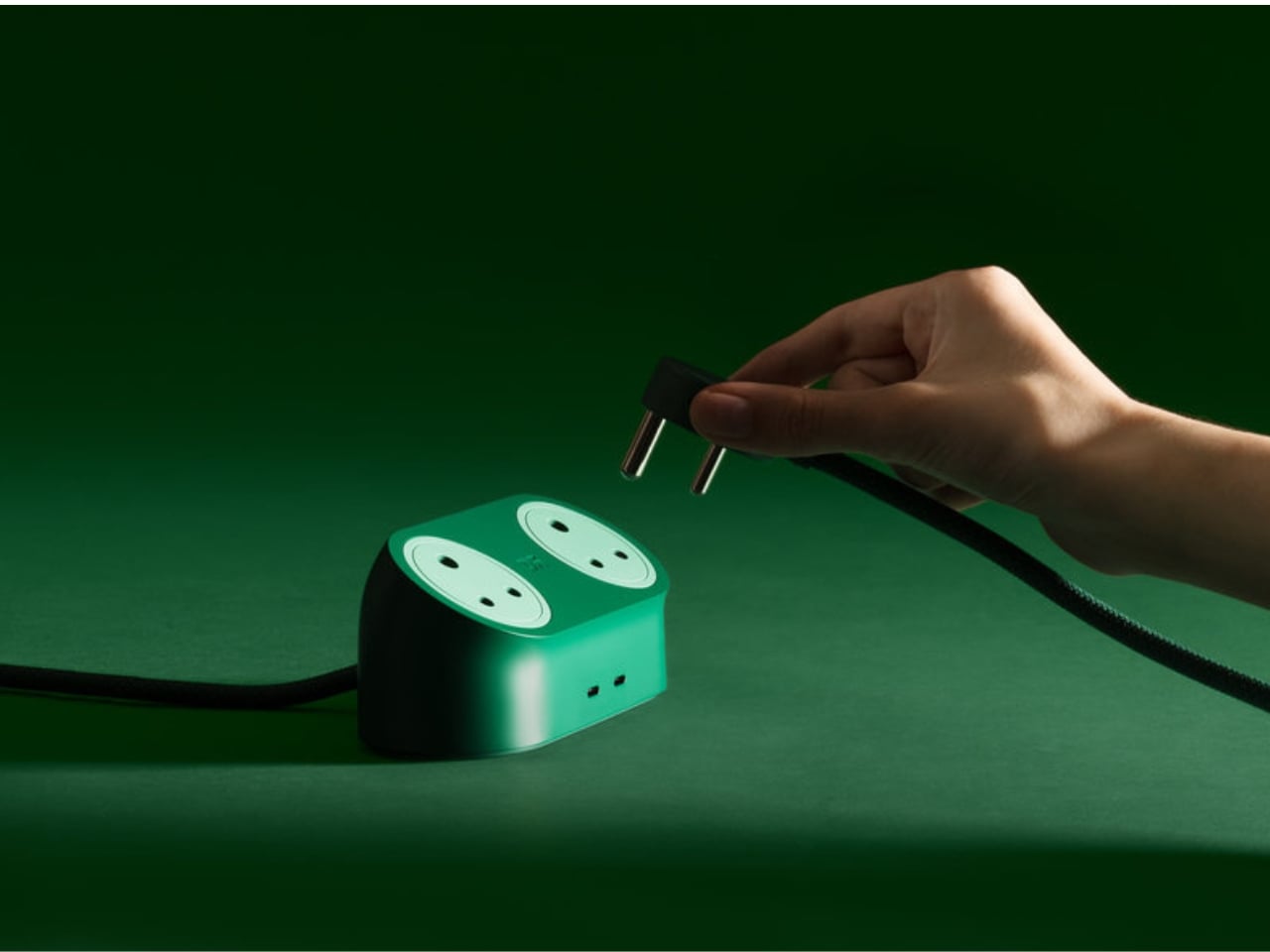
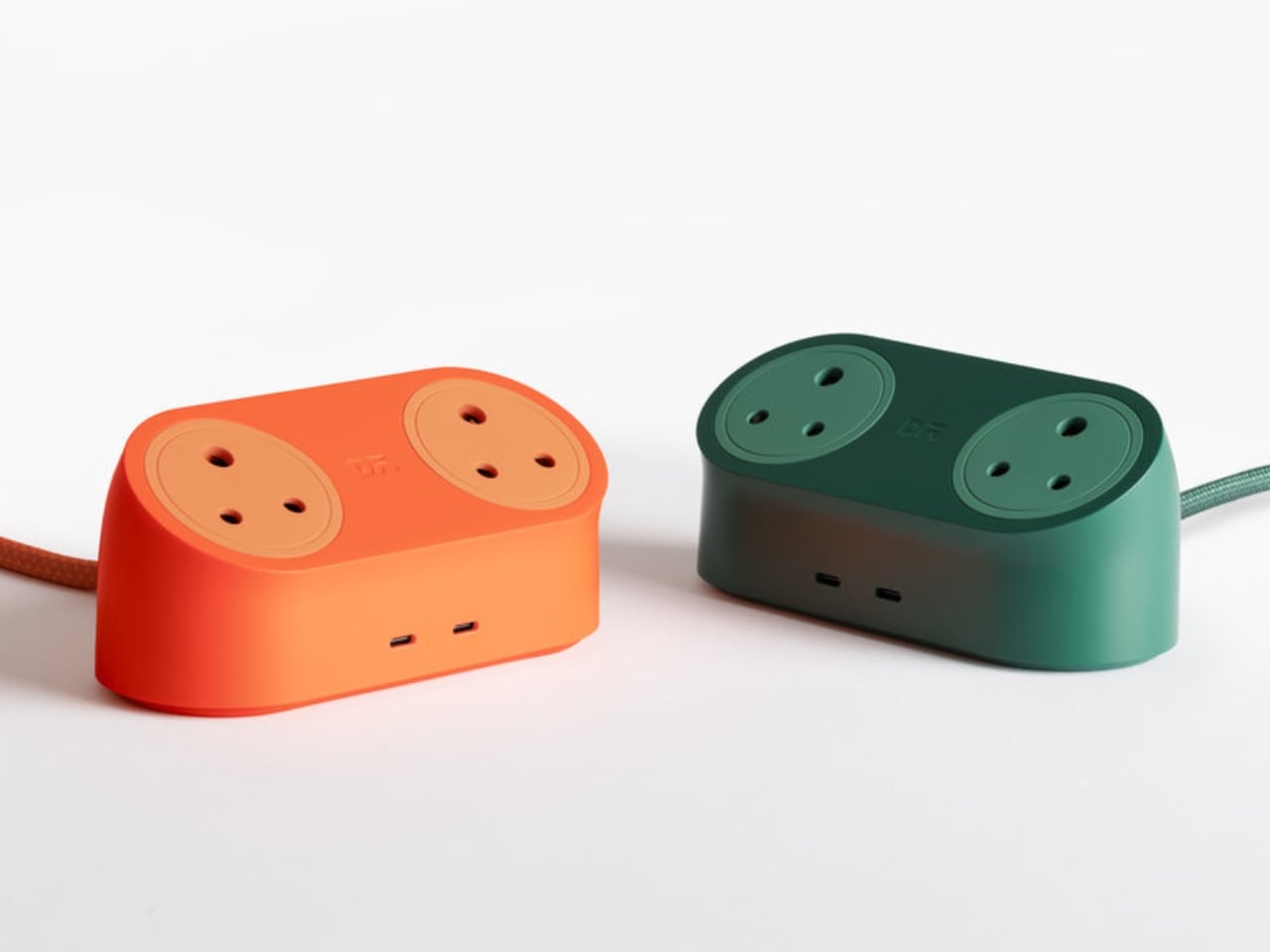
What LAYER has done here, and what makes this more than just another tech accessory launch, is commit fully to a design language rather than just a functional brief. Soft forms, arched silhouettes, tactile materials, a recurring circular charging motif: it all adds up to something cohesive. The goal isn’t just to make charging look prettier. It’s to make it feel like part of how you live, whether at a home desk, in a hotel room, or on a kitchen counter.

Hubert described charging as “one of the most repeated interactions in daily life, yet the products that enable it are often treated as background objects.” That observation is so obvious you’d think more designers would have acted on it sooner. The ugly charging block has been a design blind spot for years, and the solutions that have come before Node and Loft have largely fallen into two camps: clinical and all-white, or trying so hard to look “lifestyle” that they end up feeling performative. Node and Loft feel like neither. They feel like objects with actual personality.
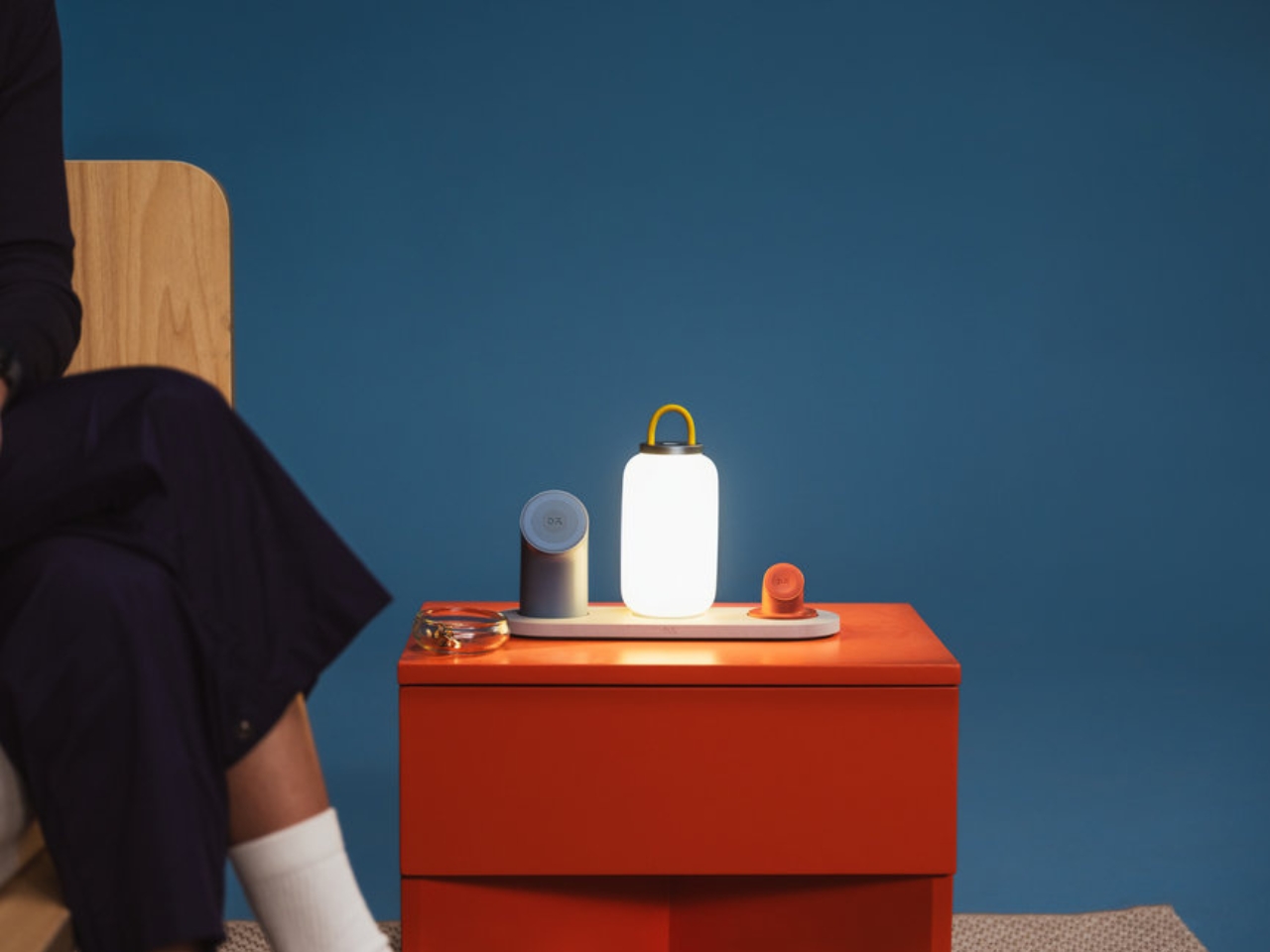
For Daily Objects, an Indian lifestyle brand that’s been steadily building a reputation for design-forward tech accessories, collaborating with LAYER on this makes a lot of sense. The studio is known for a philosophy rooted in what Hubert calls humanising technology, taking things that usually feel cold or utilitarian and giving them warmth and presence. That’s a harder balance to strike than it sounds, especially in a category as commoditised as charging hardware. It’s a thread that runs consistently through LAYER’s work, and it’s very visible here.
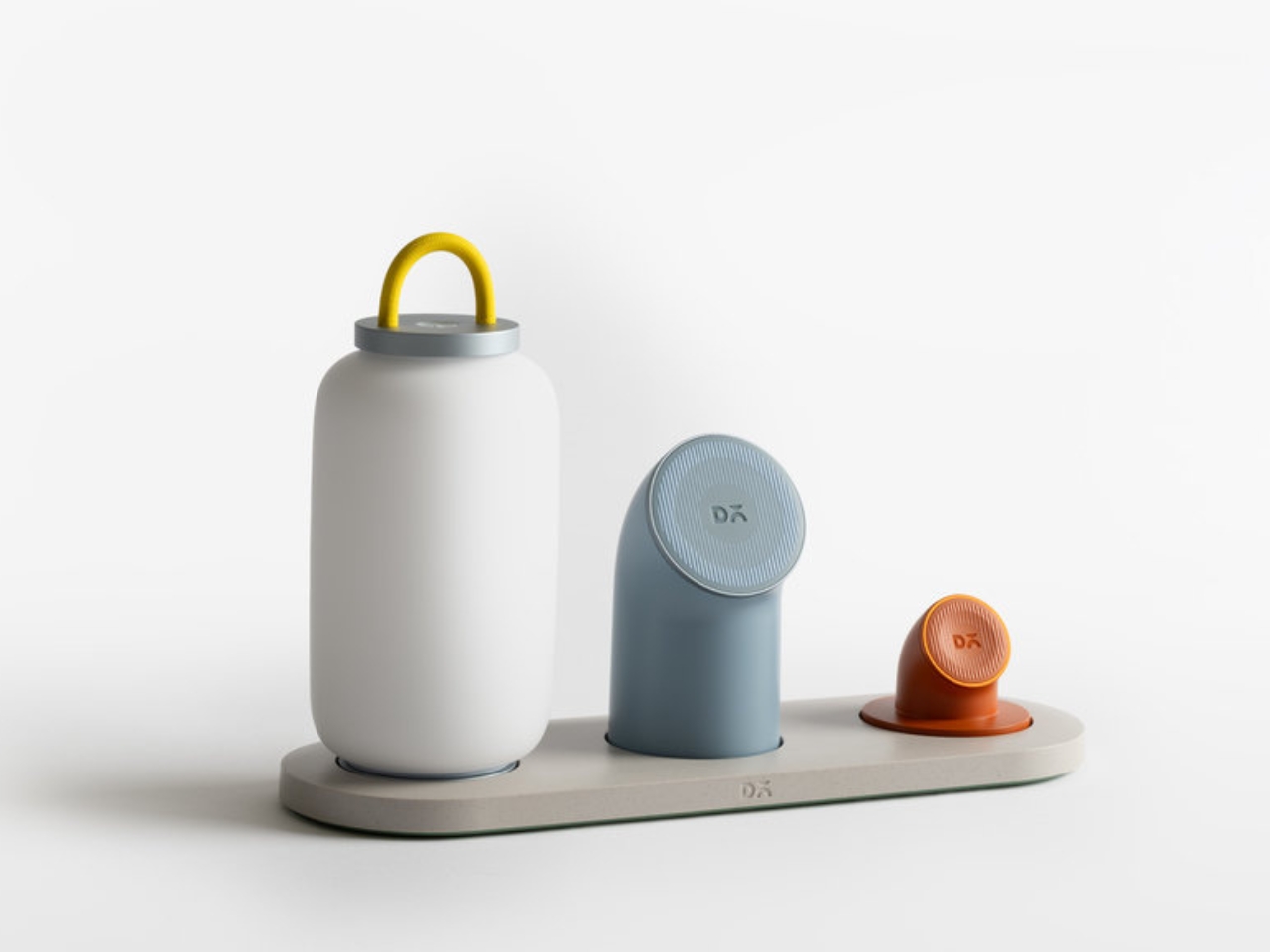
The broader trend Node and Loft belong to is worth paying attention to. We’re moving away from the idea that tech accessories have to look like tech accessories. People are putting more thought into how objects feel in a space, not just how they function in one. The line between product design and interior design keeps getting blurrier, and collections like this one are a big reason why.

You probably don’t spend a lot of time thinking about where your charger lives on your desk. Node and Loft are betting that, given the right option, you might start.