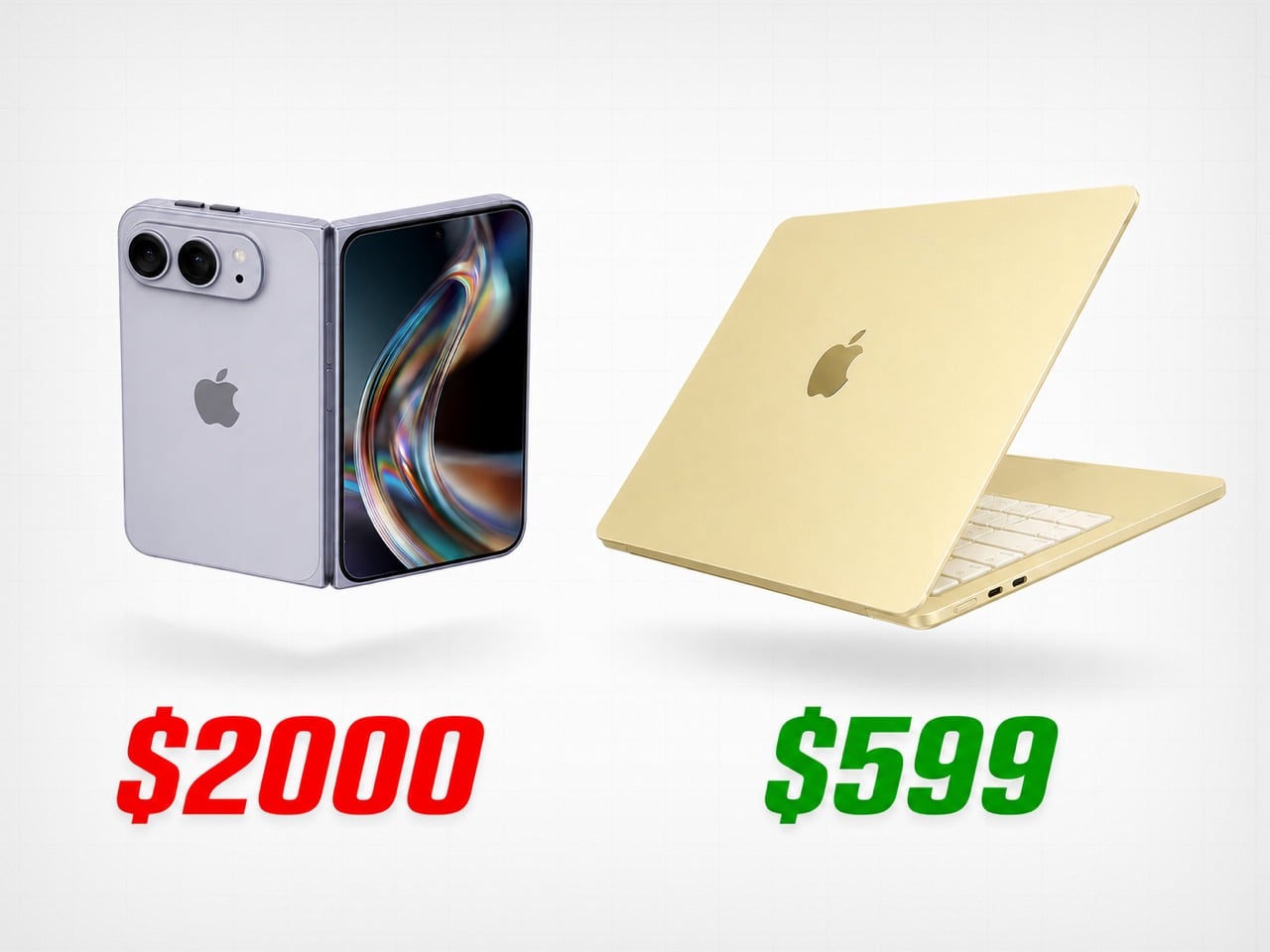

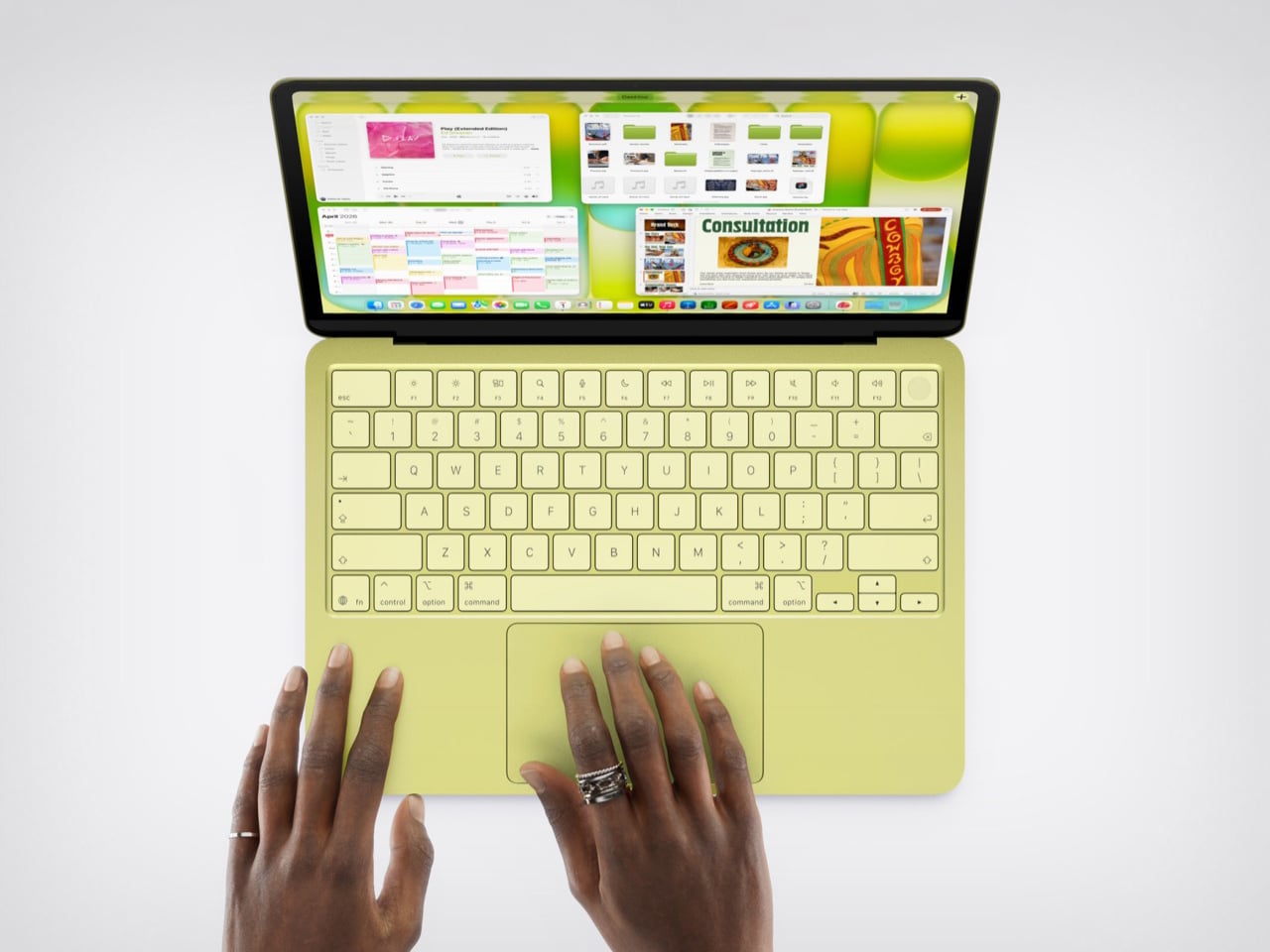
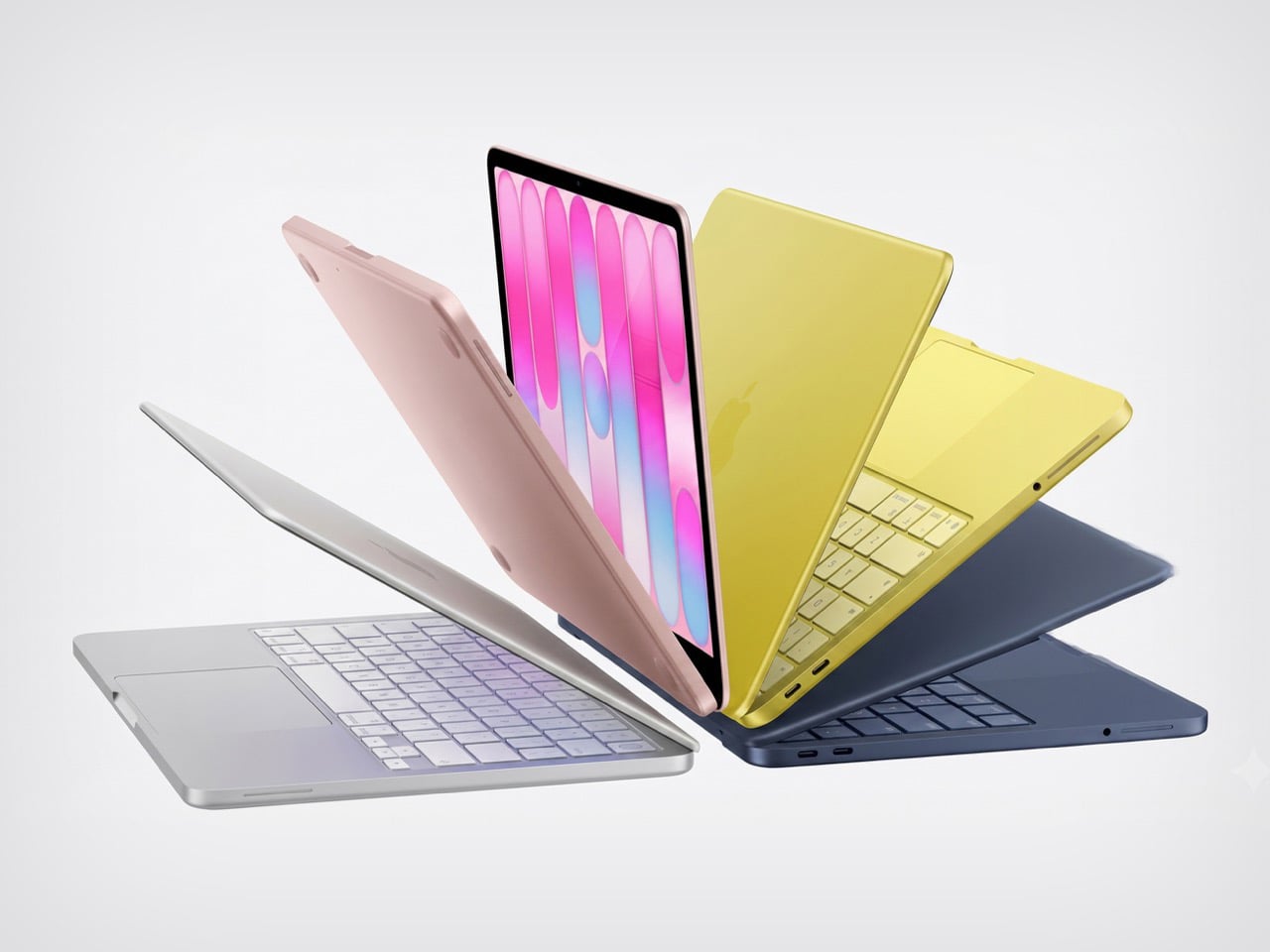
Something interesting happened when Apple released its most affordable Mac in years. The shelves emptied. Without the circus of a world-changing keynote or the pressure of a decade-long category bet, the MacBook Neo sold out. The sheer stillness around its success might be the loudest signal Apple’s product calendar has sent in a long time.
It would be easy to read that moment as a simple story about pricing. Cheaper product sells more. That is commerce 101. But the broader economic and design conversation is more interesting than that. The MacBook Neo did not succeed because it is cheap. It succeeded because it makes the value of owning a well-designed Apple laptop feel instantly, almost effortlessly, accessible. There is no fine print. No compromised chassis, no confusing lineup position, no asterisk that makes you feel like you settled. It is a real Mac at a price that does not require justification.
Designer: Apple
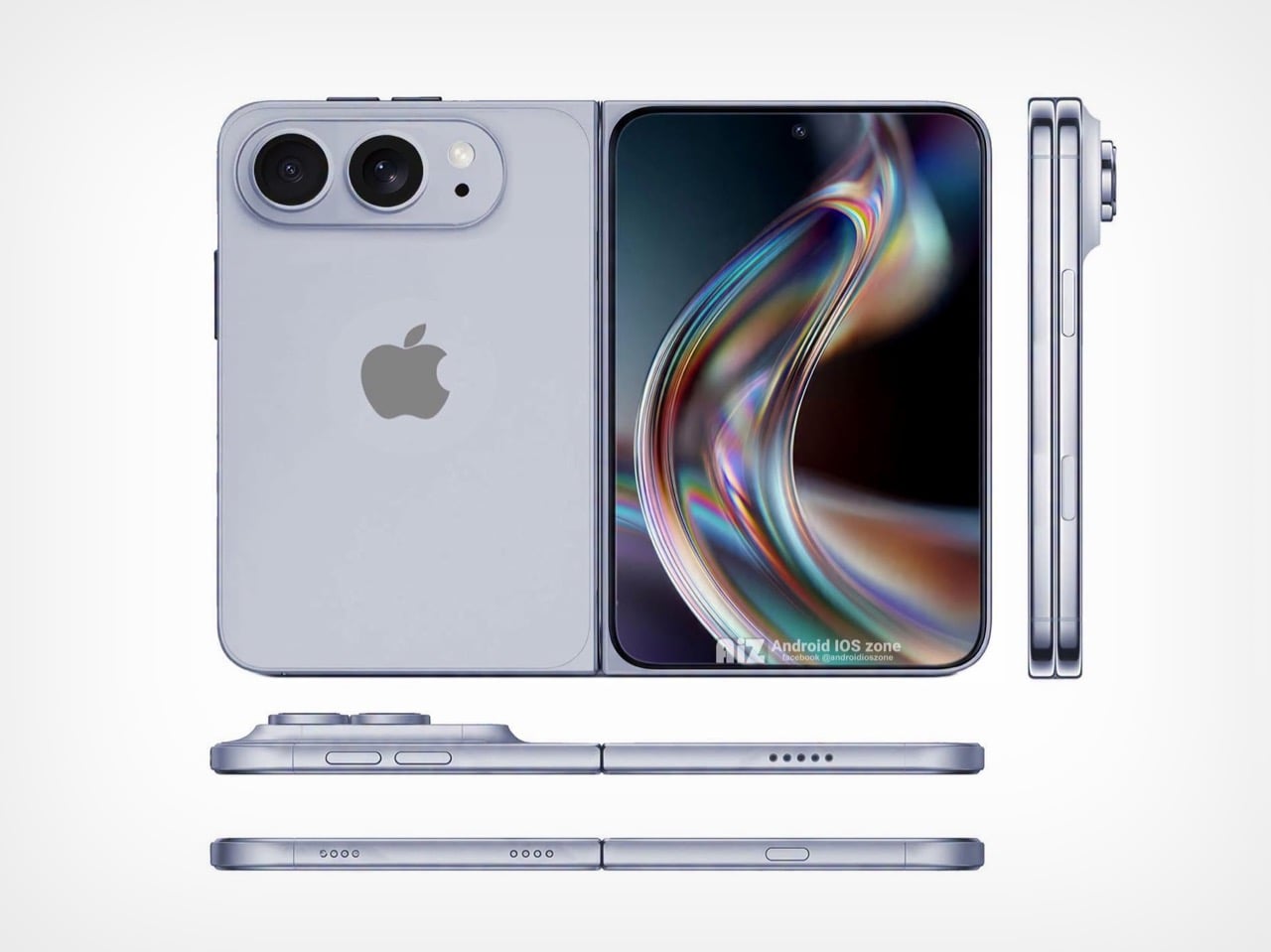

Contrast that with what Apple is likely building toward with the iPhone Fold. Foldables have been circling the conversation for years now, and every major Android manufacturer has taken a swing. Samsung’s Galaxy Z series, Google’s Pixel Fold, Motorola’s Razr revival; the form factor has matured enough to feel like a real category rather than a prototype. But it still has not broken into genuine mass-market territory. The numbers tell one story. The design tells another.
Fold a phone in half and you are immediately negotiating with physics. The crease is probably still there. The inner display, no matter how refined, still communicates “work in progress” to anyone running a finger across it. The hinge, while increasingly sophisticated, adds thickness and fragility that a flat slab simply does not carry. App ecosystems are still catching up. Battery life is still a compromise. These are not dealbreakers for a certain kind of buyer, but that buyer is the enthusiast, and enthusiasts alone do not make a product category.
Apple has historically entered categories late precisely because it waits until it can remove these friction points. The original iPhone did not invent the smartphone; it redesigned the experience of using one until the tradeoffs felt invisible. The AirPods did not invent wireless earbuds; they made pairing feel so frictionless that every alternative started feeling clunky by comparison. When Apple gets it right, the design makes the decision feel obvious. That is the standard the iPhone Fold will be held to, and right now, no foldable on the market has cleared that bar convincingly.
The Vision Pro is worth bringing into this conversation, carefully. Its commercial struggles were not purely a pricing problem, though the $3,499 entry point did not help. The deeper issue was behavioral. Wearing a spatial computer on your face asks something significant of the user; it separates you from the room, demands a specific posture, and narrows use cases in ways that feel limiting for most daily routines. Vision Pro is genuinely brilliant in ways that are hard to overstate, but brilliant and necessary are not the same thing. Expensive things can succeed when they feel necessary. When they feel like a solution searching for a problem, even the most sophisticated engineering loses the argument.
The iPhone Fold risks landing closer to Vision Pro than to MacBook Neo on that spectrum. Not because it will be a bad product, but because the “why” is still fuzzy for most consumers. A larger screen that folds into your pocket is appealing in theory. In practice, it means paying significantly more for a phone that is heavier, thicker when closed, and still slightly compromised in display continuity. The design wins have to be overwhelming to justify that list of concessions.
There is also the iPhone E to consider. Apple’s lower-cost iPhone has not exactly set records, which is where the argument gets complicated. It would be tempting to say consumers want value across the board, but the E’s underwhelming reception is not evidence against affordability; it is evidence that value without design conviction falls flat. A product can be inexpensive and still feel like a consolation prize, and no one wants to buy the version of Apple that does not quite believe in itself.
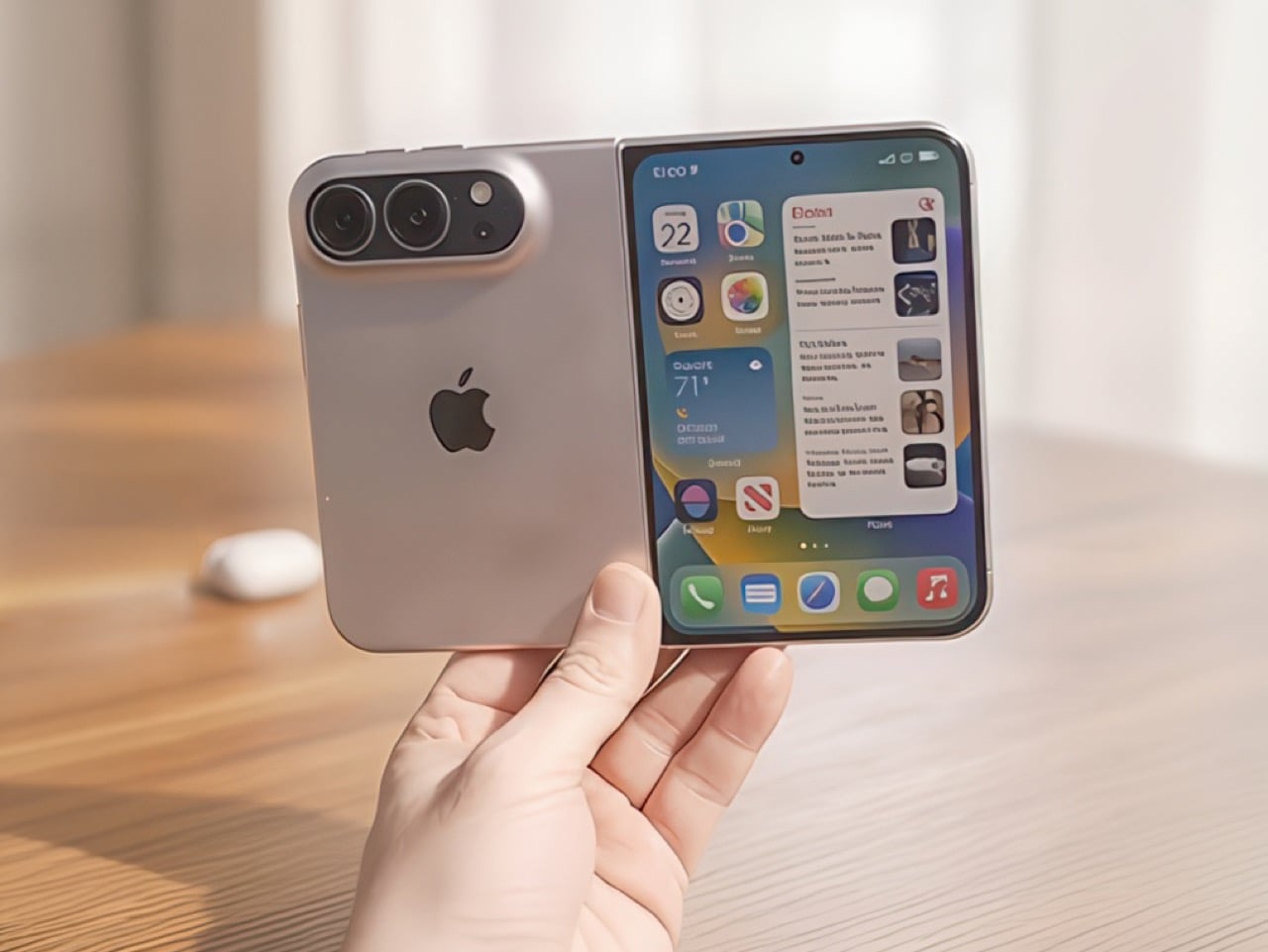

What the MacBook Neo proved is that conviction and accessibility are not opposites. When Apple makes something genuinely well-designed and prices it without apology, the market responds with conviction of its own. The lesson for the iPhone Fold is not to be cheap. It is to be undeniable. The crease needs to go, or come as close to invisible as current materials science allows. The hinge needs to feel architectural rather than mechanical. The software experience on the unfolded display needs to justify the real estate in ways that go well beyond “bigger screen.” The weight needs to stop reading as a penalty for wanting something different.
Until the iPhone Fold can walk into a room and make every other smartphone feel like it is leaving something on the table, the MacBook Neo’s sellout status is less a green light and more a mirror. Consumers are not rejecting premium products. They are rejecting expensive compromises. That is a distinction Apple knows better than anyone, and it is the only standard that will matter when the Fold finally arrives.

