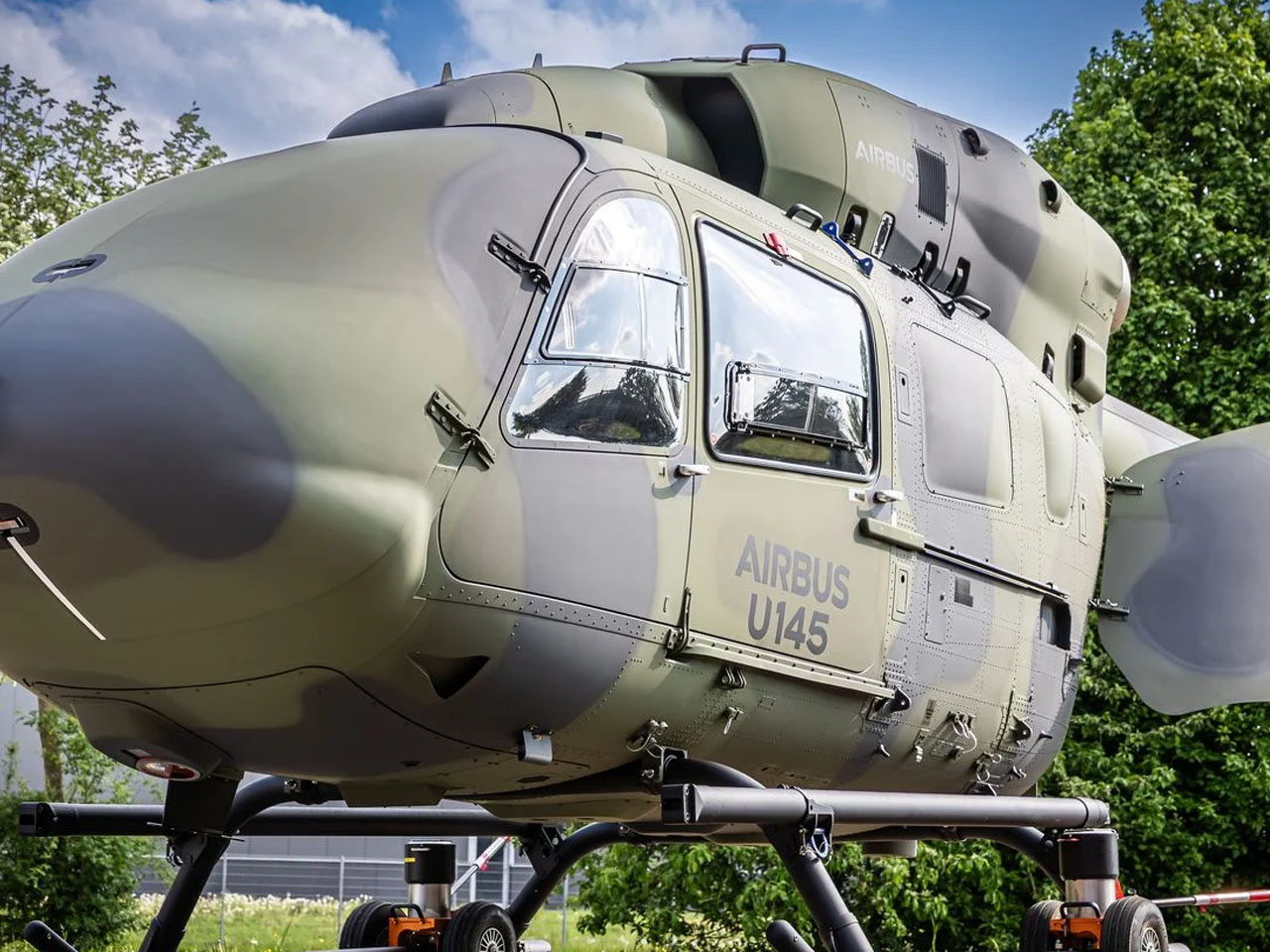
Along with the increase in demand for personal mobility aircrafts, there is a snowballing demand for autonomous flying crafts in military, surveillance, and transportation. Taking cues from the shifting focus in the aviation industry, Airbus has unveiled an unmanned variant of its rather popular H145 helicopter.
Renovated to fly completely without a pilot, the new U145 twin-engine helicopter will be transporting large and heavy payloads in and out of rural, inaccessible areas amid other tasks. It is based completely on the existing platform of the recognized H145 and is expected to make its first test flight (with a safety pilot onboard) later in 2026. The completely autonomous flights are expected to begin as early as 20230.
Designer: Airbus
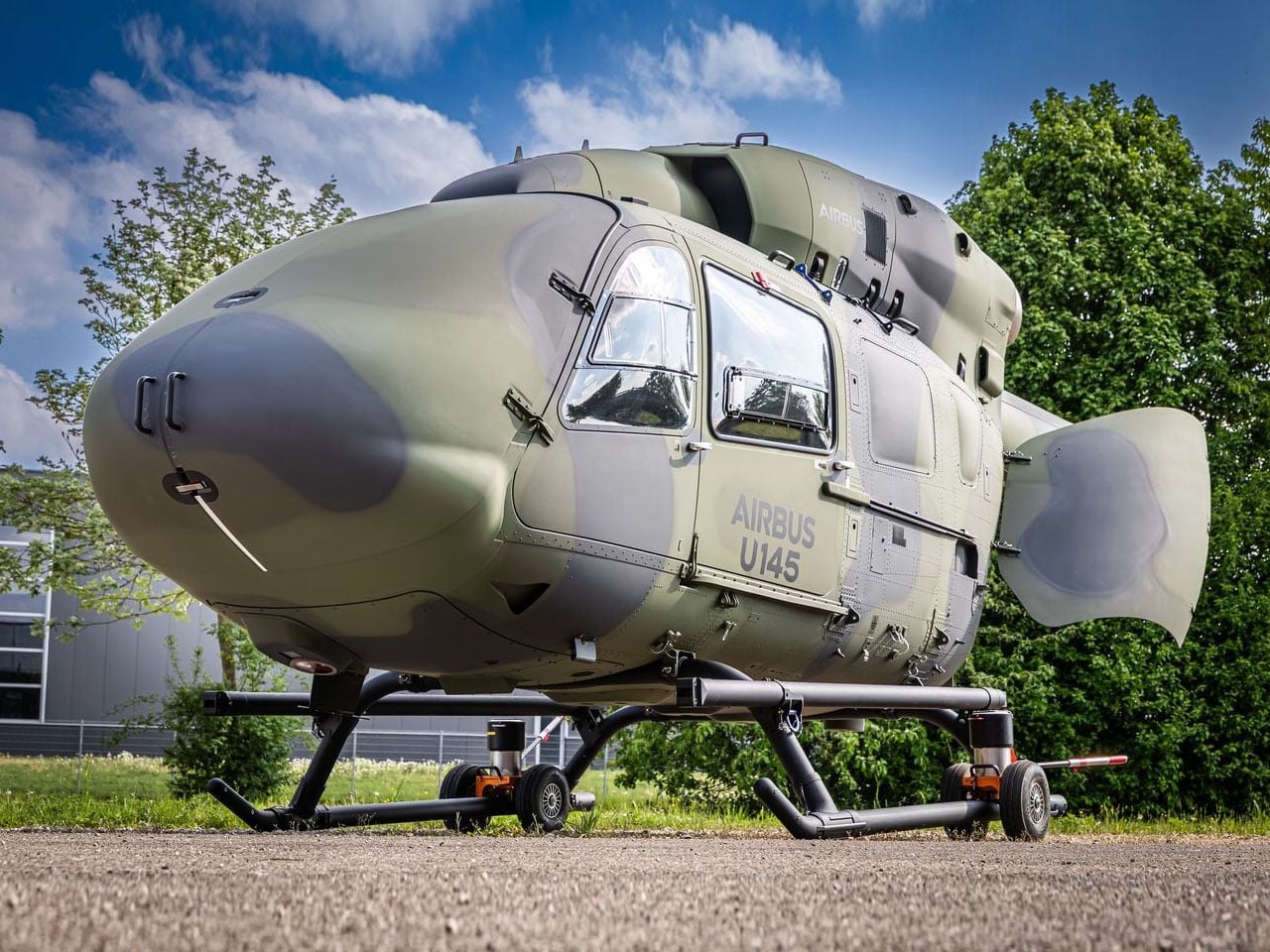

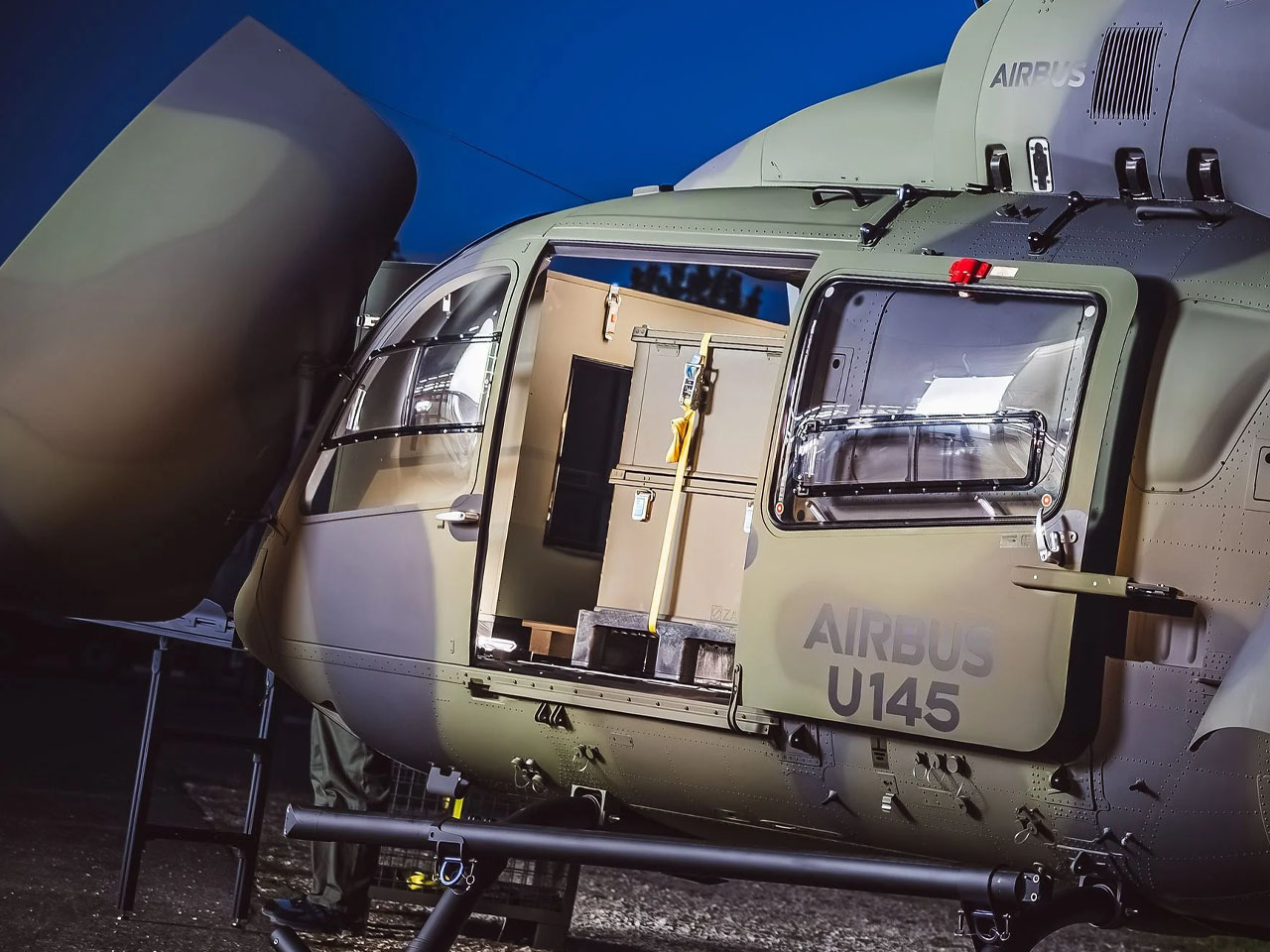
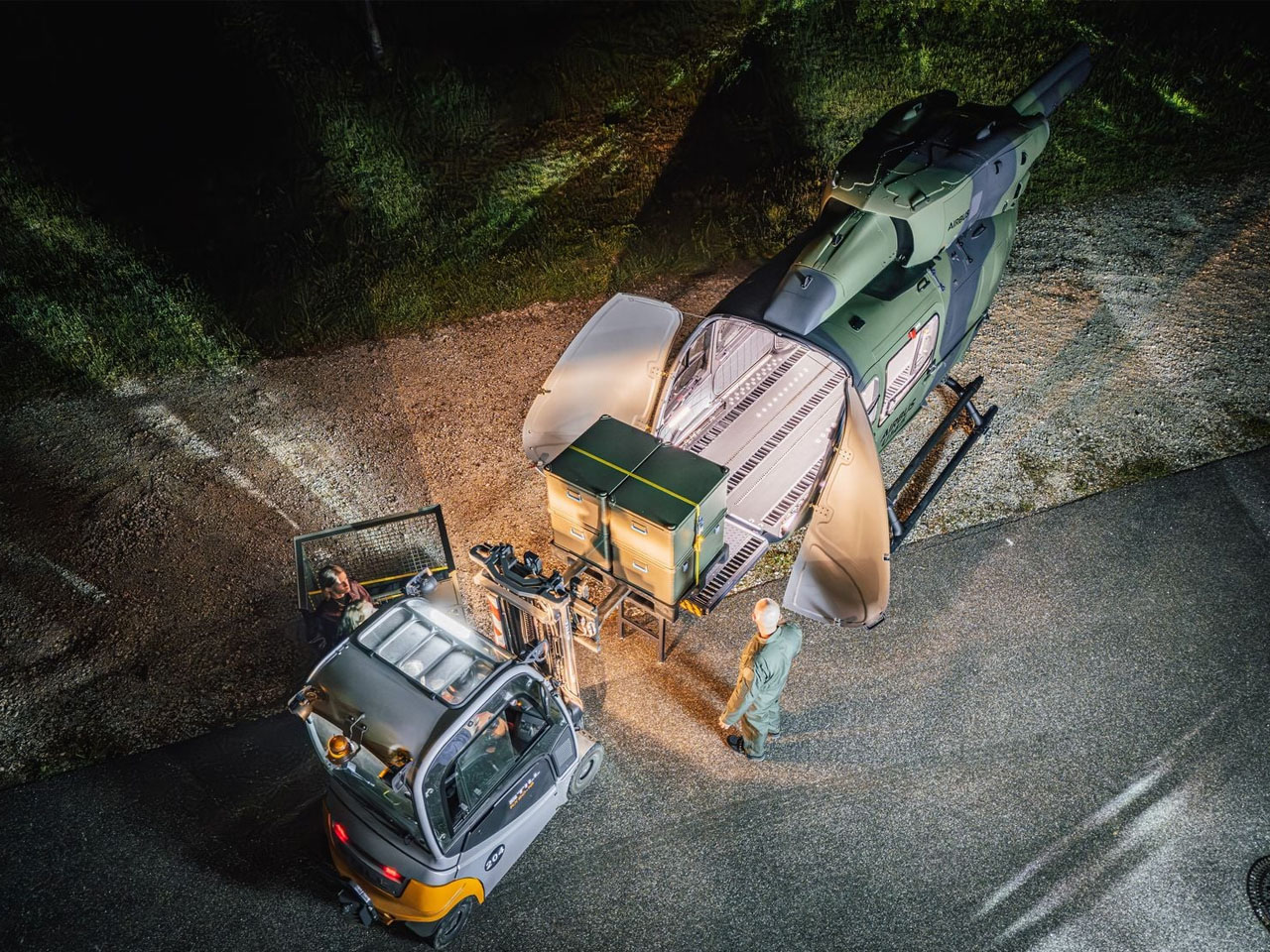
As mentioned above, the idea of this helicopter with a human-less cockpit is based on Airbus’s H145 helicopter. “There are more than 1,800 H145 family helicopters in service for military, parapublic and civil missions, logging a total of more than 8.5 million flight hours,” Airbus notes. For the U145, Airbus has replaced the cockpit of its popular aircraft with a clamshell door, freeing up the human-occupied space for cargo. In addition to the integrated nose door to create additional space, the aircraft includes a foldable loading table and a dedicated cargo floor.
The autonomous aircraft will achieve full autonomy through the use of sensors and artificial intelligence. The sensors will rely on data to AI, allowing the U145 helicopter to fly autonomously on any kind of mission: commercial, military, or who knows even rescue someday. A full-scale mock-up of the new model was shown of at the recently concluded ILA Berlin airshow 2026.
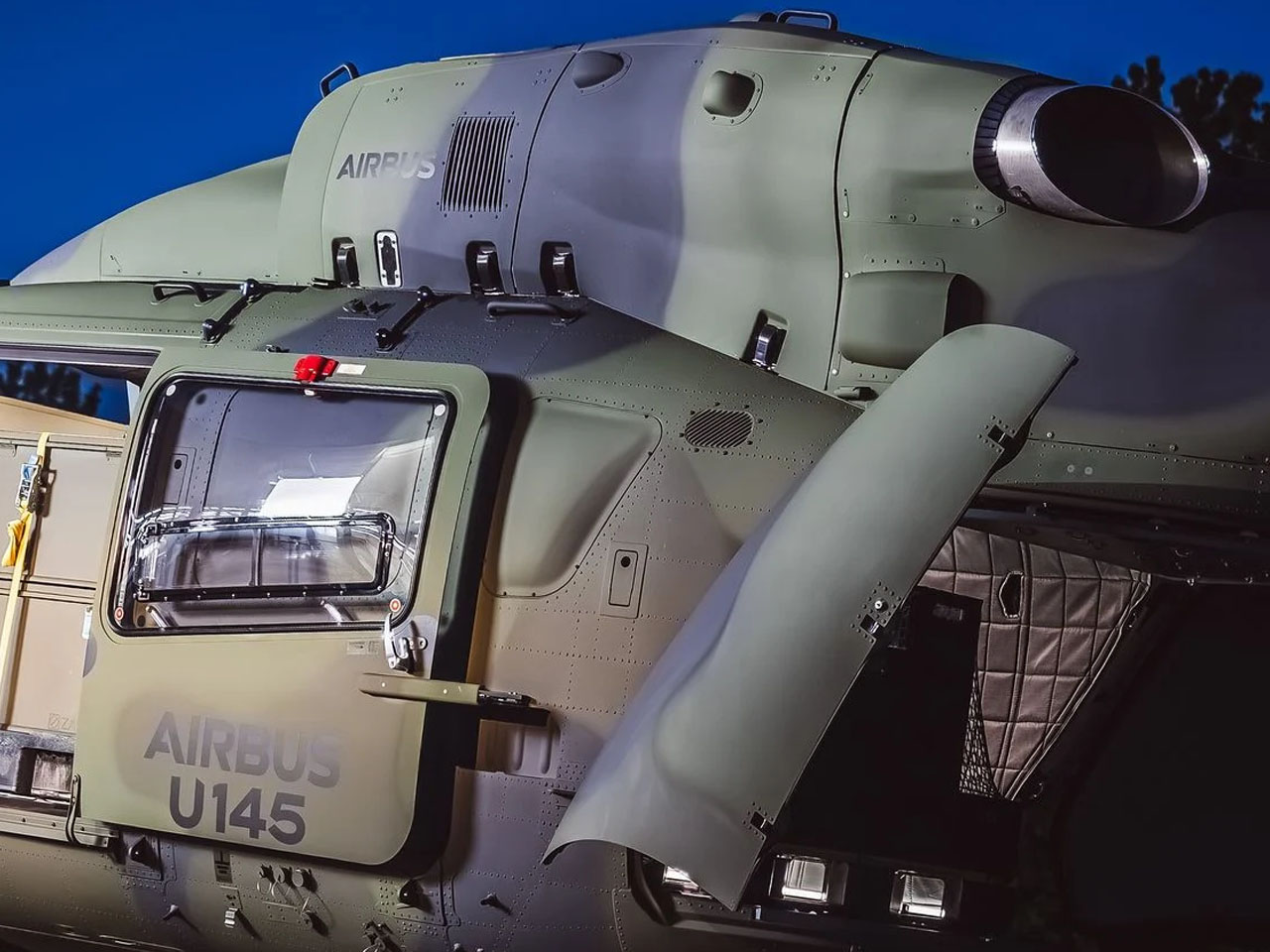
Airbus is not new to converting a traditional crewed helicopter into an unmanned aircraft. The aviation expert first did this with the VSR700 based on the Cabri G2. Now, the Airbus H145 helicopter-based new autonomous aircraft is the second similar iteration. Interestingly, it remains pretty close to the basic structure of the original helicopter. It retains the same Safran Arriel 2E engines and fancies same performance as the H145, though it is now made fully unmanned and is digitally controlled, instead of being piloted by humans piloting it.
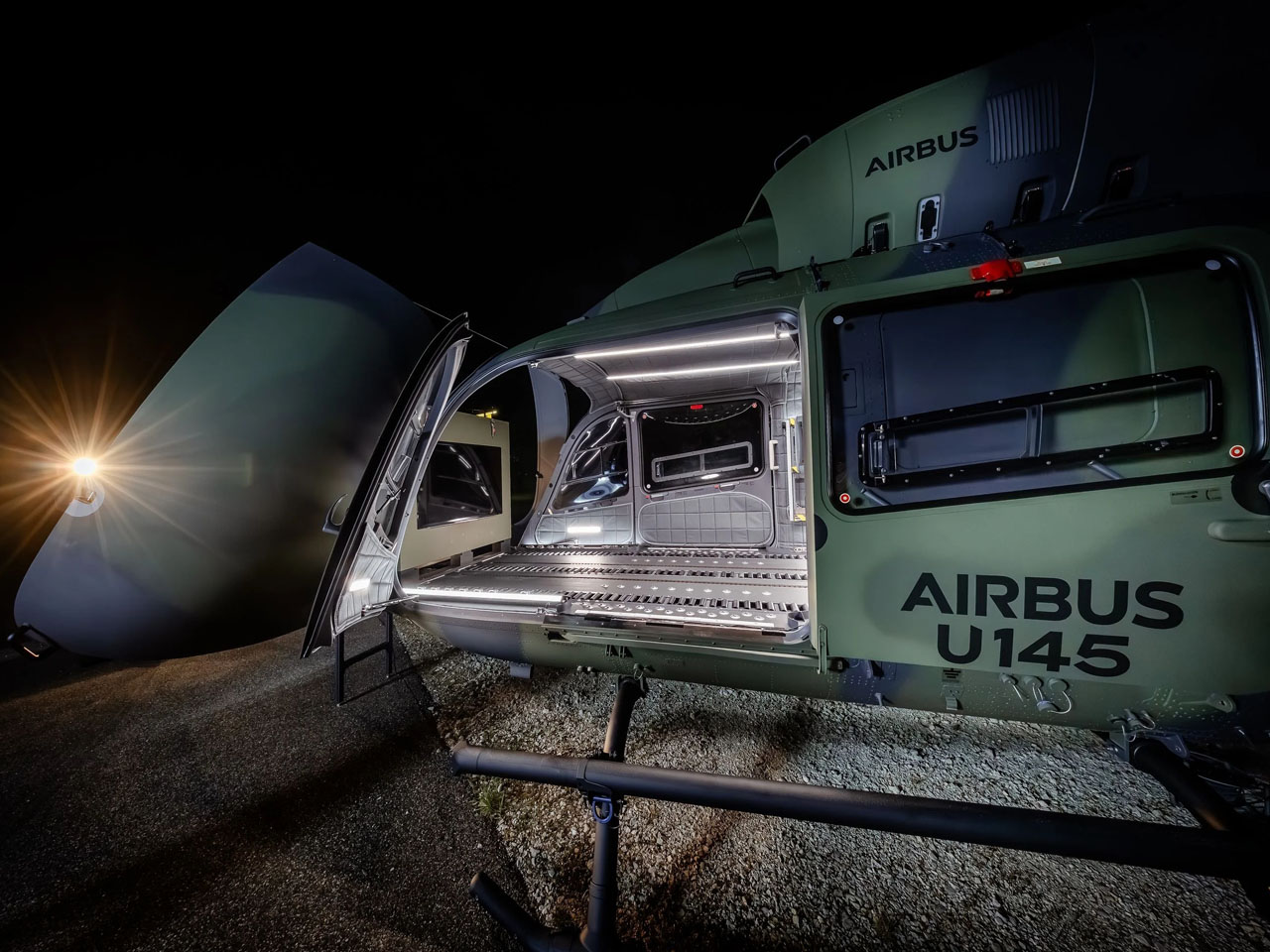
The autonomous flyer can still carry up to 3.8-tonne cargo transport, operates extremely quietly, and is environmentally friendly. It can be, Airbus states, used for armed scouting, surveillance, firefighting, and even as a drone mothership. Since there is still time before the aircraft can take off on its own, Airbus will, in the interim, work closely with specialist partners to improve U145’s autonomous capabilities before it can successfully launch.