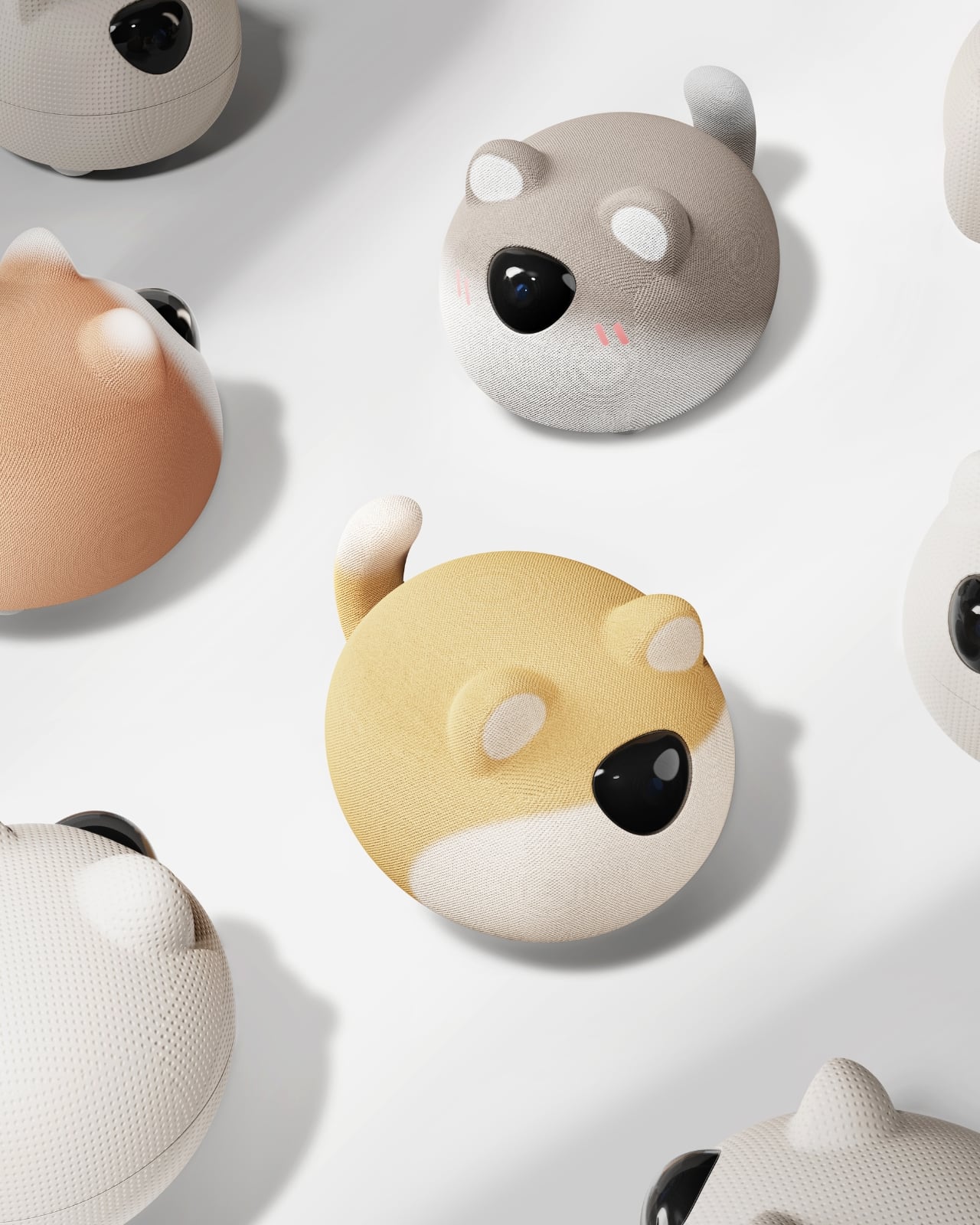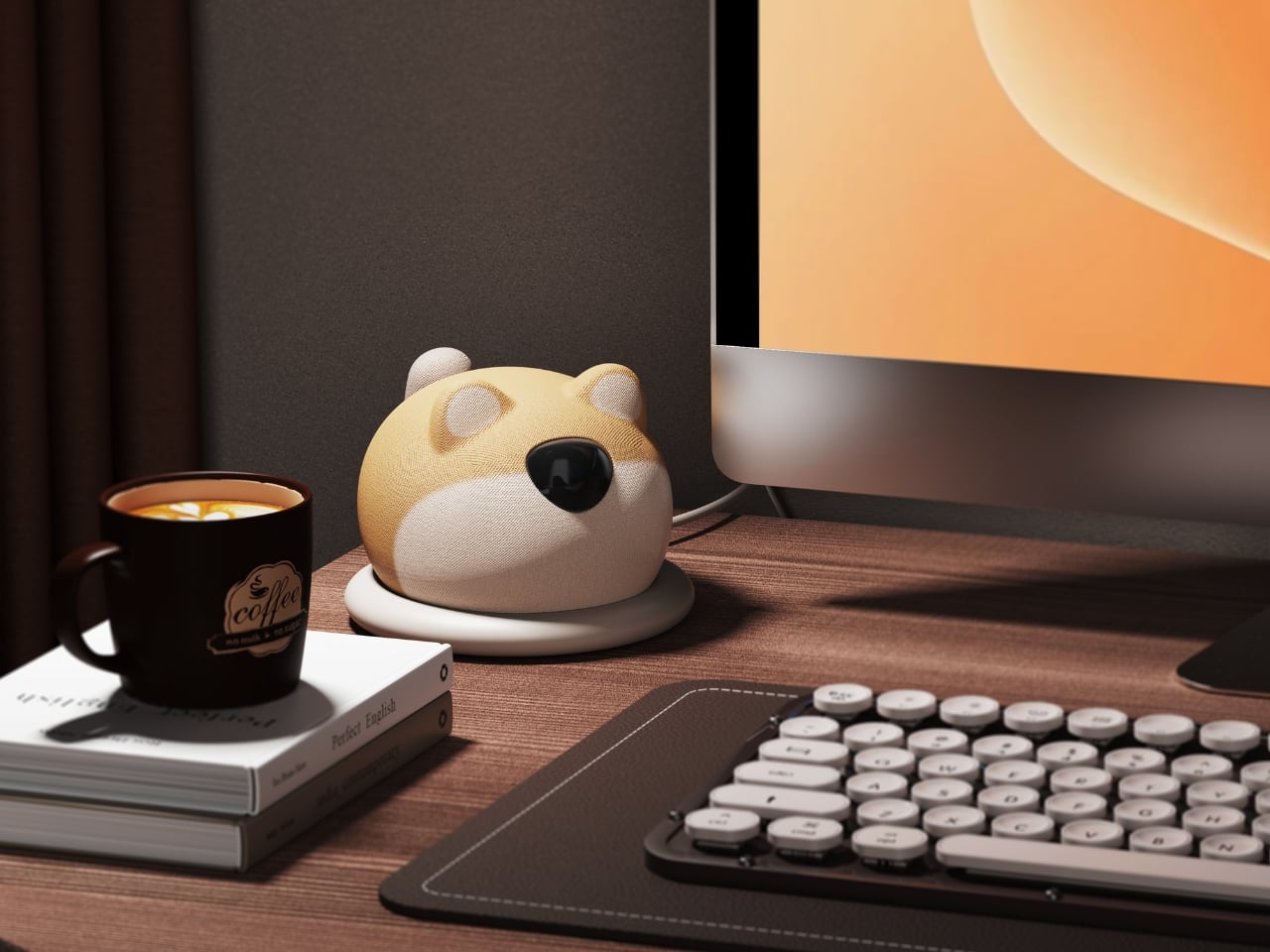

We’ve reached a point where our desks have become a form of personal expression. The plant you chose, the pen holder you 3D-printed, the specific coffee mug that only leaves when it’s being washed – these things say something about who you are. XiaoBu, a desktop companion robot concept by Handsome Chen, is betting that your next statement piece might just say “hello” back.
XiaoBu is not a smart speaker with a face. It’s not a Tamagotchi with an engineering degree. It’s a desktop robot that pulls together three things that usually live separately: audio function, emotional interaction, and replaceable fabric skins. The combination is what makes it feel genuinely interesting rather than like another product designed to solve a problem no one actually had. Sit with the concept for a moment, though, and the sum starts to feel quite different from its parts.
Designer: Handsome Chen
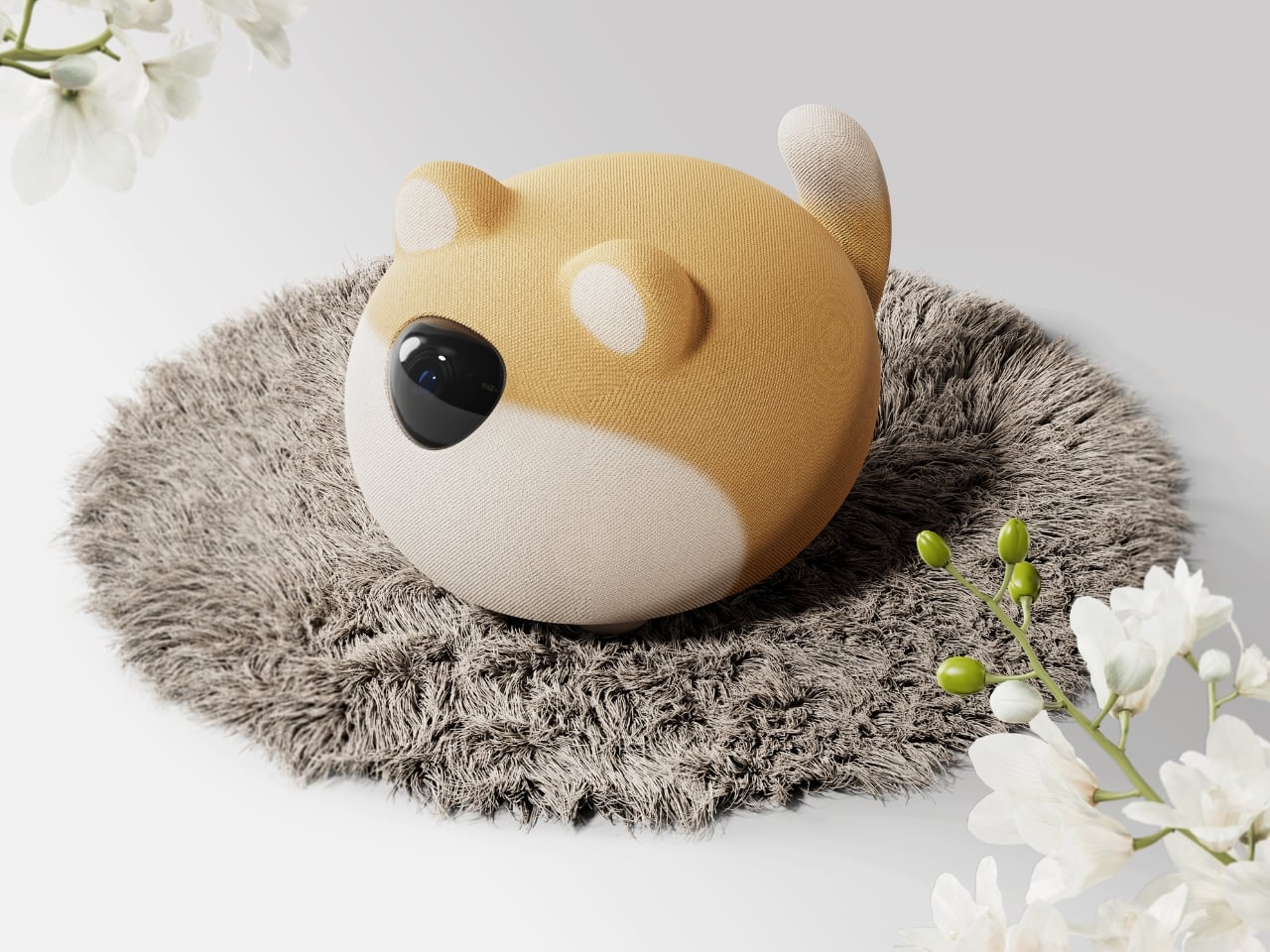
The fabric skins are the detail that stopped me mid-scroll. Most companion robots lean hard into hard plastic shells – which makes sense from a durability standpoint, but creates a certain coldness that works against the whole “companion” pitch. XiaoBu takes the opposite direction. By making the outer layer soft and swappable, it invites you to treat it less like a gadget and more like a small, quietly present roommate you can dress according to your mood. That shift in material logic carries a real design philosophy behind it: the idea that emotional connection often starts with touch, texture, and familiarity. It’s the difference between something you pick up because you need it and something you keep because it just feels right having it nearby.
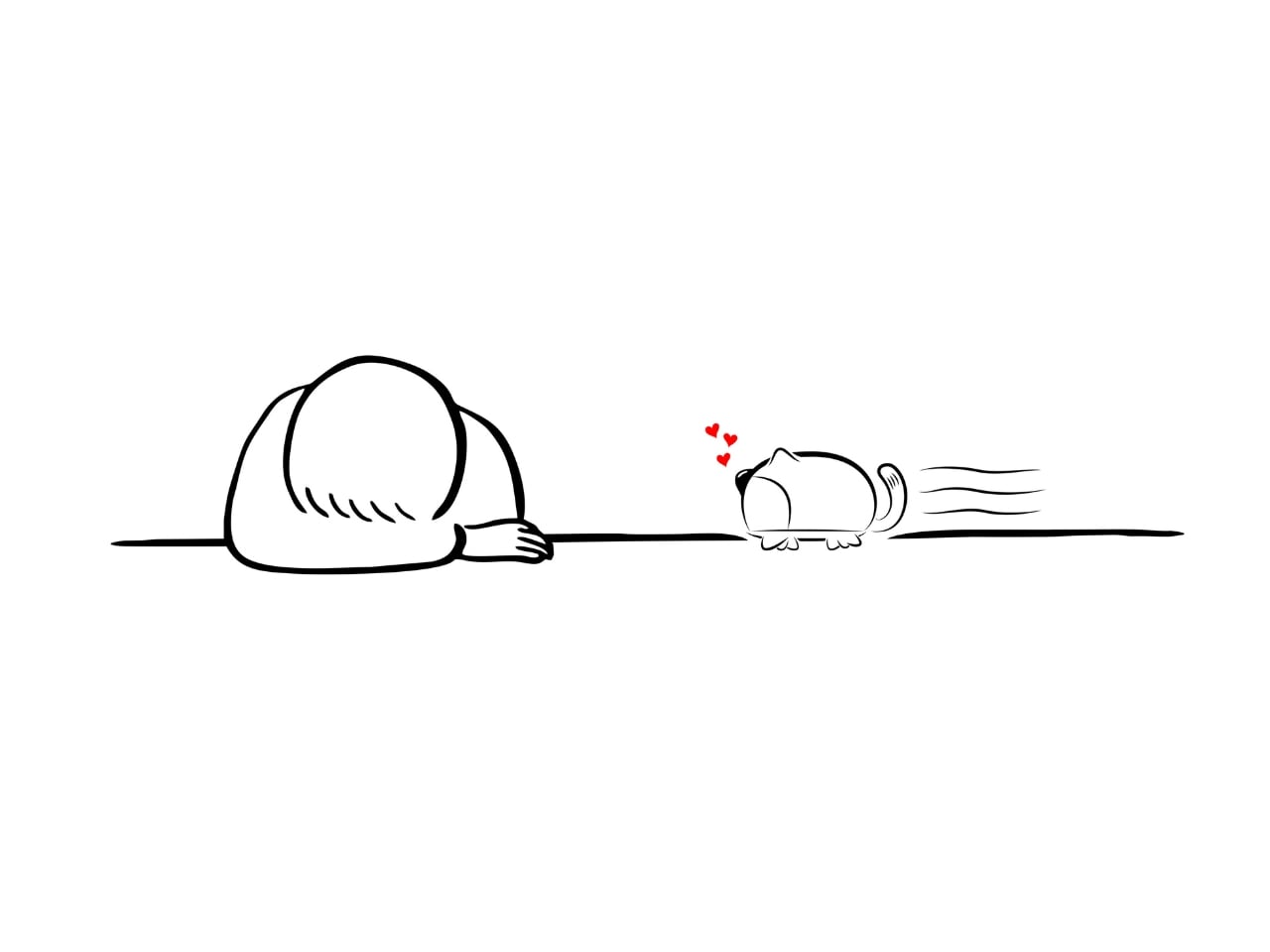
The trend toward desktop companion robots has been building steadily for some time. Products like EMO and Eilik have already carved out a niche for people who want their desk to feel a little more alive – but those largely stick to the personality-through-expression model, where a tiny LED screen becomes the entire emotional vocabulary of the machine. XiaoBu’s approach is quieter and, I’d argue, more considered. It’s not performing for you. It’s designed to live alongside you, and the form reflects that distinction deliberately.
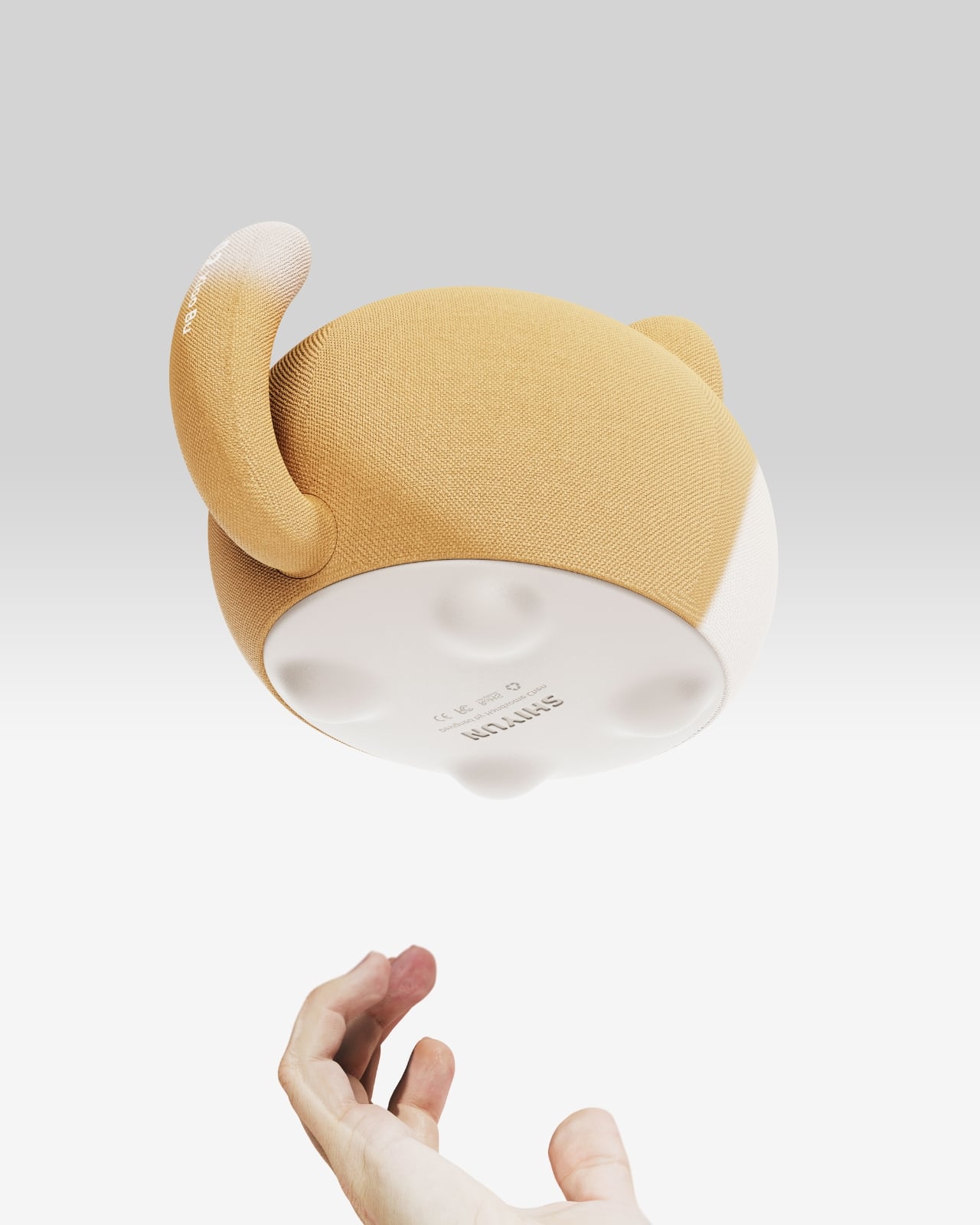

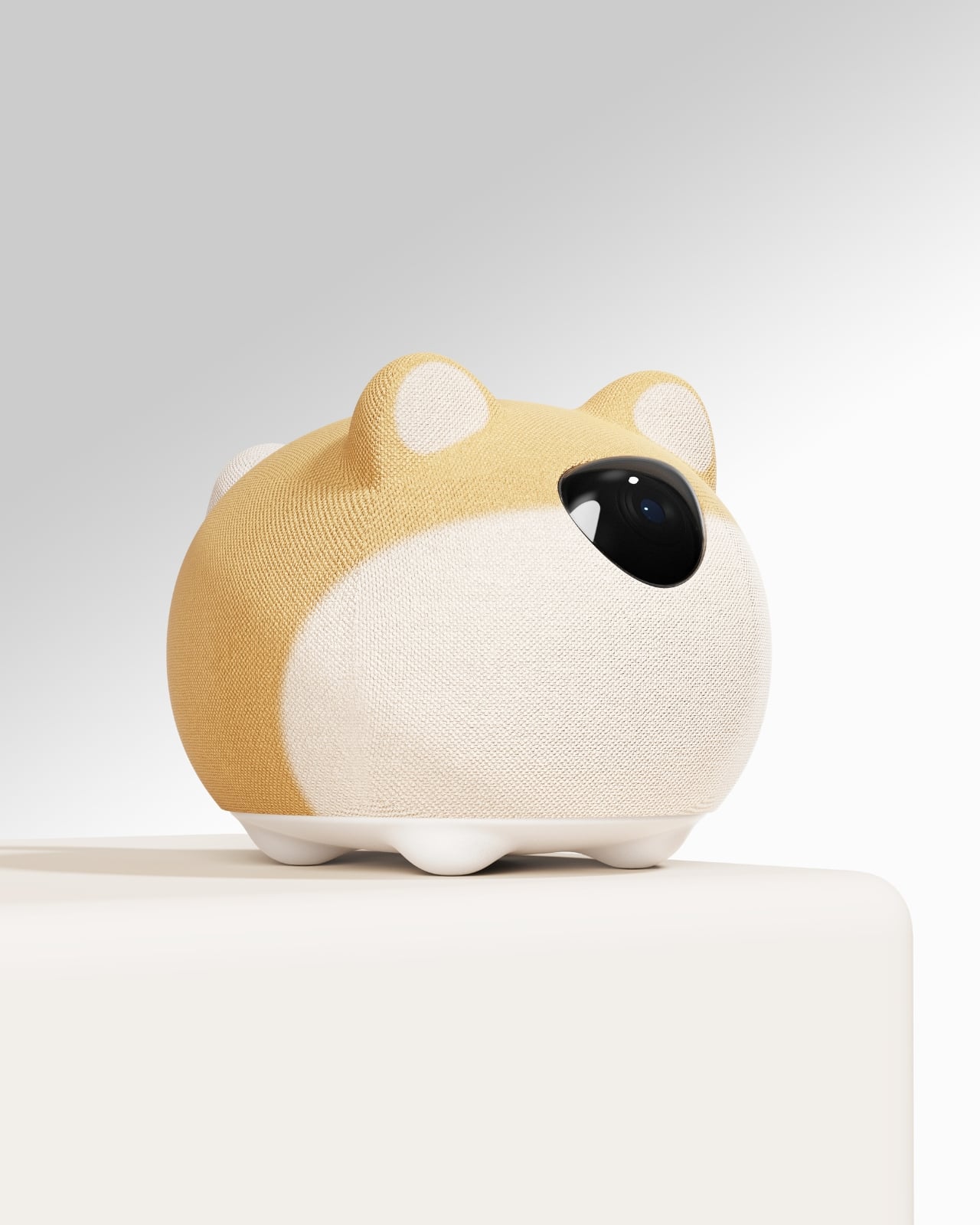
Handsome Chen, the Xi’an-based designer behind the concept, describes XiaoBu as breaking the “static limitations” of traditional desktop objects. It’s a deceptively simple framing, but it gets at something real. Most things on your desk are passive. They sit. They wait. They do nothing unless you reach for them. A companion robot, by design, has to earn its place differently – not just by being useful, but by being present in a way that feels intentional rather than intrusive.
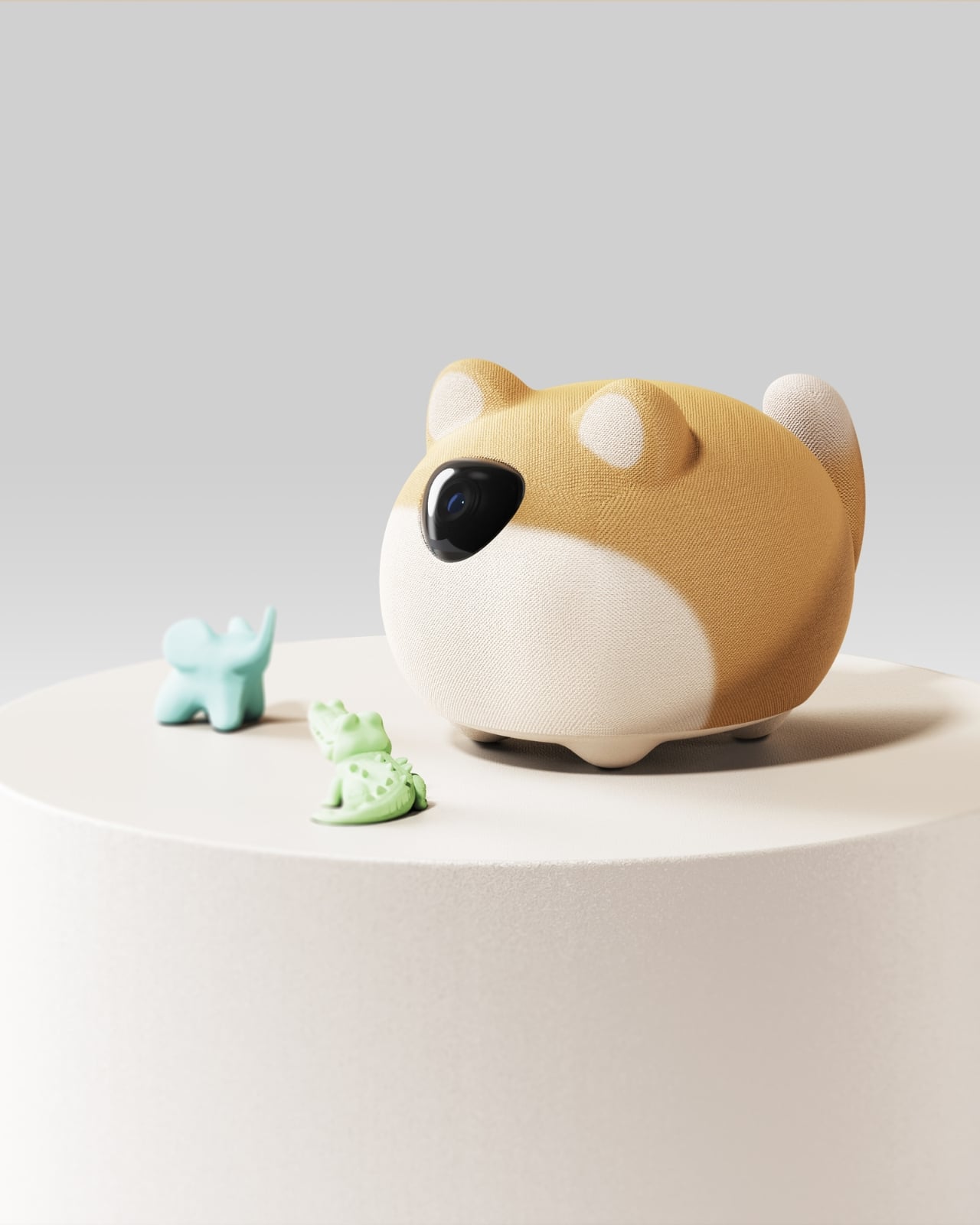
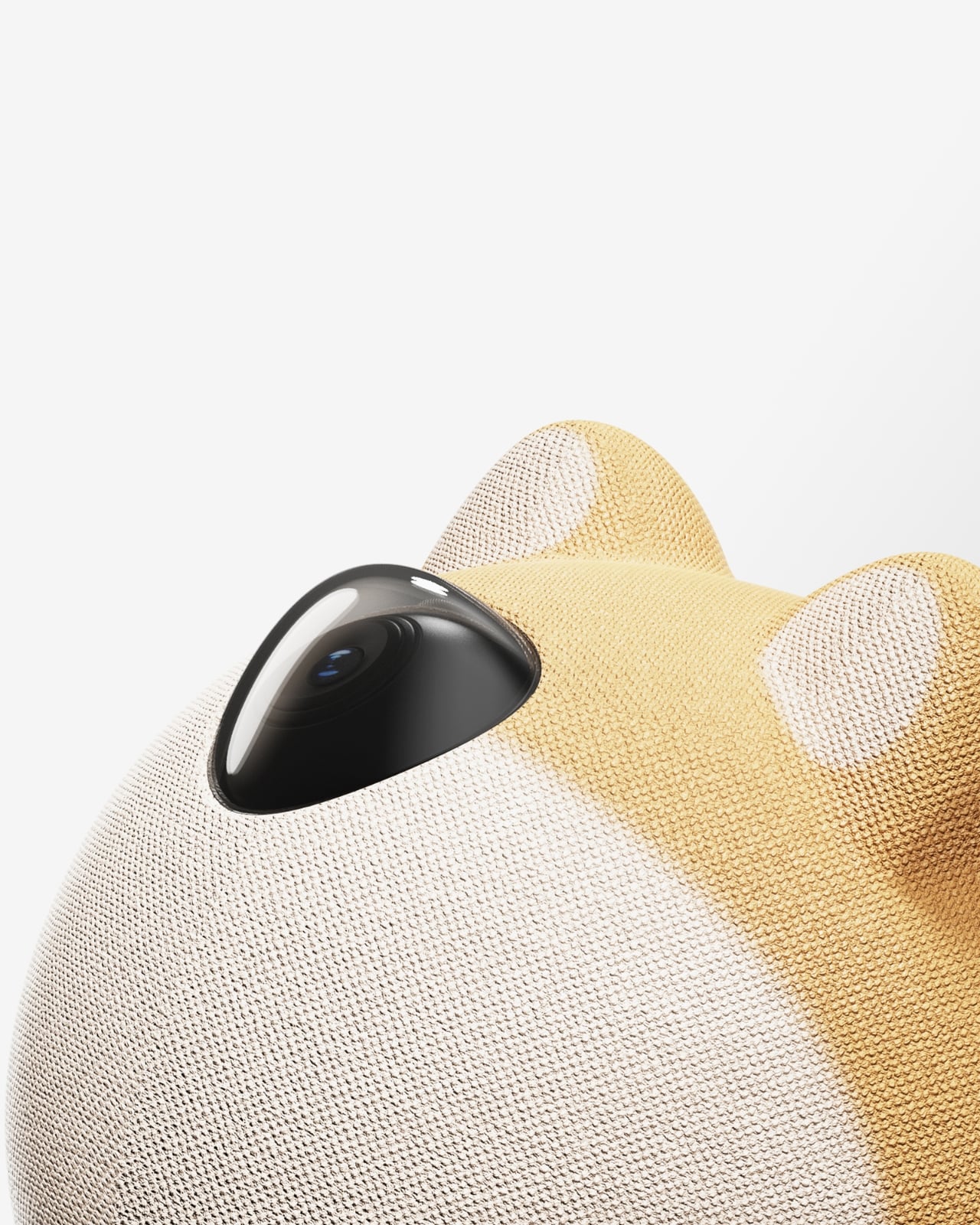
I’ll be upfront: I’m a little skeptical of the word “companion” being attached to consumer tech. It’s an easy word to deploy and a hard promise to keep. But XiaoBu’s design, at least conceptually, seems to understand that emotional resonance can’t be engineered through features alone. It has to be built into the form, the texture, the way the object occupies space. The replaceable skins aren’t just a customization feature – they’re an acknowledgment that the relationship between a person and their space is fluid and always evolving, and the things they keep close should be allowed to evolve too.
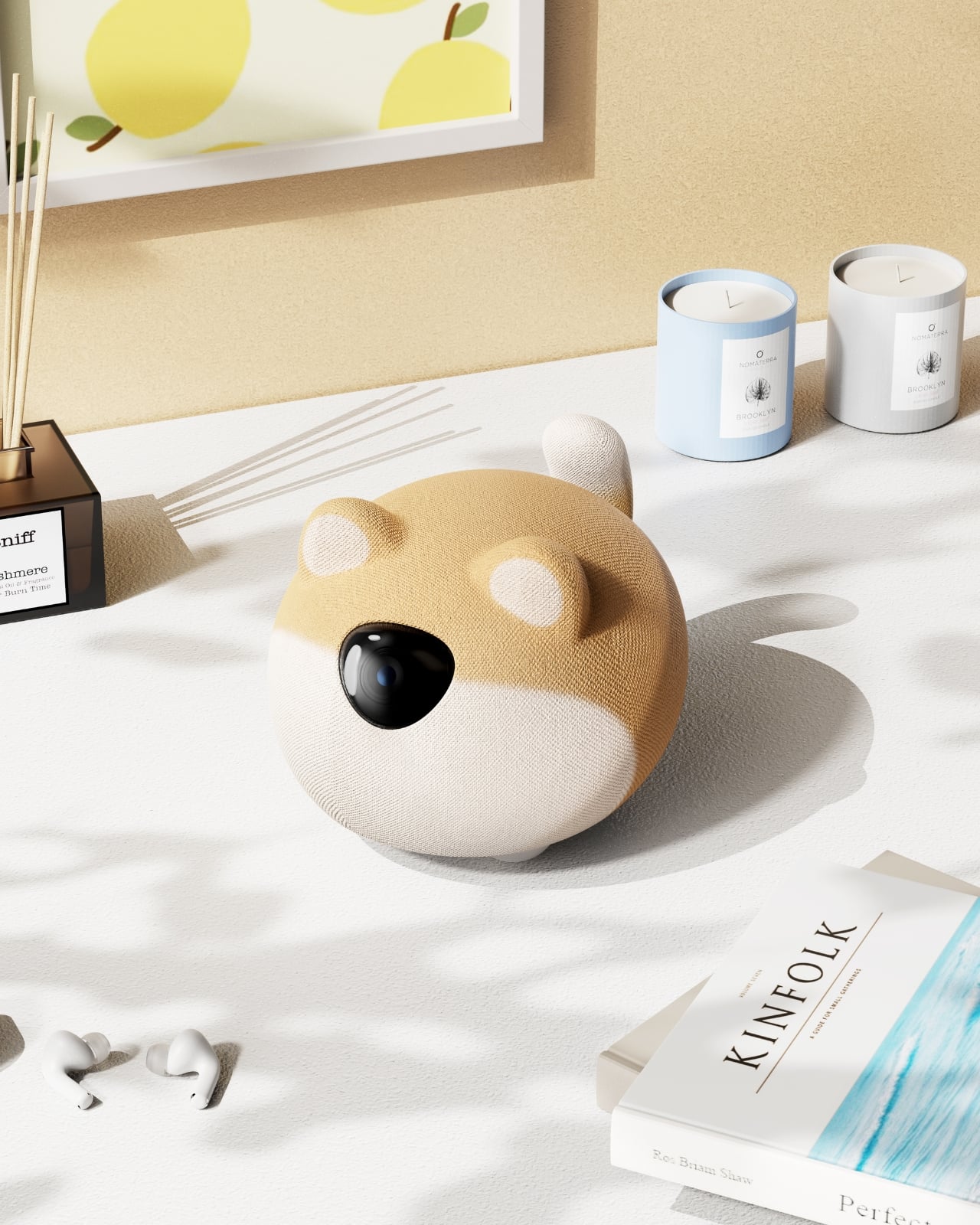
What makes XiaoBu feel genuinely fresh in this growing category is that it doesn’t try to impress you with complexity. It doesn’t seem to be chasing a checklist of AI capabilities or competing on specs. The design conversation starts with softness, with audio warmth, with the kind of small, considered decisions that make an object feel like it belongs to you rather than to a product category.
Whether XiaoBu ever moves past concept into production is a separate question, and one I genuinely hope gets answered. Right now it lives on Behance, accumulating thousands of appreciations from people who clearly recognize the same thing I did: that sometimes the most interesting design isn’t the one with the most features. It’s the one that makes you feel like someone actually thought about what it means to share space with you.