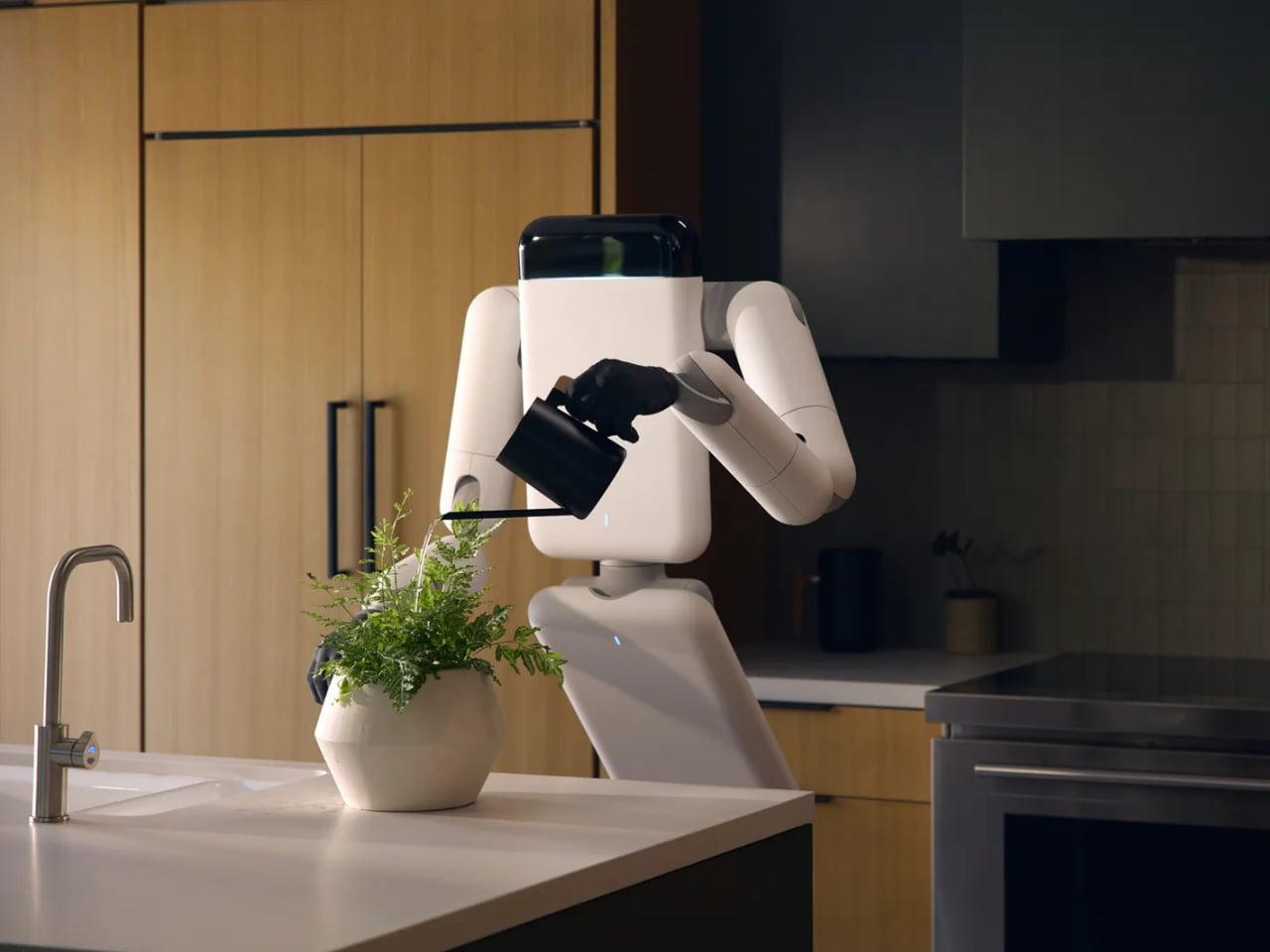
The robot race has been moving in one direction for a while now: two legs, a head, and a shape that clearly spent considerable time studying what a person looks like. It’s a logical instinct. Factories, hospitals, and homes were all designed with human proportions in mind, so a robot built like a human should, theoretically, slot right in. But a growing argument exists that this whole approach might be overthought, and Genesis AI’s new Eno robot is making that case louder than most.
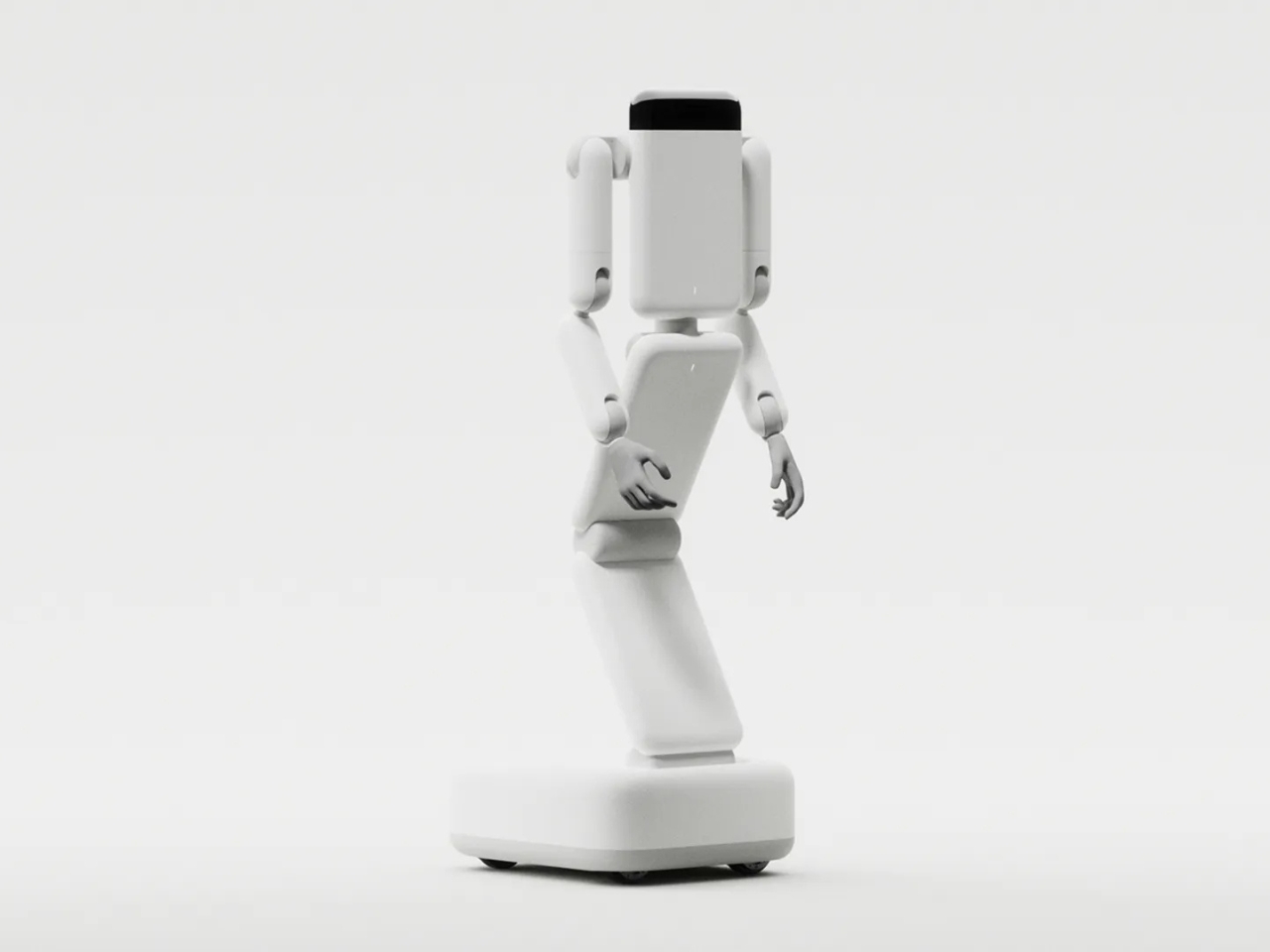
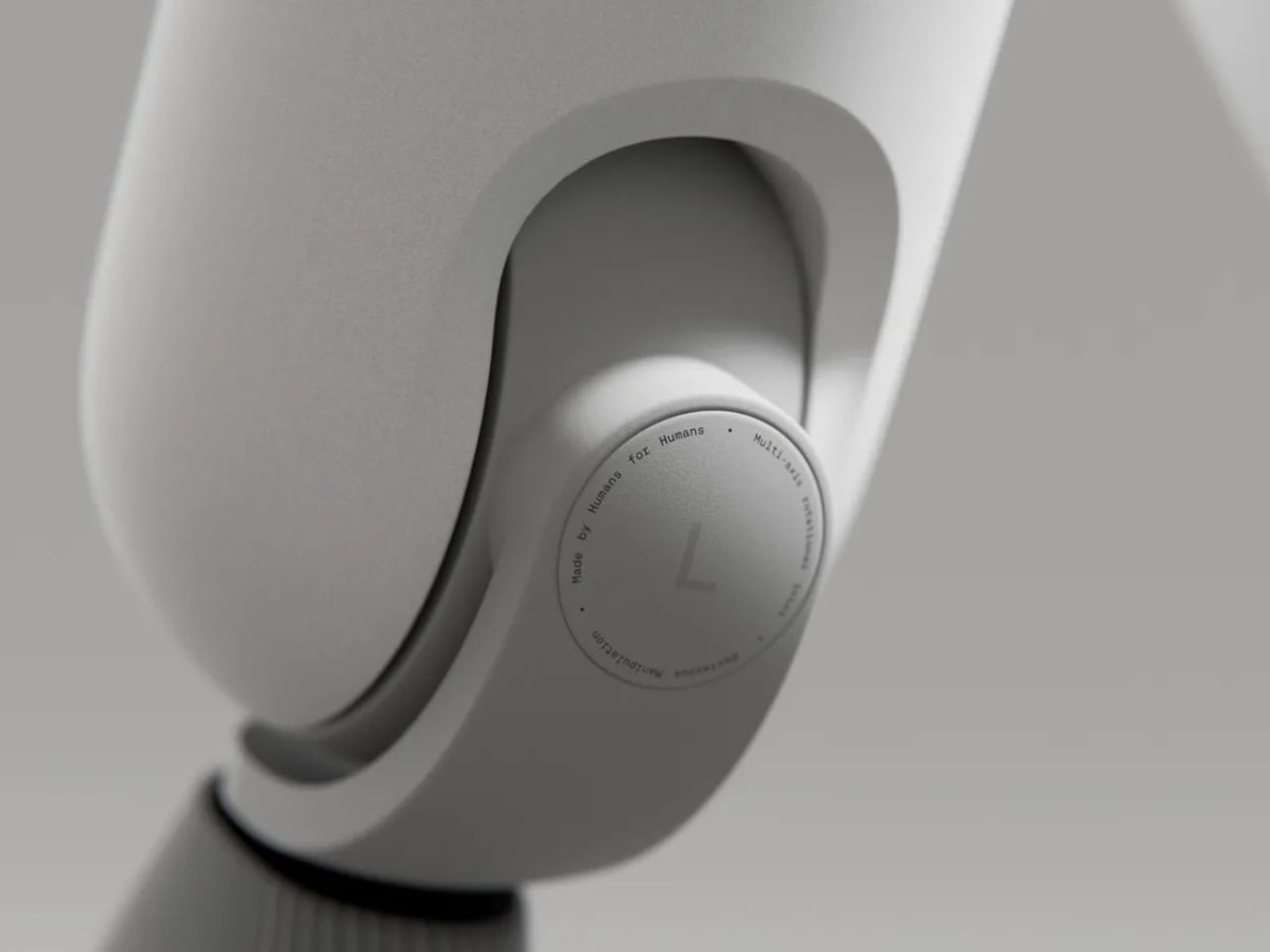
Unveiled this week, Eno is the debut robot from Genesis AI, a San Carlos-based startup that quietly raised $105 million in seed funding and spent that time building something genuinely different. Eno doesn’t walk. It rolls. Its body is a minimalist, articulated tower rising from a wheeled base, with no face and no head in sight. The form adjusts its height and reach as needed, folds down for storage, and carries a pair of proprietary dexterous hands designed to move with the kind of precision and range that human hands are capable of. The result looks more like a sleek industrial sculpture than any robot you’ve seen at a tech keynote.
Designer: Genesis AI
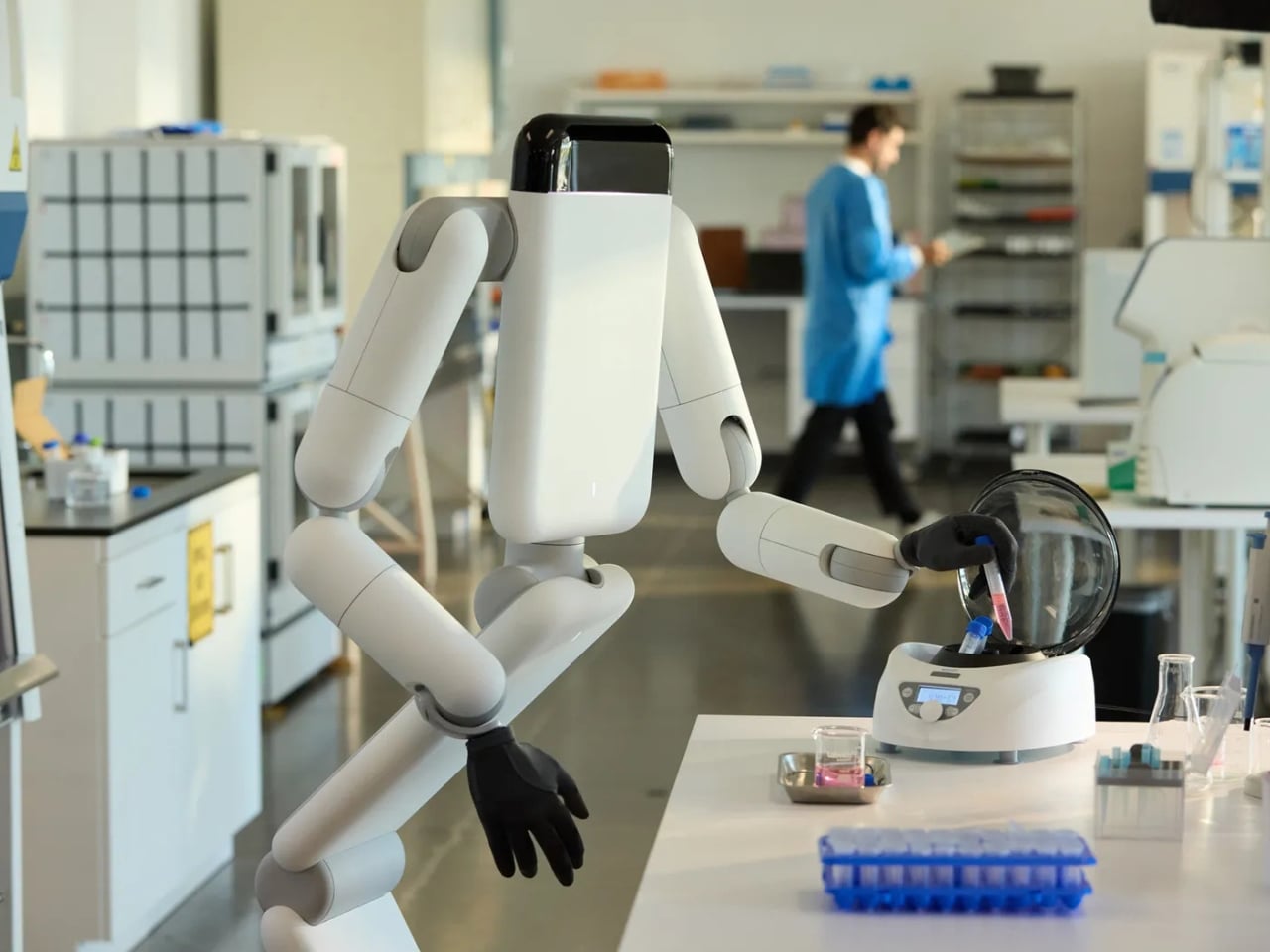

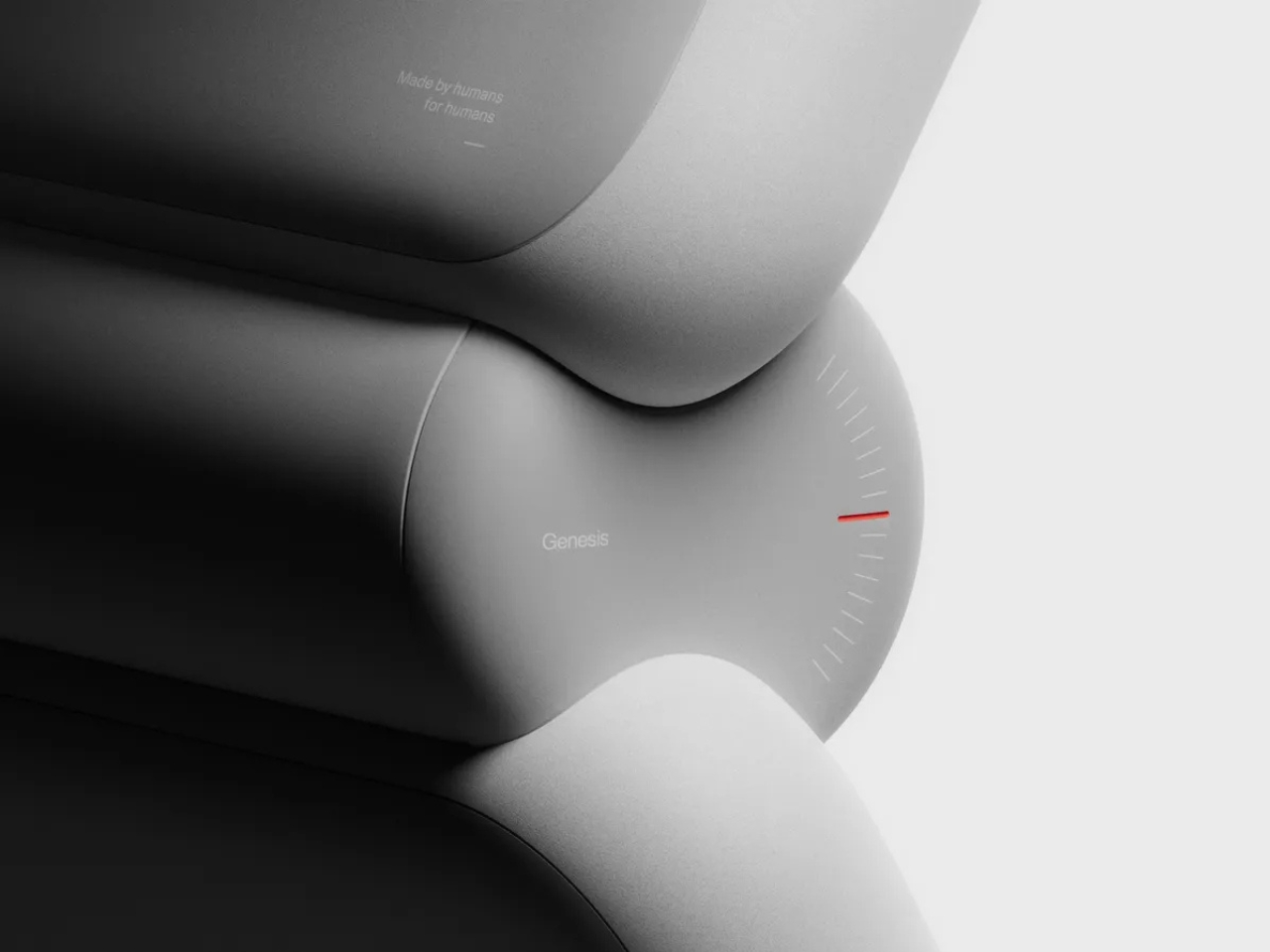
That feels completely intentional. Genesis AI’s head of design, Daniel Hundt, has said that Eno was built by asking a single question first: what does the robot actually need to be? The answer stripped away everything decorative and kept everything functional. No face, because a face isn’t a prerequisite for doing work well. No legs, because legs add cost, complexity, and a surprising number of ways for something to go wrong. What remained was a form built around capability, not aesthetics trying to pass as capability. That’s a meaningful distinction in an industry that sometimes confuses the two.
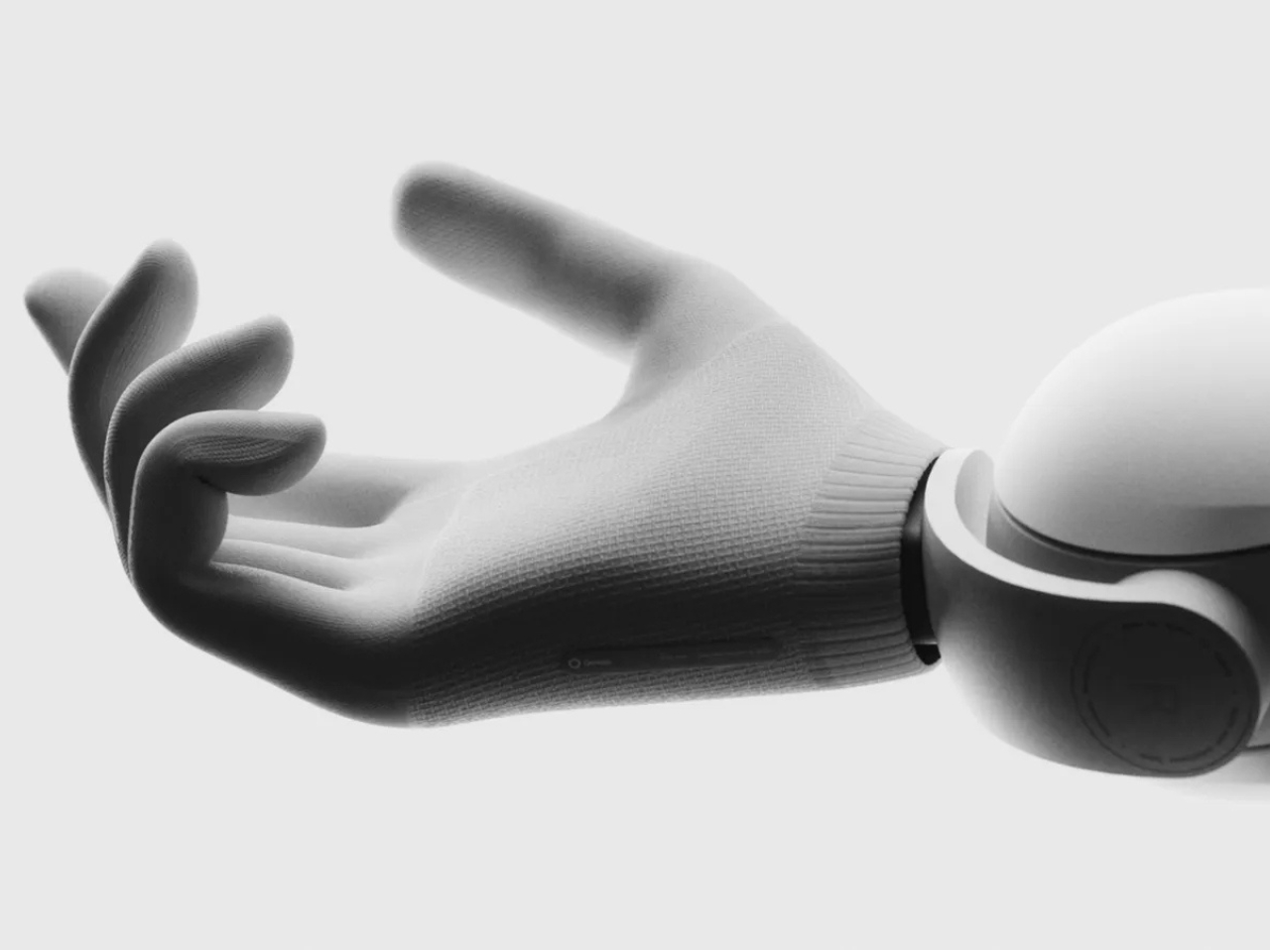
Eno runs on GENE, Genesis AI’s proprietary robotics-native AI foundation model, and the two were developed together as a single integrated system. This matters more than it might initially seem. A lot of robots in this space are essentially off-the-shelf AI bolted onto hardware that wasn’t designed with it in mind. GENE and Eno were built to complement each other, which means the robot can reason through multi-step tasks, adapt when conditions change, and plan across long time horizons rather than just responding to simple, pre-defined commands. That kind of sustained, adaptive thinking is what separates a useful robot from an expensive demo reel.
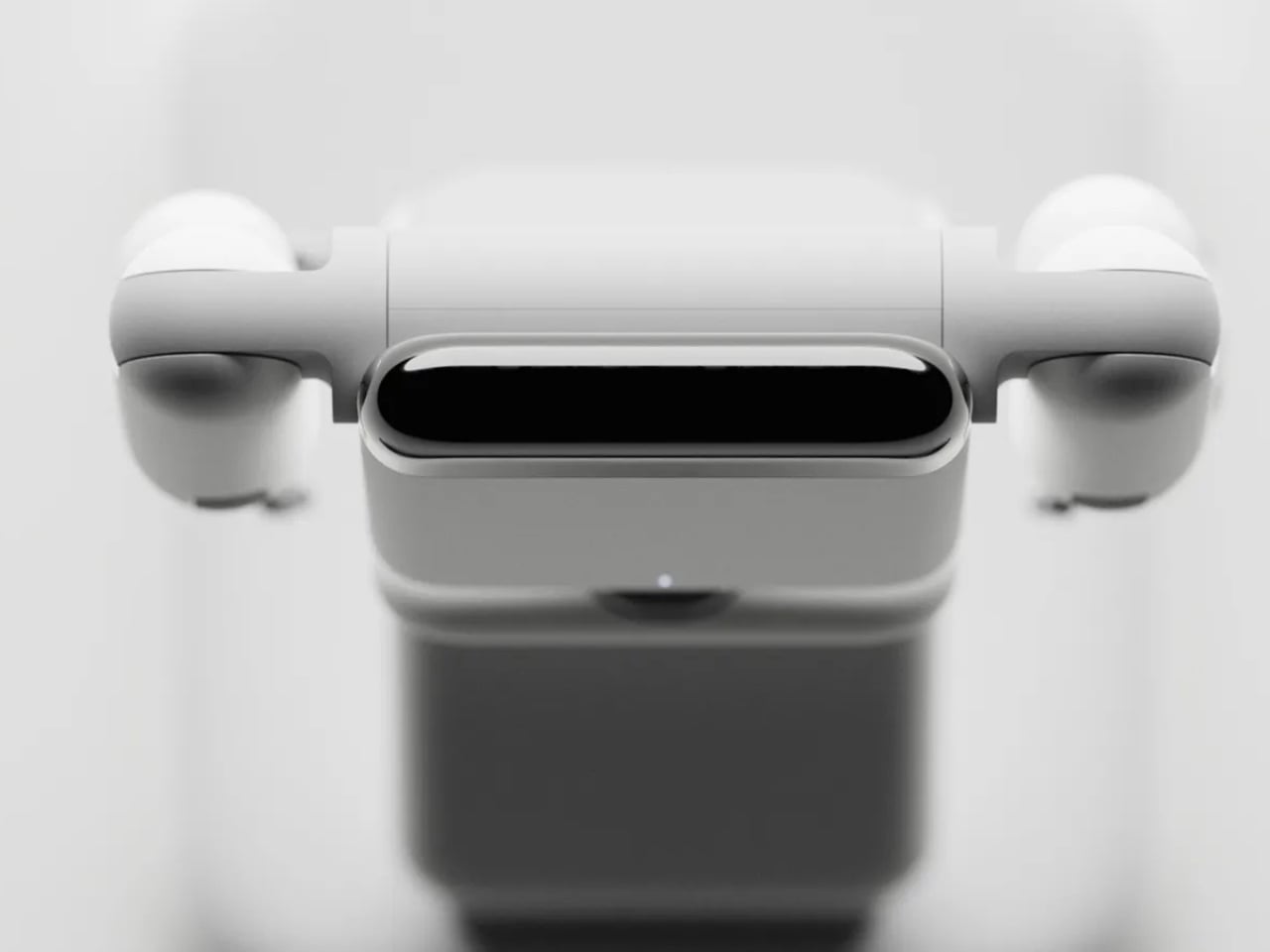
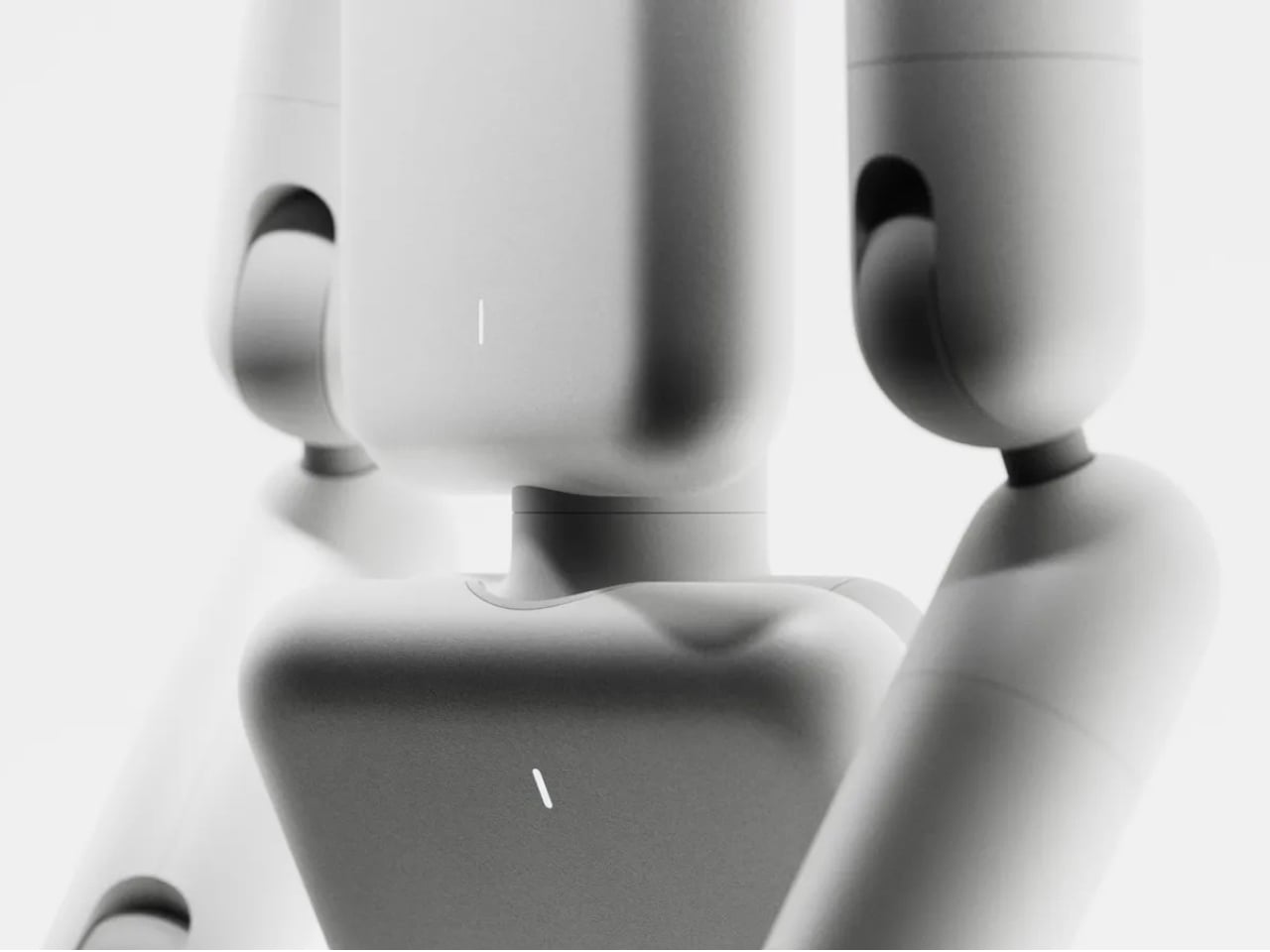
For those who want a deeper look at what’s happening under the hood, Genesis AI is offering an optional screen version of Eno featuring a cognitive interface that displays, in real time, what the robot is thinking and processing. It’s an unusual transparency move for a robotics company, and a genuinely smart one. Trust in AI systems tends to erode when people feel like they’re watching a black box make decisions. Showing the work, quite literally, is one way to build confidence in environments where precision matters, like hospitals, labs, or busy production floors.
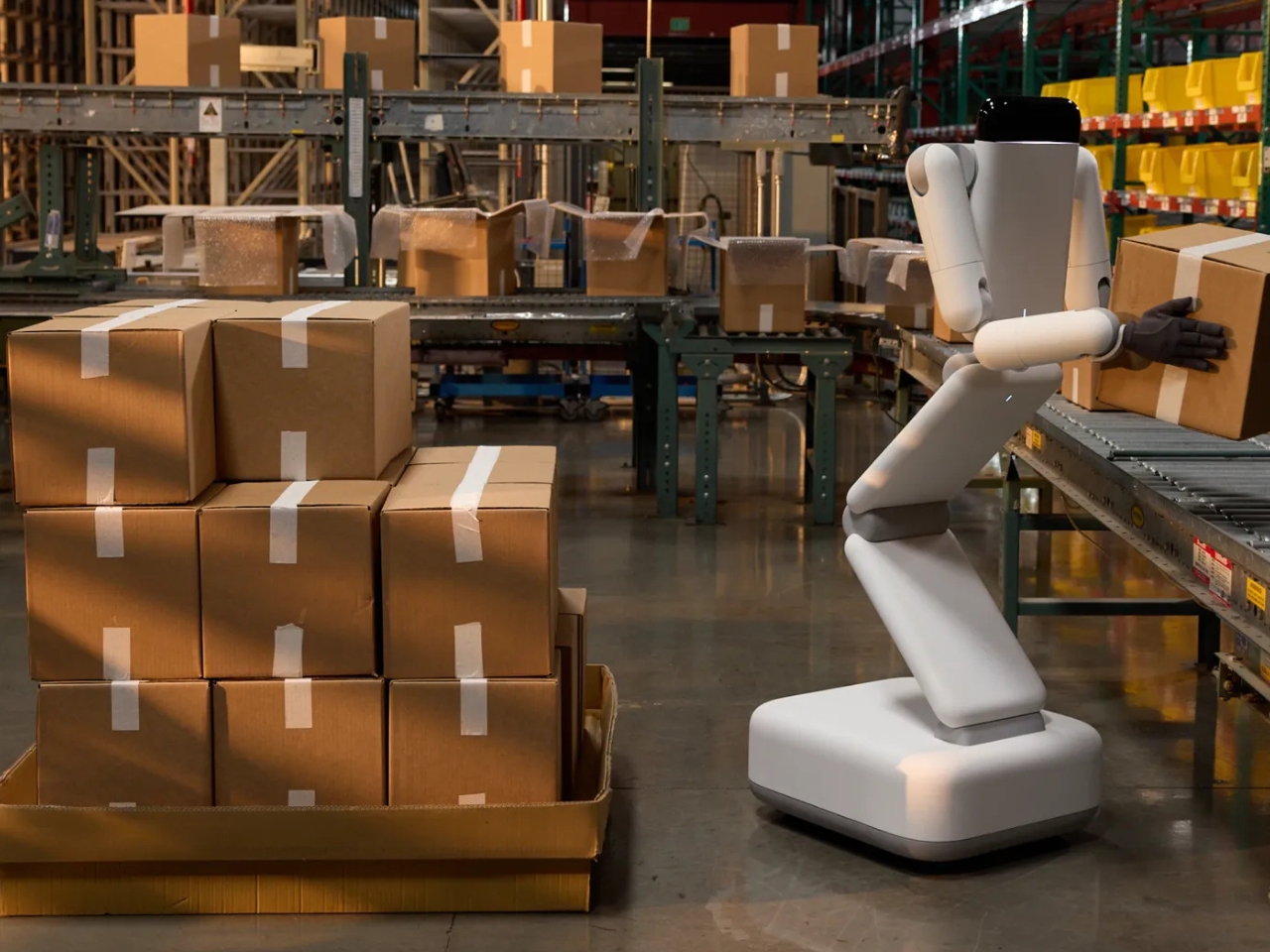
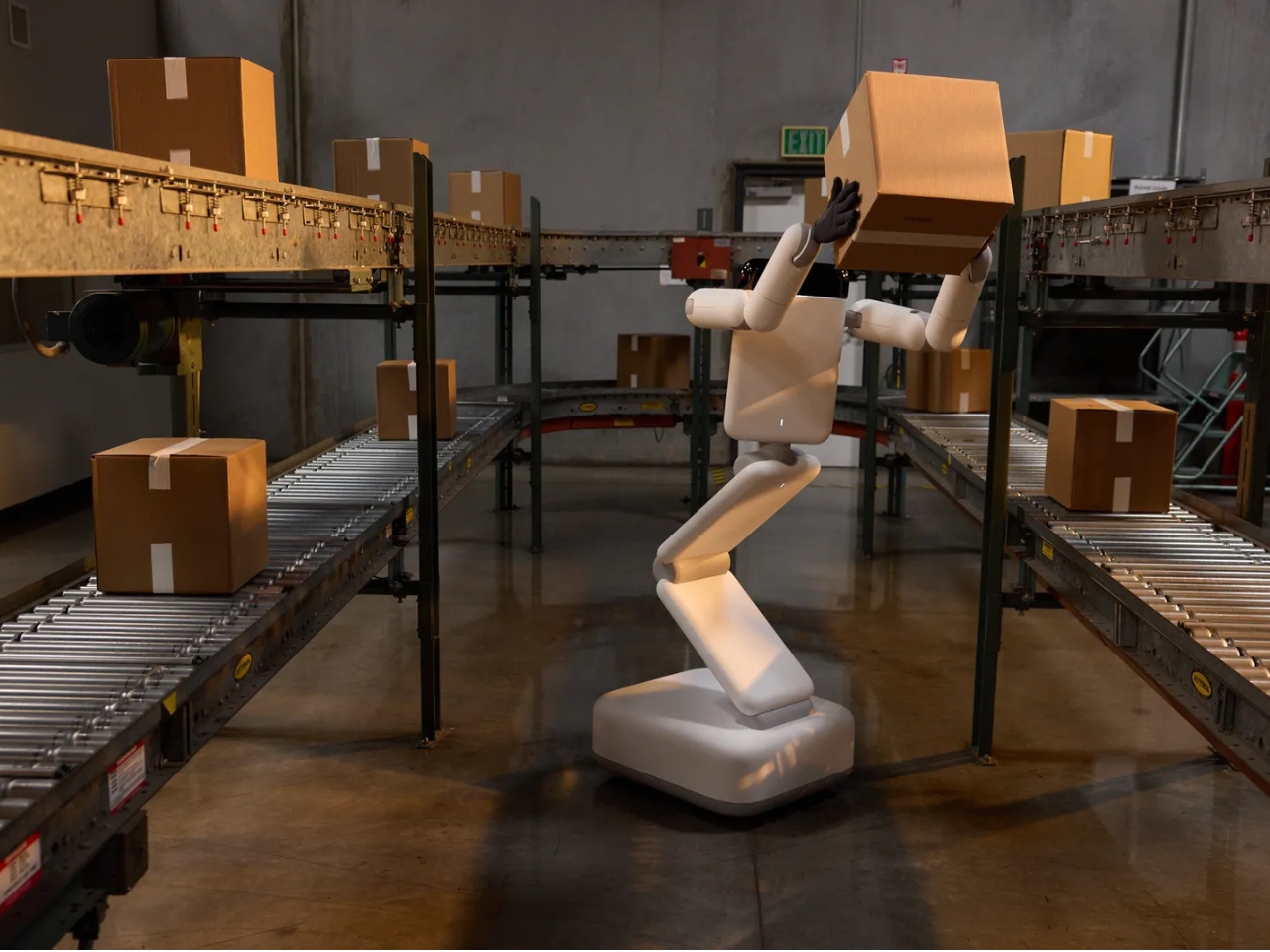
Deployment is set to begin with industrial customers by the end of 2026, starting with manufacturing, logistics, and laboratory settings before moving into service industries like hotels and hospitals, with consumer and home use following down the line. That rollout sequence makes sense. Controlled industrial environments offer a much cleaner test case for a robot learning the real world than someone’s living room does, and it gives Genesis AI the chance to refine Eno where the stakes of a miscalculation are measured in efficiency rather than anything more personal.

Whether Eno ends up being the robot that finally makes good on the promise of general-purpose robotics remains to be seen. The industry has announced breakthroughs before and delivered timelines that stretched well past the original projections. But Eno feels different in at least one significant way: it isn’t trying to win you over with its looks. It’s making a functional argument, and that alone puts it in a category of its own right now. Sometimes the smartest design choice is knowing exactly what not to include.