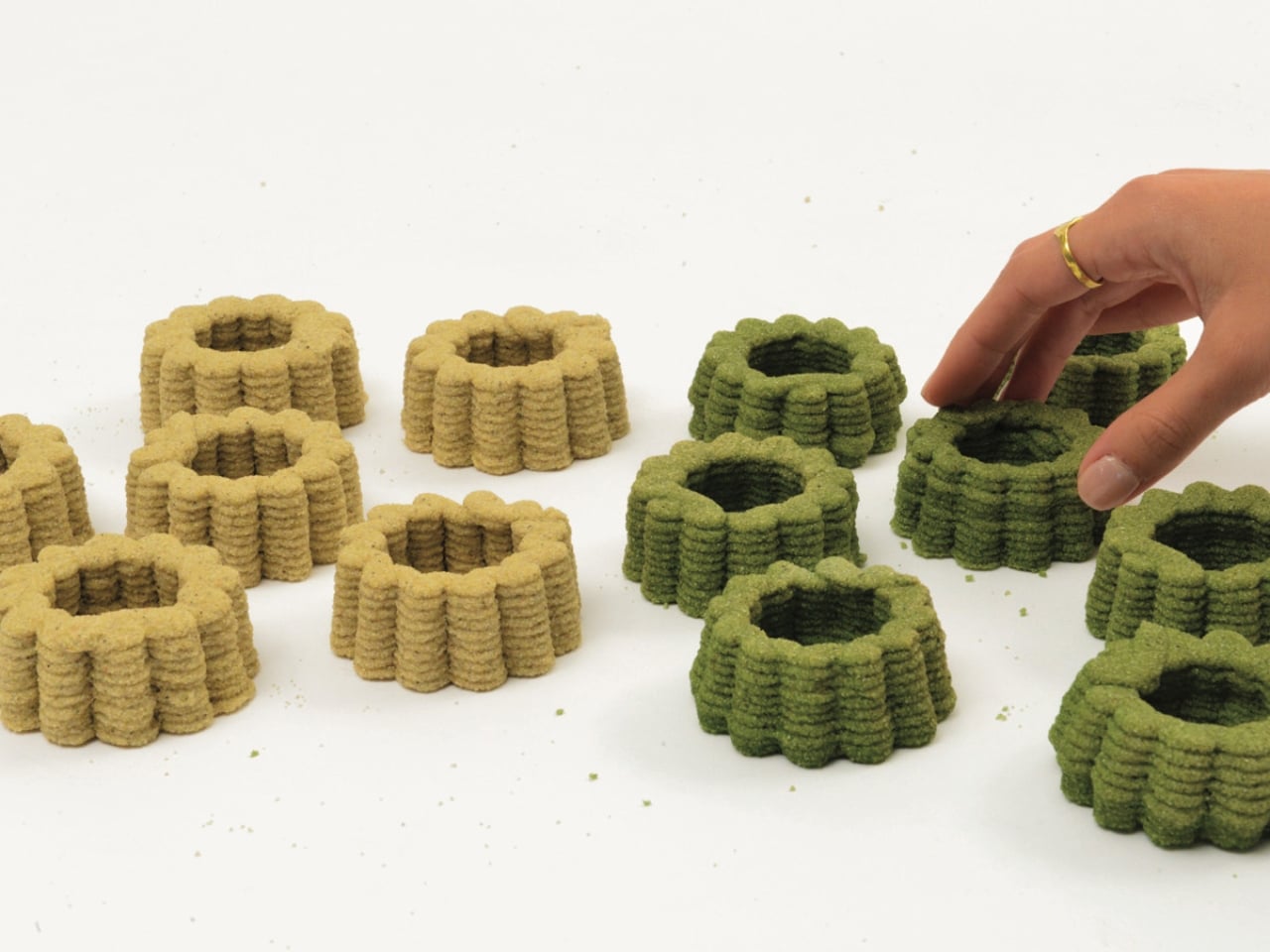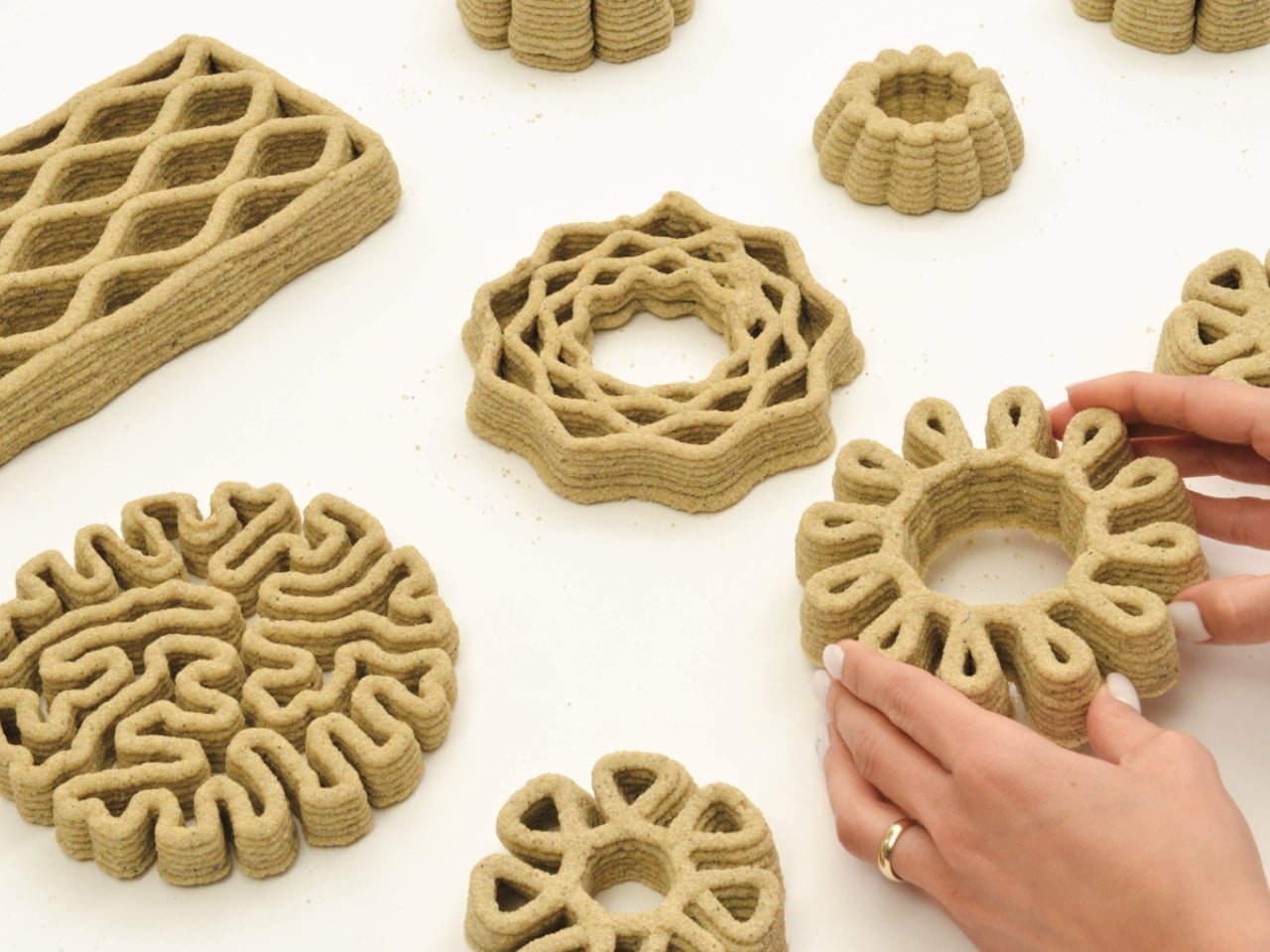

Concrete is everywhere. It’s in the walls you’re staring at right now, the floors under your feet, the skyline you pass every morning on your commute. It’s the most widely used construction material in the world, and it’s also one of the most environmentally damaging ones we have. Cement production alone is responsible for roughly 8% of global CO2 emissions, a figure that tends to get quietly buried under louder conversations about cars and plastic straws. That imbalance has always struck me as odd, and worth talking about more.
So when a team of six researchers and designers from the Technion, Israel Institute of Technology, presented CyanoCement to the world, it stopped me mid-scroll. Not because it felt like a minor improvement on what already existed. Because it framed the problem differently. It asked whether a building material could do something more than just cause less harm, whether it could actually participate in solving the problem it had always been part of.
Designers: Perla Armaly, Yuval Berger, Lubov Iliassafov, Keren Rosenblau, Yechezkel Kashi, Shany Barath
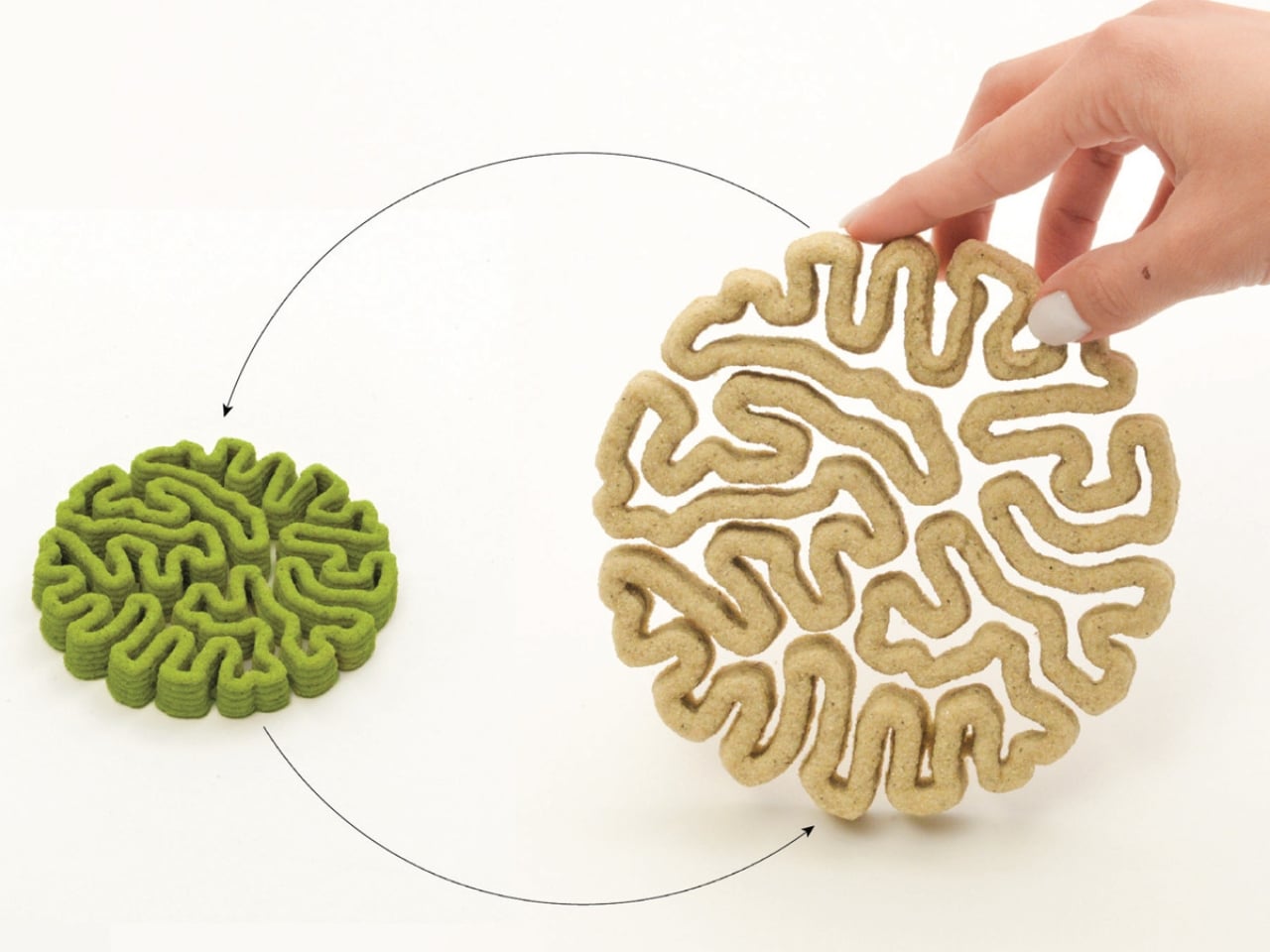
CyanoCement is a 3D-printable biocement made with cyanobacteria, tiny photosynthetic microbes that have been around for billions of years. They’re among the organisms responsible for producing Earth’s first oxygen-rich atmosphere. That’s not a throwaway fact. These are ancient, extraordinary little things, and the Technion team, Perla Armaly, Yuval Berger, Lubov Iliassafov, Keren Rosenblau, Yechezkel Kashi, and Shany Barath, figured out how to make them a functional part of the construction process.
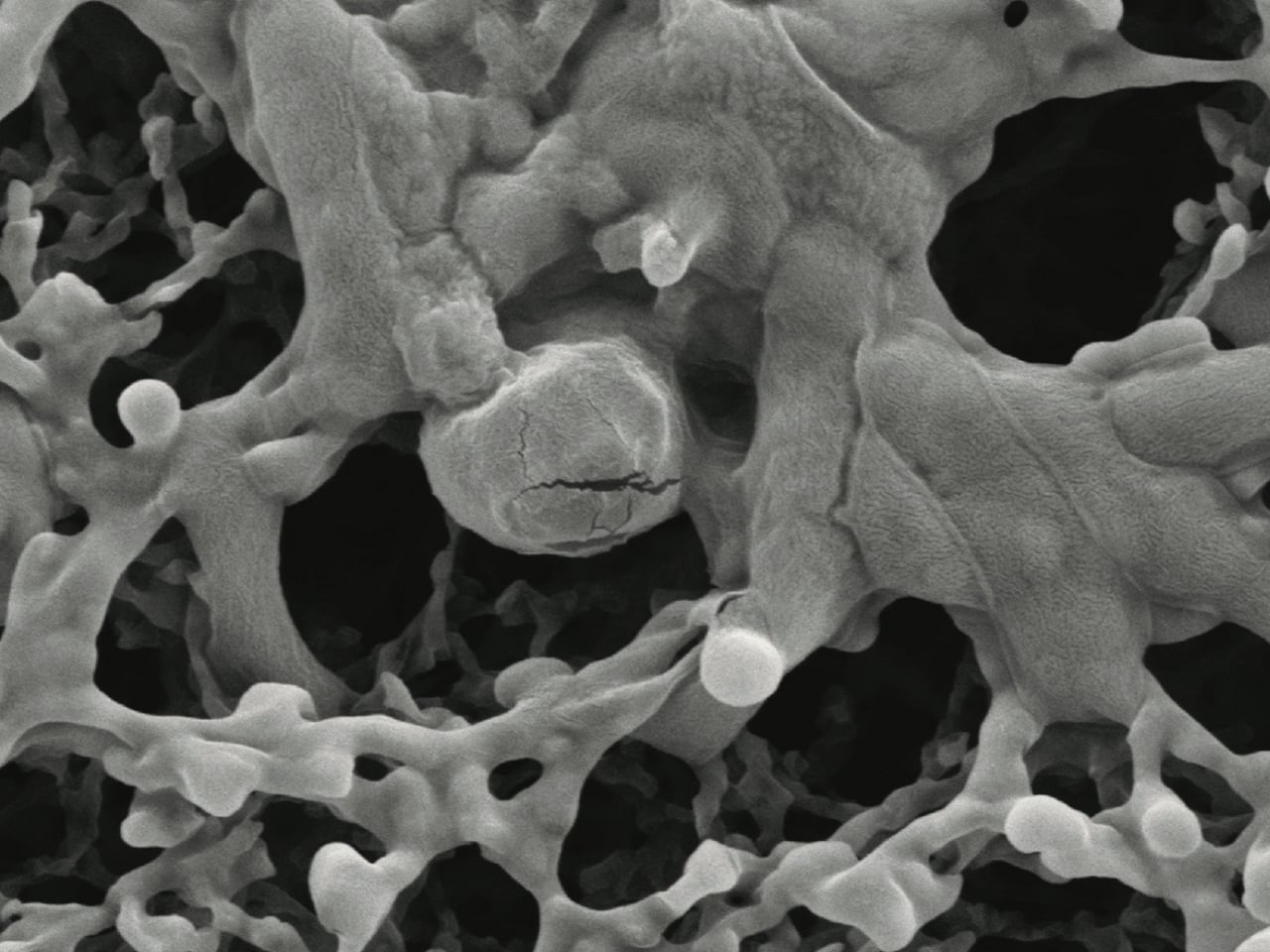
Here’s the mechanism: the cyanobacteria use photosynthesis to bind minerals and precipitate calcium carbonate, forming a solid material without any of the high-heat, high-emissions processes that traditional cement requires. The part that genuinely surprised me was that the material doesn’t stop capturing CO₂ once production is done. It continues to pull carbon from the air after it’s been formed and installed. Not just a lower-impact alternative to concrete, but a material that actively works against the problem.
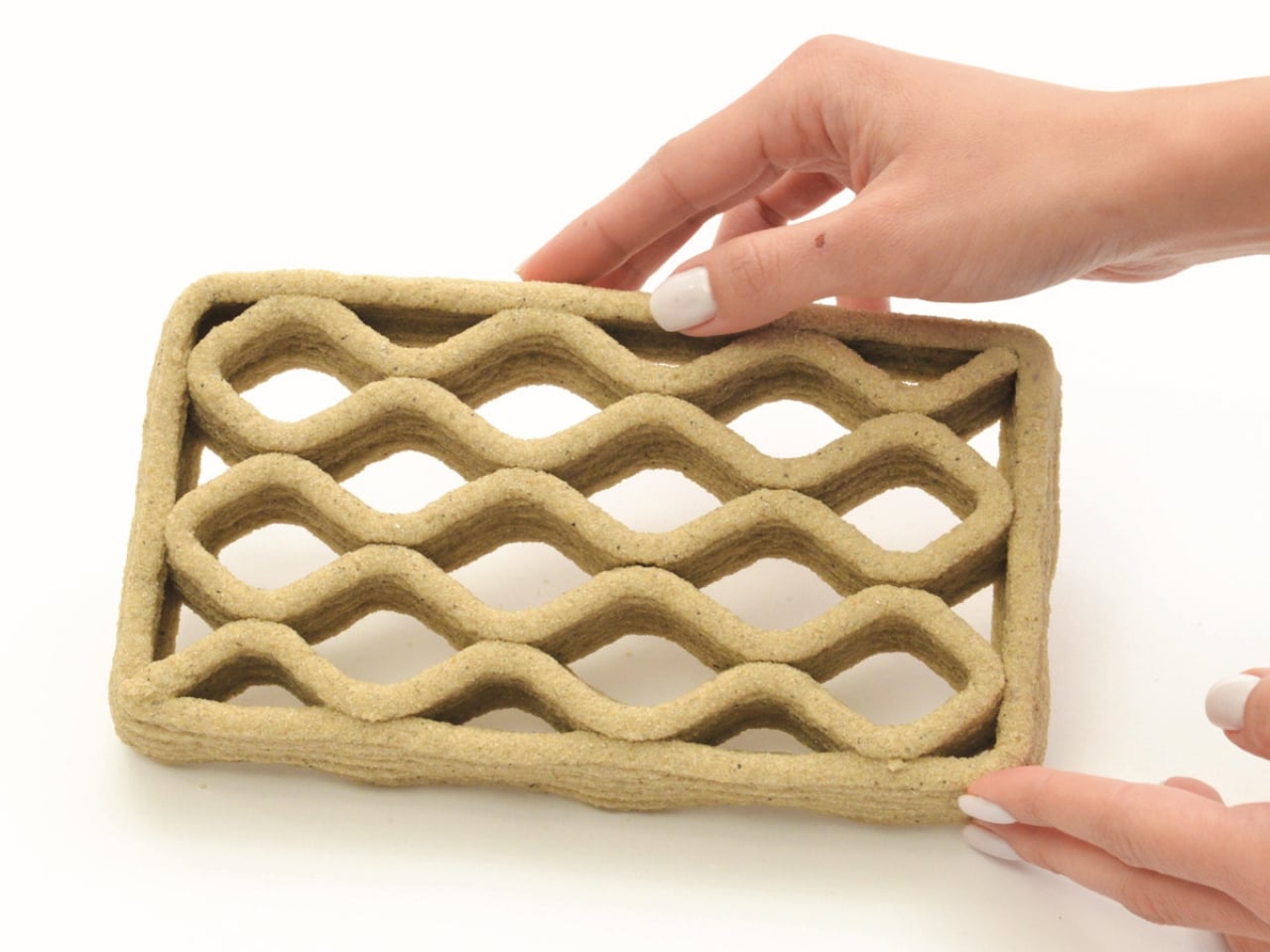
The team designed it specifically for non-load-bearing architectural elements, facades, interior panels, decorative structures, which keeps the project grounded and credible. I respect that kind of restraint. The sustainable design space has a well-documented tendency to oversell, to position a concept-stage material as a revolution before the science has caught up. CyanoCement doesn’t do that. It knows what it is right now, and what it is right now is genuinely impressive.
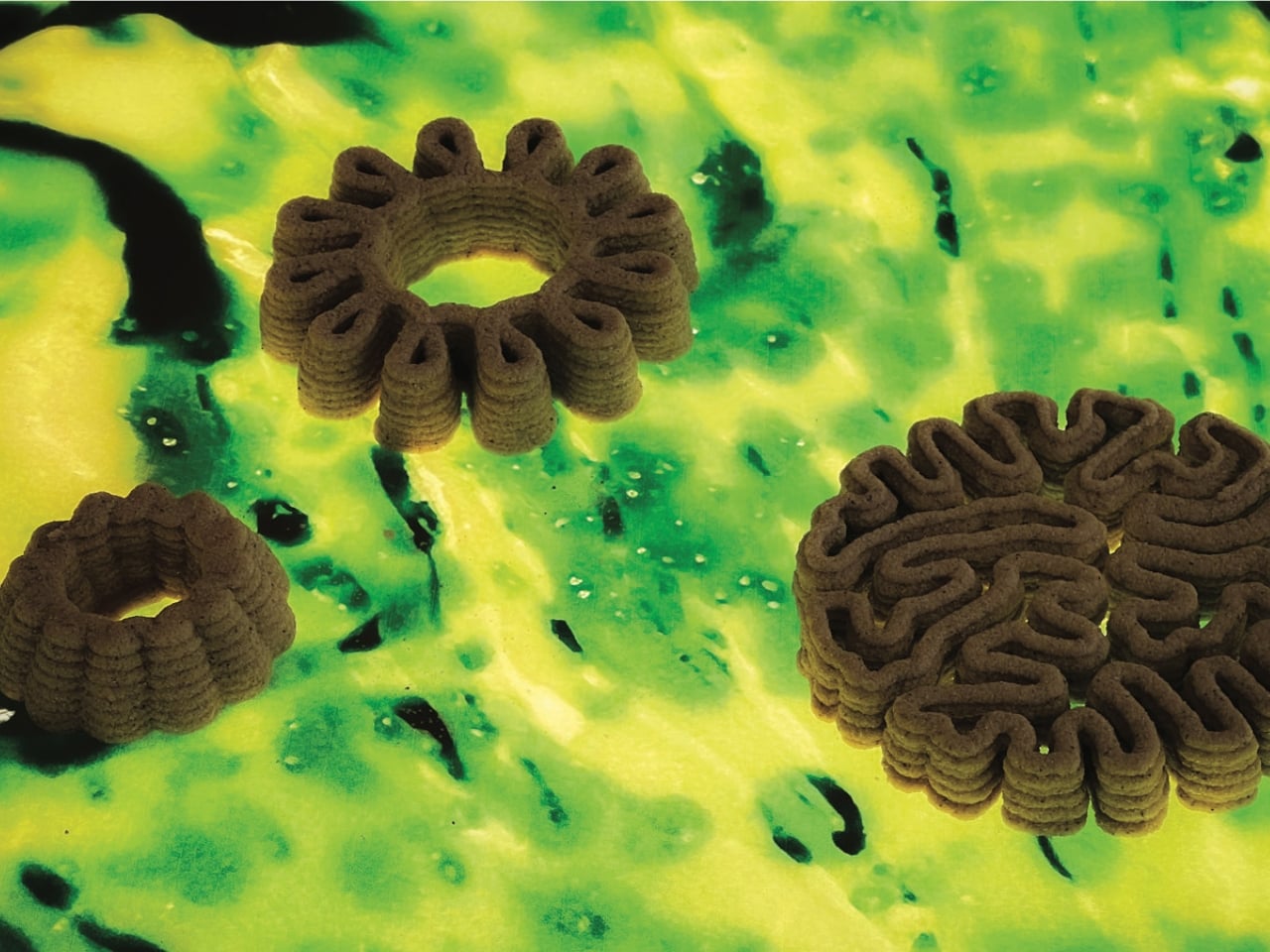
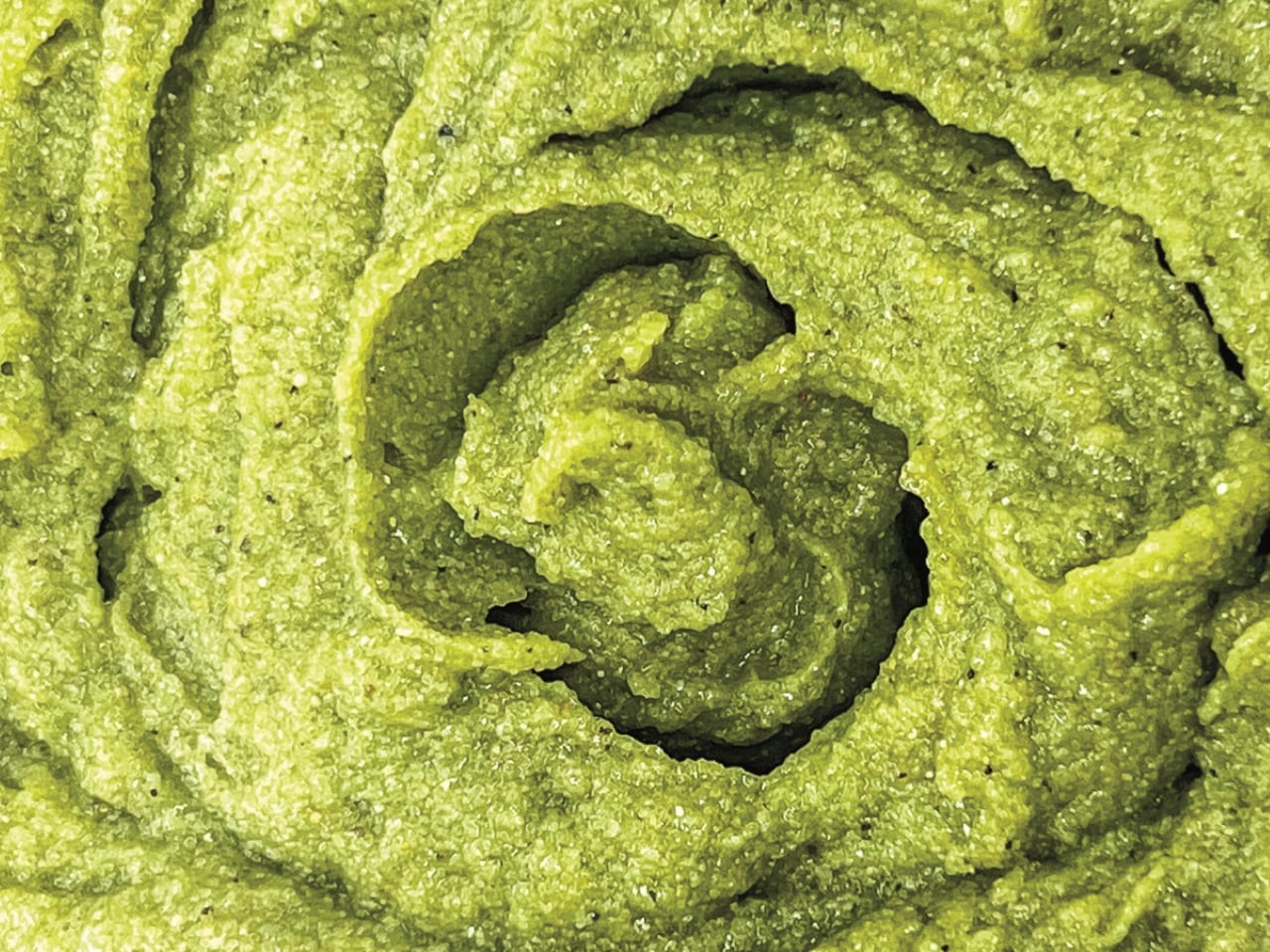
Then there’s the color. The material is green, not because of any coating or pigment, but because of the living organisms inside it. That green is a biological signal, a visual confirmation that the cyanobacteria are alive and active. I’ve seen a lot of sustainable products that ask you to trust the environmental benefit, buried somewhere in a lifecycle assessment document. CyanoCement makes it visible. The building itself tells you it’s working. That’s both smart design and, I’d argue, a kind of integrity.
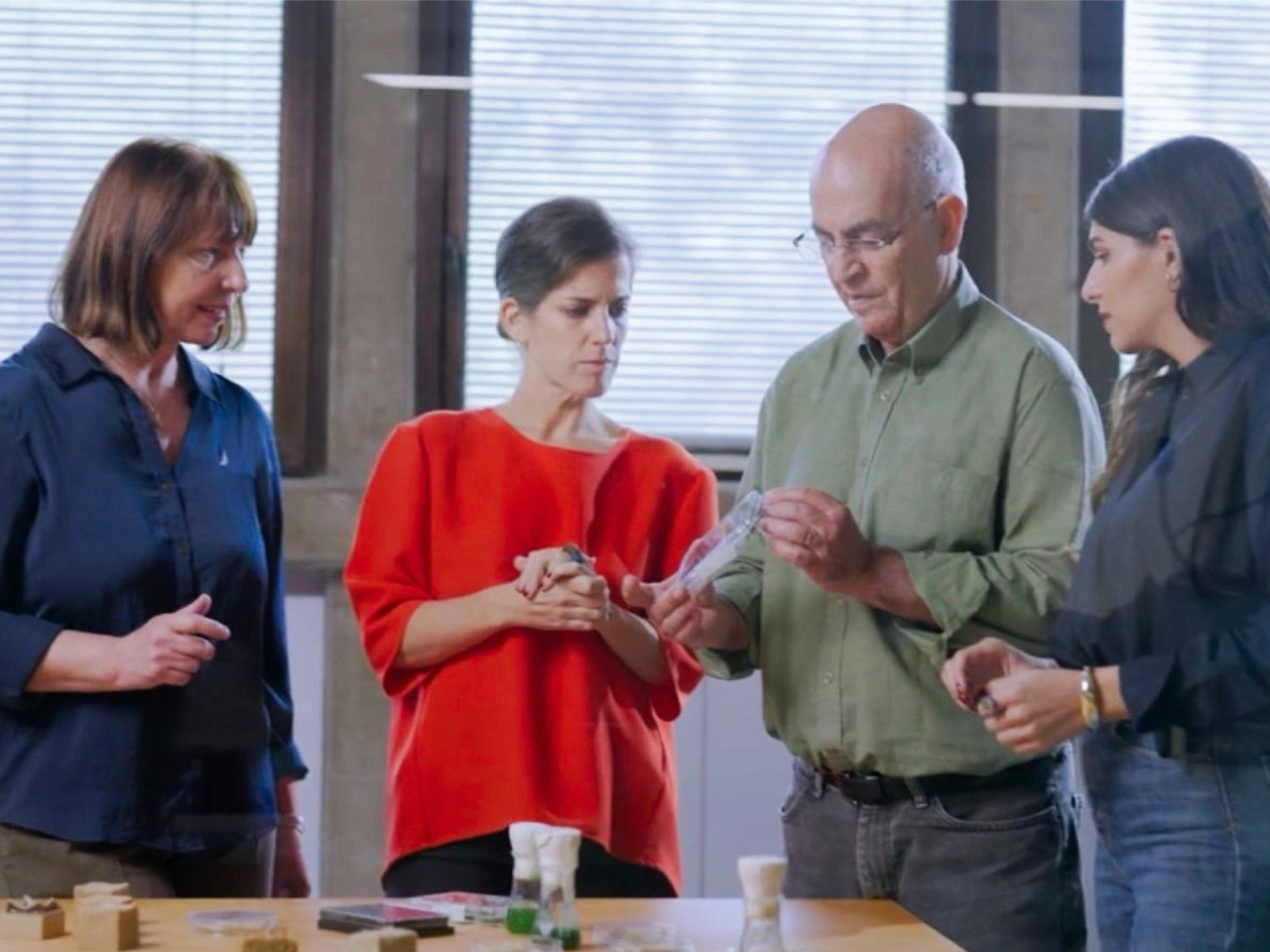
The project came out of the Disrupt Design Lab at Technion’s Faculty of Architecture and Town Planning, developed in collaboration with the Applied Genomics Lab at the Faculty of Biotechnology and Food Engineering. Architecture and biology don’t typically share a lab, let alone a design philosophy. The fact that this team brought those two disciplines together into something coherent, functional, and visually compelling is its own accomplishment, separate from the material itself.
CyanoCement was recognized by the Green Product Award, which has a strong track record of identifying work that actually moves the needle rather than just speaking well in press releases. The project earned that recognition, not just for good intentions, but for the depth of research behind it and the clarity of its design logic. The more you learn about how it works, the more convinced you become.
We talk a lot about the future of architecture being green, solar panels on rooftops, recycled steel, passive ventilation. All worthwhile. But CyanoCement is asking something a little more radical: what if the walls themselves were alive? What if building something meant contributing to the atmosphere rather than depleting it? That’s the question I can’t stop thinking about. And once you know it’s being asked, I suspect you won’t be able to stop either.