
We’ve all been there. You leave the house, get halfway to the coffee shop, and realize your reusable cup is sitting on the kitchen counter right where you left it. Again. So you grab a paper cup, feel a low-grade guilt for the rest of the morning, and promise yourself tomorrow will be different. Tomorrow rarely is.
That particular loop is exactly what Daisy Tydeman and her team at Nudge Innovations set out to break with Duet. And the solution is so elegantly simple that it’s the kind of thing that makes you wonder why no one thought of it sooner. The coffee cup attaches to the bottom of a water bottle using magnets. You carry your bottle anyway. Now your cup comes with it.
Designer: Daisy Tydeman (Nudge Innovations)
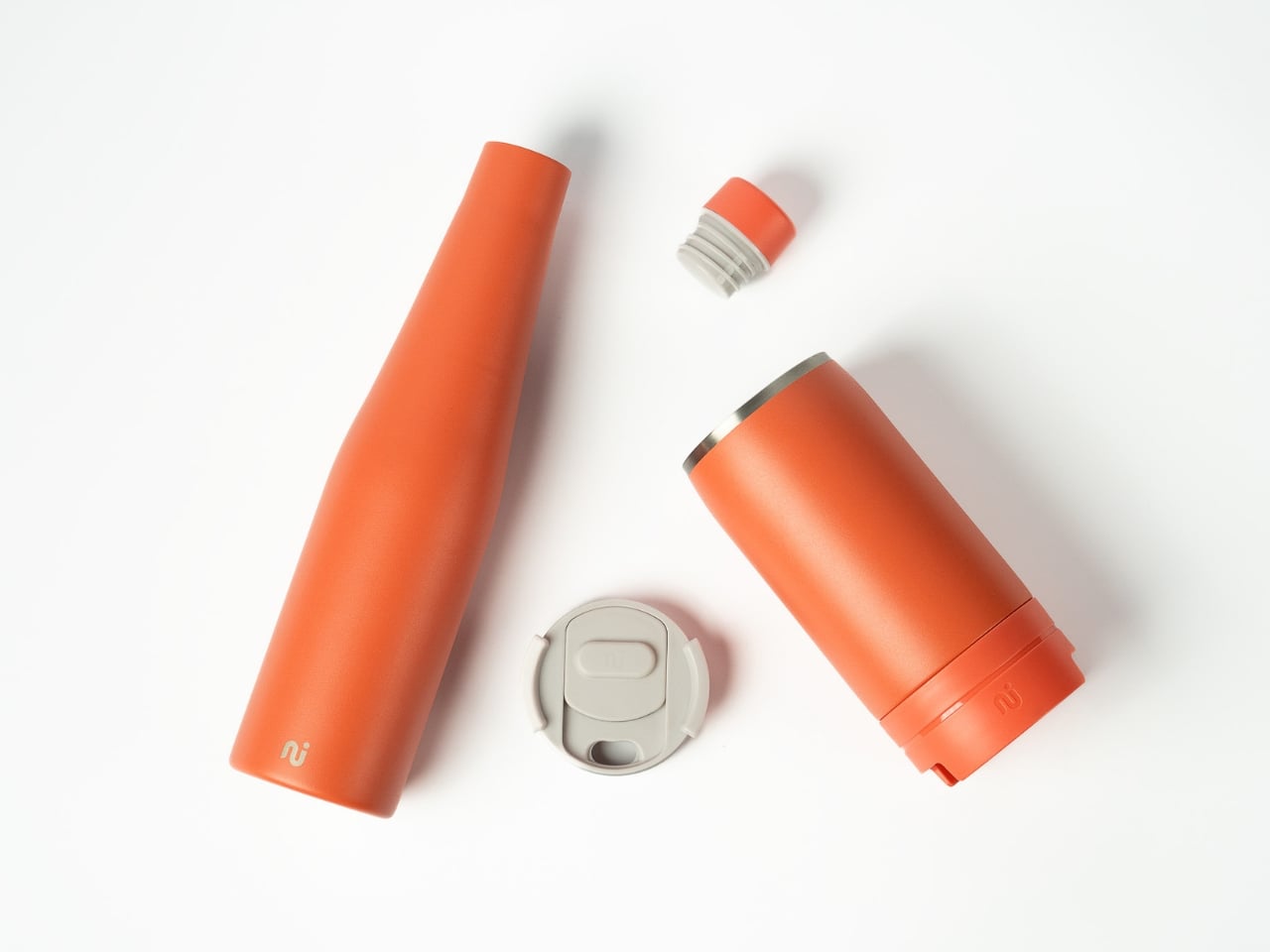
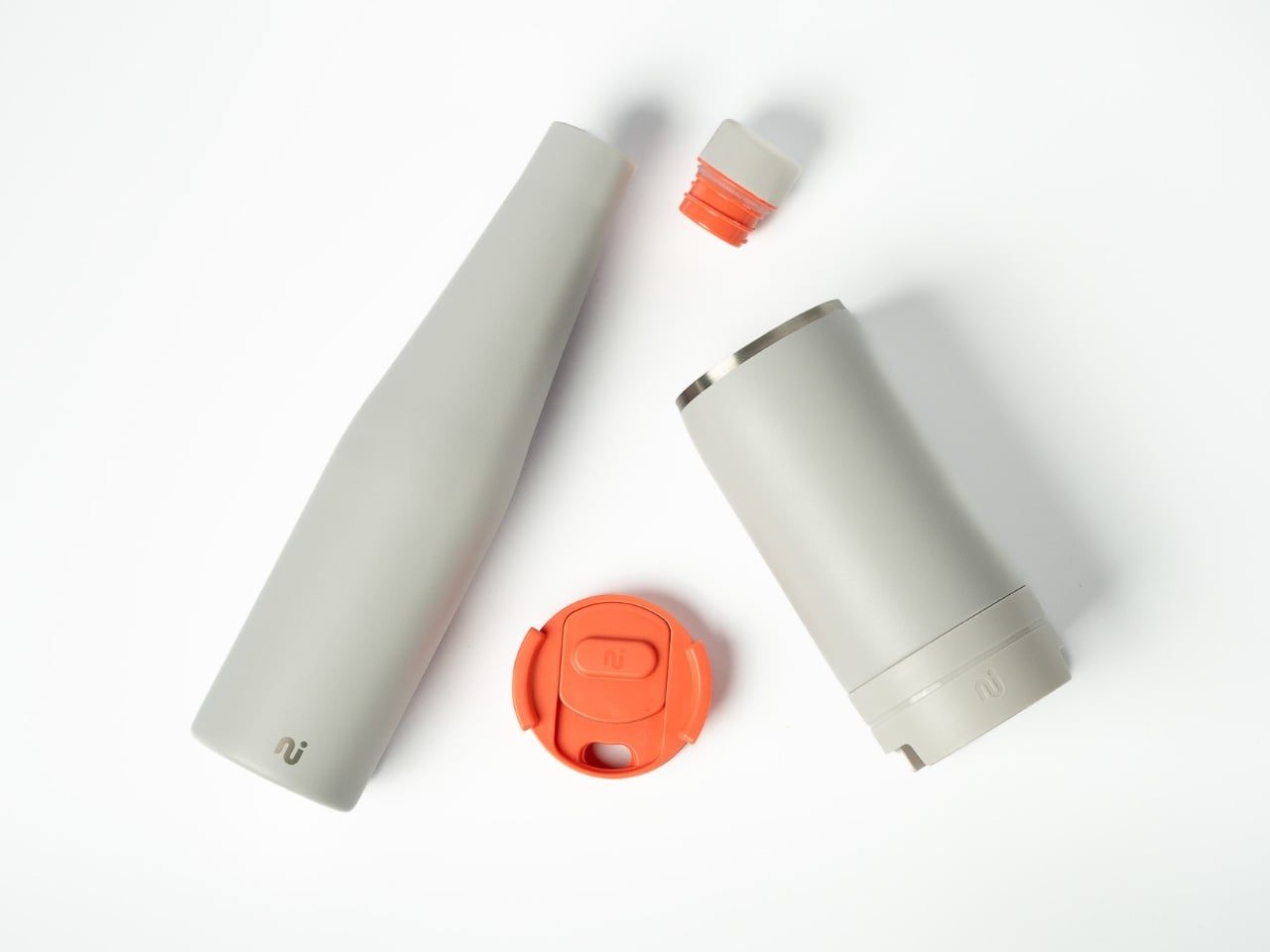
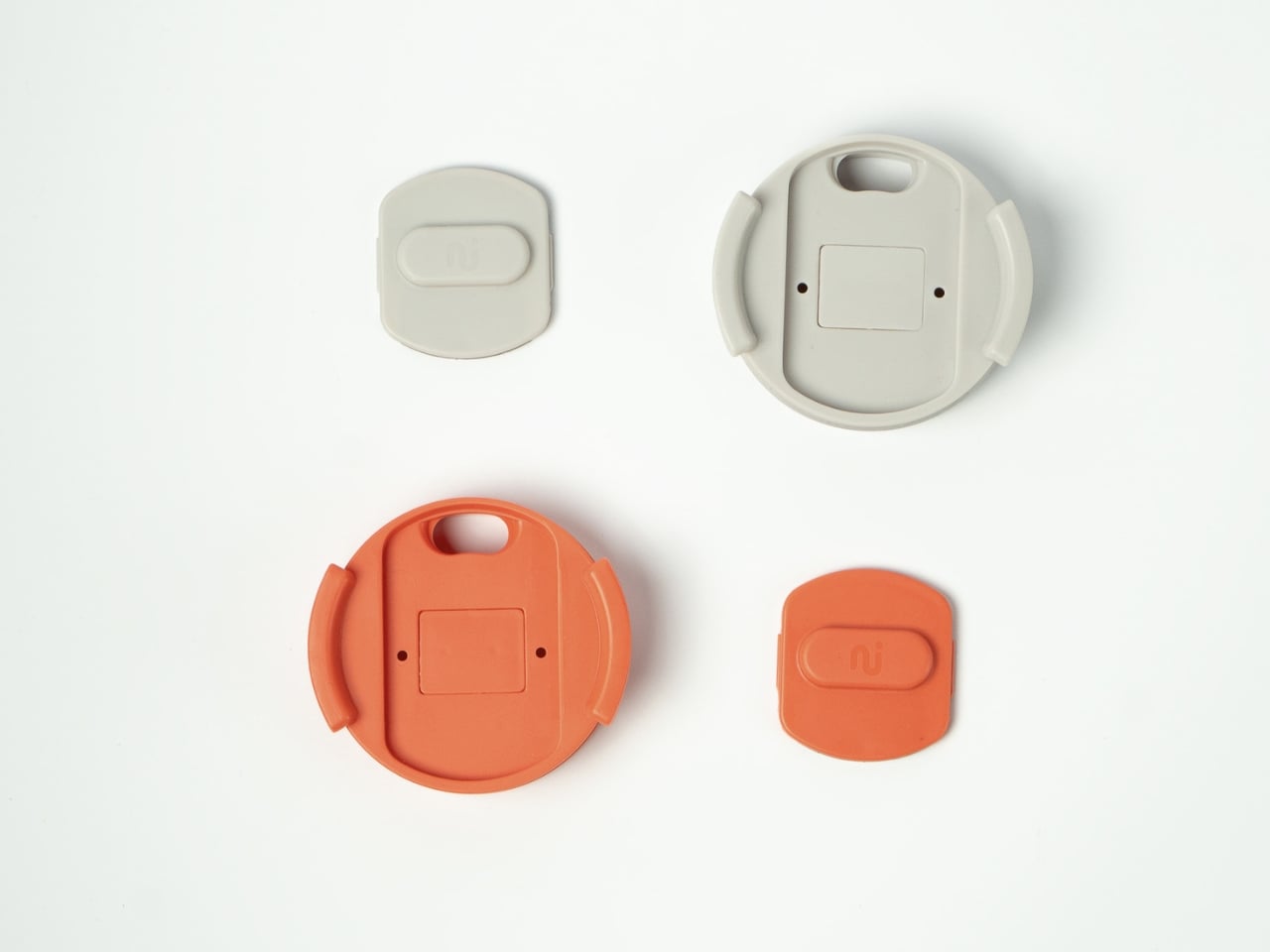
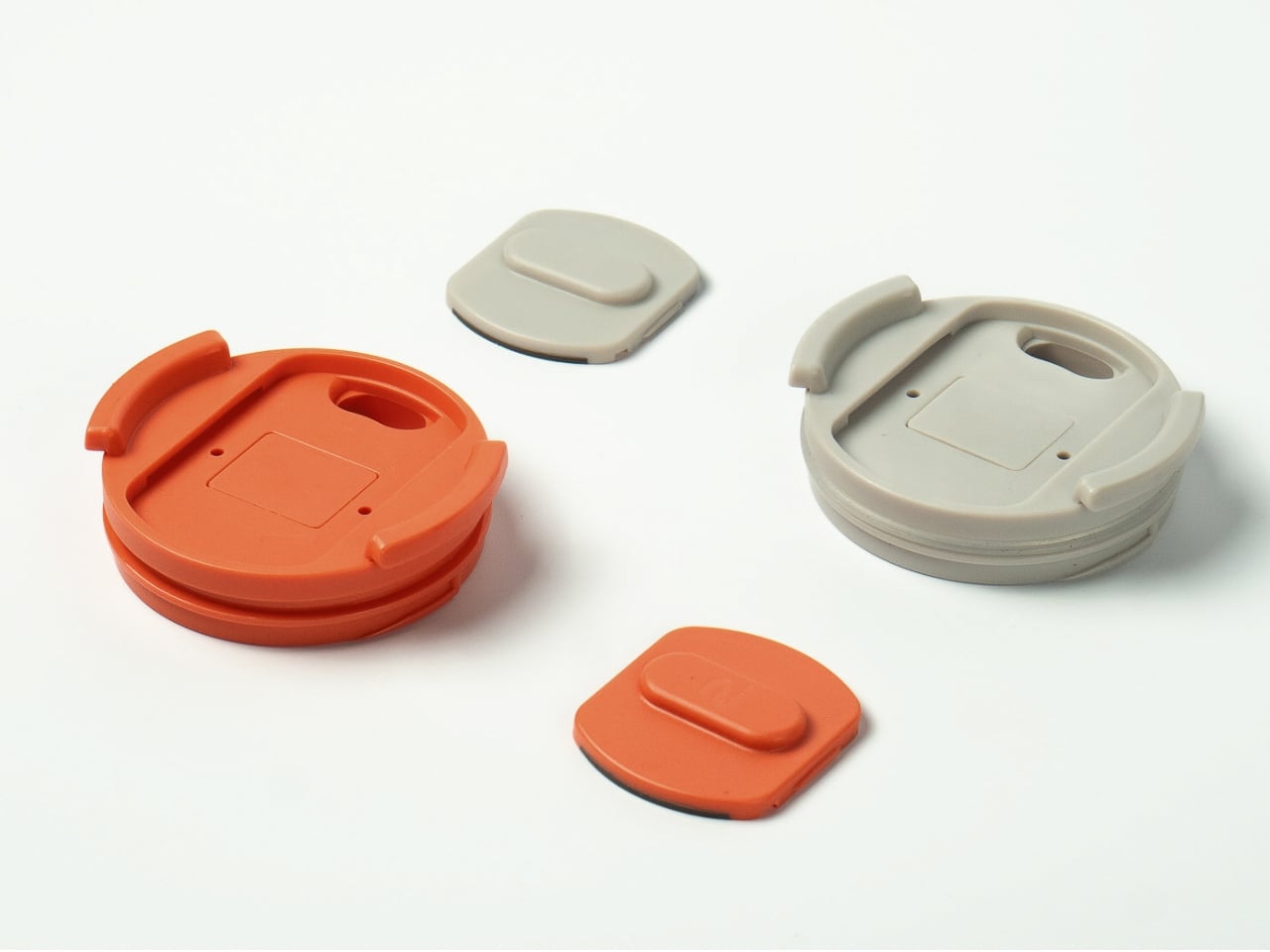
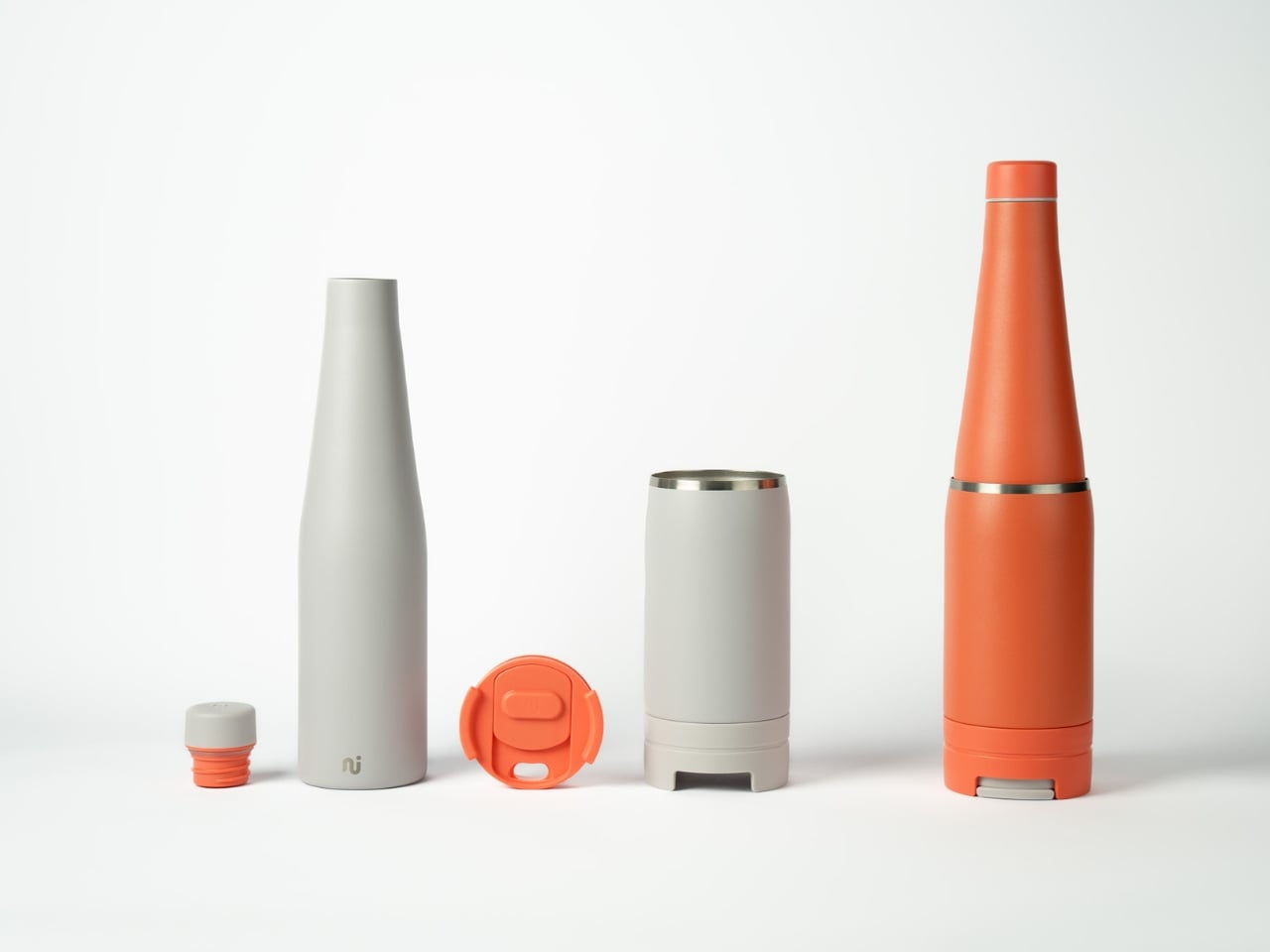
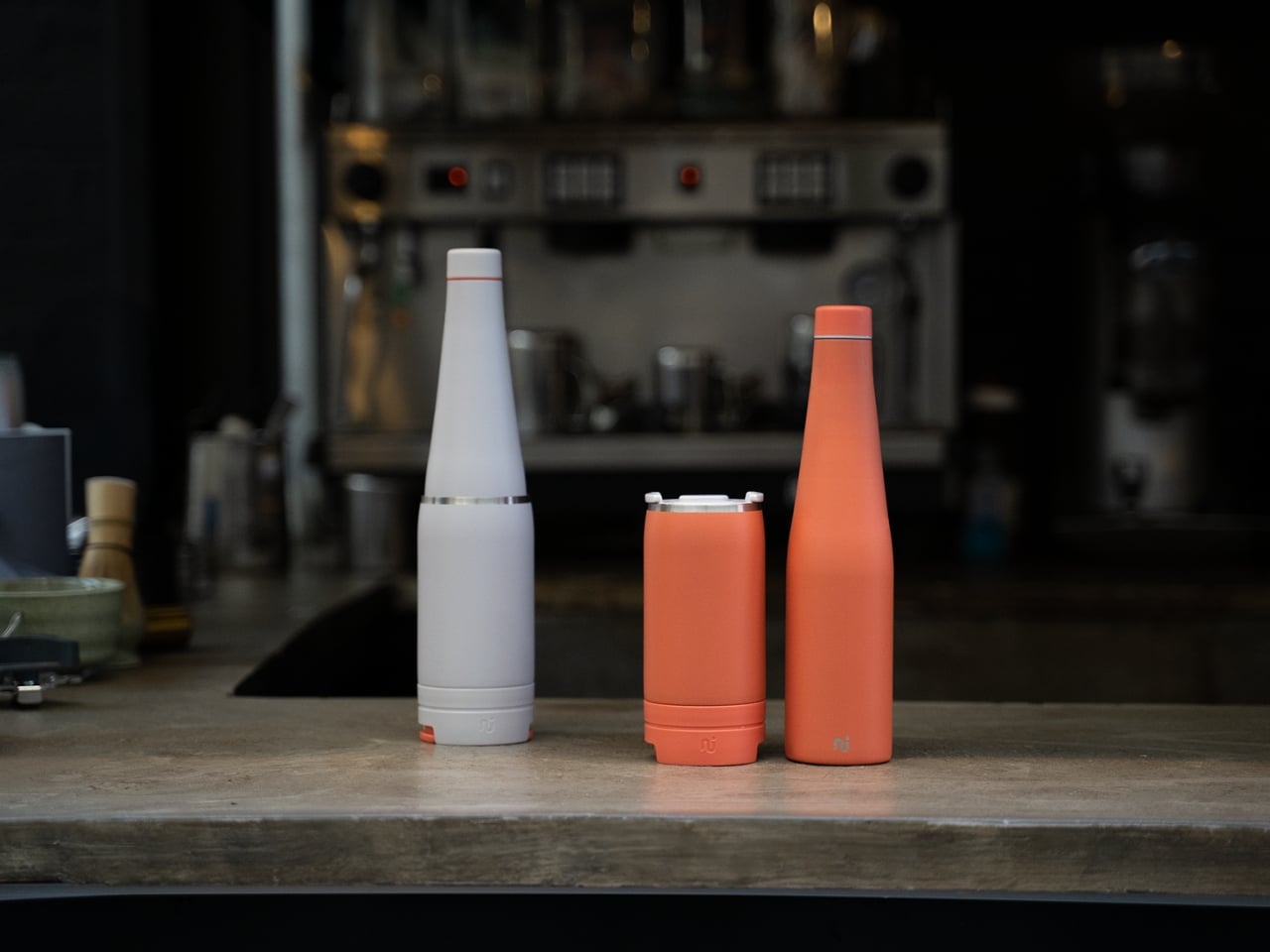
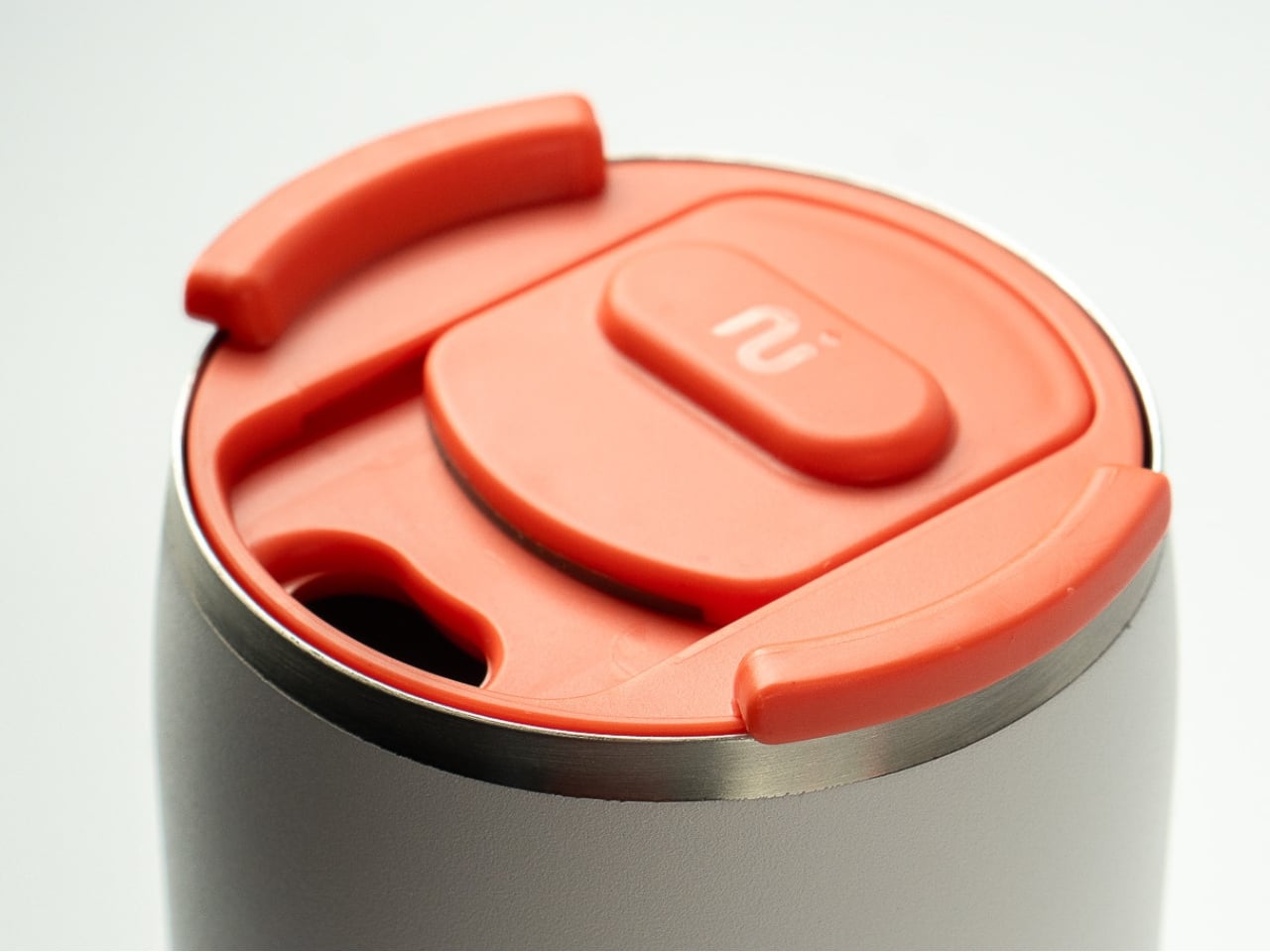
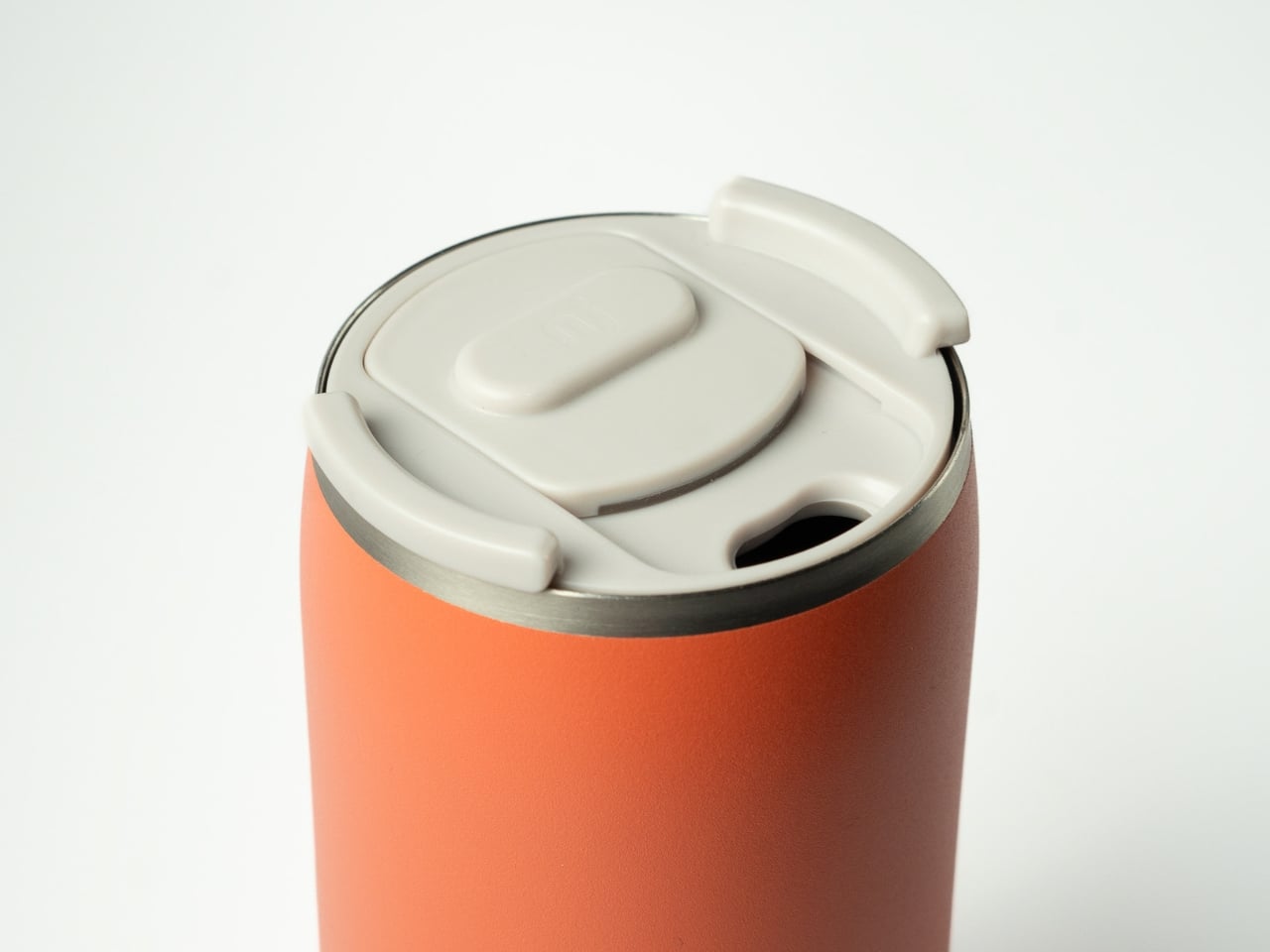
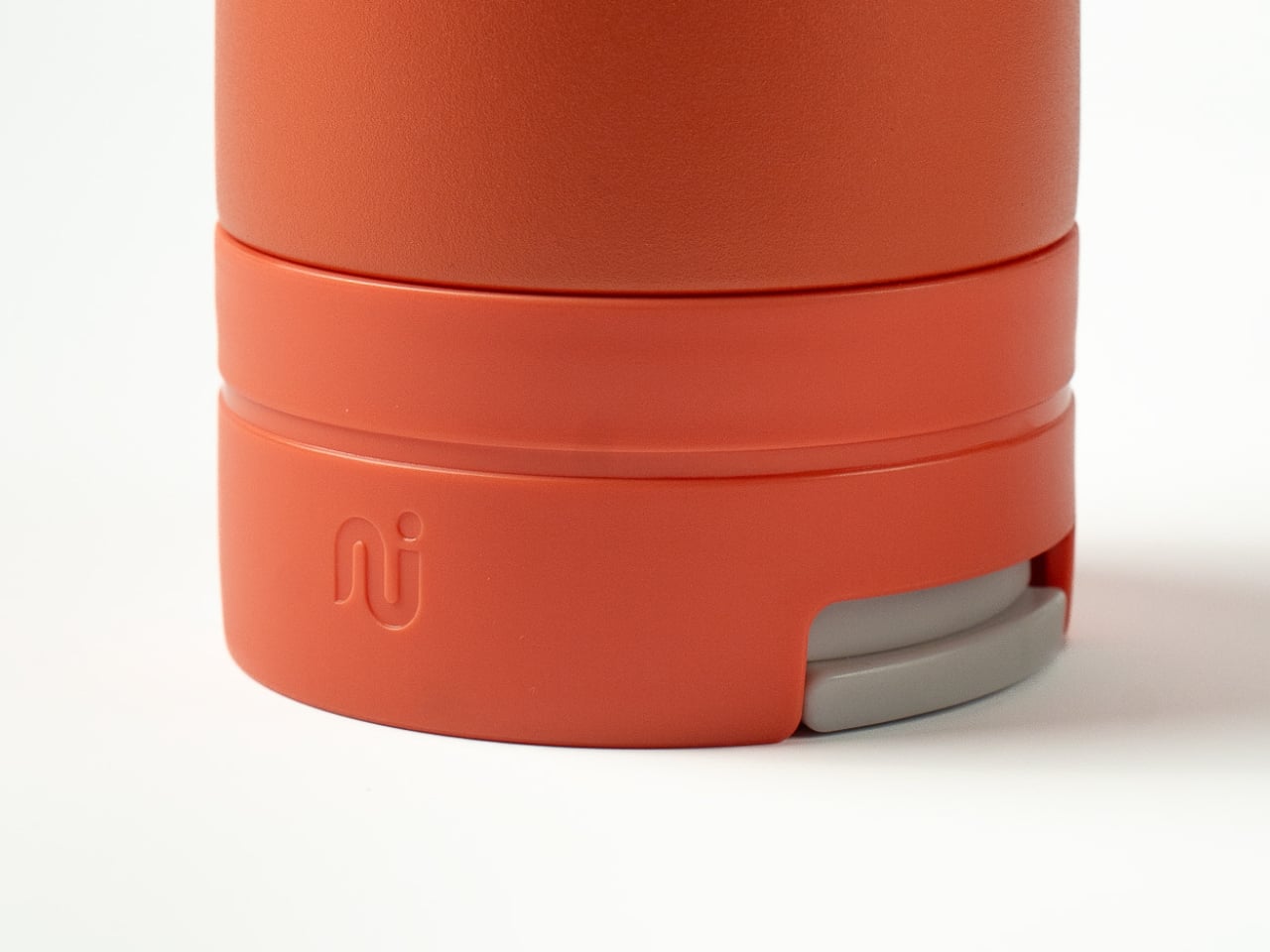
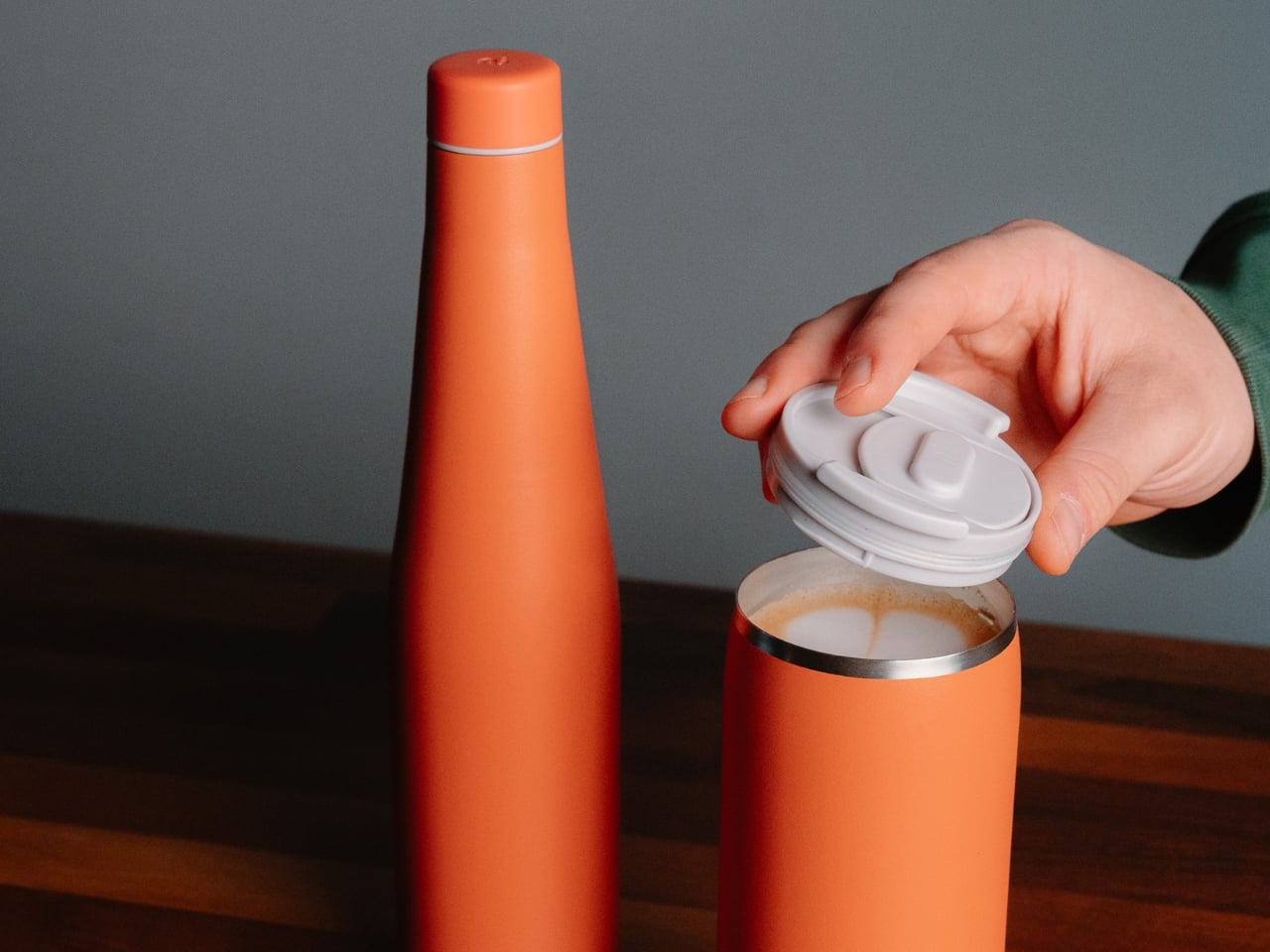
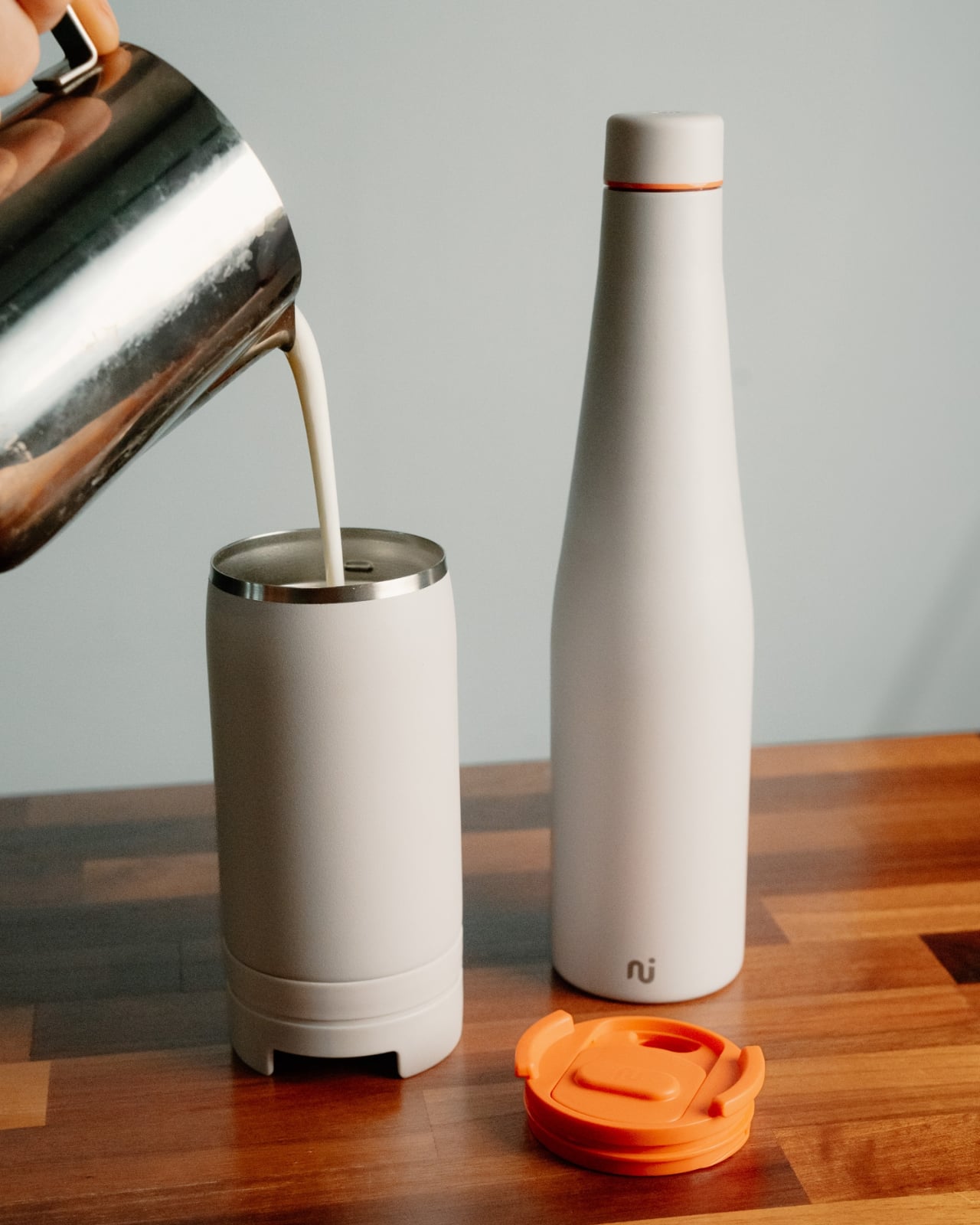
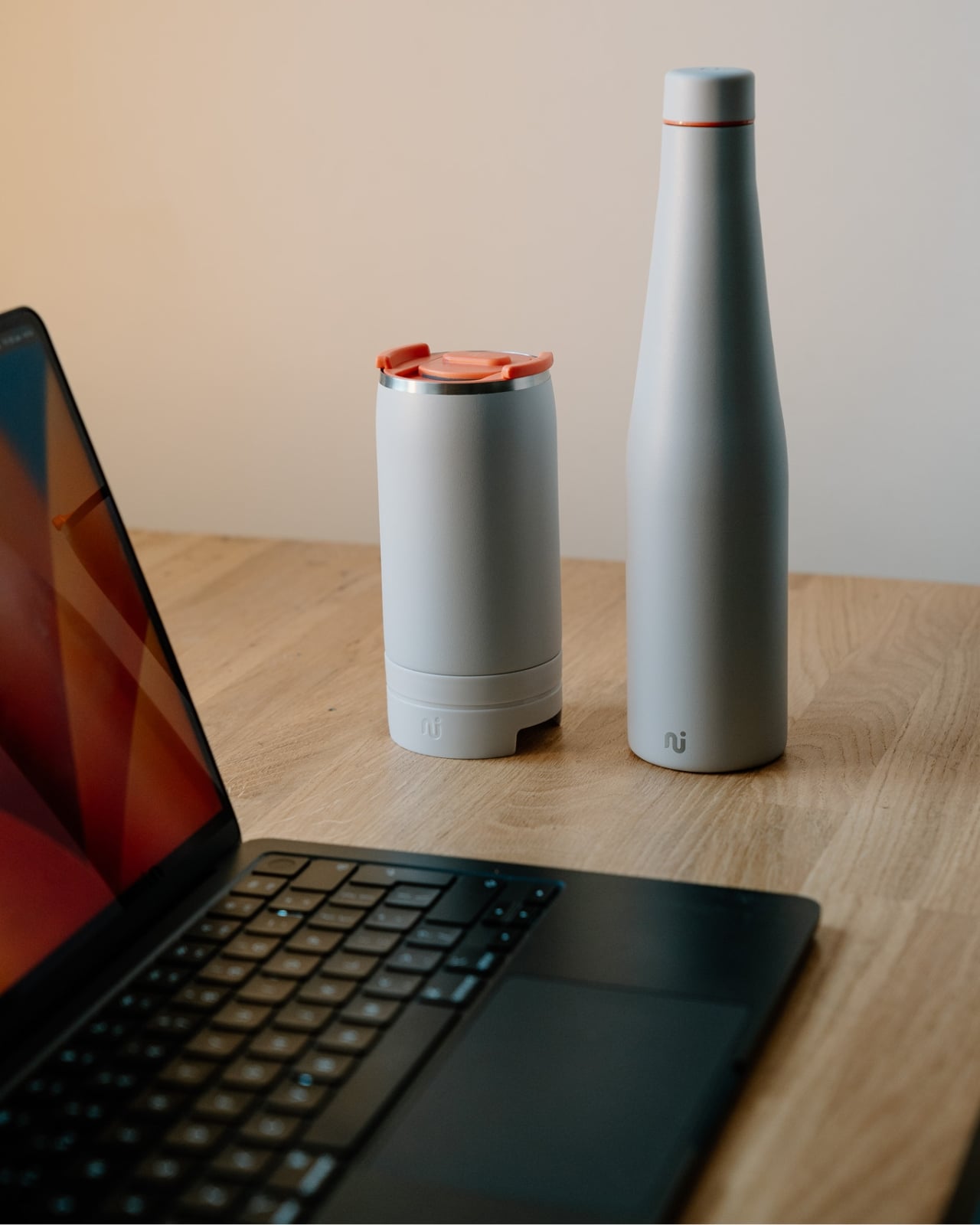
It sounds almost too obvious in theory, but the execution is where Duet earns its place in the conversation about genuinely good design. The insulated coffee cup holds 340ml (12oz) and clips securely to the base of a 600ml stainless steel water bottle. When locked together, they form a single, unified object with a silhouette that looks more like a designer perfume bottle than a functional drinkware solution. The cup’s lid tucks away neatly while it’s attached, so nothing dangles or rattles, and the whole system holds its shape with the quiet confidence of something designed with care rather than haste.
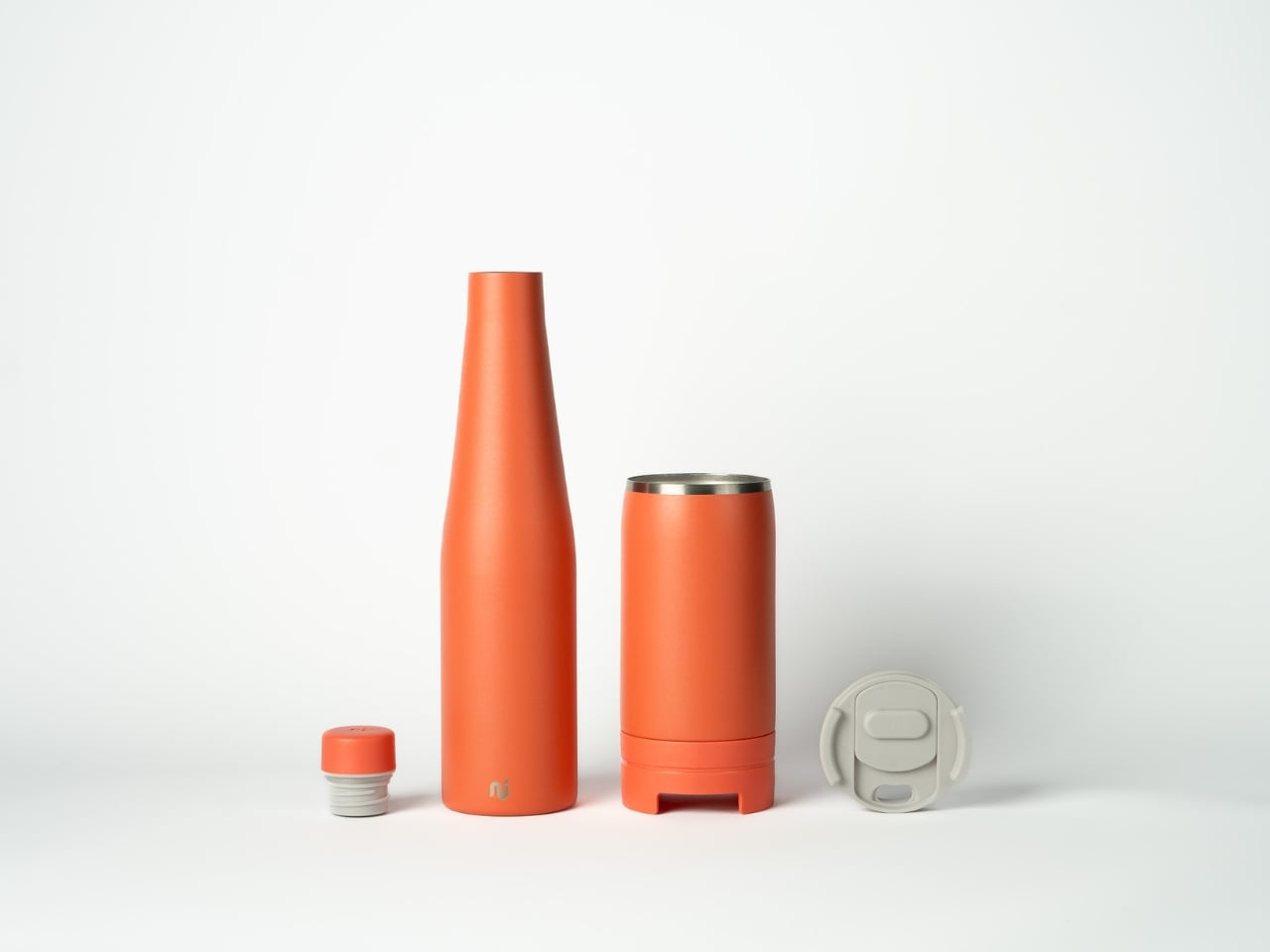
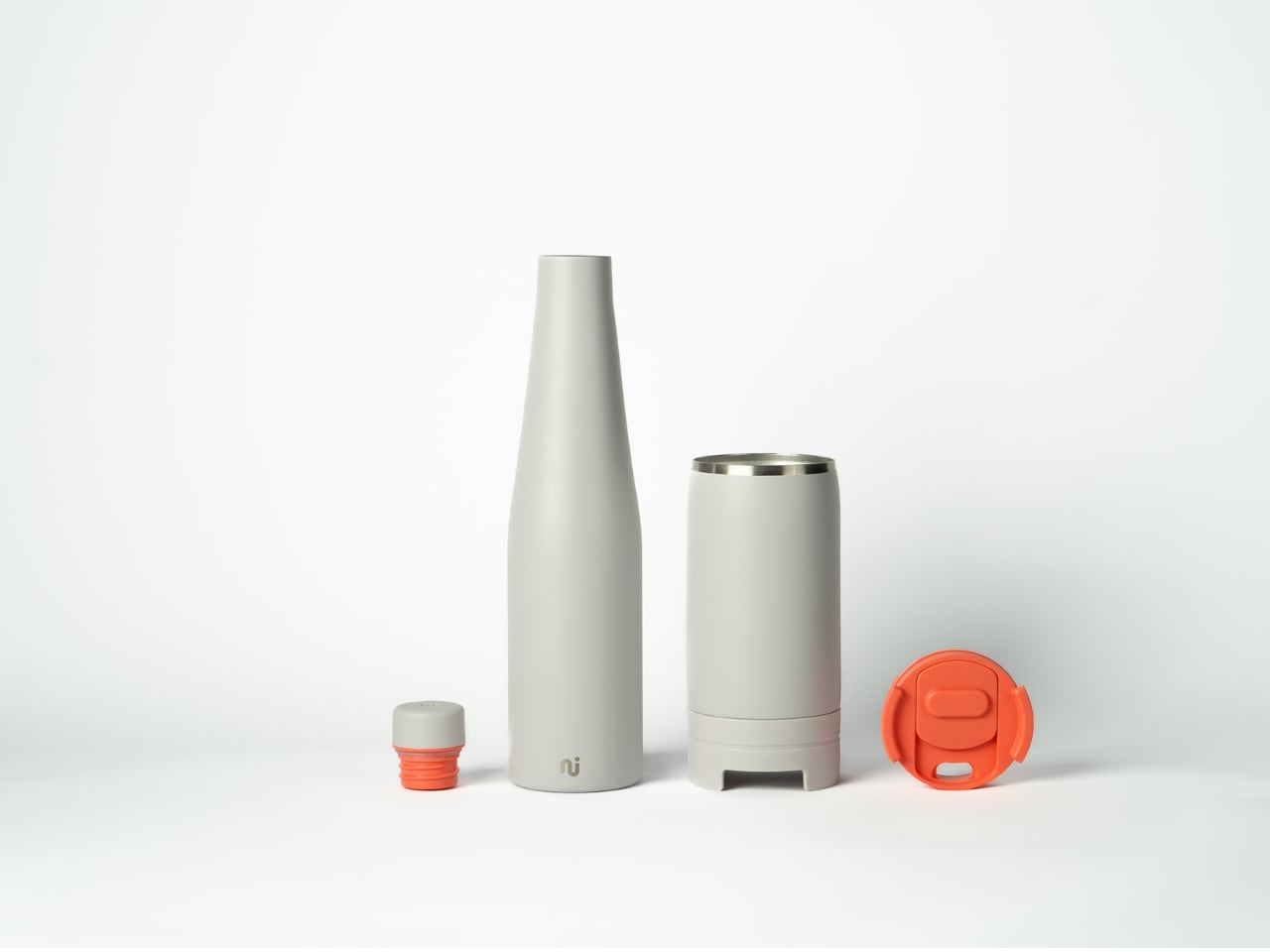
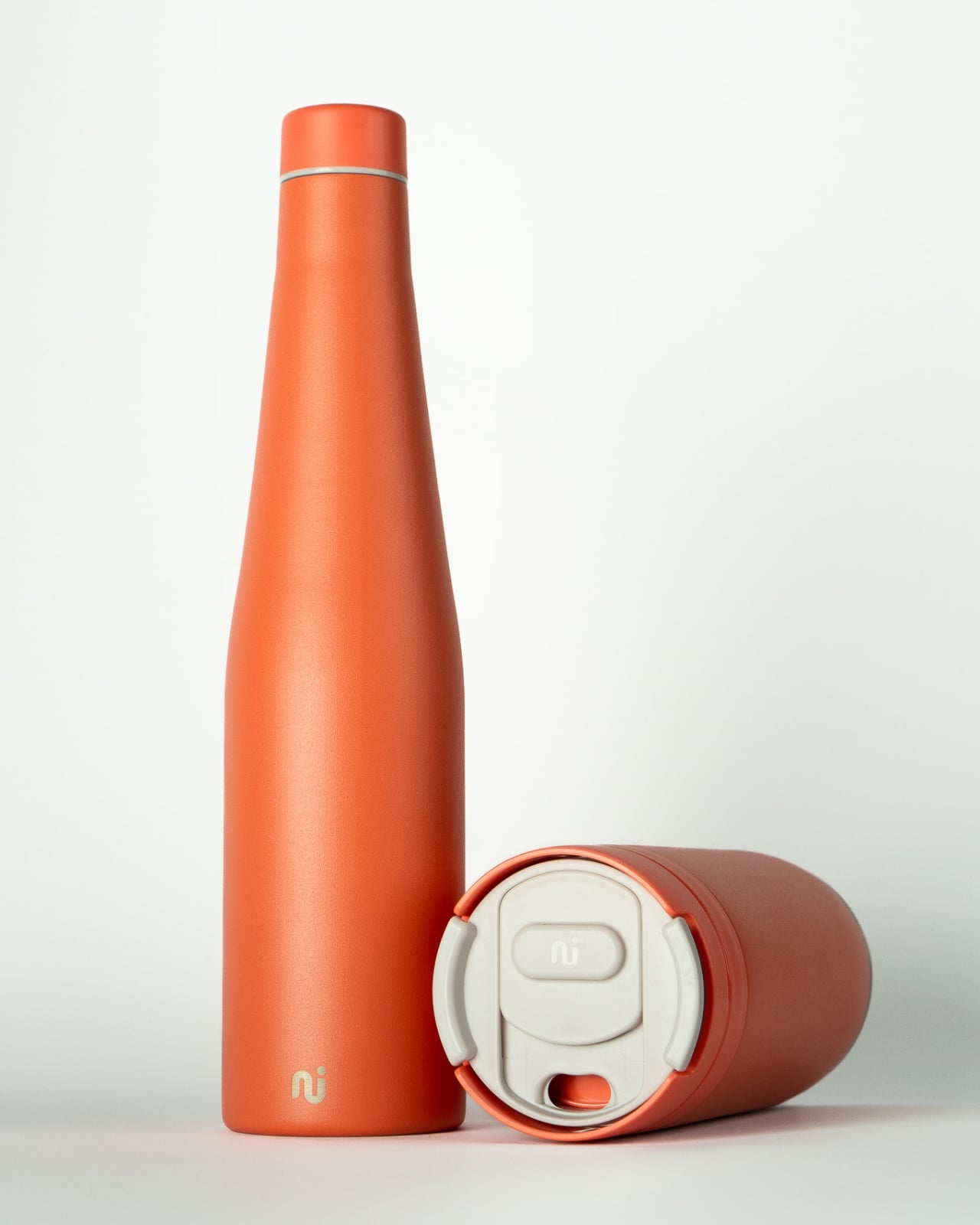
The colorways lean into that aesthetic ambition. The grey version, named Dust, feels like it belongs on a design shelf. The terracotta-orange option is warm, tactile, and surprisingly versatile. Neither of them screams “eco product,” and I think that’s deliberate. Design that signals virtue loudly tends to alienate as many people as it converts. Duet looks good because it just looks good, not because it’s trying to make you feel a certain way.
What makes this more interesting than most product stories is that Tydeman isn’t just designing a cup, she’s designing behavior. The brand’s name, Nudge Innovations, gives the game away. The whole premise is that people generally want to do the right thing but consistently fail to because the inconvenient option requires too much friction. Forget your cup often enough and eventually you stop trying. Reduce the friction, and habits change. It’s a design philosophy borrowed from behavioral economics, and it works because it respects reality.
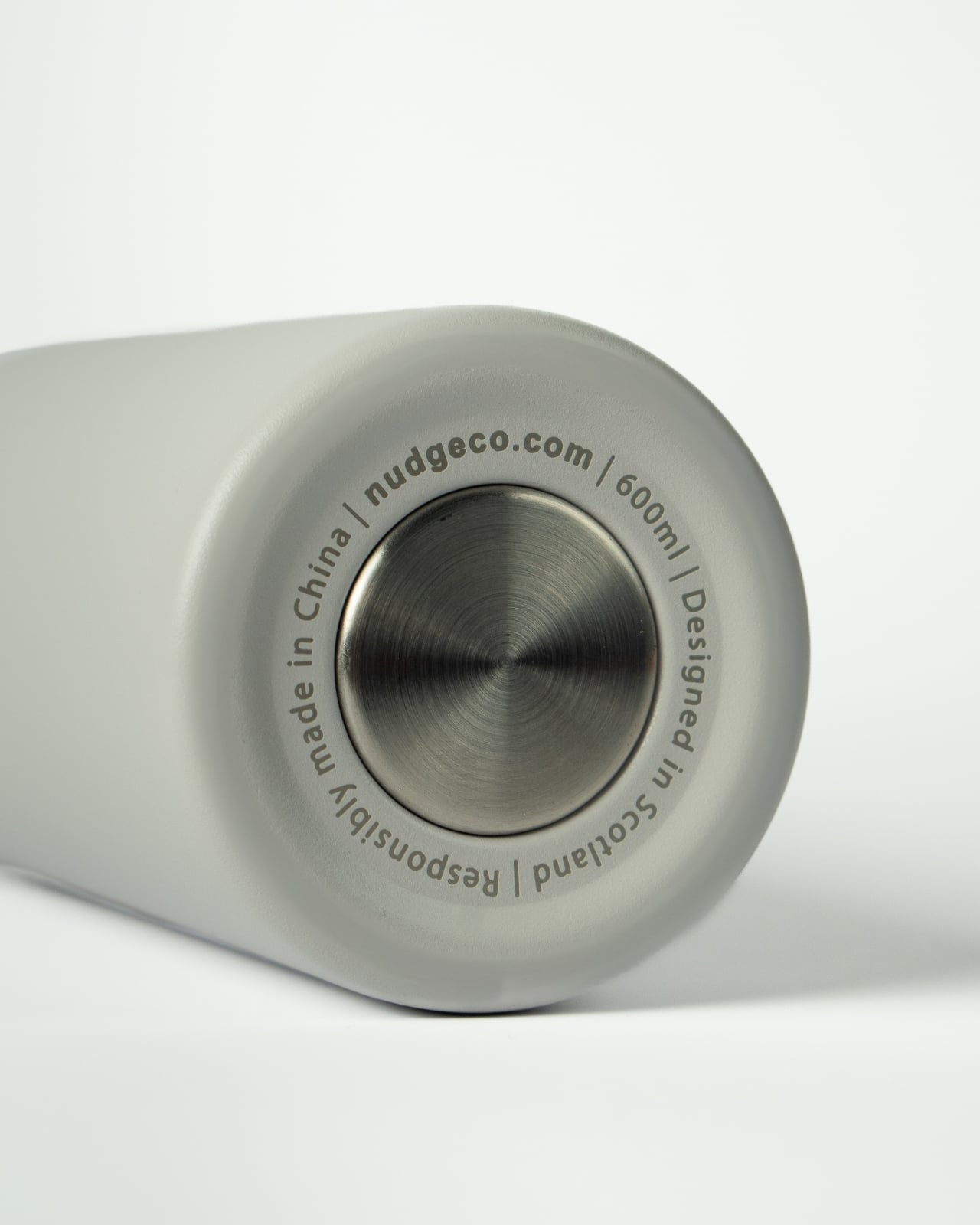

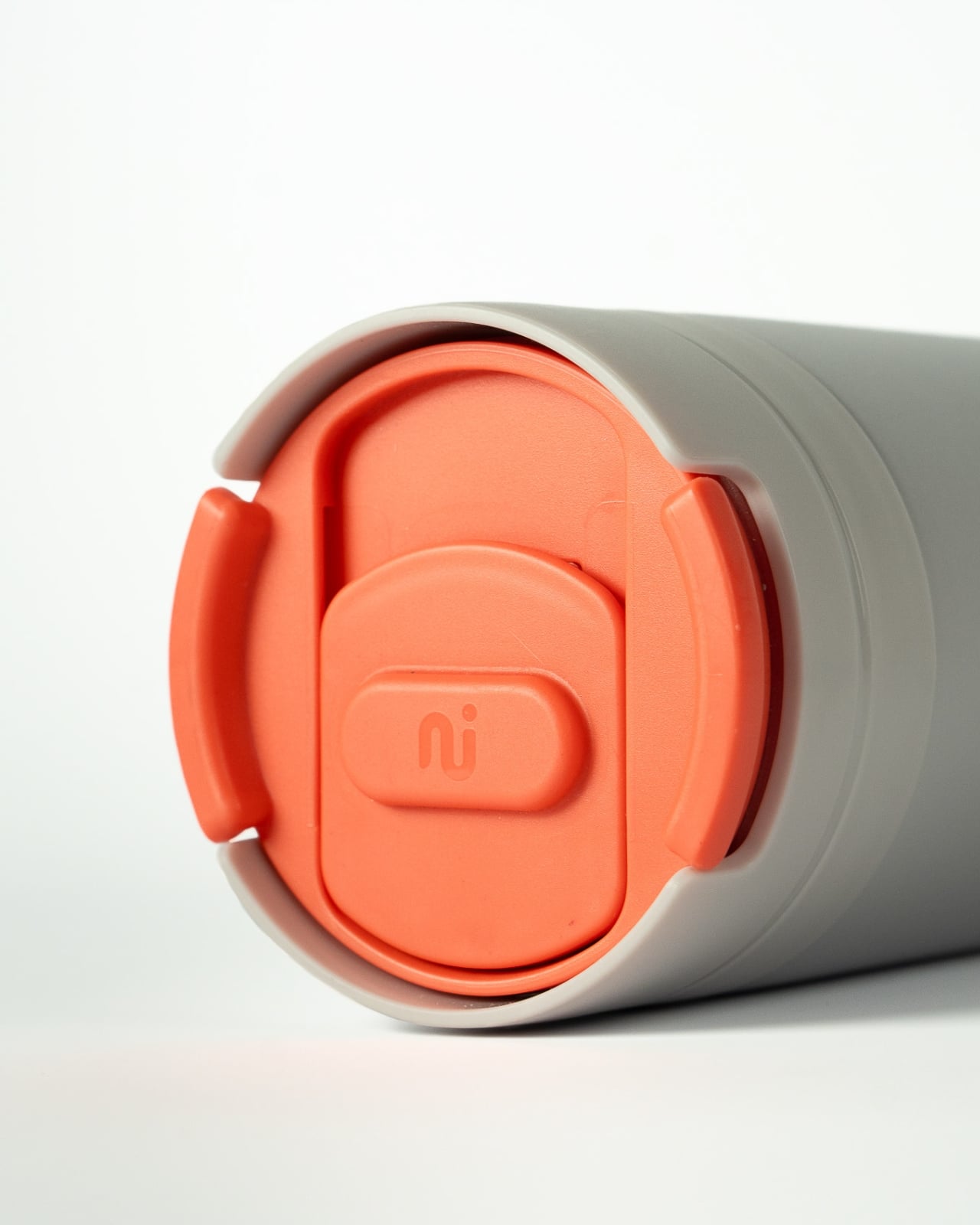
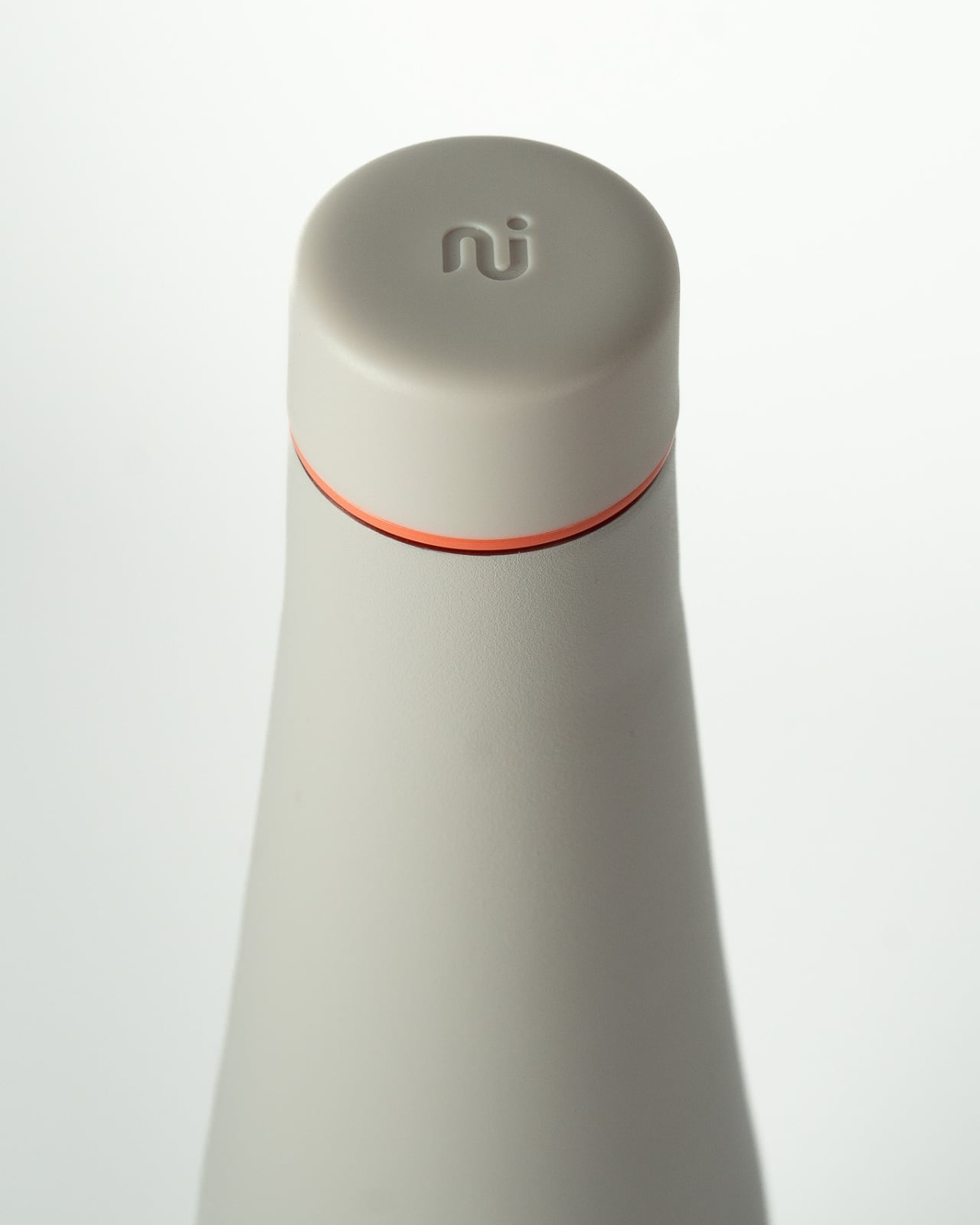
The materials hold up to that promise. Duet is made from recycled stainless steel, with BPA-free components throughout. It’s the kind of build quality that feels serious in your hands, not the thin, plasticky hollow of cheaper alternatives. The magnetic connection between cup and bottle is one of those tactile details you don’t fully appreciate until you use it. There’s a satisfying snap when the two pieces click together, and a small locking tab at the base of the cup keeps things from separating unexpectedly in a bag.
The cup lid is worth singling out. It uses a sliding mechanism that’s smooth, genuinely leak-proof, and easy enough to operate with one hand while you’re walking. Small things, but the kind of small things that determine whether a product earns daily use or ends up in a drawer.
My honest read on Duet is that it occupies an interesting space. It’s practical enough to be a real commuter tool, but designed well enough to attract people who buy things for how they look as much as how they work. That’s a harder balance to strike than it sounds. Plenty of sustainable products are functional but ugly. Plenty of beautiful products are fragile or fussy. Duet manages to be neither, and for a relatively early-stage product from a small British company, that’s a genuine achievement.
The reusable cup market is crowded. Brands have been competing on insulation claims, lid mechanisms, and color palettes for years. What Nudge Innovations did with Duet was step back and ask a more fundamental question: why do people leave their cups at home in the first place? The answer they came back with is the product. Sometimes the most useful thing a designer can do is fix the obvious thing everyone else skipped past.