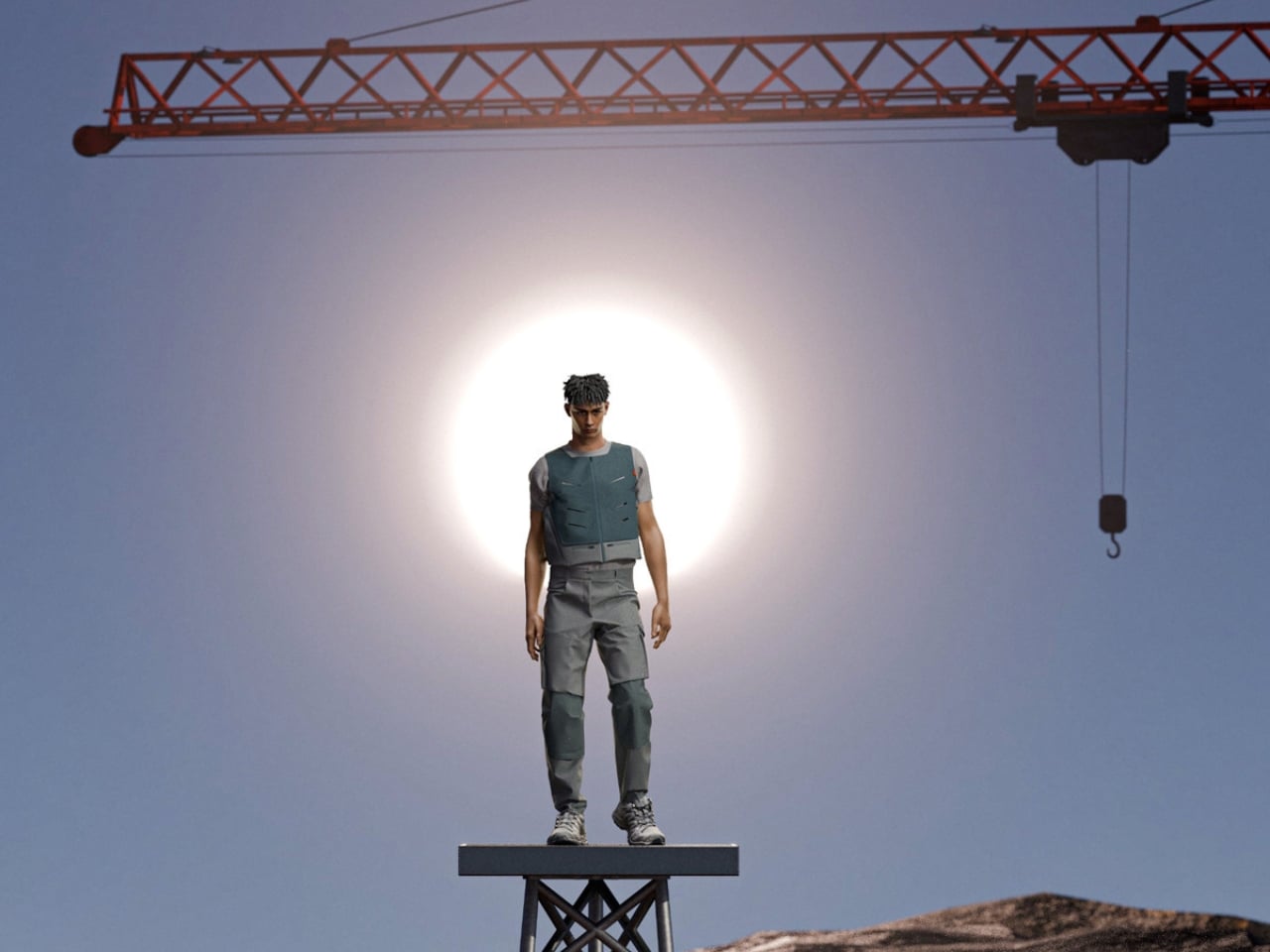

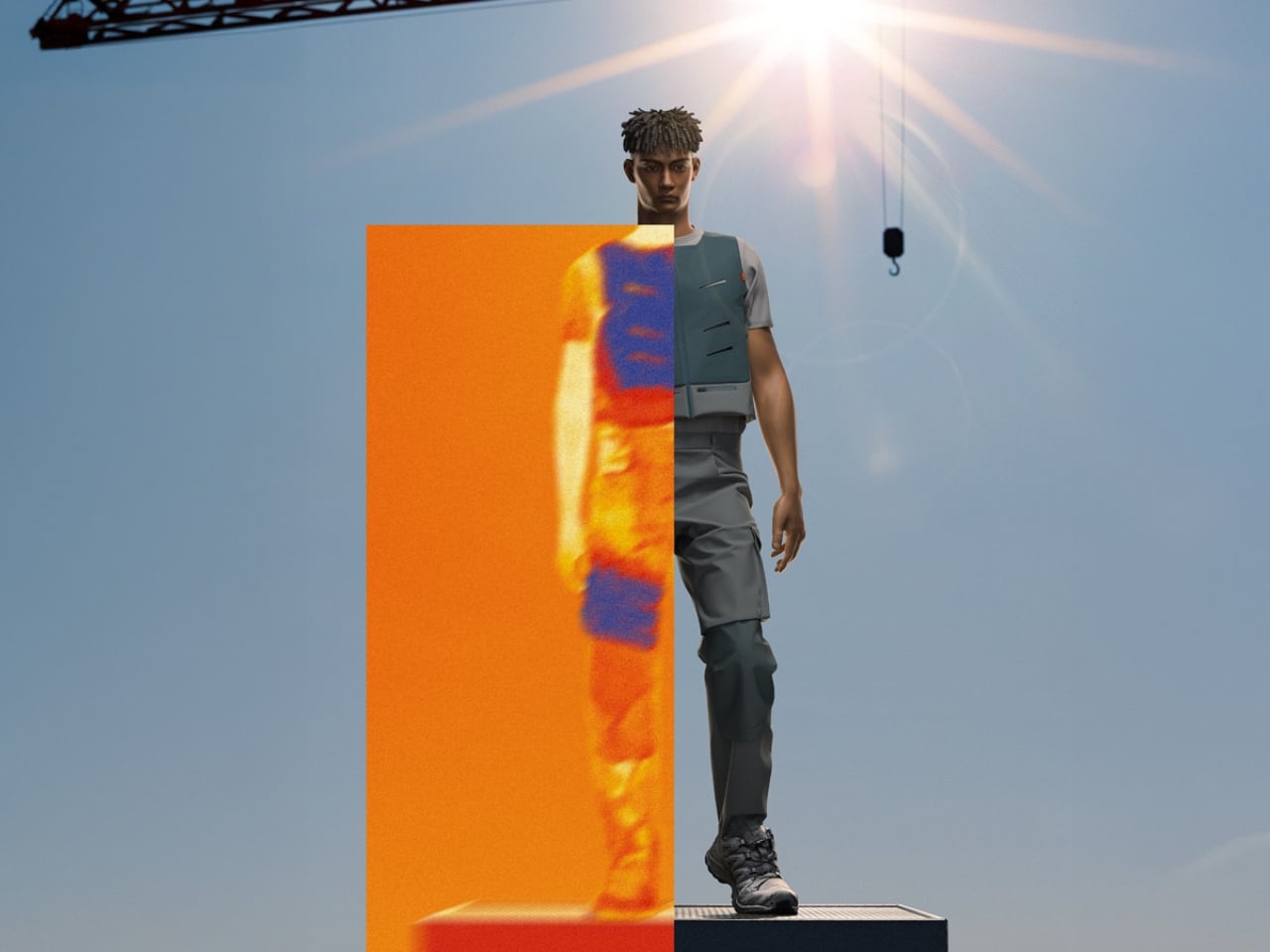
The numbers are hard to ignore. More than 2.4 billion workers are exposed to excessive heat globally, and according to the WHO and WMO, worker productivity drops by 2 to 3 percent for every degree above 20°C. In 2023 alone, high temperatures contributed to an estimated 28,000 workplace injuries in the United States. Yet very little of this conversation gets directed at the people who feel it most: those working outdoors, in the sun, in gear that was never designed to help them stay cool.
That’s what makes Teron°, a cooling workwear concept by German design graduate Jorin Frenzel, feel so refreshingly grounded. Frenzel, who completed his Bachelor of Arts in Product Design at Hochschule Hannover in early 2025, didn’t reach for a tech-heavy solution. No battery packs, no wearable air conditioning units, no app to pair it with. He went back to basics: evaporation.
Designer: Jorin Frenzel
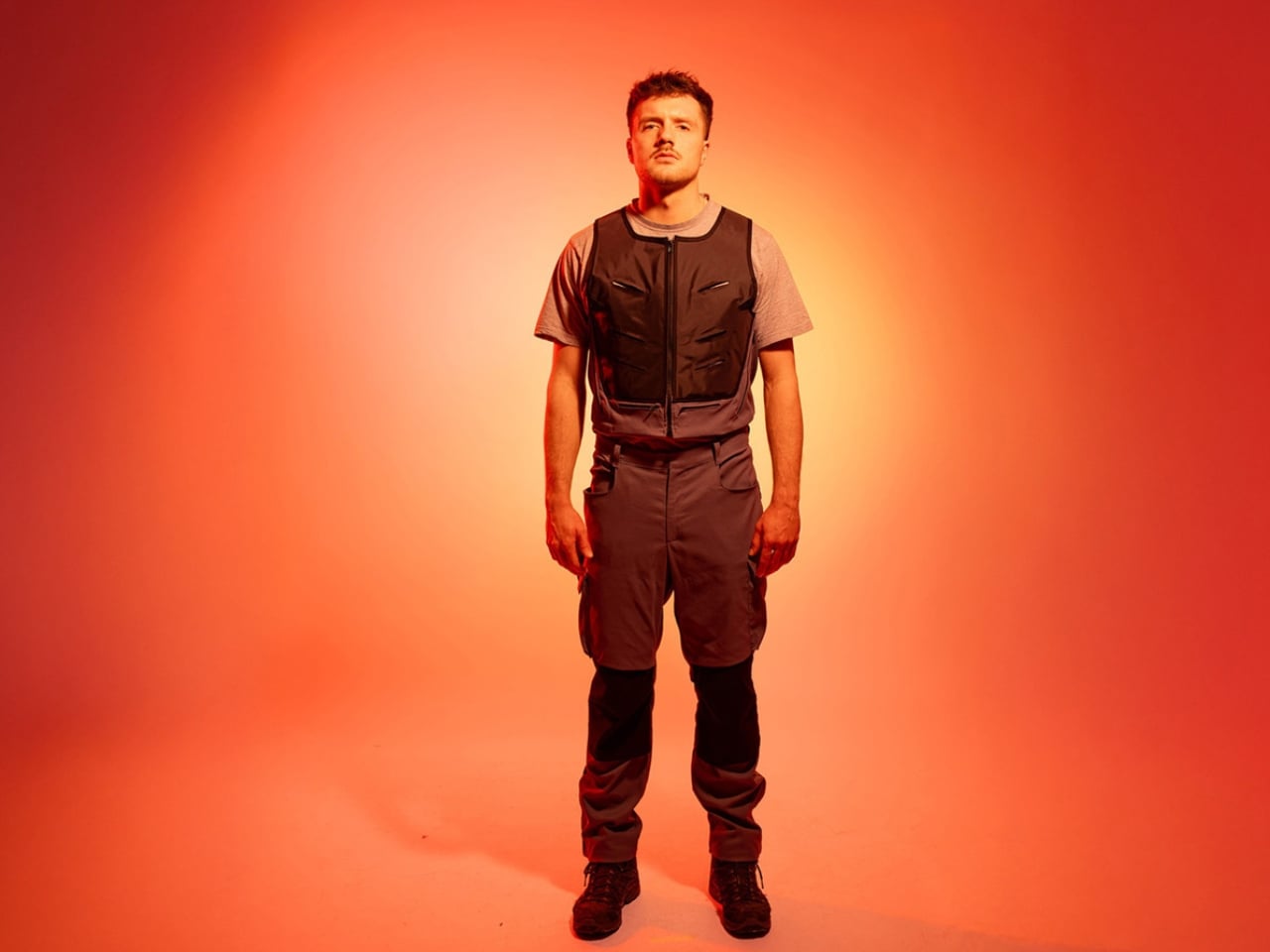
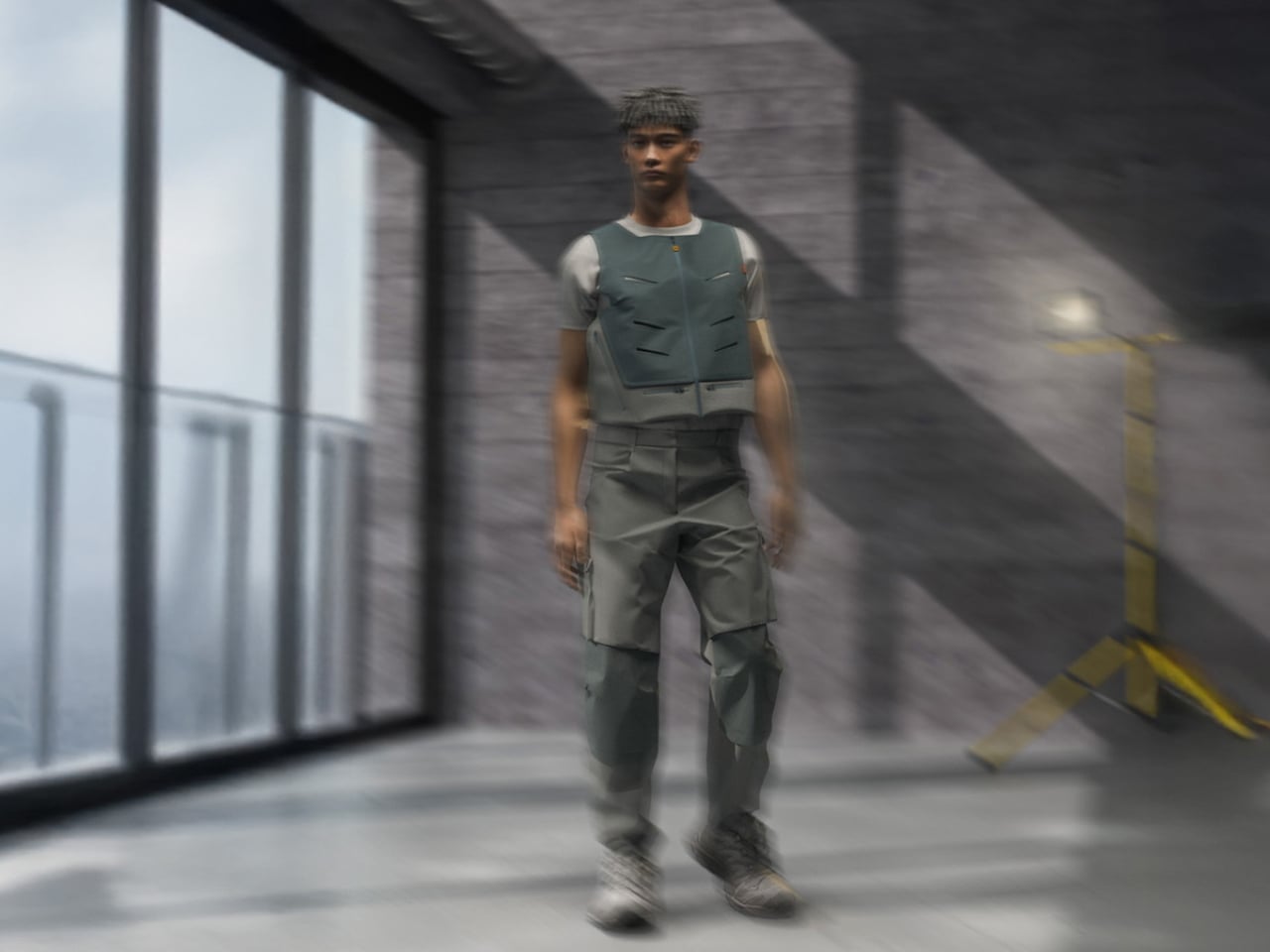
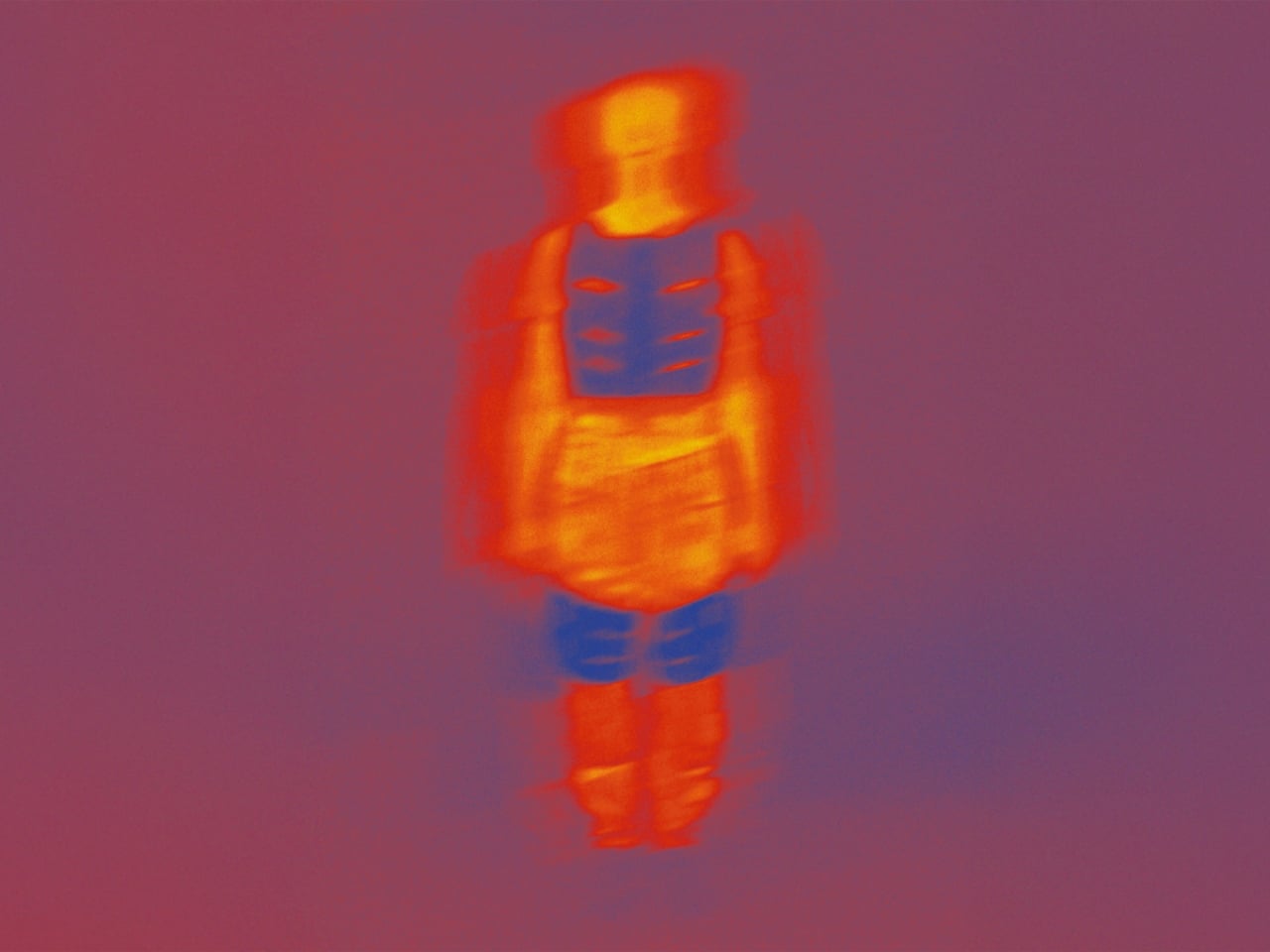
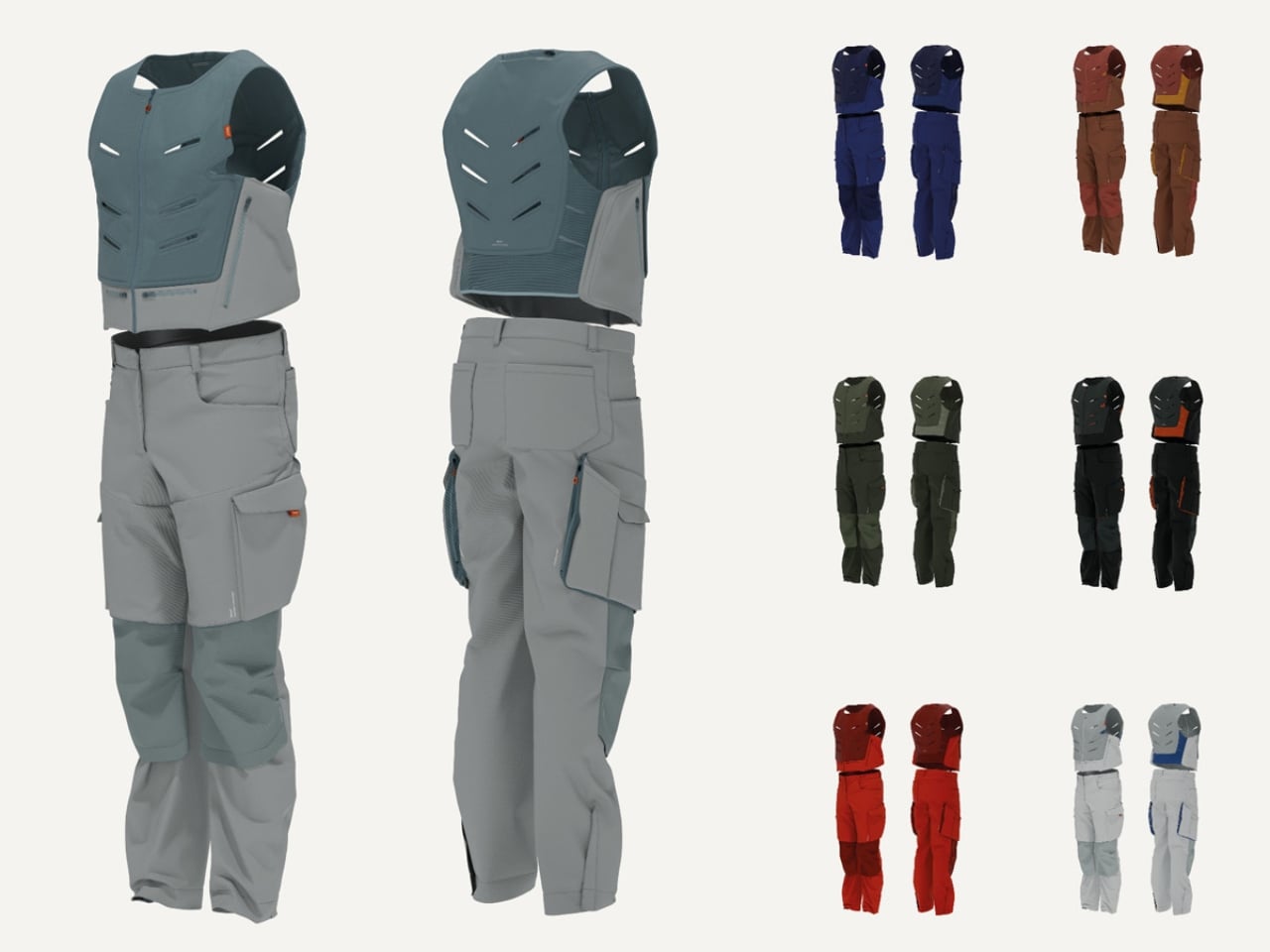
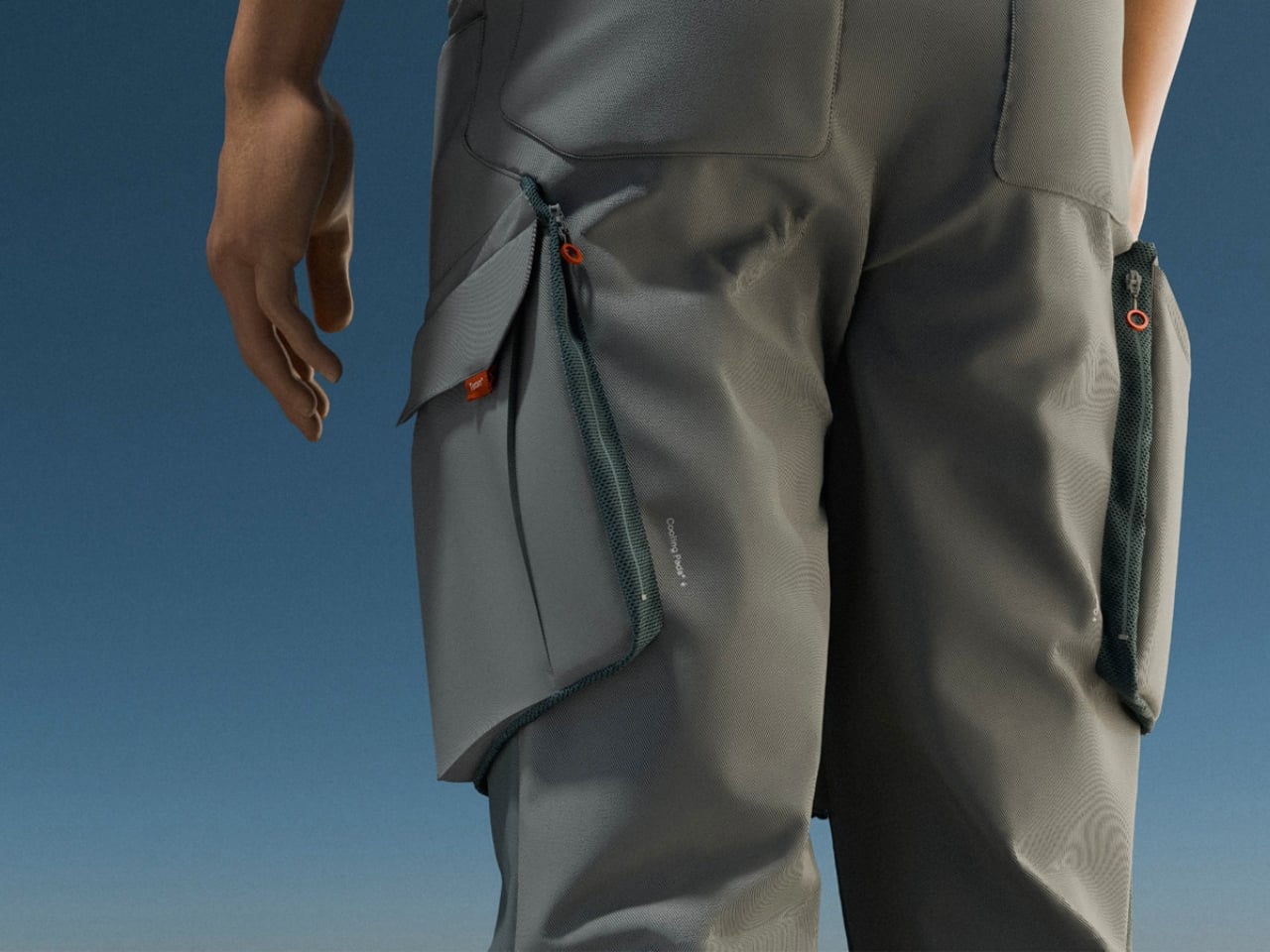
Teron° is built around the principle of natural evaporative cooling, using breathable fabrics, hidden ventilation layers, and targeted cooling zones to keep workers comfortable without introducing direct moisture to the skin. The vest, which handles upper body cooling, uses integrated elements that activate through water evaporation while keeping the wearer completely dry. The trousers take a different approach, using an overlapping cut to enhance air circulation, with additional cooling elements at the thighs to address heat where it tends to build most. The whole system prioritizes freedom of movement, which matters a lot when you’re on a construction site and actually need to get things done.
There’s a quiet intelligence to the design. Frenzel didn’t try to reinvent the trades. He listened to what craftspeople actually deal with on the job and responded with a garment that slots into existing routines rather than disrupting them. Cleverly integrated storage, breathable materials, and a sporty silhouette that communicates confidence and function without looking like a science experiment. The design conveys strength, which turns out to matter quite a bit when you’re asking tradespeople to adopt something new. That’s a layer of thinking most student projects simply don’t get to.
The timing of Teron° is not incidental. The WHO and WMO issued a joint report in August 2025 calling out occupational heat stress as a growing global health crisis, one no longer confined to equatorial regions. Europe has been having its own reckoning with this. Earlier in 2025, the death of a Spanish street cleaner from acute heat stress became a rallying point in conversations about how poorly equipped many outdoor workers still are. Design alone can’t solve climate change, but it can help close the gap between the conditions people work in and the gear they’re given to do it.
What elevates Teron° beyond a clever school project is its commitment to longevity. The garment uses durable, repairable textiles that extend its useful life and reduce waste over time. That puts it squarely in conversation with what responsible design looks like right now: not just functional and attractive, but genuinely built to last. It isn’t about making something sleek and disposable. It’s about making something that earns its place in a worker’s daily kit, season after season.
Teron° was recognized by the Green Product Award and featured among the German Design Graduates class of 2025, which is meaningful recognition for a debut project. But more than any award, what strikes me about Frenzel’s work is the clarity of its intent. He identified a real, pressing problem affecting millions of people and answered it with a solution rooted in material intelligence and plain human dignity.
The design world has a habit of celebrating the spectacular, the provocative, and the conceptually avant-garde. Projects like Teron° remind us that the most pressing problems don’t always need the most theatrical answers. Sometimes the most meaningful thing a designer can do is pay attention to who’s struggling and ask one simple, serious question: what would actually help? Frenzel asked it. The answer is worth wearing.