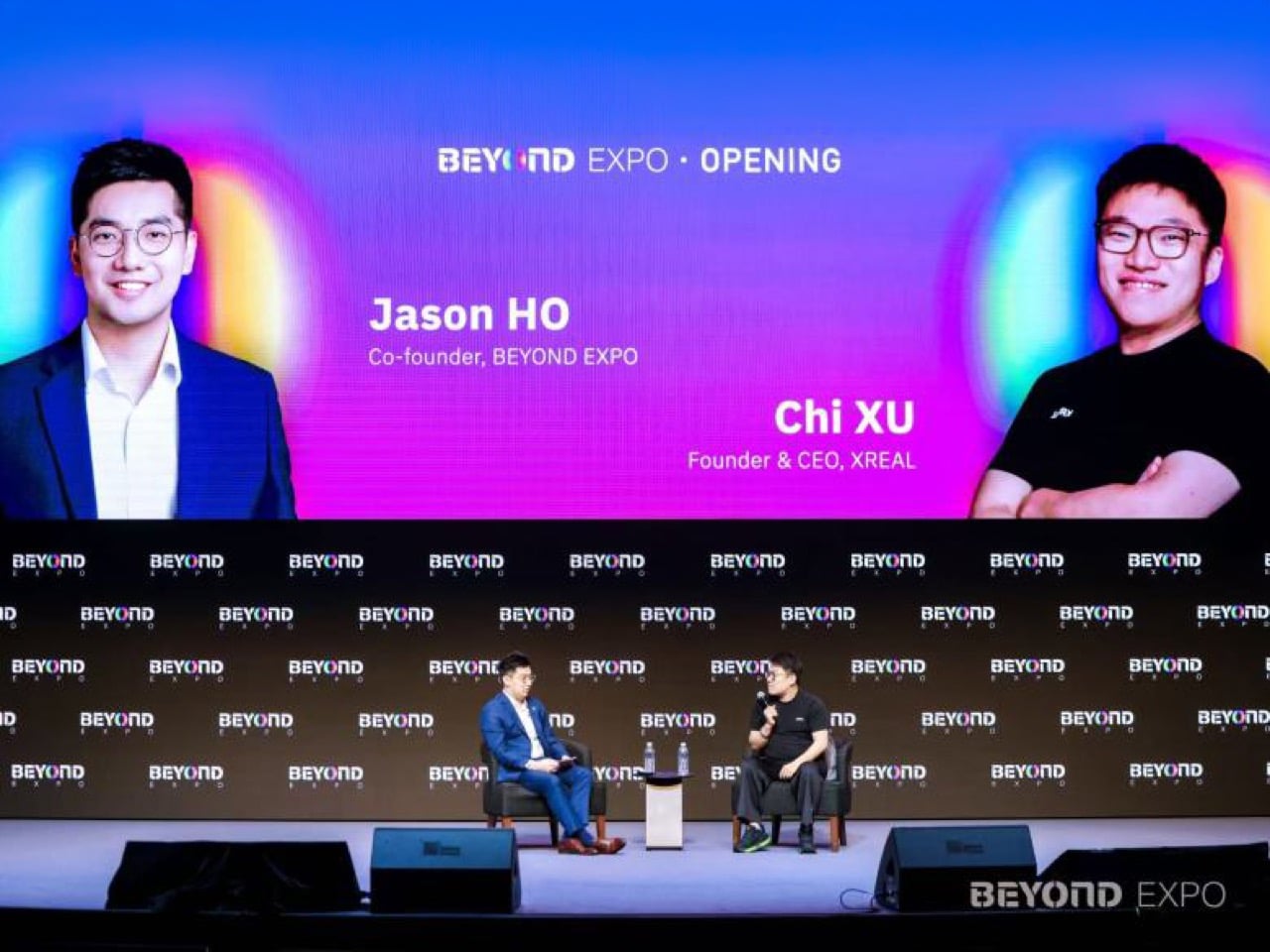

BEYOND Expo 2026 had no shortage of AI talk, but one of its most compelling hardware stories came in the shape of a pair of glasses. On stage in Macau, XREAL CEO Xu Chi laid out a vision for AI glasses as the next major personal computing device and revealed that XREAL is working with Google on a new product built around Android XR and Gemini, with a global launch expected later this year.
That announcement landed at a moment when BEYOND Expo was already showing how crowded and competitive the smart glasses field has become. XREAL shared the wider conversation with companies like iFlyTek, METLEN, and Even Realities, all pointing to a fast-moving shift in wearable tech. The thread running through all of it is industrial design, platform strategy, and the race to make AI hardware people might actually want to wear every day.
Designer: XREAL
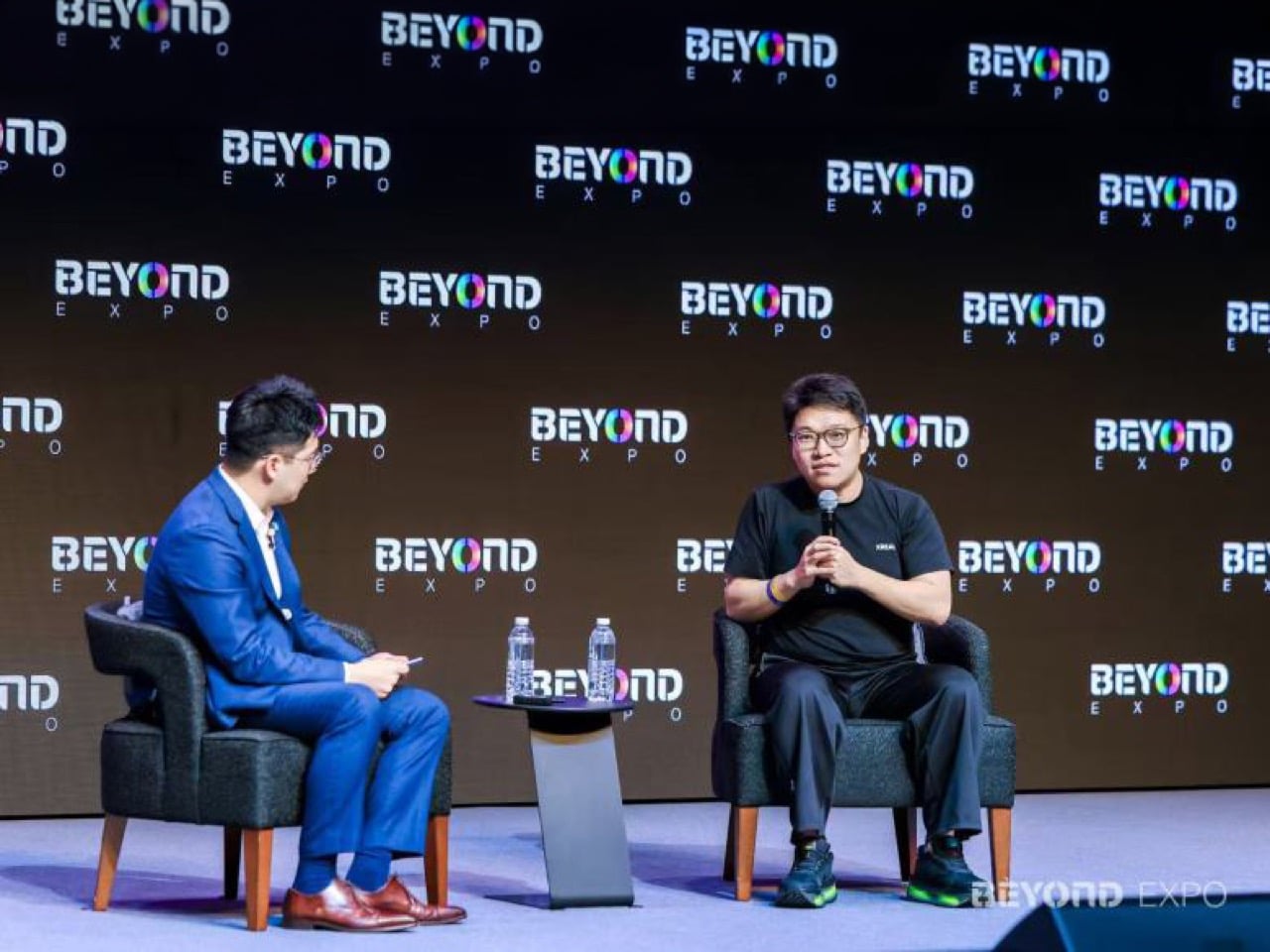
Apple Vision Pro generated enormous attention when it launched, but the market’s response to its weight, price, and the physical effort of wearing it for extended periods made clear that the premium immersive headset route has a real ceiling. Xu Chi acknowledged this directly at BEYOND Expo, framing it as a hard lesson the entire industry absorbed. The opportunity XREAL and Google are now chasing is the one Vision Pro left open: a wearable that feels closer to a regular pair of glasses than a piece of lab equipment.
Called Project Aura, the product is being developed on Google’s Android XR platform with Gemini AI integrated at the core. It is a pair of lightweight extended-reality glasses featuring a 70-degree field of view and an optical see-through display. Processing is split between an X1S chip in the glasses frame and a Snapdragon XR2+ Gen 2 processor in a separate external compute puck, keeping weight off the face while retaining the muscle needed for 6DoF tracking, hand tracking, eye tracking, and continuous Gemini AI assistance.
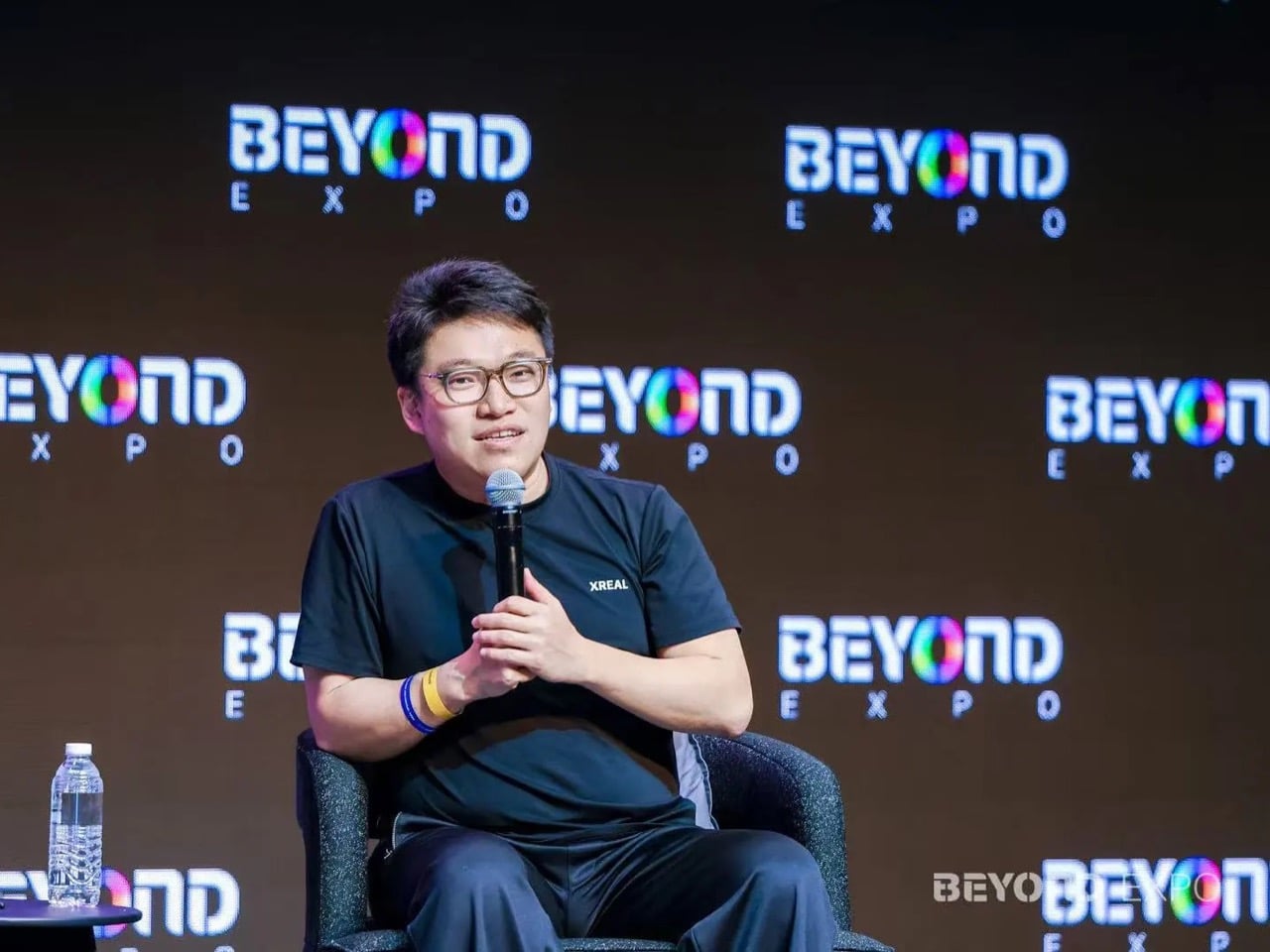
Splitting compute between the frame and a pocketable external puck is the kind of constraint-led industrial design thinking that tends to produce genuinely useful hardware. Every previous attempt to pack full AR processing into a glasses frame has produced something that looks ungainly, runs hot, or drains its battery in under two hours. Project Aura sidesteps that compromise, and the fact that it took a Chinese hardware company partnering with Google to land on this solution says something interesting about where design ambition in this category currently lives.
Smart glasses have struggled for years to answer a simple question: what are they actually for? At BEYOND Expo, Xu Chi’s answer was the clearest the category has produced in some time. The true killer app, in his view, is a continuous all-day AI assistant that sees the world from the wearer’s perspective; navigation and translation are table stakes, not destinations. What he is describing is closer to ambient intelligence that understands context and responds usefully across the full span of a person’s day, and Gemini’s multimodal capabilities give that vision real technical grounding.
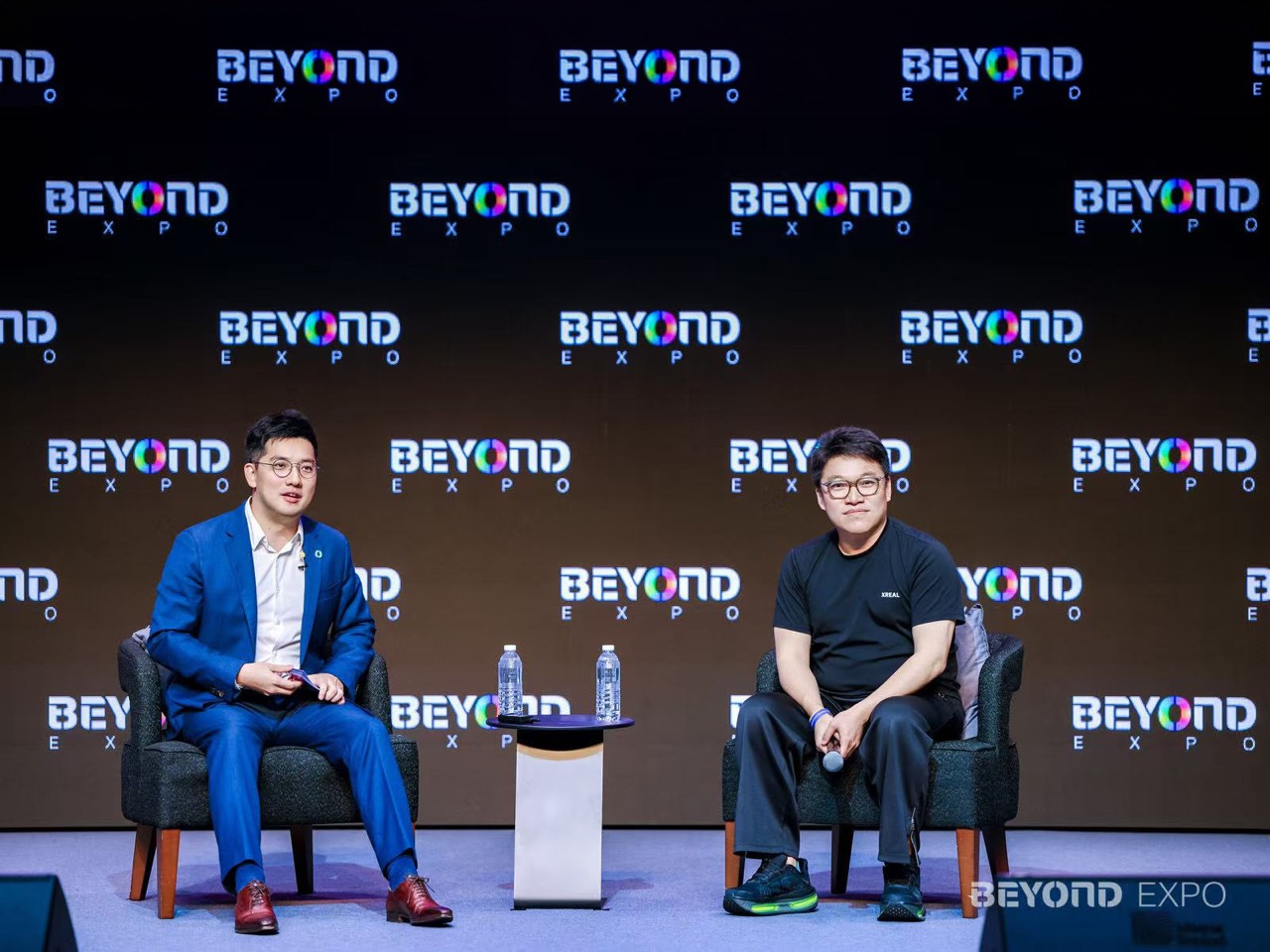
Global smart glasses shipments hit nearly 14.8 million units in 2025, a 44.2% year-on-year increase. Chinese hardware vendors held 23.3% of global shipments overall and an 87.4% share of the AR and extended reality segment specifically. These are the companies that have been quietly iterating on form factor and optics while the Western tech press kept its attention on headsets. BEYOND Expo’s smart glasses floor this year was, in a sense, the moment that iteration became difficult to overlook.
Even Realities, which picked up a BEYOND Best of Innovation award at the expo, represents the sharpest design-philosophy contrast to XREAL’s approach. Their glasses carry no camera and no microphone, a deliberate choice built around privacy concerns that have slowed wearable AI adoption in several markets. METLEN and iFlyTek each showed their own AI smart glasses interpretations on the same floor. Four distinct companies arriving at one event with serious smart glasses products, each solving the form factor problem from a different angle, signals something well beyond a routine product cycle.
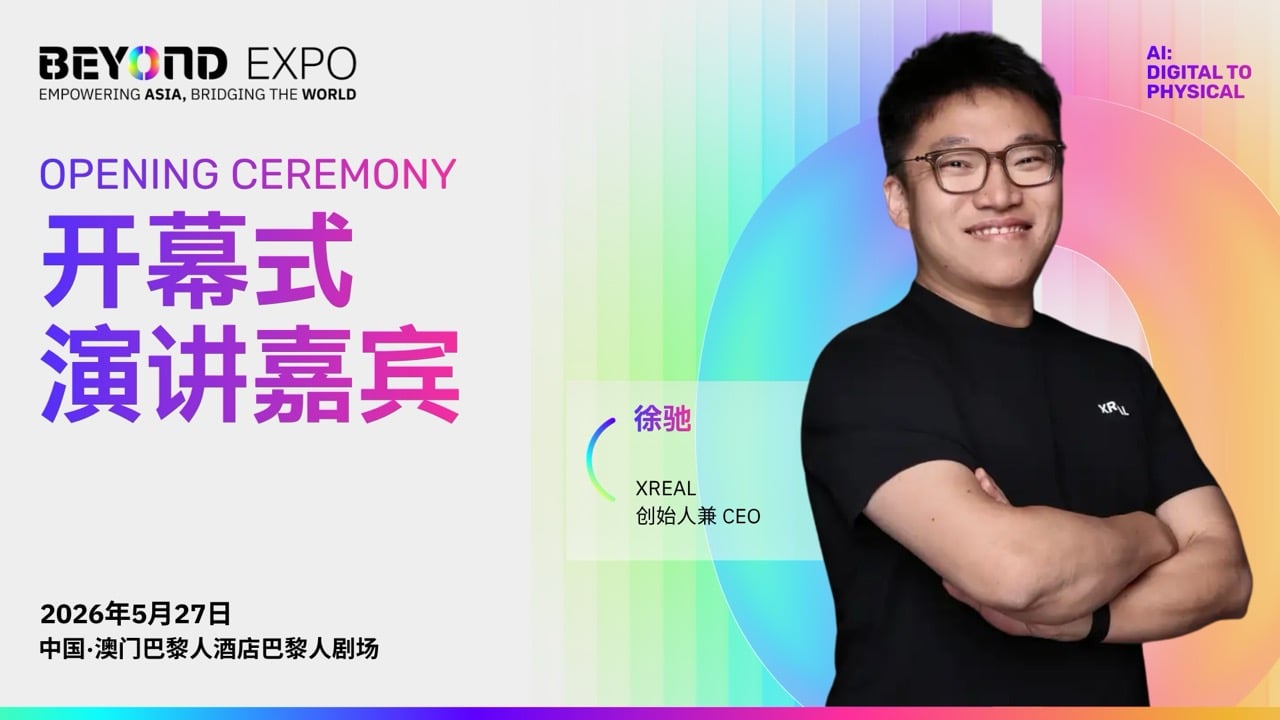

Xu Chi used the phrase “iPhone moment” during his BEYOND Expo address, and it is a comparison that usually ages badly. But the conditions that made the iPhone’s arrival feel defining were a convergence of hardware maturity, software readiness, and a platform worth building for. Android XR with Gemini is a credible attempt at the third element. Project Aura handles the first two more convincingly than anything the category has previously produced. Whether 2026 turns out to be the year that proved Xu Chi right is a question the market will answer, but BEYOND Expo made clear that the companies trying to get there are no longer on the fringes of the industry.