

The Stan Smith is one of those shoes you either already own or have owned at some point. Originally developed as a tennis shoe in 1965 under the name Adidas Robert Haillet, it became one of Adidas’s most recognizable silhouettes of all time, outlasting trends, entire aesthetic movements, and decades of fluctuating fashion without ever really trying. It’s clean, it’s white, it’s unmistakable. So when Adidas announced the Stan Smith SQ, a version with a deliberately squared-off toe, the reactions were predictably split between “finally” and “why would you do that.” I land firmly in the first camp.
The square toe has a longer history than most people realize. Evidence of blunt-toed footwear dates back over 1,700 years, with roots in Japan, and the style resurfaced periodically over the centuries, including in Victorian women’s shoes and later through rodeo culture, where square toes were practical for balance and foot movement. In the modern era, Martin Margiela made it a high-fashion statement with his square tabi shoes, and that influence never quite went away. Now, with brands across the spectrum embracing exaggerated silhouettes and unconventional geometry, the square toe is very much back in serious conversation. Adidas didn’t just chase a trend here. They attached it to one of the most recognizable shoe silhouettes in existence, which is either a genius move or a bold gamble, probably both.
Designer: Adidas
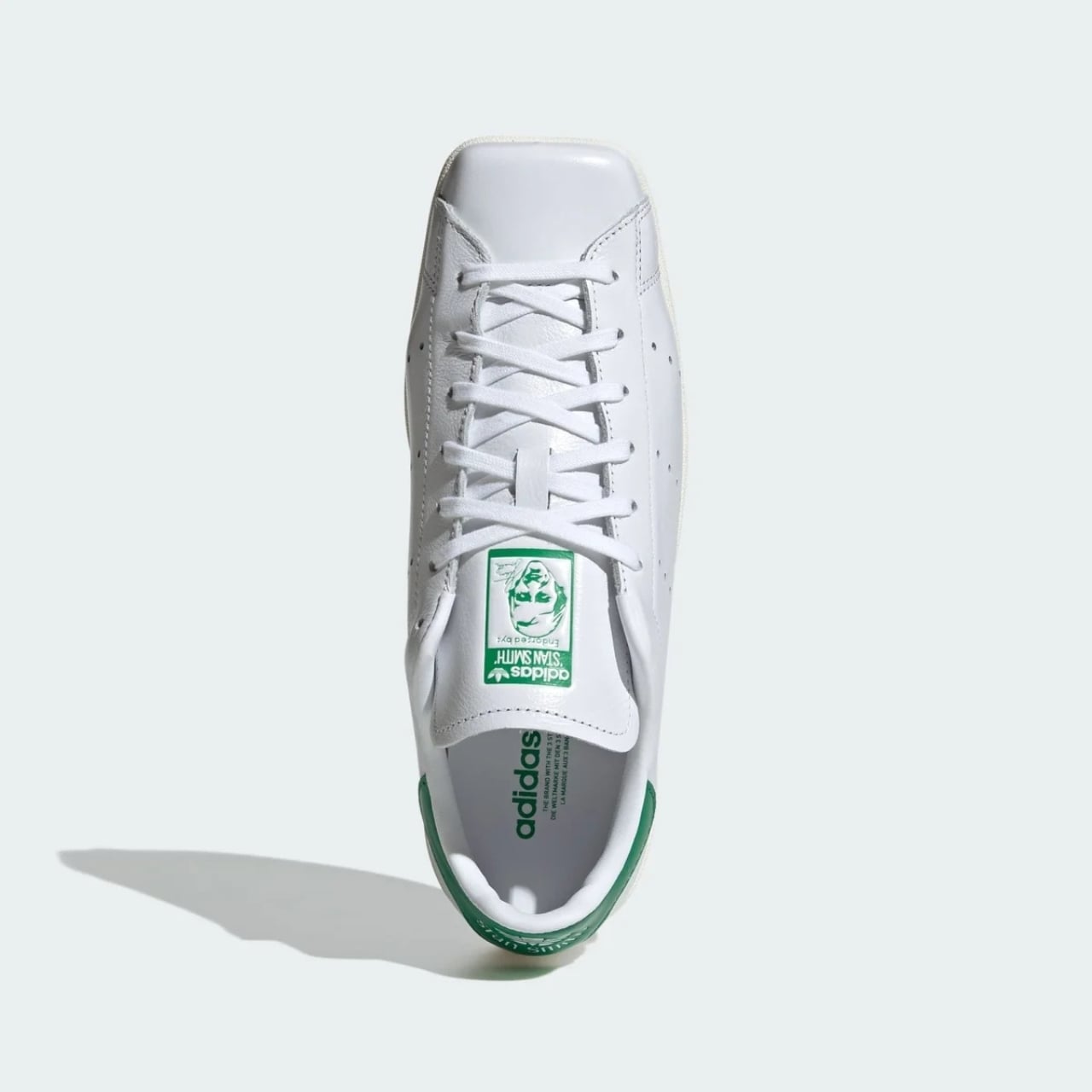

What makes the Stan Smith SQ work is that Adidas knew where to stop. The rest of the shoe is essentially untouched. You still get the glossy white leather upper, the signature Three Stripes perforations along the side, the green heel tab, and yes, the actual photograph of Stan Smith on the tongue. The update is a single, precise edit: one geometric shift that changes the entire energy of the shoe without erasing everything that made it iconic in the first place. That kind of restraint is harder to achieve than people give designers credit for. It’s easy to overhaul. It’s much harder to know which one thing to change.
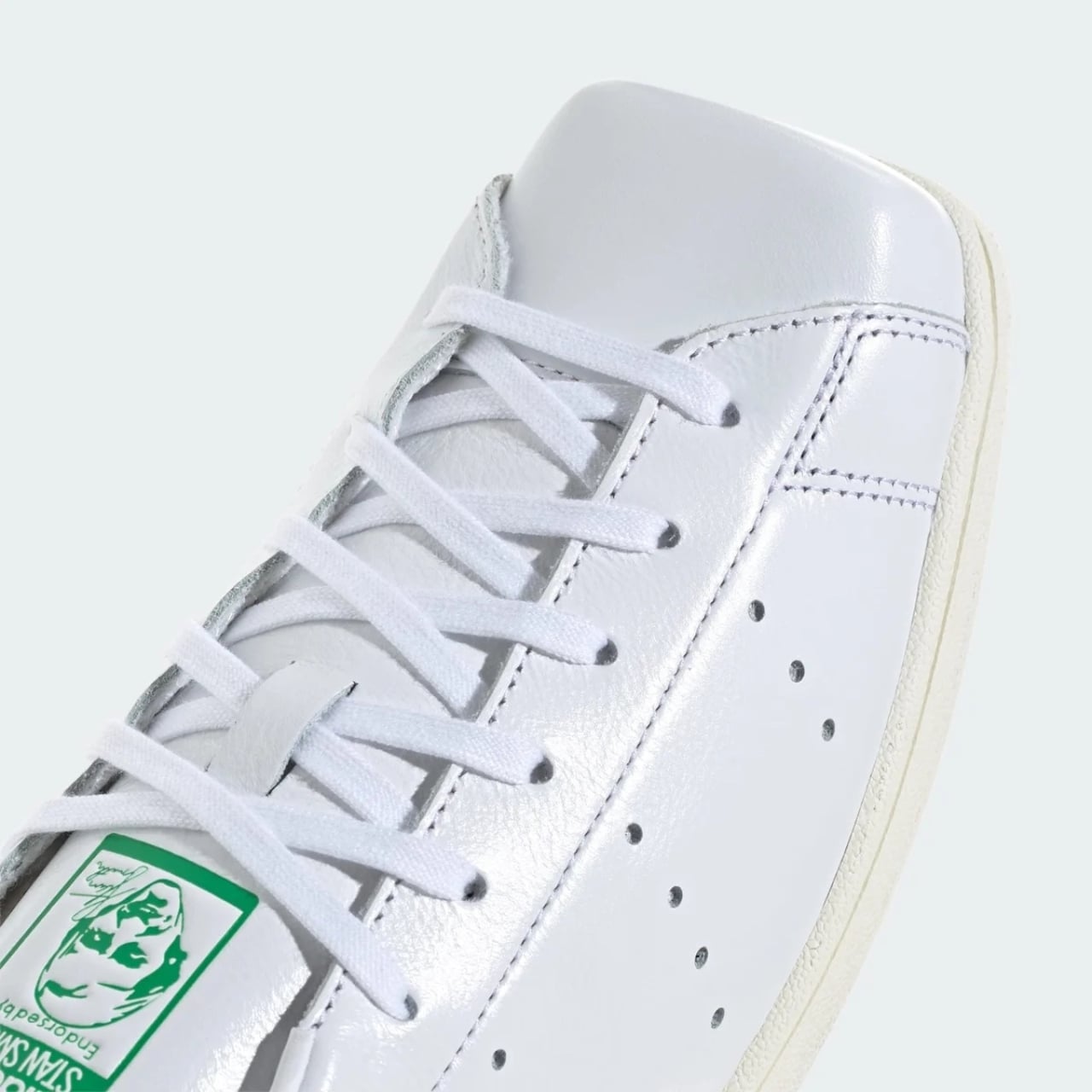
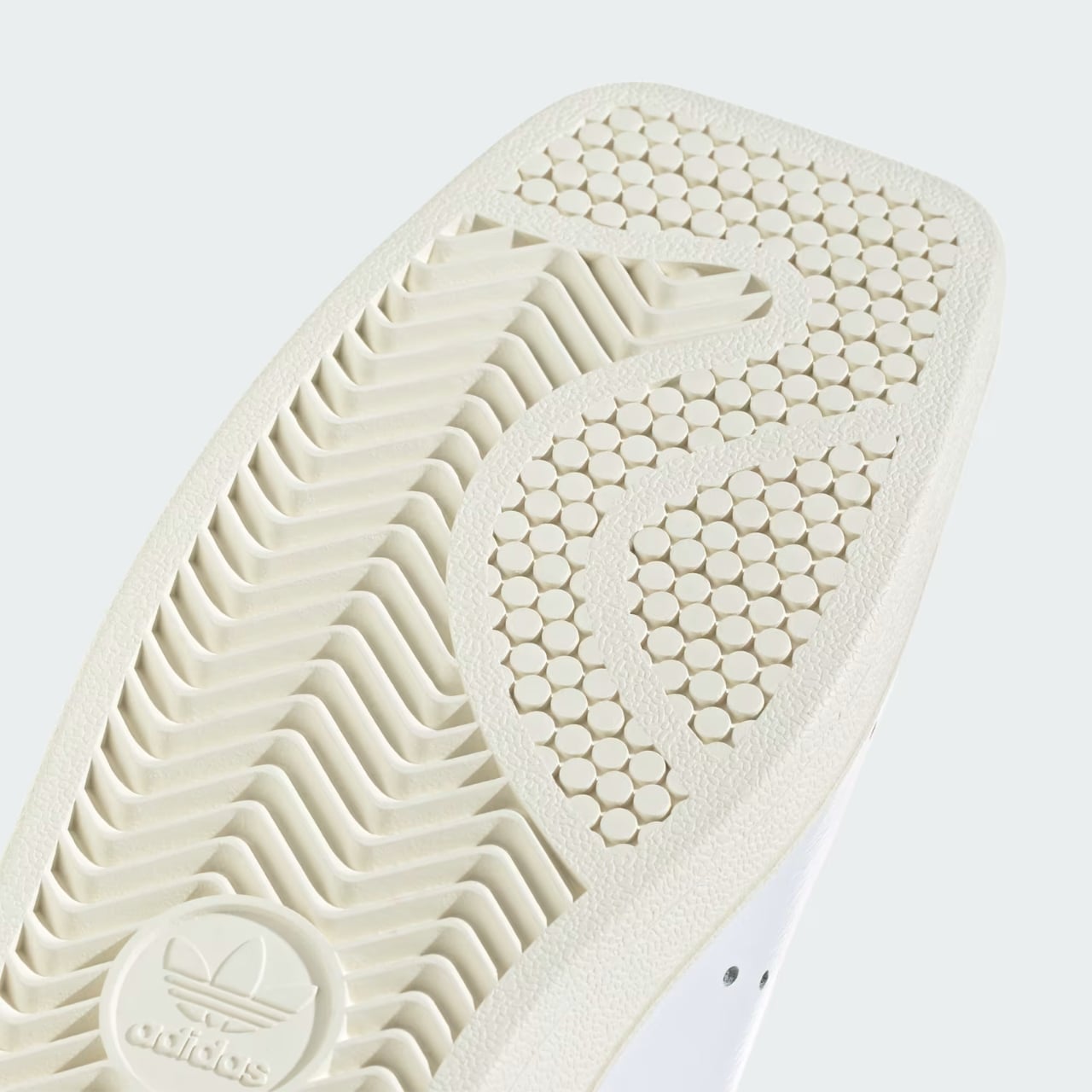
The squared toe box introduces a sharper, more structured profile. It makes the shoe feel less sporty and more fashion-adjacent, which is clearly the point. For a sneaker that has spent decades straddling the line between athletic and everyday wear, the SQ version leans confidently toward the latter. It reads as intentional in a way the original can’t always pull off, given how casual and effortless its default vibe tends to be. Put the Stan Smith SQ on with a clean outfit and it doesn’t just blend in, it actually finishes the look.

There will be people who find the square toe awkward, and I get it. Rounded toes are familiar. They feel safe, anatomical, expected. The square version asks you to commit to something a little more deliberate, a little more fashion-aware. It’s the kind of shoe that signals you’ve thought about what you’re wearing, even if the rest of your outfit is as simple as jeans and a white T-shirt. That’s not a bad thing to communicate.
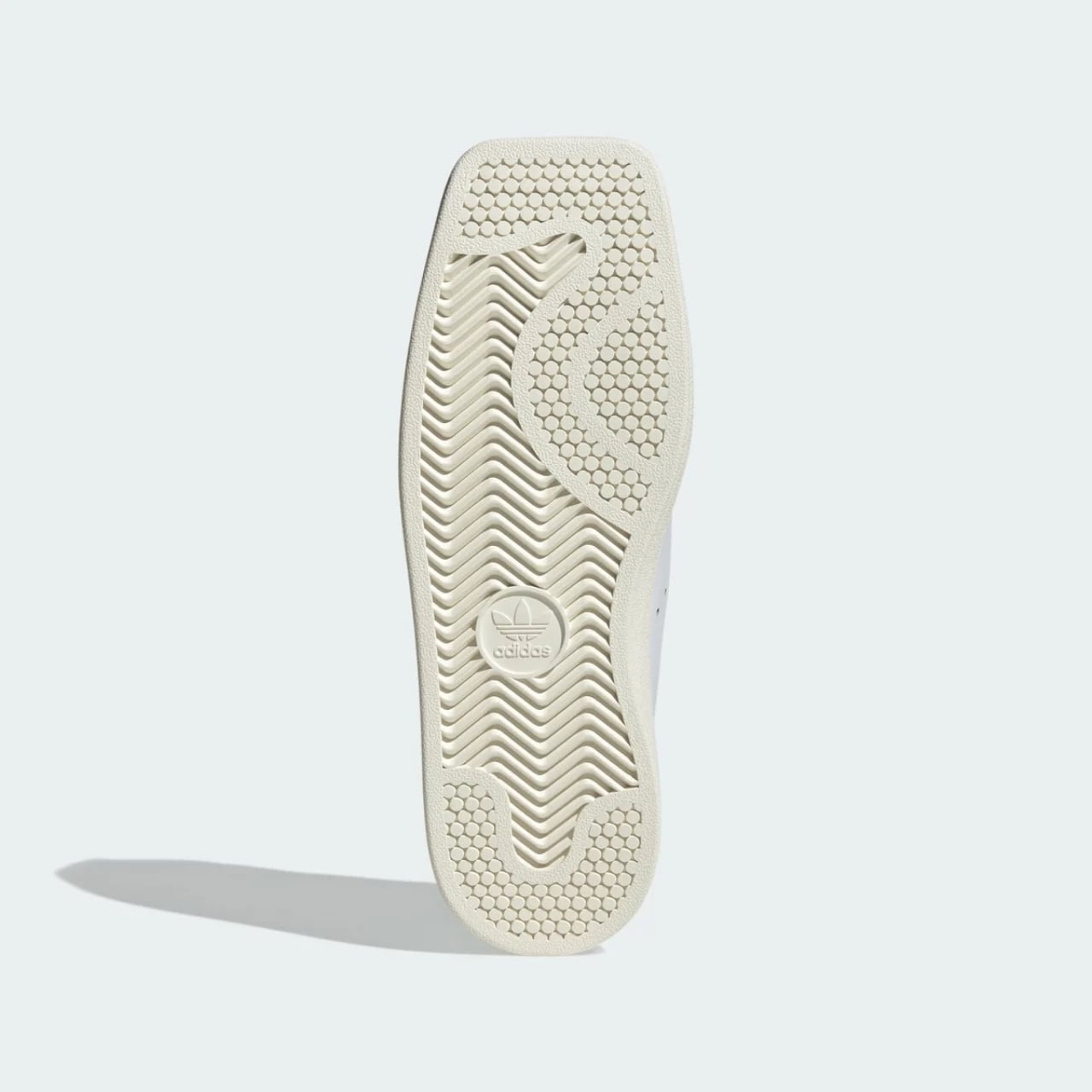
At $130, the Stan Smith SQ is priced in line with the original, which is worth noting. This isn’t a luxury reimagining or a limited collector release. It’s a widely accessible design update dropping in the classic white and green colorway for Summer 2026. That accessibility matters. It means the square toe gets a real audience beyond the fashion insiders who already knew the Margiela reference. It puts the idea in front of people who just want a good shoe that looks considered, and that’s a much broader and more interesting conversation to be part of.

Whether you’re a sneakerhead, a design enthusiast, or just someone who likes footwear that looks like it was chosen on purpose, the Stan Smith SQ makes a quiet but confident case for itself. Not every update to a classic needs to be revolutionary. Sometimes the most interesting design decision is a single, deliberate line drawn somewhere it hasn’t been before.