
Most desk organizers are purely functional objects. You buy one because you’re tired of your keys ending up under a notebook, or because your earbuds have gone missing again for the third time this week. Utility is the promise, and usually, that’s where the conversation ends. TEJA, designed by Gustavo Rodríguez and Estefanía Agudelo of Estudio Gris in Medellín, Colombia, makes a case that it doesn’t have to.
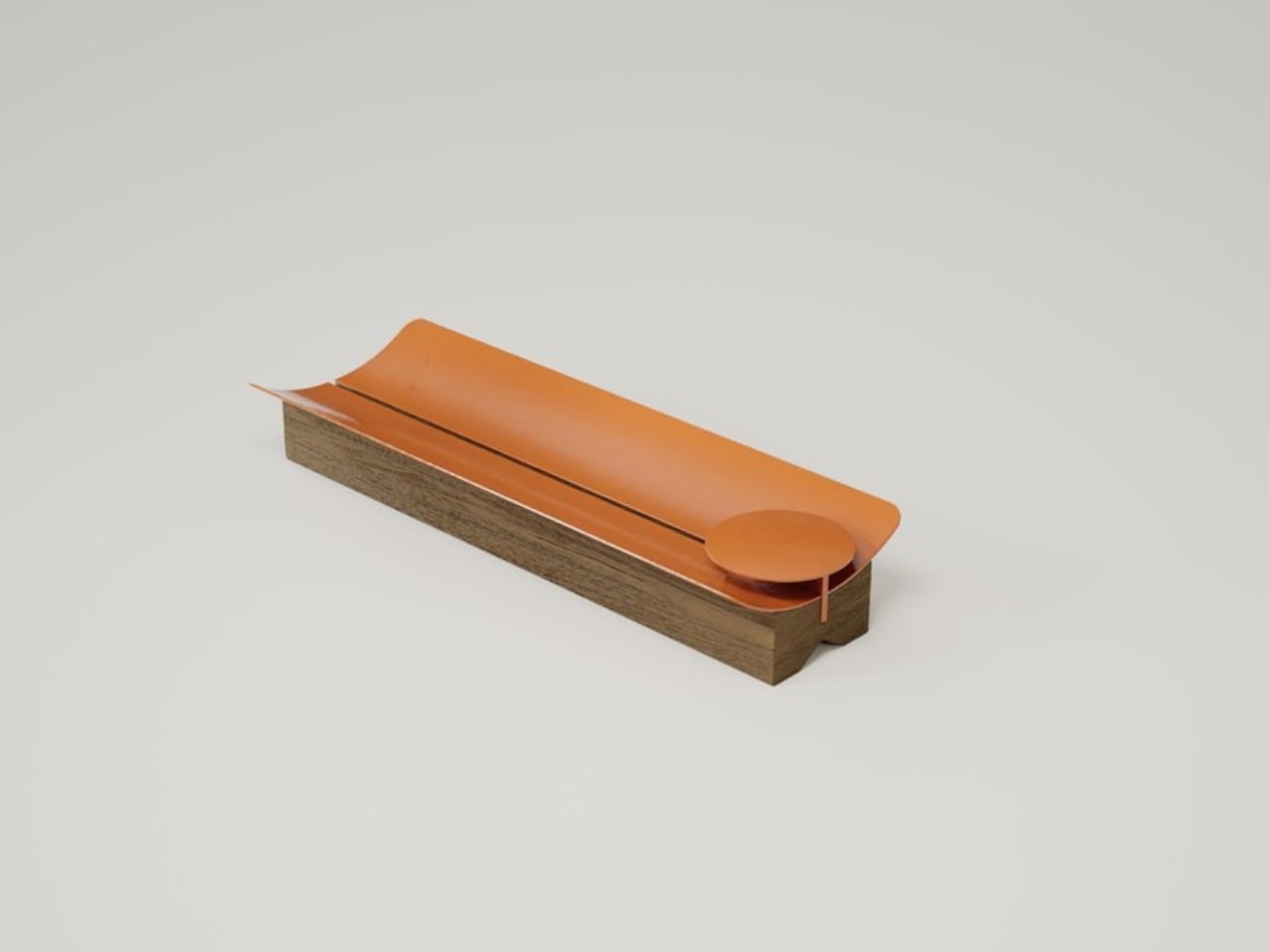
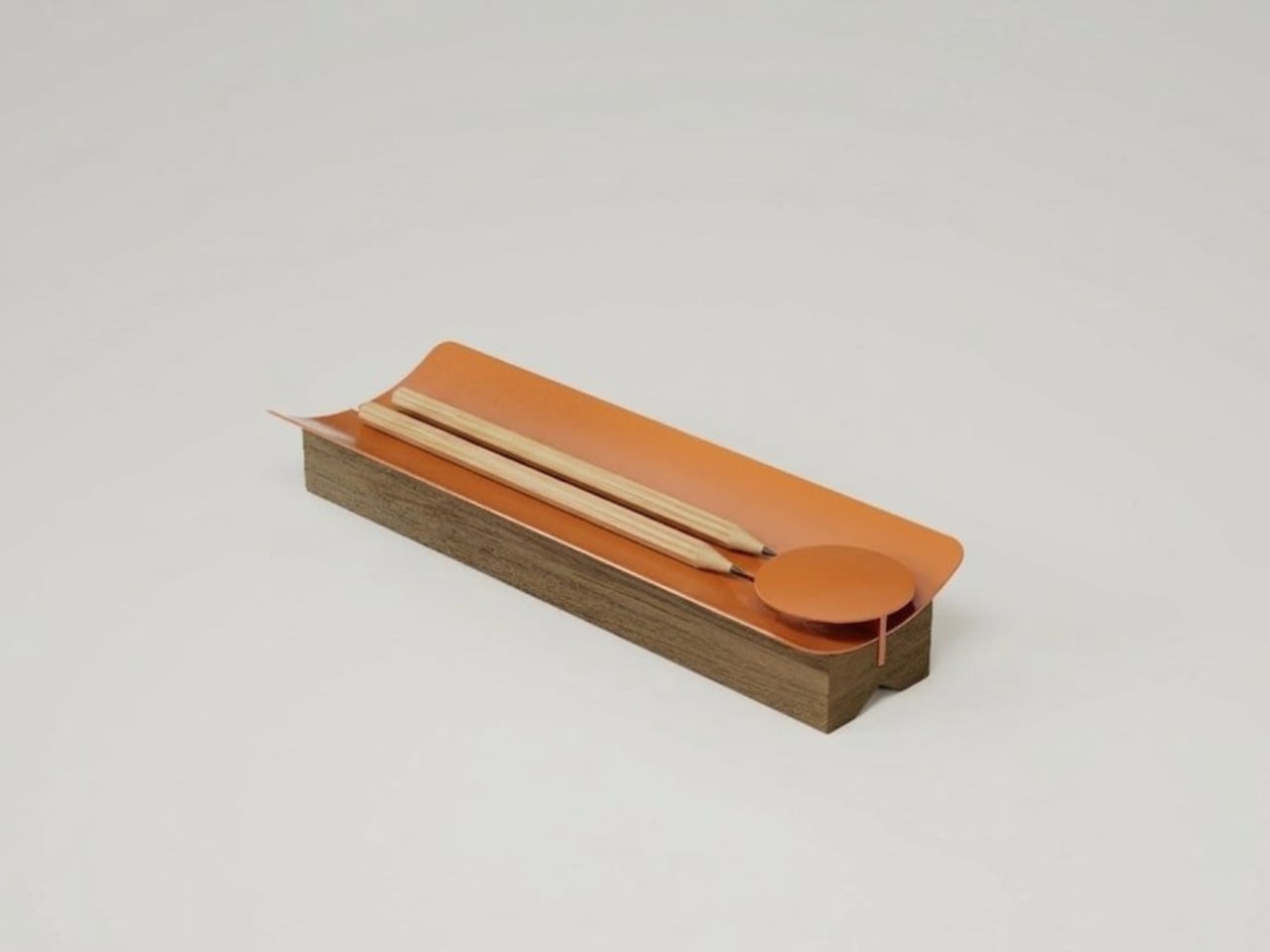
The name is the Spanish word for a roof tile, and the reference is direct. Traditional clay tiles have shaped the rooflines of Colombian towns for centuries, their curved profiles doing exactly one thing extremely well: shedding water while creating shade. Rodríguez and Agudelo looked at that form and asked a genuinely good design question: what if you kept only what matters? The answer is TEJA. A lacquered steel surface that curves upward at both ends, resting on a solid natural wood base. The curve does the same job here that it does on a rooftop, just on a smaller, quieter scale. It keeps things from rolling away and, in doing so, gathers them.
Designers: Gustavo Rodríguez & Estefanía Agudelo (Estudio Gris)
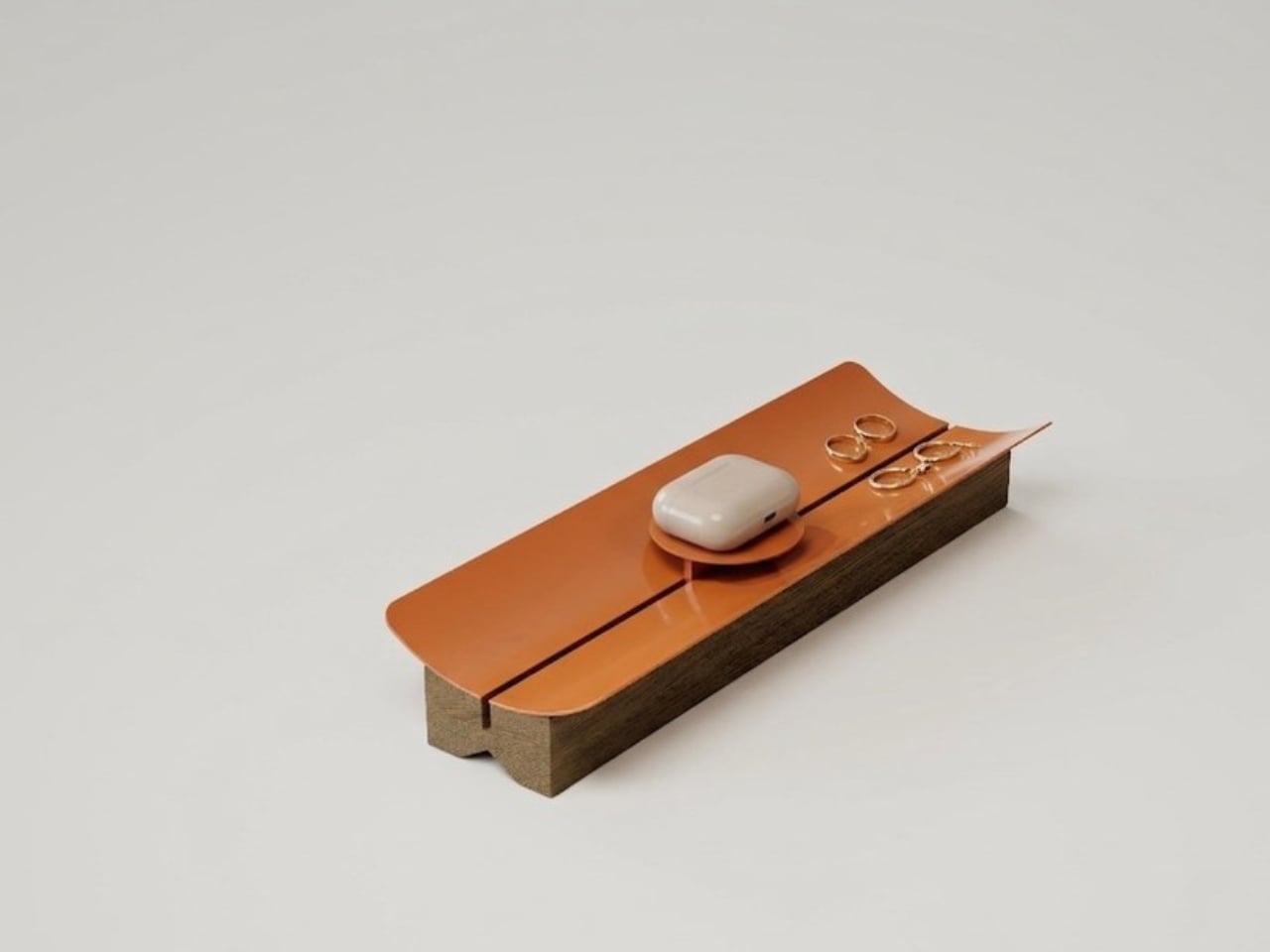
At the center, a small circular platform rises from the surface. It’s a tiny detail that turns out to do a lot. Rings land there instead of disappearing into a drawer. An earbud case. A coin you keep forgetting to put somewhere intentional. The platform gives these small, easily lost things a designated home, and that specificity is exactly the kind of thoughtfulness that separates well-designed objects from well-marketed ones.
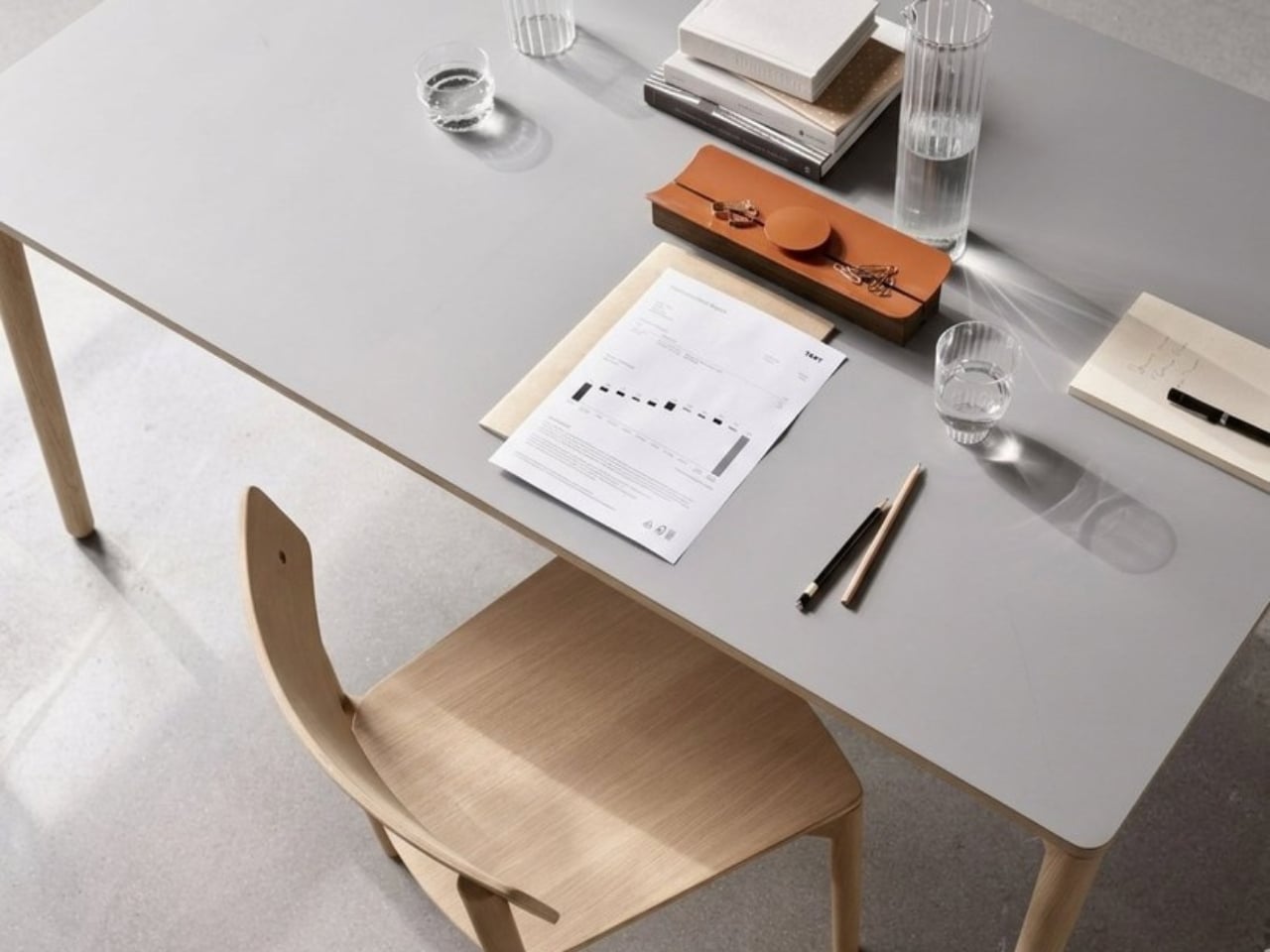
The piece works equally well on a desk or a dresser, which matters more than it sounds. A lot of objects are styled for one context and feel awkward in another. TEJA slides between the two without trying, because its logic is architectural rather than functional in the narrow sense. It organizes by shape, not by category.
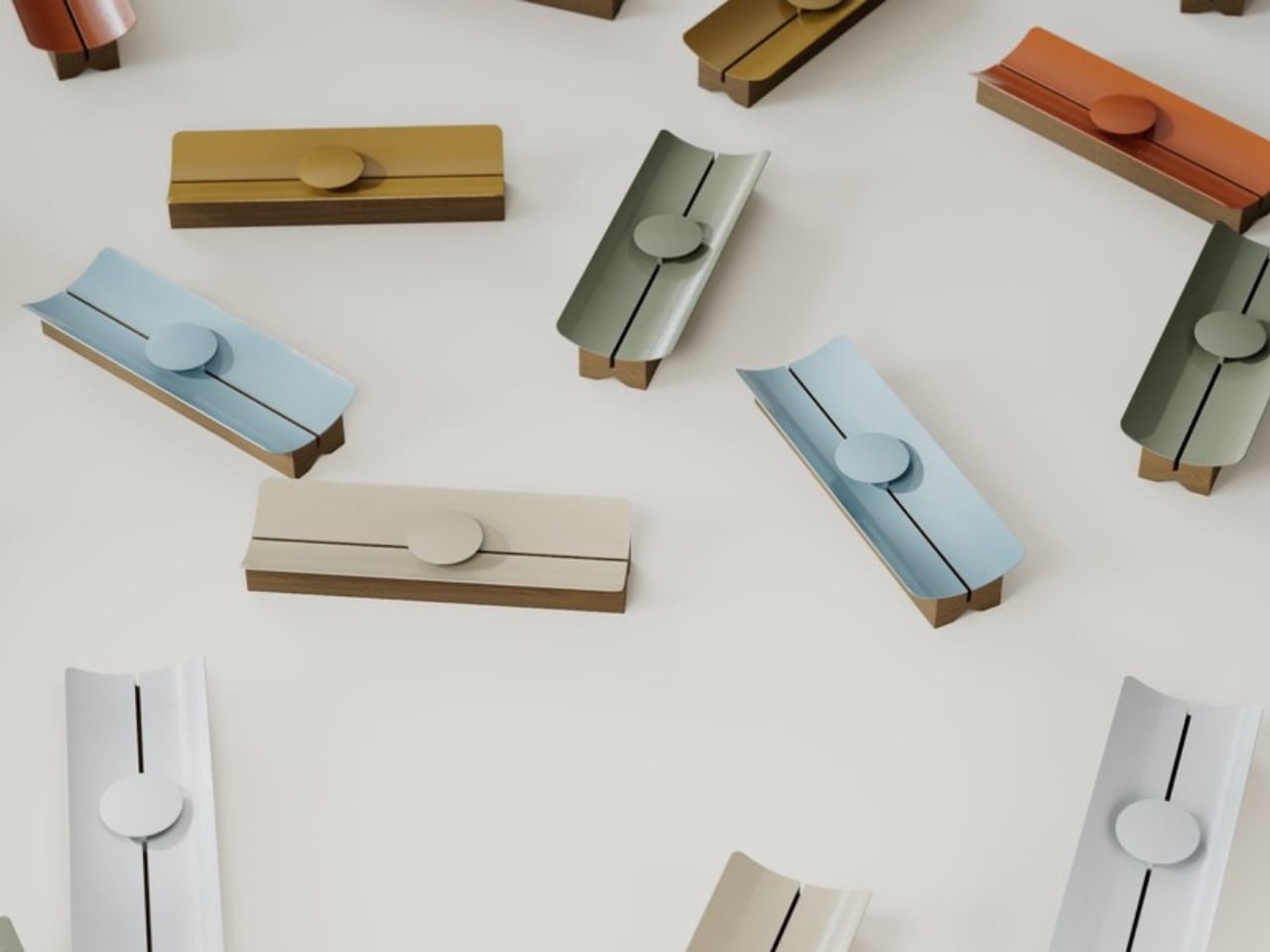
The moment that might surprise you most is what happens when you place three of them together. Side by side, they read as a roofscape, a miniature version of the reference they were born from. The designers didn’t plan that effect. It emerged from the object’s own internal rules. That’s the mark of a design that was thought through past the obvious. Most things only reveal their full intention under a single set of conditions. TEJA shows you something new when the context shifts.
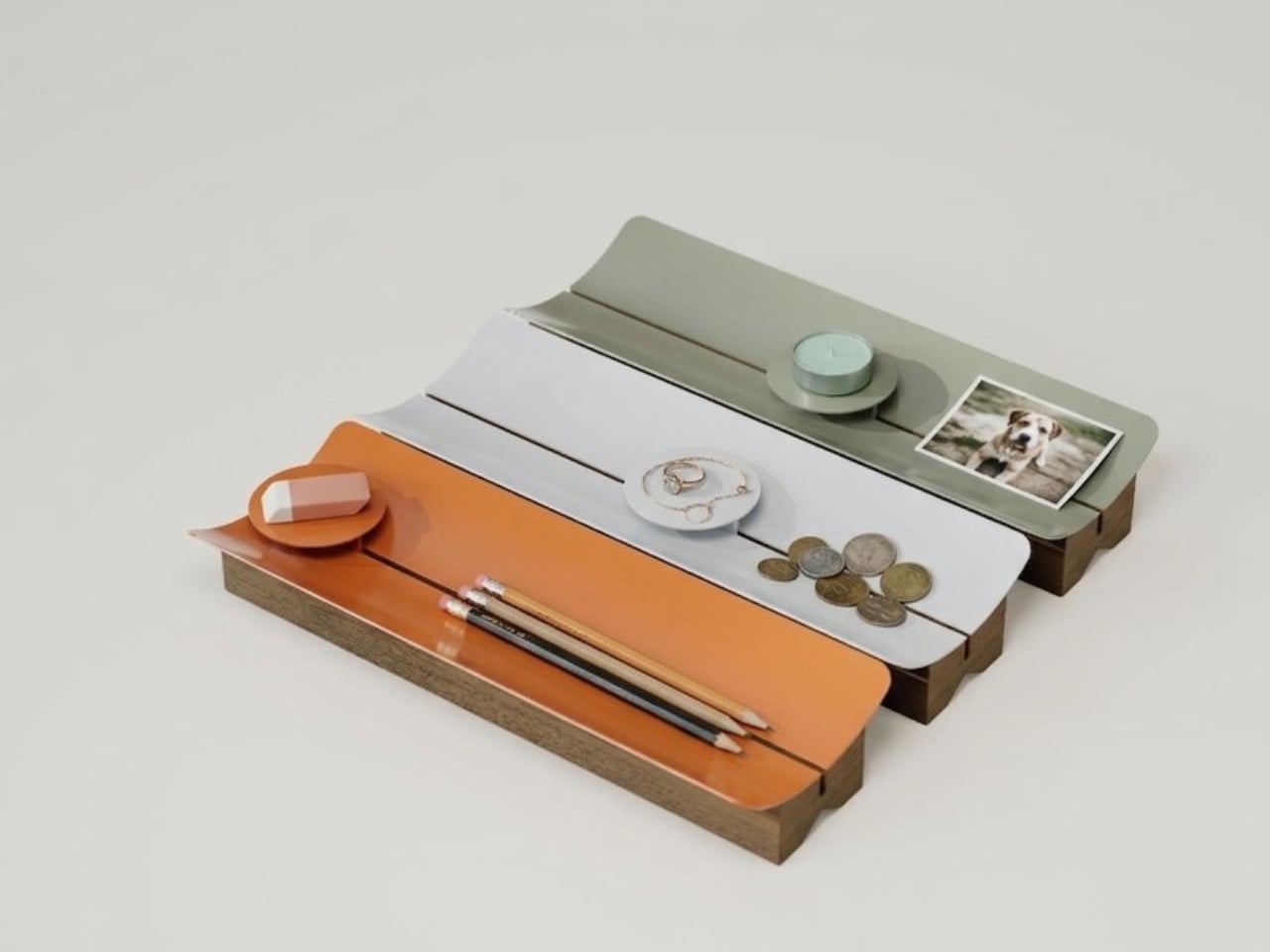
It comes in six colors: terracotta, white, calm green, blue, mustard, and beige. The first three are kept in stock; the last three are made to order. All of them are handmade in Medellín. I have a soft spot for the terracotta, partly because it’s the most honest color for an object inspired by clay tiles, and partly because that warm, muted orange reads beautifully against both light and dark surfaces without fighting for attention. The calm green and mustard are equally considered. None of the six feel trendy in the way that becomes awkward in two years.
Estudio Gris won the DesignWanted Award in Italy in 2026 with CLU, their umbrella stand, which suggests that TEJA isn’t a one-time gesture. The studio seems to have a consistent interest in translating familiar forms into objects that hold meaning without being decorative about it. That’s a harder balance to strike than it looks.
The wider question TEJA raises, at least for me, is why we keep settling for objects that only work and never mean anything. We spend a fair amount of time at our desks and dressers. The things that live on those surfaces become part of how the space feels day to day. A desk organizer that carries a genuine reference to Colombian vernacular architecture, made by hand in the city where its designers live and work, is a different kind of object than a generic tray from a home goods store. You don’t have to think about that every time you drop your keys into it. But it’s there if you do.