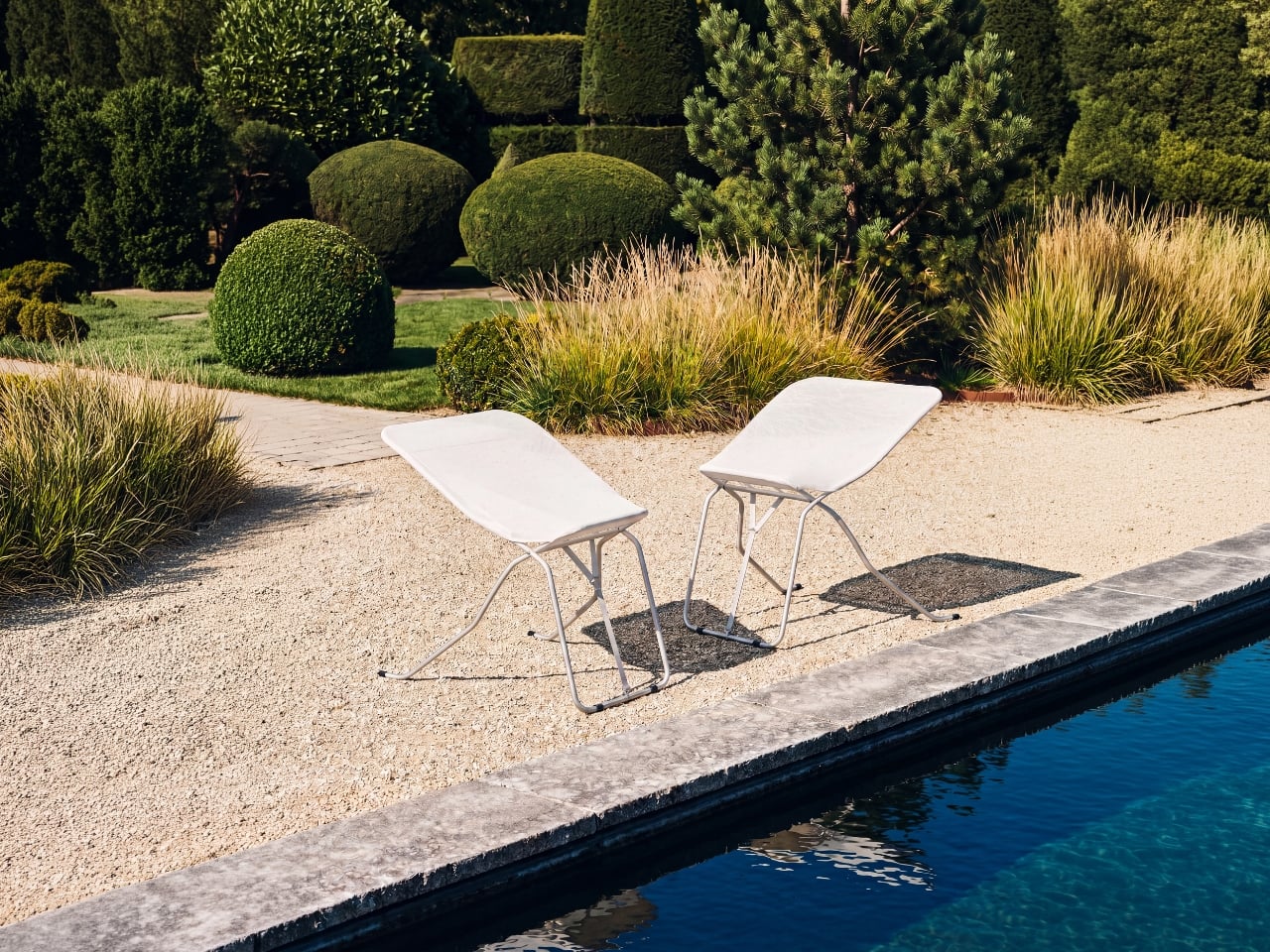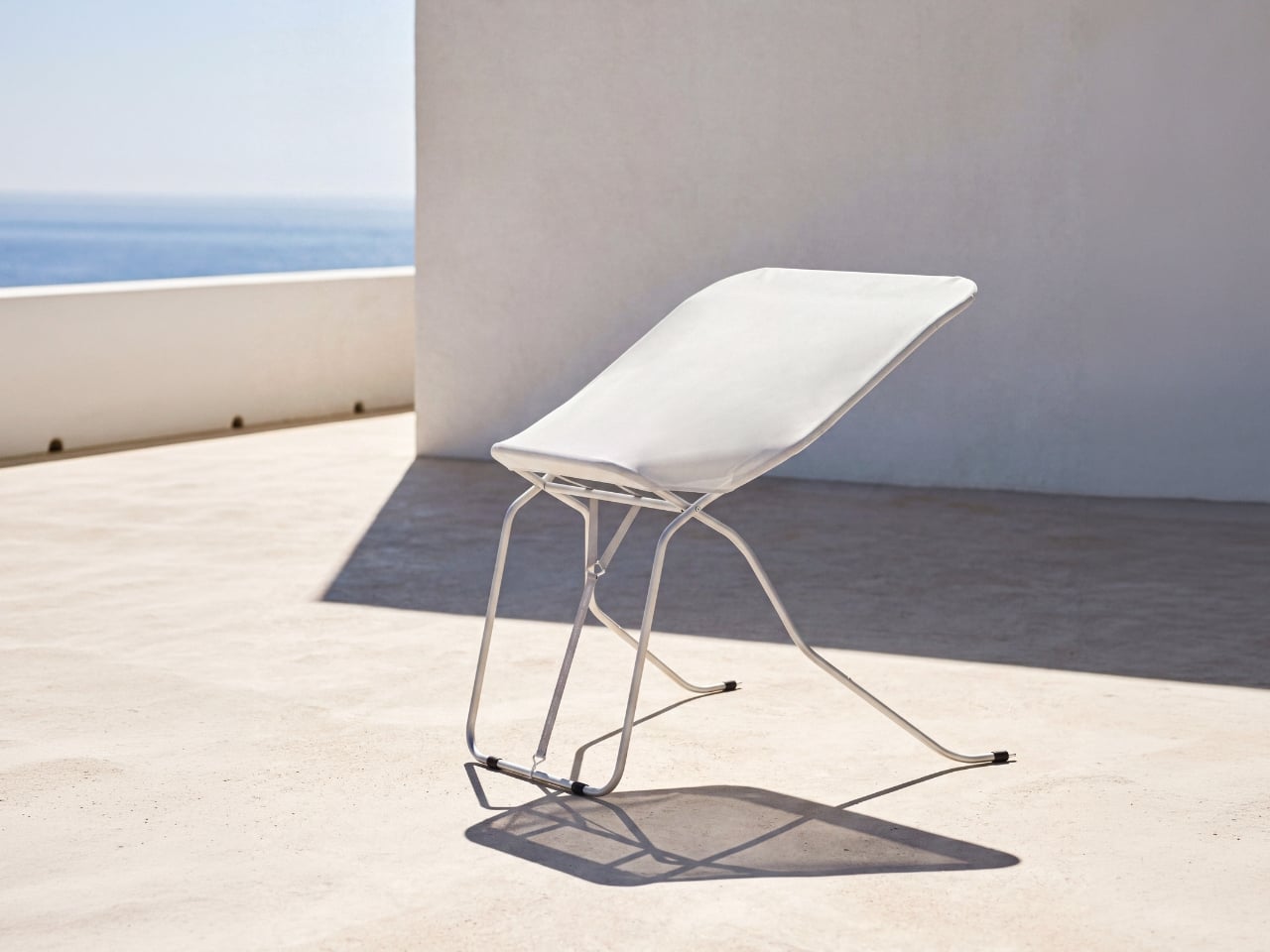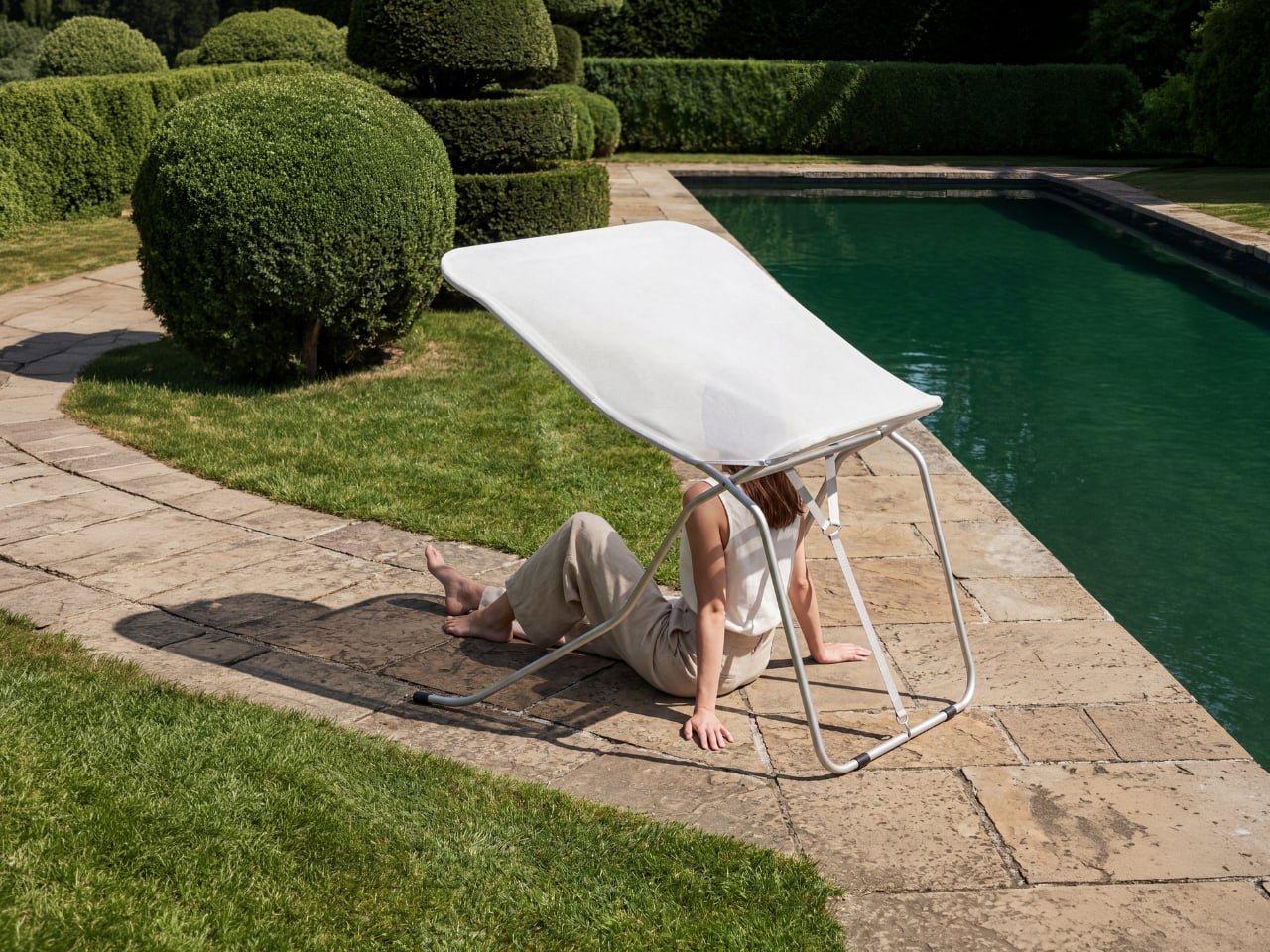

Most urban design conversations center on permanence: the building, the plaza, the park. Fixed, costly, and slow to adapt. Seoul-based studio BKID Co is thinking differently, and the result is the Seoul Shade, a compact, foldable sunshade that quietly challenges the idea that public comfort has to be built into the ground.
BKID, founded by BongKyu Song in 2006, is the kind of studio that doesn’t stay in one lane. Song is a former Samsung designer who helped lead the design of the original Galaxy Tab. Over the years, BKID has built a portfolio that spans medical devices, car diffusers, furniture, and smart home tech, earning 13 iF Design Awards along the way and ranking number one in Korea for public design. The Seoul Shade feels very much like a continuation of that public-minded design ethos, this time applied to something deceptively simple: personal shade.
Designer: BKID Co
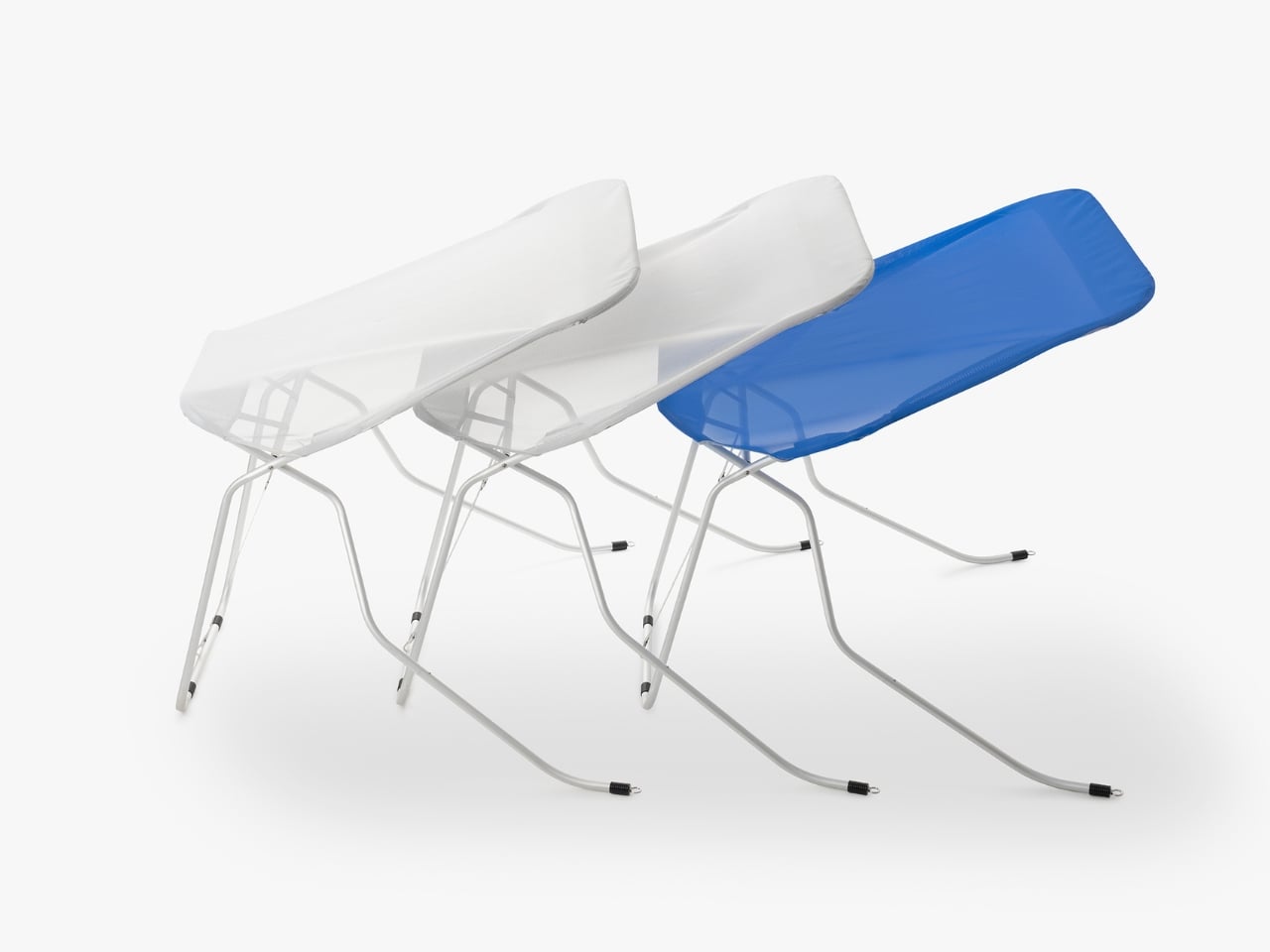
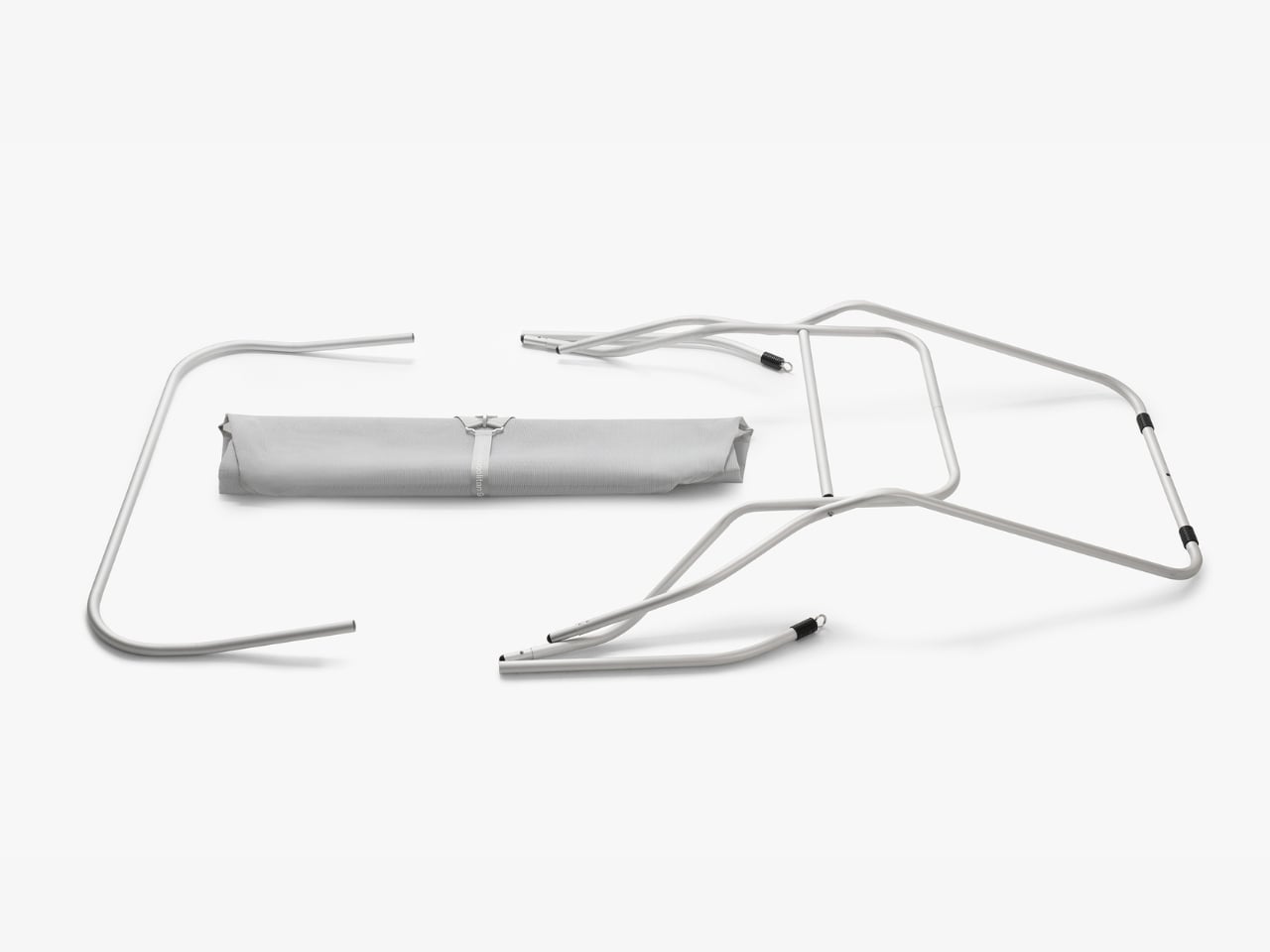
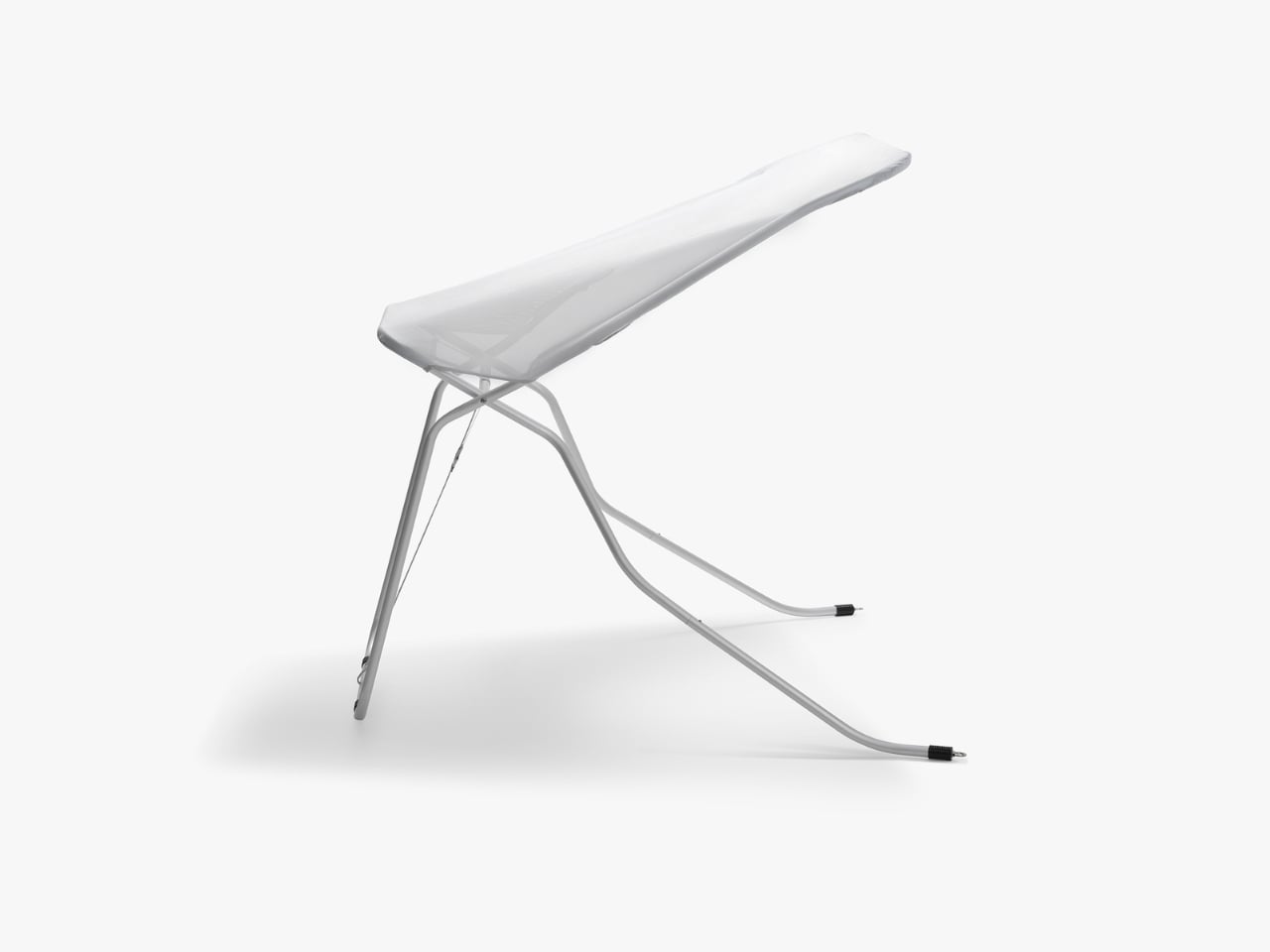
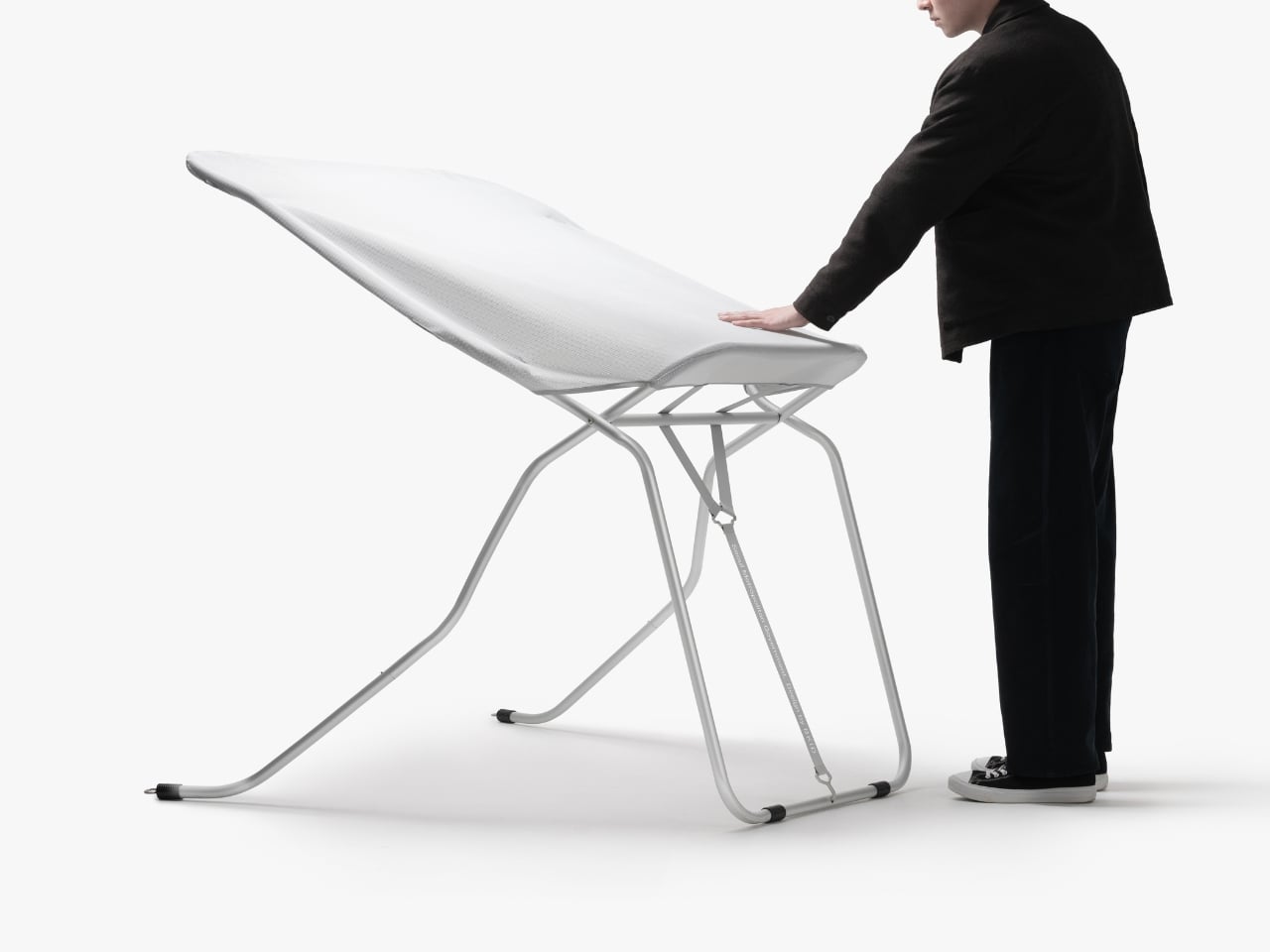
The concept takes the folding mechanism of a camping chair and applies it to a canopy structure sized for one to two people. Set it up in a few steps, pack it down flat, carry it with you. The whole thing is disarmingly low-tech, which is actually the point. When a design works this well without a battery or an app, you notice.
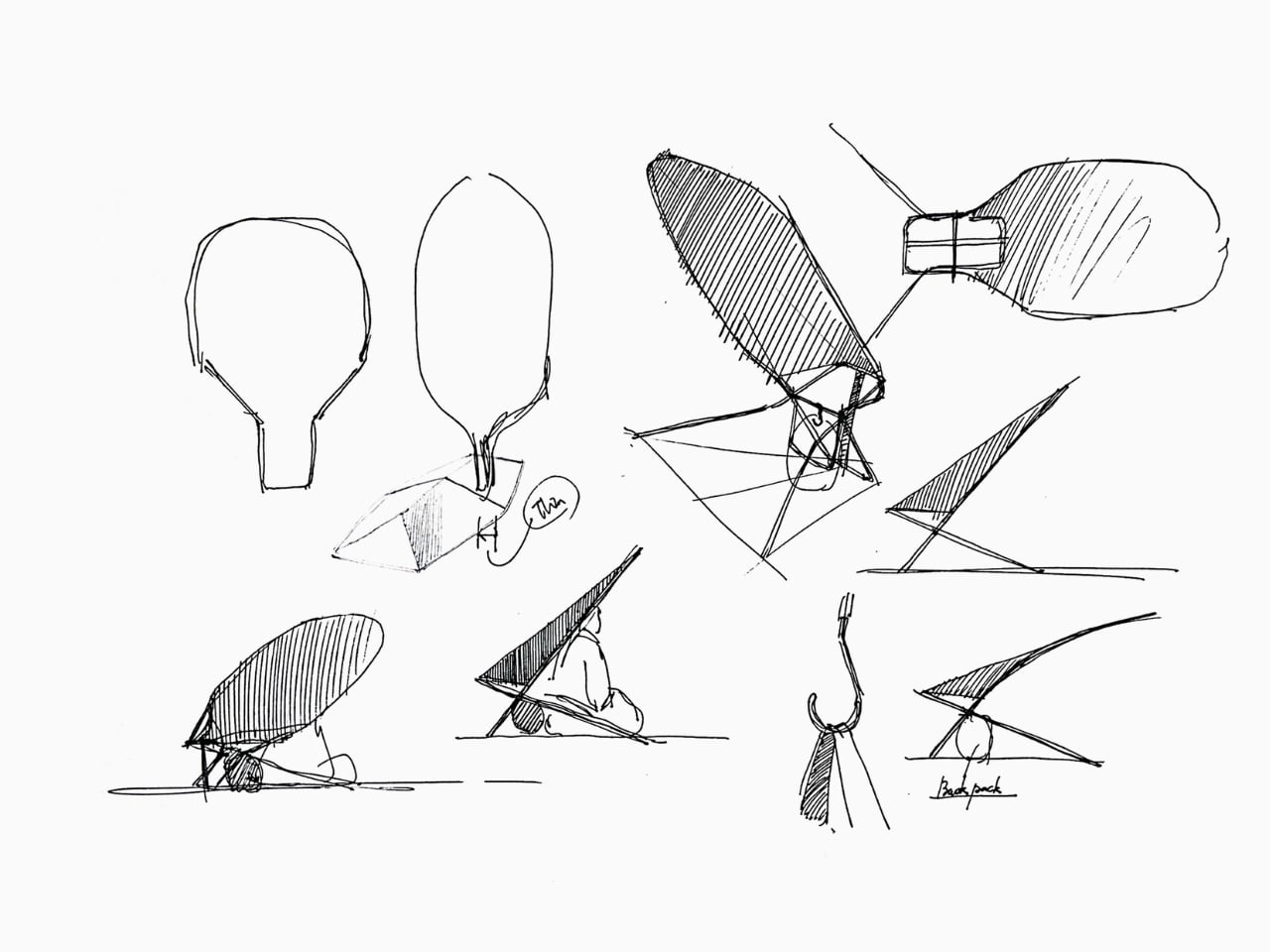
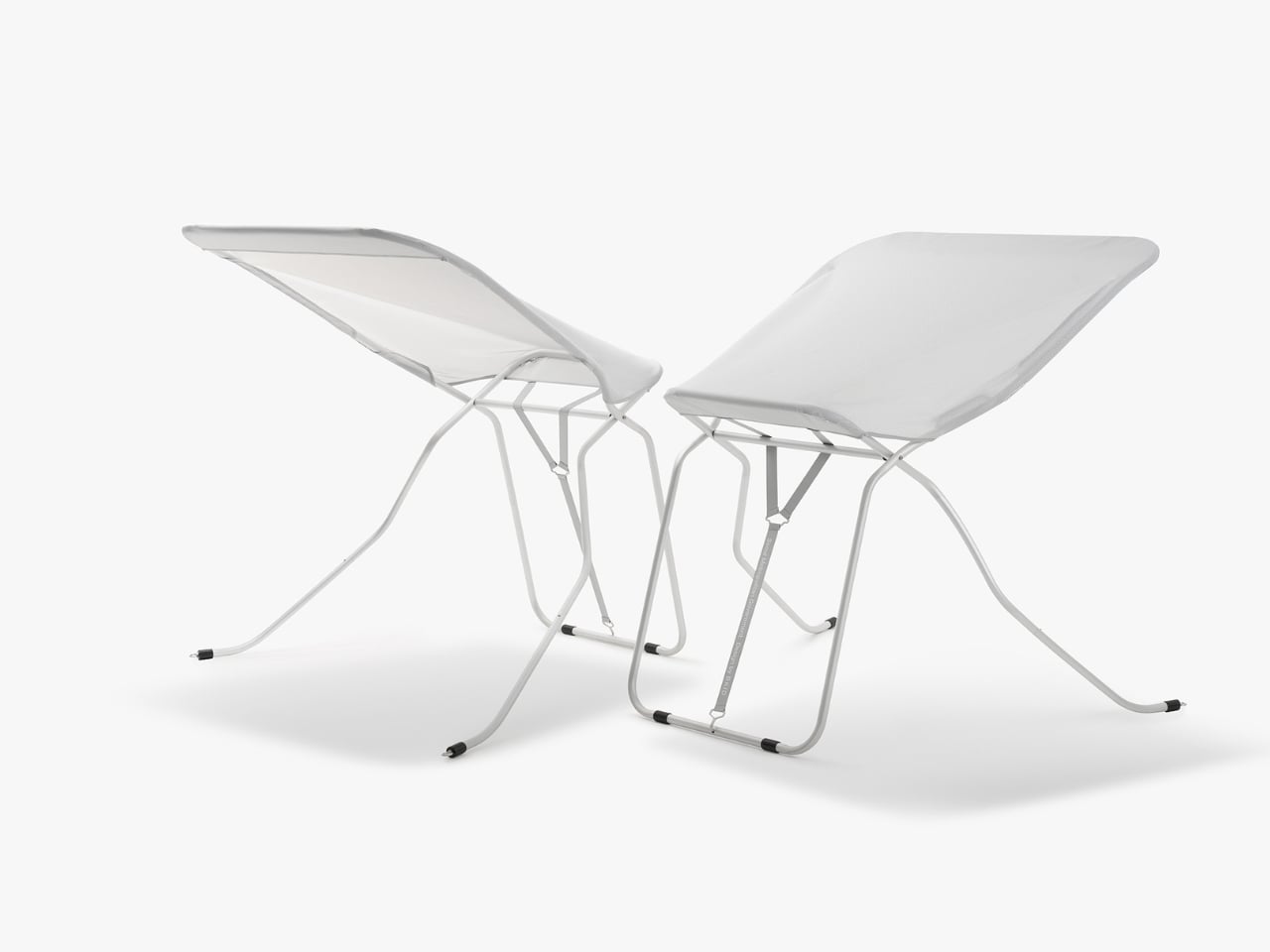
Visually, the Seoul Shade earns its place. The canopy is a stretched fabric panel held aloft by a lightweight tubular frame, and depending on the angle you catch it from, it looks like a wing, a sail, or a sculptor’s study of tension and curve. The product shots are beautiful, with users tucking themselves underneath in sandy fields and poolside terraces, which might feel aspirational to the point of absurdity, but they do communicate one thing clearly: the form has real presence. It’s not just a utility item. It looks considered.
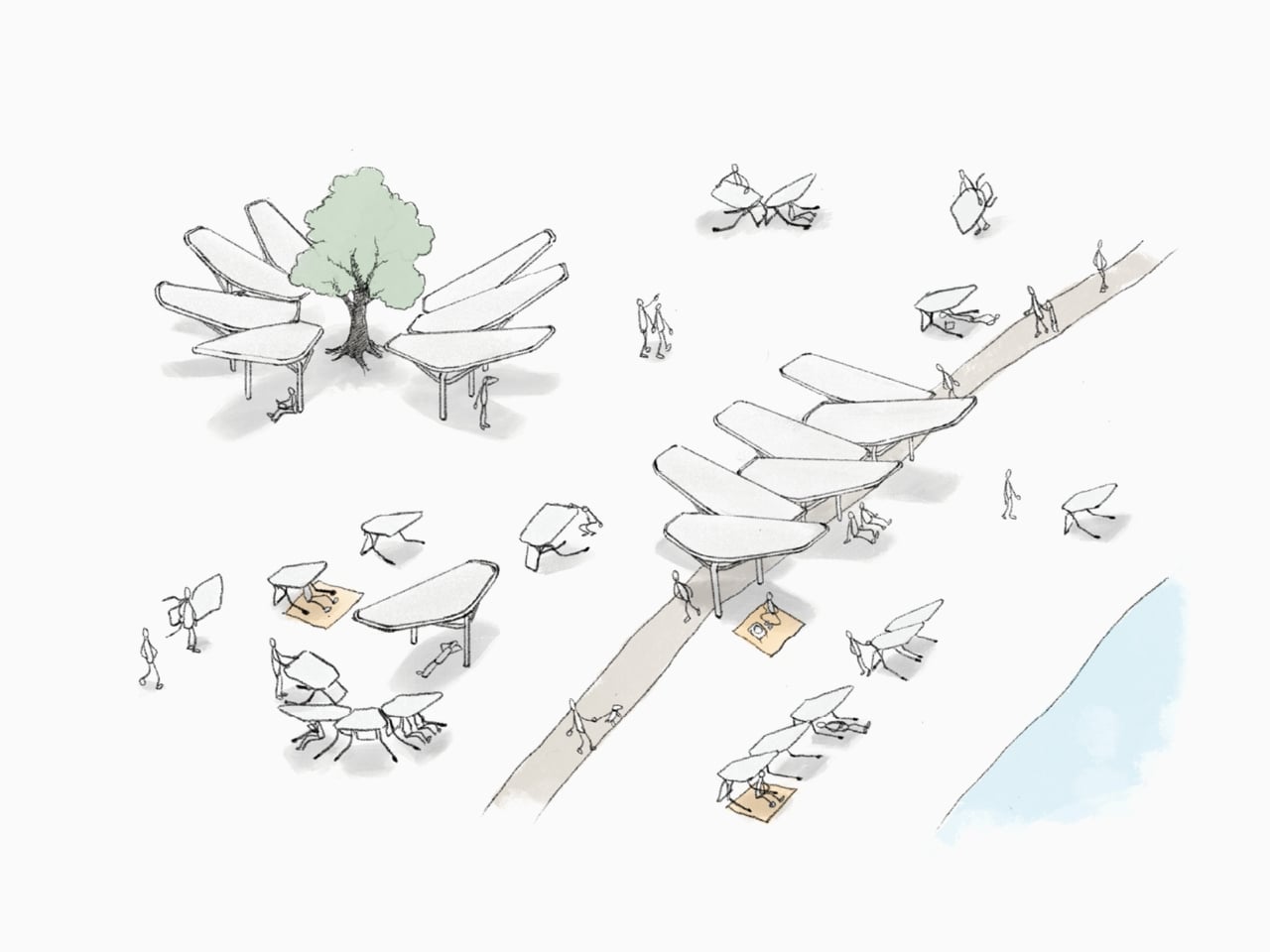
What makes this more than a clever camping accessory is the urban application BKID has built into the concept. The studio envisions these shades deployed collectively, arranged in rows along pathways, fanned out around trees, clustered at event spaces. A single unit is practical. A fleet of them becomes temporary infrastructure, which is genuinely interesting from a city planning standpoint. Seoul’s summers are increasingly brutal, and heat-related interventions at the city scale are becoming less optional. The Seoul Shade proposes a lightweight, human-scale response that doesn’t require the city to commit to anything permanent.
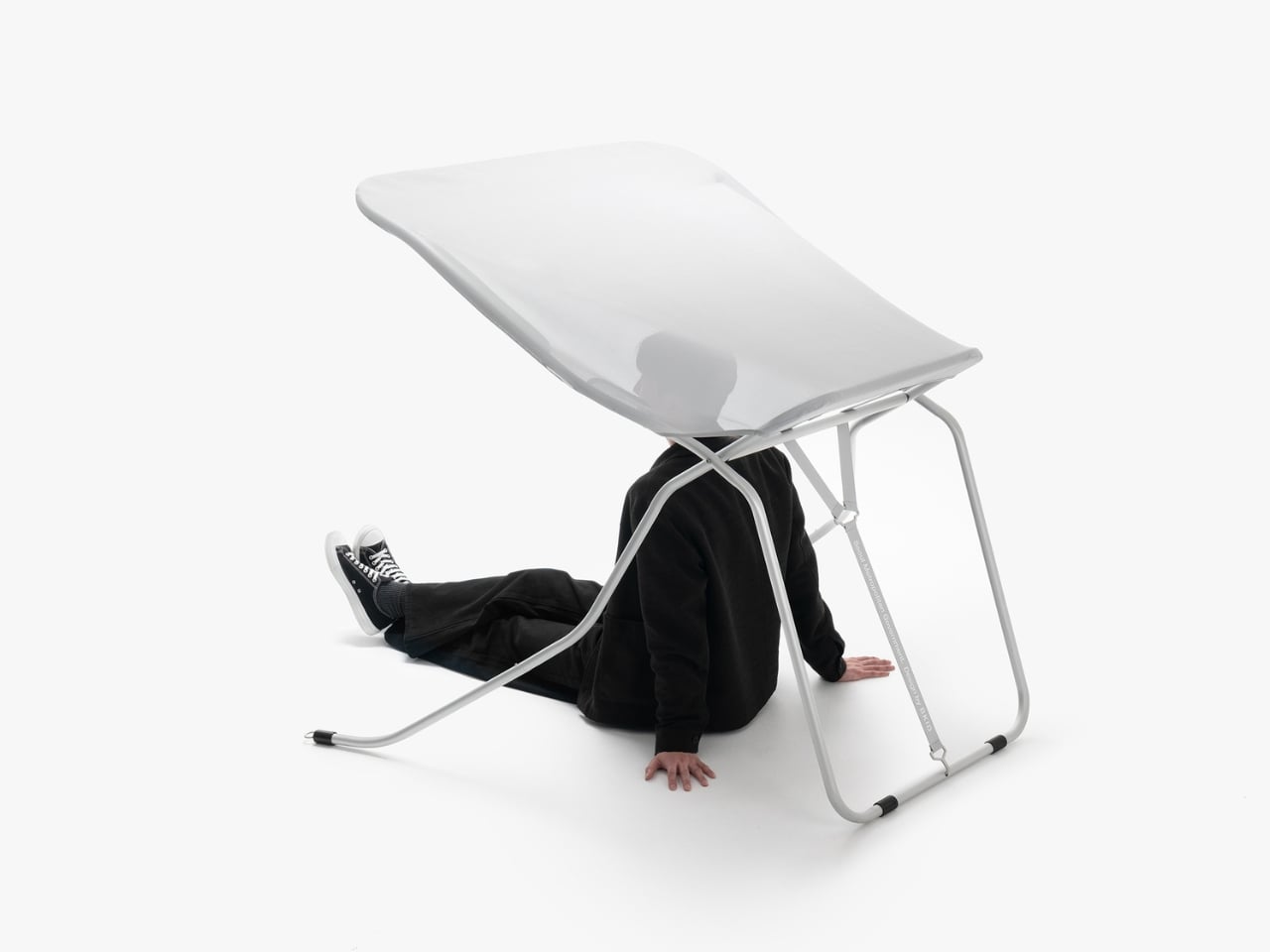
There’s a part of me that wonders how this holds up in actual use. Wind is the obvious concern for any canopy-style structure that isn’t staked to the ground, and the images, as carefully styled as they are, don’t really address that. But this is still a concept, and BKID has a track record of bringing things to production in ways that account for those engineering realities. The studio describes its process as a balance between emotional aesthetics and logical engineering, which suggests they’re not ignoring the practical questions so much as staging the presentation around the vision first.
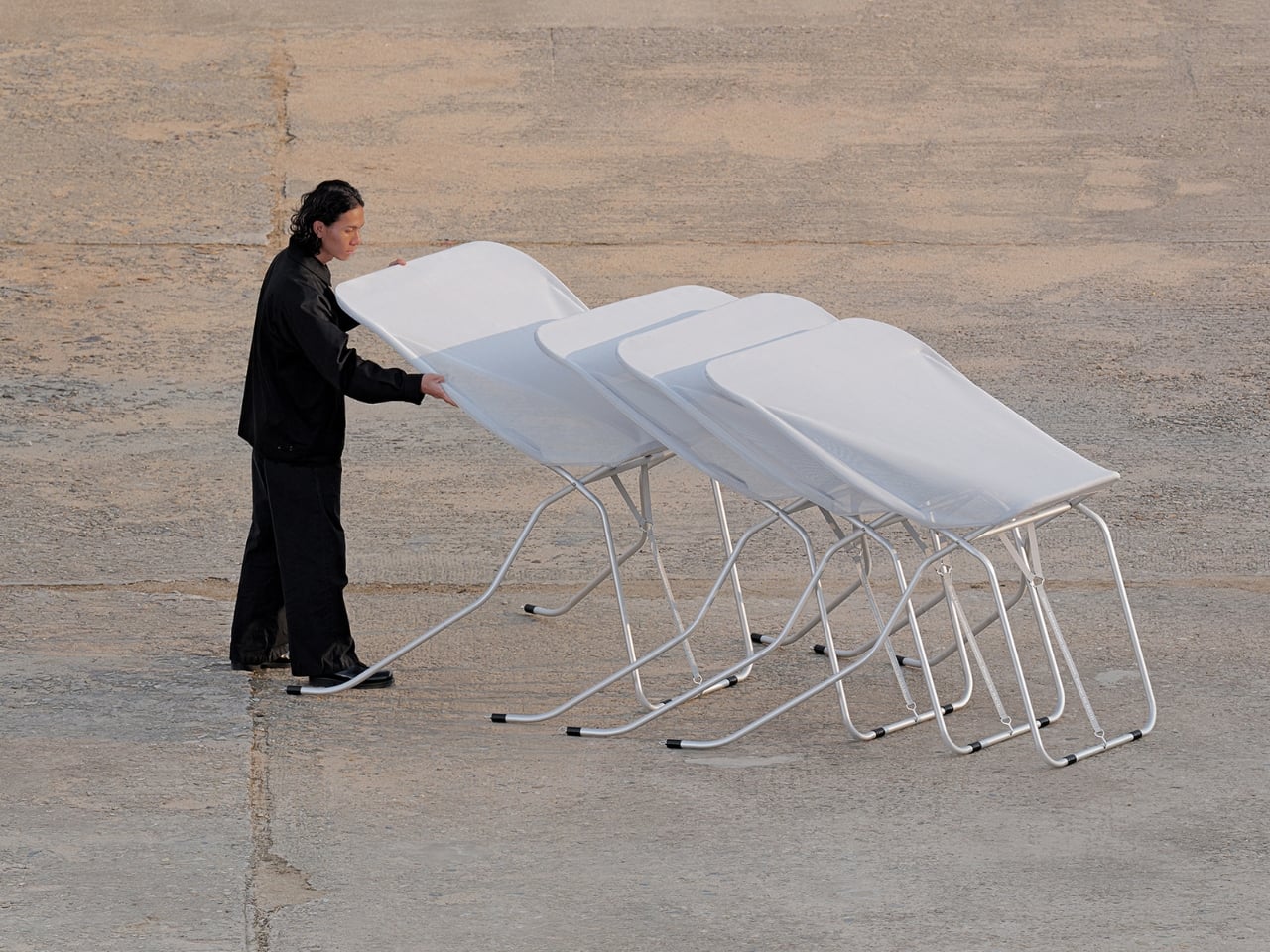
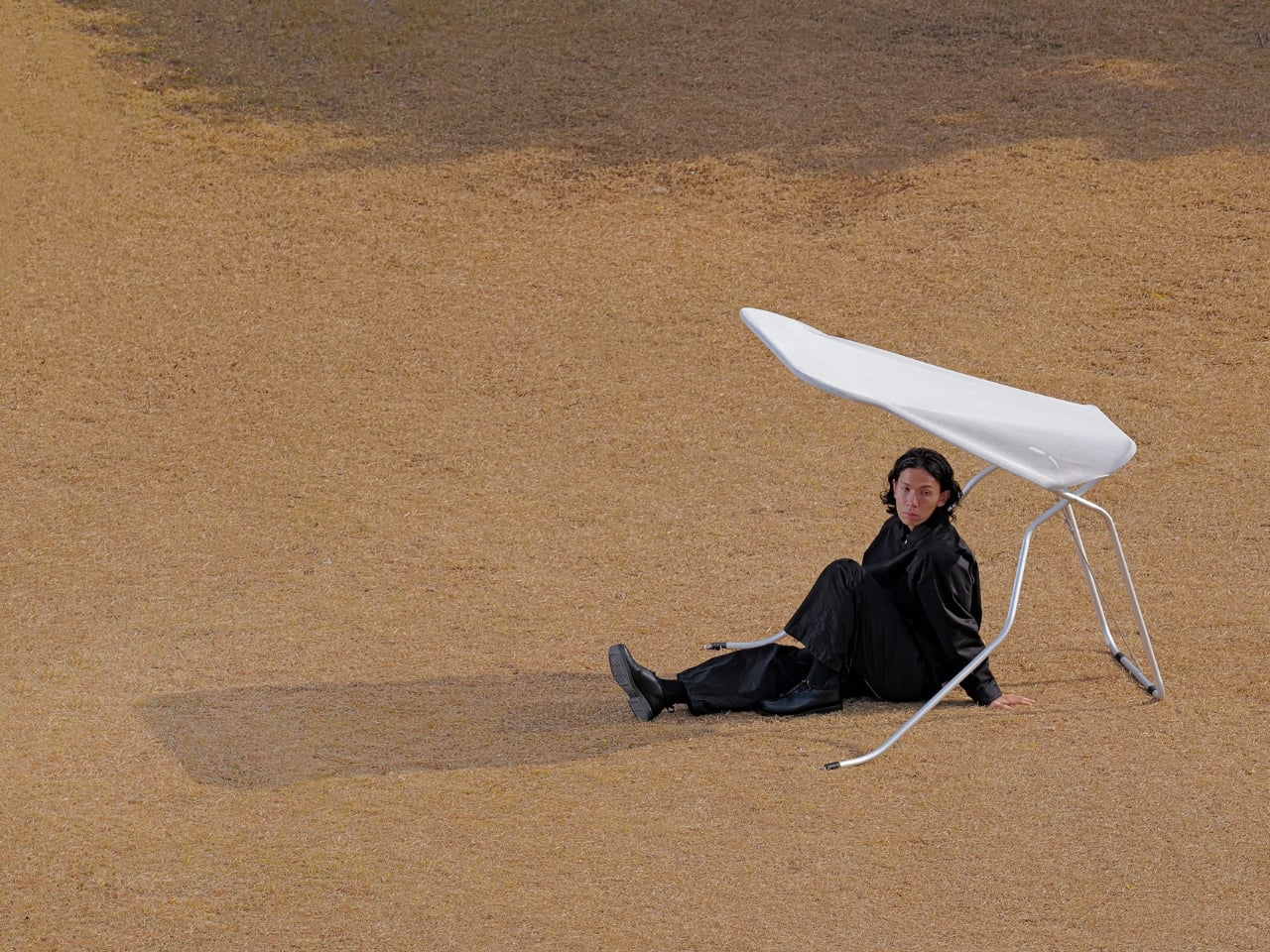
The broader appeal here, I think, is that the Seoul Shade represents a shift in how we think about personal comfort in public spaces. The expectation has long been that cities provide the shade, usually through trees that take decades to mature or structures that cost a fortune to install. Seoul Shade flips that: it says maybe comfort is portable, personalized, and doesn’t have to wait for infrastructure funding. That’s a genuinely useful reframe.
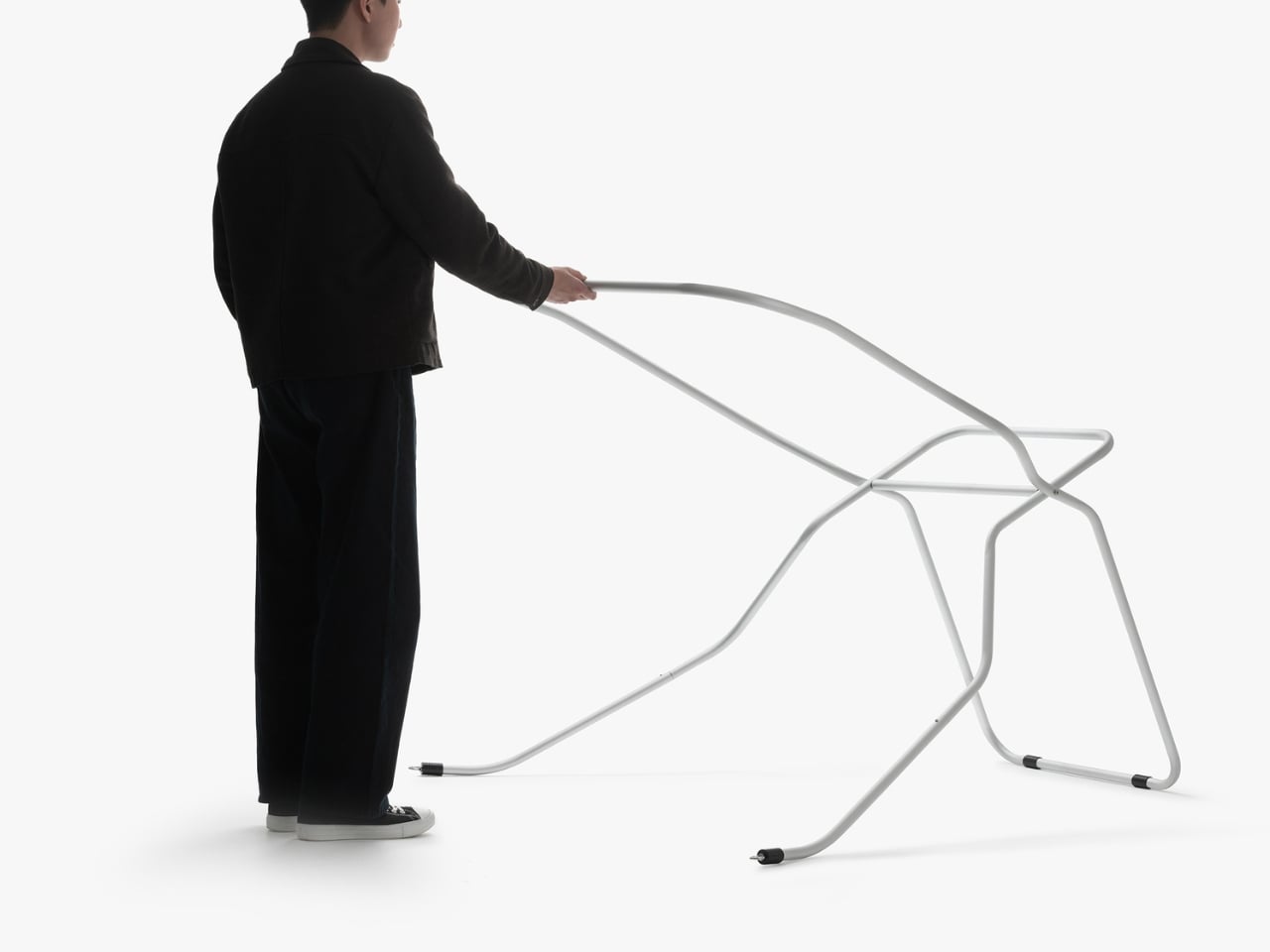
BKID has been consistent about designing objects that propose new behaviors rather than just solving obvious problems. The Seoul Shade is less about fixing shade scarcity and more about introducing the idea that public space can be made adaptive, one foldable canopy at a time. Whether it ends up being produced for mass distribution, deployed as a public event furnishing, or stays a proposal, the conversation it starts is worth having.