
Upcycled materials have become a familiar part of sustainable design, but most of them still try to hide where they came from. The aluminum gets purified, the recycled plastic molded smooth, and the result looks clean and neutral but loses the story of its origins. Pairing genuine sustainability with aesthetic character turns out to be a harder problem than it looks, and most attempts quietly sidestep it.
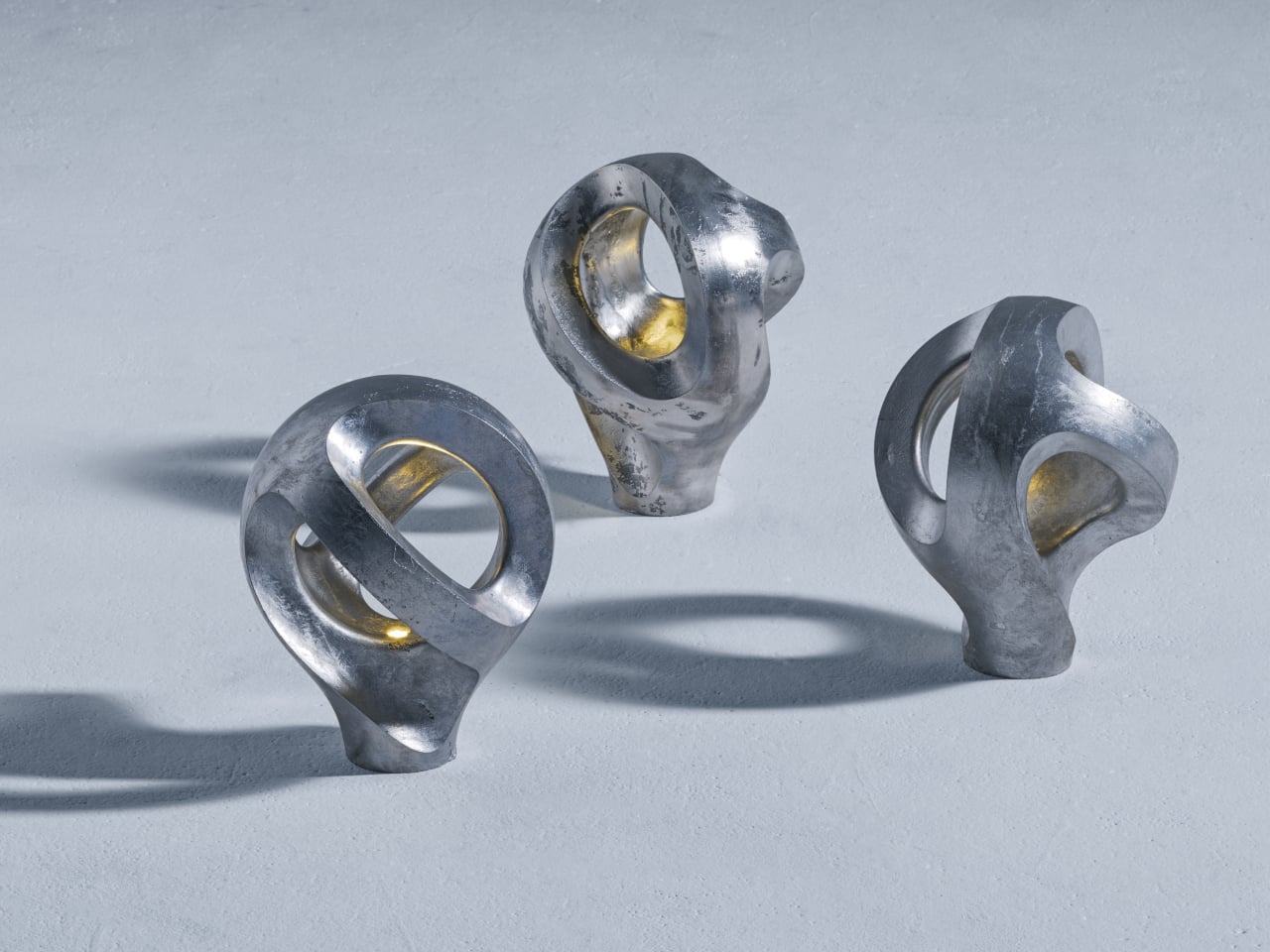
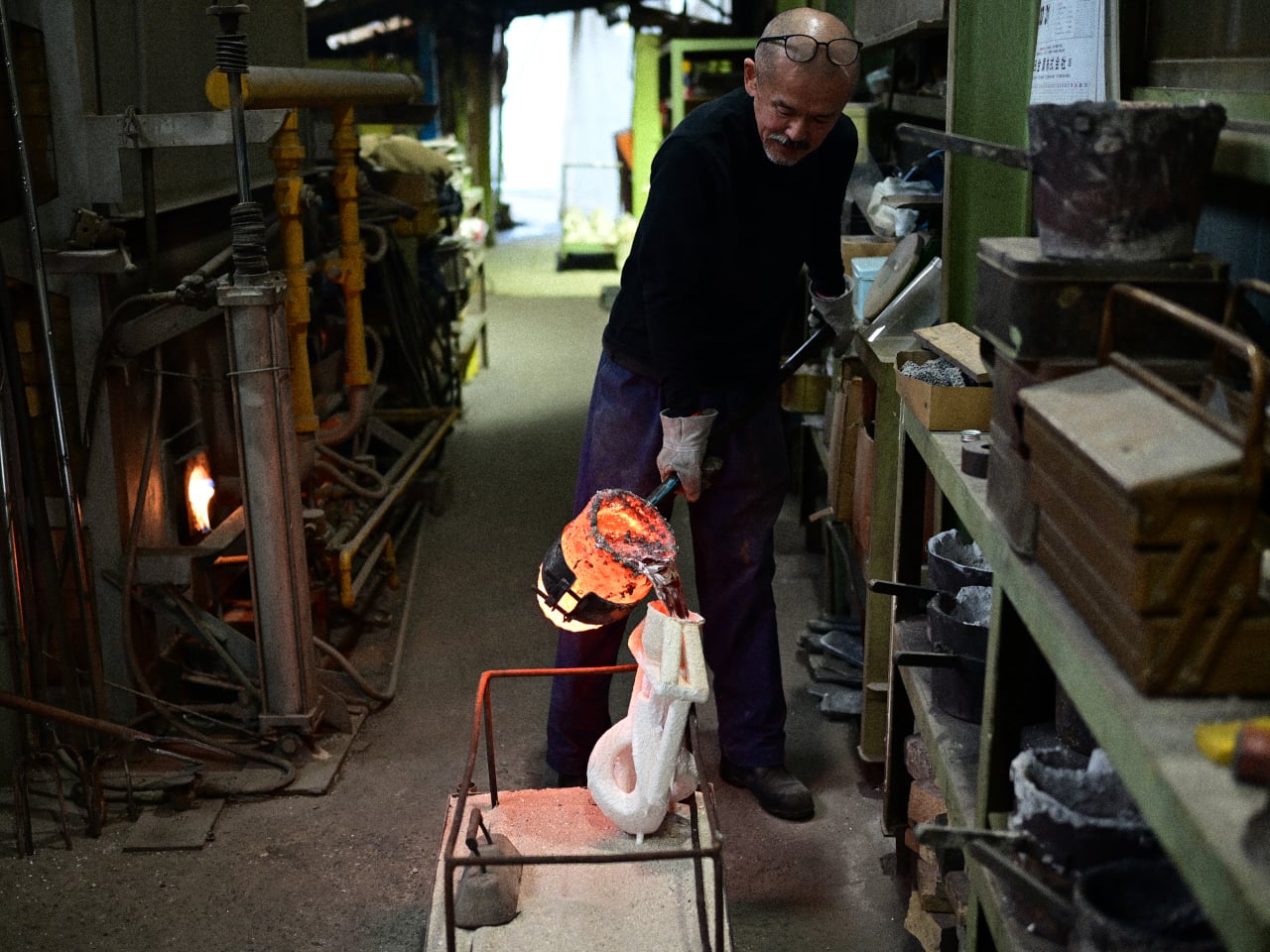
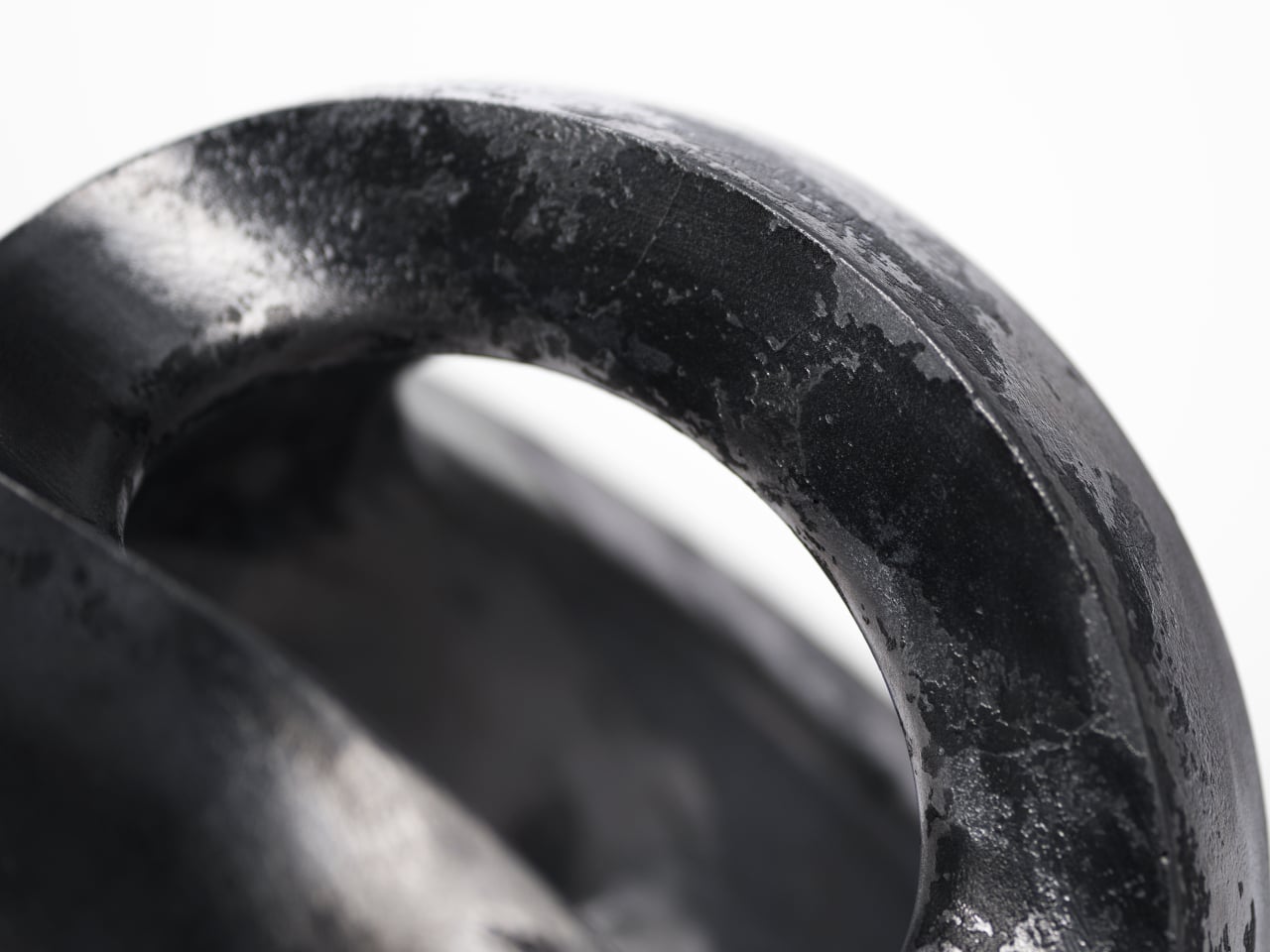
Tokyo-based product designer Kenji Abe took a different approach with Aperire, a lighting fixture cast entirely from discarded aluminum cans. Rather than refining the material beyond recognition, he deliberately left in the impurities. The wrinkles, air bubbles, and traces of ink from the original cans were preserved as surface texture, turning what most casting processes would filter out into the fixture’s defining character.
Designer: Kenji Abe

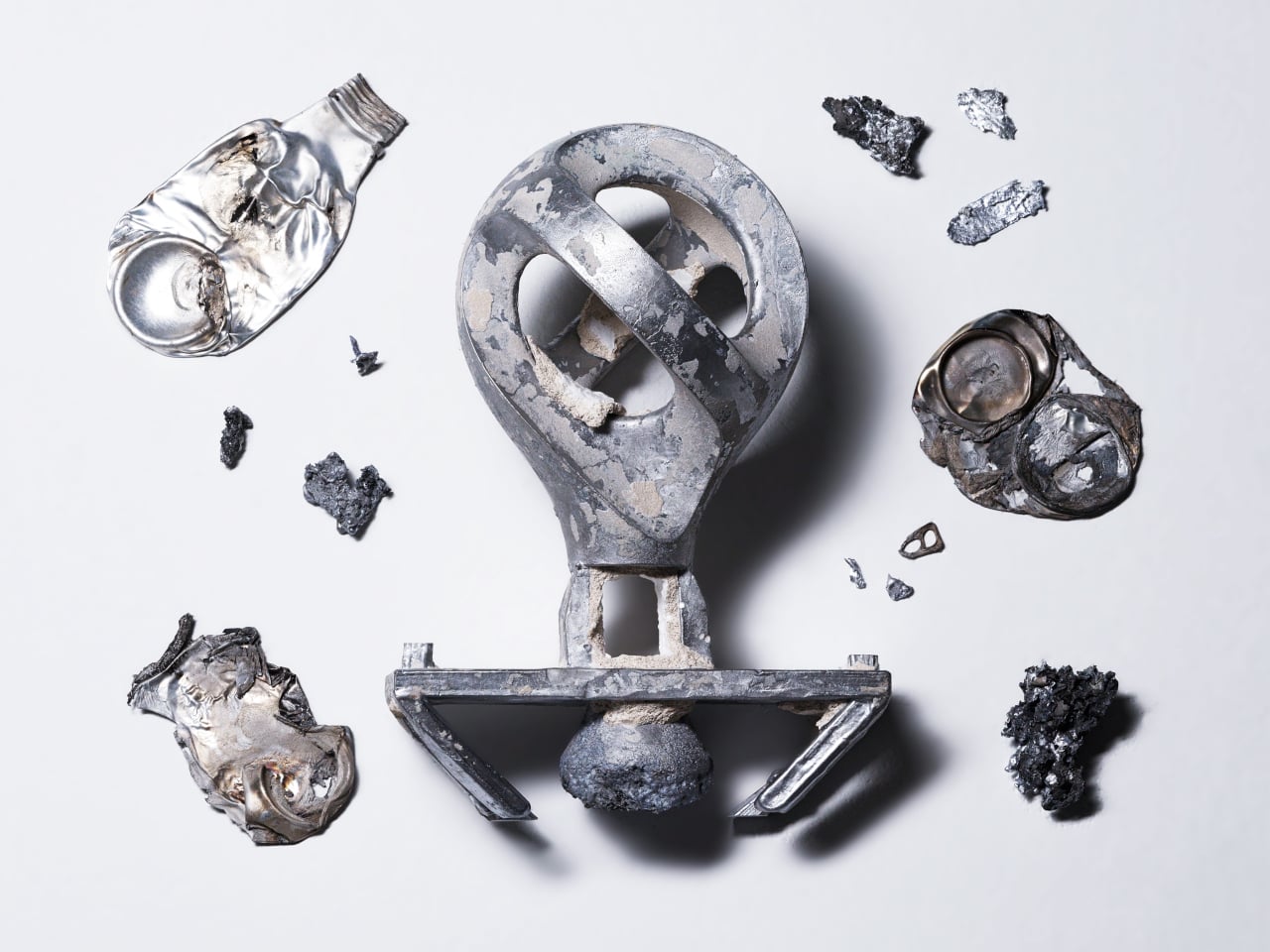
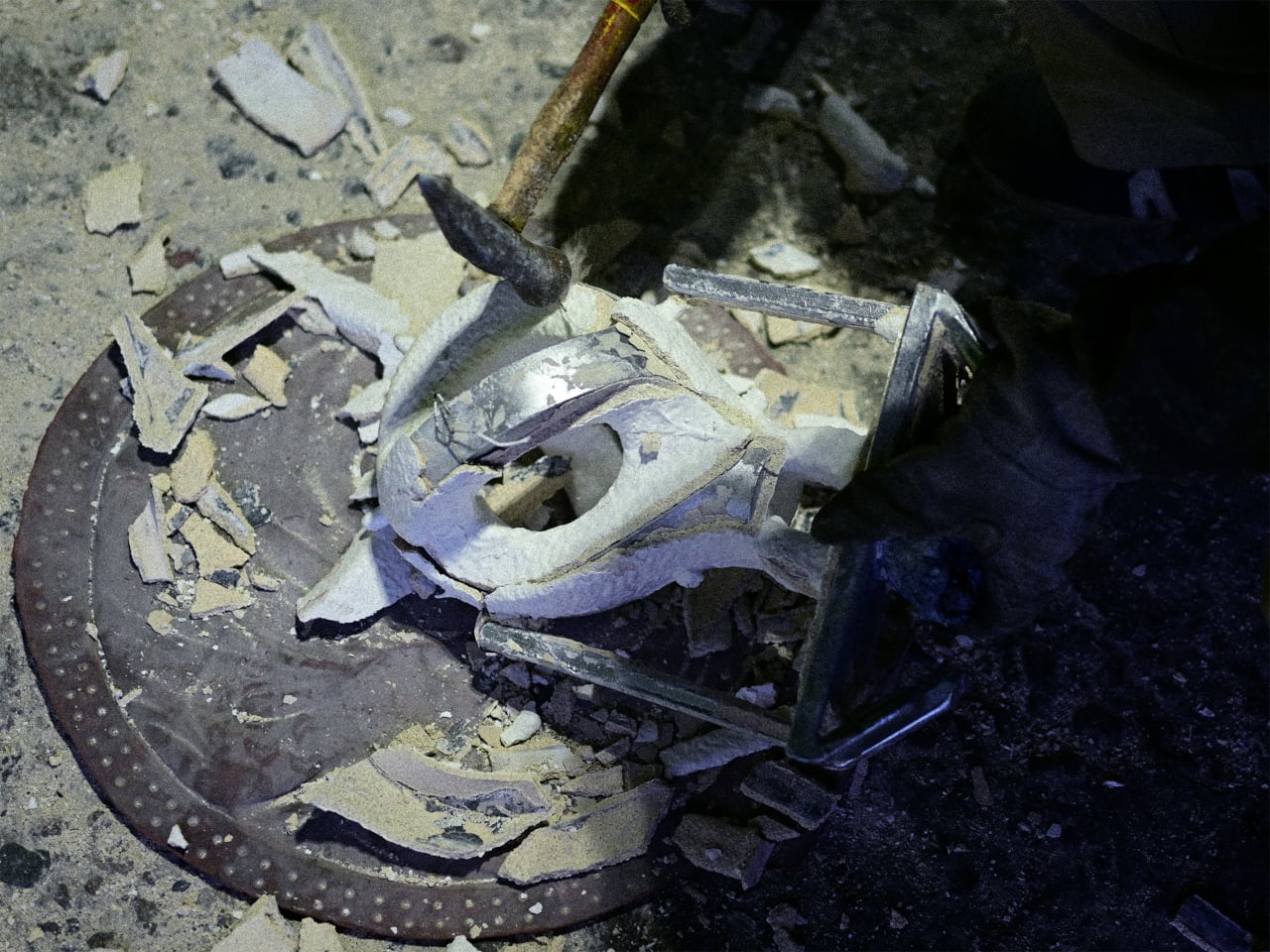
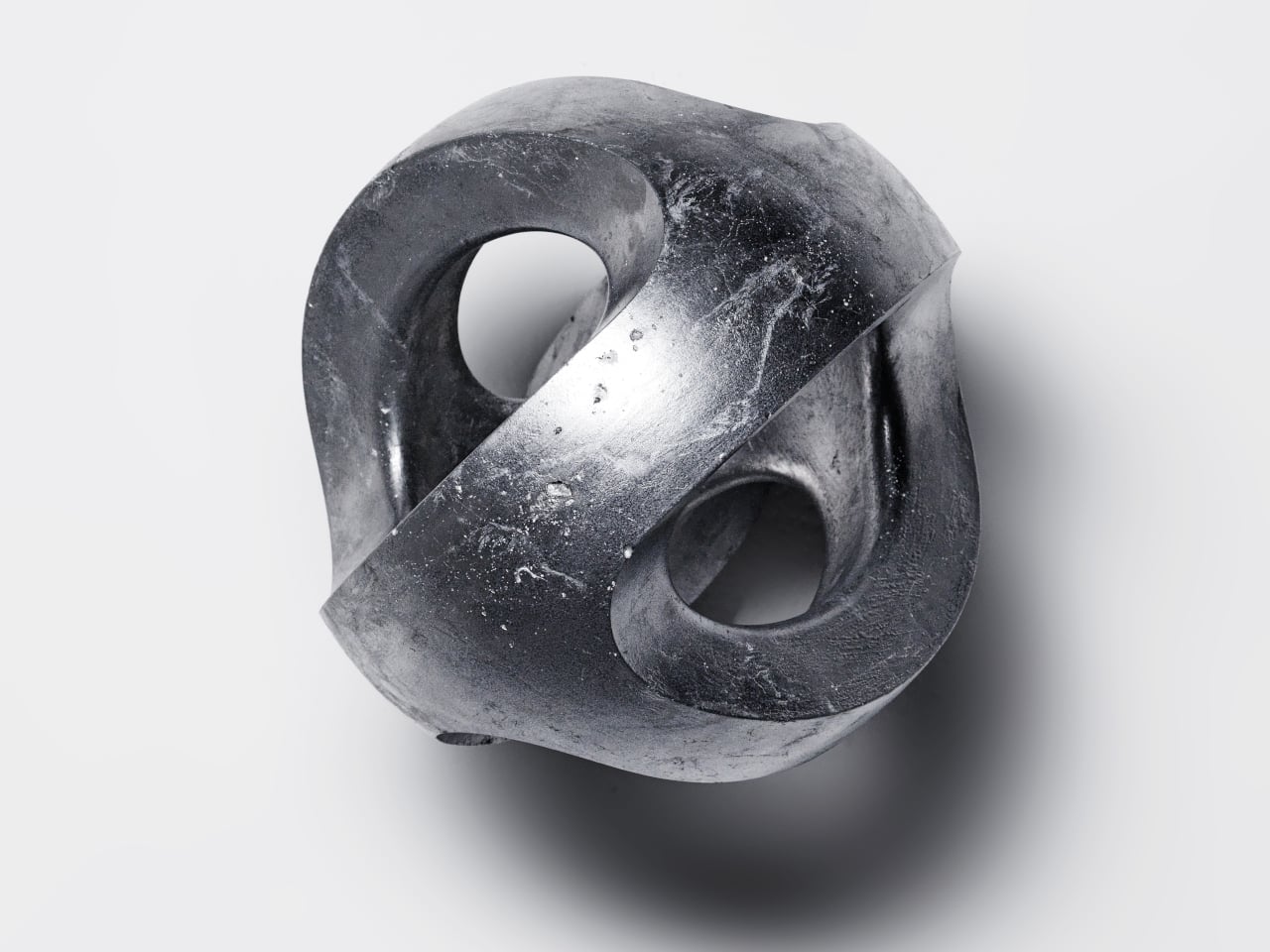
Melting the cans down without removing too many impurities is what produces that surface. Each piece ends up slightly different, carrying unpredictable marks that no two castings will ever replicate. Traces of ink from labels and other irregularities seep through the metal, and the result reads less like manufactured aluminum and more like weathered stone or bone. The artificial origin becomes genuinely difficult to place.
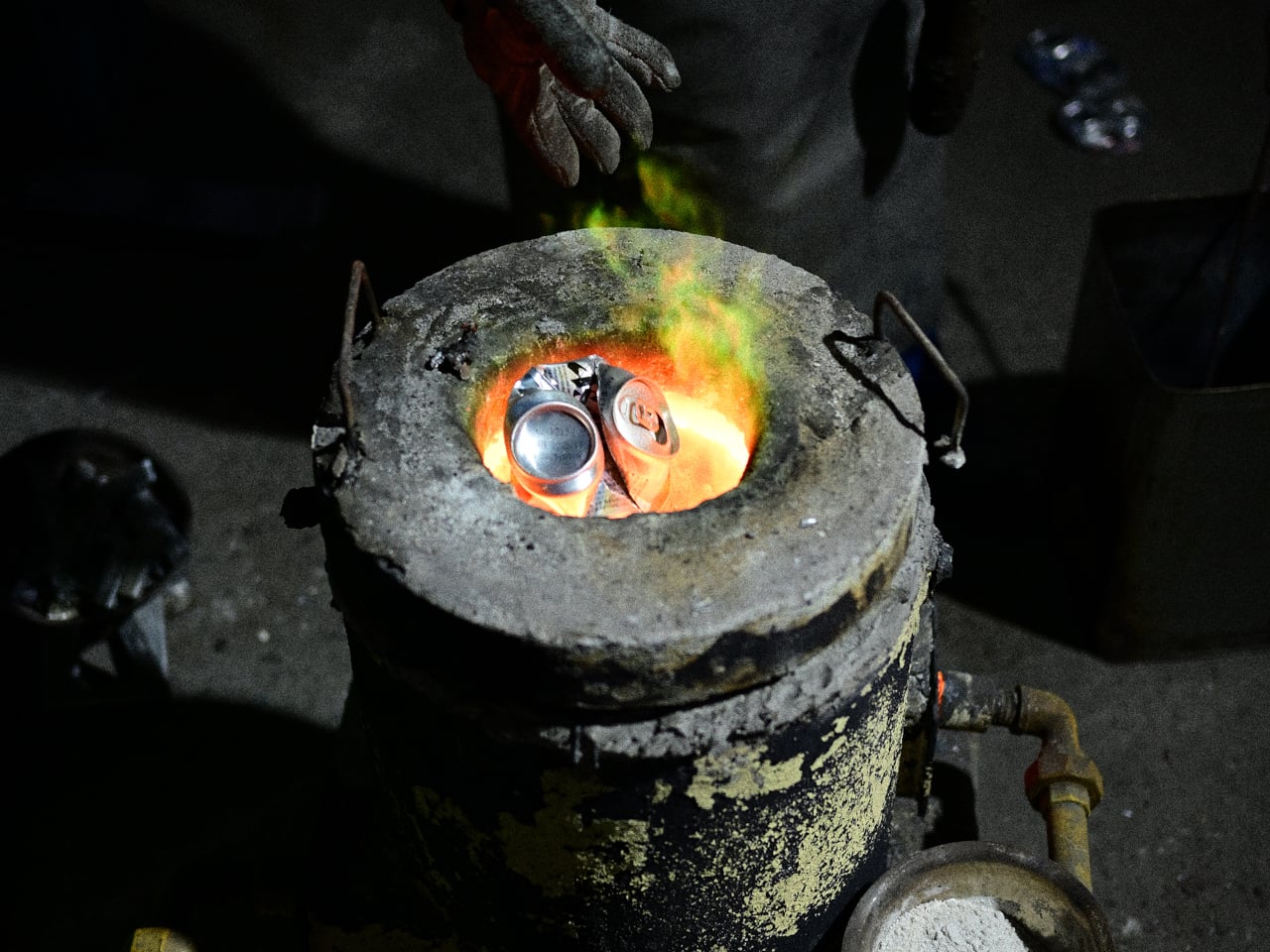
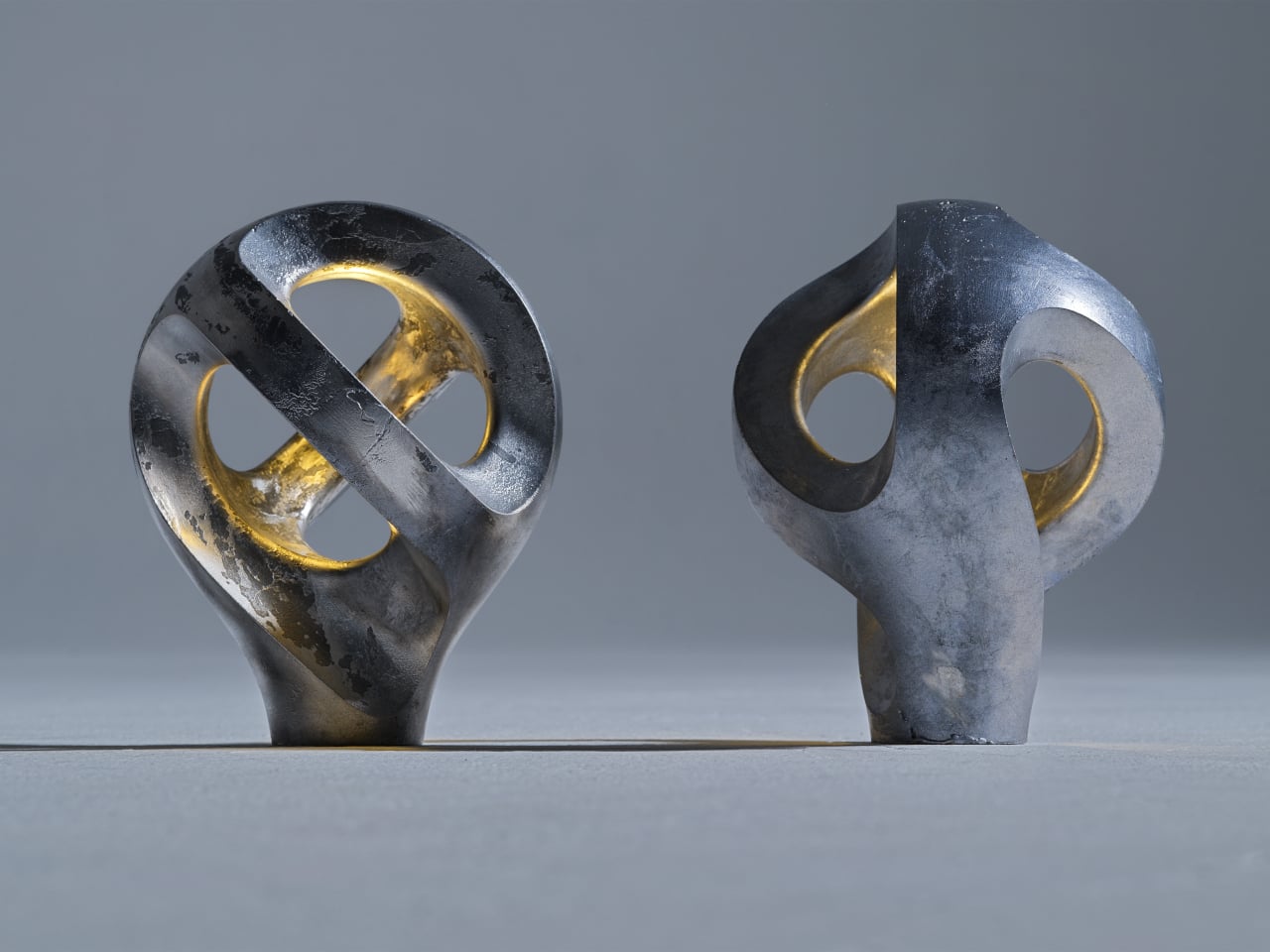
The finish that results reads almost like a natural material. The same surface might show shallow depressions, irregular ridges, or fine lines that look nothing like machined metal. Paired with the organic, chambered form, it makes Aperire genuinely hard to identify on first glance. The cans are unmistakably present in the material’s history, but they aren’t visible in what the object has become.
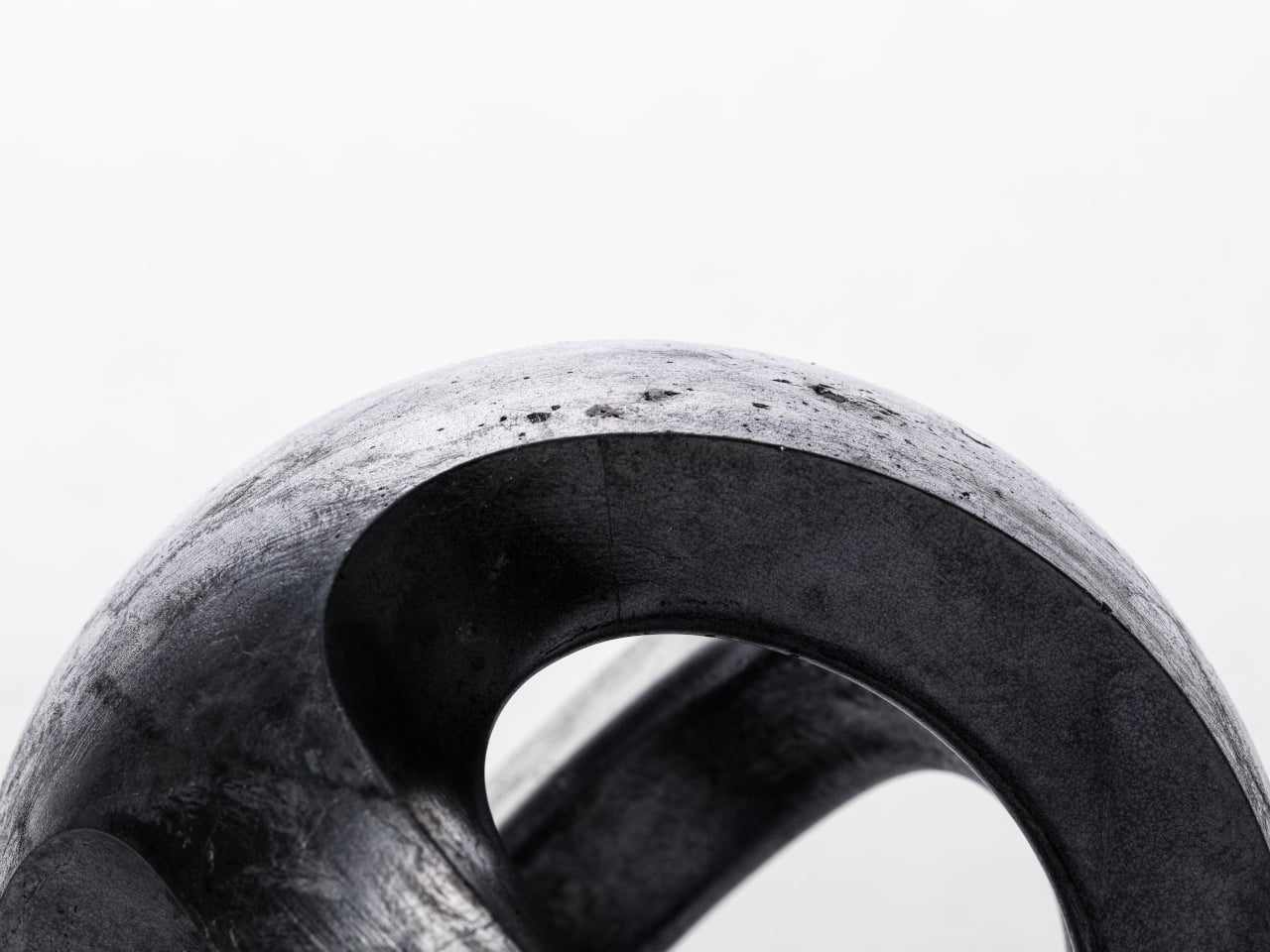
The shape itself draws from an equally unexpected source: foraminifera, the microscopic marine organisms whose skeletons are riddled with tiny holes and chambers. Combined with the rough appearance of eroded rock, the form was built through the deliberate addition and subtraction of geometric shapes. Light reflects inside the hollow interior and finds its way out through the openings, seeping gently outward rather than projecting.
The name carries a few threads that converge on the same idea. Aperire is Latin for “to open,” connecting to aperture, the camera mechanism that controls how much light passes through. It also traces back to April, the season when flowers open. For a fixture that lets light slowly leak outward rather than announce itself, the name seems less like branding than an accurate description of what the object does.
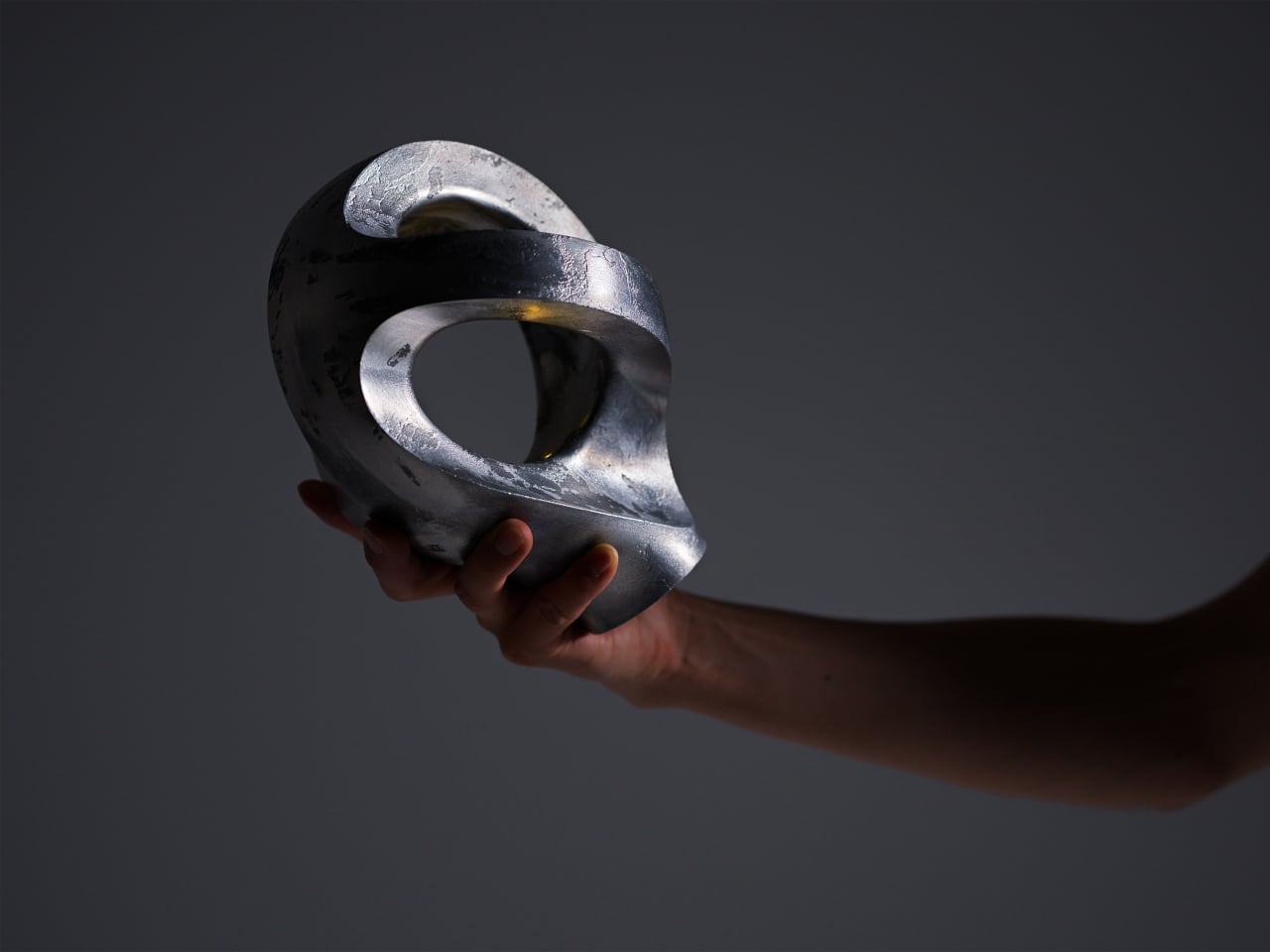
The fixture doesn’t make a loud case for sustainability as a concept; it just happens to be made from something that would otherwise be discarded, and it shows it. That quiet honesty gives it a credibility that purpose-built eco-aesthetic objects rarely manage. The cans stop being waste, stop being raw material, and become something that earns its place on a table or shelf without the sustainability narrative doing the heavy lifting. The object handles that part itself.