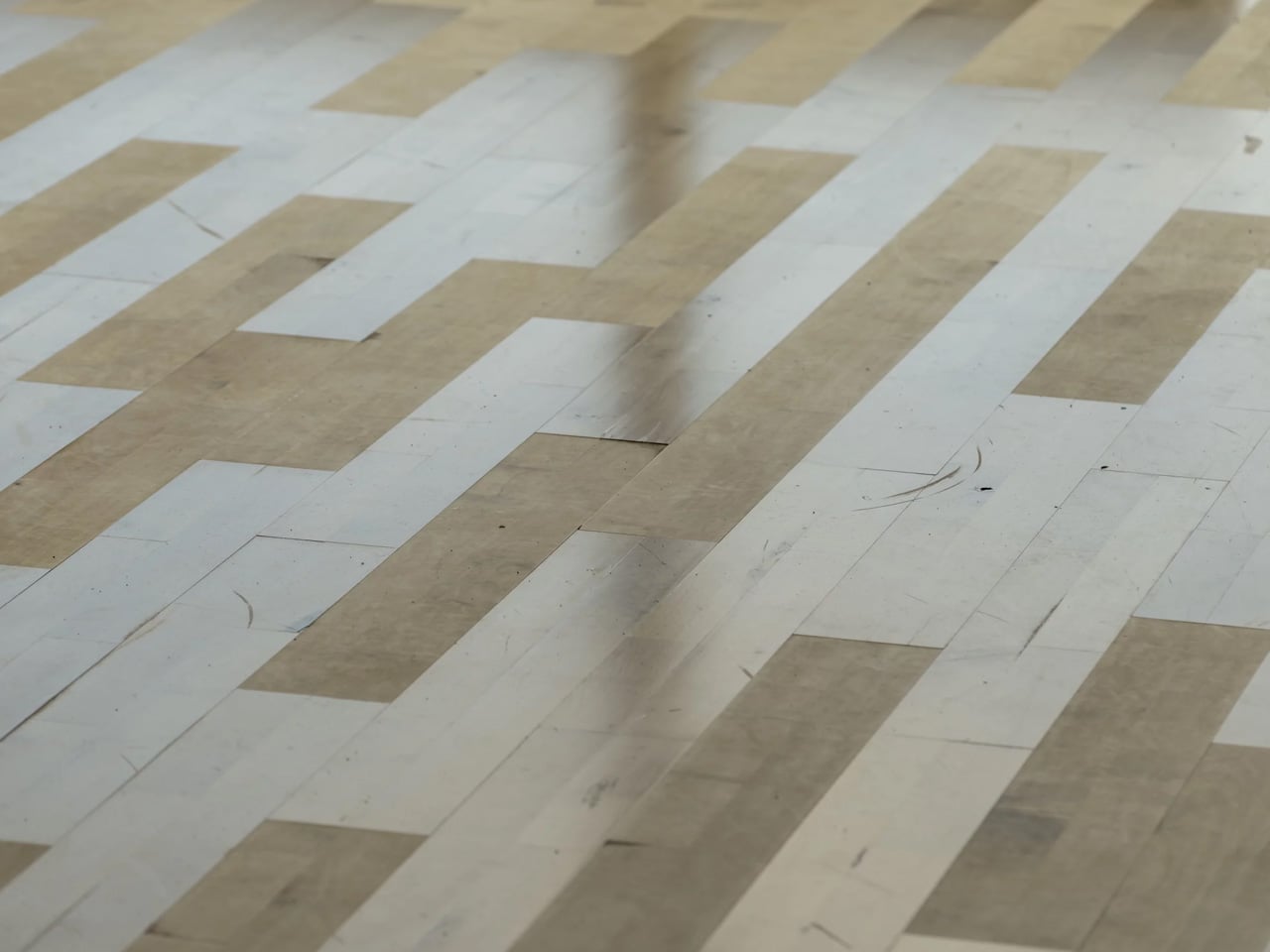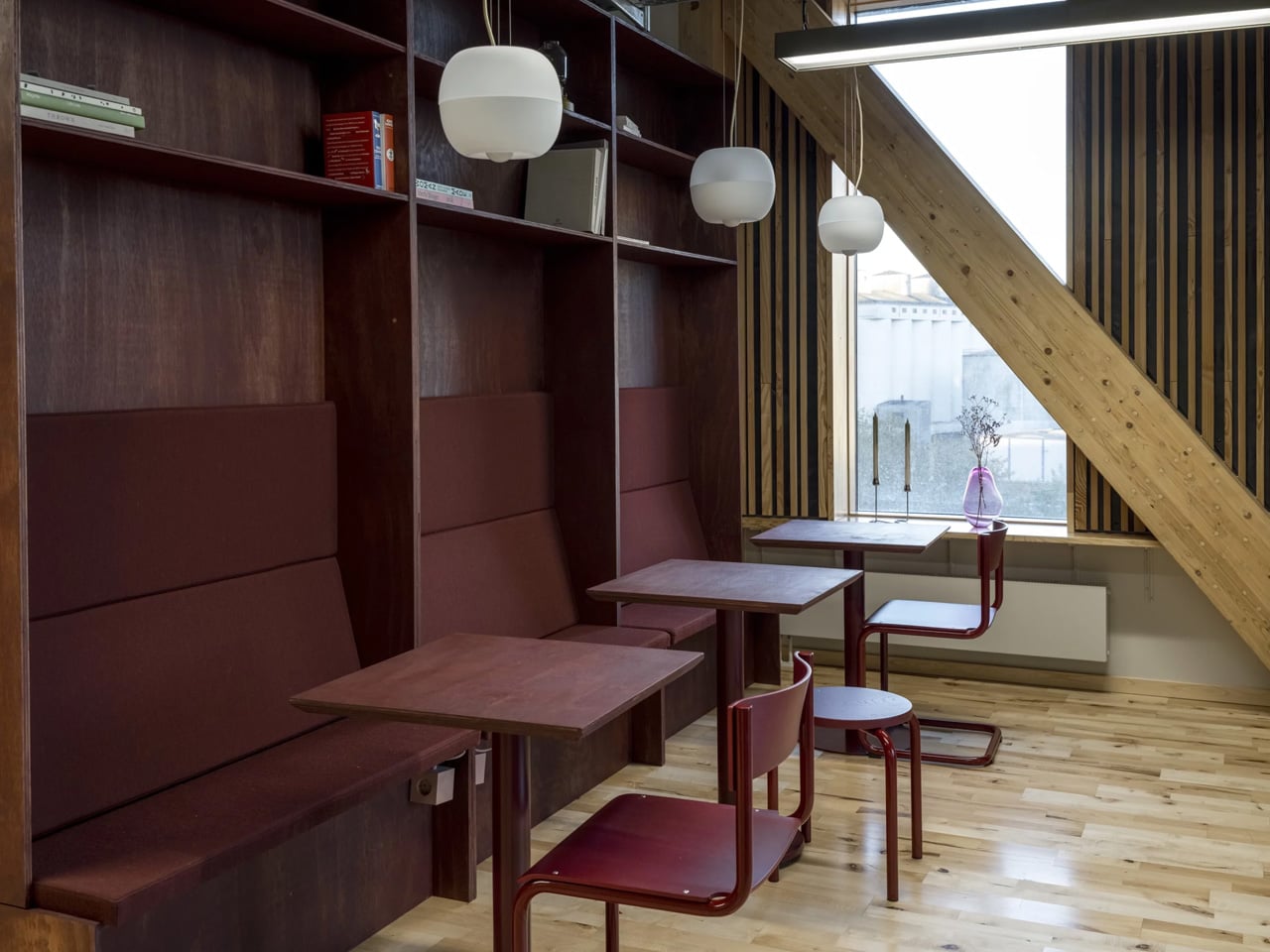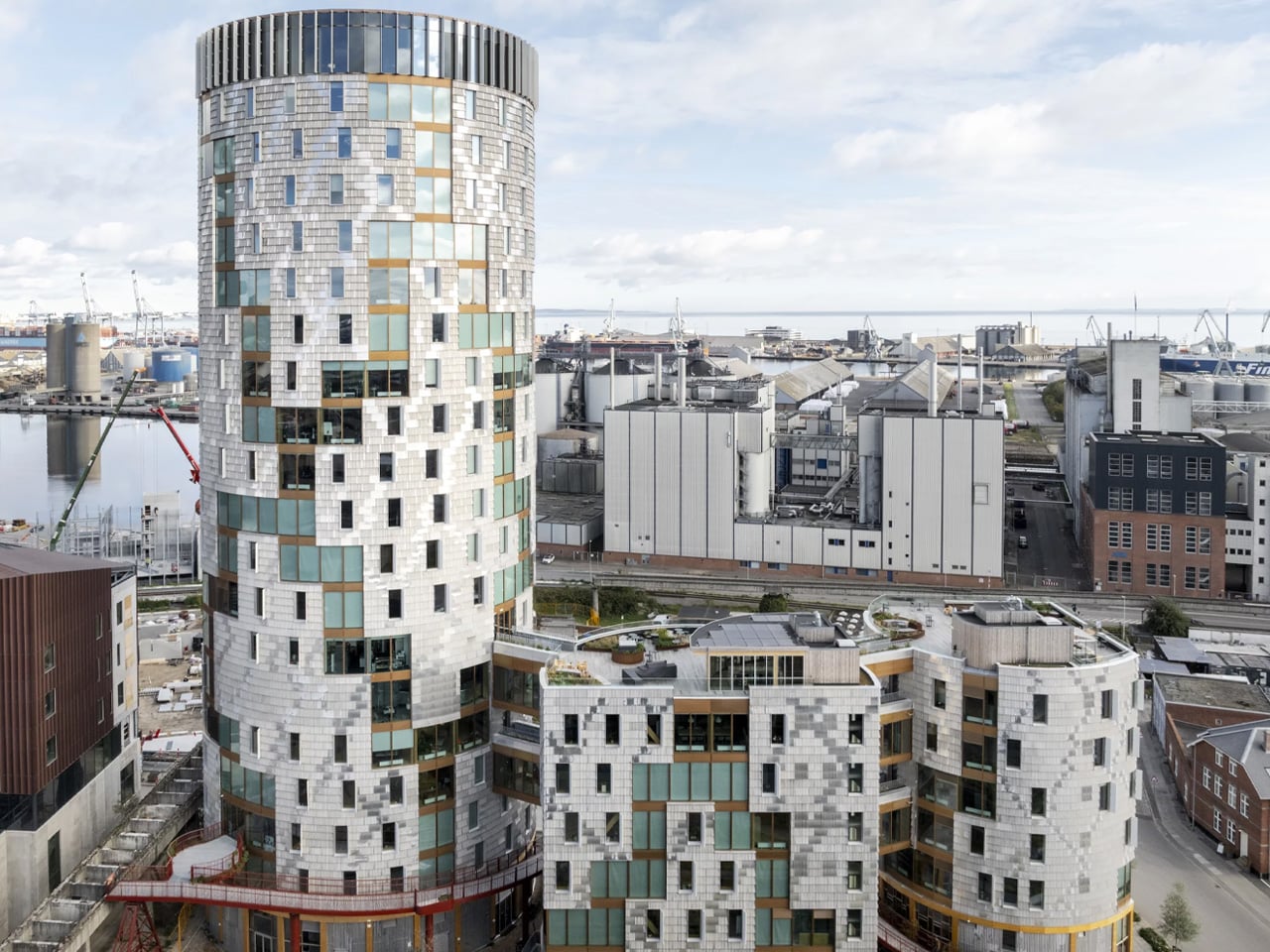

There’s a word in Danish, ‘træ’, that means three things at once: tree, timber, and three. It’s a fitting name for a building that refuses to be just one thing. Designed by Lendager and completed in Aarhus’ former industrial South Harbour, TRÆ stands 78 meters tall across three interconnected volumes, earning its place as Denmark’s tallest timber tower and the world’s first upcycle timber tower.
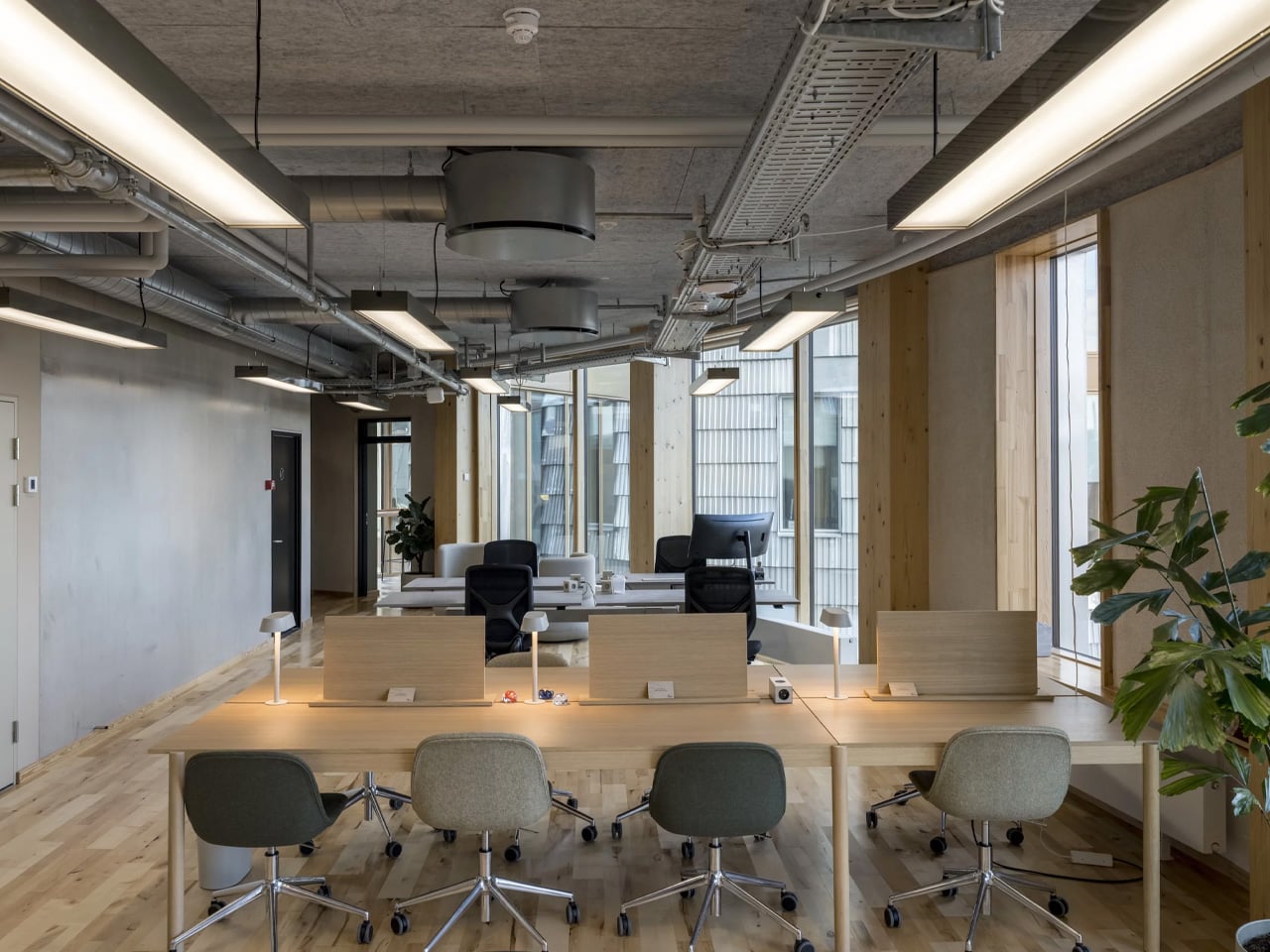
The ambition behind it is disarmingly simple: prove that a tower can be built from waste and wood without sacrificing safety, economy, or quality. What makes TRÆ remarkable isn’t just the height, it’s the conviction. The building operates within two material ecosystems simultaneously: the biogenic and the circular. Mass timber columns, cross bracing, and CLT floor slabs form the primary structure, with low-carbon concrete used only in the cores for fire safety and stability. Everything else is drawn from what already exists.
Designer: Lendager
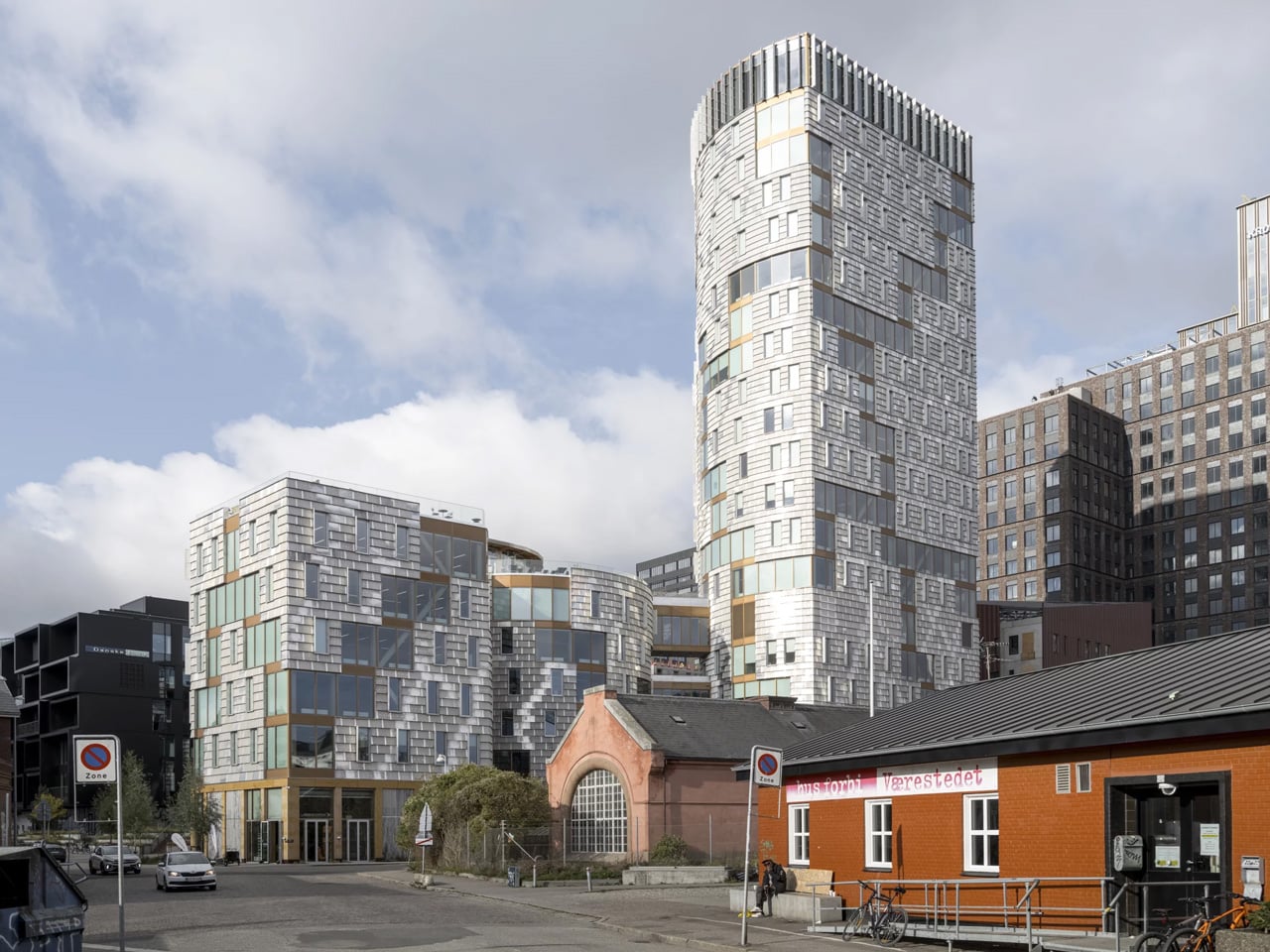
The façades are the project’s most striking argument. Salvaged aluminium sheets, arranged to evoke the texture of birch bark, mottled, imperfect, alive, clad the exterior in industrial leftovers that feel entirely intentional. Retired wind turbine blades, repurposed as solar shading, line the building’s south-facing elevations. A comparative analysis showed their estimated carbon footprint to be 27 times lower than conventional aluminium solar screens. The math is compelling. The aesthetic is better.
Measured against a conventional concrete benchmark, TRÆ achieved a 26 percent reduction in CO₂ emissions, 21 percent from the timber-led design and 5 percent from integrated reused materials. It’s a number that reshapes the conversation around tower construction, a typology long associated with emissions-heavy concrete and steel. The project doesn’t chase certification checklists. Instead, it follows a value-driven framework that prioritises measurable outcomes from the ground up.
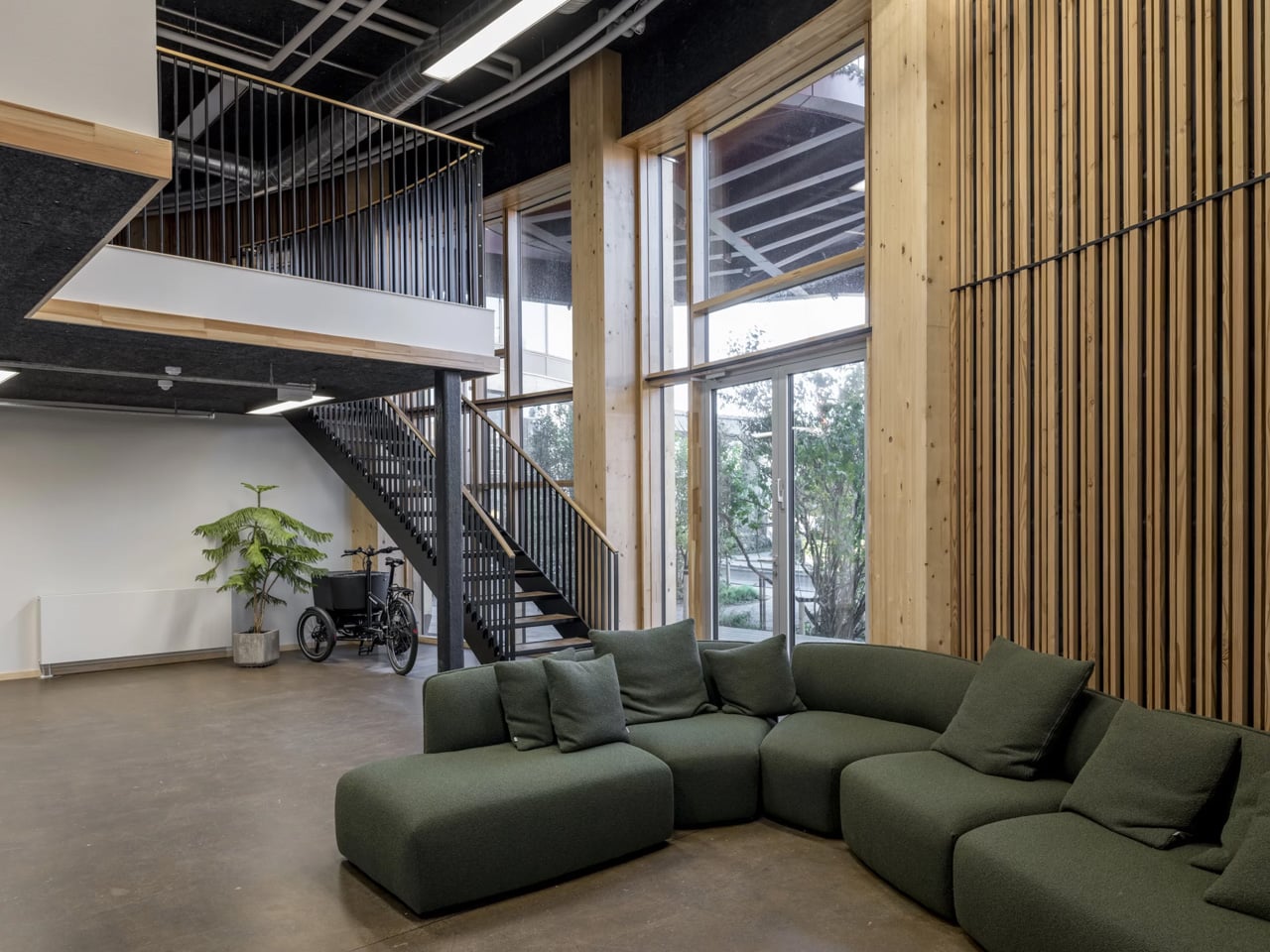
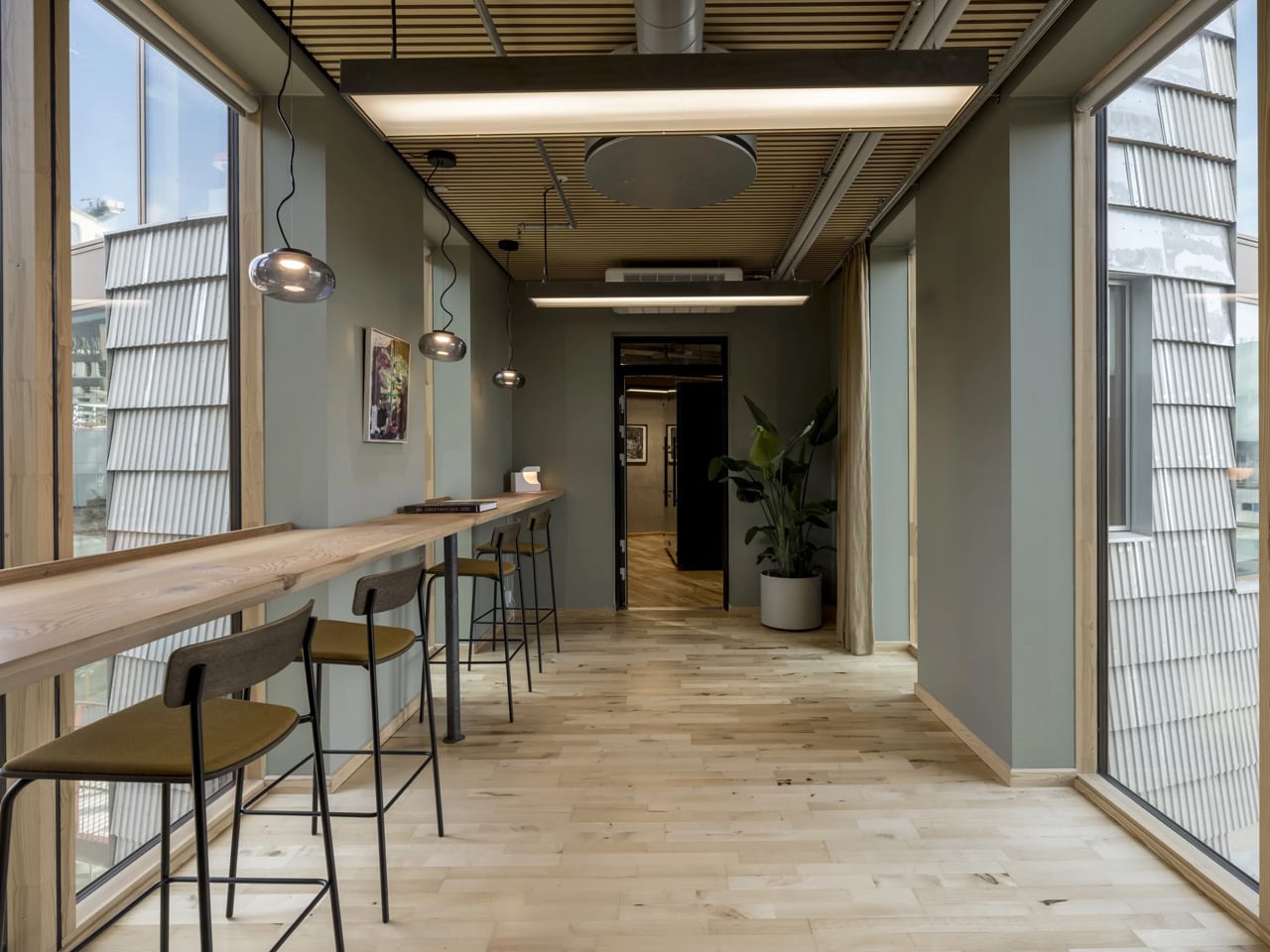
The social dimension is just as deliberate. TRÆ houses a volunteer initiative providing daily meals to families in need, and involves homeless people in the building’s upkeep, folding existing social realities directly into the life of the building. An undulating pedestrian bridge, starting at street level, snakes upward to connect TRÆ to Aarhus’ new highline, threading the tower into the city rather than above it.
The Aarhus Architecture Awards jury awarded TRÆ Best Building in 2025, noting that it “does not necessarily adhere to a classic architectural or beauty ideal” but stands as “an energetic reckoning with well-tested solutions and zero-error culture.” That’s exactly the point. TRÆ isn’t trying to be perfect. It’s trying to be right.