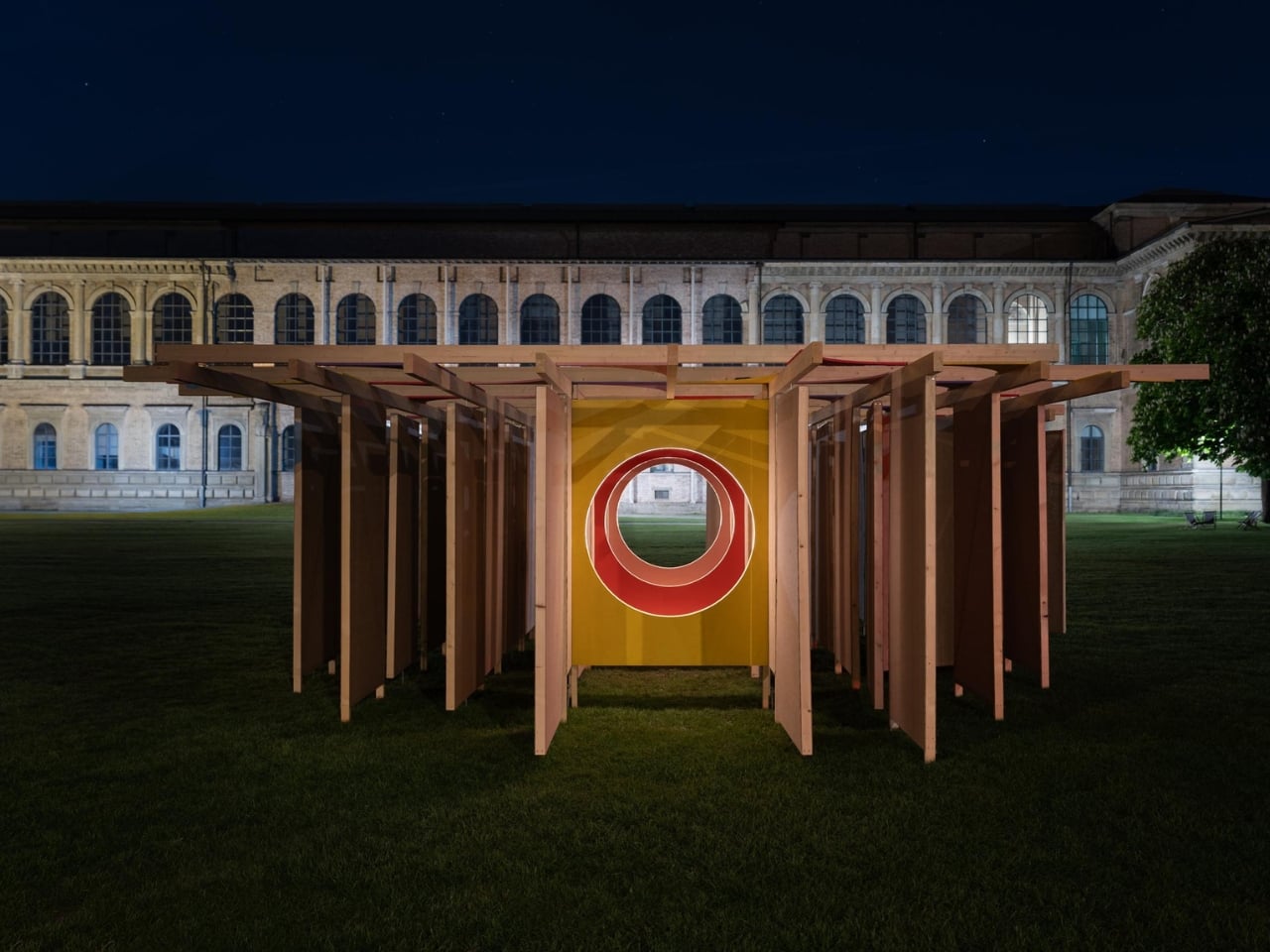

When a design installation borrows its name from a Gen Z slang term, you might expect something shallow. Something Instagram-first, substance-optional. DELULU, the jute fabric labyrinth created by Studio Carraldo for Munich Creative Business Week 2026, is not that. It takes a word that’s been used mostly for self-deprecating humor and stretches it into something genuinely thoughtful. Something worth walking through, both literally and figuratively.
The word “delulu,” for the uninitiated, is short for “delusional.” It’s the kind of slang that appears in captions and comment sections, usually to describe someone (often the speaker themselves) who’s holding out hope that doesn’t quite line up with reality. It’s got humor to it, but underneath the joke is something real: the experience of being a young person navigating a world that feels increasingly difficult to make sense of, shaped by climate anxiety, economic uncertainty, and the relentless noise of digital life.
Designer: Studio Carraldo
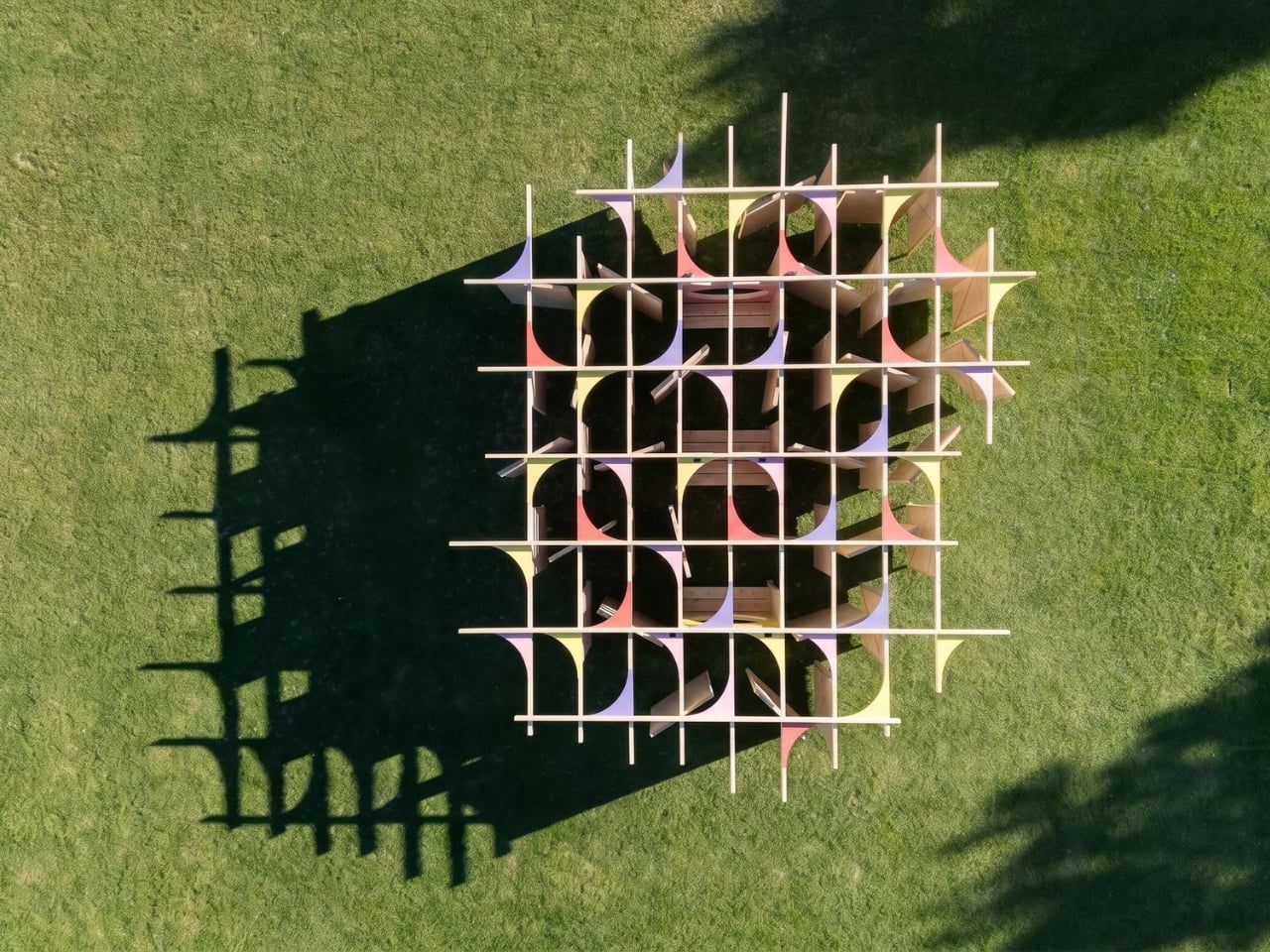
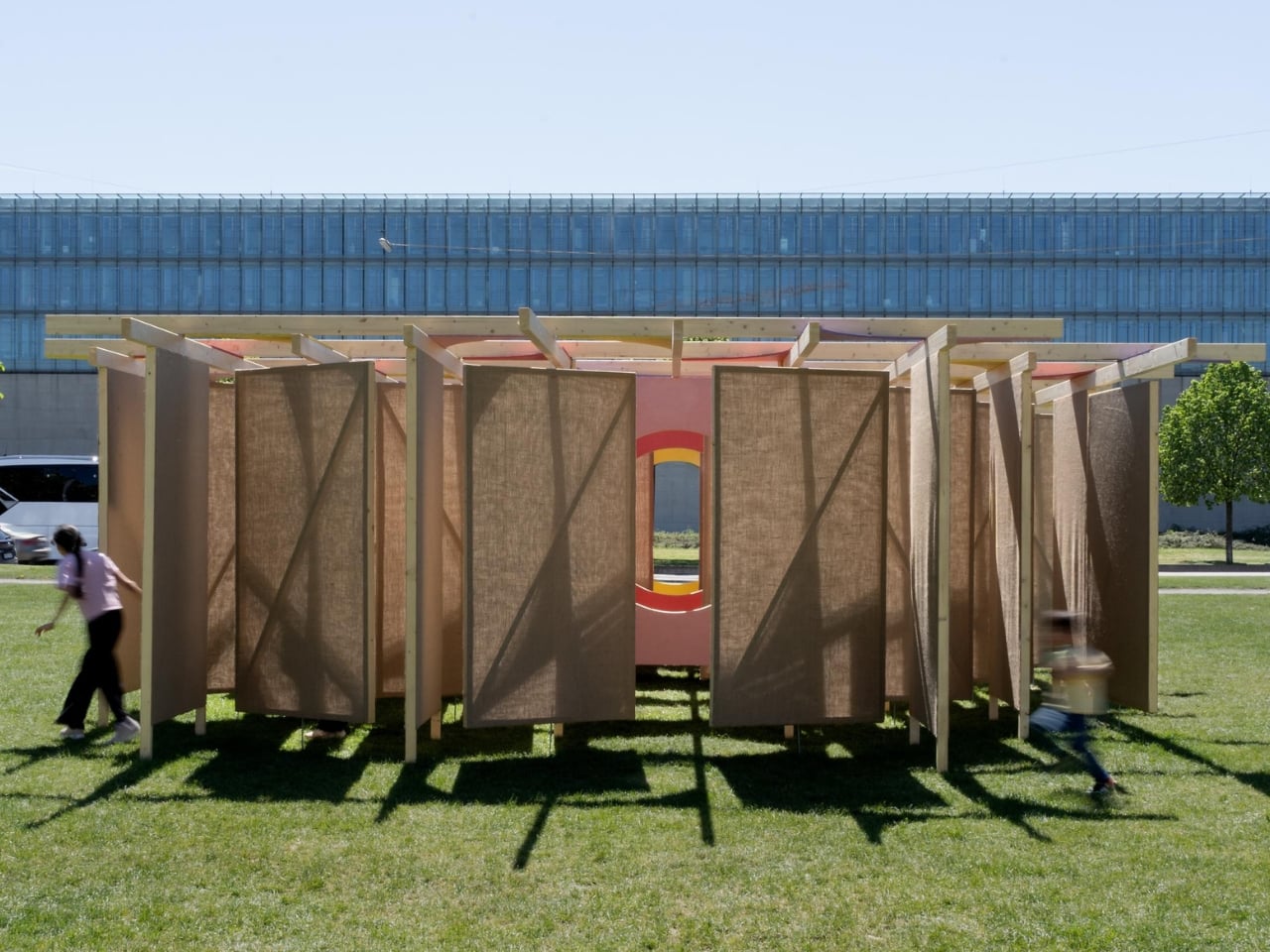
Studio Carraldo took that emotional texture and built a room out of it. Literally. DELULU is a walkable labyrinth constructed with jute fabric walls that shift, creating pathways that are never fully fixed. Visitors move through the space not knowing where the next turn leads, alternating between moments of solitude and unexpected encounters with other people. The whole experience sits somewhere between play and unease, which, when you think about it, is a pretty accurate description of where a lot of us are right now.
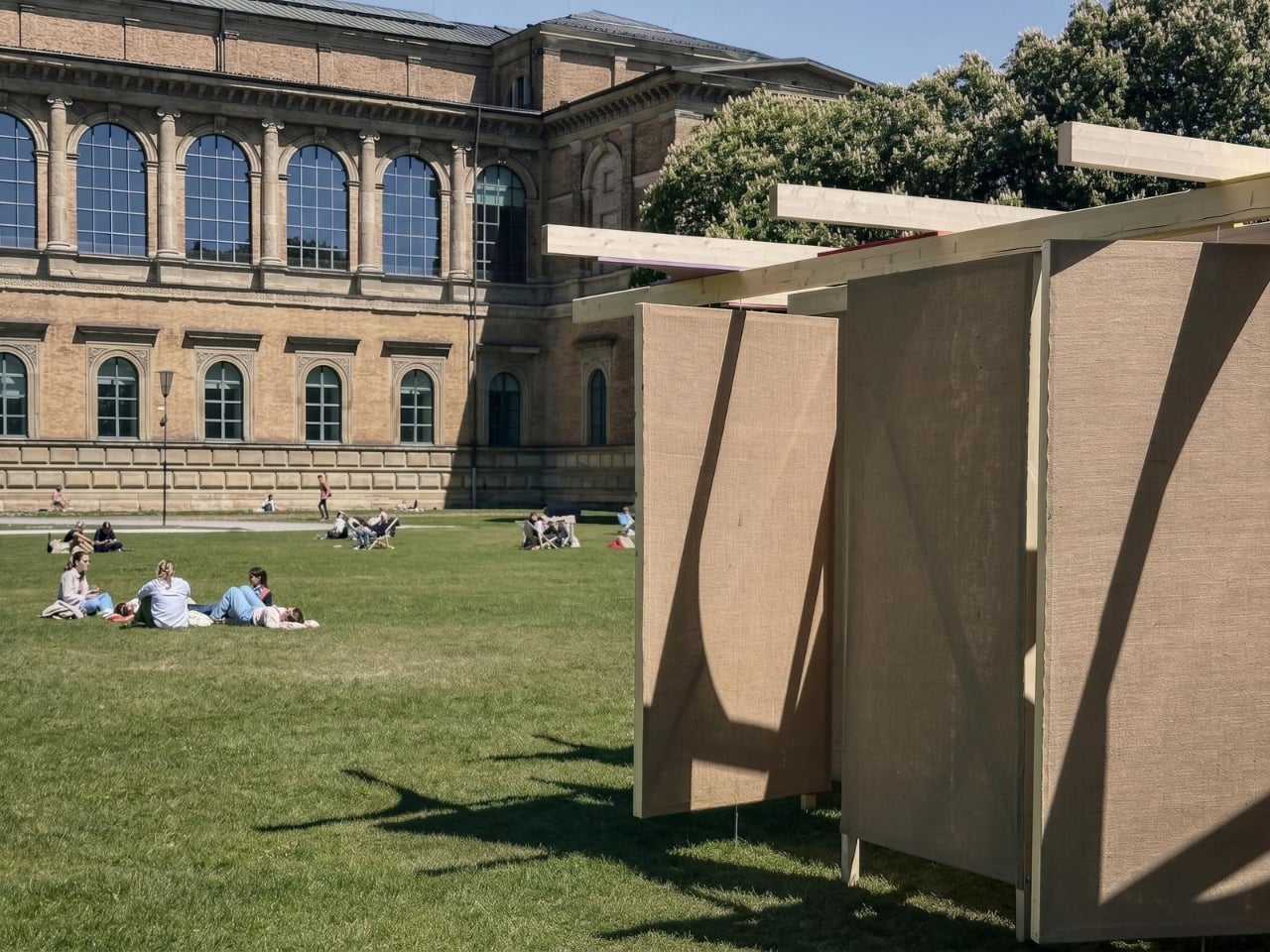
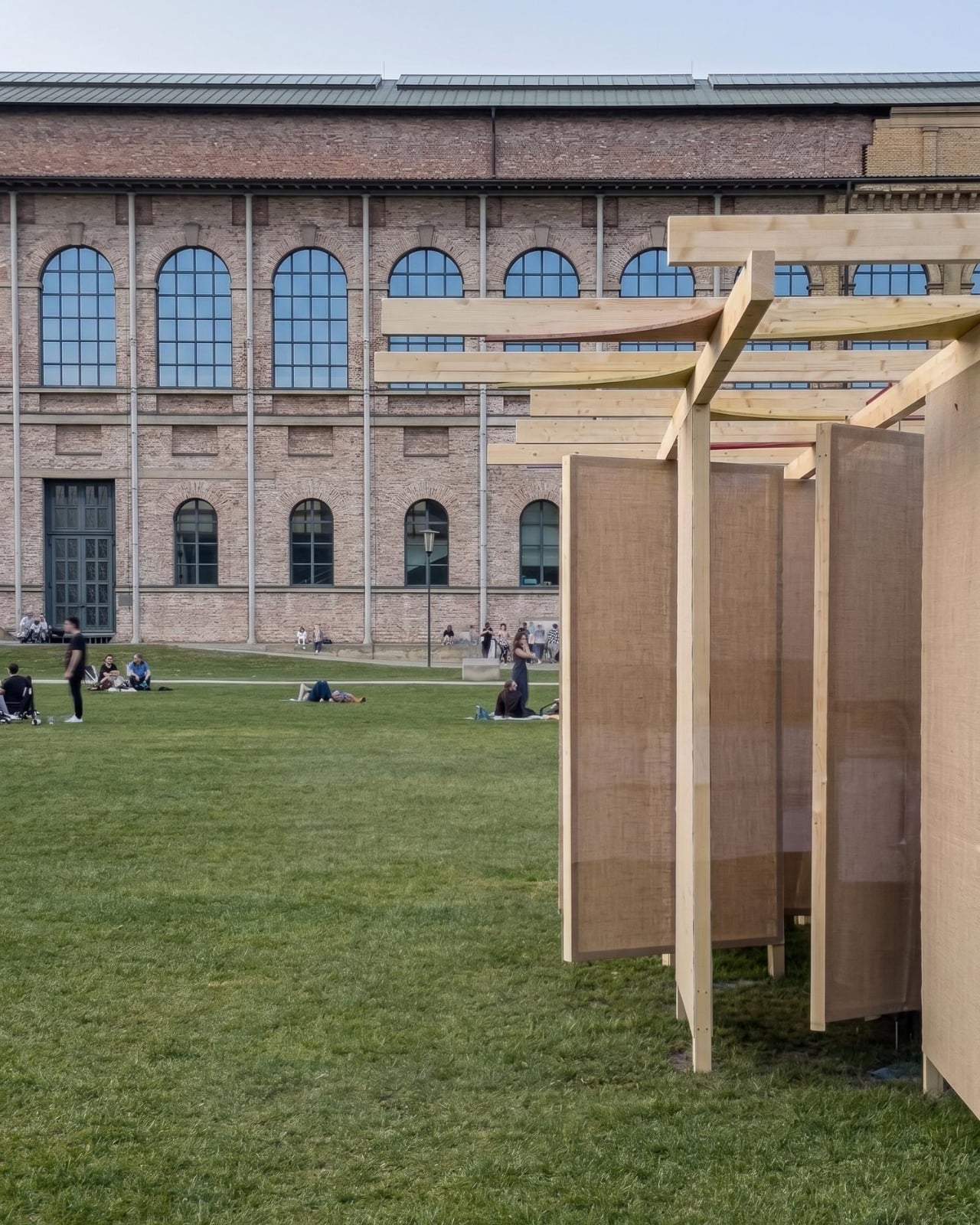

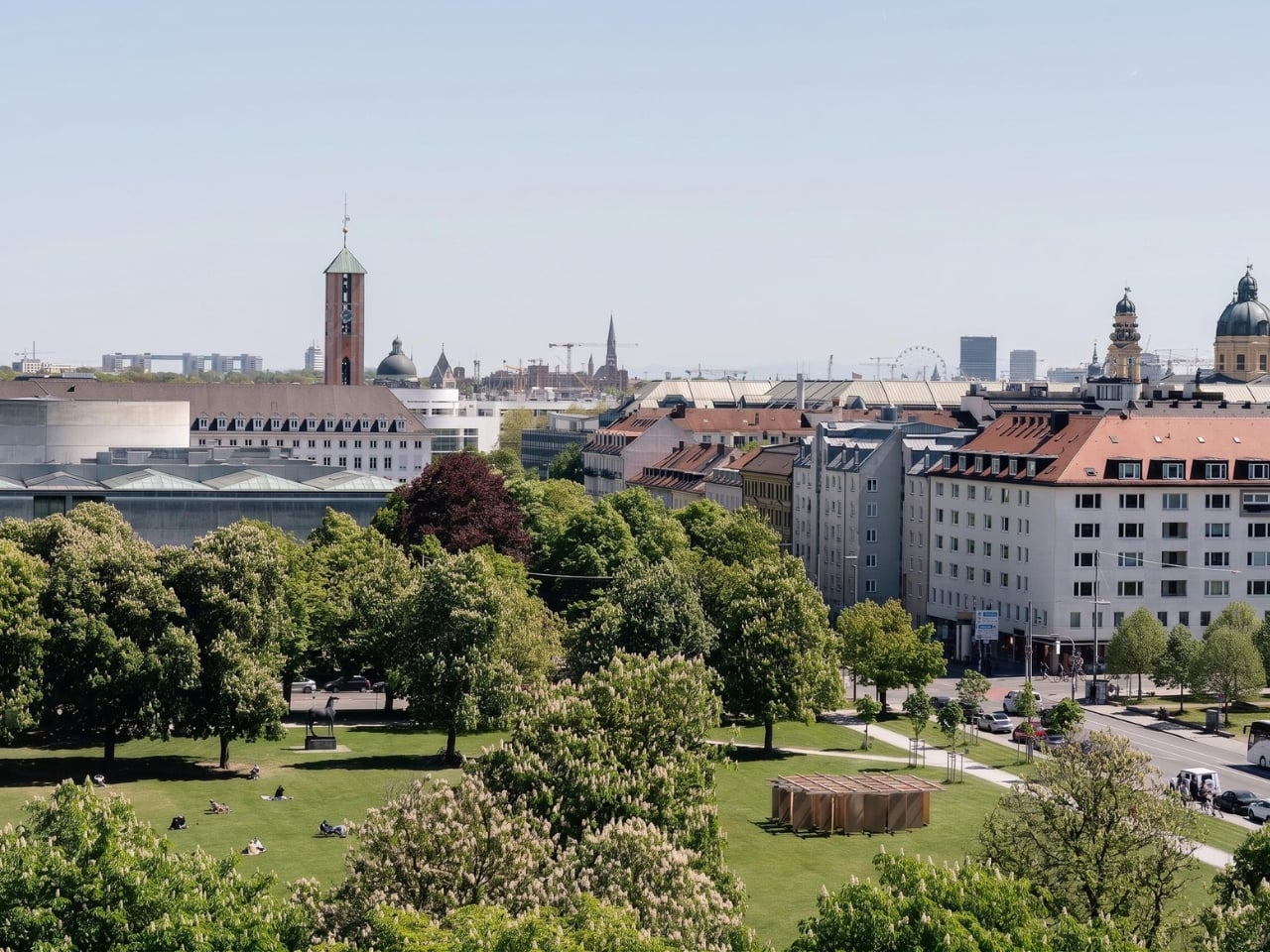
The installation was presented on the south lawn of the Alte Pinakothek during mcbw 2026, which ran under the theme “Playground of Possibilities.” That theme and DELULU make a good pair. The labyrinth isn’t a puzzle to be solved. It’s an experience to be had, and getting disoriented is built into the design on purpose. Studio Carraldo frames that disorientation not as a failure but as a creative opening, a moment where visitors stop navigating on autopilot and start paying attention.
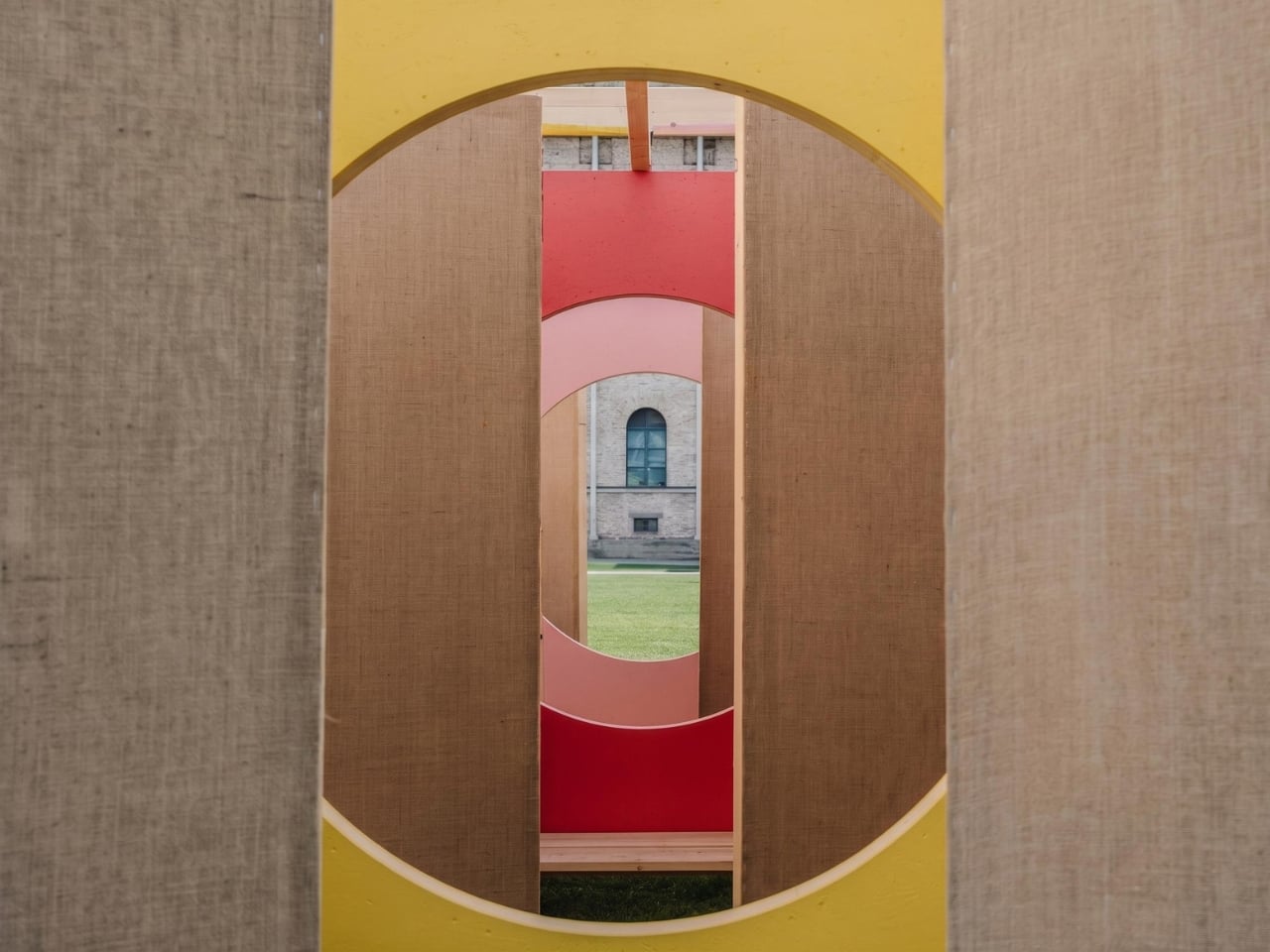
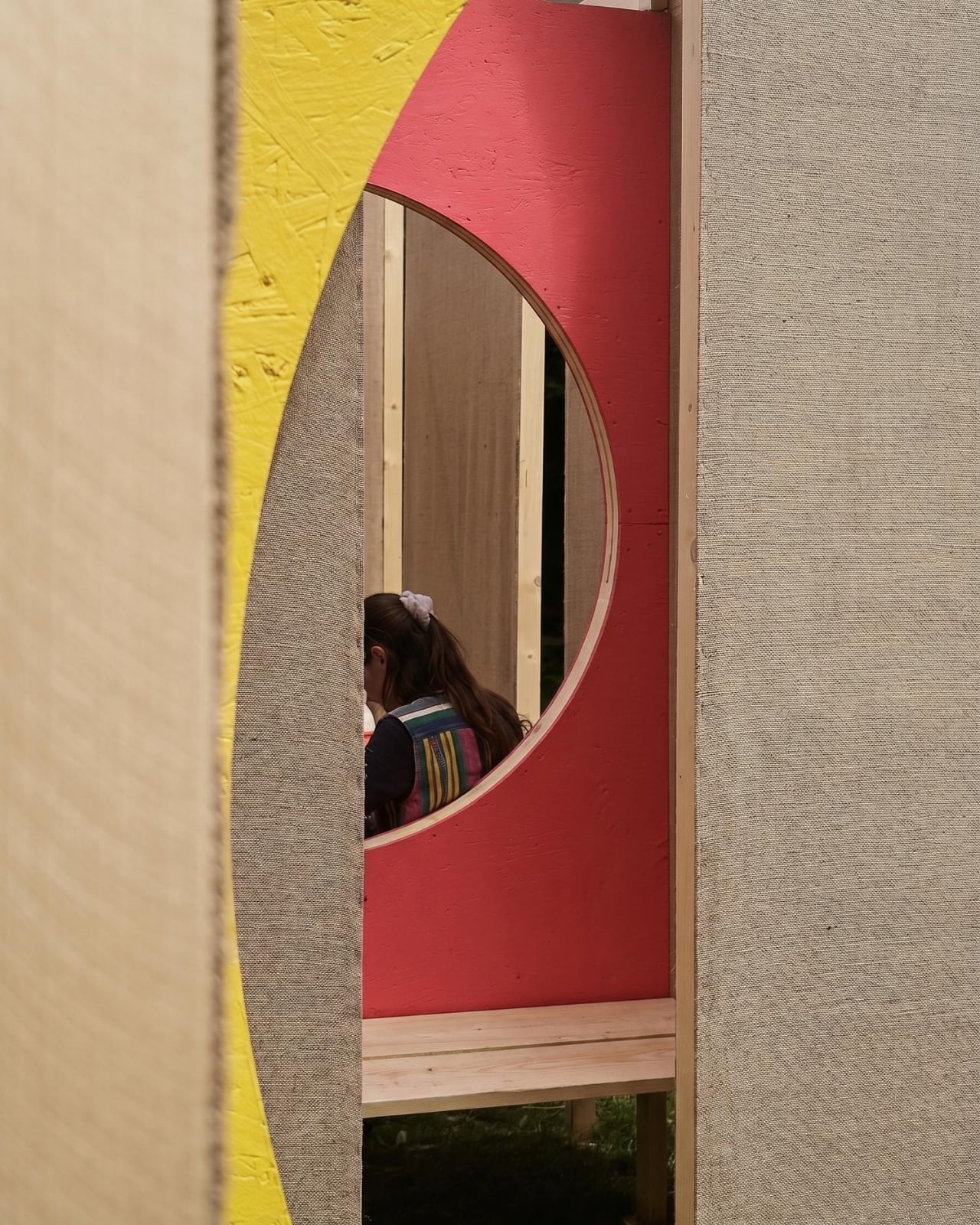
The conceptual backbone here draws on philosopher Timothy Morton’s idea of “hyperobjects,” phenomena so enormous and distributed that they’re essentially impossible to fully comprehend. Climate change is the canonical example. So is the internet. So is the feeling of collective dread that settles over many of us when we try to think clearly about the future. DELULU acknowledges that these things are too big to hold and asks what we do with ourselves inside that impossibility. The answer the installation seems to lean toward is: play. Not as avoidance, but as a way through.
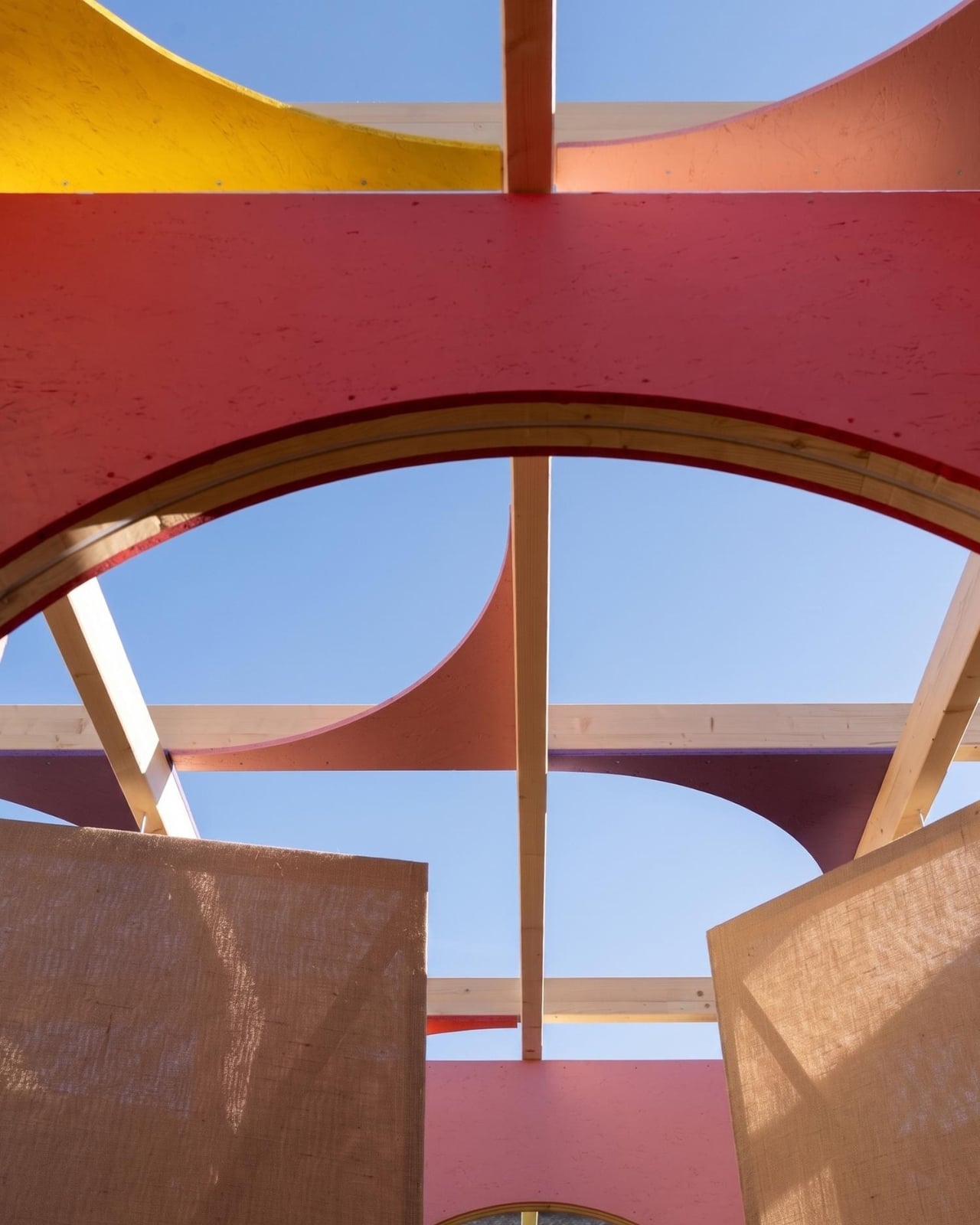
That reframing matters. The word “delulu” works as slang partly because it acknowledges the absurdity of hoping hard in difficult circumstances while also refusing to give that hope up entirely. It’s coping, yes, but it’s coping with a kind of style and self-awareness. Studio Carraldo seems to find genuine value in that instinct, and the installation treats it with more respect than most commentary on Gen Z’s coping mechanisms bothers to.
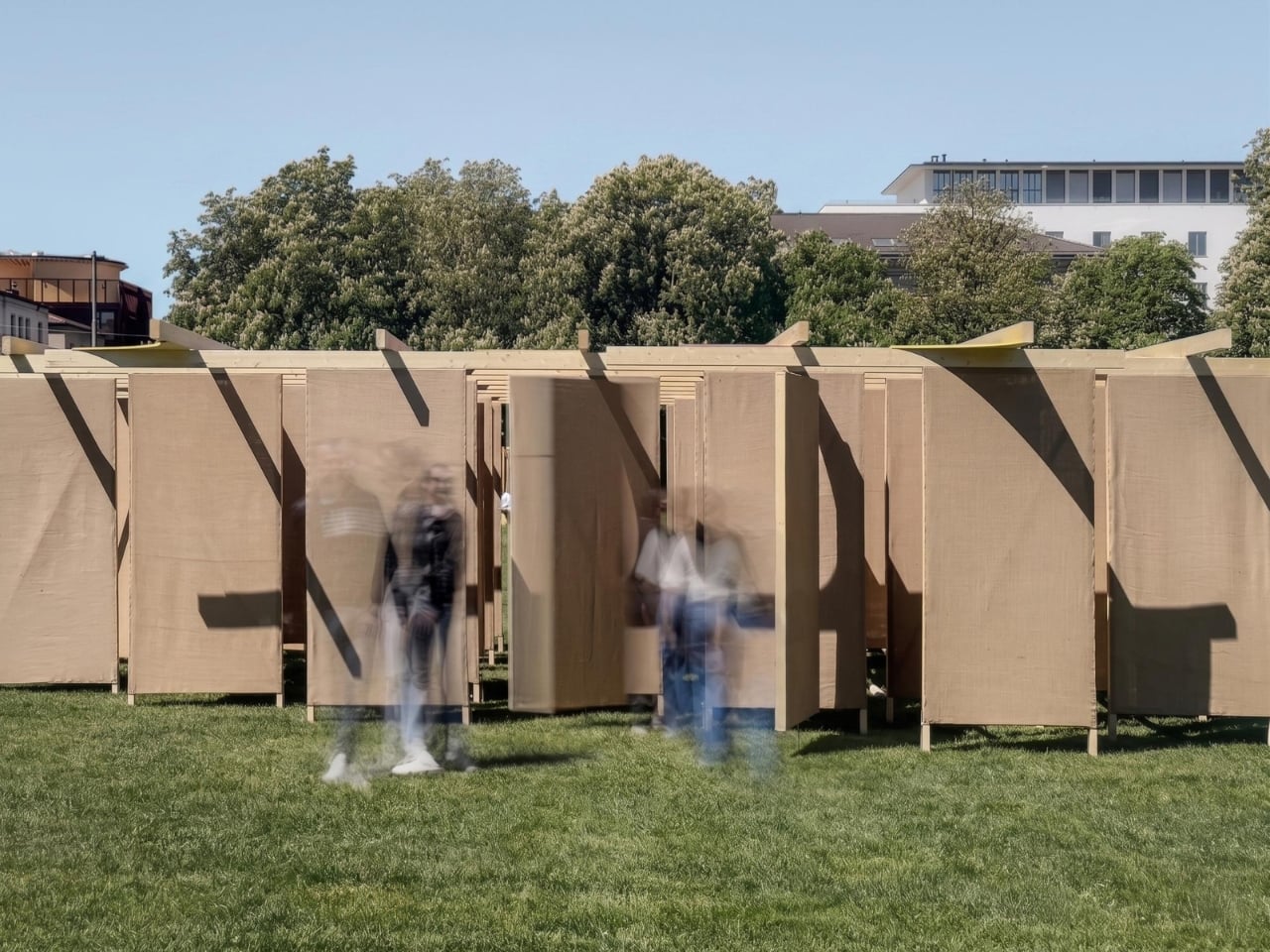
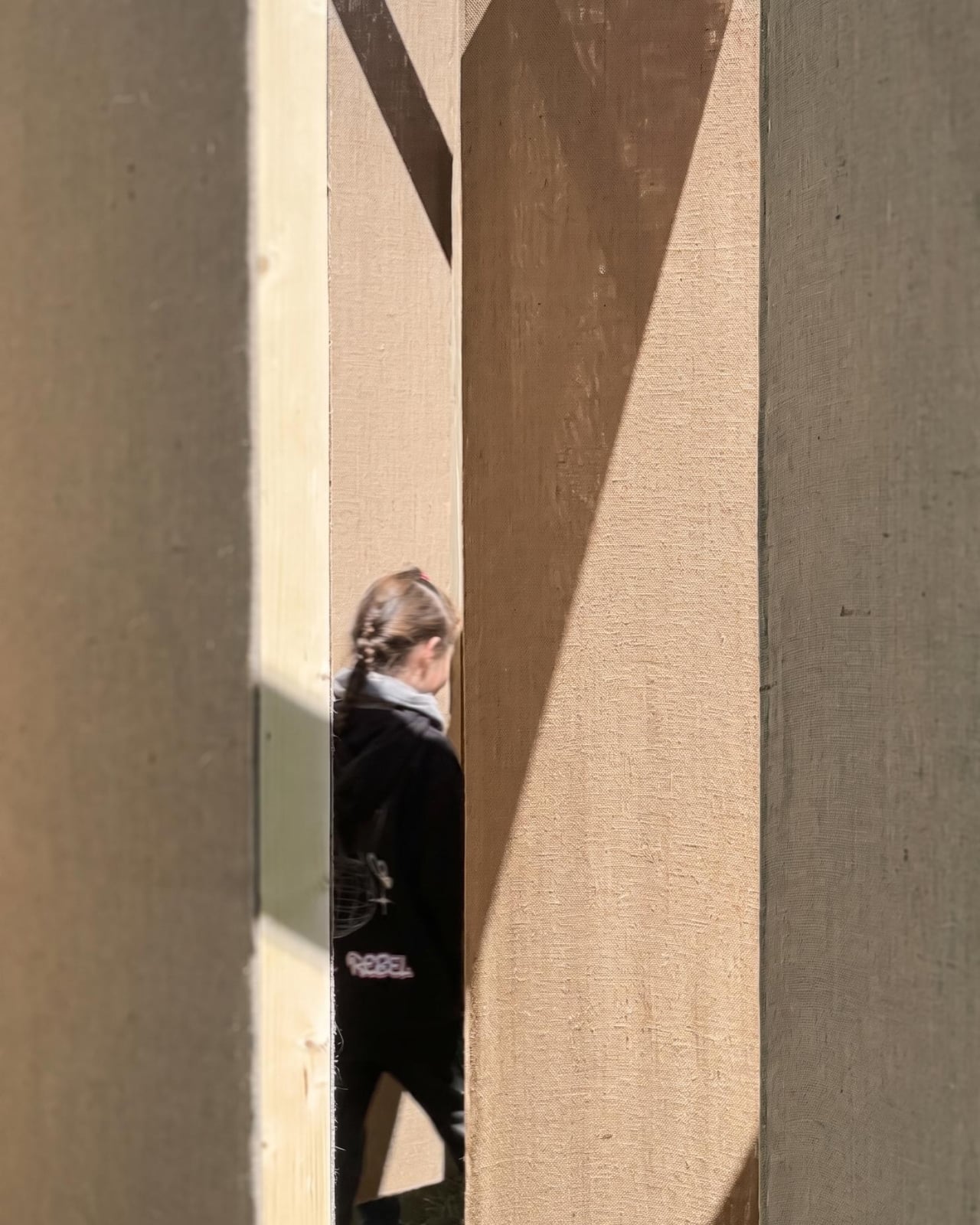
From a design perspective, the material choice of jute feels deliberate. It’s tactile, warm, and unpretentious. It doesn’t try to be sleek or futuristic. The walls don’t feel like technology. They feel like something you could touch and lean against, which makes the disorientation easier to sit with. A maze built from cold steel or glass would feel like a trap. One built from jute feels more like a shifting conversation.
The question the installation keeps circling, per Studio Carraldo’s own framing, is what it means to design responsibly when the context around you is uncertain and constantly changing. It’s a question the field is wrestling with broadly right now. DELULU doesn’t answer it. It does something more useful: it makes the question feel like a space you can actually inhabit for a while, wander around in, and maybe even enjoy. For a piece of work named after a word that started as an internet joke, that’s no small thing.