The smartphone has become so dominant in daily life that it’s hard to remember what it felt like to carry a device that did only a handful of things. Every swipe, tap, and notification competes for your attention, turning what was once a communication tool into a cycle of endless distraction. The maker community, however, has quietly been building an alternative.
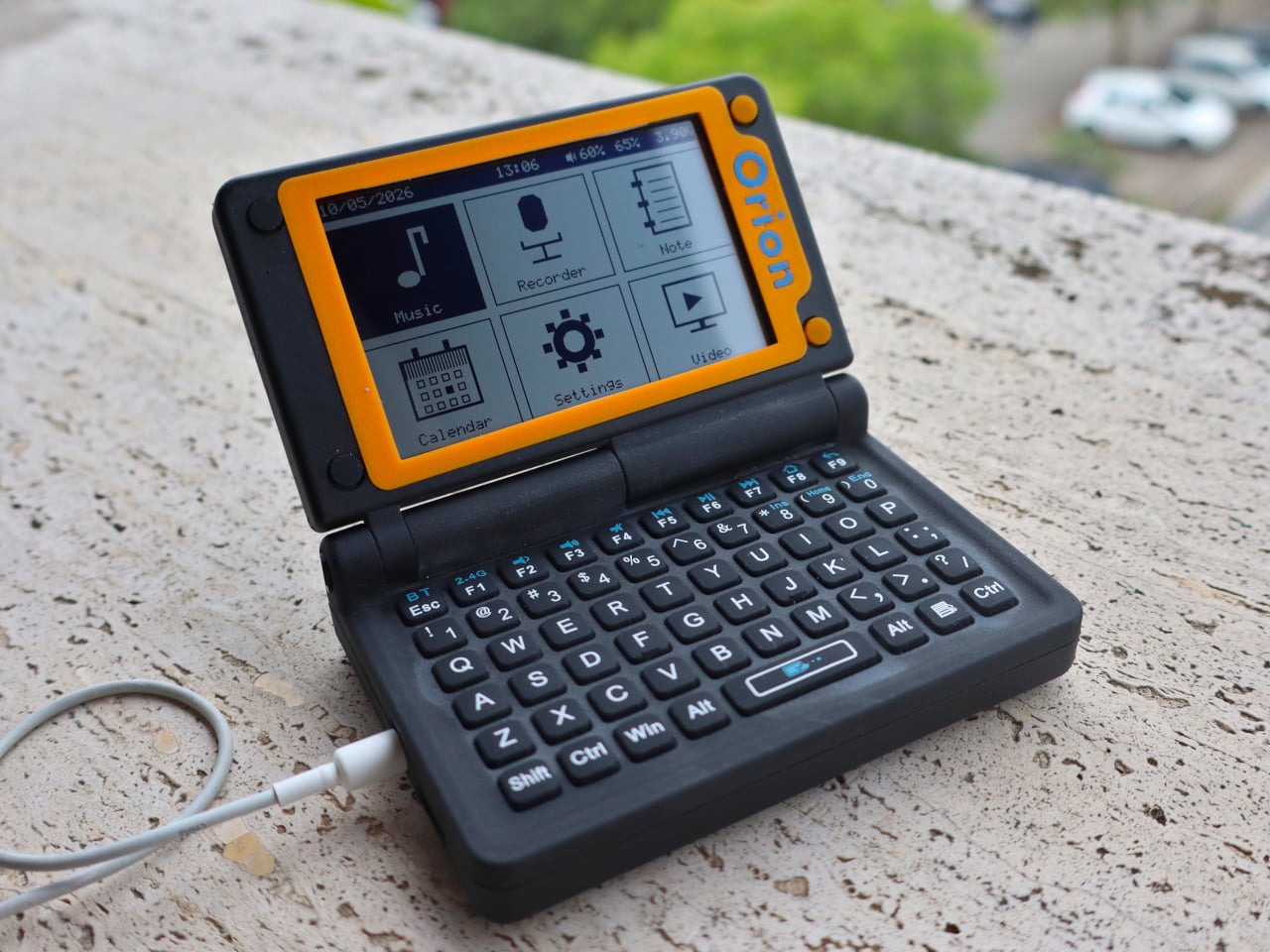
The Orion PDA is one of the more convincing results of that effort. Built by a YouTuber who goes by MVLab, it’s a compact clamshell computer designed specifically for people who’d rather write, listen, or record than scroll. There’s no internet connection out of the box, no cloud, no algorithms, and no push notifications. What it offers is a deliberately focused pocket machine that strips away the noise.
Designer: MVLab
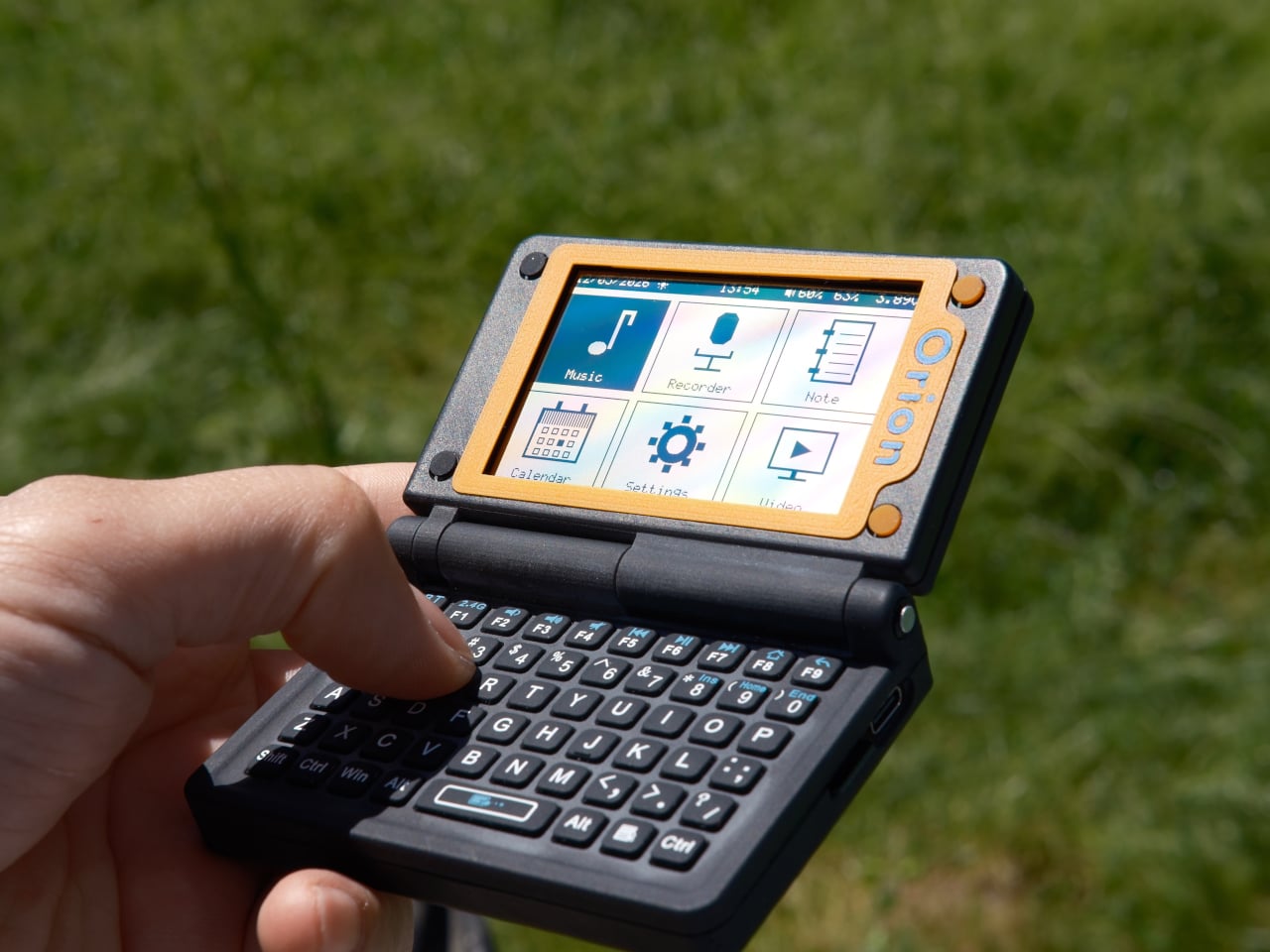

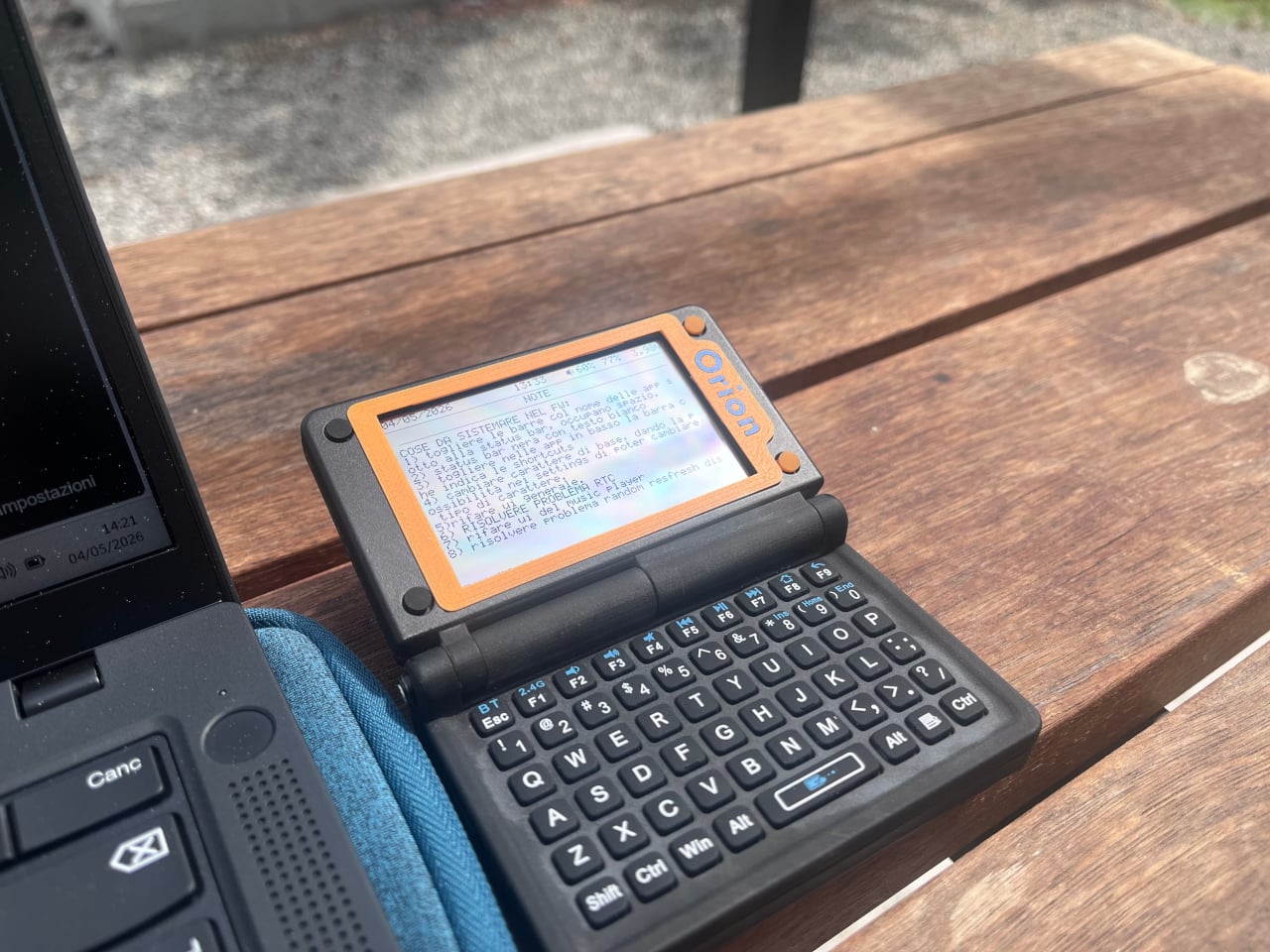
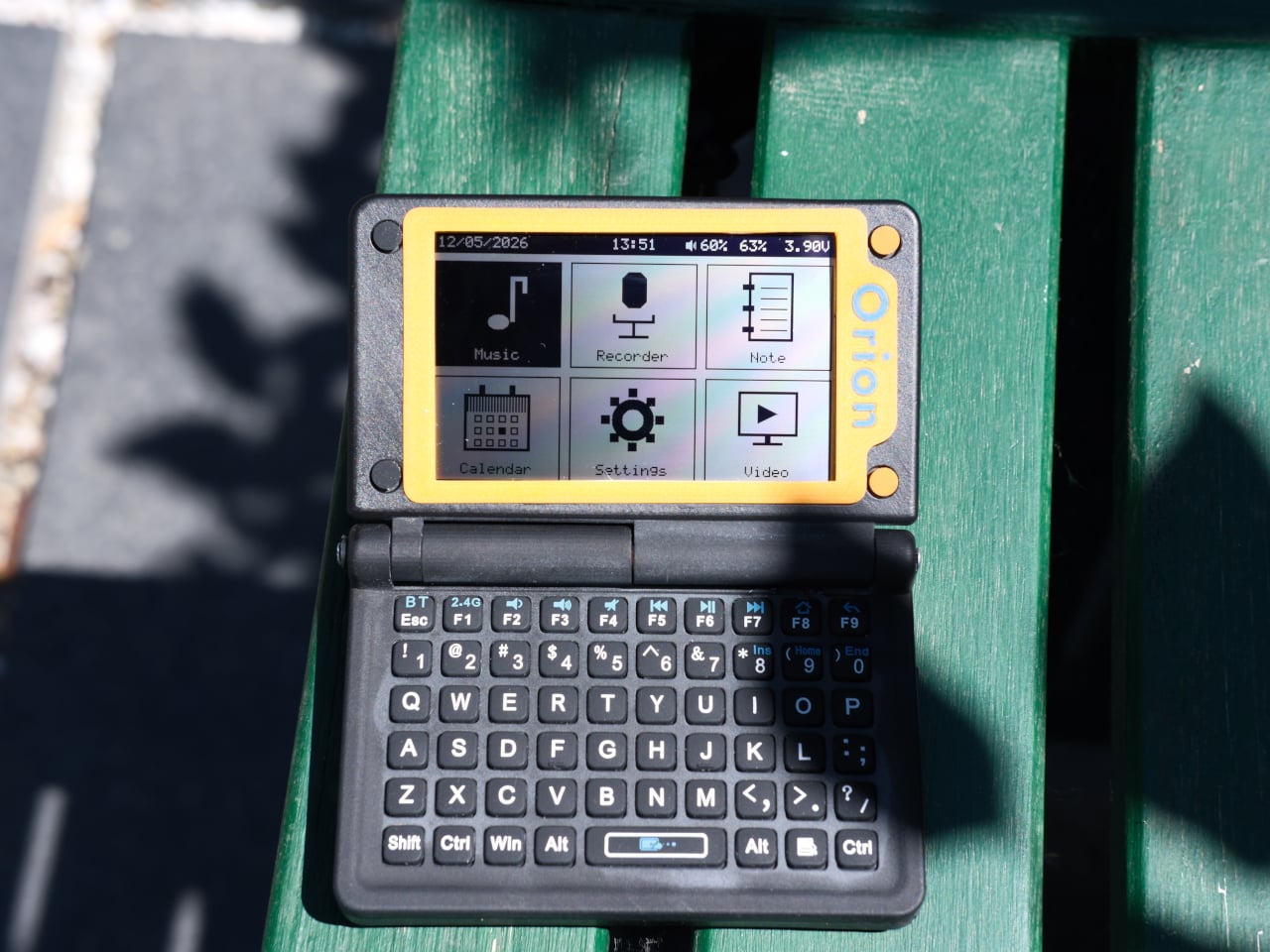
The design takes its cues from the Sharp Zaurus line of pocket computers popular in the early 2000s, and the resemblance is unmistakable. It folds open to reveal a small screen on top, and a full QWERTY keyboard with rubber dome switches below. Function keys run across the top row, letting you access common actions without digging through any menus. It’s compact enough to fit in a jacket pocket.
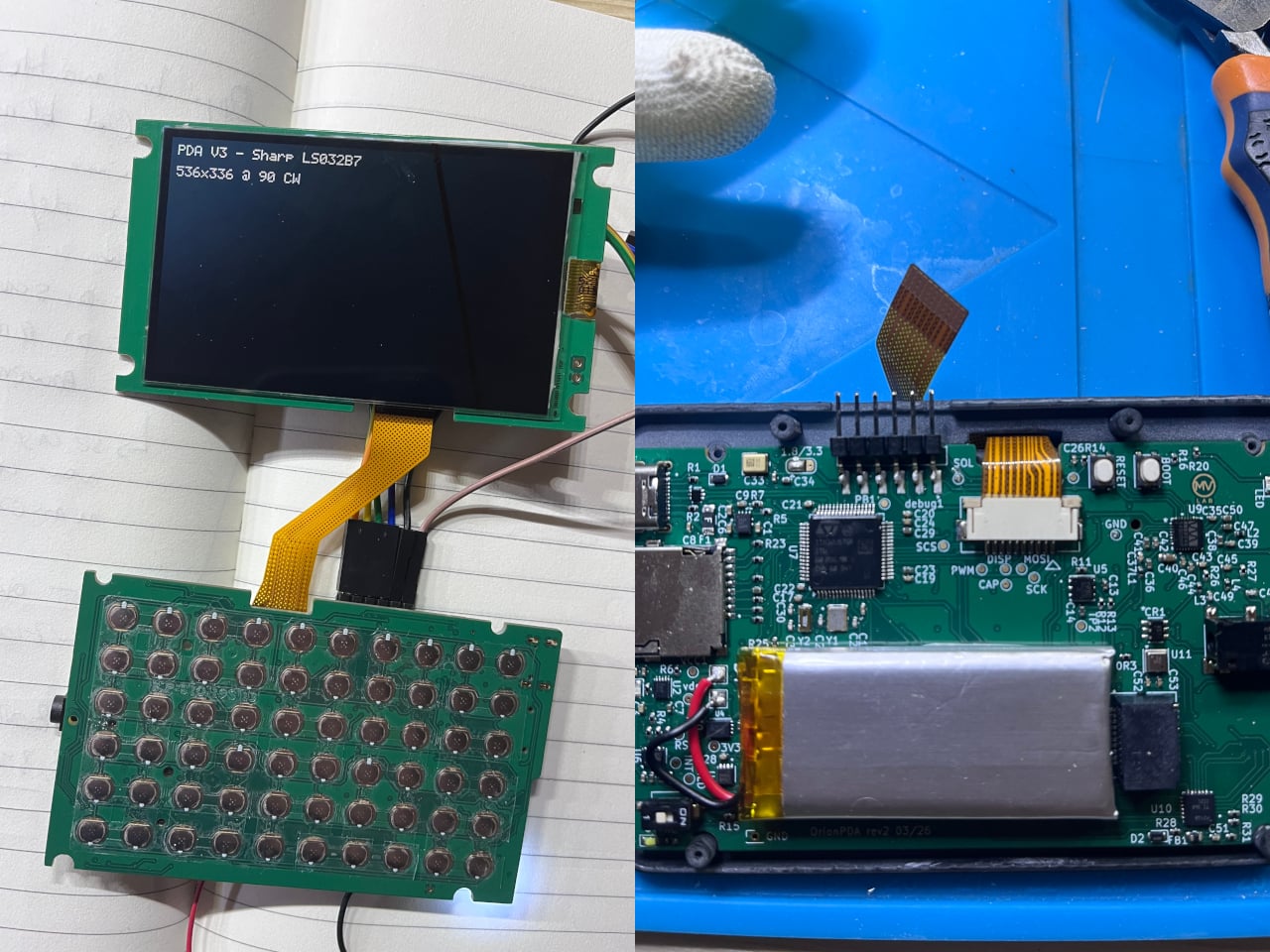
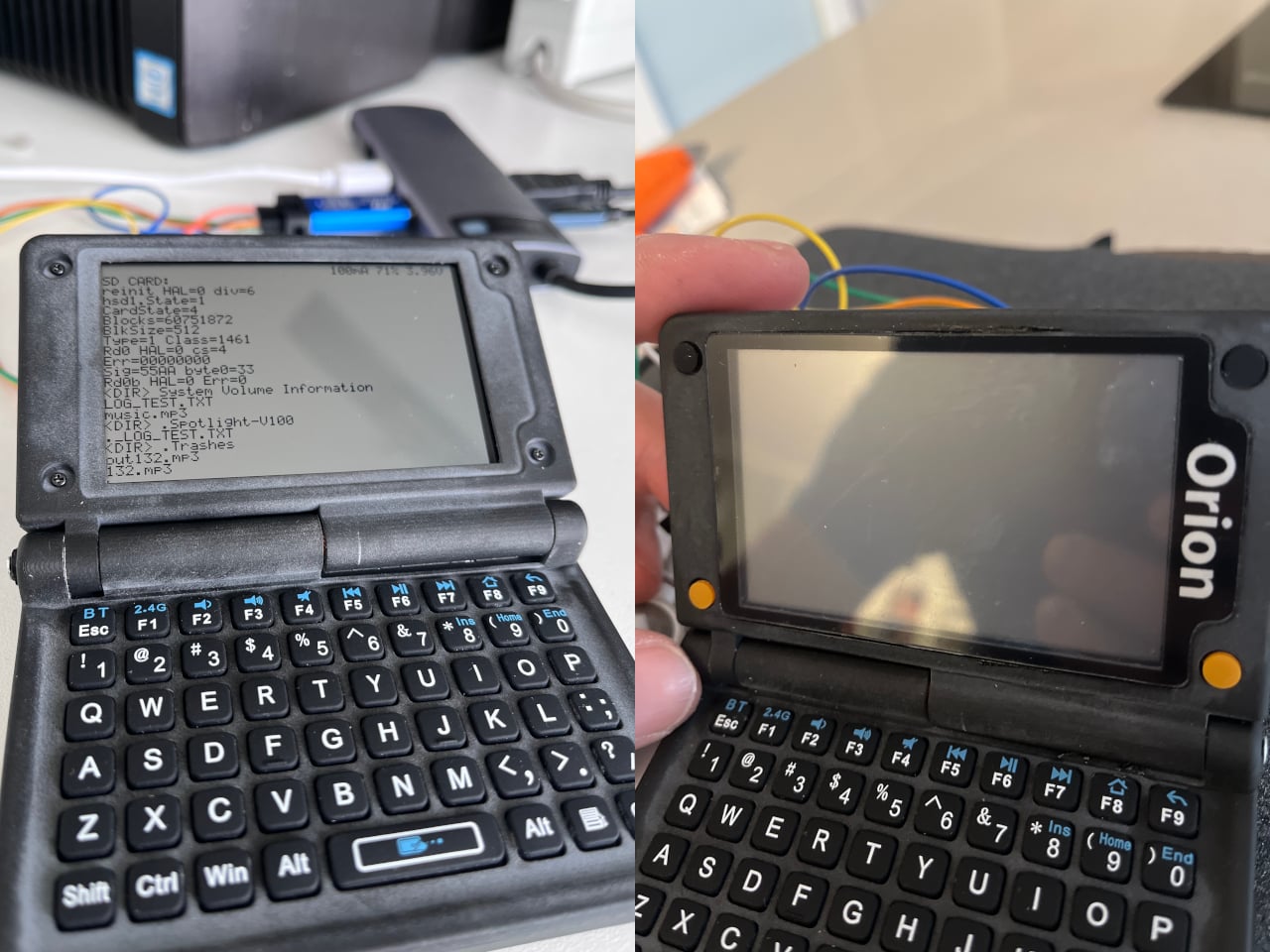
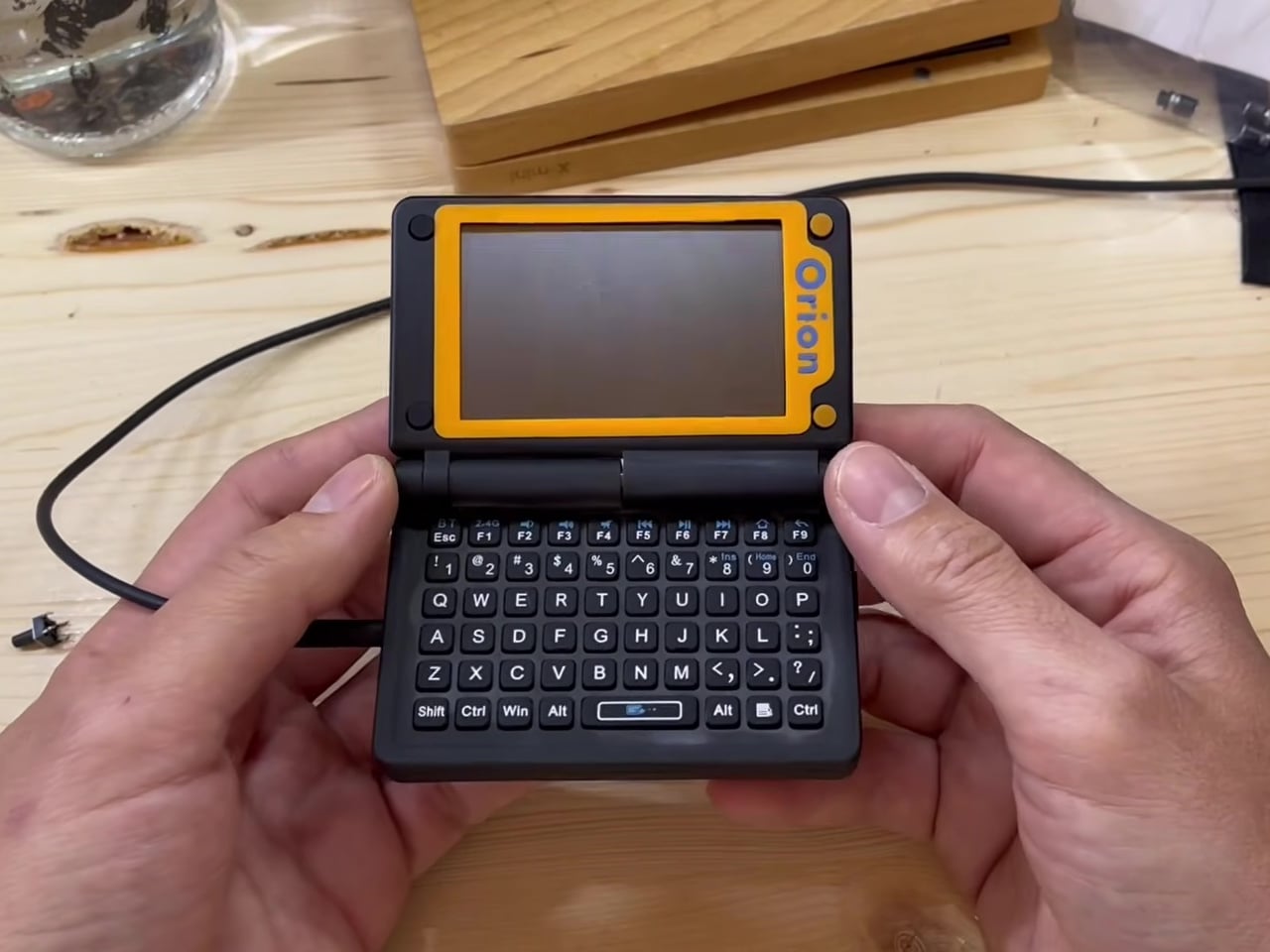
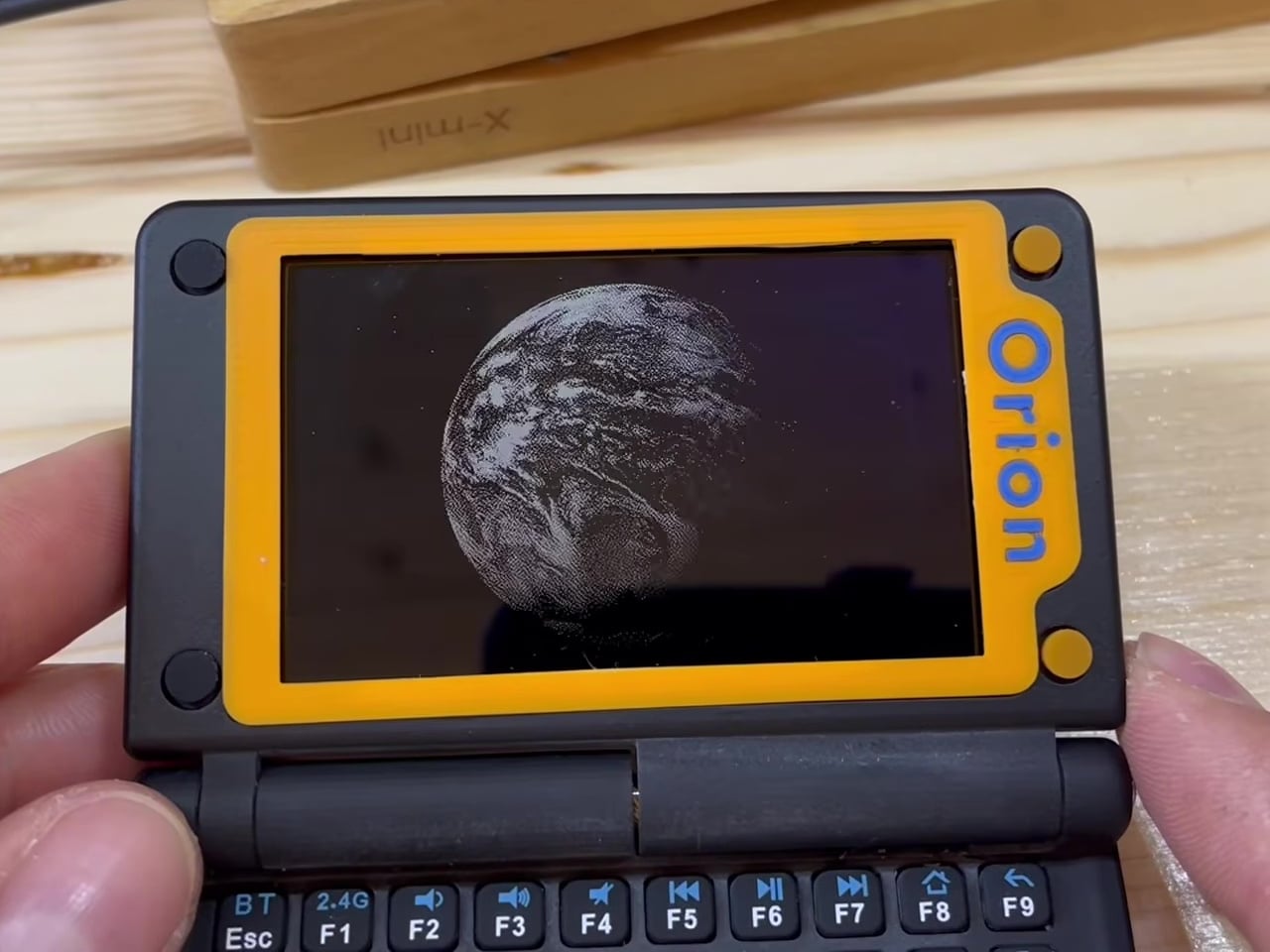
That screen is a 3.16-inch Sharp Memory LCD with a resolution of 536×336 pixels, rendered in 1-bit black and white. It might sound like a regression, but the display operates on the same basic principle as E Ink, drawing almost no power between refreshes and staying perfectly legible in direct sunlight. Take it out on a park bench or a café terrace, and it won’t let you down.
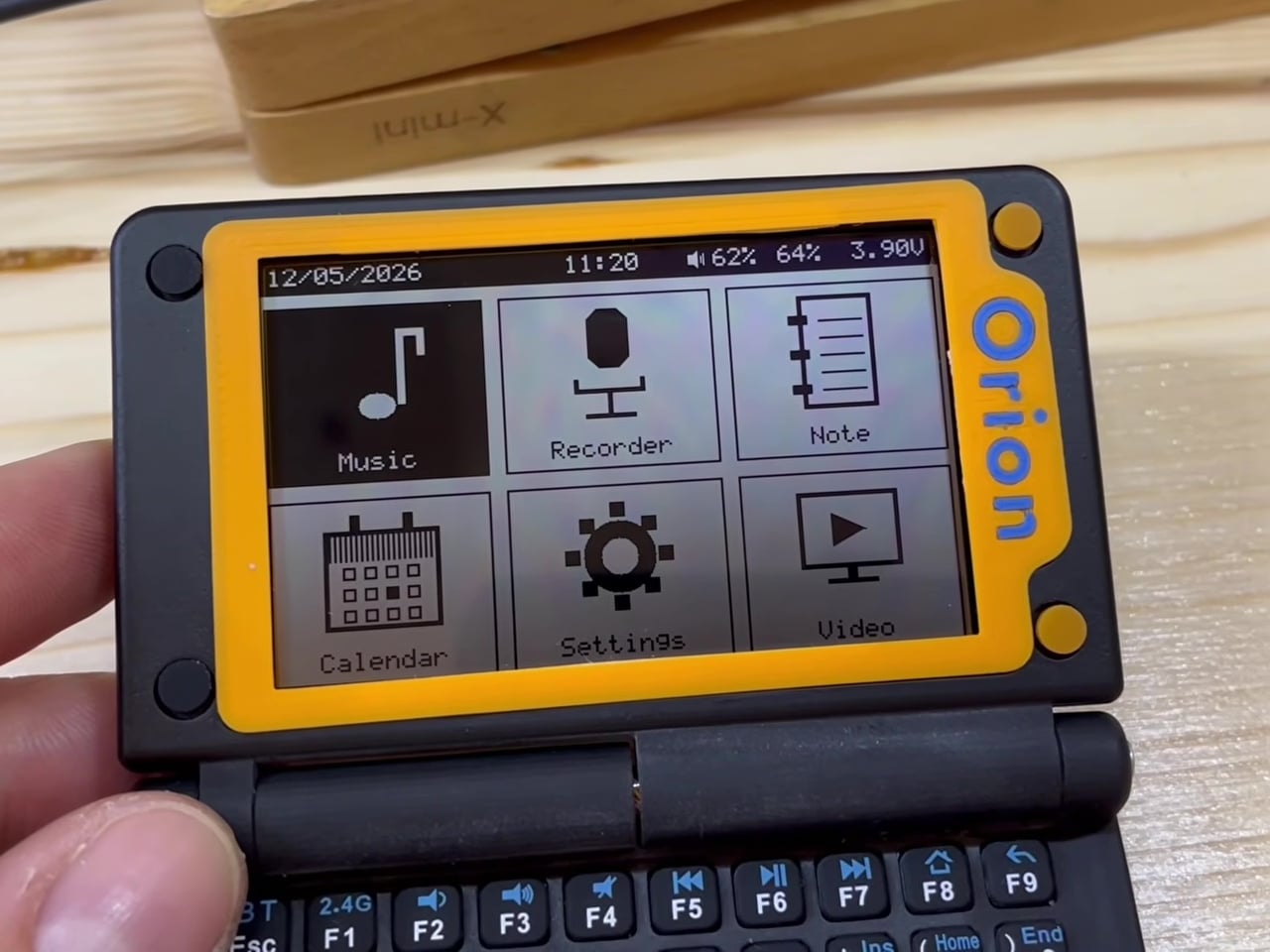
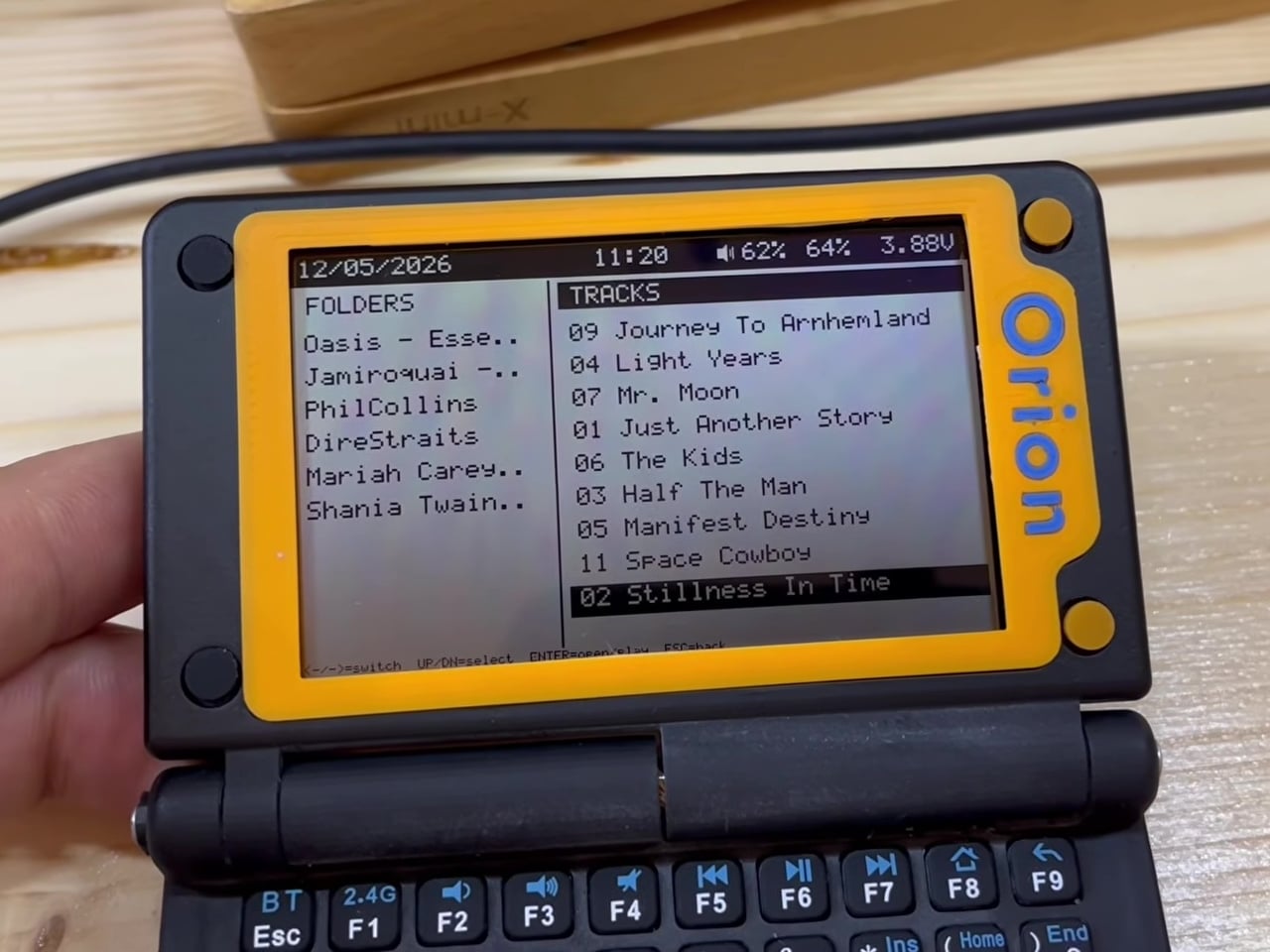
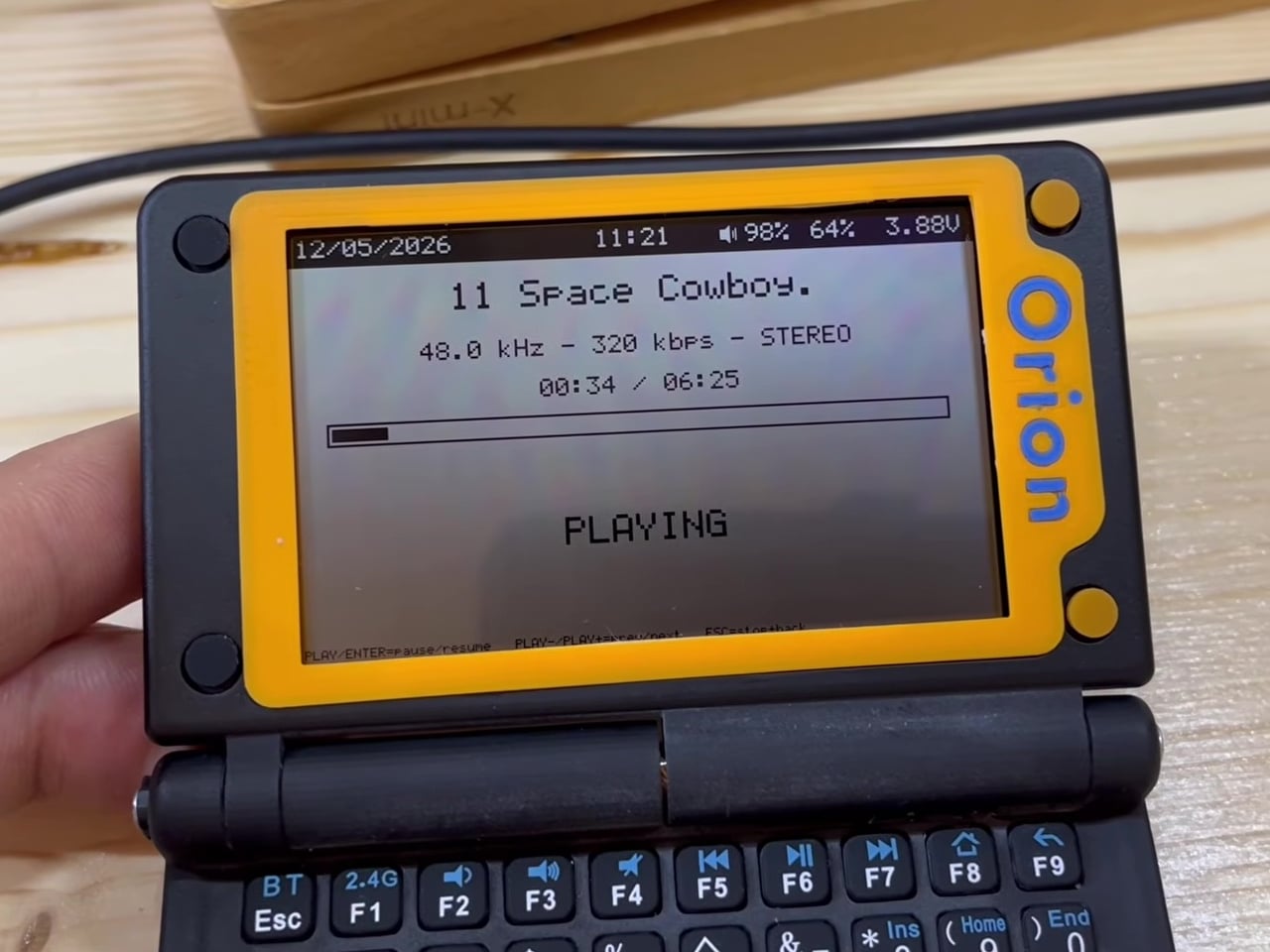
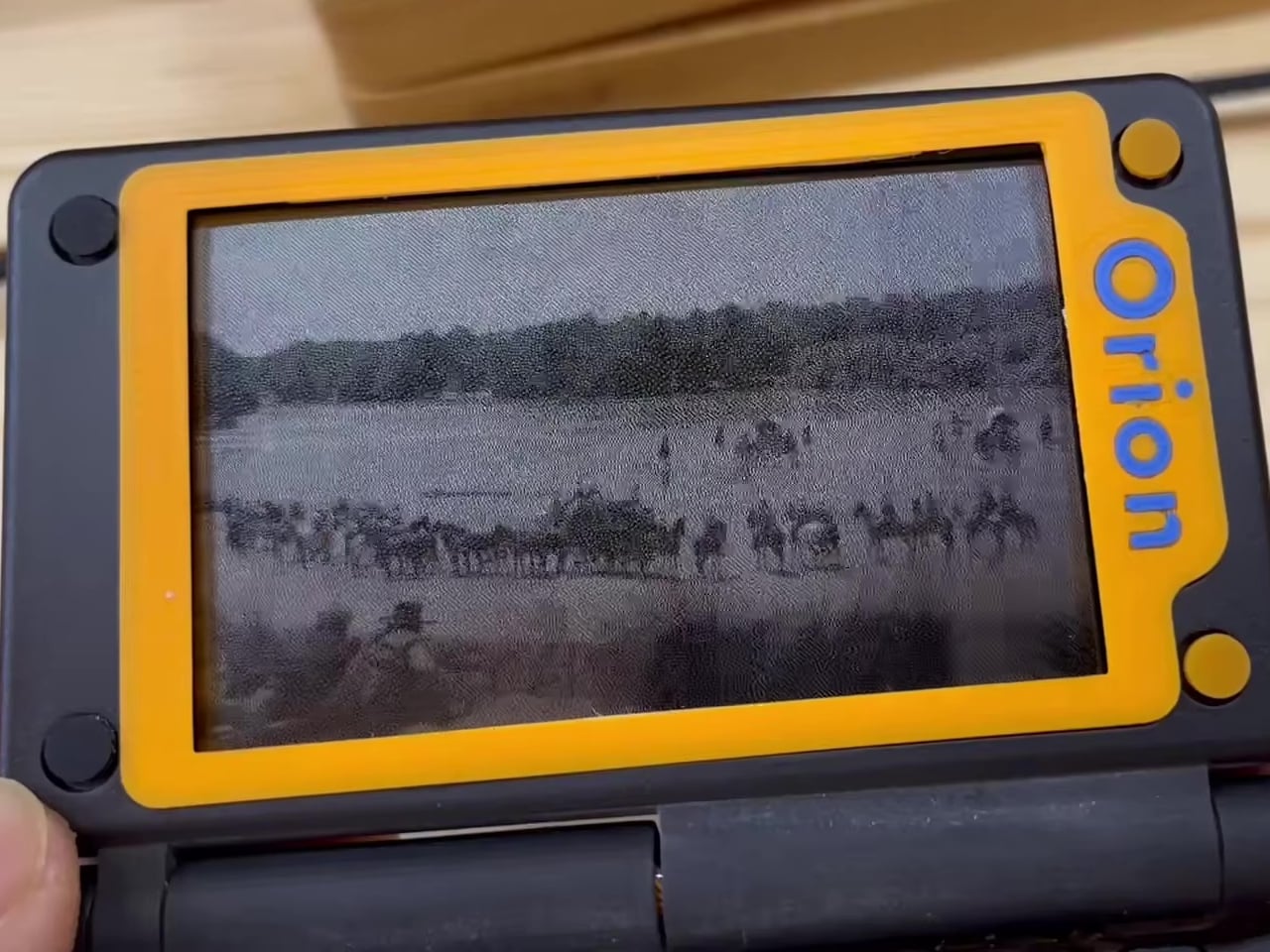
The custom operating system is built around doing a few things exceptionally well. You can pull up albums stored on an SD card, play them through an external speaker or headphones, and even record voice notes that go straight to removable storage. A lightweight calendar app handles basic scheduling. There’s also a text-scaling setting and a USB mass-storage mode for moving files to and from a desktop computer.
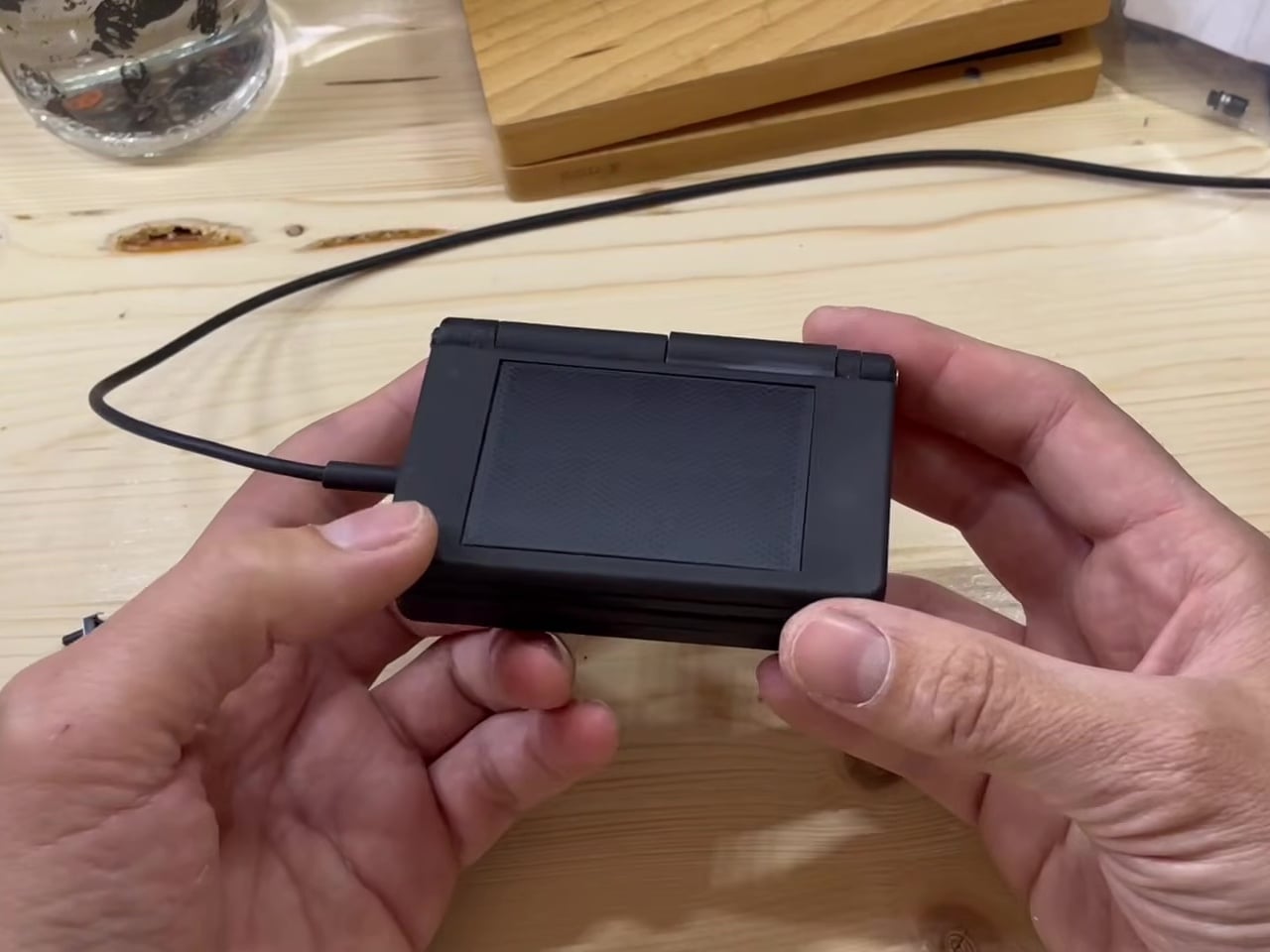
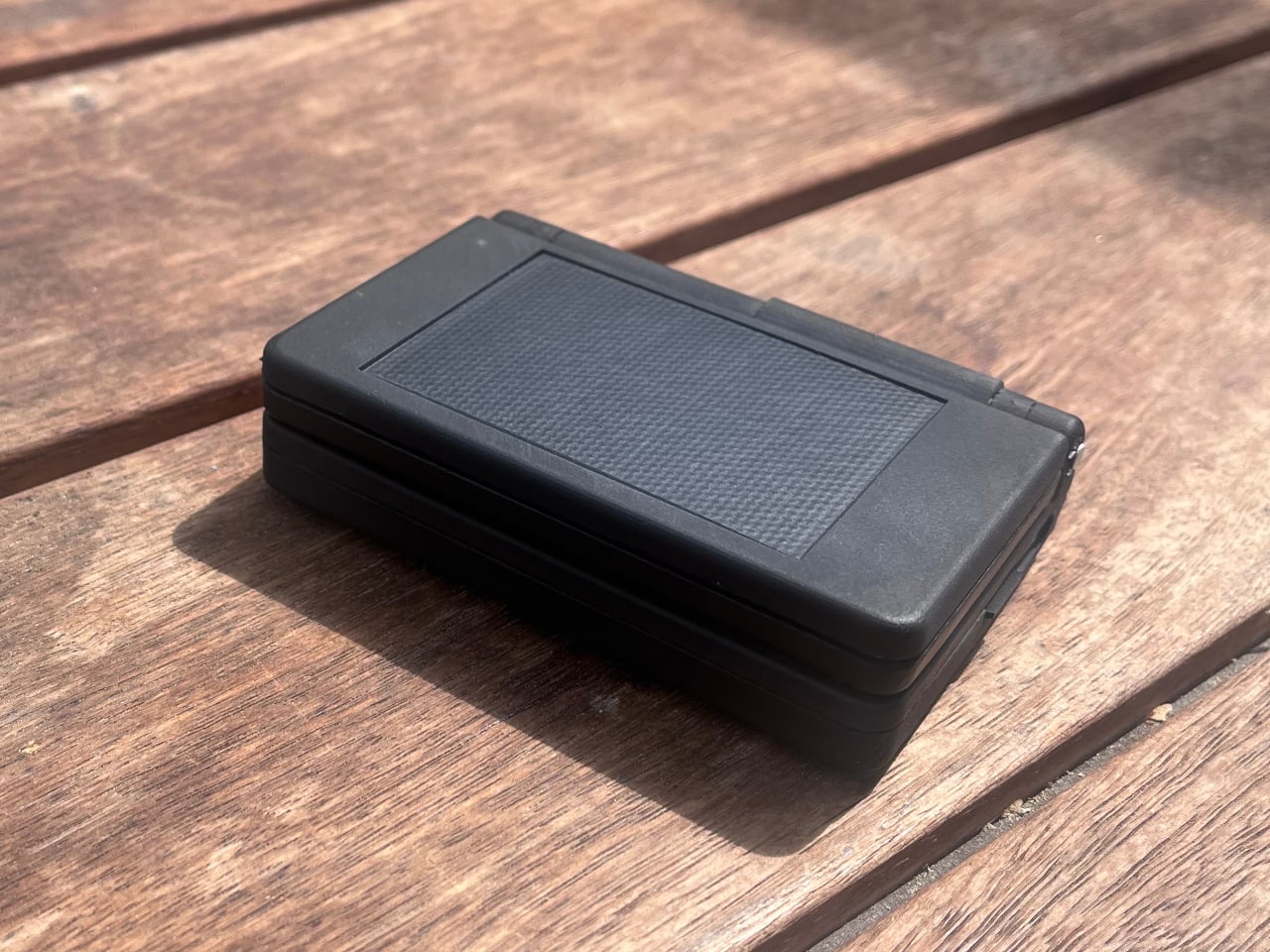
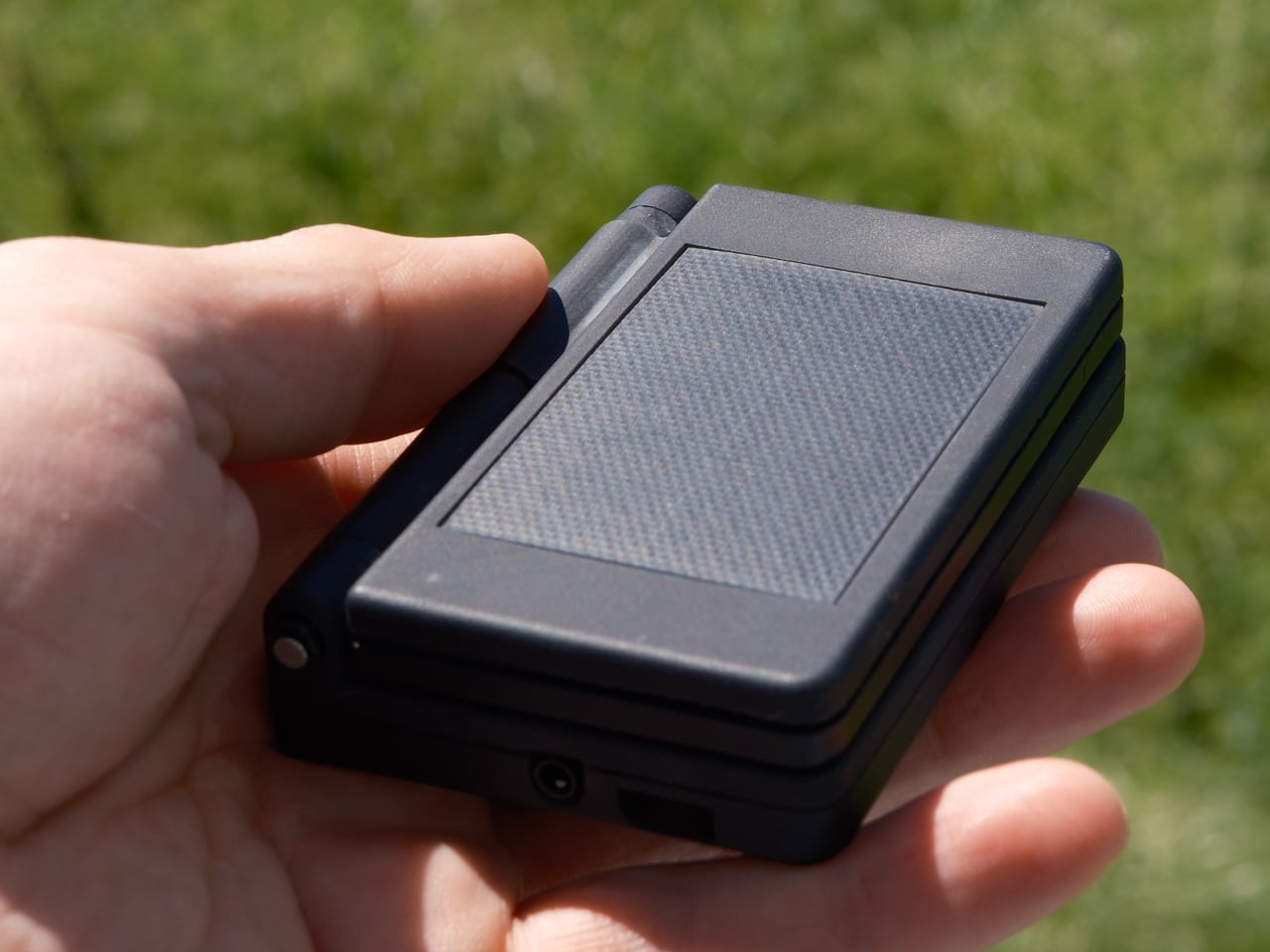
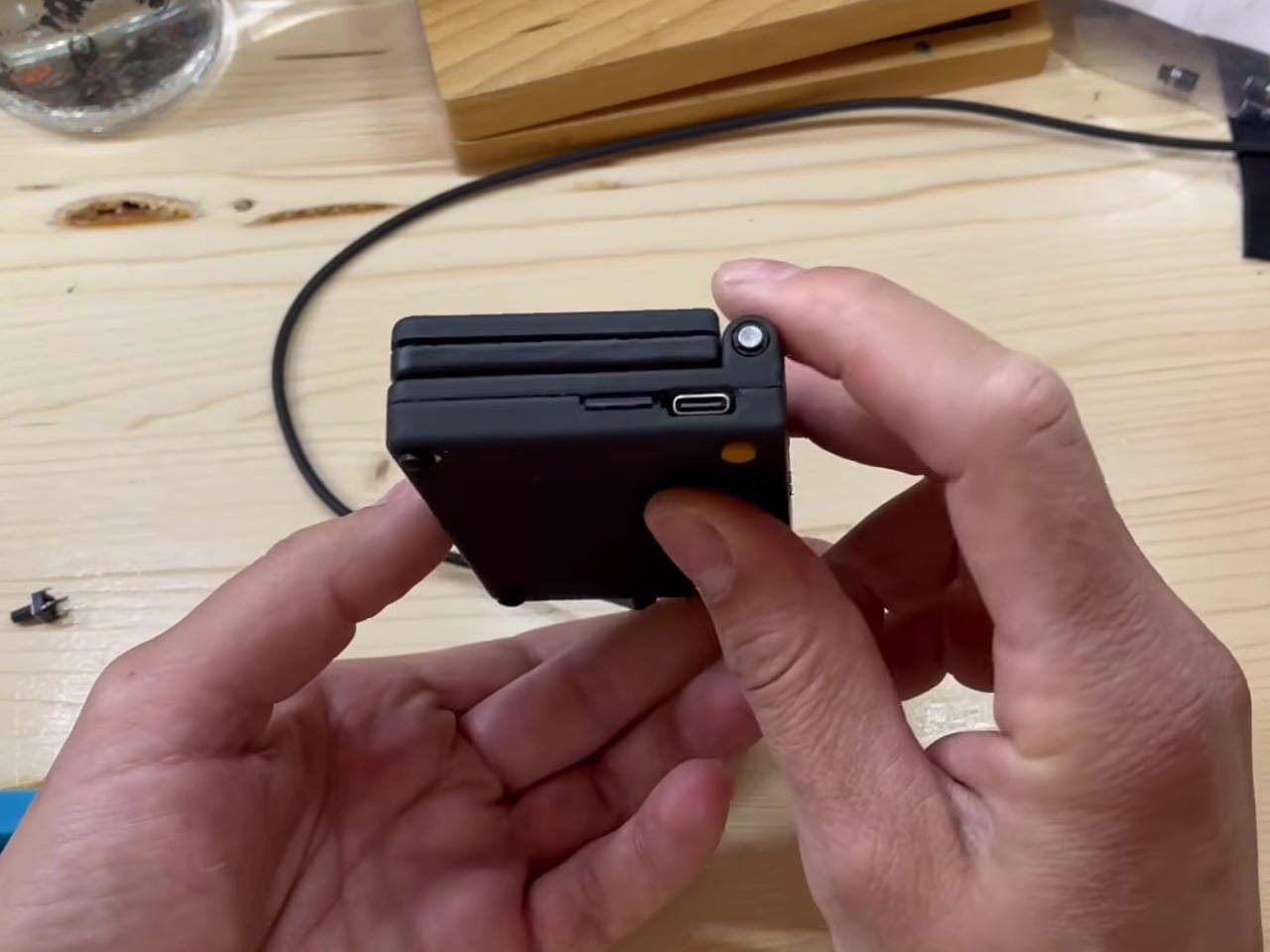
Powering everything is an STM32U575 microcontroller clocked at up to 160 MHz, an ultra-low-power chip that keeps the device running for long stretches between charges. The lid houses an integrated solar panel, which can supplement the battery enough to keep things topped up with occasional exposure to sunlight. A USB-C port also handles charging, firmware updates, and data transfers. An expansion port leaves room for future community-developed modules.
The Orion PDA also packs in a dedicated digital-to-analog converter for audio playback, putting it above the lo-fi output you’d expect from a device this small. A MEMS microphone handles voice recording with reasonable fidelity. It isn’t trying to replace your dedicated music player or studio recorder, but for capturing quick ideas or dictating notes on a long hike, it does what it needs to. For anyone tired of carrying a device that’s simultaneously a computer, a TV, a game console, and a social distraction, this one might be worth the wait.