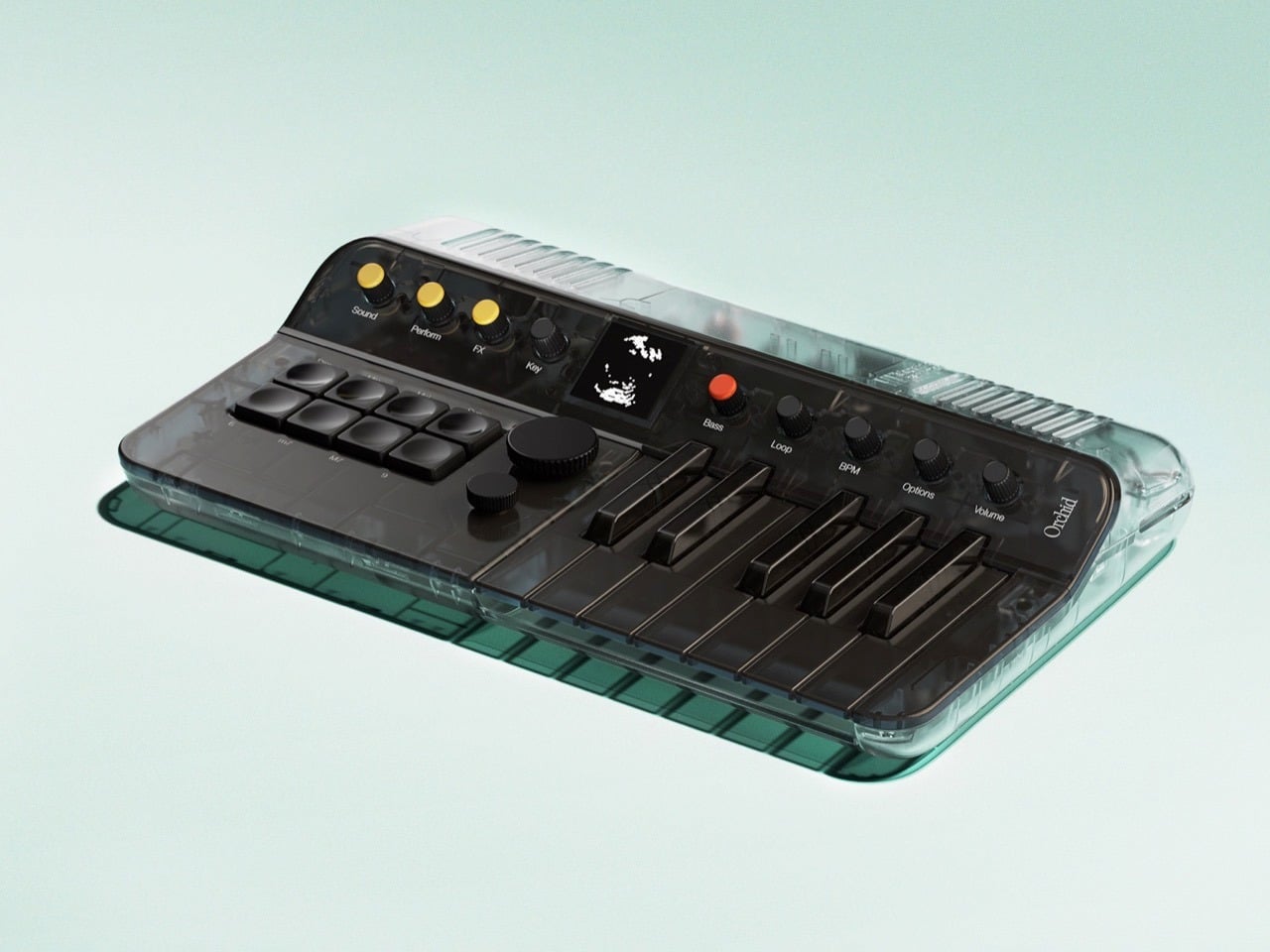

Transparency in tech has followed the classic arc of any design trend: radical, then referential, then mainstream, then meaningful. Nothing made it radical. Dozens of imitators made it referential. Beats and Casetify brought it mainstream. The interesting question now is which products use it meaningfully, where the visible internals are genuinely worth seeing, and the form of the object actually benefits from the revelation. A cheap Bluetooth speaker with a clear shell is just a clear shell. An instrument with carefully designed internal geometry, a speaker assembly, a green PCB, and ribbon cables threading between custom-designed synth hardware is something else.
That distinction is what makes the Clear Orchid: Arctic worth drooling over. Telepathic Instruments, the company Kevin Parker of Tame Impala co-founded with Ignacio Germade and a small team of music technology obsessives, has announced the fifth drop in its Orchid hardware line: a fully transparent, teal-based limited edition capped at 3,000 units worldwide, available May 11. The Orchid earned its place on TIME’s Best Inventions of 2025 list on the back of a chord-first synthesis system that separates root note, chord type, and voicing into independent controls. The Arctic edition puts all of that hardware on display and makes a visual argument that the guts of a well-designed instrument are as compelling as its sound.
Designer: Telepathic Instruments
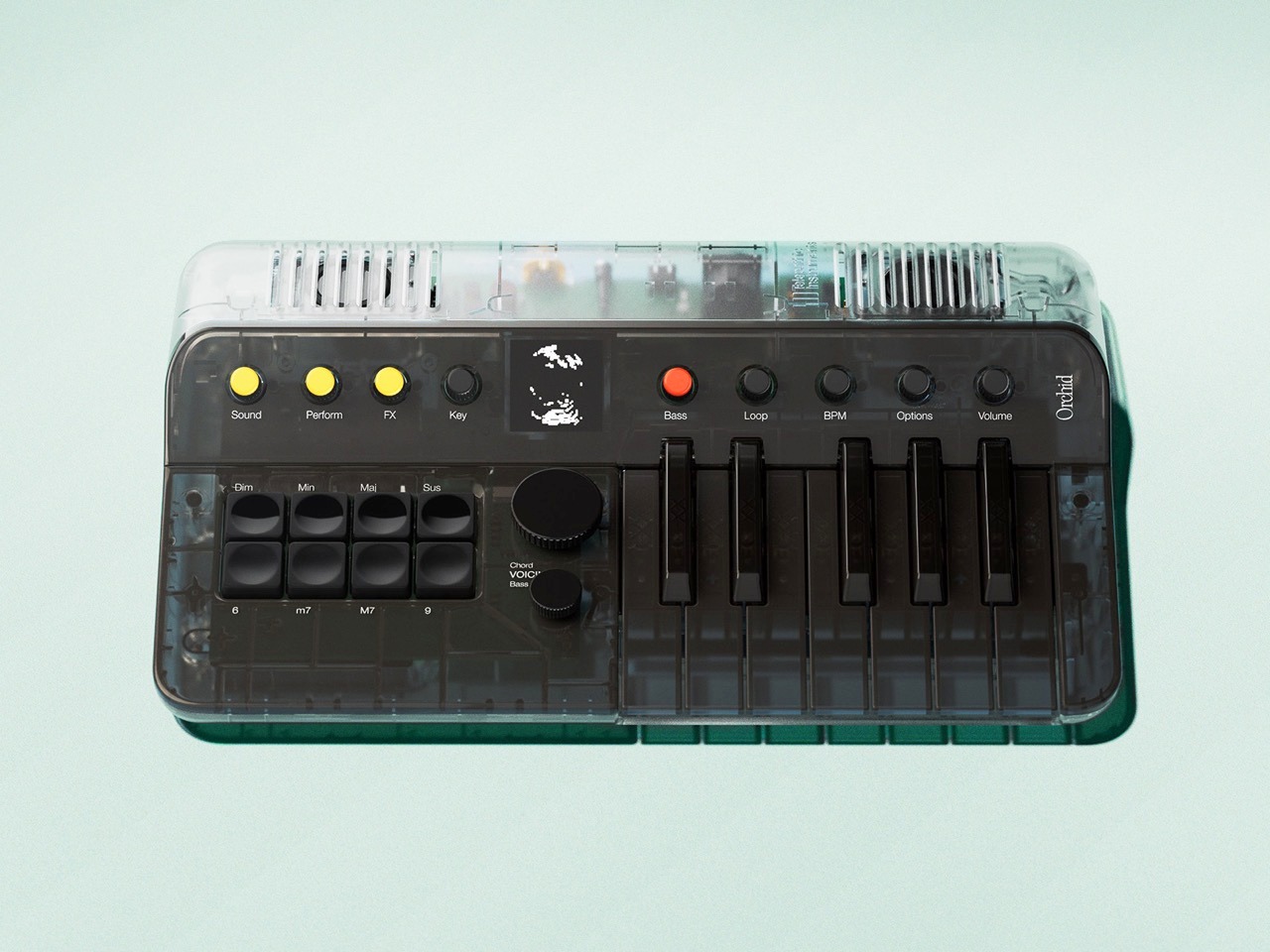
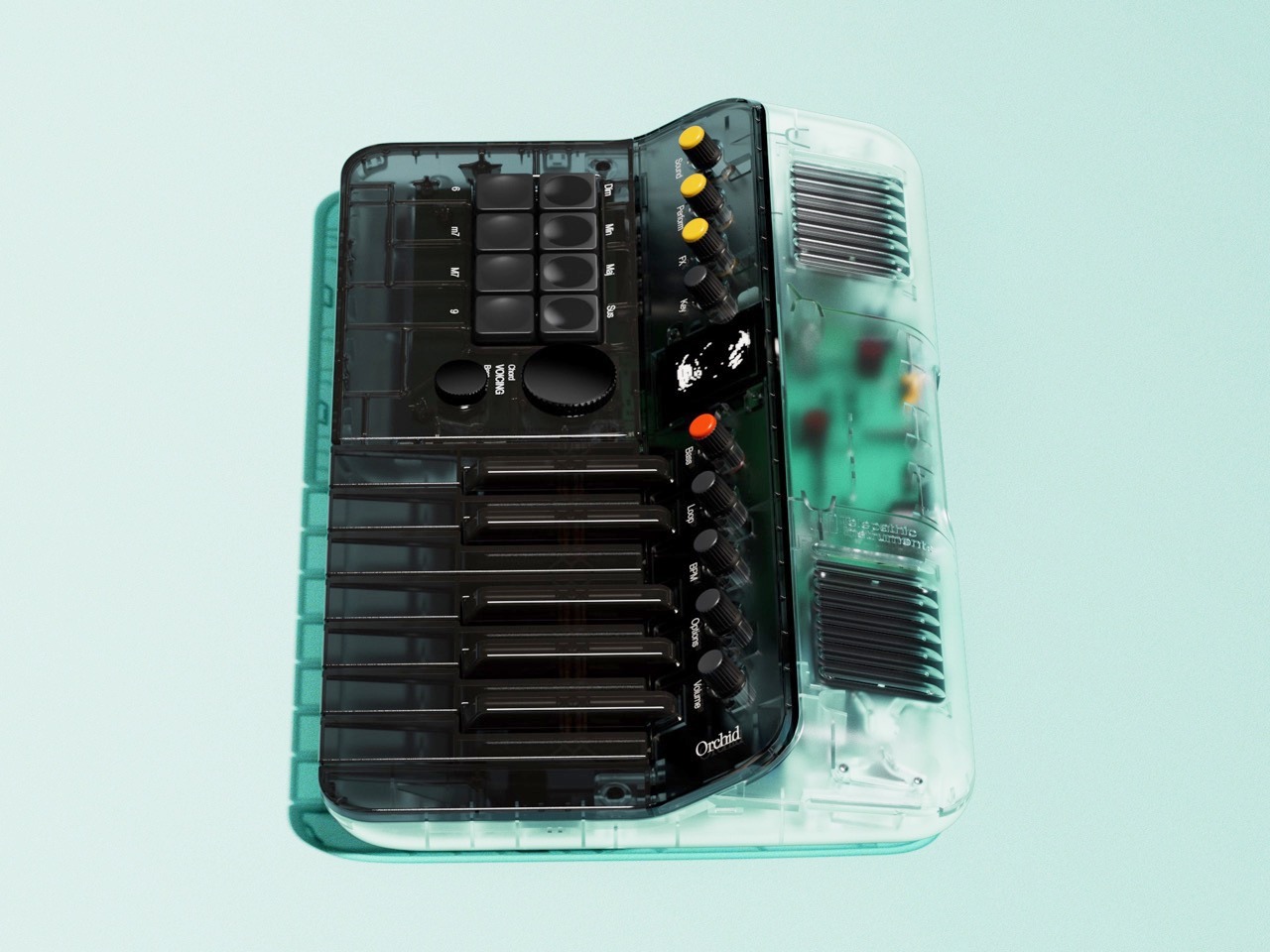
If you haven’t encountered the Orchid before, the short version is this: where every other synthesizer on the market is built around individual notes, Orchid is built around chords. Press a key and you trigger a full harmonic voicing. Your left hand works a matrix of chord-type buttons, labeled Dim, Min, Maj, Sus, M7, 9, and a few others, while your right hand handles the keys and a large Chord Voicing encoder adjusts how those chords sit across the register. A patent-pending voicing system repositions harmonies across the equivalent of a full piano keyboard’s worth of range, far beyond what the compact one-octave keybed physically suggests. Three synthesis engines, a virtual analogue subtractive, FM, and a vintage reed piano emulation modeled on 1960s electric pianos by renowned German developer Stefan Stenzel, give the harmonic system genuine sonic depth rather than the thin, preset-cycling feel that plagues most beginner-friendly instruments. When we first covered the Orchid at launch, we described it as an “ideas machine,” a device for capturing musical intuition without requiring the theory background to justify it. That description still holds, and the Arctic edition makes it literal: you can see exactly where the ideas come from.
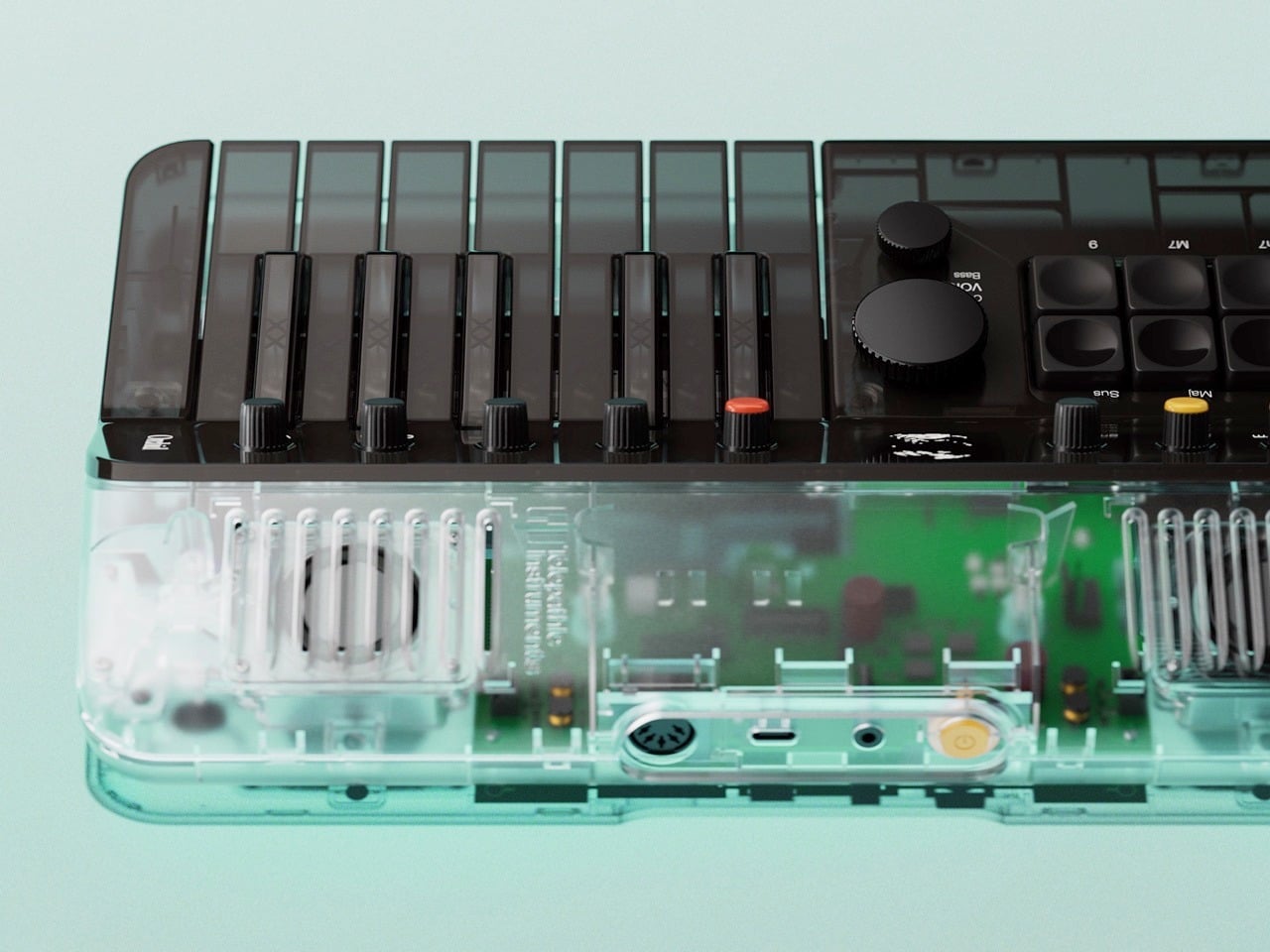
The transparent shell pulls double duty as both aesthetic statement and honest product communication. Look through the Arctic’s polycarbonate top and you see a green PCB laid out with visible intention, speaker grilles framed by the internal chassis, ribbon cables routed with the kind of care that only matters if someone will eventually see them. The teal-tinted base, slightly darker than the clear top, creates a subtle two-tone layering that stops the whole thing from reading as a prototype or an engineering sample. The yellow Sound, Perform, and FX knobs pop hard against the dark control surface above, the single red Bass button reads like a deliberate punctuation mark, and the OLED display at the center of the panel glows with Orchid’s skull mascot logo in a way that feels genuinely characterful rather than decorative. Telepathic Instruments clearly understood that a transparent enclosure raises the design bar: every component becomes load-bearing visually, and the Arctic clears that bar without much visible effort.
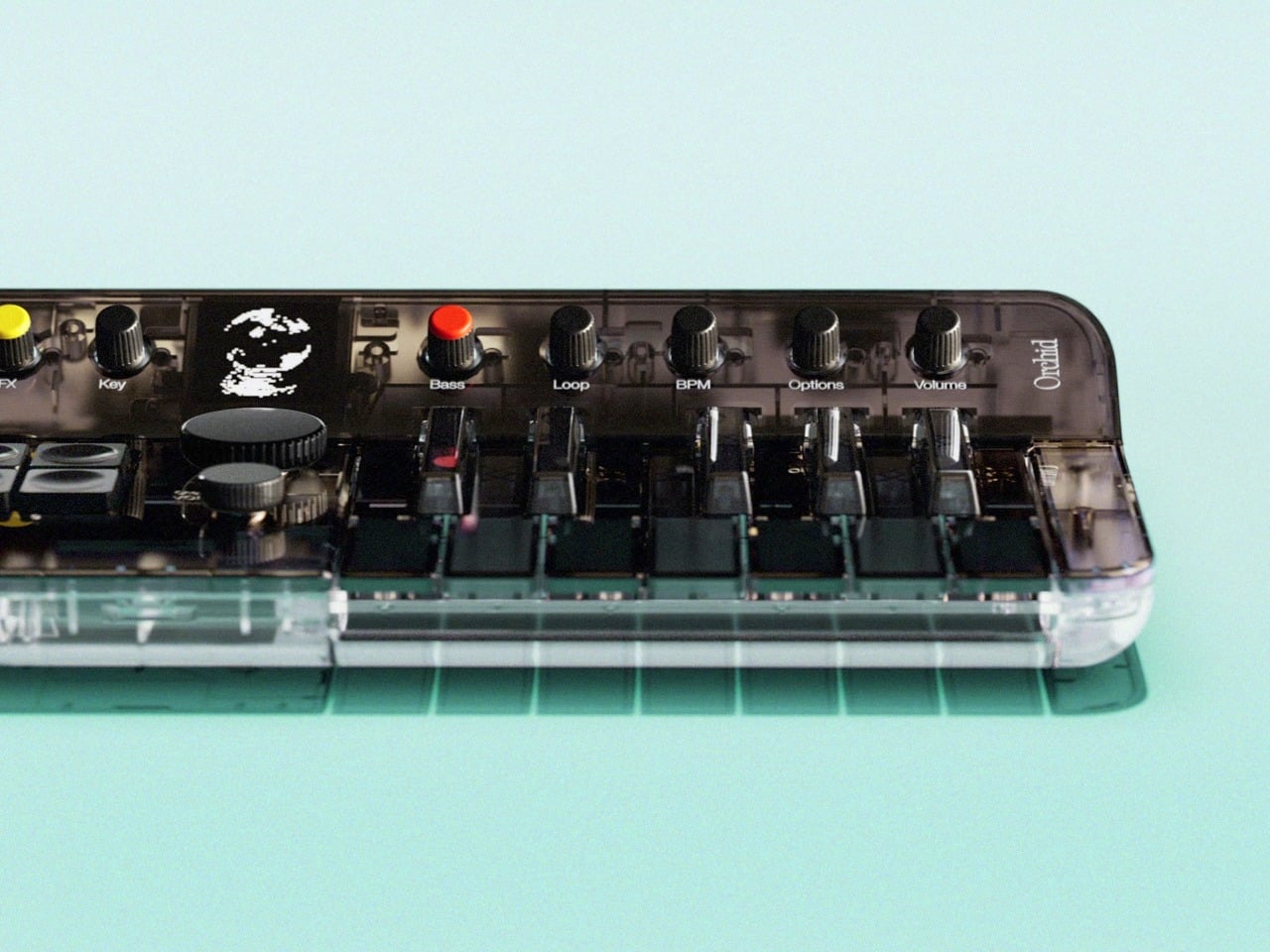
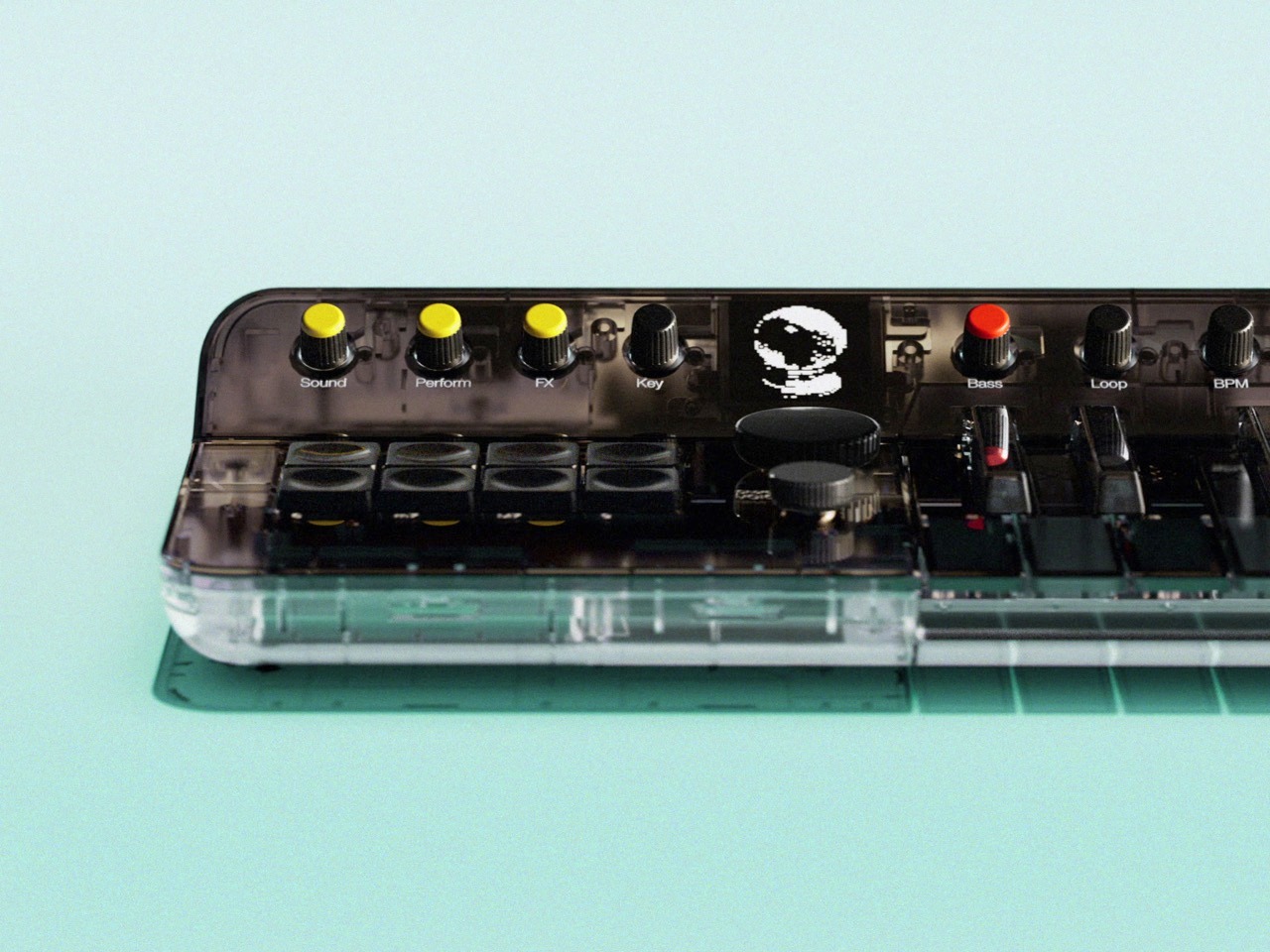
The Drop 5 release pairs the Arctic with the full launch of Pistil, Orchid’s companion VST plugin, now available on both Mac and Windows. Pistil brings Orchid’s three synthesis engines directly into any DAW, with ten new sounds in the full release, a rebuilt delay engine, and expanded fine parameter control. Existing Orchid owners get it at a discount, and standalone buyers can purchase it for $99 without the hardware. The practical implication is that the Orchid ecosystem has matured considerably since its initial 1,000-unit beta run: 12,000 units across 60 countries, placements at Abbey Road and Rue Boyer, and a featured role on Don Toliver’s Octane. Lewis Capaldi, Janelle Monáe, Fred Durst, Kid Cudi, and Diplo are all documented users. Josh Homme narrates the drop’s accompanying short film, a deadpan skewering of the creativity-guru industrial complex that is, frankly, funnier than most instrument launch content has any right to be.
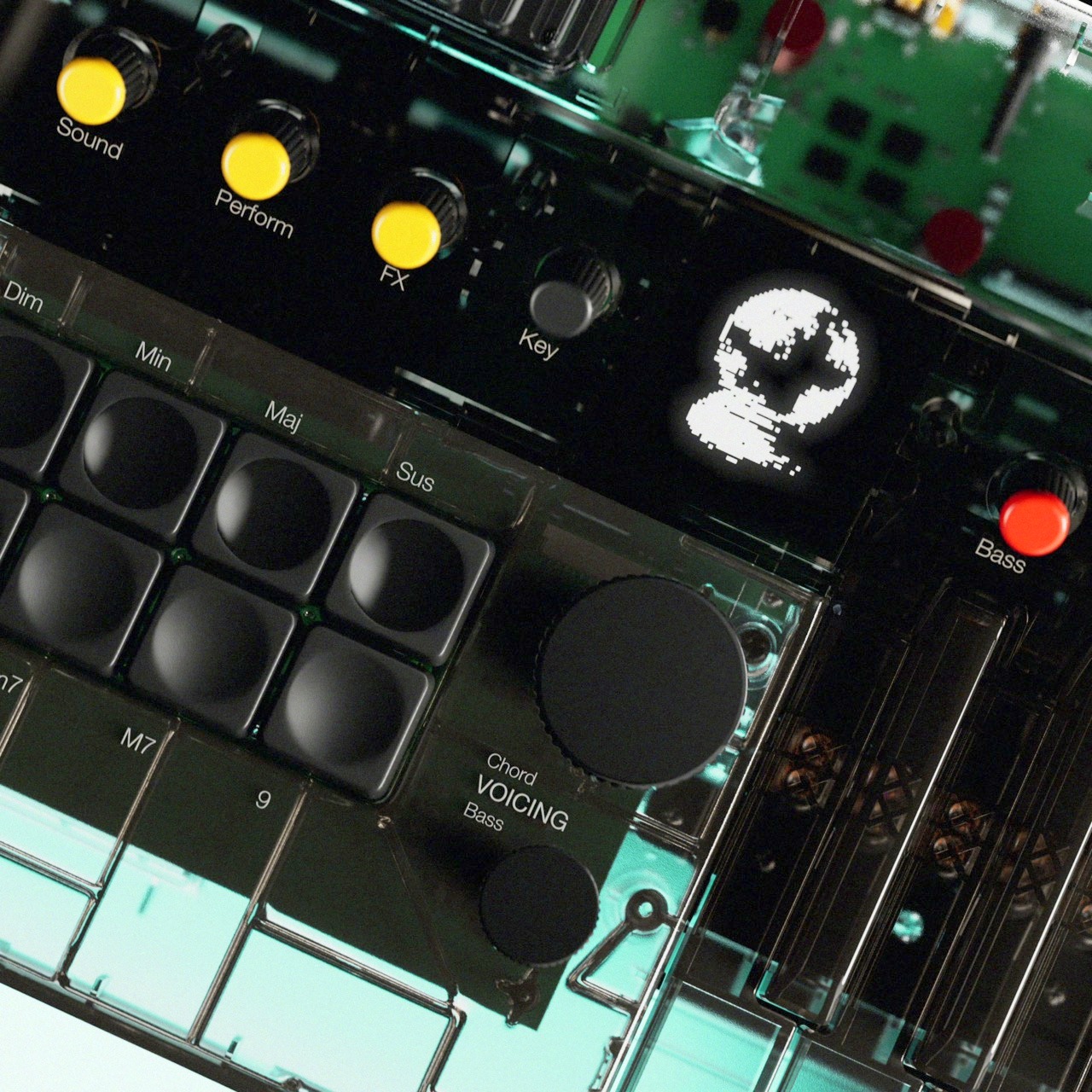

The Arctic is limited to 3,000 units worldwide, with waitlist members getting priority access at 9 AM PDT for North America and 10 AM CEST for Europe on May 11, and the general public window opening an hour later. The classic Orchid colorway and the orange carry case are back alongside it. Join the waitlist at telepathicinstruments.com.

