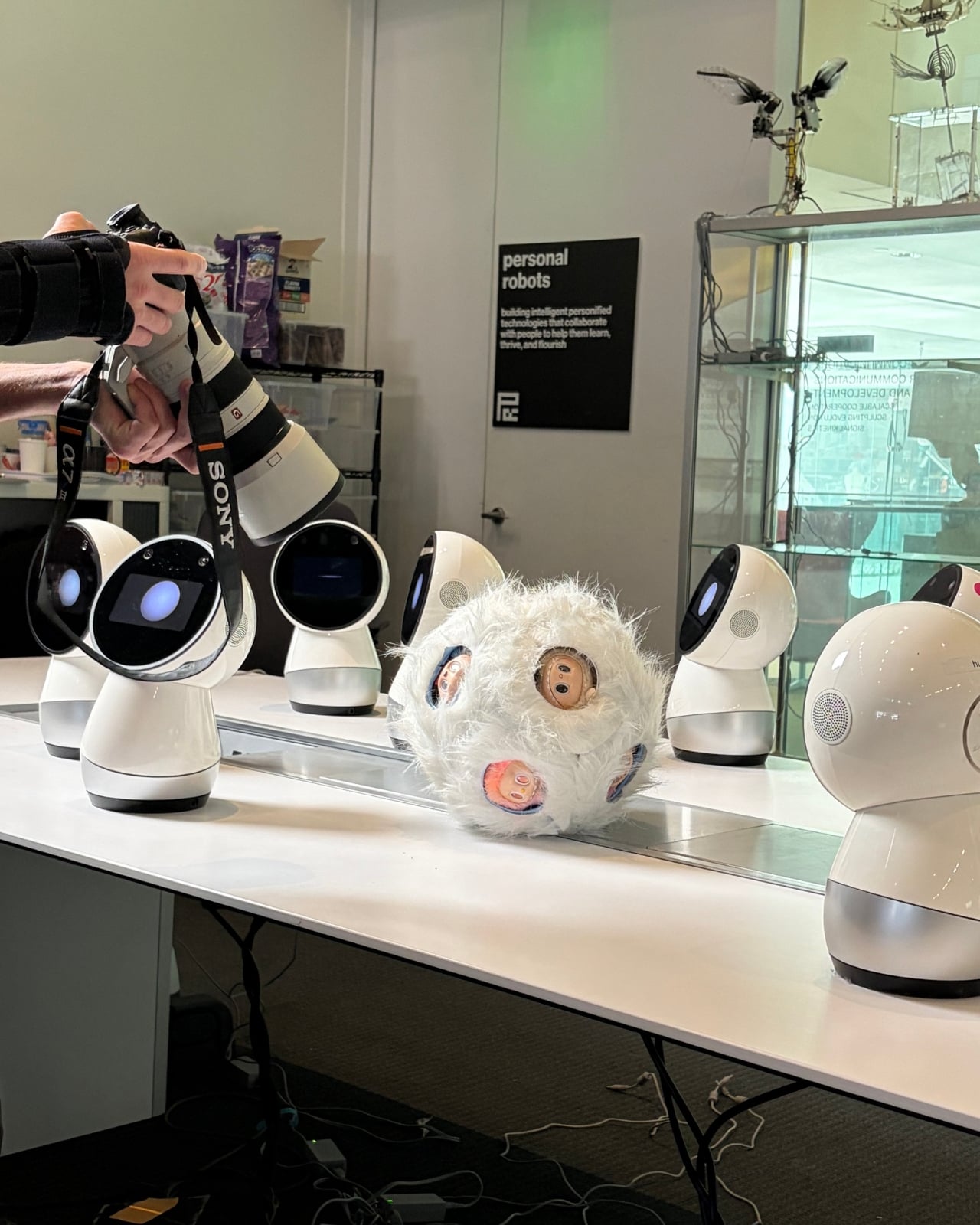
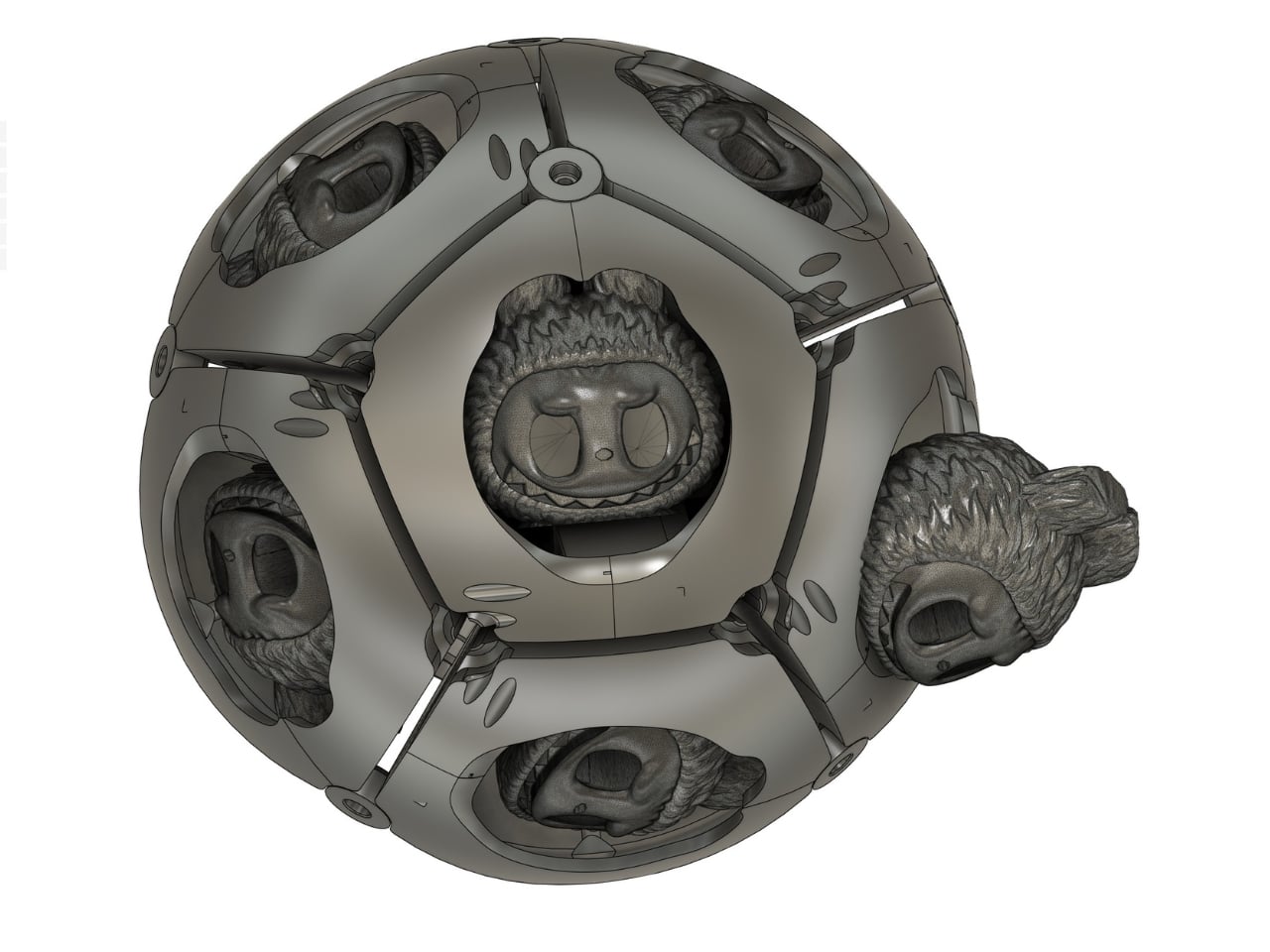
Nobody told MIT grad students to build a rolling sphere covered in twelve Labubu faces. They did it anyway, and now the rest of us have to sit with that. The project is called Labububot, and it comes from three graduate students at the MIT Media Lab: Miranda Li from the Personal Robots group, and Jake Read and Dimitar Dimitrov from the What’s Taking Form group. Together, they took the internet’s favorite ugly-cute collectible, multiplied it by twelve, and fused everything into a single spherical body that rolls around following people through hallways. The official description calls it “one of the rarest monsters on Earth,” and that phrasing alone tells you everything about the tone the team was going for.
The design is not subtle. Twelve identical Labubu faces stare outward from every angle simultaneously. When the thing moves, it does so with that particular brand of slow, deliberate motion that robots somehow always use when they want to feel unsettling. The MIT team leans into every bit of that discomfort, which is exactly what separates Labububot from most social robotics research you’ll come across.
Design: MIT Media Lab
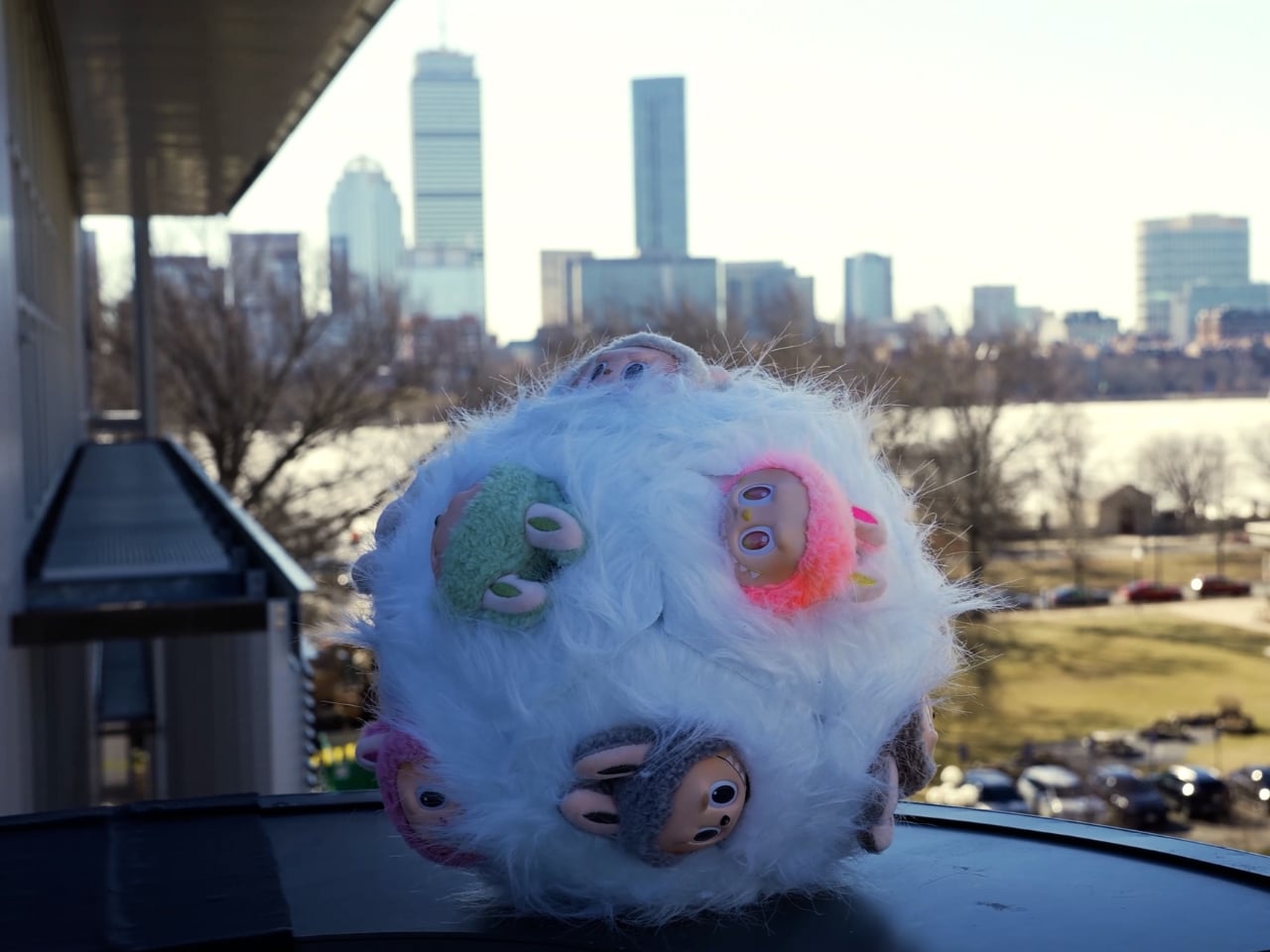

Social robots usually chase approachability. They get rounded edges, pastel palettes, and soft digital expressions designed to lower your guard on contact. The whole field runs on the logic that comfort builds connection, and most research in this space reinforces that assumption without questioning it much. Labububot rejects that premise entirely. It is meant to provoke a reaction before it earns one, and the reaction it tends to get first is somewhere between amusement and mild dread. That’s a deliberately chosen emotional space, and it works.
The Labubu connection makes this sharper than it might otherwise be. The original toy built its following on a very specific kind of ugly-cute tension. It’s not conventionally adorable. It has sharp teeth, wide eyes, and a design that sits right at the border of charming and unsettling. That’s precisely why it resonated. The blind-box format added a layer of collector obsession on top, and after BLACKPINK’s Lisa was seen collecting them, the whole thing escalated into cultural phenomenon territory fast. The fact that it already carried that complicated emotional charge before MIT ever touched it makes the robot version feel like the natural next step, even if nobody saw it coming.
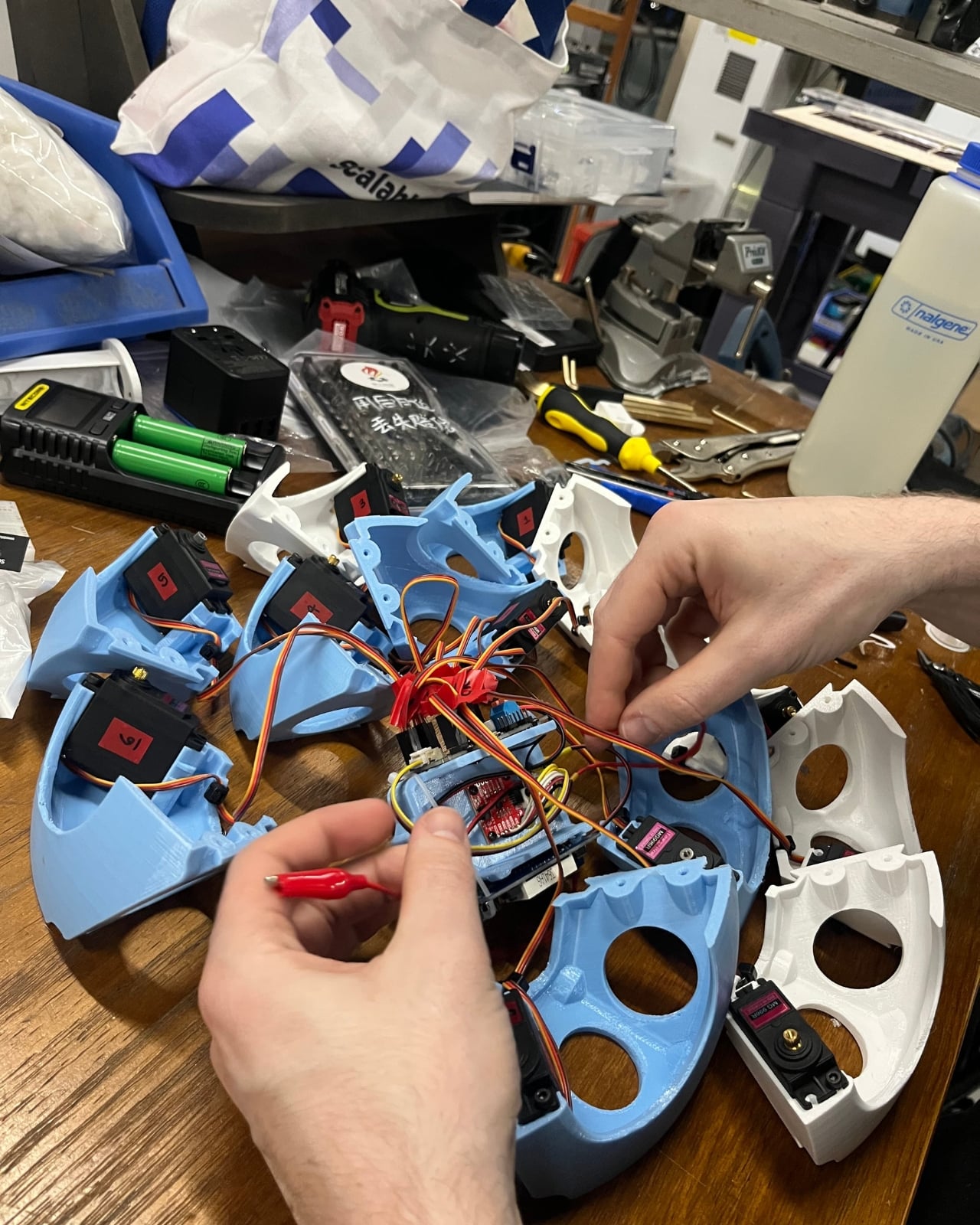

Scaling that same energy up to twelve faces on a rolling robot body is not an accident. The MIT team is clearly aware of what they’re working with. The official framing pitches Labububot as a “playful critique of social robots” and poses a question worth taking seriously: what do the monsters we make reveal about the monsters we are? For a project built around a pop culture collectible, that’s a surprisingly direct line of inquiry. It doesn’t answer the question so much as roll it directly toward you and wait.
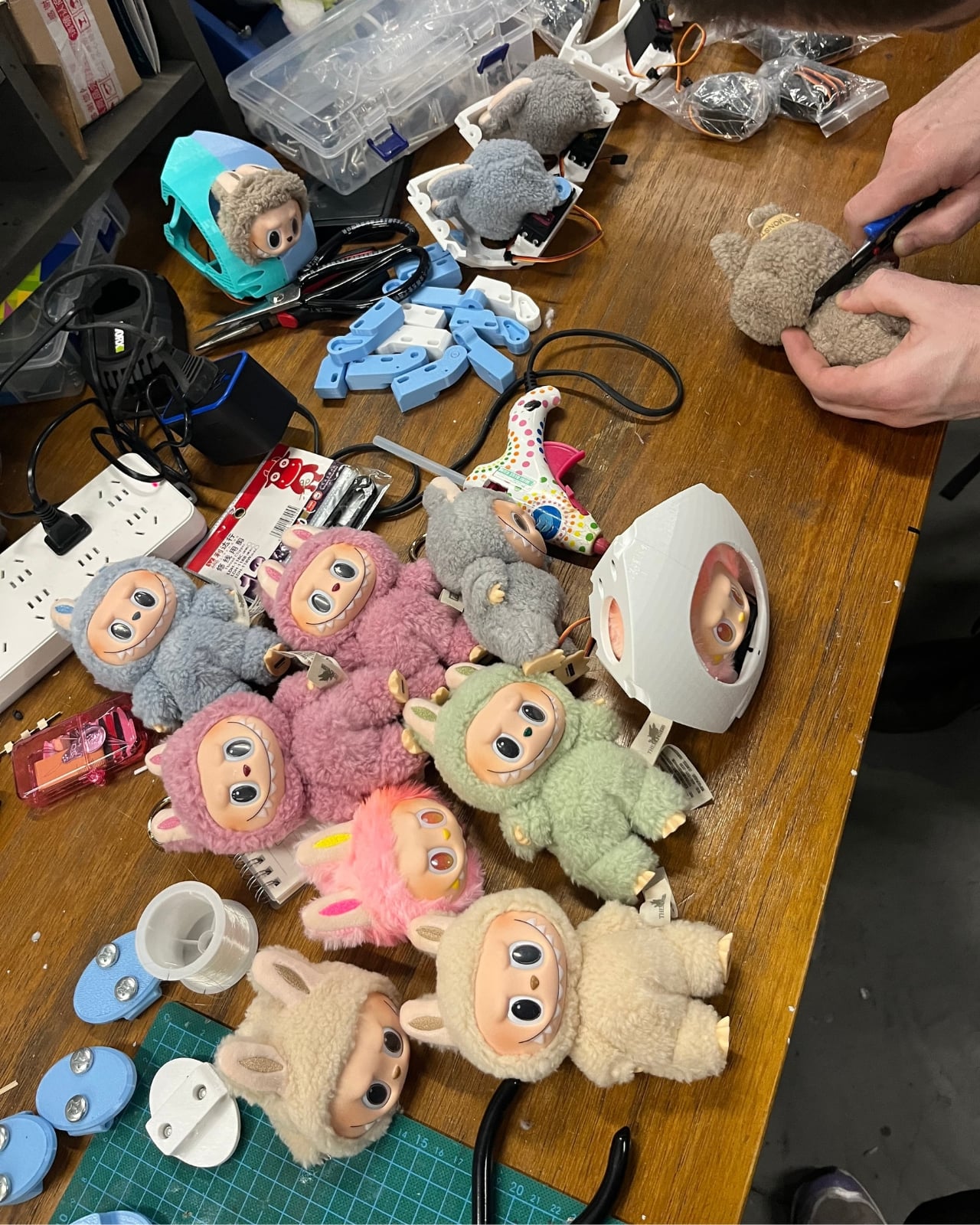
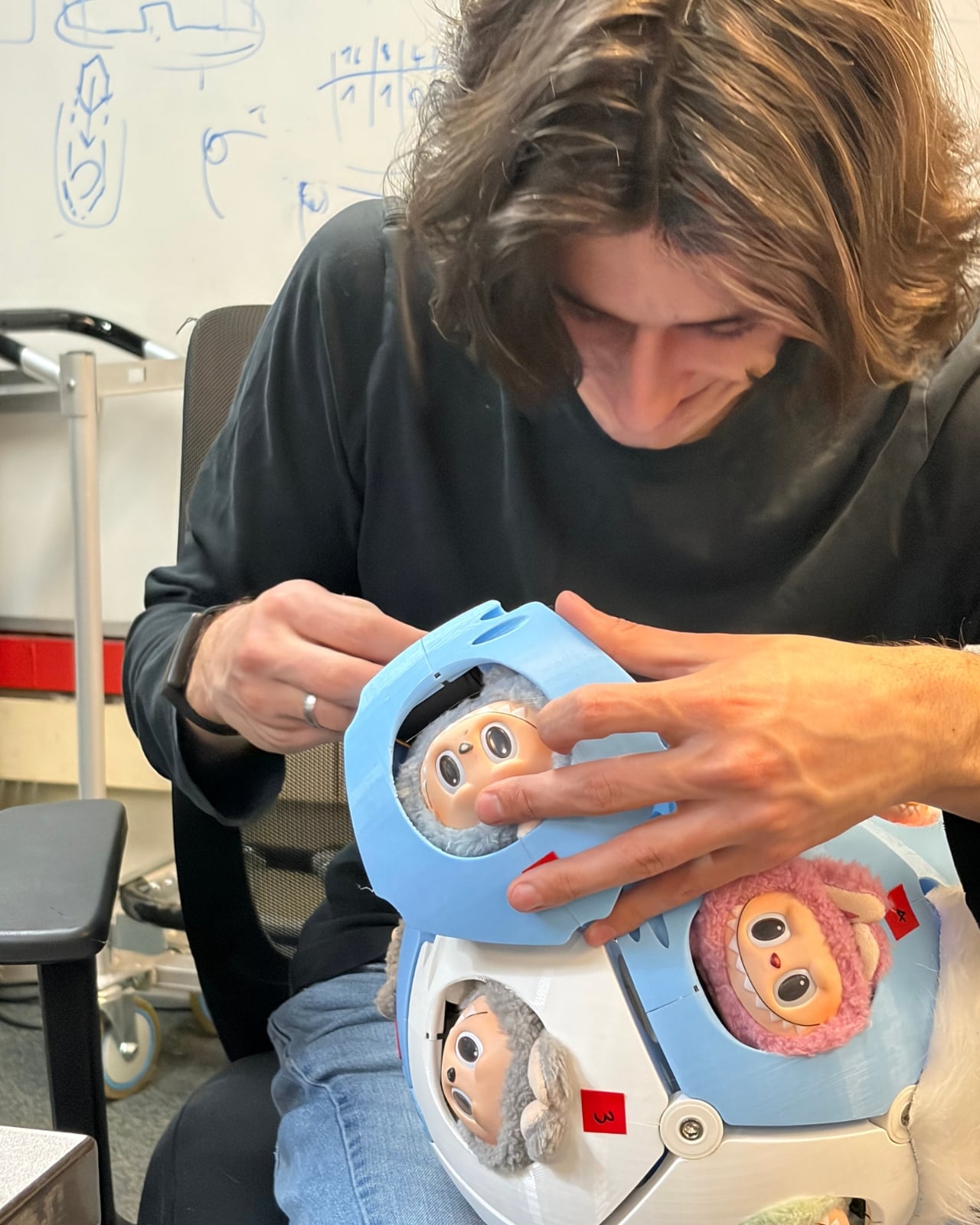
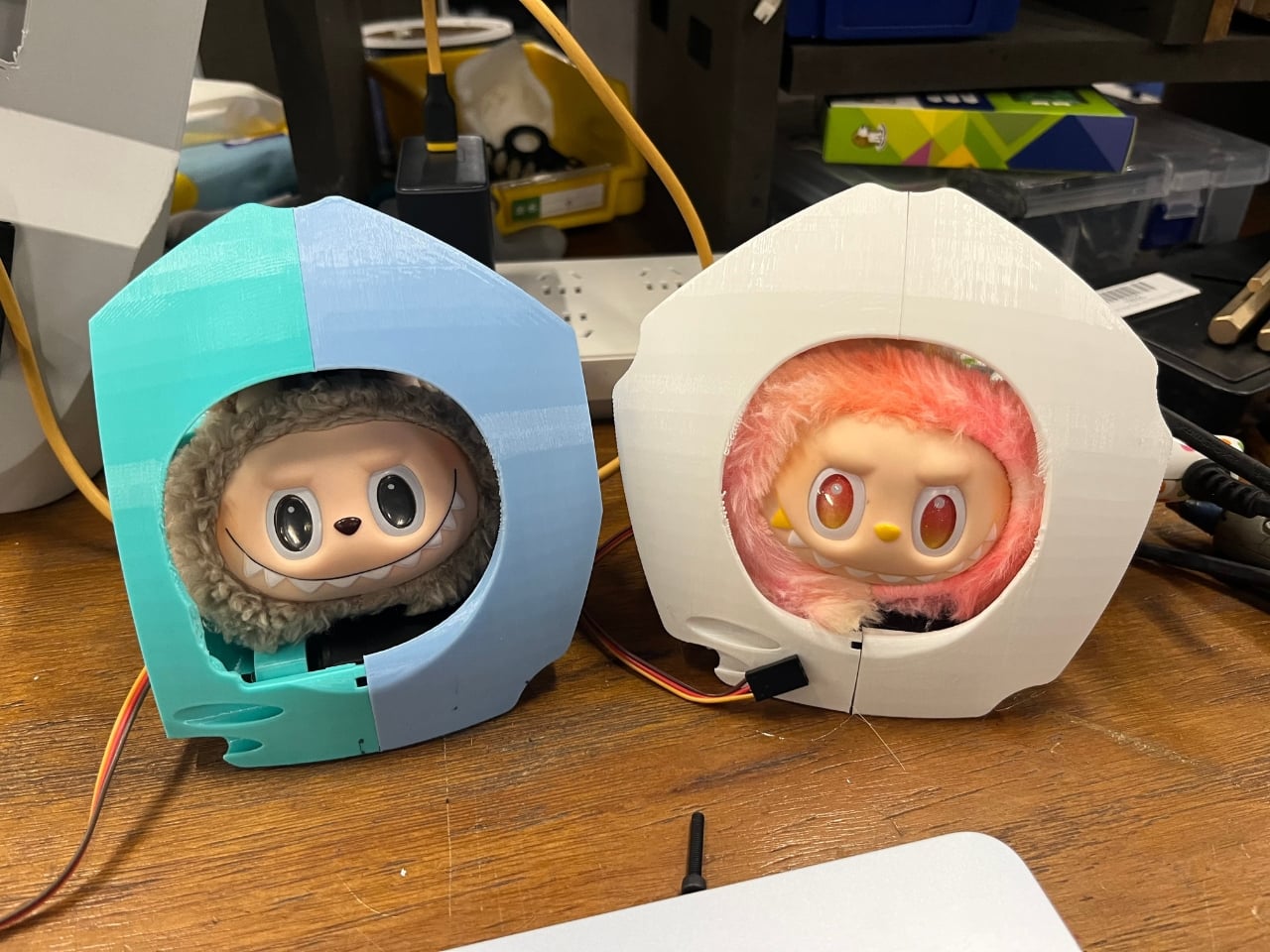
The timing adds another dimension. Labubu started as a toy, became a fashion accessory, turned into a resale market, and has now arrived at experimental robotics research inside one of the most prestigious institutions on the planet. That arc is completely absurd and also perfectly logical if you’ve been watching how internet culture compresses timelines. Trends don’t climb ladders sequentially anymore. They collide with things that have no business intersecting, and occasionally the collision produces something genuinely interesting. The path from blind-box collectible to MIT thesis statement is ridiculous, and also makes complete sense.
Labububot will make its public debut this summer as a Grand Challenge finalist at the 2026 International Conference on Social Robotics in London. Moving from the controlled environment of an MIT hallway to a public conference floor is a meaningful shift. Real audiences bring expectations about what robots should look and feel like, and a twelve-faced Labubu sphere is going to challenge most of those expectations immediately.
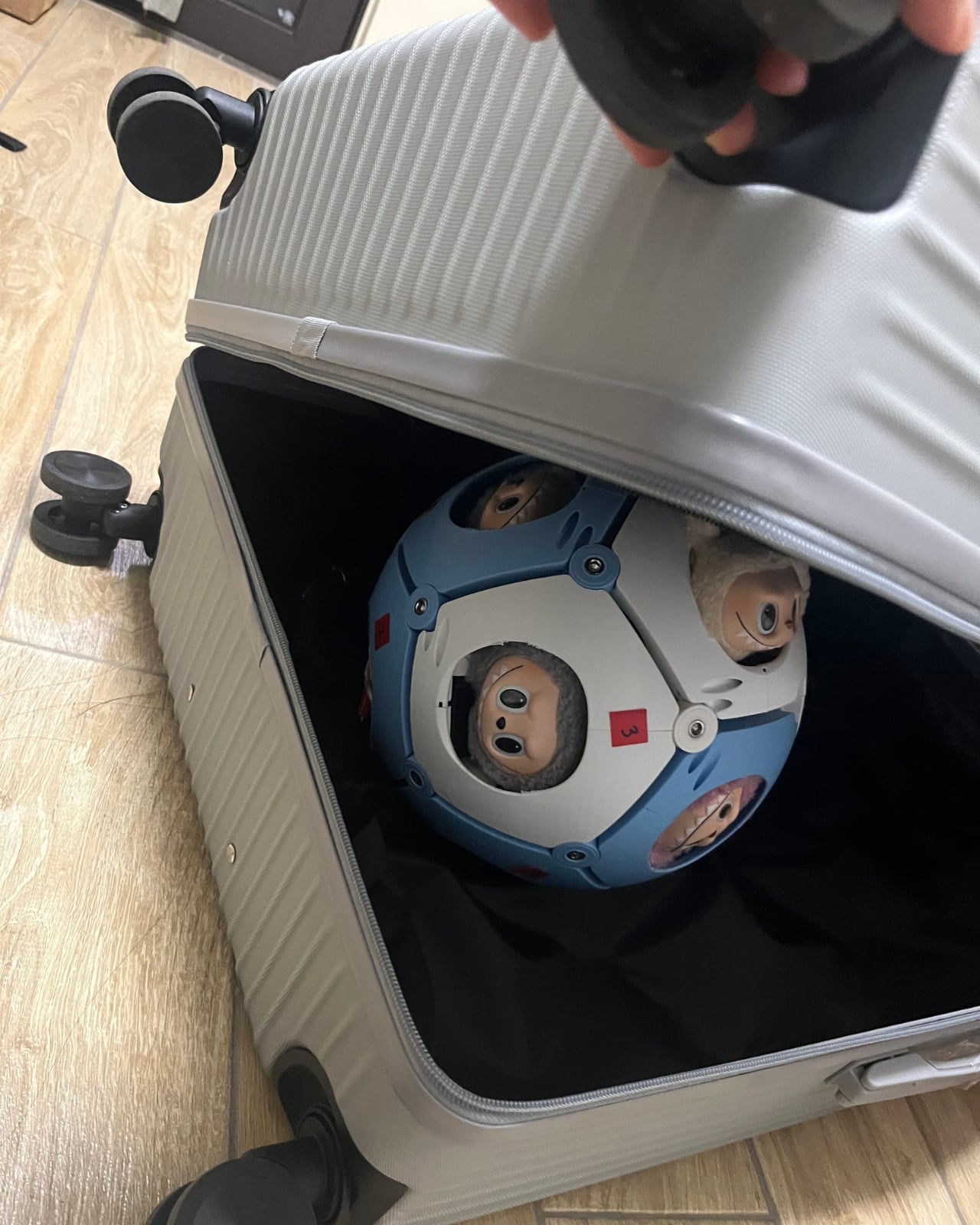
Some people will read it as satire. Some will find it genuinely unnerving. A few will want to know if they can buy one. I’m not entirely outside that last group, which tells me the project landed exactly where it was supposed to. Labububot doesn’t ask you to like it. It just follows you down the hall until you decide how you feel.