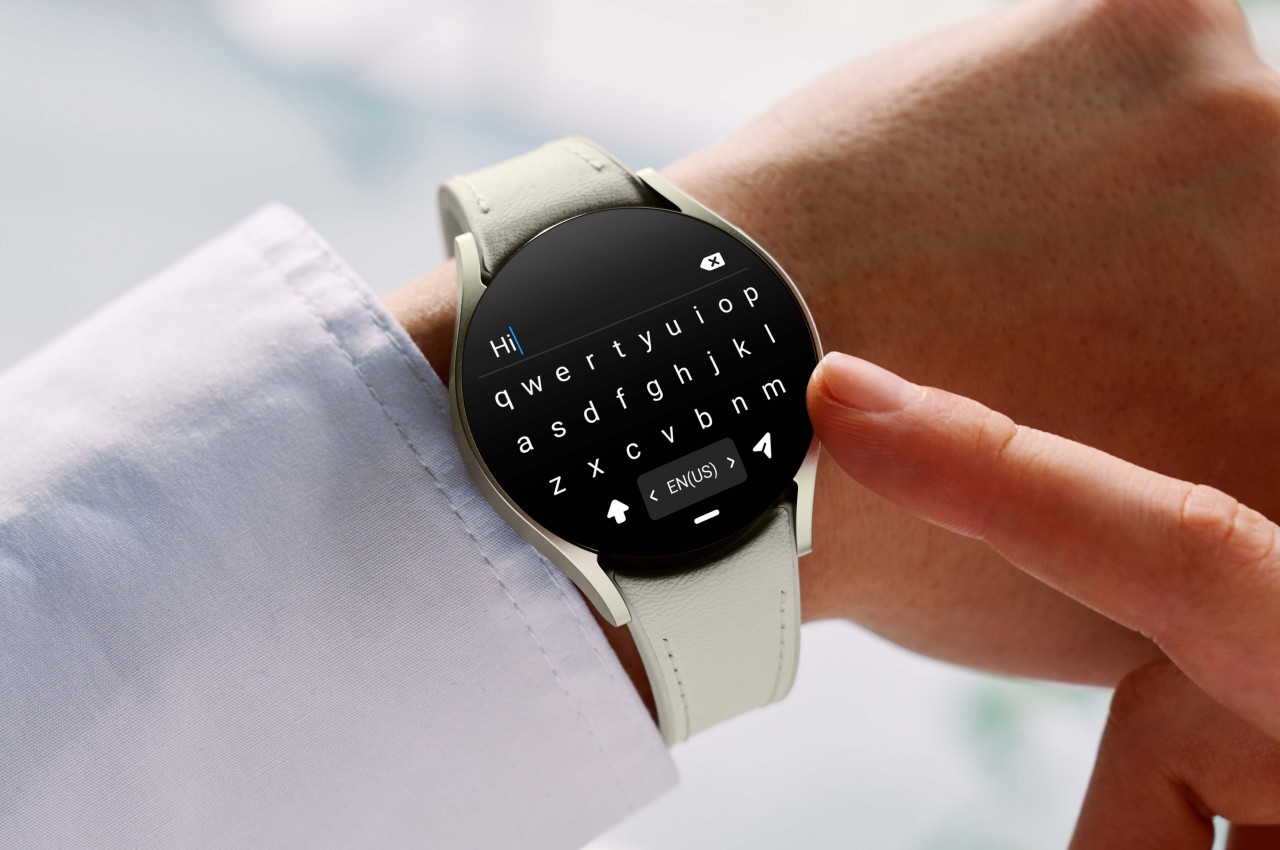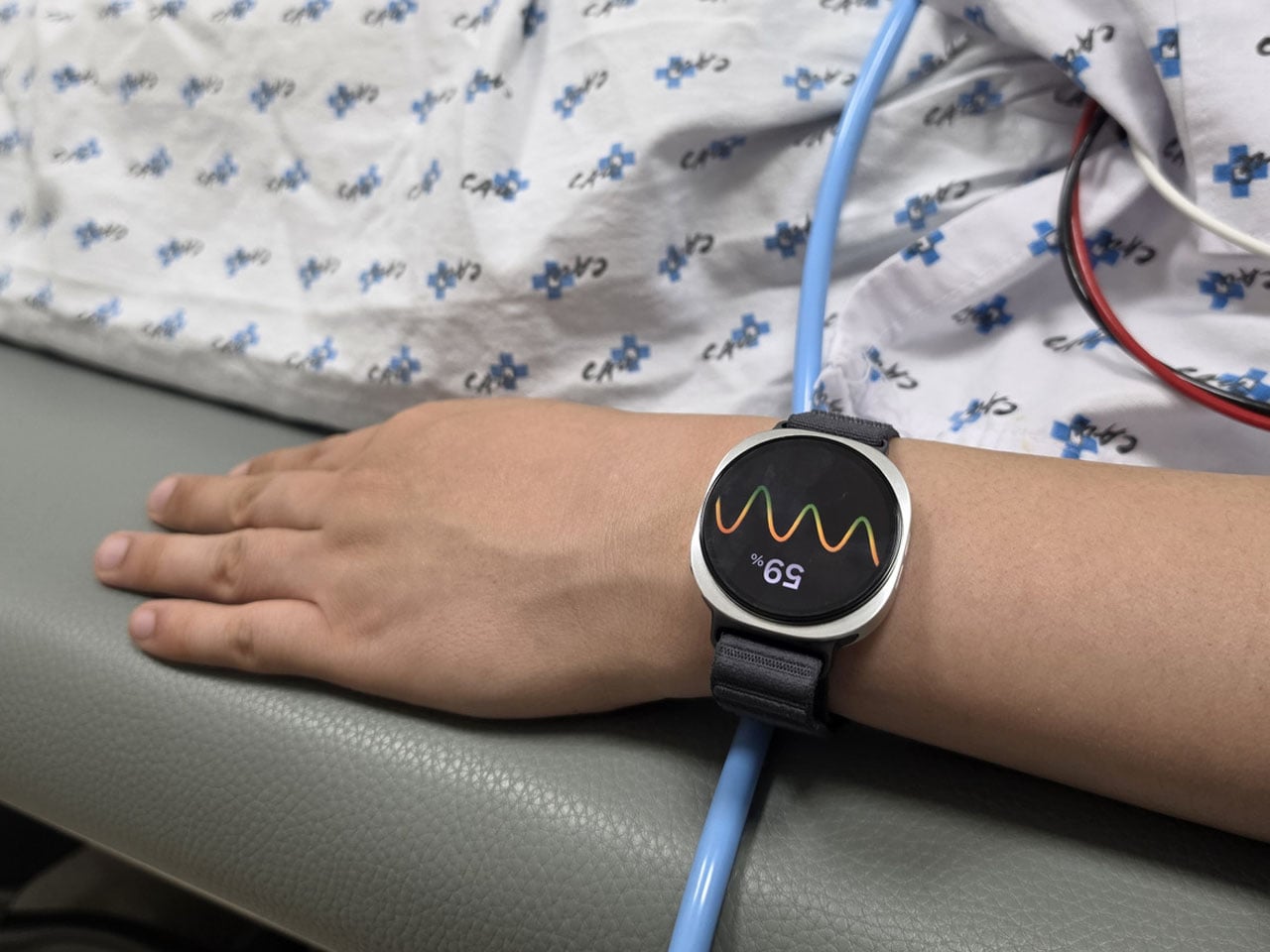

Fitness trackers and smartwatches are great at monitoring various body parameters, so we can learn from the input and take care of our health and lifestyle. While we are on top of the calorie count, steps walked, and stress levels, we are often negligent about how these smartwatches with heart rate monitoring and SpO2 detection can help with preventive care. Alerting us ahead of time when something is not right with the body.
Amid other interesting features like heart irregularity and fall detection, the Samsung Galaxy Watch is now getting another new feature. The Galaxy Watch is tested to be able to predict fainting caused by vasovagal syncope (VVS). A preventive care option that can help up to 40% of people who “experience vasovagal syncope over their lifetime.”
Designer: Samsung
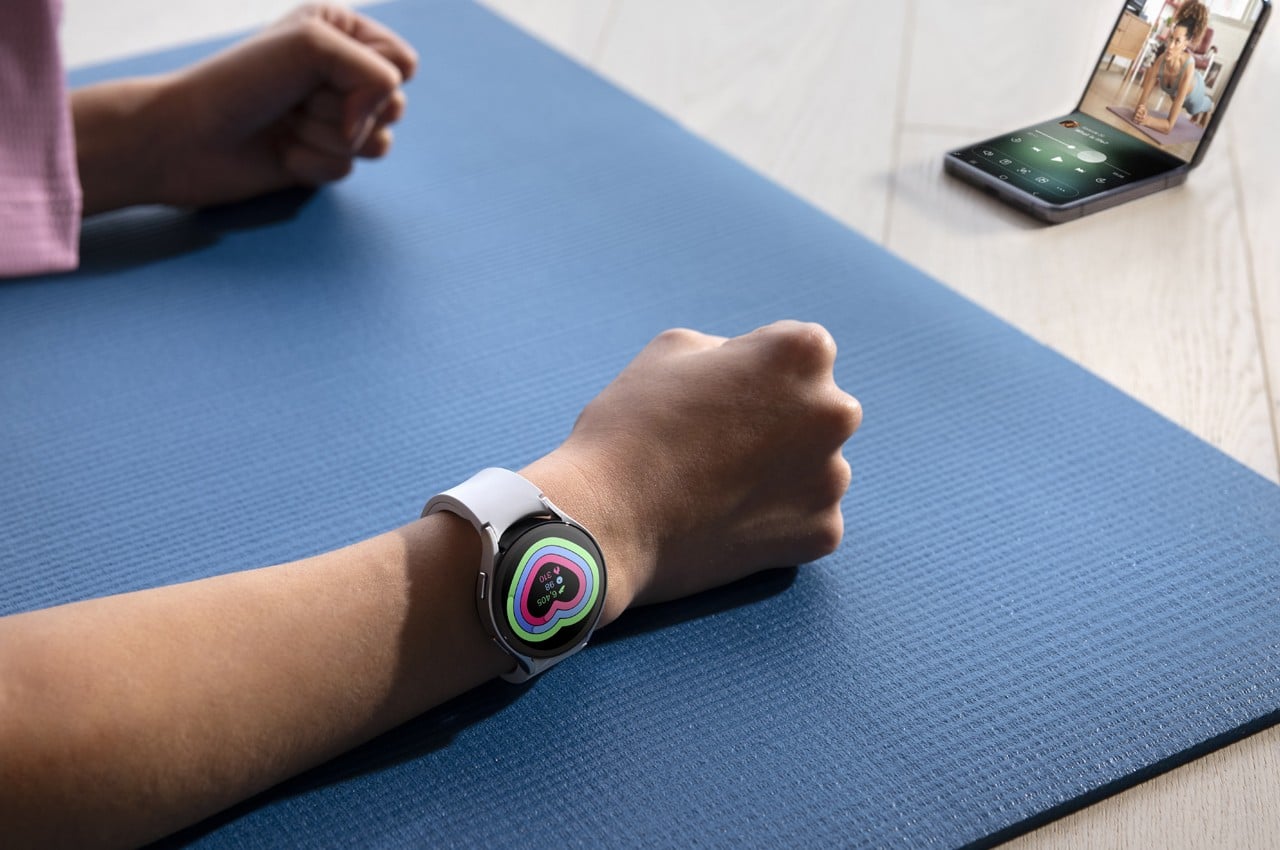

Samsung in a collaborative clinical study with Chung-Ang University Gwangmyeong Hospital in South Korea, has developed a technique to monitor vasovagal syncope with high accuracy. The technique is possible using a Galaxy Watch, which, through the obtained bio-signals, can successfully predict impending fainting episodes up to five minutes in advance with 84.6 percent accuracy, Samsung notes in its press brief.
With its ability to predict fainting episodes before they happen, the Galaxy Watch should be able to offer preventive care to people struggling with vasovagal syncope. VVS is a common condition, and not dangerous in itself, but sudden falls and unattended episodes can leave patients with serious injuries, including a concussion.
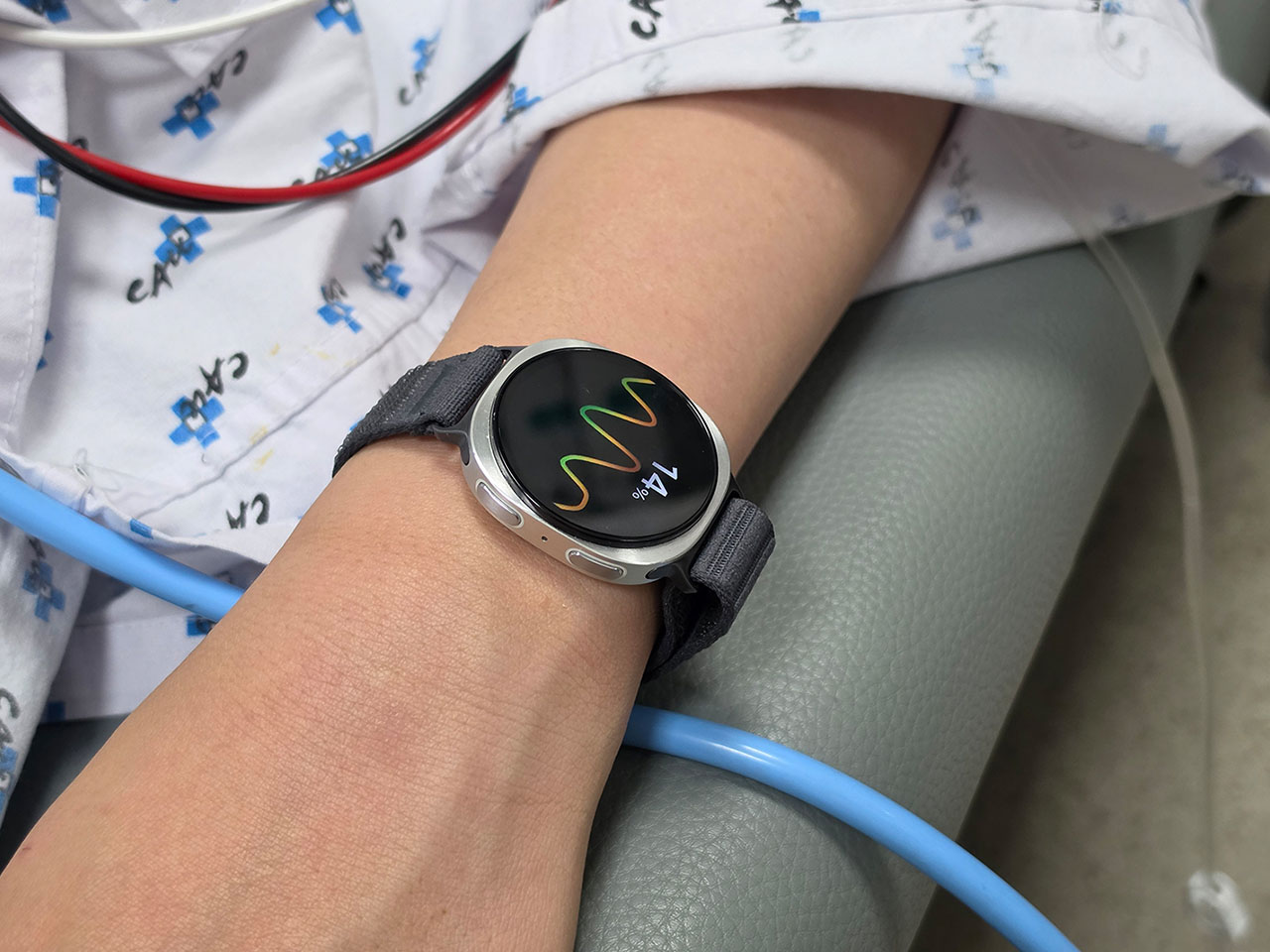
Professor Junhwan Cho from the Cardiology department of the participating hospital informs that “Up to 40% of people experience vasovagal syncope over their lifetime, with one-third experiencing recurrent episodes.” If patients can receive early warning signs, they can get to a safe place or call for help. This can help reduce injuries and in cases, even prevent them.
In the collaborative clinical study, a total of 132 patients with suspected vasovagal syncope were tested. VVS fainting generally happens when a person’s blood pressure and heart rate abruptly drop. Reasons for this can be different, but the body’s response is often the same: fainting! The Galaxy Watch, with its photoplethysmography (PPG) sensor, was used to analyze the heart rate variability (HRV) data with an AI algorithm and it was successfully found to predict impending fainting episodes with great accuracy.
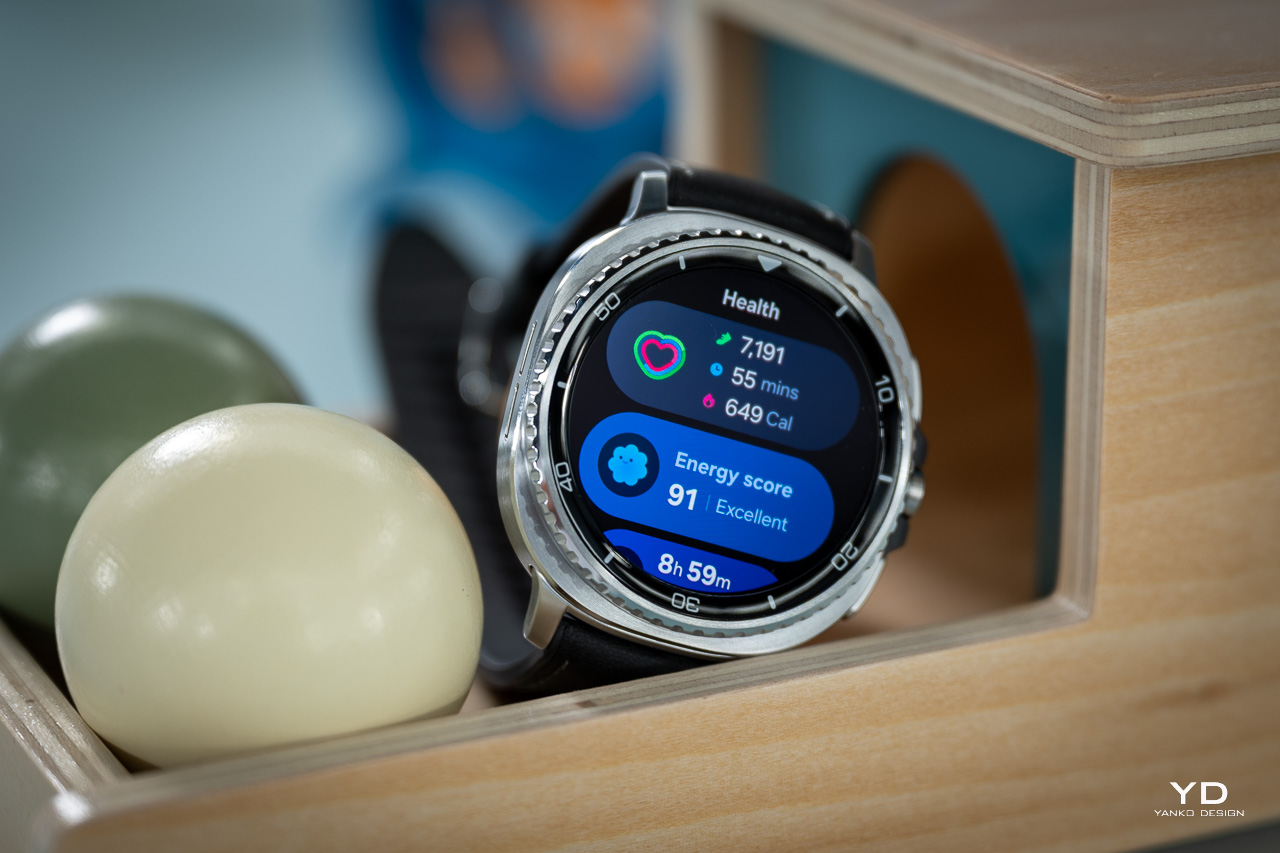

Samsung does not share as to when this feature will be commercially available on its Galaxy Watch series. But we learn via its press release that the Korean tech giant desires to work on “personalized, preventive health solutions,” and enhance the health monitoring capabilities of its wearables (including the smartwatch) through “collaboration with leading medical institutions.”