
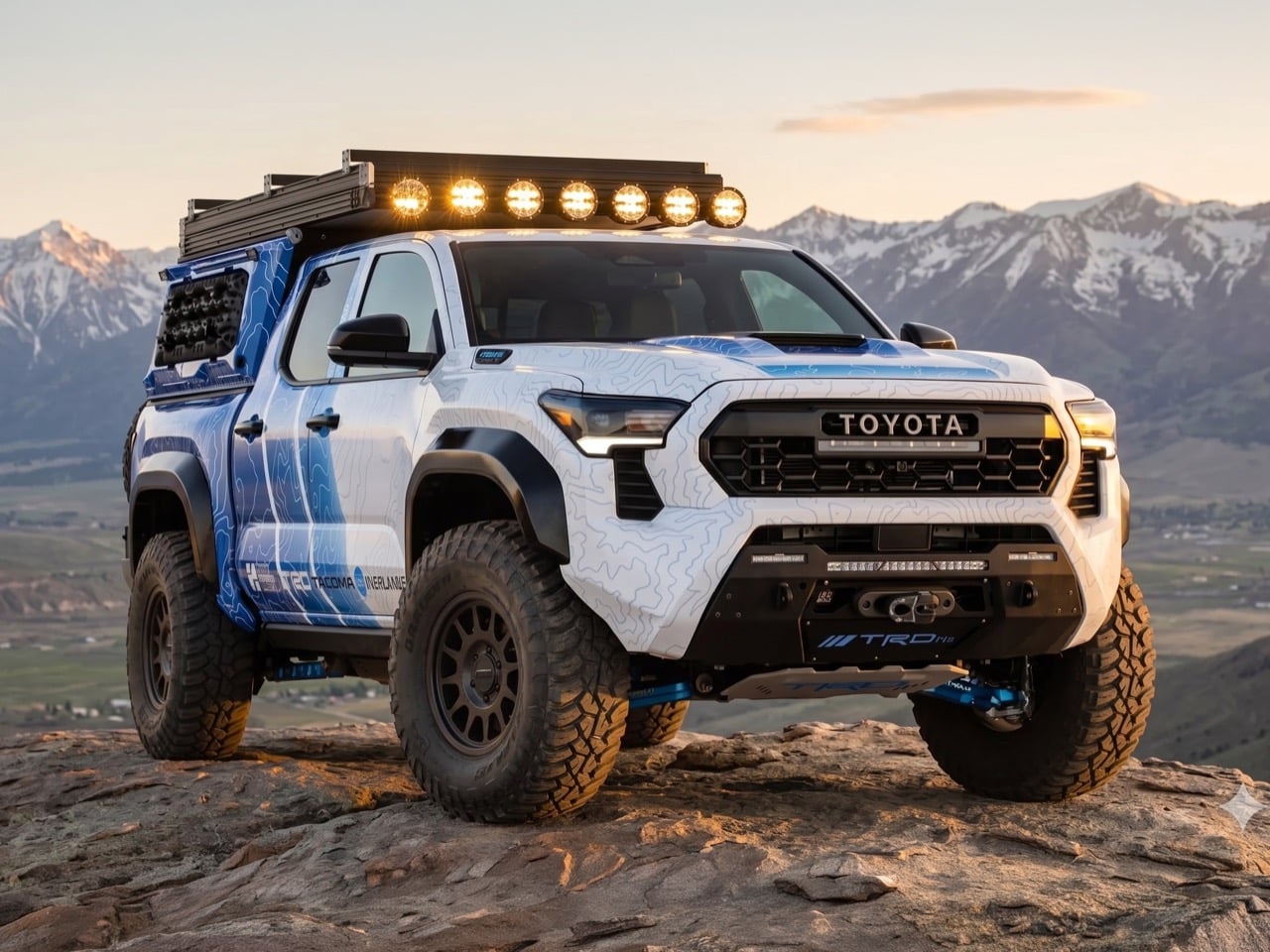
Toyota Tacoma H2-Overlander
The hydrogen fuel cell vehicle has been declared dead so many times that the obituary writers have a template saved. Battery EVs won, the infrastructure never materialized, and Toyota’s Mirai became the punchline for a technology that arrived a decade too early and never quite recovered. That was the consensus heading into 2025. Then, in roughly a six-week window, Toyota rolled a hydrogen-electric Tacoma concept onto the SEMA floor, dropped a 2026 Mirai refresh, and unveiled a liquid-hydrogen Le Mans racer, and Hyundai answered with a redesigned NEXO and a striking FCEV concept that previewed an entirely new design language for the brand.
What makes this moment different from previous hydrogen revivals is the context it landed in. A world freshly reminded of oil’s political weight is a world considerably more receptive to the hydrogen pitch, and these announcements, made before any of that, now read as remarkably well-timed. Toyota and Hyundai weren’t reacting to geopolitics. They were already building. The current moment simply handed their work a much larger audience than it might otherwise have found, and the design language pouring out of Toyota City and Seoul tells a story the analyst reports keep missing: hydrogen’s most interesting chapter is being written right now, in metal and carbon fiber and recycled aero panels, on a SEMA show floor and a Le Mans pit lane.
Designer: Toyota
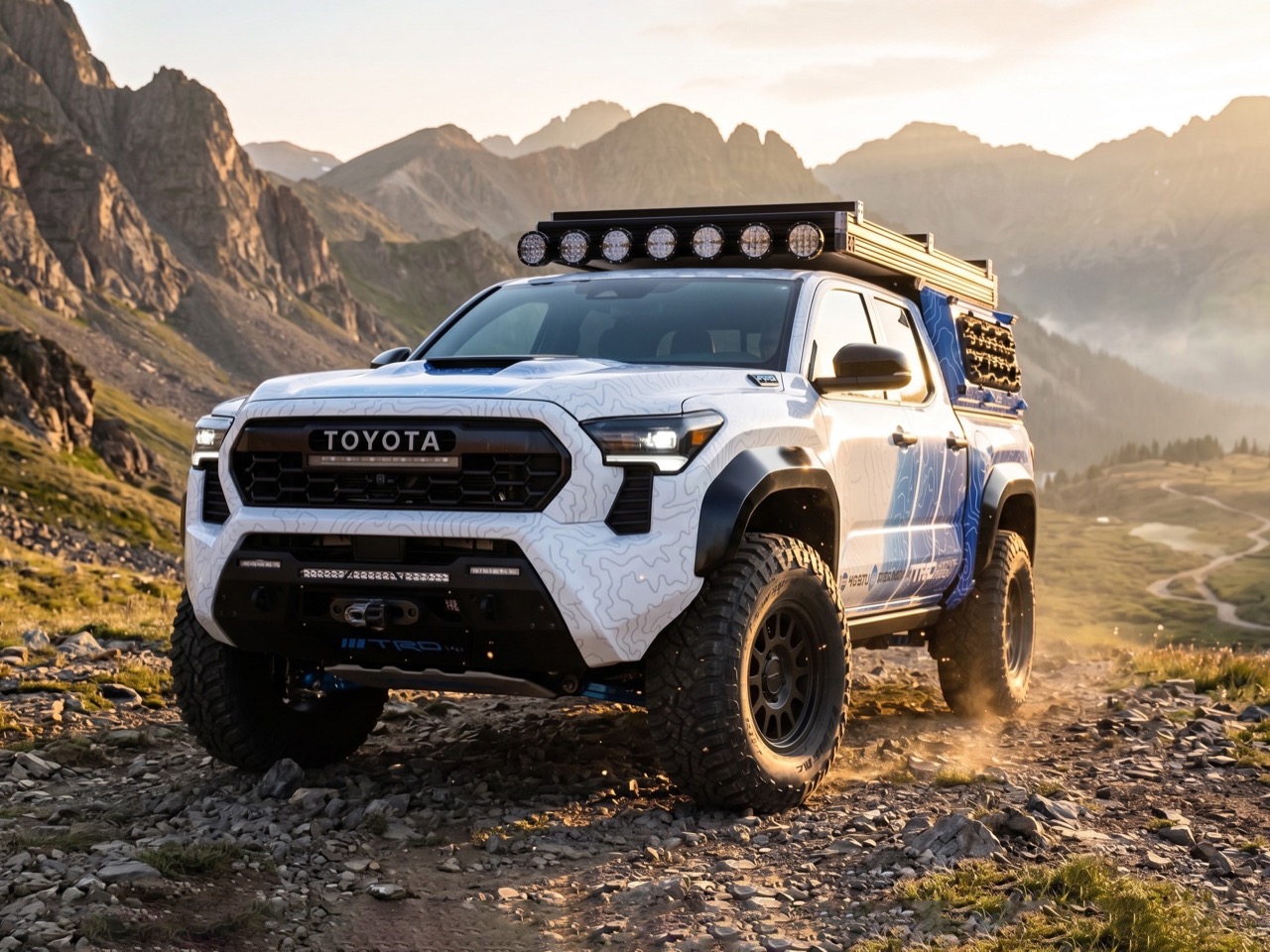
Toyota Tacoma H2-Overlander
The most conceptually ambitious piece in Toyota’s recent hydrogen push is the Tacoma H2-Overlander, built by TRD teams in California and North Carolina for the 2025 SEMA Show in November. Built on the proven TNGA-F truck platform, it replaces internal combustion with a second-generation Mirai fuel cell stack paired with three frame-integrated hydrogen tanks holding 6 kg of fuel. Two electric motors — 301 horsepower up front, 252 at the rear — deliver a combined 547 horsepower, which on paper makes it one of the most powerful Tacomas ever conceived. But horsepower is the least interesting thing about this truck. The fuel cell exhausts a single byproduct from the process it uses to produce electricity: water, and Toyota engineered a patent-pending water recovery system that captures and filters that H2O for camping and outdoor use. Distilled water from a tailpipe, in a truck that can simultaneously charge two EVs through dual NEMA 14-50 outlets via a 15-kW power takeoff. That is a design argument, not just a spec sheet.
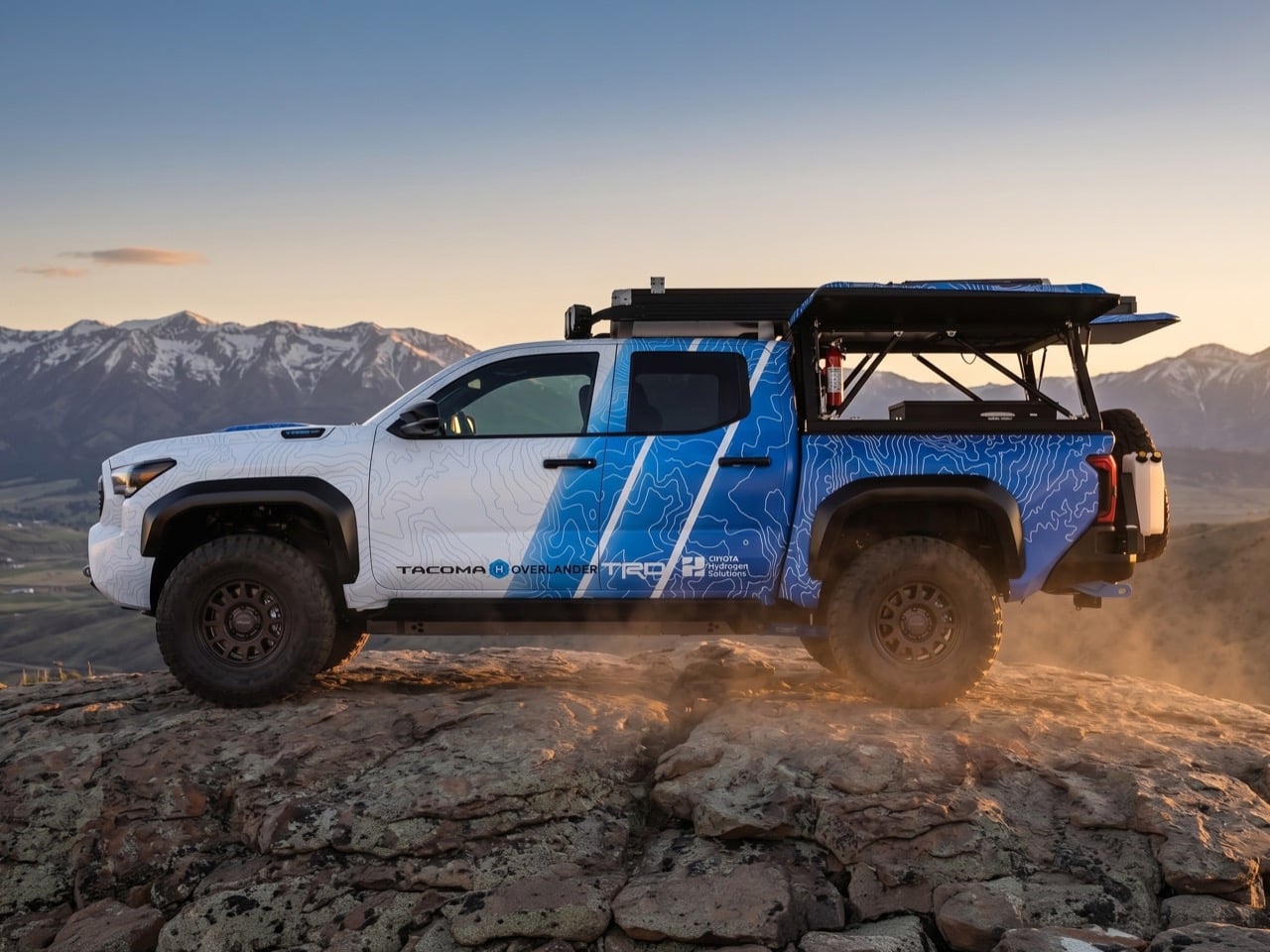
Toyota Tacoma H2-Overlander
The argument Toyota is making with the H2-Overlander is the most important one hydrogen advocates have ever attempted: that the infrastructure problem, which has strangled FCEV adoption in urban markets for two decades, simply ceases to matter once you take the vehicle off the grid. A Tacoma disappearing into backcountry terrain where there are no hydrogen stations is not a problem for hydrogen. It is hydrogen’s strongest use case. The concept’s exterior features a custom overlanding camper built from recycled carbon-fiber aero panels, and the whole truck reads as a coherent design thesis rather than a show-floor stunt. Toyota Racing Development built this under an extremely compressed timeline, relying on advanced CAD modeling and multi-site collaboration to retrofit an entirely new powertrain into a platform never designed for it. The pressure showed in the ambition of the result, which is a phrase you rarely get to write about concept vehicles.

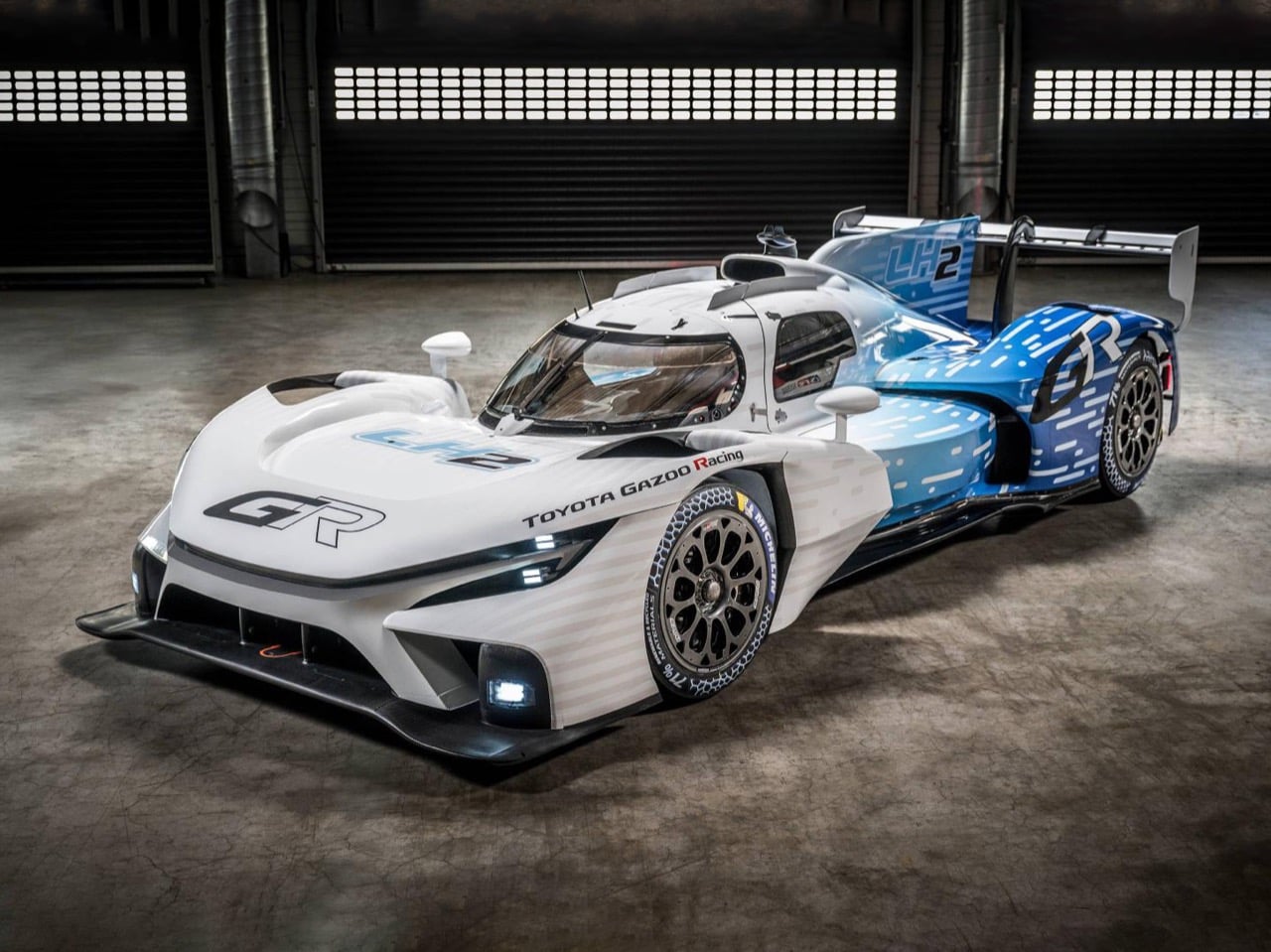
Toyota Gazoo Racing GR LH2 Racing Concept
Toyota did not stop at SEMA. At Le Mans in June 2025, Toyota unveiled the GR LH2 Racing Concept, an evolution of a static design study the marque had presented at the same event in 2023, now underpinned by the chassis from its FIA World Endurance Championship-contending GR010 Hypercars. The GR LH2 runs on liquid hydrogen rather than compressed gaseous hydrogen, which requires storing the fuel at approximately minus 253 degrees Celsius and introduces a completely different set of engineering and packaging challenges. Toyota describes it as a testbed for not just the propulsion system itself but also the infrastructure and refueling requirements it will demand, and team principal Kazuki Nakajima confirmed that a first public on-track test is approaching without committing to a specific date. The Le Mans organizers have tentatively committed to a hydrogen-powered class potentially as early as 2026. Toyota, which has been running hydrogen-combustion Corollas in Japan’s Super Taikyu series since 2021, is the obvious frontrunner for that grid. Motorsport as a hydrogen proving ground is a strategy Toyota has been executing quietly for years, and the GR LH2 is what that strategy looks like when it graduates to the main stage.
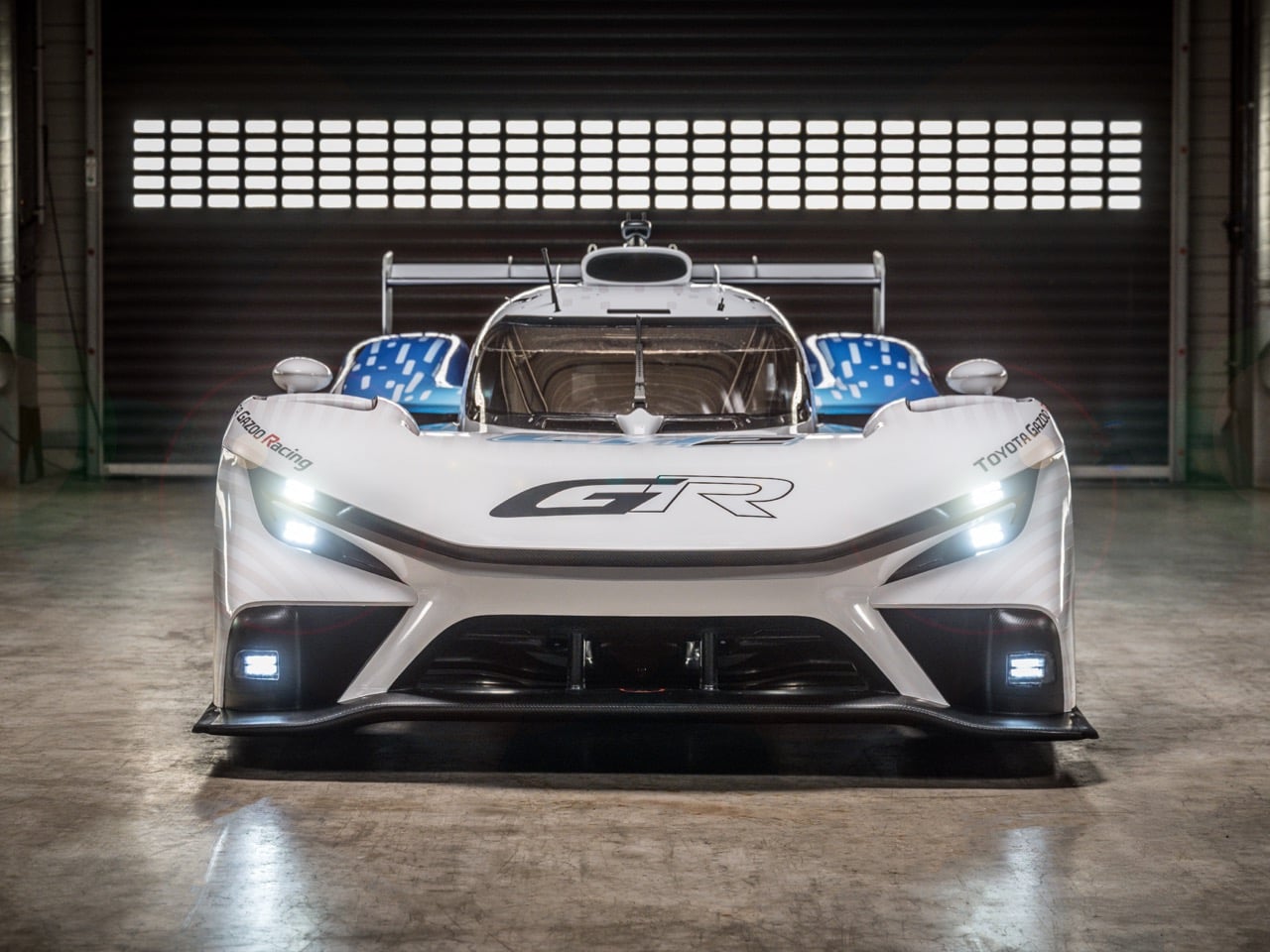
Toyota Gazoo Racing GR LH2 Racing Concept
Hyundai’s approach runs in parallel, and deliberately so. Where Toyota has been stress-testing hydrogen across use cases — luxury sedan, off-road truck, endurance racer — Hyundai has been doubling down on hydrogen as a premium SUV proposition with a design language confident enough to treat the powertrain as an asset. Introduced at the Seoul Mobility Show in April 2025, the all-new NEXO is based on the INITIUM concept unveiled in October 2024 and embodies Hyundai’s new “Art of Steel” design language, built around the inherent tension and formability of steel as a material statement rather than a neutral manufacturing choice. That design language will be applied exclusively to hydrogen-powered vehicles within Hyundai’s lineup, which is a meaningful brand decision. Hyundai is not just refreshing a car. It is building a visual identity for hydrogen as a category, separating FCEVs from BEVs at the design language level so that a buyer can read the powertrain from across a parking lot. The HTWO lamp signatures, derived from the molecular formula for hydrogen and Hyundai’s hydrogen brand name, appear front and rear as dedicated FCEV-specific design cues. That kind of systematic visual differentiation takes conviction, and conviction is something hydrogen advocacy has historically lacked.
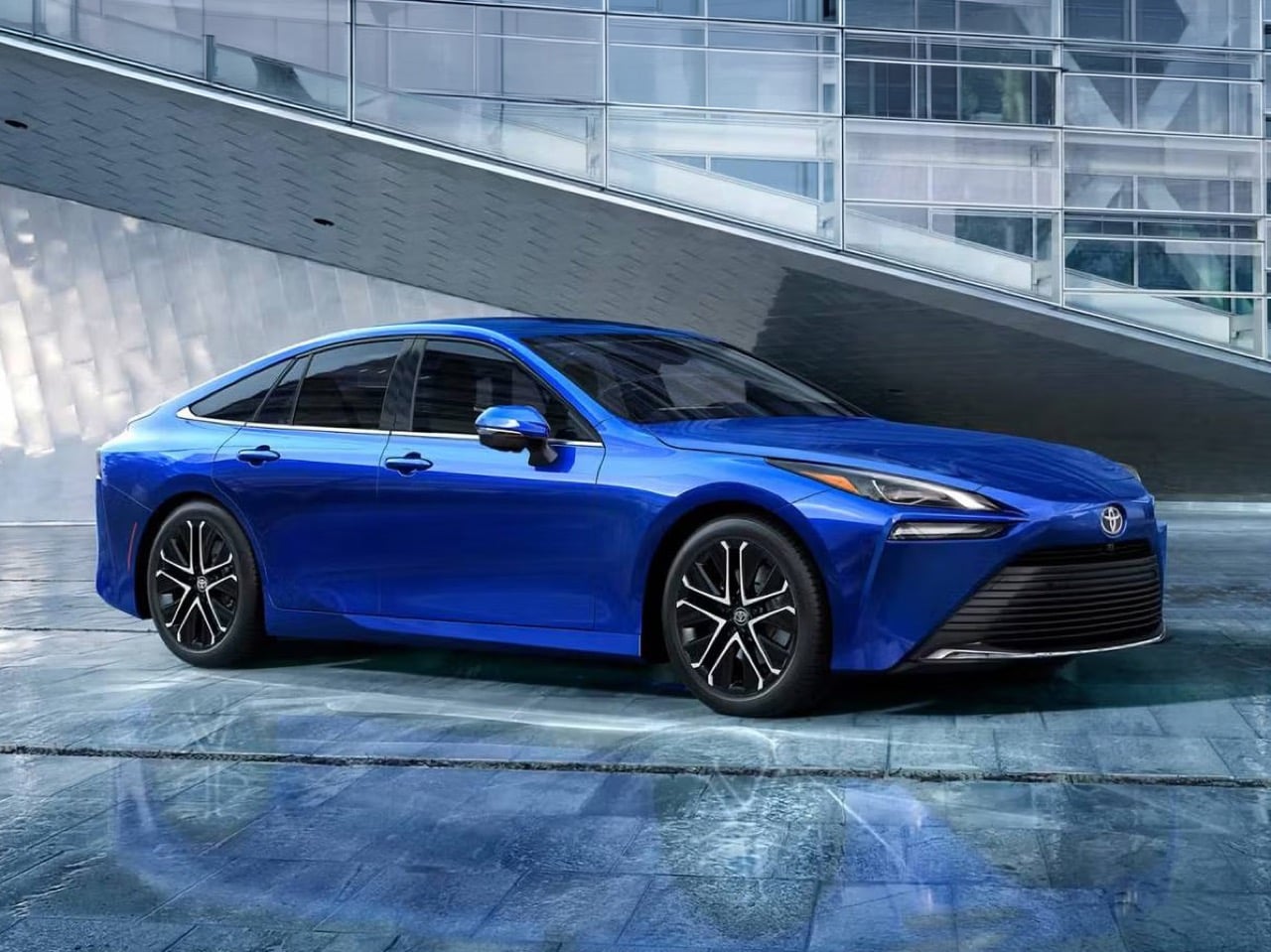
Toyota Mirai 2026
The 2026 NEXO targets a driving range of up to 447 miles on a single fill, refuels in approximately five minutes, and becomes the first FCEV to offer towing capability in European markets, a specification that quietly dismantles one of the lingering criticisms of fuel cell vehicles as impractical luxury objects. A hydrogen SUV that can tow is no longer a commuter car wearing premium clothes. It is a direct competitor to diesel utility vehicles in markets where towing capacity is a purchase decision, not an afterthought. The interior has been reimagined as what Hyundai calls a “Furnished Space,” with Relaxation Seats, a Bang and Olufsen 14-speaker audio system, vehicle-to-load capability up to 3.6 kW, and a curved dual 12.3-inch display system. The cabin ambition is clear: Hyundai wants the NEXO to compete on interior quality with premium German SUVs, and it wants the hydrogen powertrain to feel like a selling point rather than a compromise the buyer tolerates.
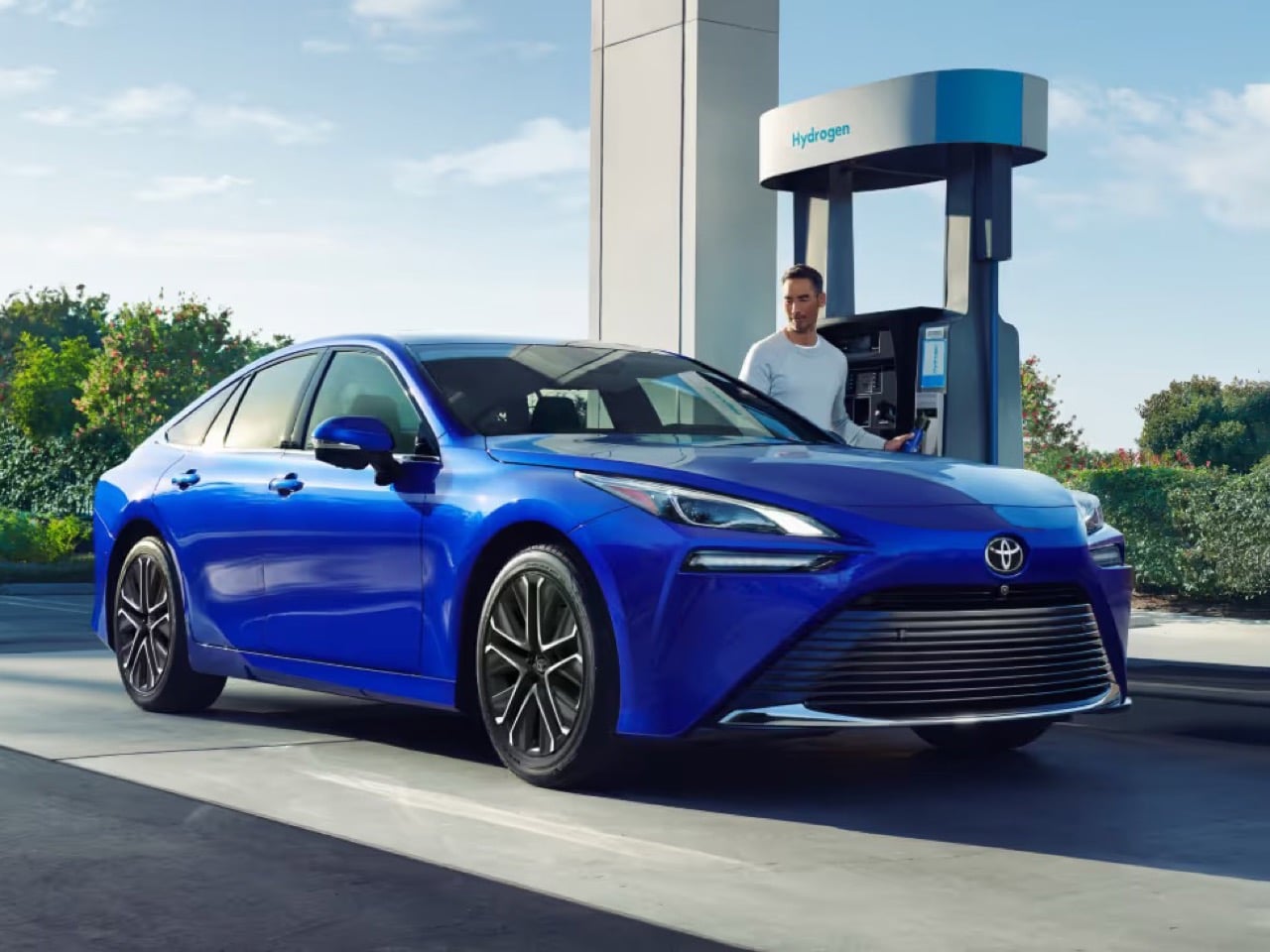
Toyota Mirai 2026
BMW and Honda both have hydrogen programs running in parallel, and the commercial truck sector has been deploying hydrogen fuel cells at scale for longer than most passenger car advocates acknowledge. But Toyota and Hyundai are the two companies whose recent design output makes the strongest collective argument for hydrogen as a coherent, multi-use-case technology with real visual language and real engineering ambition behind it. The obituary writers got the timing wrong. Hydrogen in 2025 looks less like a technology in retreat and more like one that has been quietly doing its homework, waiting for the moment when the world would finally pay attention. That moment, for reasons nobody in Toyota City or Seoul planned for, appears to have arrived.

