
Pattern has always been one of humanity’s most instinctive forms of expression. Before there was writing, there was weave, the repetition of motifs in cloth, stone, and ceramic that encoded identity, belief, and belonging long before language could do the same. The Japanese asanoha, the Nordic Fair Isle, the geometric armor vocabulary of ancient Chinese craft, these are visual systems developed over centuries that survive precisely because they carry emotional weight. In 2026, those same systems are finding a new surface to live on, and the conversation around what that means has quietly become one of the more compelling ones happening in product design.
When PITAKA launched “Weave the Next, Weave Our World,” the brief it handed designers was deceptively open. Submit a texture system, anchor it in one of four broad themes, and consider how it might actually live on a physical product. No prescriptions on culture, no mandate on aesthetic direction. The entries that came back reflected the full range of what happens when that kind of creative latitude meets genuine material ambition. A few of them stand out, not for spectacle, but for the quality of thinking they bring to a surface most people never stop to examine.
Click Here to Submit Now. Hurry, Competition Ends: May 25, 2026.
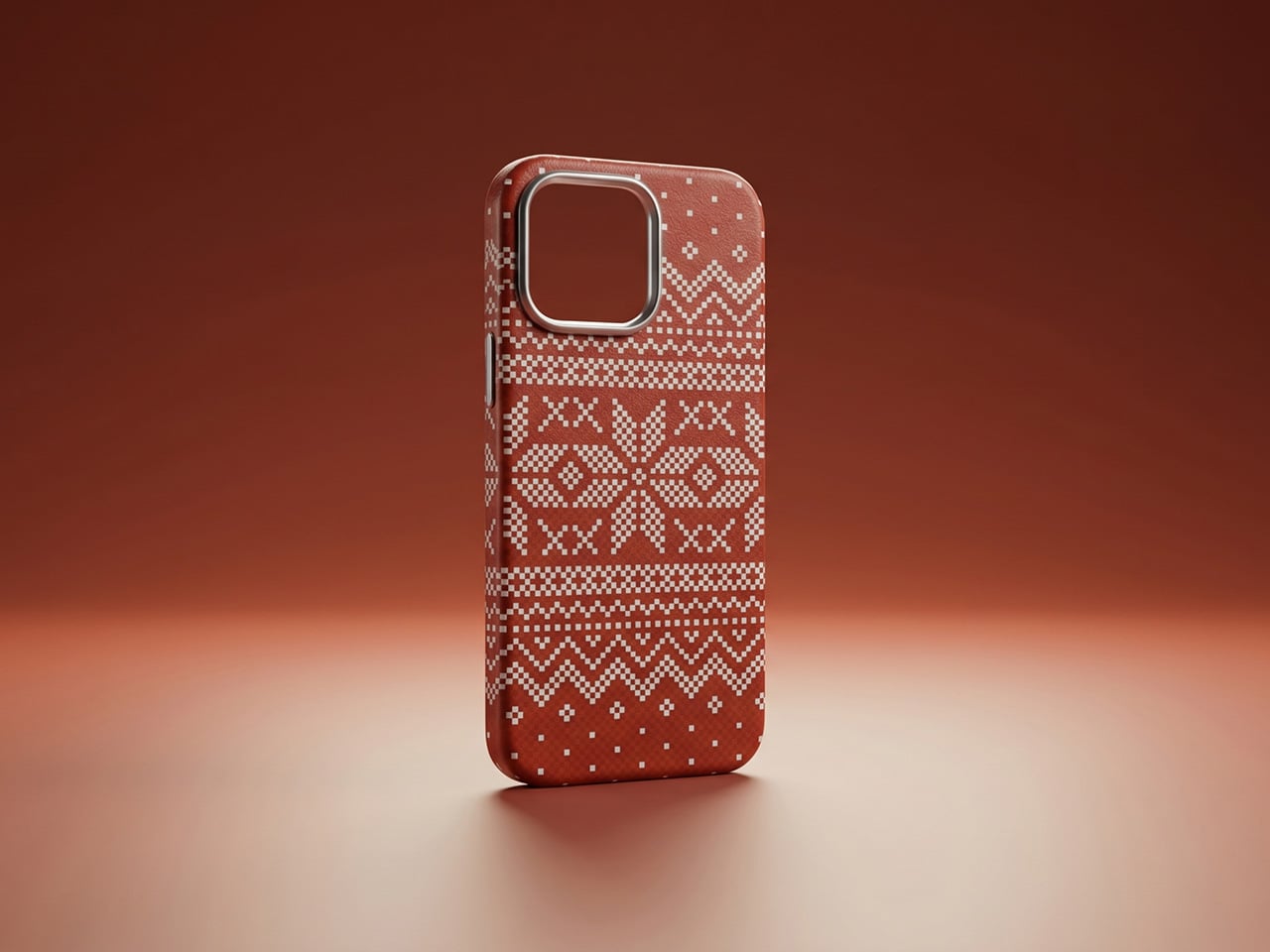
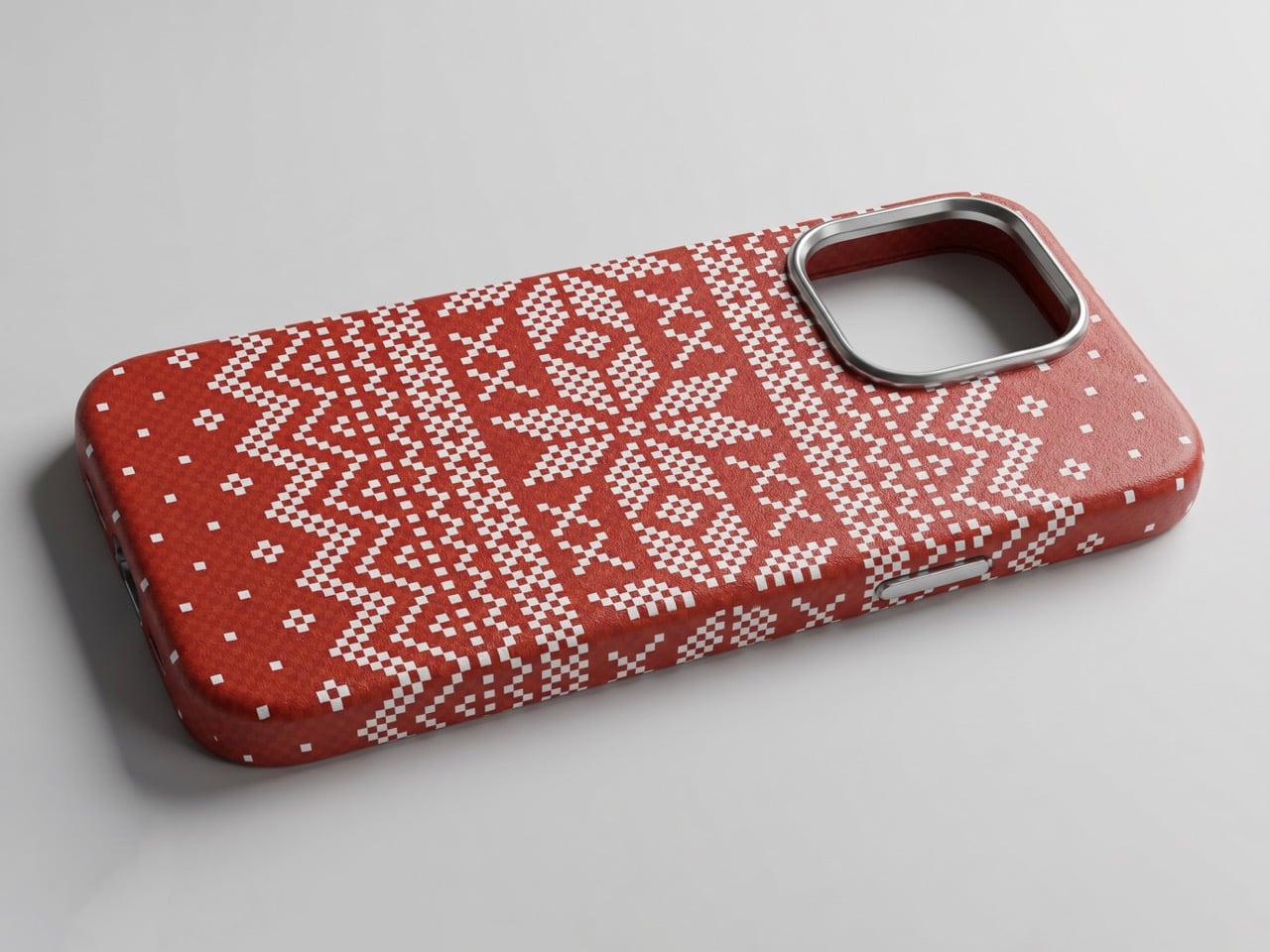
Nathan.c’s “Nordic Knit Dream” feels instantly familiar and comforting. The design is inspired by Fair Isle knitwear, the classic two-color style from the Shetland Islands, turning its traditional geometry into a clean, pixel-like pattern. It’s a smart nod to the grid-like nature of knitting, but updated for a modern tech accessory. The choice of a vintage red and crisp white feels both festive and timeless. This concept connects directly with PITAKA’s own manufacturing, as the Fusion Weaving process literally weaves patterns into the aramid fiber, making it a perfect modern counterpart to a traditional textile art.
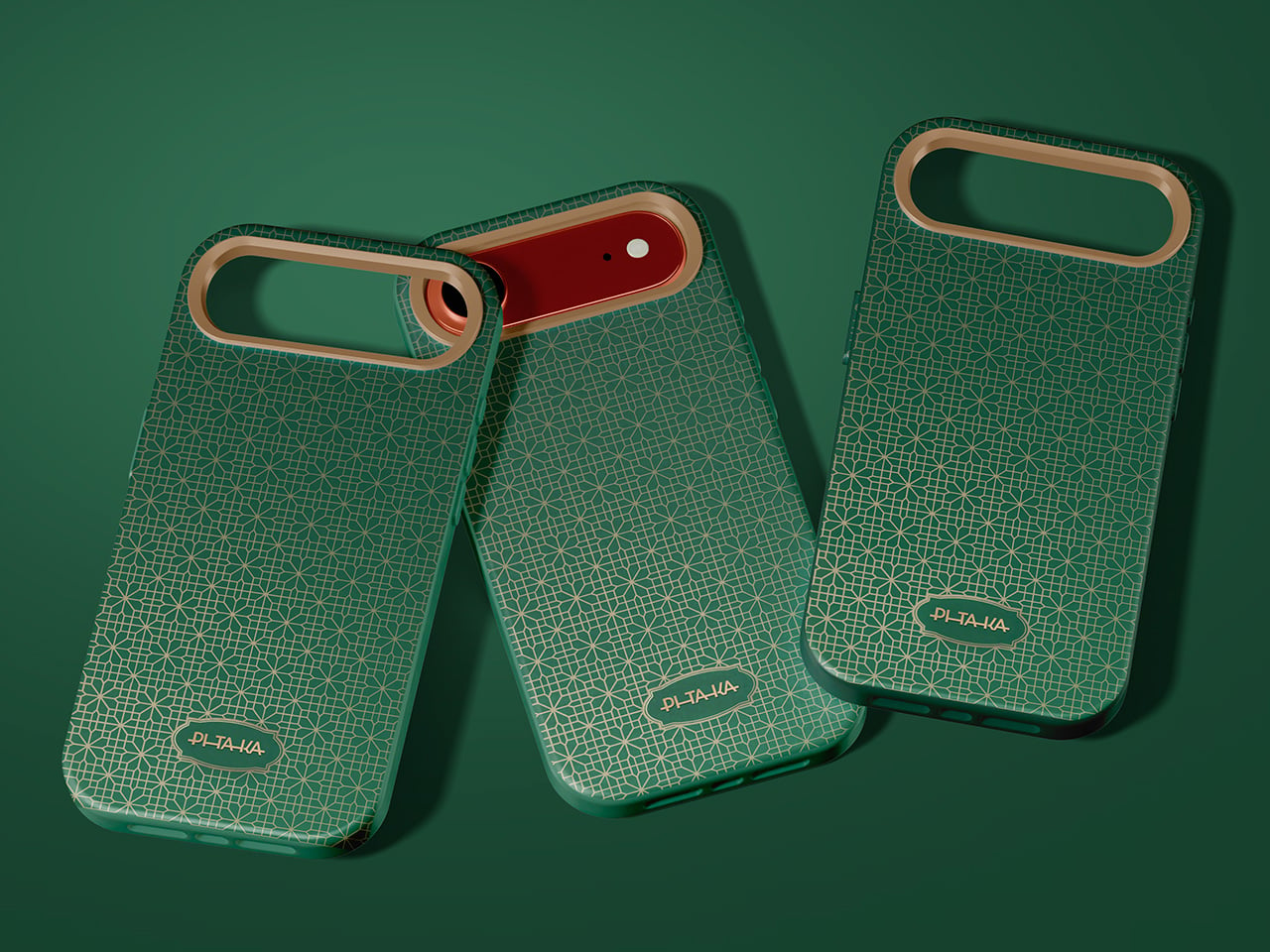
From Japan, Mahkciw’s “Emerald Lattice” takes the asanoha, or hemp leaf pattern, and gives it a modern twist with a deep emerald green and accents of champagne gold. This color choice makes the pattern feel less like a traditional craft and more like a luxury item, but without losing its classic power. The design is confident and polished, showing a great understanding of how a historical pattern can be updated for today’s products. It feels ready to go, a testament to the idea that good design is often about smart, subtle translation rather than loud invention.
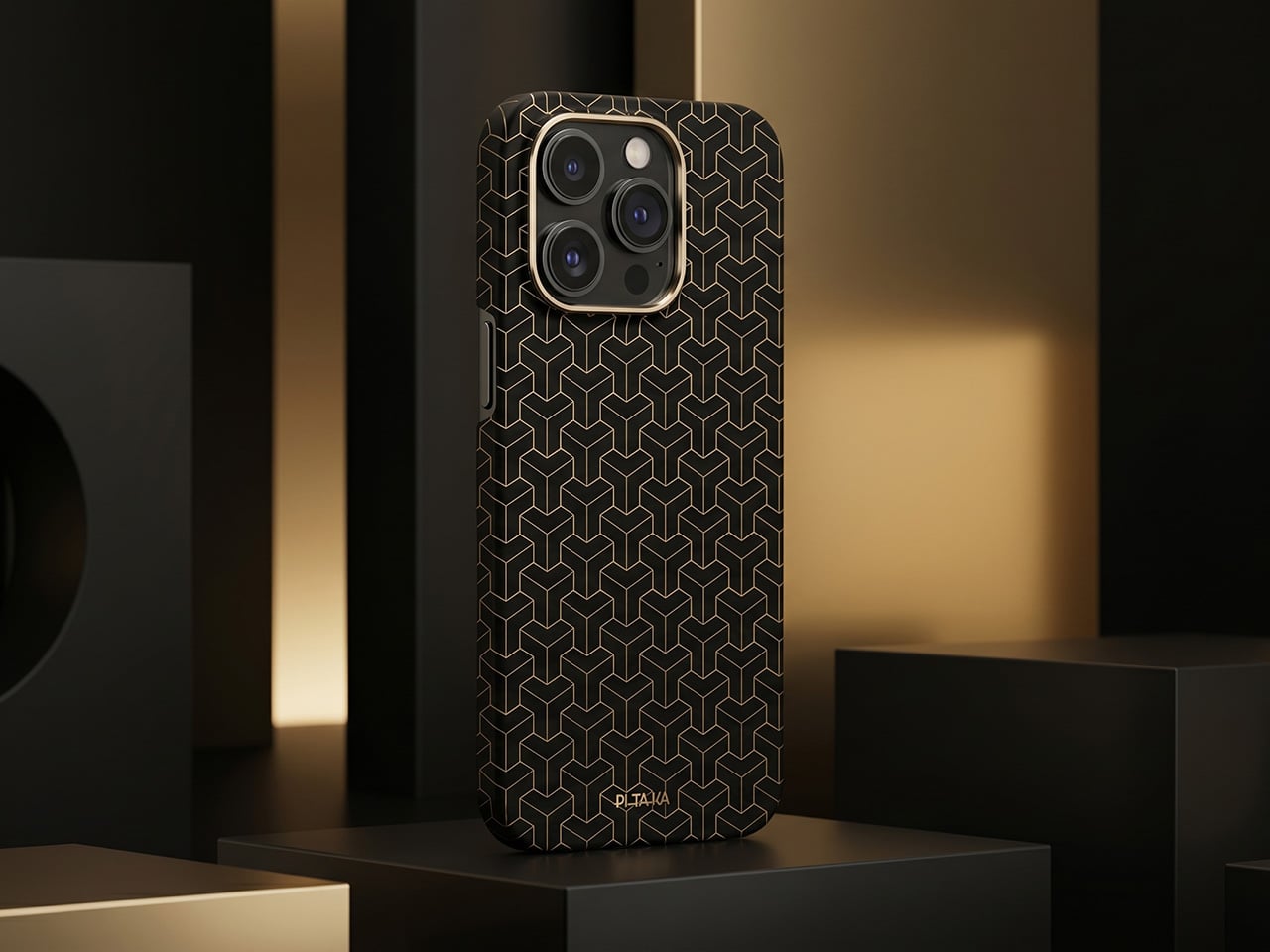
The same designer also submitted “Golden Armor,” which has a completely different energy. Inspired by ancient Chinese armor, this black-and-gold design feels more like architecture than decoration. It’s a fascinating test to see if a pattern designed to look powerful on a large scale can still feel just as strong when shrunk down to fit a phone. The sharp, commanding lines suggest it absolutely can. Seeing both this and “Emerald Lattice” from the same person shows a remarkable ability to work with different cultural vocabularies and bring them to life.
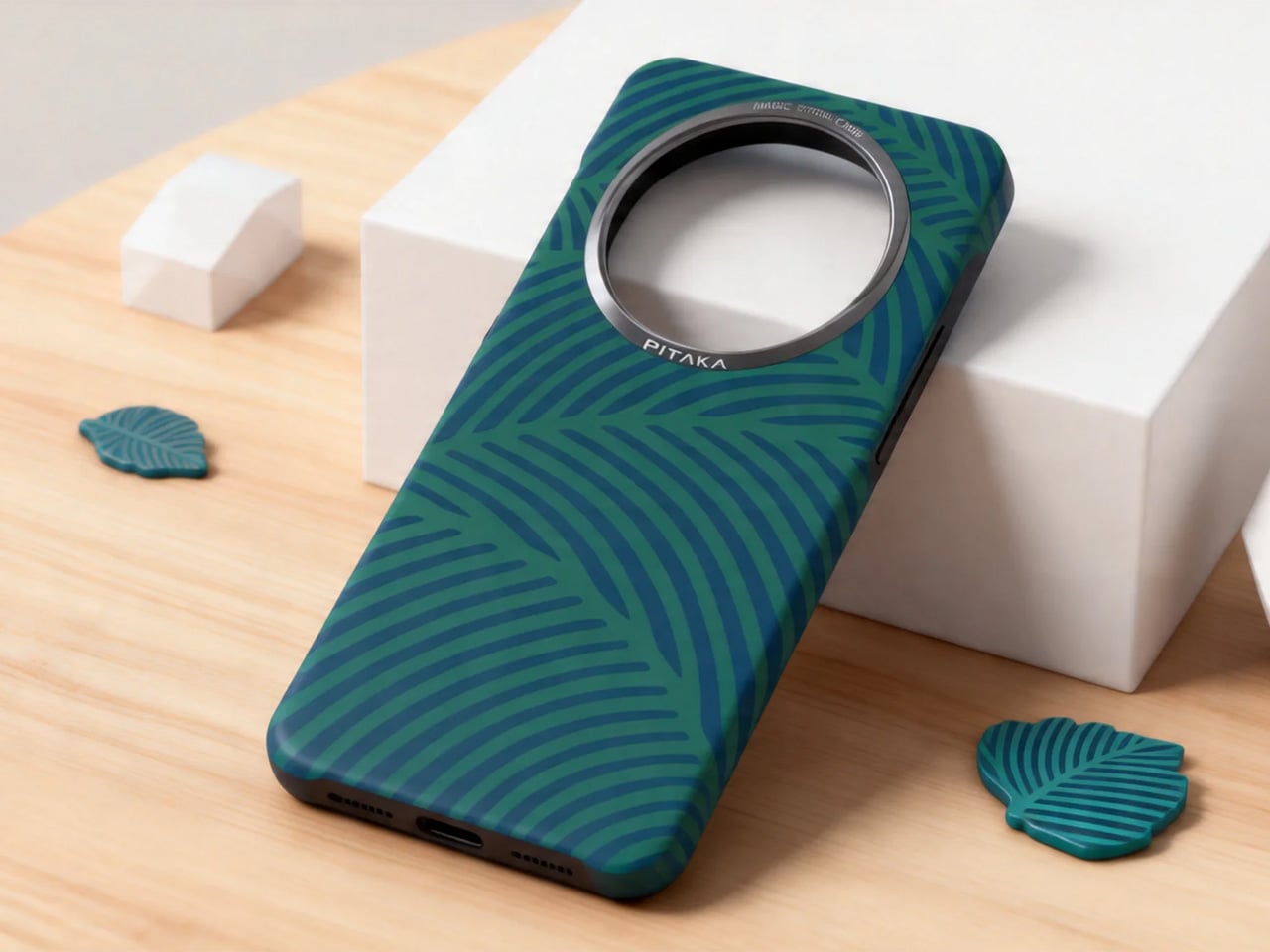
Finally, marc_’s “Feathery Green Flow” is the quietest of the bunch, and that’s its strength. Inspired by the veins of a leaf, the design uses flowing lines in a soft teal-on-navy palette. It doesn’t shout for attention; instead, it creates a mood and asks you to look a little closer to really appreciate it. This kind of subtle, nature-inspired work relies on texture to make its point, which is exactly what PITAKA’s aramid fiber material does best. It’s a design that would feel as good as it looks.
These submissions are more than just beautiful concepts; they are proof of the incredible creativity that emerges when a brand opens its doors to the world. They show how a single material technology can become a canvas for countless cultural stories, from the cozy warmth of a Scottish sweater to the disciplined elegance of Japanese geometry. Each design is a conversation starter, a small piece of art that carries a much bigger story, which is precisely what the Weave the Next, Weave Our World initiative set out to find.
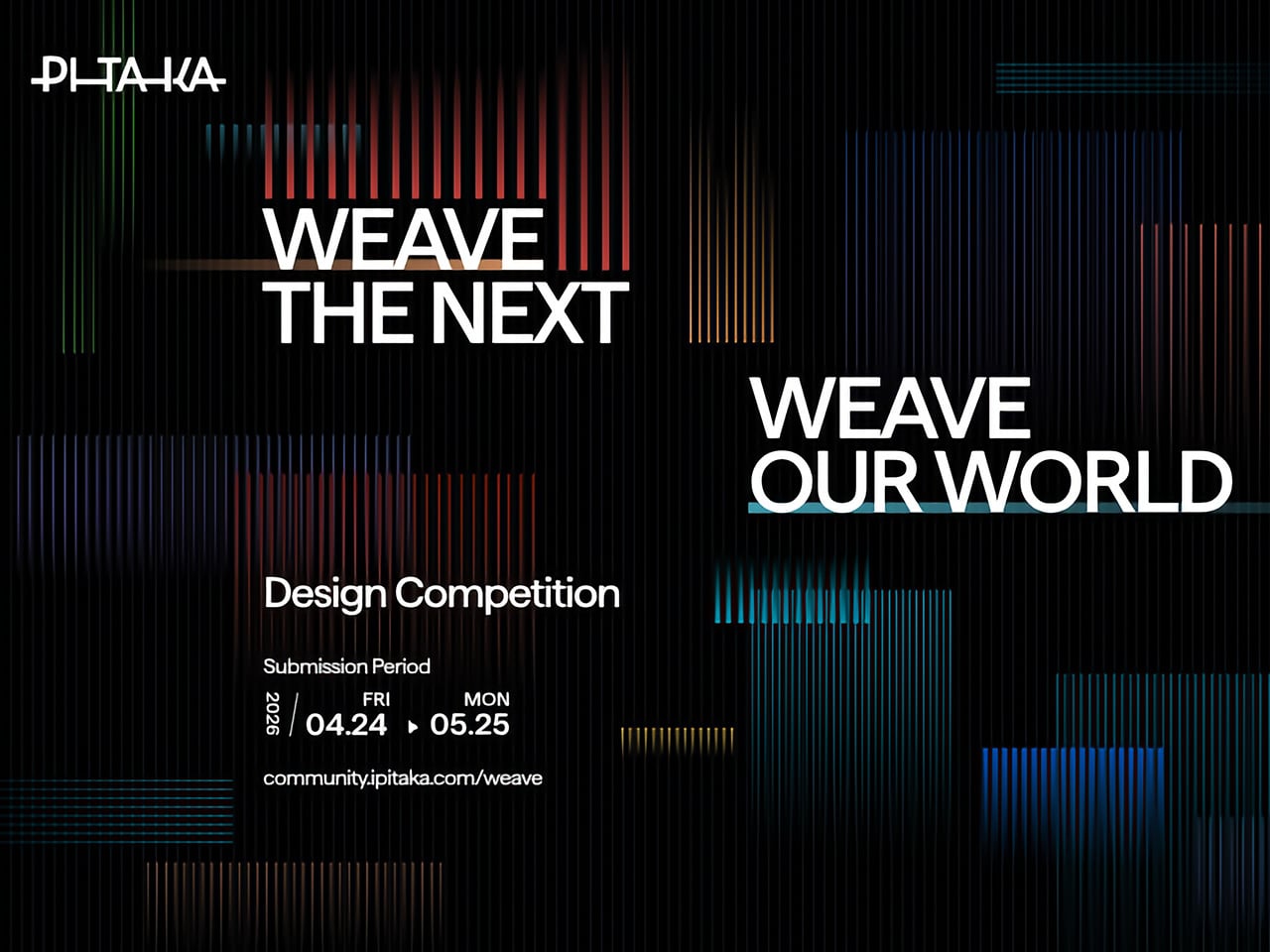
The competition is a search for the next visual language for tech, but it’s also a bridge between global creativity and real-world production. The most exciting part is that this is just the beginning. With the submission period open until May 25th, there is still time for more designers to add their voices to this global dialogue. For creators, this is a rare opportunity, a chance to have their work seen by a jury that includes industry leaders like Ross Lovegrove and to potentially see their vision become a real product. For the rest of us, it’s a front-row seat to the future of design, one woven pattern at a time.
Click Here to Submit Now. Hurry, Competition Ends: May 25, 2026.

