
Dreame started building vacuum cleaners in 2017. They built motors that spun faster than anyone else’s, wrote algorithms that mapped rooms more efficiently than the competition, and developed bionic robotic arms that could reach where other robot vacuums couldn’t. Nine years later, they’re launching rocket cars at events in San Francisco, announcing electric SUV lineups, teasing smartphones, and showing off water purifiers alongside lawn mowers. If that trajectory feels chaotic, you’re reading it right. What holds it together is the motor technology, the same engineering philosophy that made their vacuums compelling now applied to air purification, personal care devices, and apparently vehicular propulsion systems.
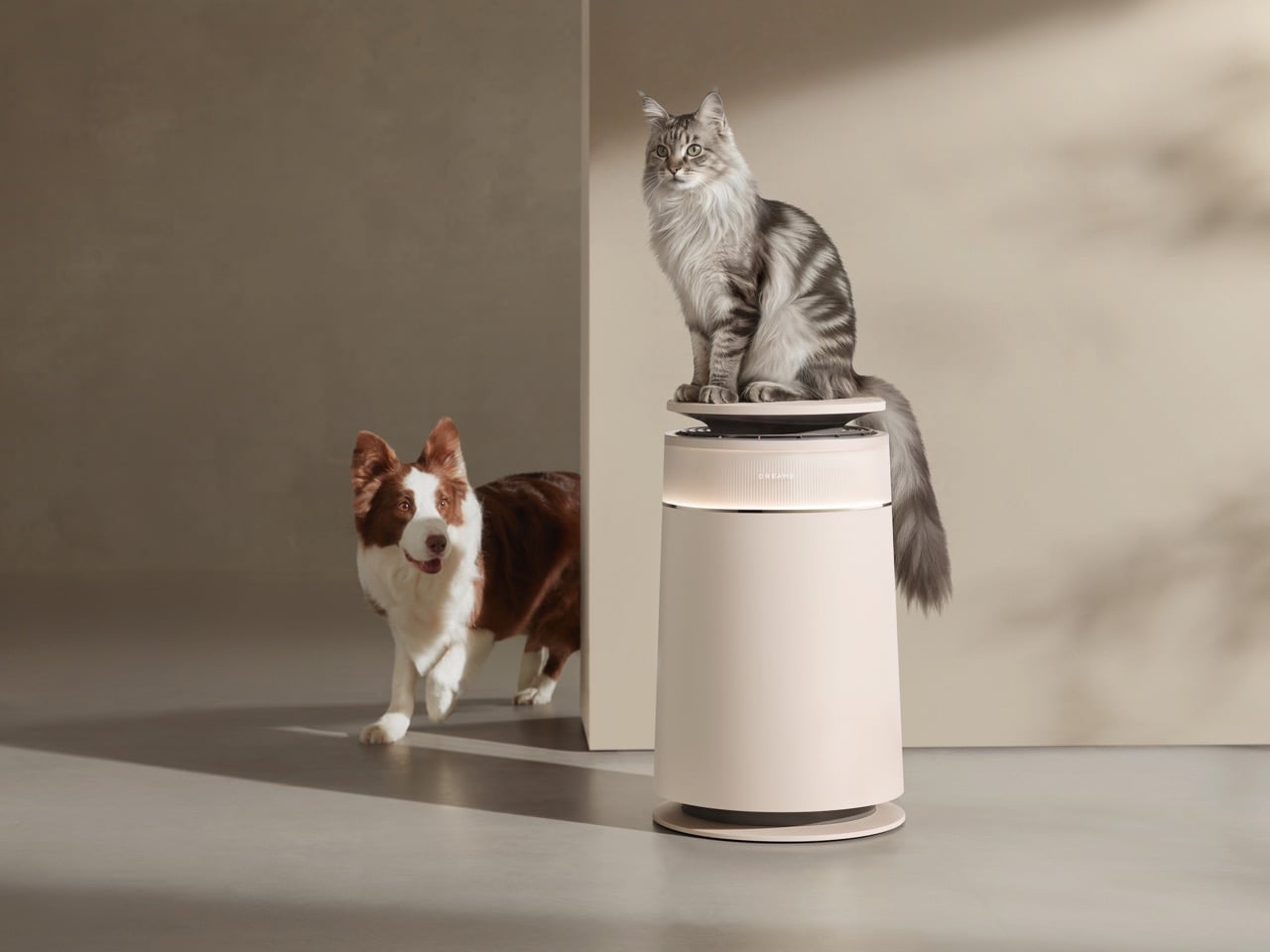
The FP10 air purifier sits somewhere in the middle of this expansion spree, and it’s the first place the company has applied robot vacuum thinking to stationary air cleaning. The core concept borrows directly from their floor-cleaning playbook: a self-cleaning roller brush that actively separates debris instead of waiting for a clogged filter to choke performance. For pet owners who’ve watched traditional purifiers lose suction as fur accumulates on intake grilles, that’s a genuinely useful pivot. The question worth asking is whether Dreame’s computational approach to home appliances translates as well to air purification as it did to floor cleaning.
Designer: Dreame
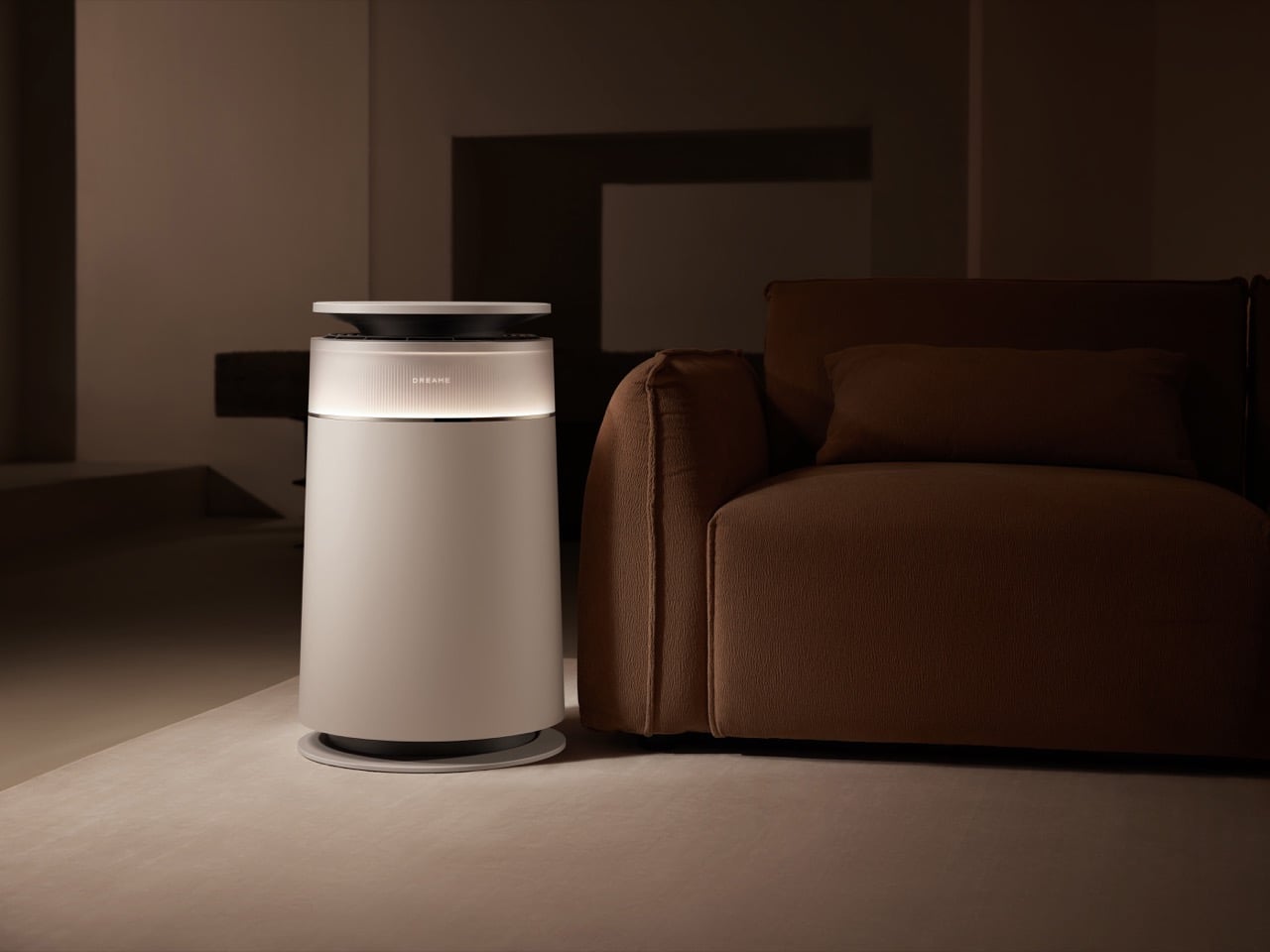
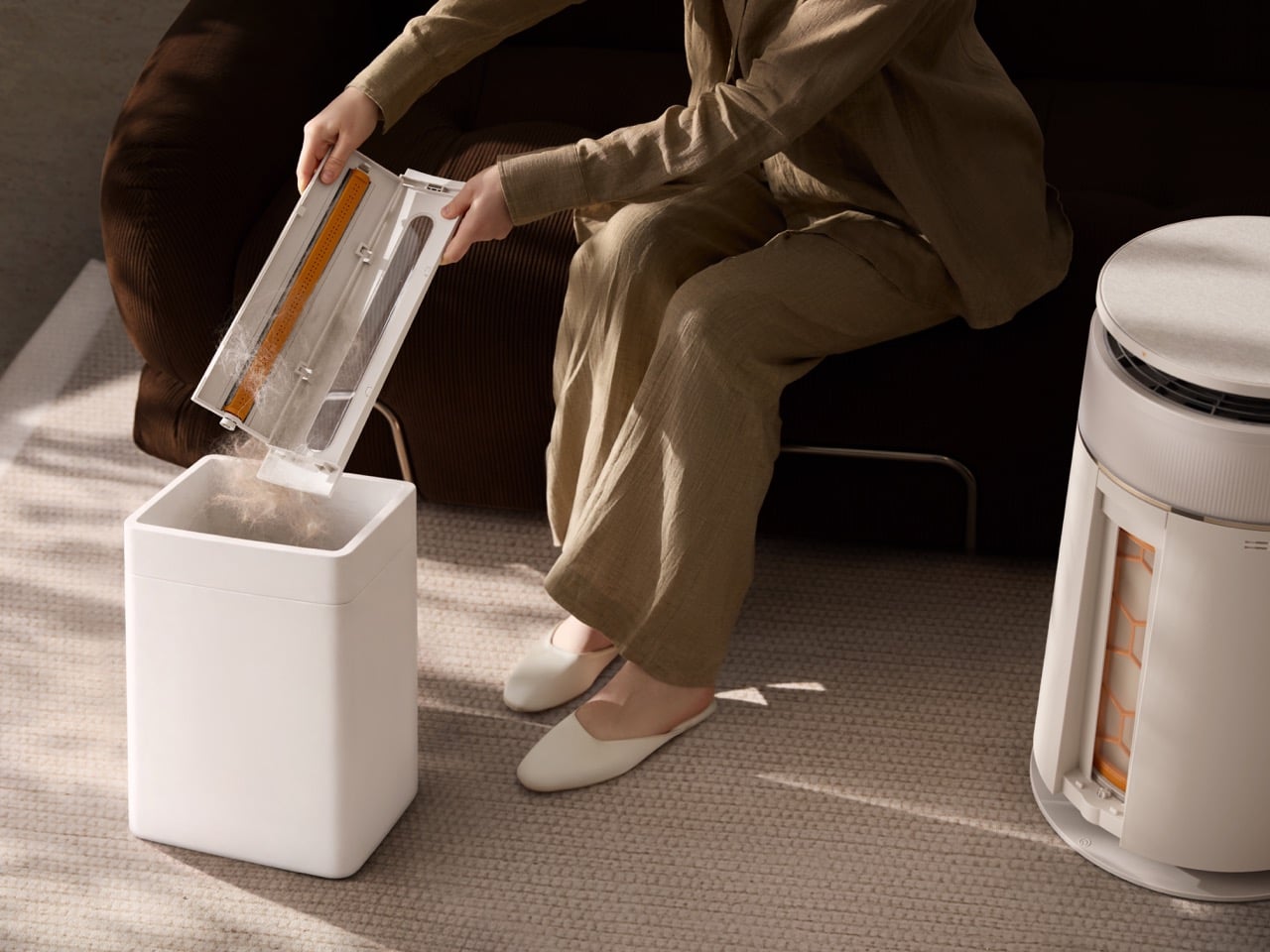
The roller mechanism operates on two axes, rotating 360 degrees to strip hair and particles from incoming air before they reach the primary filter. A dual-powered system keeps both the roller and filter moving independently, compressing debris into a sealed 460ml collection bin that you empty like you would a vacuum canister. Dreame claims a 99.5 percent hair collection rate based on lab testing with two cats in a 30-square-meter chamber over seven days, which sounds optimistic until you consider that the alternative in most purifiers is zero percent because the hair never makes it past the intake grille in the first place.
What makes this approach legitimately different is the elimination of primary filter maintenance. Traditional purifiers with washable pre-filters require you to pull them out, rinse them, dry them completely, and reinstall them every few weeks if you have shedding pets. Miss a cleaning cycle and airflow degrades fast. The FP10 handles that process autonomously, triggered either by a preset schedule or in response to air quality readings. The machine runs a self-cleaning cycle, the roller dumps collected debris into the bin, and airflow stays consistent without your involvement. Dreame calls this their Filter Maintenance 4.0 era, positioning it as an evolution beyond mesh filters that need constant washing and felt filters that burn through replacement costs.
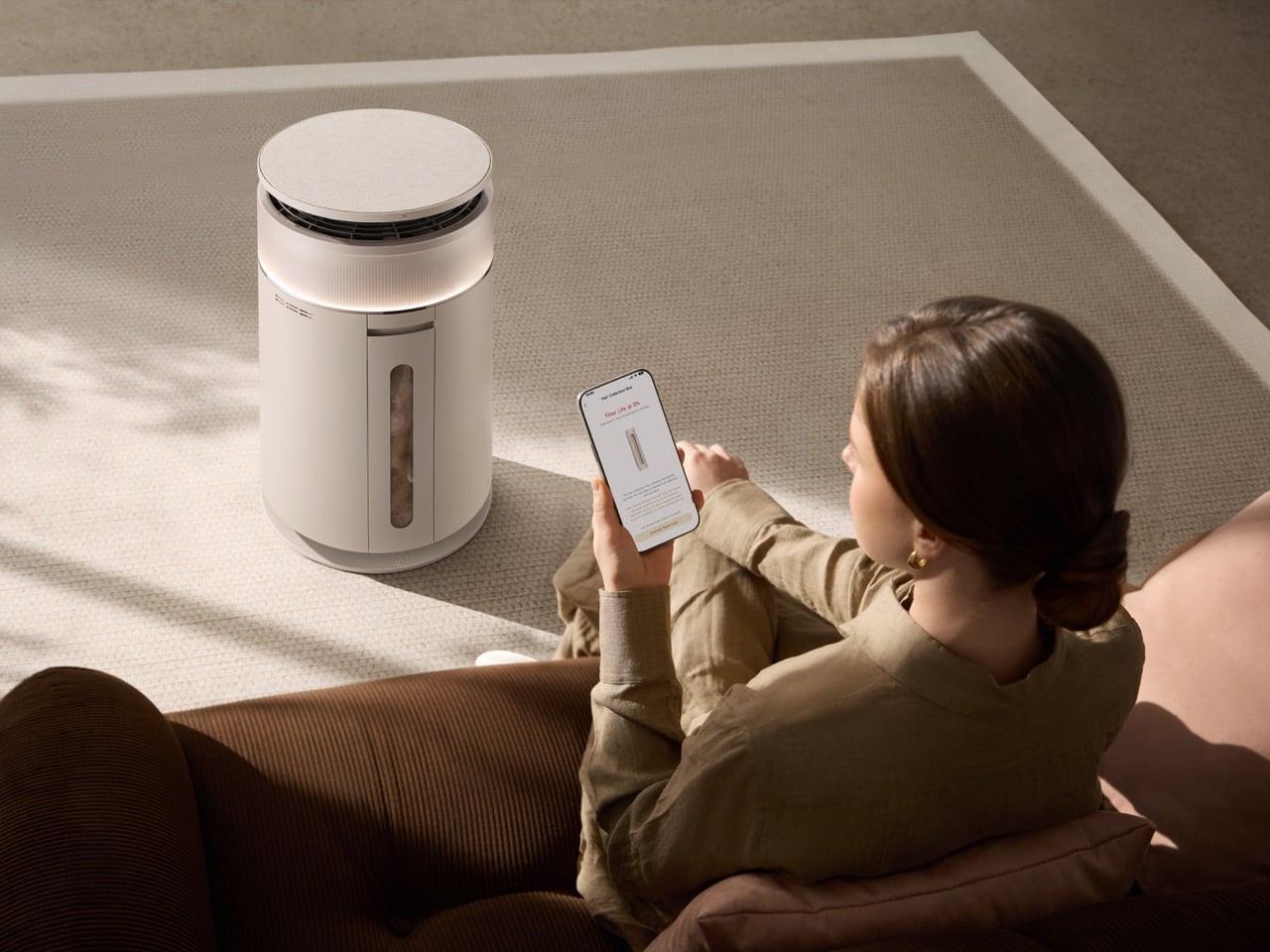
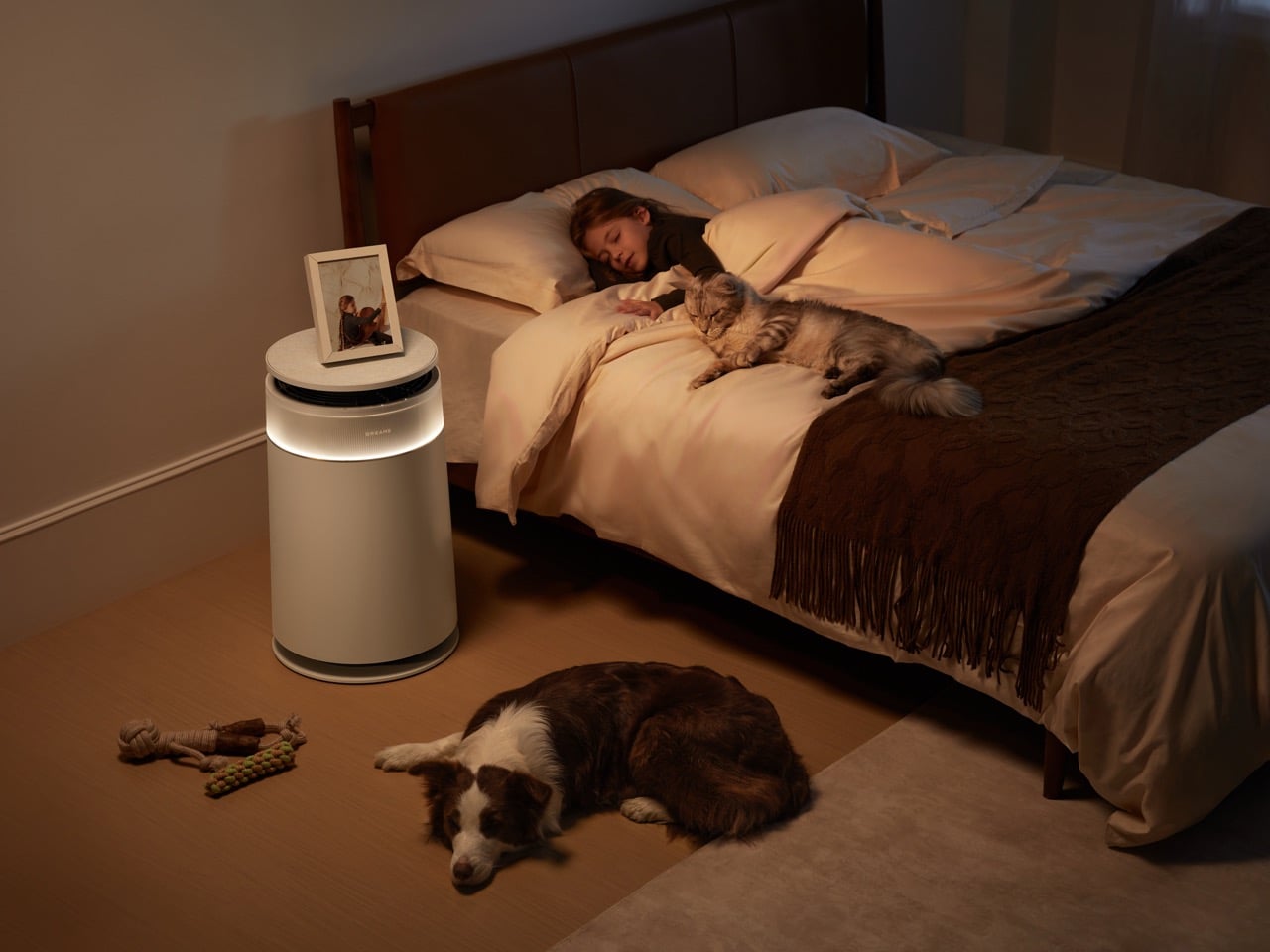
The air purification stack itself follows convention: HEPA H13 media rated for 99.97 percent filtration of particles down to 0.3 microns, backed by what Dreame calls a CataFresh odor removal system combining 2.5 times more activated carbon than their previous flagship with a metal catalyst layer that chemically decomposes odor molecules rather than just adsorbing them. The unit pushes 350 cubic meters per hour in standard configuration, operates between 32 and 62 decibels depending on mode, and includes the expected smart home integration through the Dreamehome app with Google Assistant and Alexa support.
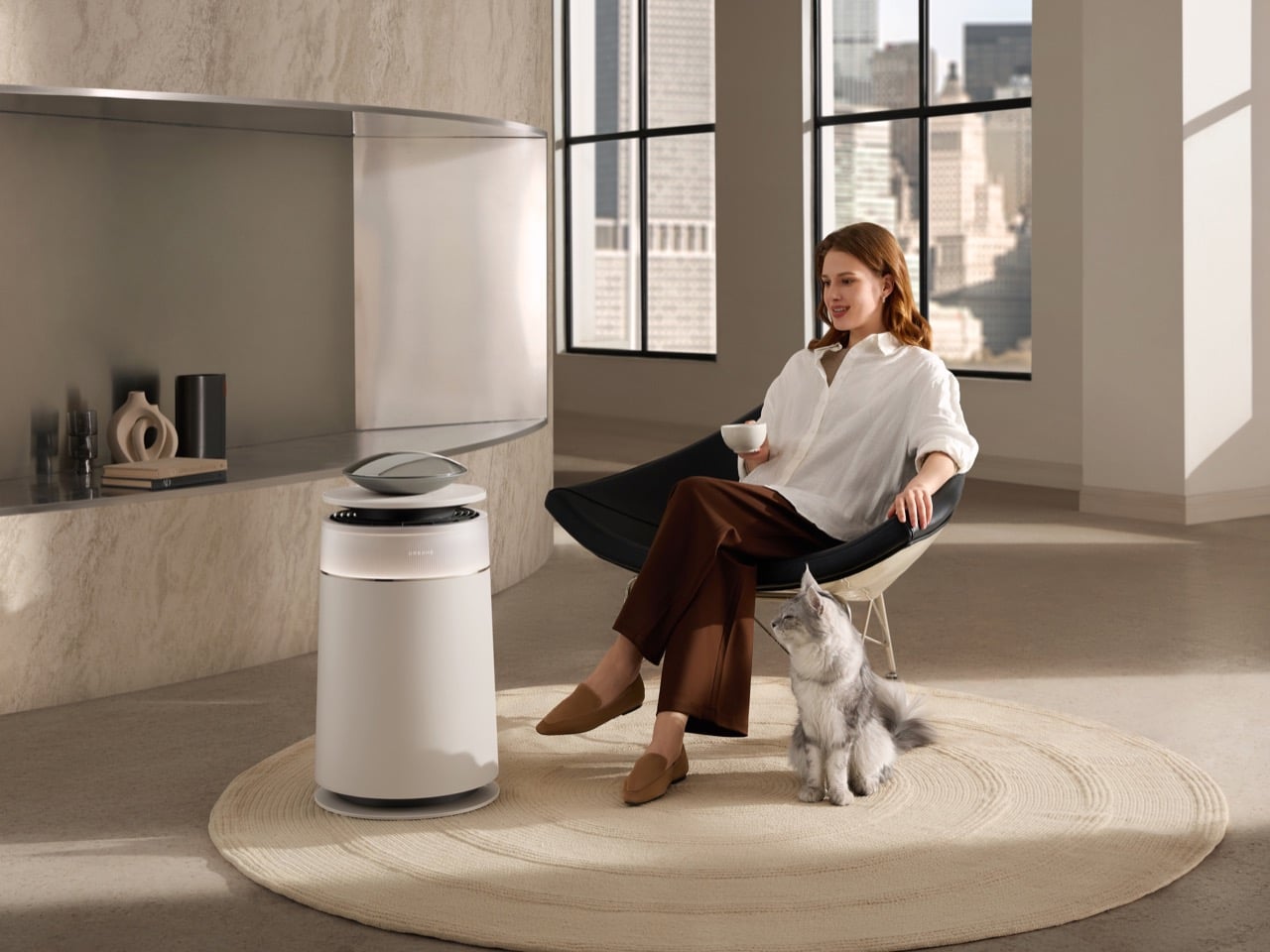
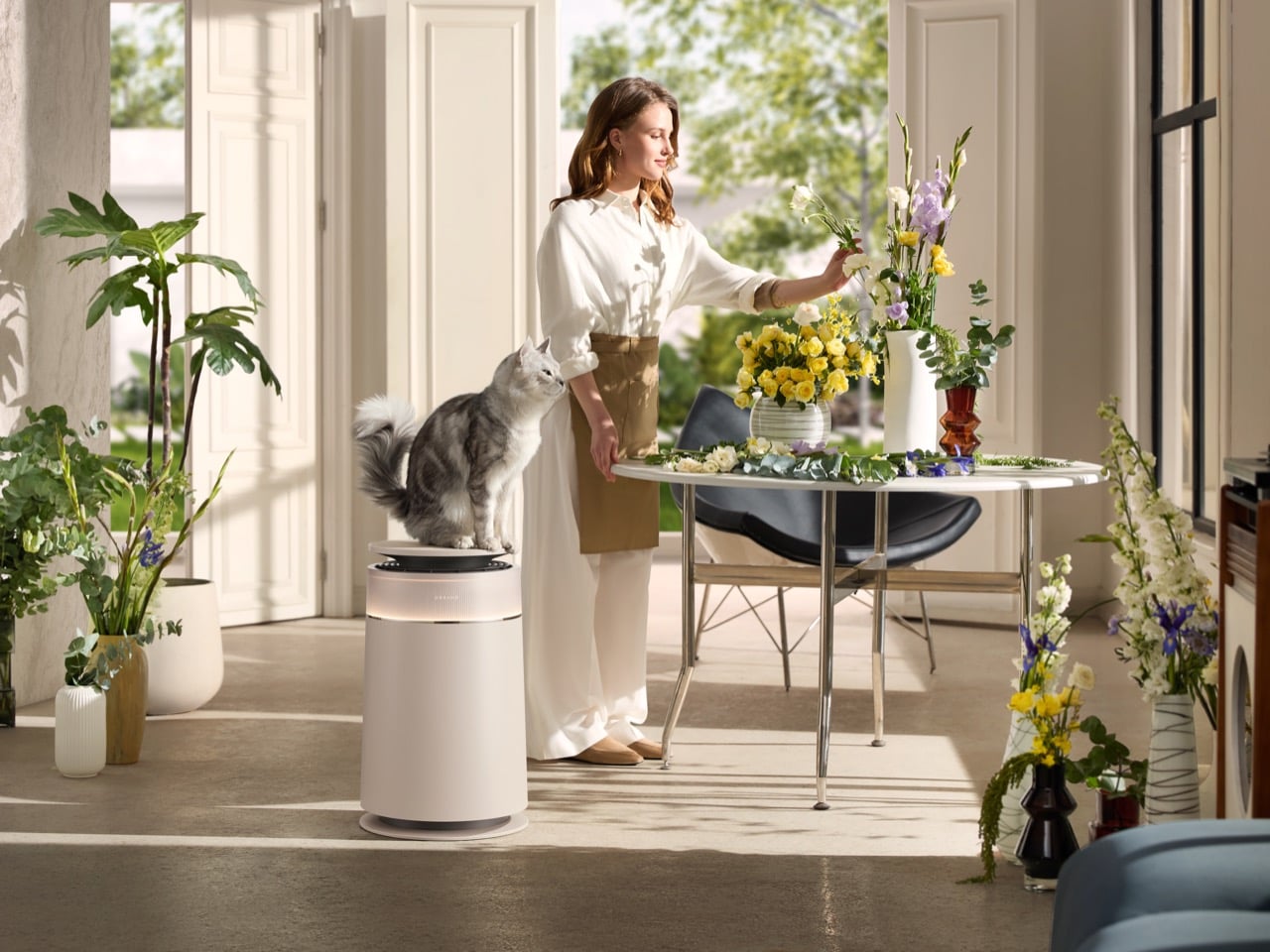
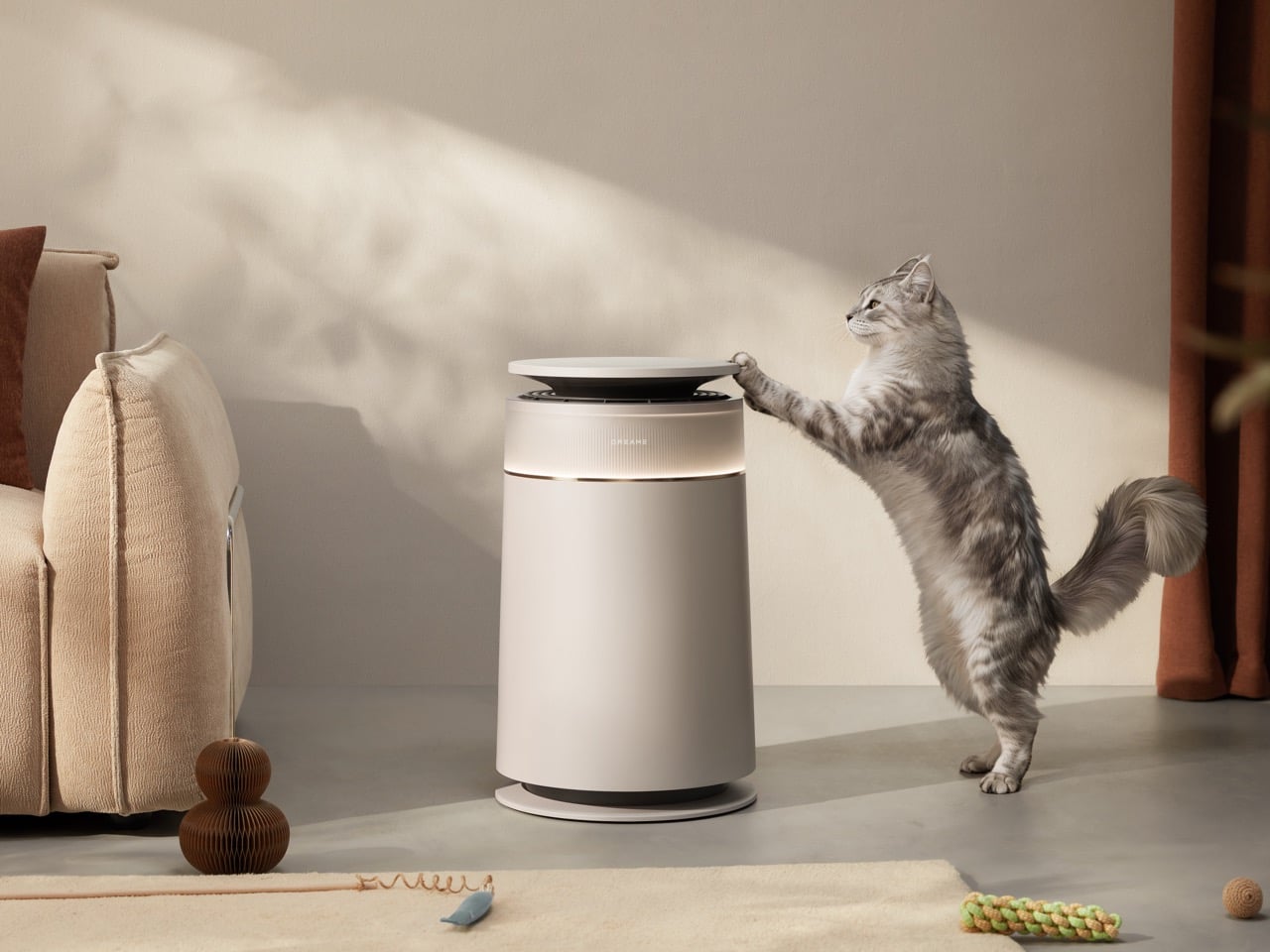
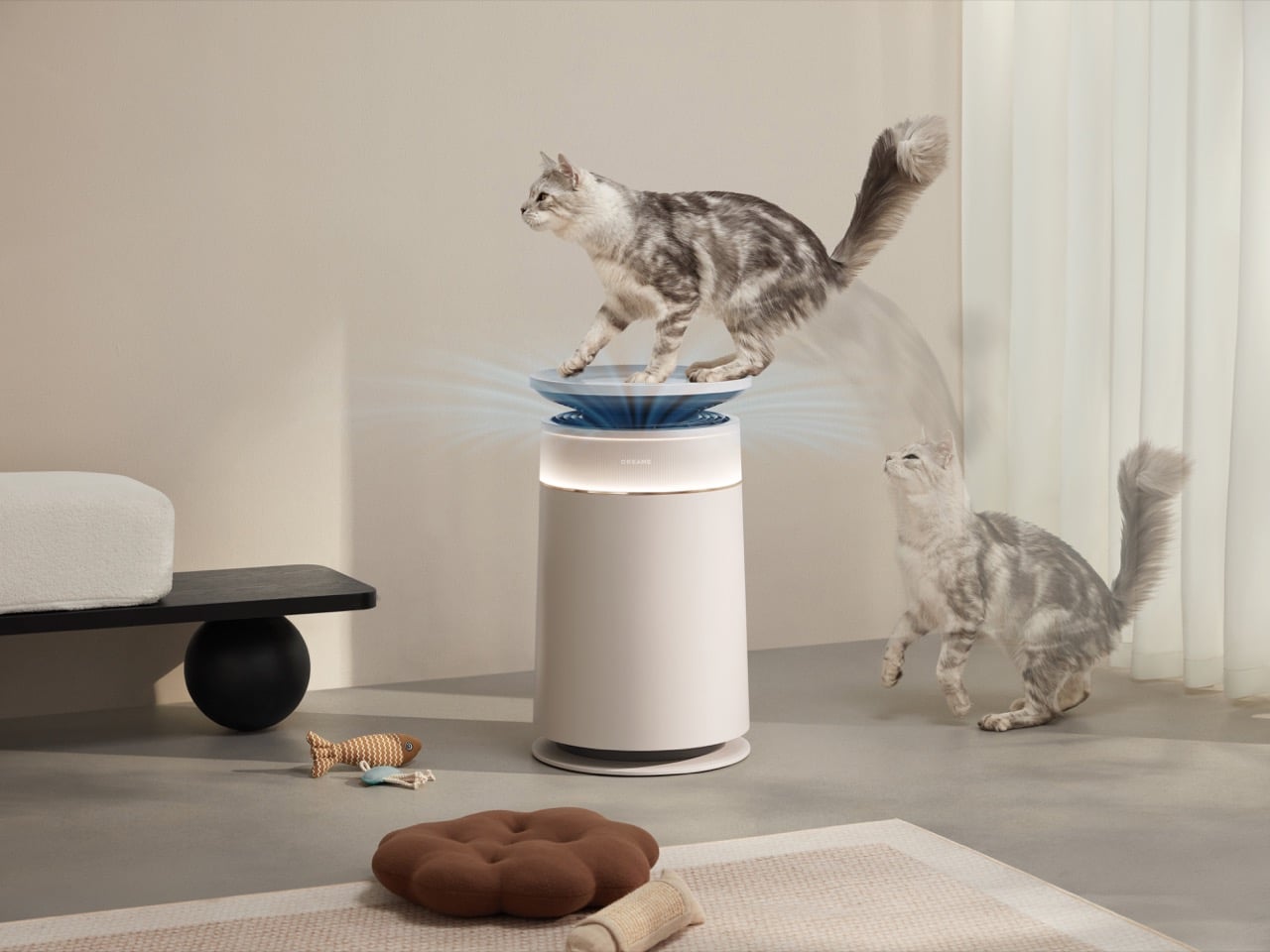
The pet-specific features extend beyond hair collection. An optional weighing tray sits on top of the unit, tracking weight and activity patterns for multiple pets through the Dreamehome app. When a pet steps onto the tray in Pet Mode, the purifier gradually reduces airflow to avoid startling them. It’s the kind of thoughtful detail that suggests someone on the team actually lives with skittish cats.
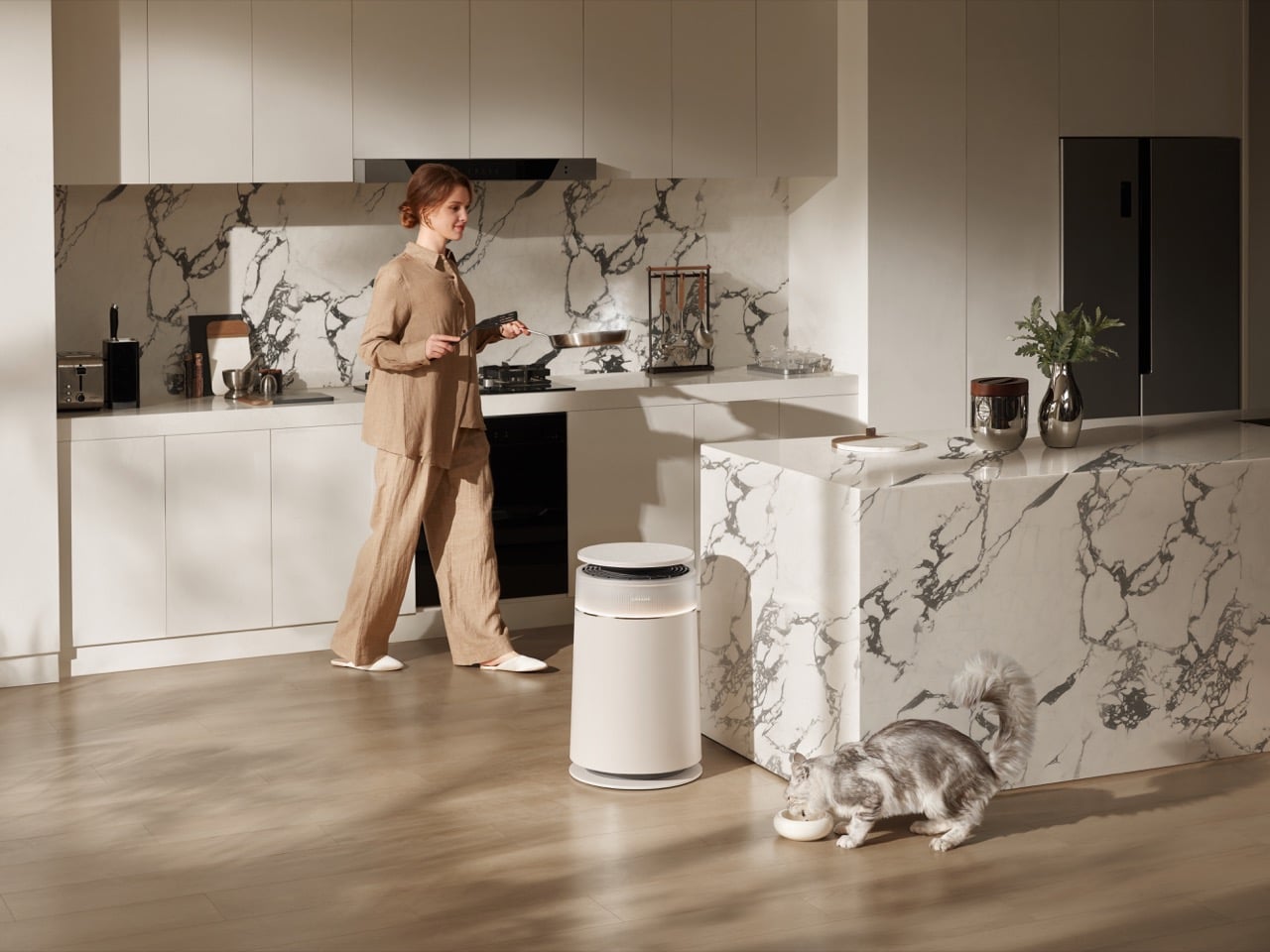
The FP10 ships in early May. Pricing hasn’t been announced for most markets yet, but it’s positioned as a premium pet-focused purifier competing against dedicated units from brands that have been in this space far longer. What Dreame brings to the fight is proven self-cleaning technology and a willingness to treat air purifiers as active systems rather than passive filters. For households where pet hair has become the limiting factor in purifier performance, that mechanical preprocessing layer might justify the premium over simpler designs that just throw bigger HEPA filters at the problem.

