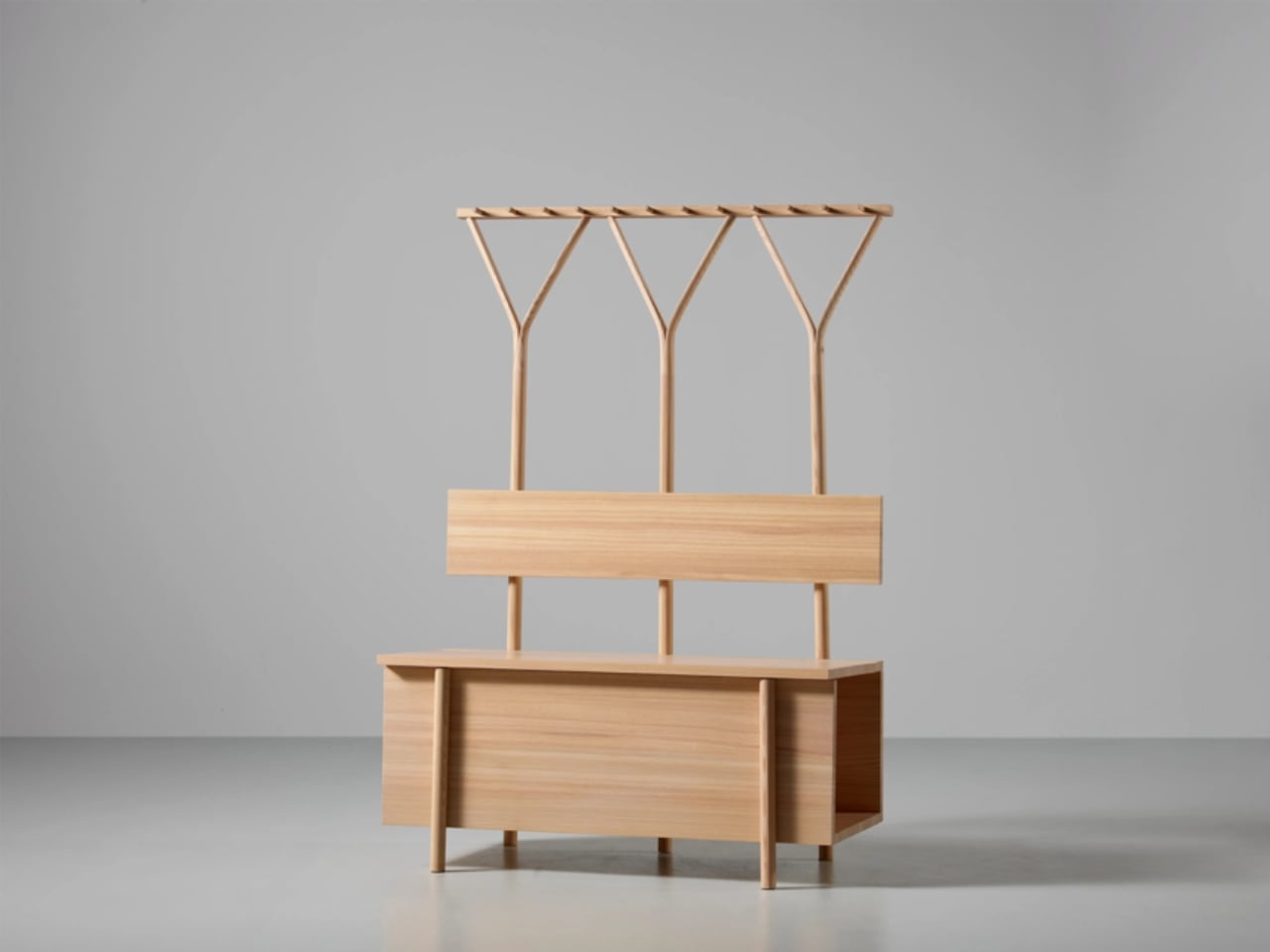

Most of the furniture we buy tells no story. It comes flat-packed, gets assembled on a Saturday afternoon, and does its job quietly in the corner. We don’t think much about where it came from, what it references, or what it means. And then a piece like Restel comes along and completely reframes what furniture is even supposed to do.
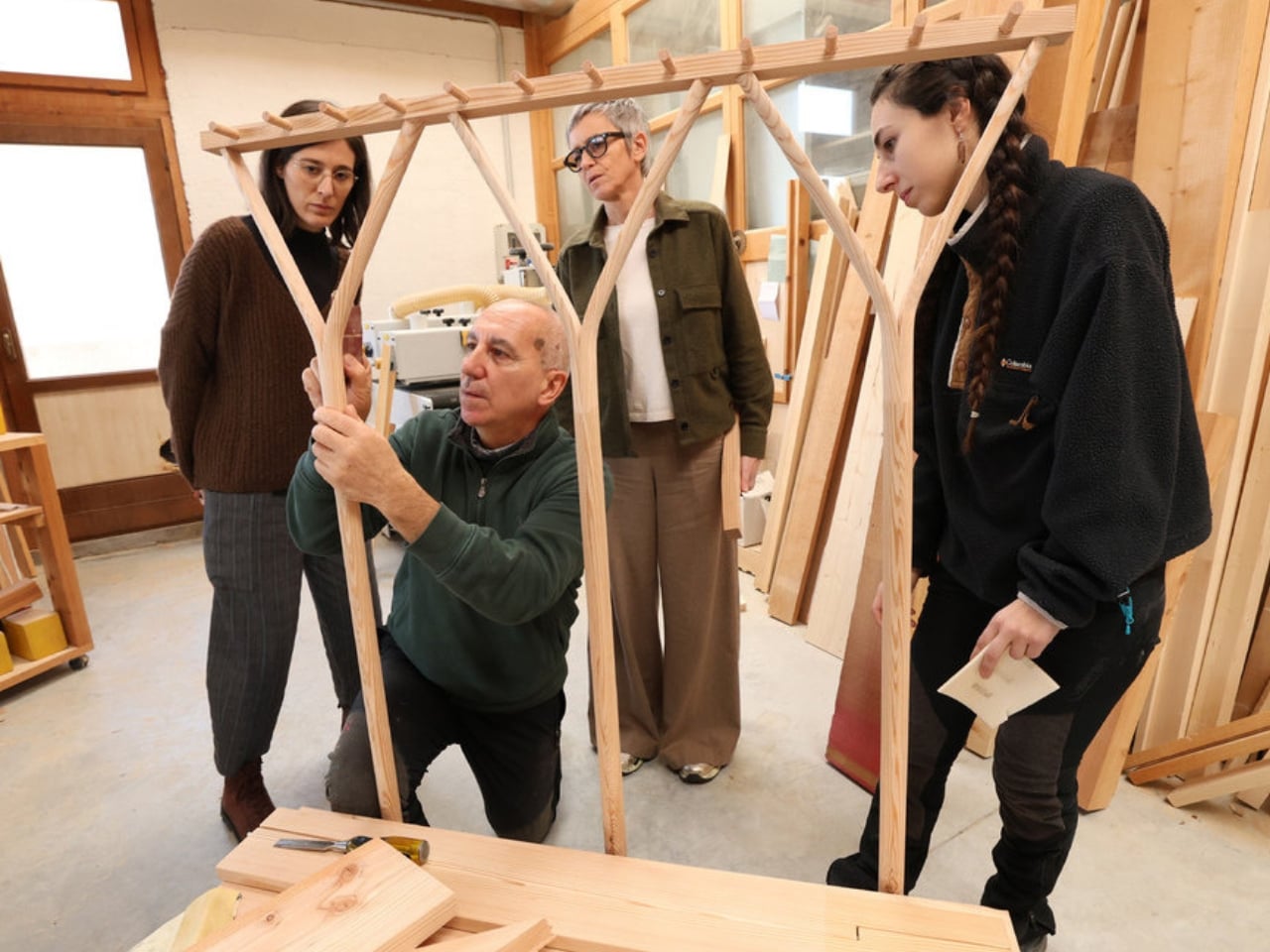
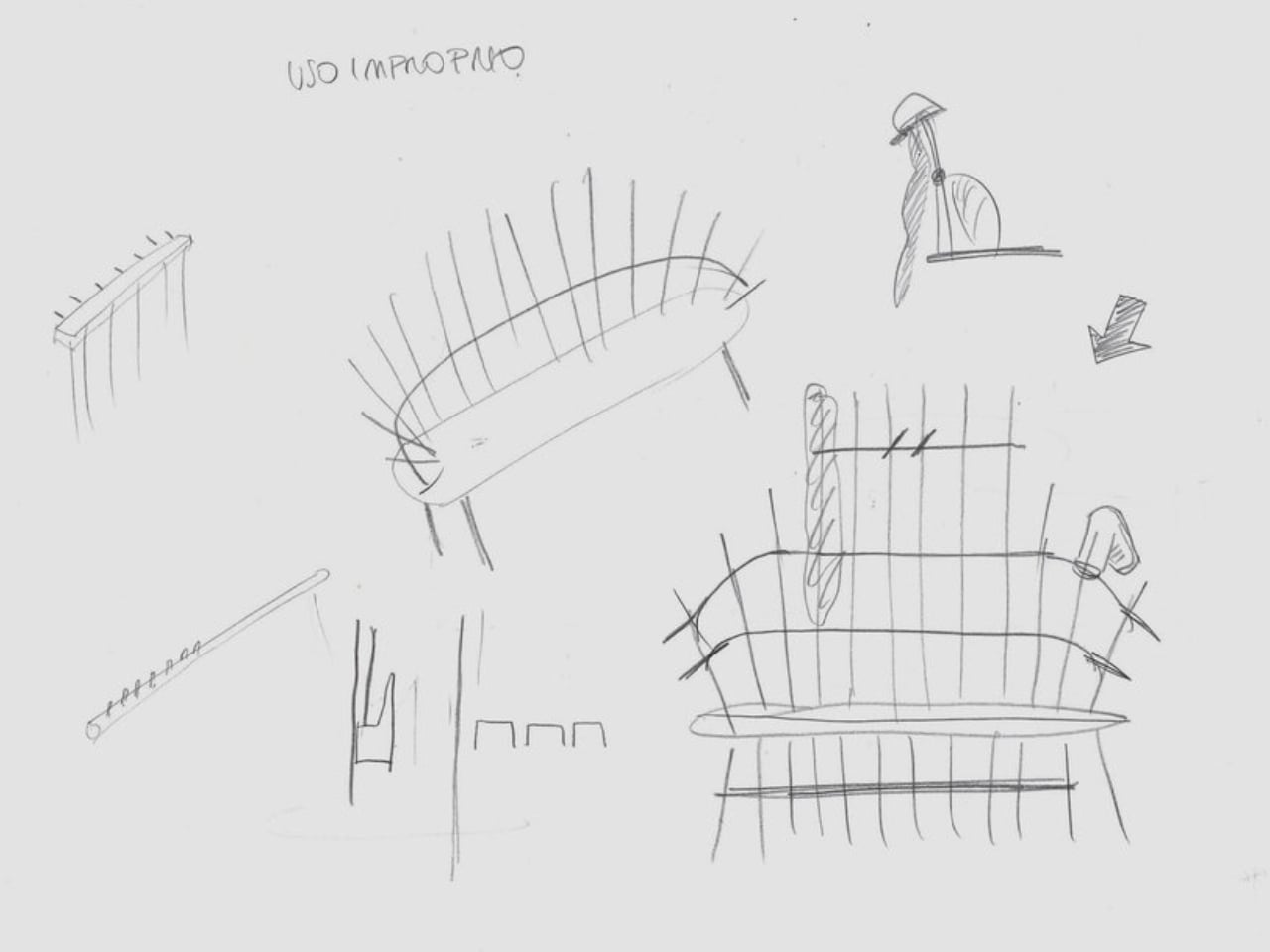
Italian industrial designer Monica Graffeo created Restel after encountering traditional Alpine hay rakes. Not a digital reference, not a museum exhibit, but the actual tools. The kind that have been leaning against barn walls in the mountains for generations. She saw them and started sketching, asking herself whether the rake’s form could be translated into furniture in a way that was actually useful. The answer, clearly, was yes.
Designer: Monica Graffeo
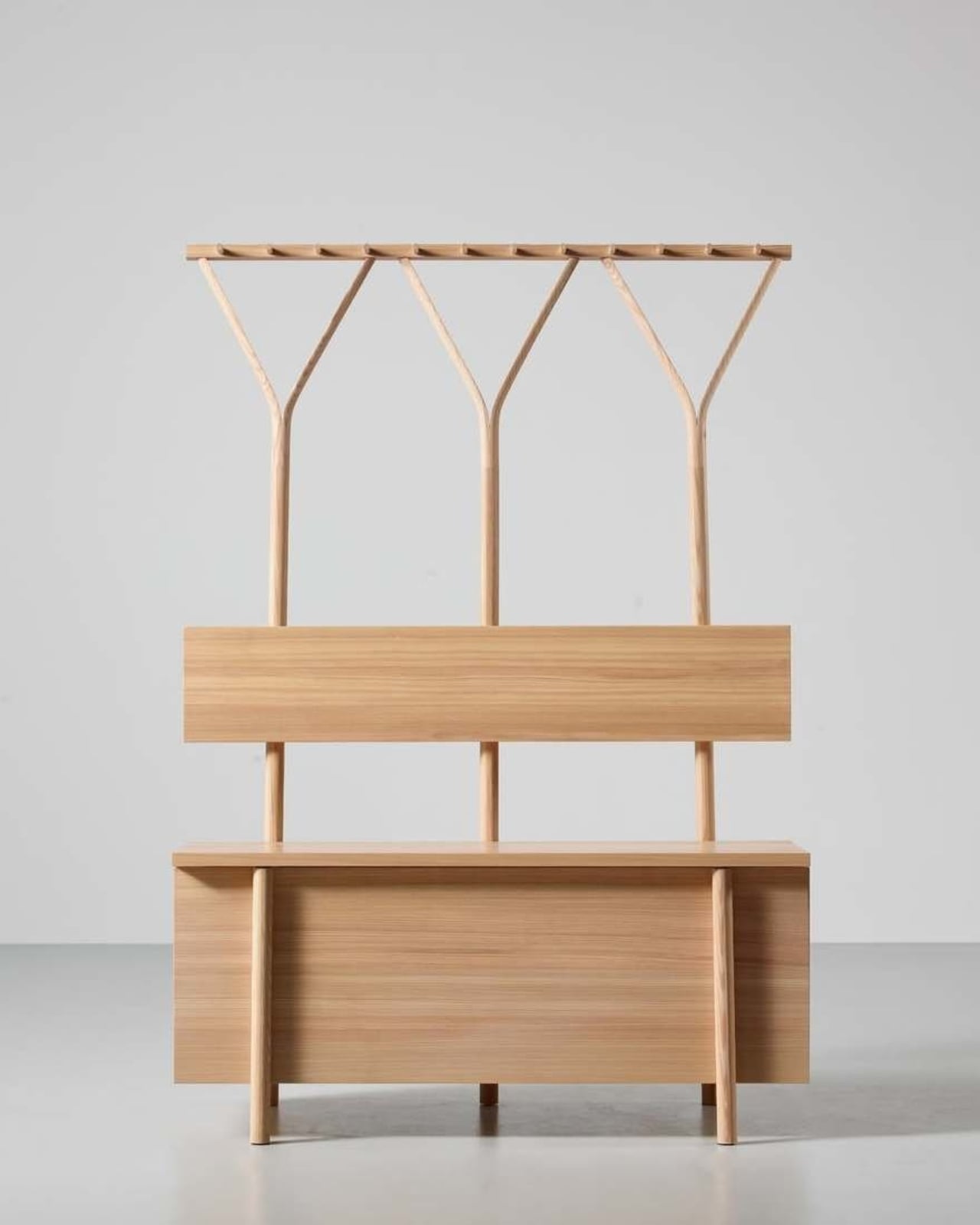

The result is an entryway piece that functions as both a bench and a hanging structure. It’s made from Trentino Larch, a wood native to the Alpine region that gives the piece a warmth and texture you can almost feel through a photograph. Graffeo worked with Falegnameria Bosetti, a traditional carpentry firm based in Trentino, to bring it to life, which means the craftsmanship is as rooted in the region as the inspiration itself.
The design logic behind it is clean and honest, and that’s what makes it so compelling beyond the visual appeal. A hay rake’s tines are spread wide and built to hold and gather. In Restel, those same proportions become hooks and structure, organizing coats, bags, and the general chaos of a front entryway. The form isn’t borrowed for aesthetics alone. It actually earns its place by being functional in a way that mirrors the original tool.
This is becoming a more intentional conversation in design circles, and for good reason. For years, the dominant trend in home interiors leaned toward minimal and abstract, stripping objects of any cultural or regional identity in favor of clean lines that could sell anywhere on the planet. That has its appeal, but it also produces spaces that feel like they could belong to no one in particular. Restel pushes in the opposite direction. It carries a specific geography, a specific history, and a specific set of hands that made it. You can feel the Alpine landscape in it even if you’ve never been.
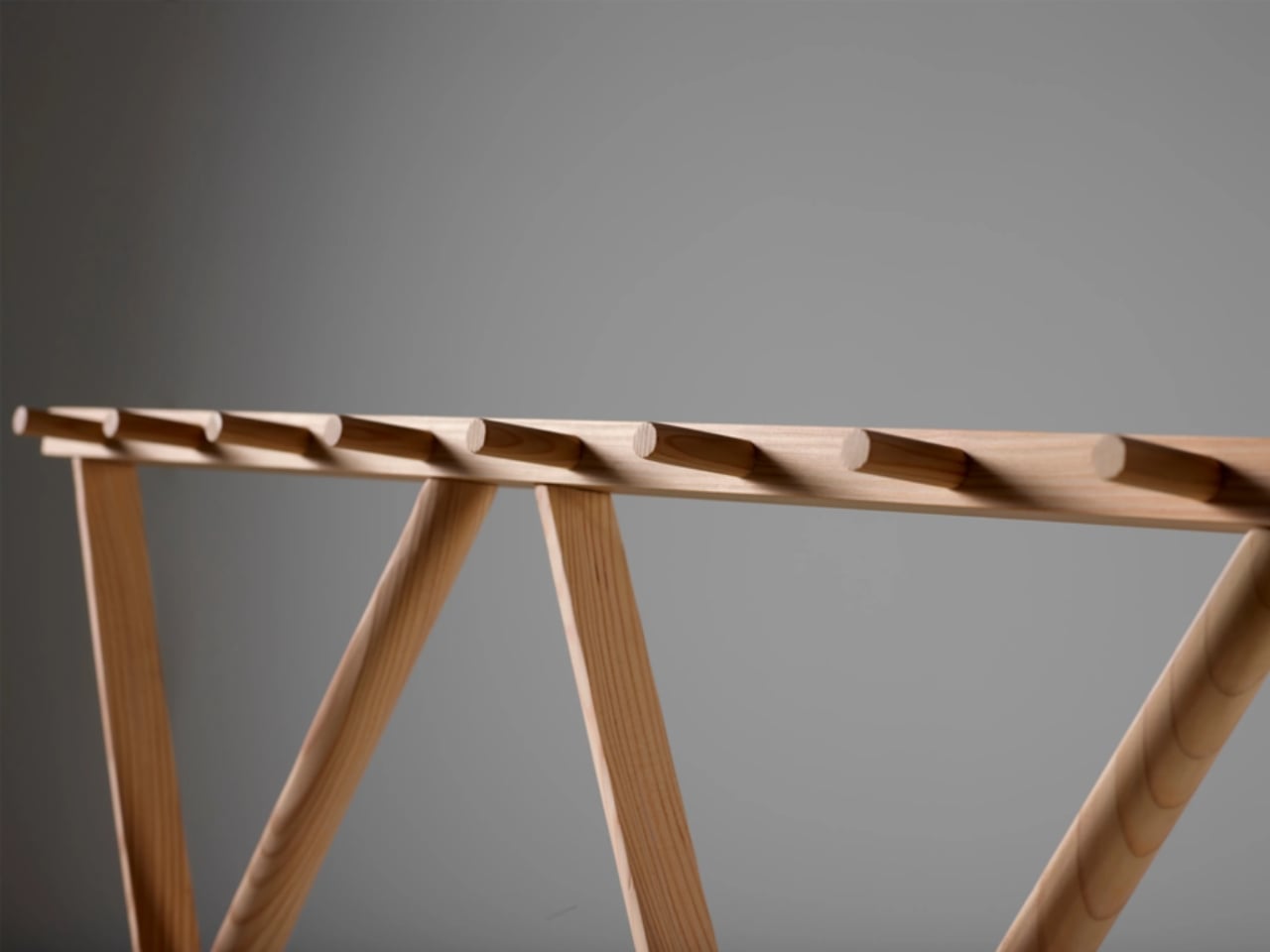
The versatility of the piece is worth noting too. Positioned against a wall, Restel organizes the entryway and creates a clear threshold between the outside and the inside of a home. Move it to the center of a room and it becomes a divider, something that defines space without closing it off. That kind of flexibility in a single piece of furniture is genuinely hard to pull off without the design feeling compromised. Graffeo managed it without losing any of the visual coherence.
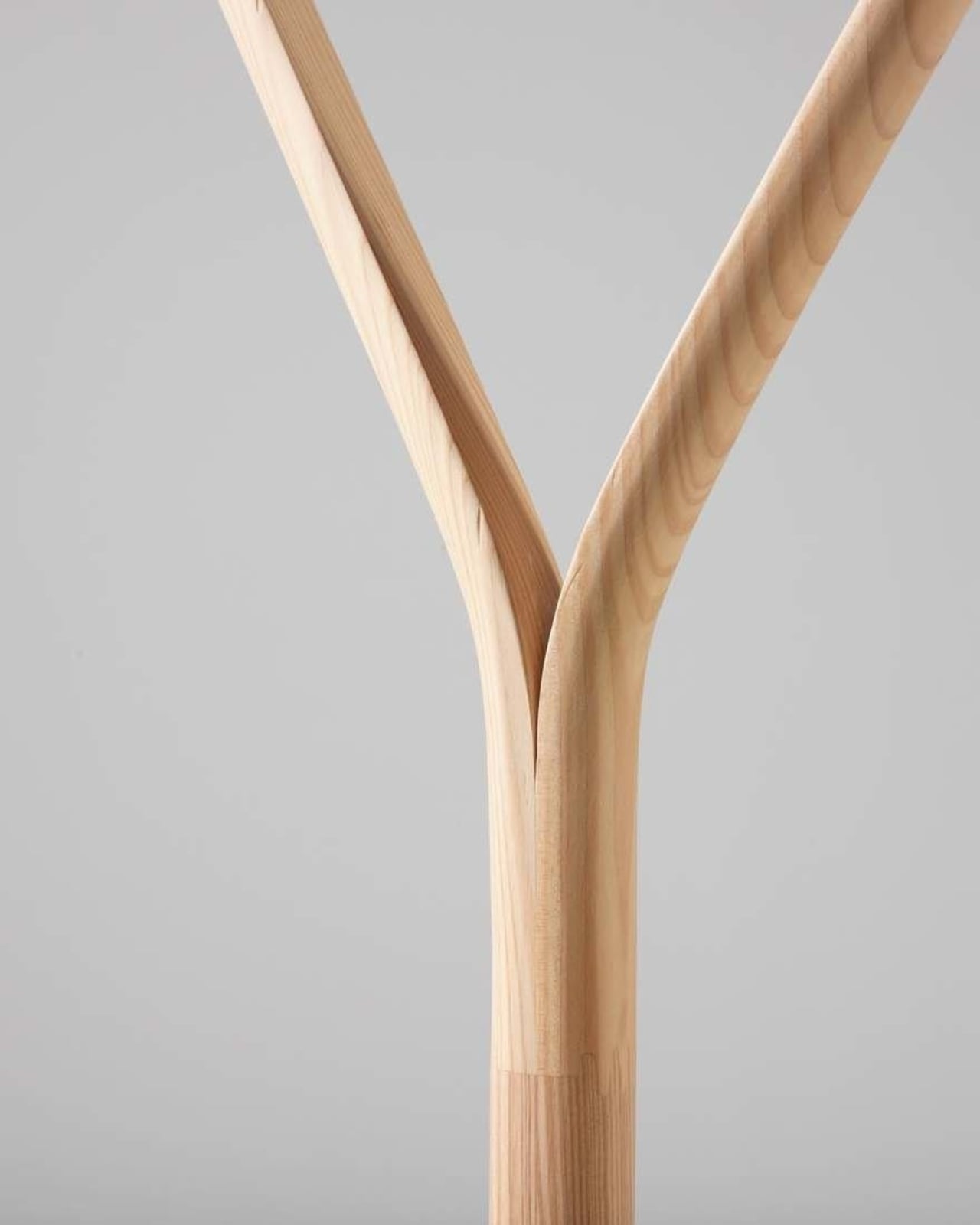
The question I keep returning to is how much courage it takes to look at a farming tool and say, I want to put this in someone’s home. Not as a decorative nod to rural life, not as a rustic accent piece, but as a fully considered object that stands on its own as good design. The risk of that kind of referencing is that it tips into costume, into the sort of design that performs a cultural identity rather than embodying one. Restel doesn’t have that problem. It feels earned.
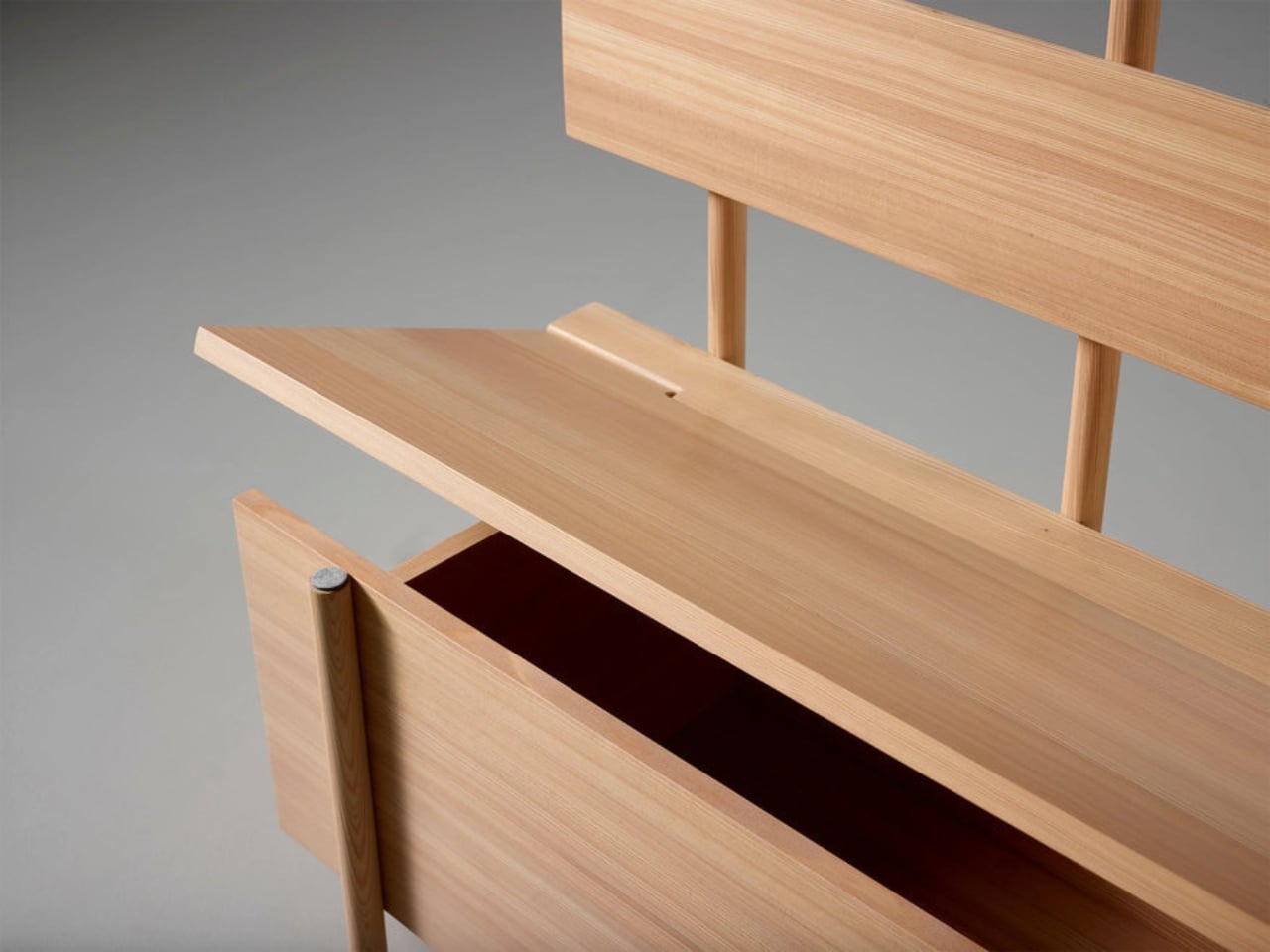
Graffeo’s broader practice as an industrial designer has included work for major Italian furniture brands, so she’s no stranger to furniture. But Restel reads like something more personal, more tied to a specific place and a specific curiosity. That combination of intellectual rigor and genuine affection for material culture is what separates a good design from one that stays with you. If you’ve been on the lookout for a piece that will actually start a conversation, this is it. Not because it’s strange or provocative, but because it’s honest in a way that most furniture simply isn’t.