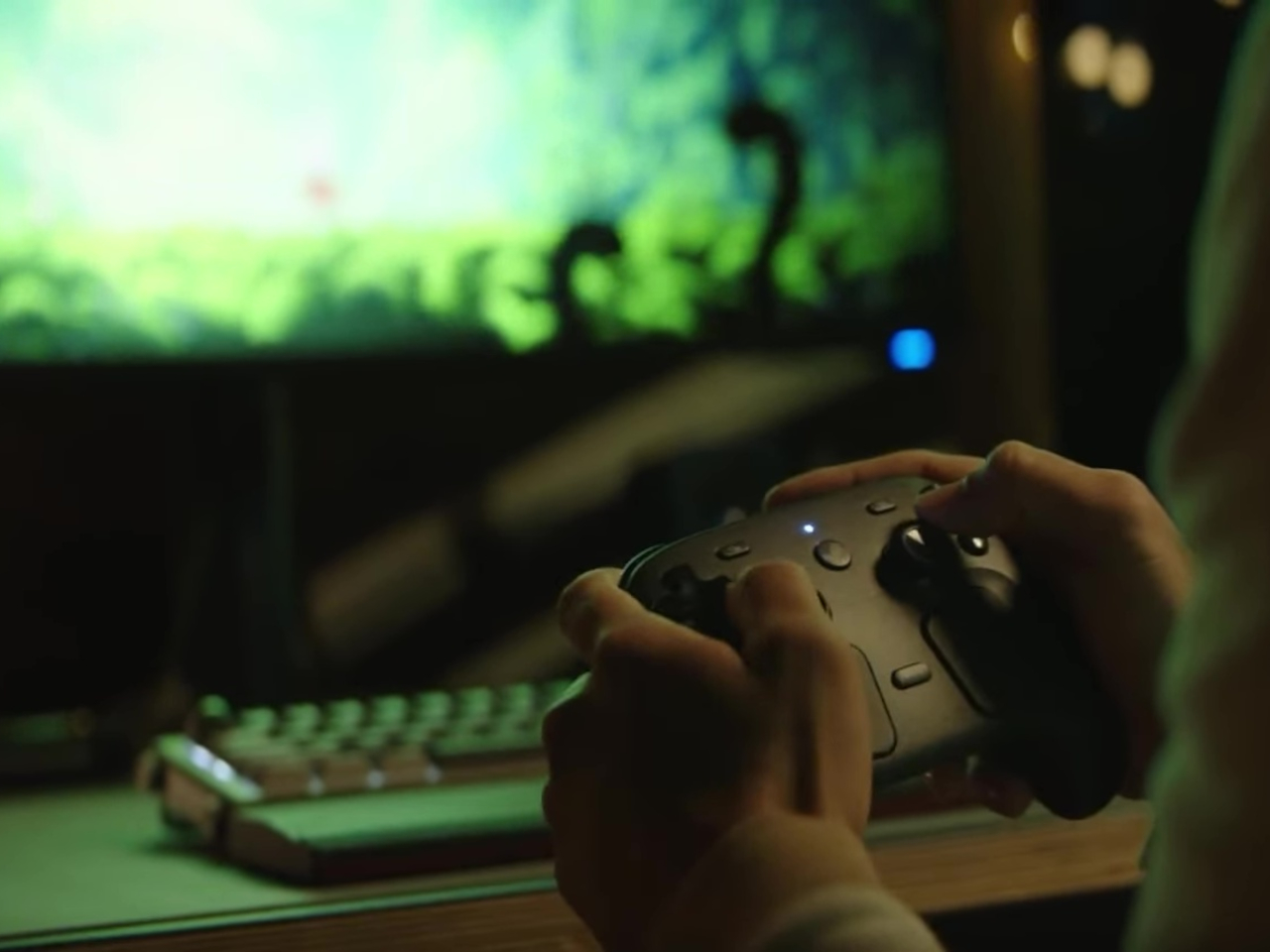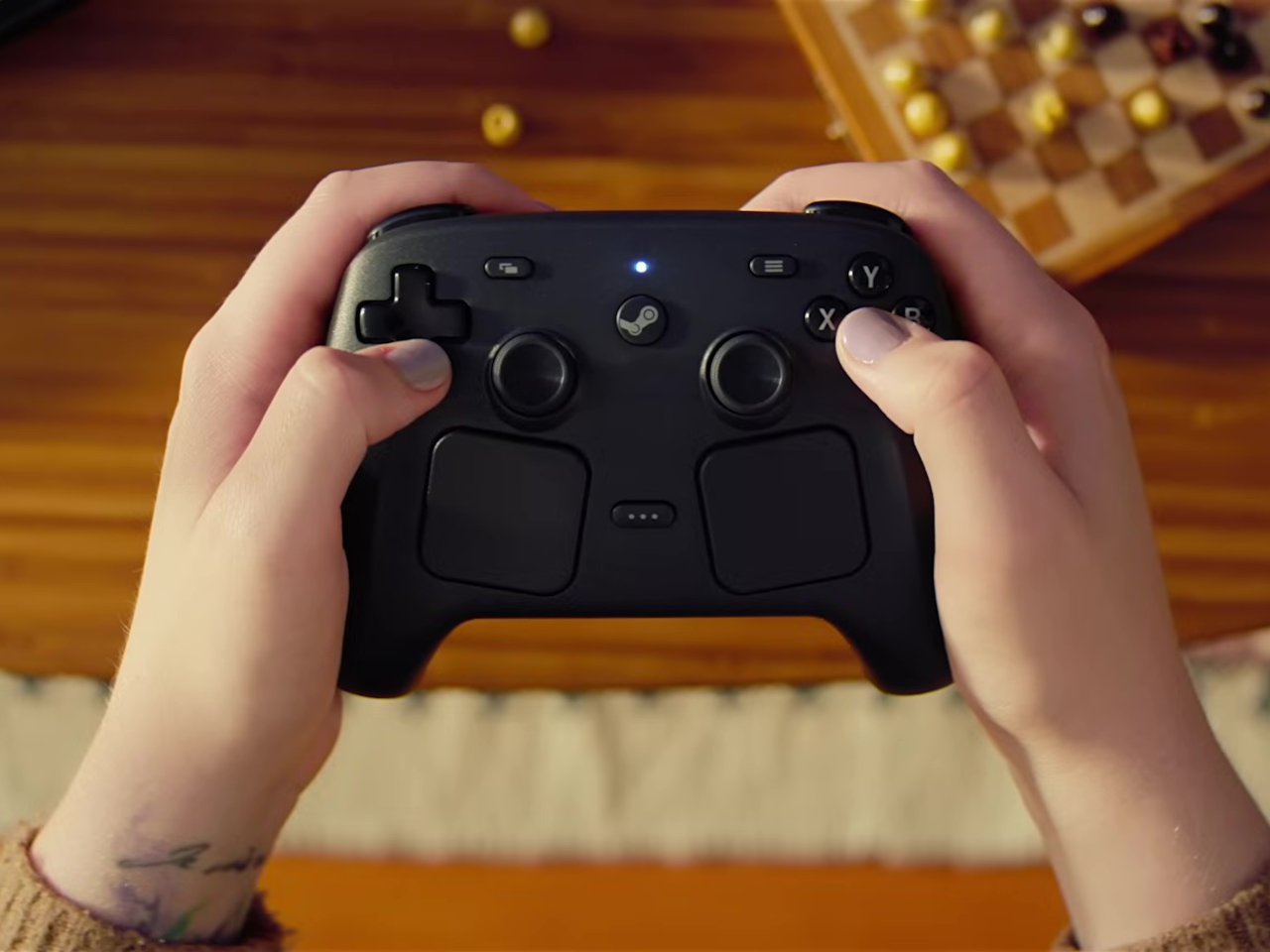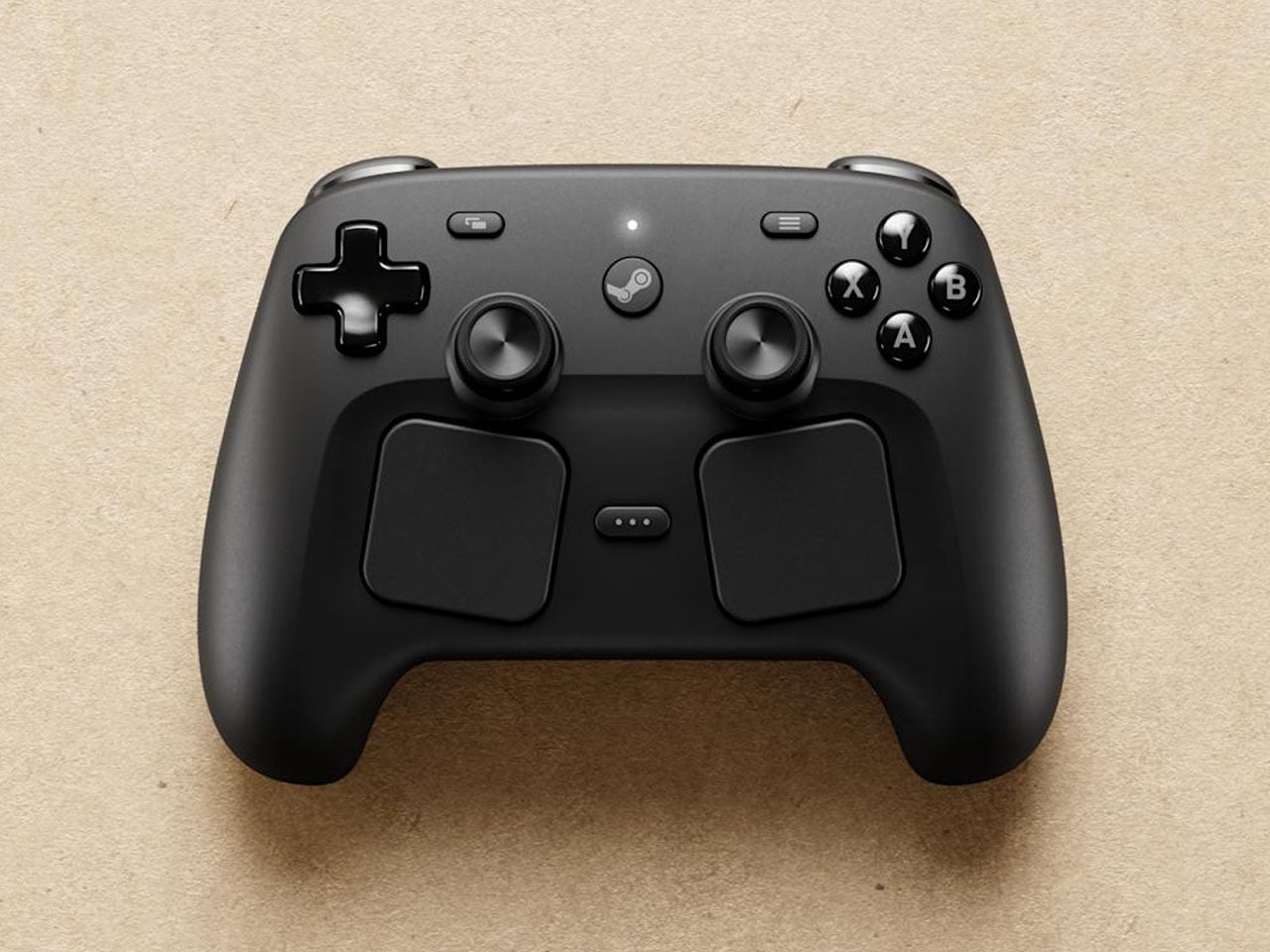

Steam surprised gamers with the announcement of three new products back in November 2025. Those were the Steam Machine gaming console, the Steam Frame wireless VR headset, and the brand new Steam Controller, marking the first-ever update in a decade. While the first two don’t yet have a clear release window, the Steam controller is almost here.
Priced at $99, the controller is scheduled to launch on May 4, putting it within immediate reach for gamers invested in the platform. However, details around pre-orders remain unclear, leaving some uncertainty about how quickly users will be able to secure one, subject to the RAM availability crisis. Regardless, the update represents a significant step forward from the original Steam Controller, which debuted in 2015 with a bold but divisive design that relied heavily on dual trackpads instead of traditional analog sticks.
Designer: Steam
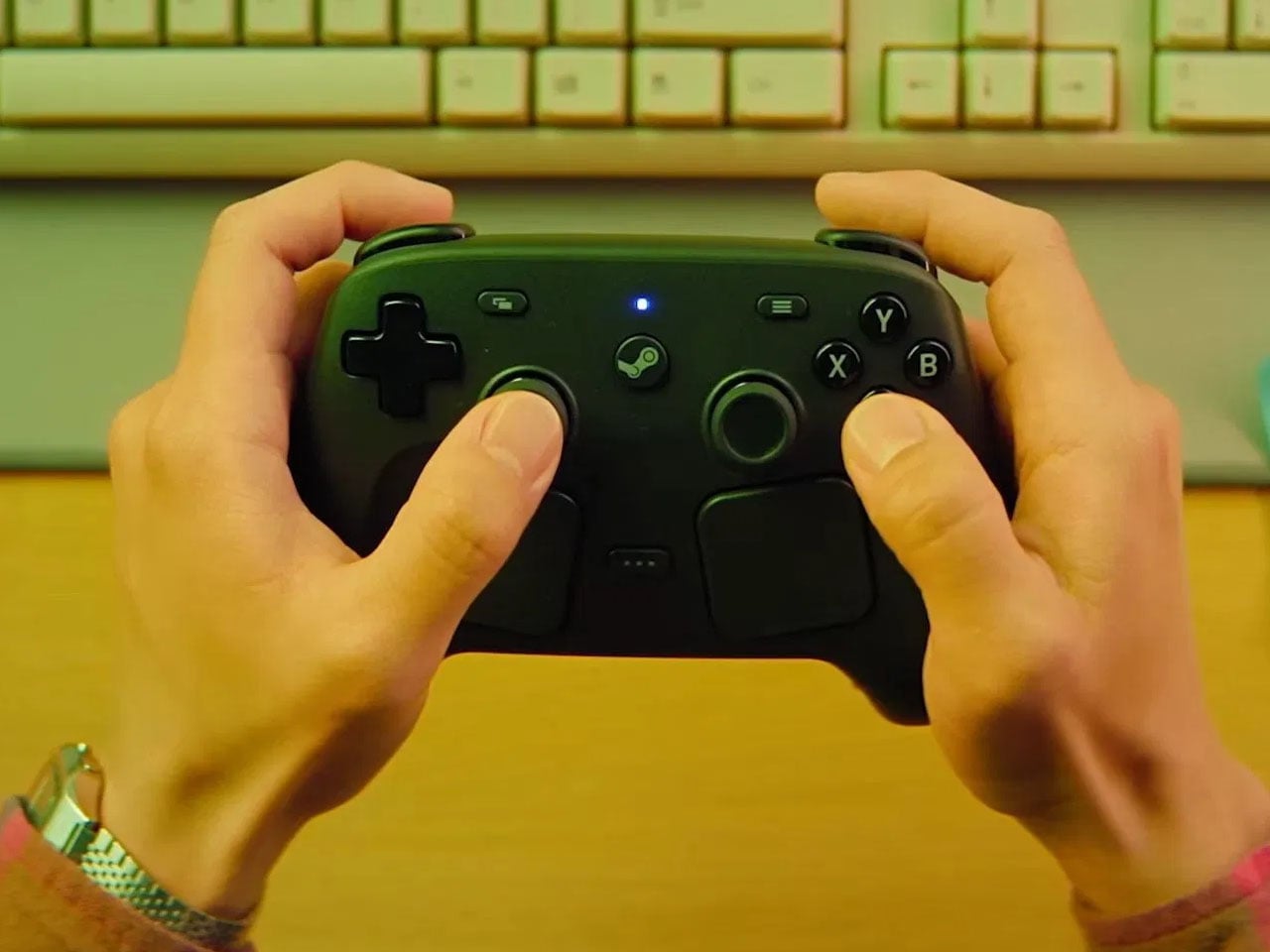
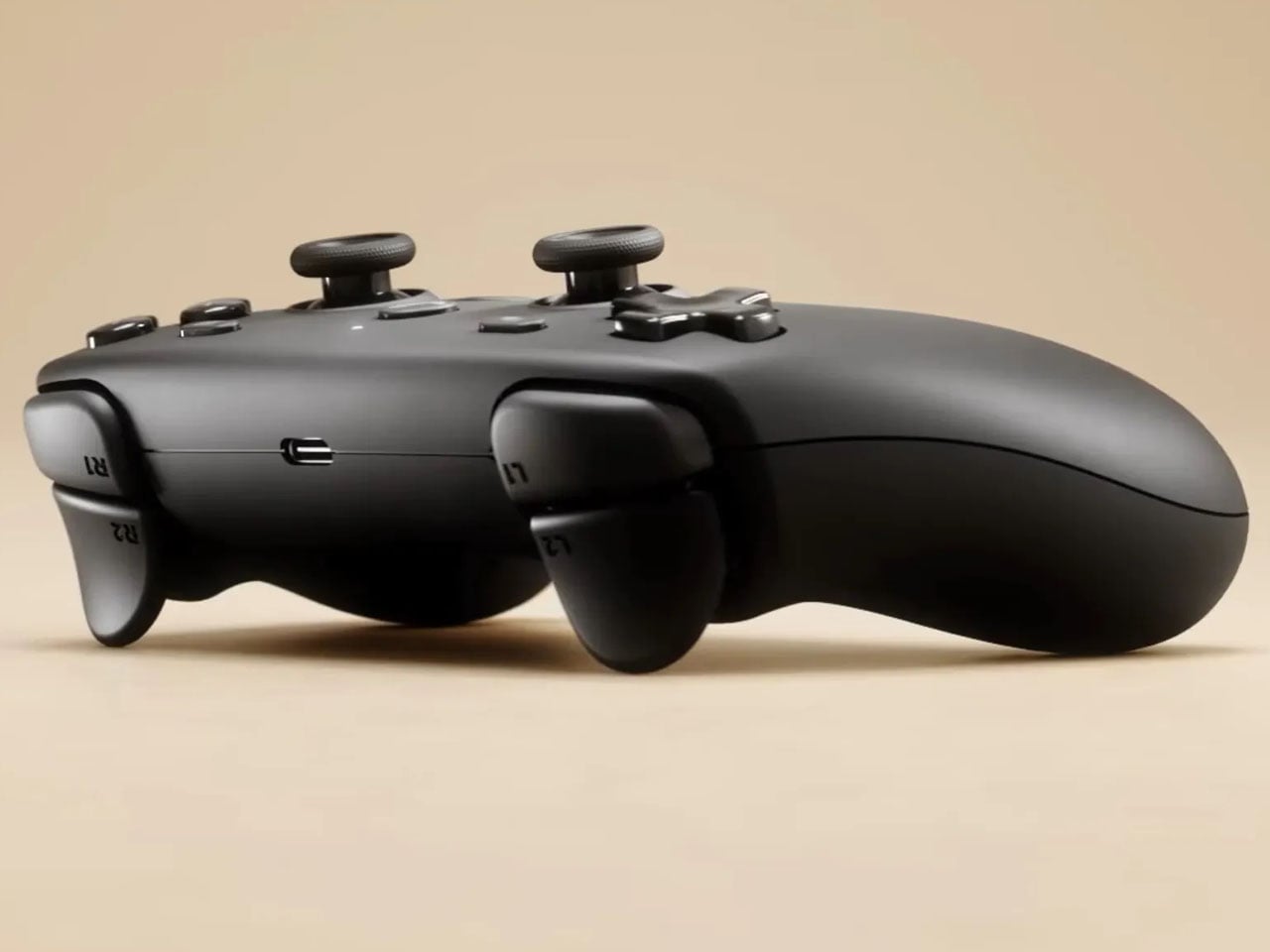
This new iteration reflects a more balanced approach as Valve appears to have taken feedback from years of community use and criticism, integrating more familiar elements while retaining some of its experimental DNA. The repositioned trackpads remain part of the experience but are no longer the dominant input method. Instead, the inclusion of a standard D-pad and a second thumbstick brings the controller closer to conventional gamepads, making it more intuitive for a wider audience. The overall layout bears a strong resemblance to the Steam Deck, suggesting tighter integration with Valve’s existing ecosystem and improved compatibility with modern game design.
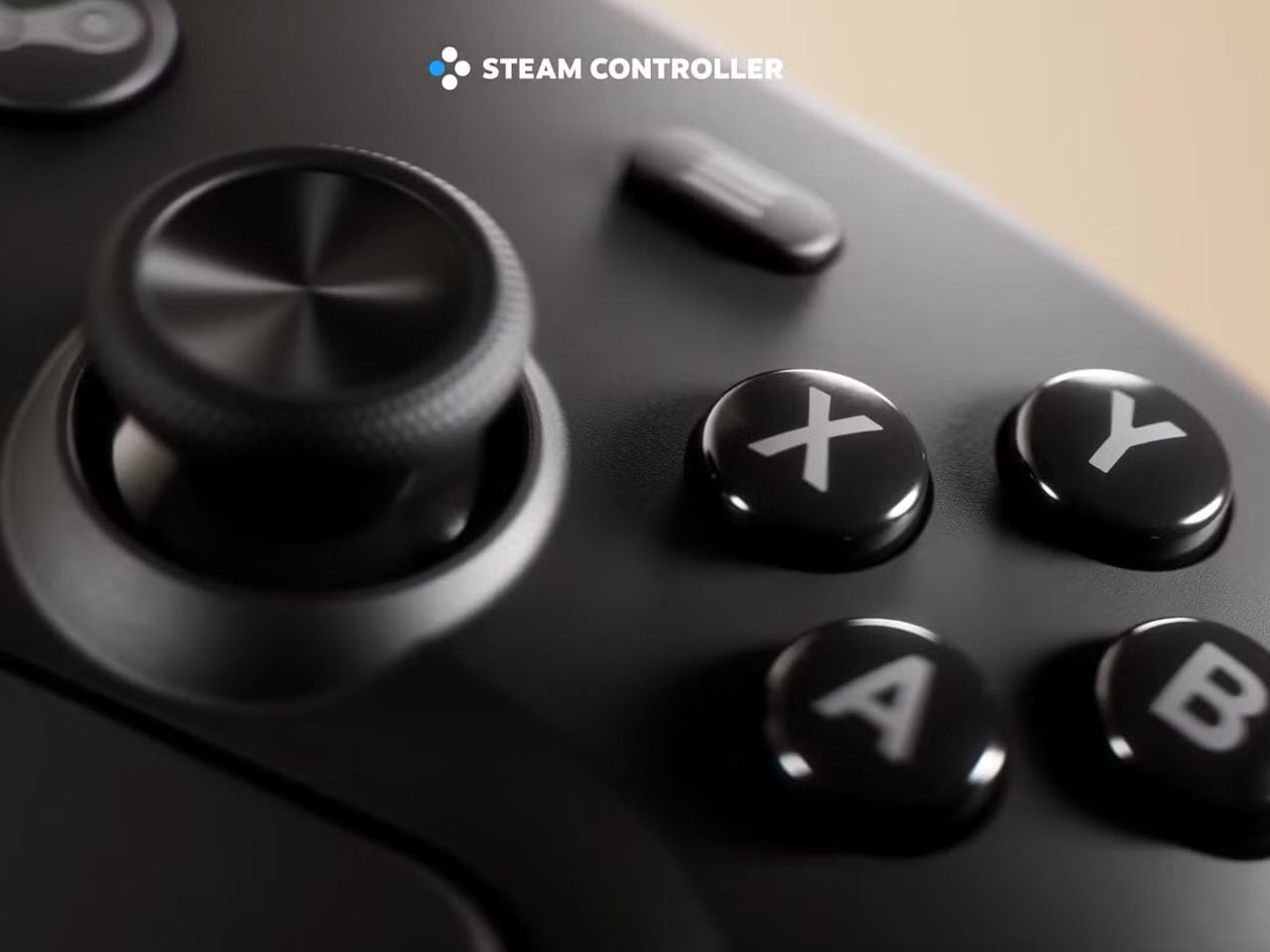
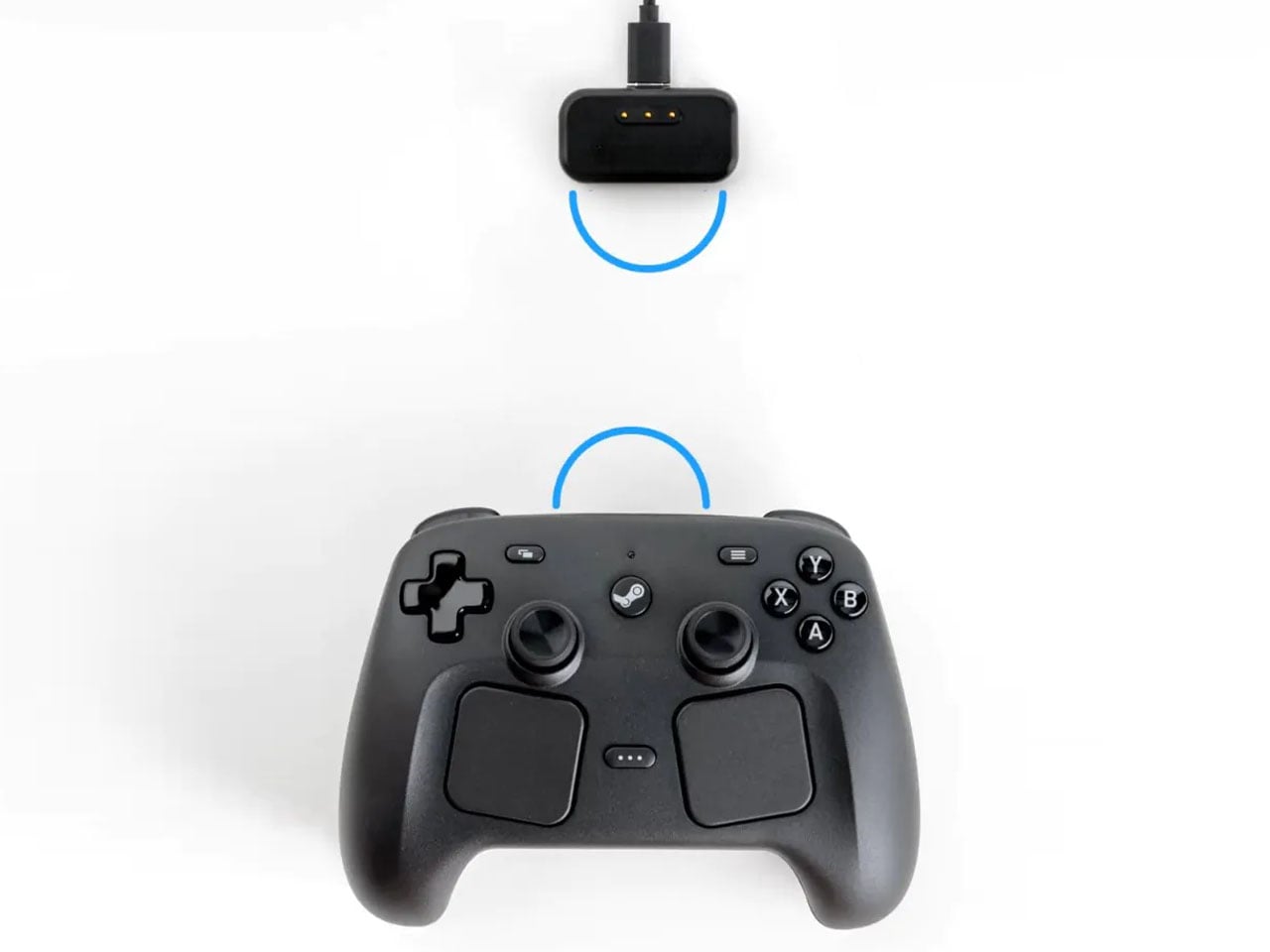
That shift in design is not just cosmetic; it addresses one of the biggest barriers of the original controller: accessibility. Earlier, the reliance on trackpads required a learning curve that many players found difficult to overcome. By contrast, this updated model blends precision controls with familiarity, making it more suitable for a broader range of genres, including fast-paced AAA titles that demand responsiveness and accuracy.
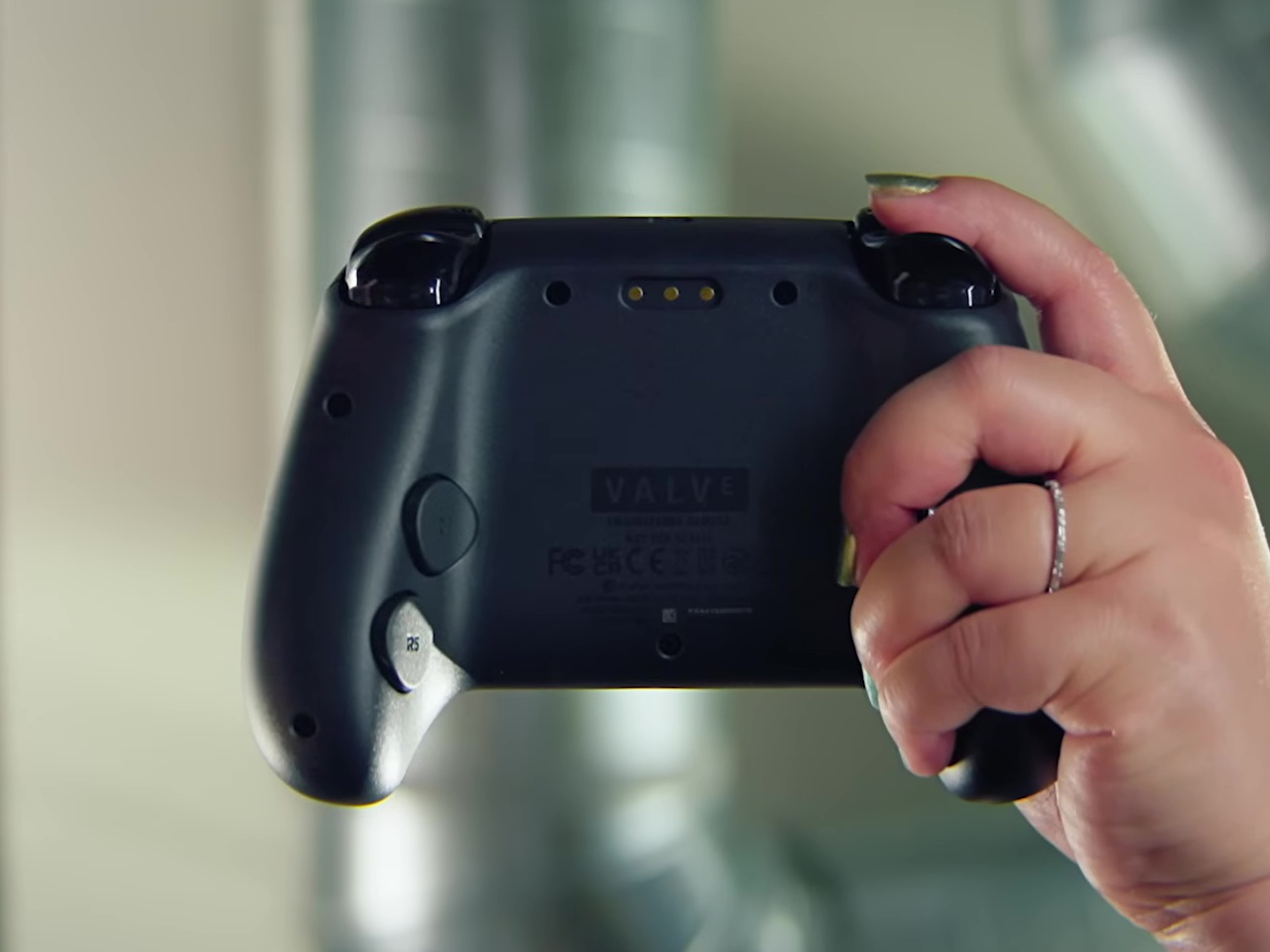
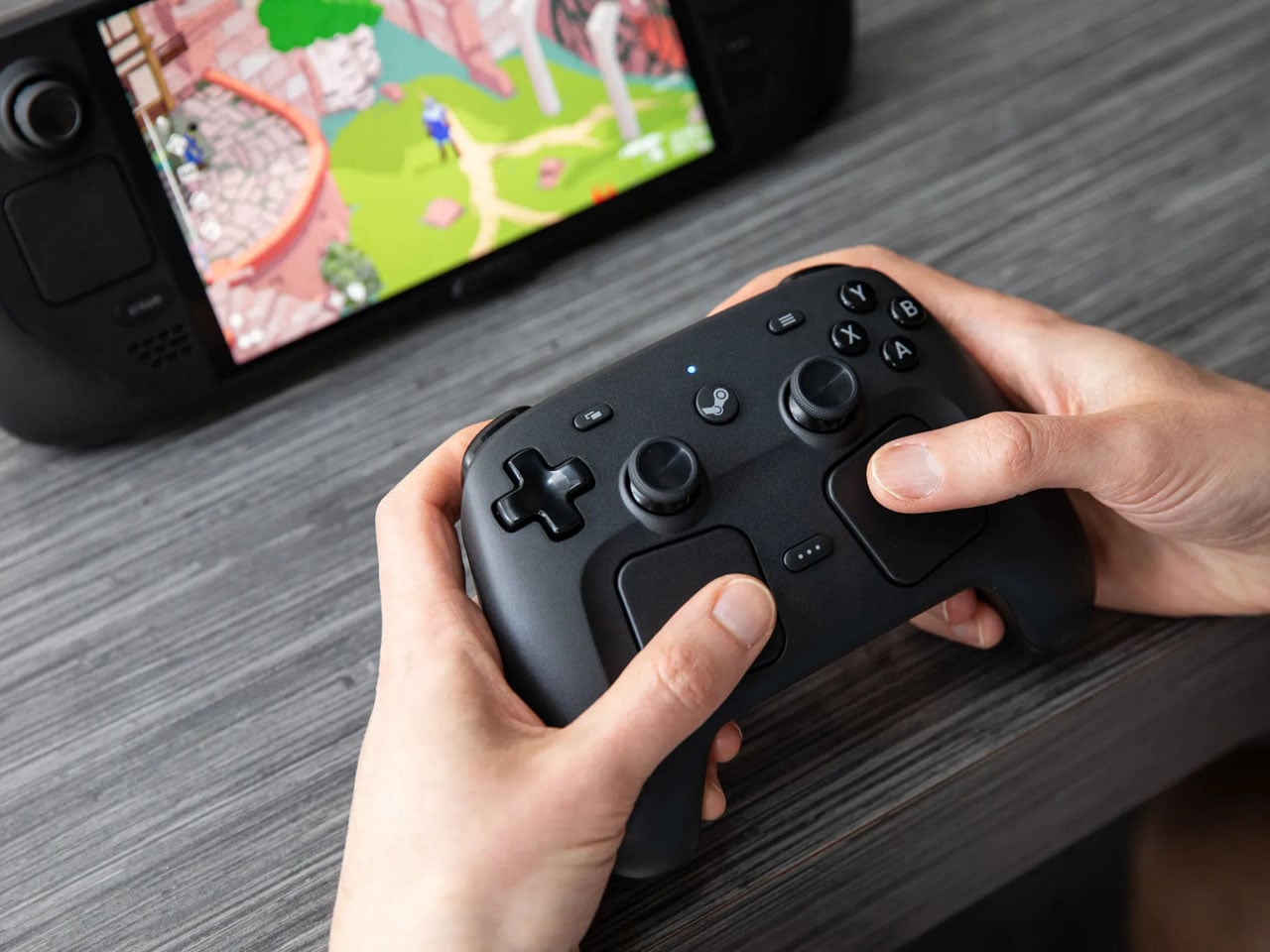
Image Credit: The Verge
Connectivity has also been modernized. The controller supports both wired and wireless play, offering flexibility depending on user preference. A USB-C port ensures faster and more reliable wired connections, while built-in Bluetooth expands compatibility across devices. A notable addition is the magnetic charging puck, which simplifies the wireless charging process and reduces the friction typically associated with battery management. These upgrades align the controller with current hardware standards, ensuring it feels contemporary rather than experimental.
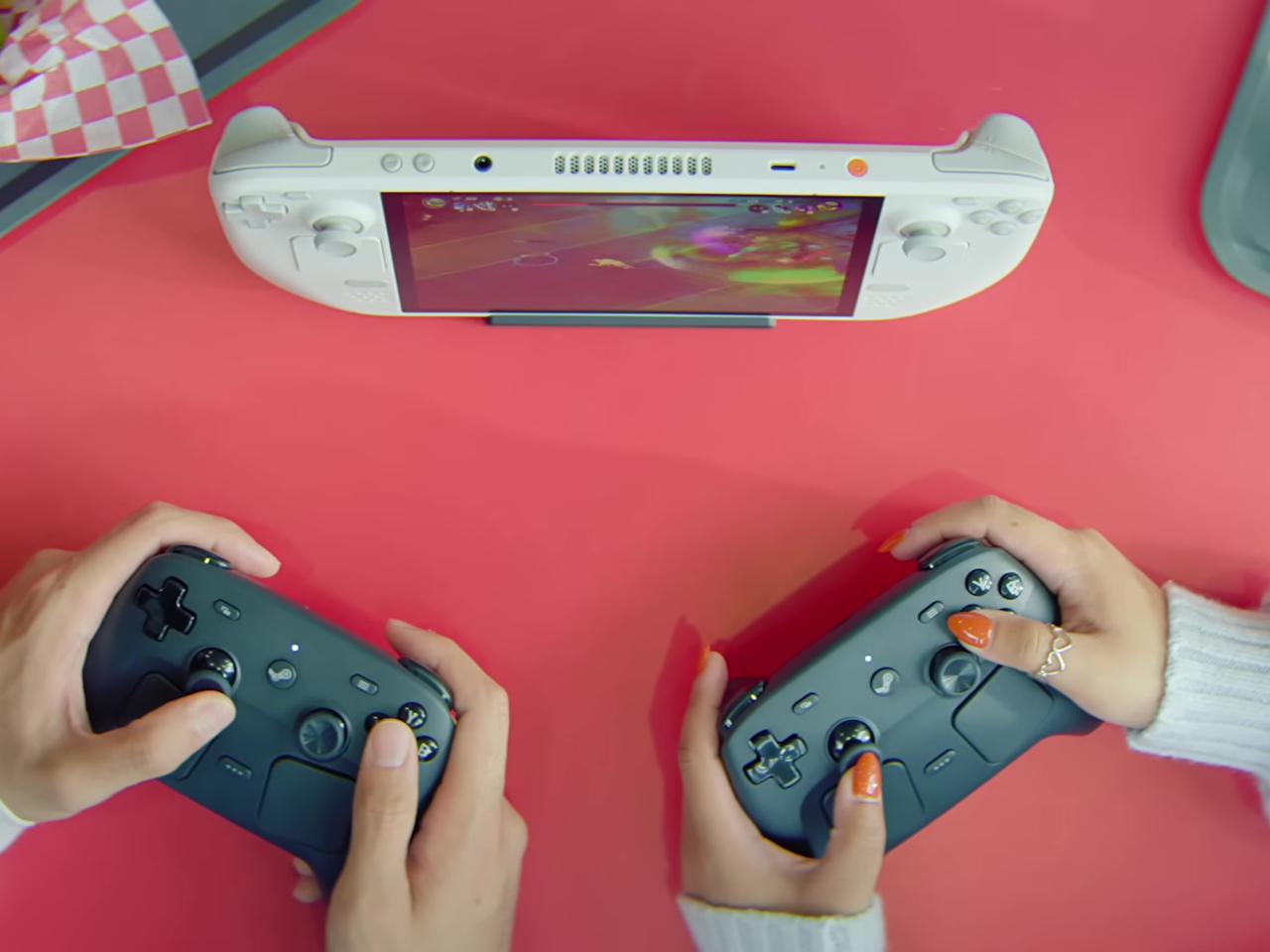
However, there is a limitation that may affect its appeal beyond dedicated users. The controller is designed primarily for the Steam ecosystem, meaning its full functionality is likely restricted to Valve-supported platforms. While this ensures deep integration and optimized performance within Steam, it could limit adoption among gamers who prefer a more universal controller that works seamlessly across consoles and third-party platforms. Despite this, the new Steam Controller represents a thoughtful evolution rather than a radical reinvention.