
Most furniture gets categorized before it even enters a room. That’s a dining table. That’s a desk. That’s a side table for the corner where nothing important ever happens. We sort, we label, we arrange our spaces accordingly, and then our lives proceed to ignore all of it. A laptop ends up at the dinner table. A coffee mug finds its way to the workspace. The categories we assign to our furniture rarely survive contact with how we actually live.
Designer Hanqi Jia seems to have taken that observation seriously. Magician’s Rope, her table concept that recently earned recognition at the NY Design Awards, is built around the idea that a piece of furniture doesn’t need to announce its purpose. It just needs to be useful, beautiful, and quiet enough to let the room breathe around it.
Designer: Hanqi Jia
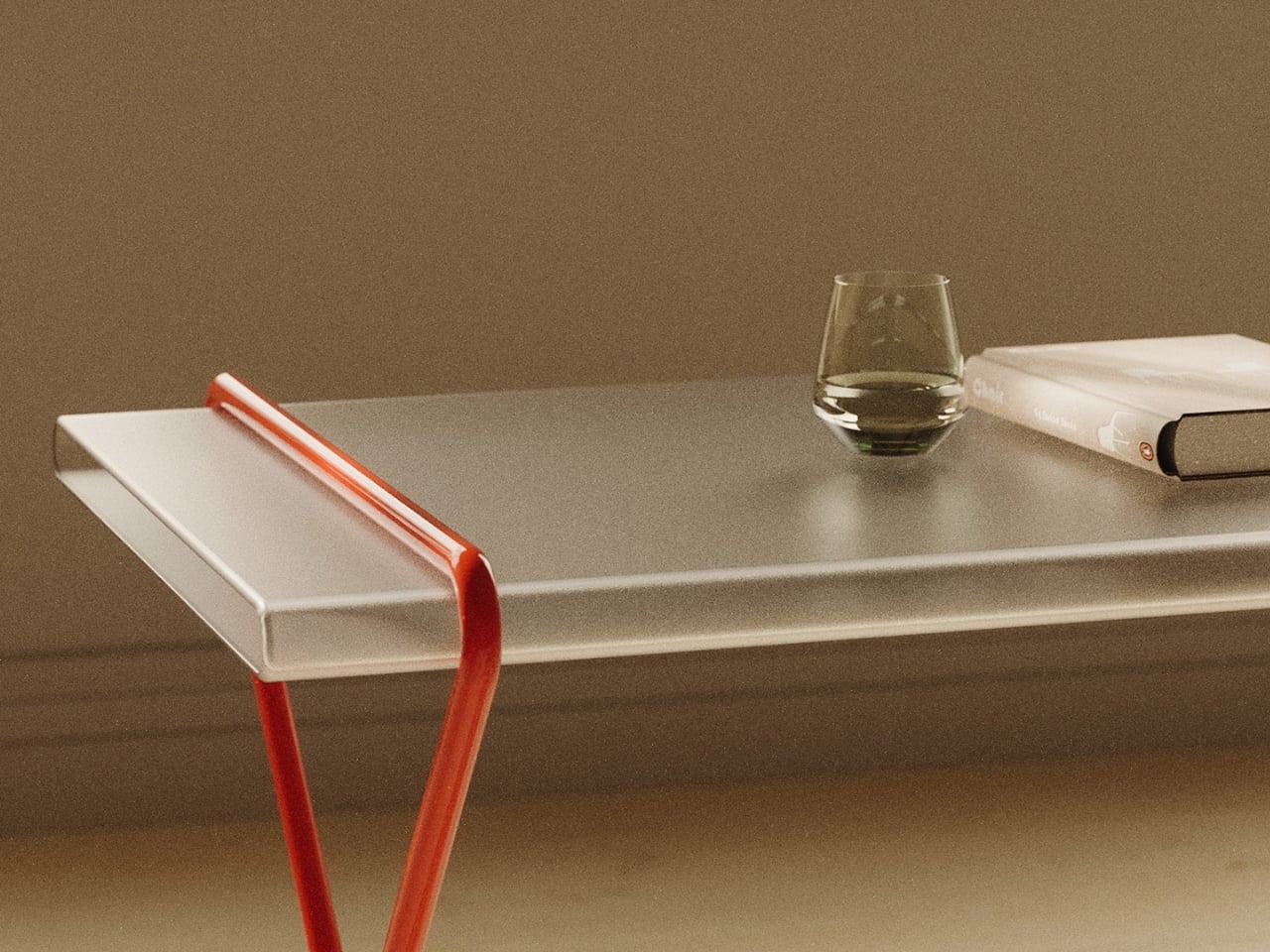
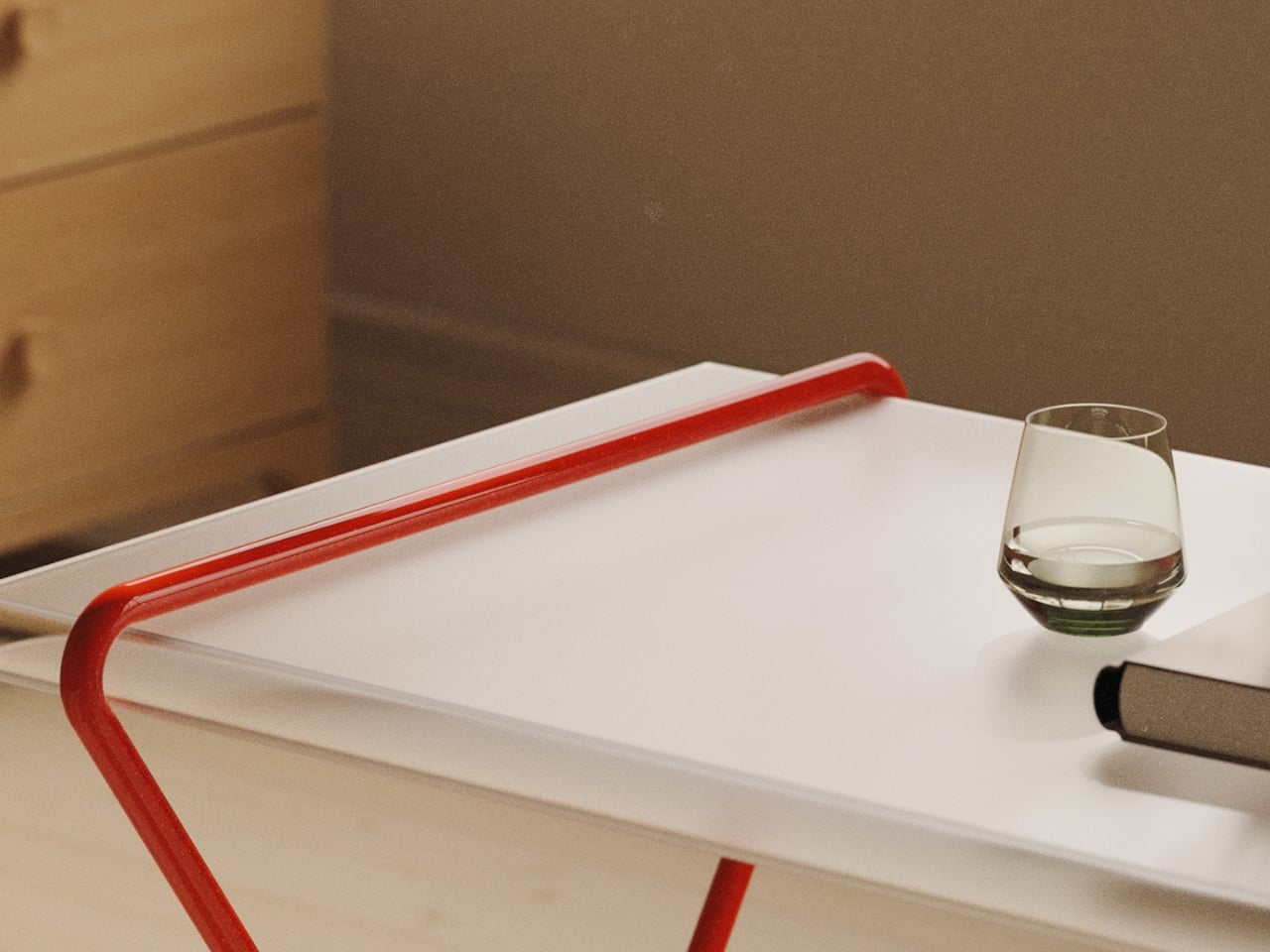
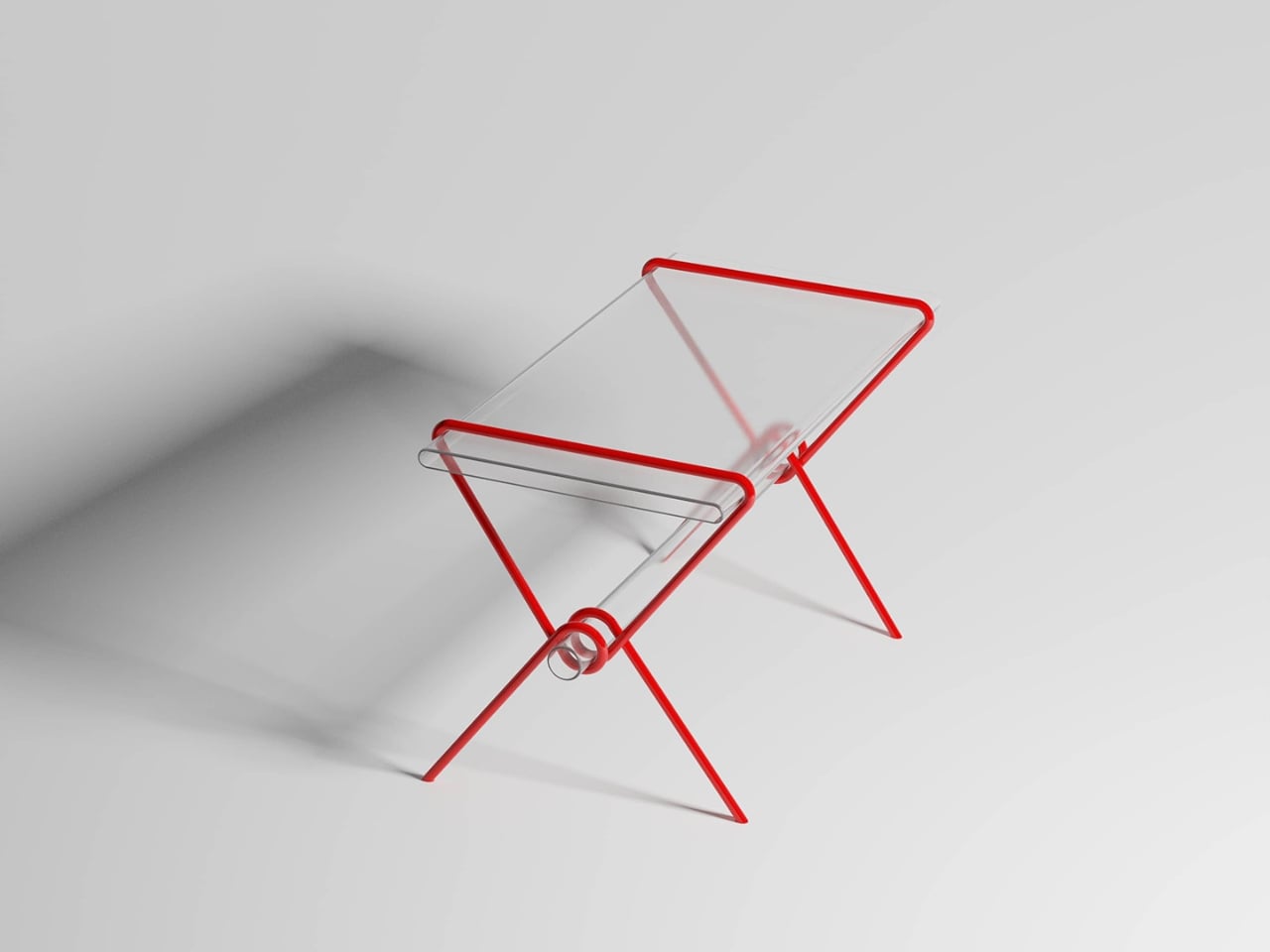
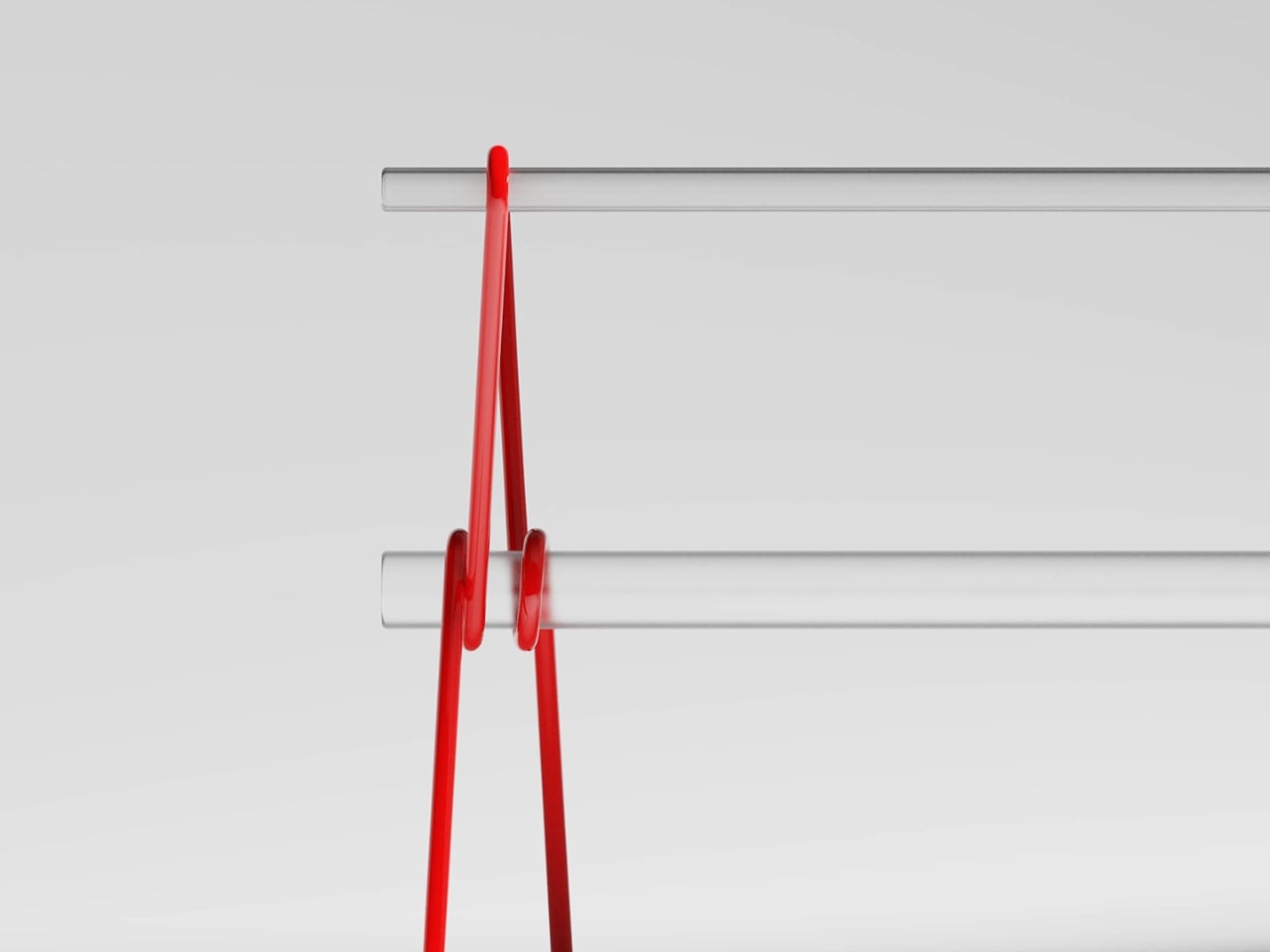
The construction is striking at first glance. A continuous red metal line bends, loops, and crosses itself into a structure that holds a transparent tabletop with almost suspicious ease. It looks like a sketch brought into three dimensions, or a gesture caught mid-motion. The structure doesn’t feel assembled so much as drawn, and that distinction matters more than it might seem. Assembled things feel permanent, fixed, committed to their identity. Something drawn feels like it could become something else.
That quality of lightness is intentional. The transparent surface lets light pass through rather than absorbing it, which reduces the table’s visual footprint significantly. In a small apartment or a room already doing a lot of visual work, that kind of restraint is genuinely valuable. A heavy, opaque table makes itself the center of attention whether you want it to or not. This one participates in a room without demanding to run it.
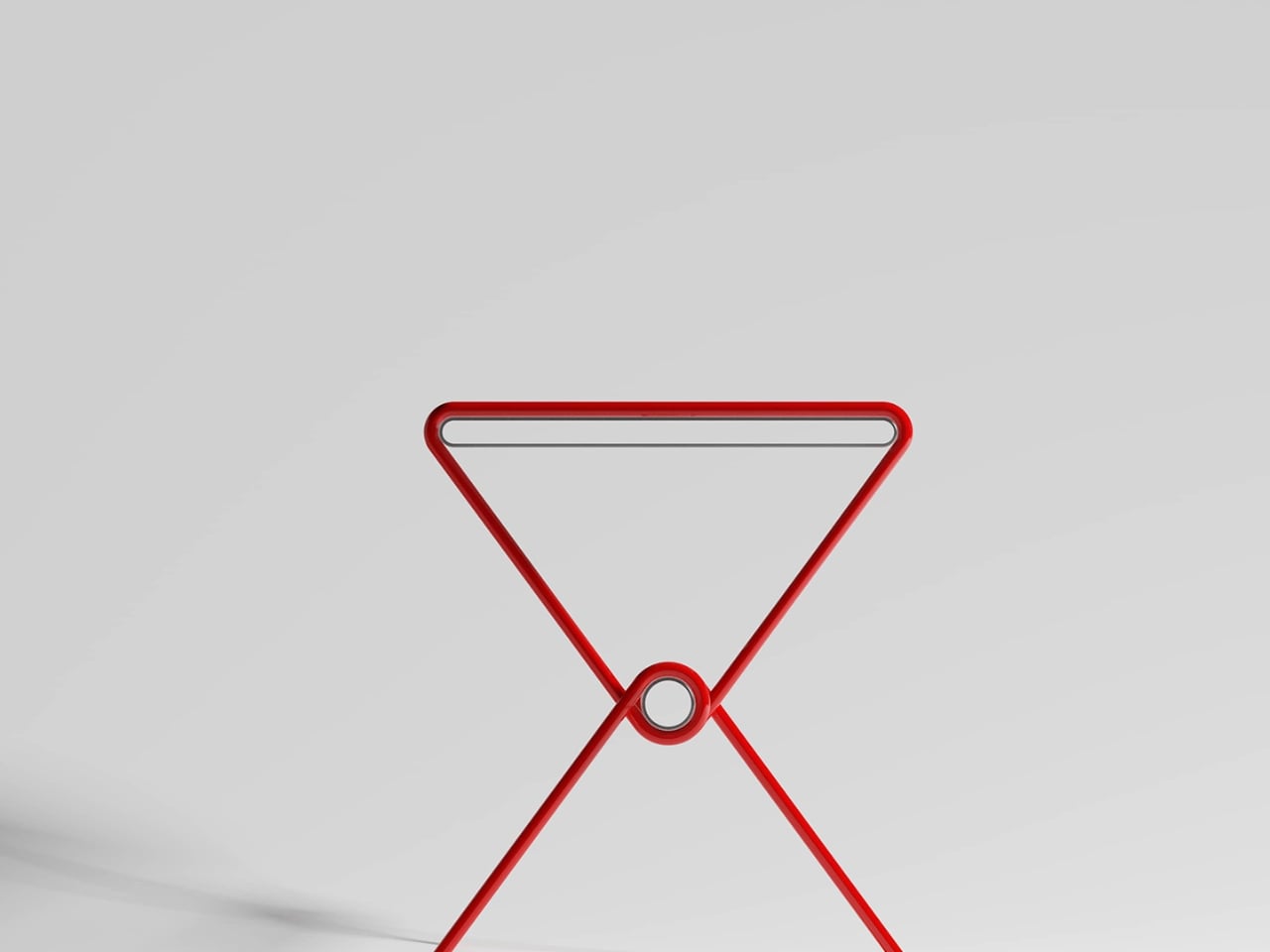
I keep coming back to the red line, though. It’s the detail that makes this more than a clever concept. Red, in design, is rarely neutral. It carries energy and urgency and a certain willingness to be noticed. Here, it pulls off a more interesting move: asserting itself visually while the overall form stays quiet. The red line says look at me while the rest of the table says I’ll be here whenever you need me. That balance is hard to achieve and easy to appreciate once you see it.
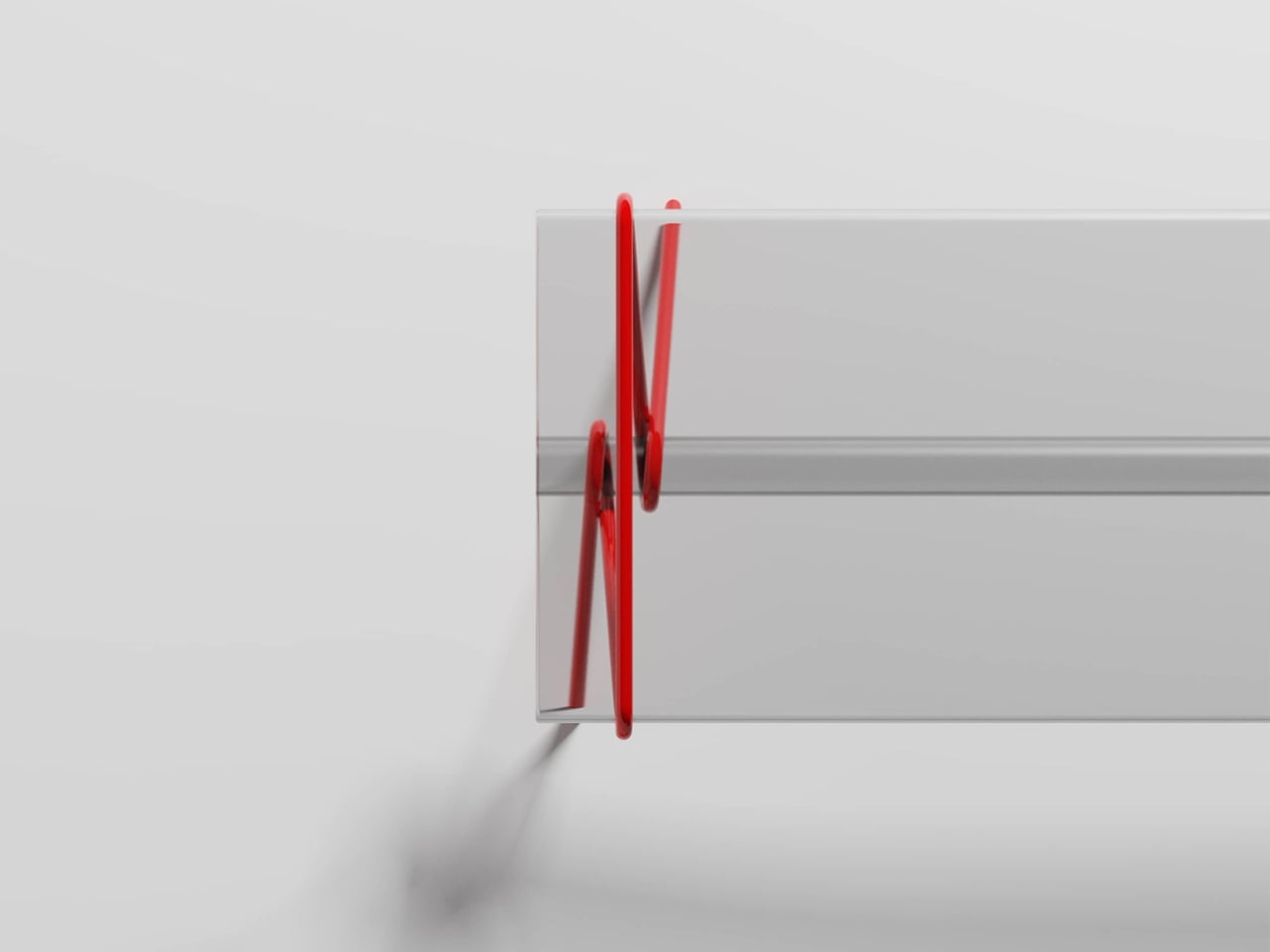
The name, Magician’s Rope, earns its reference. Stage magic has always been less about the trick itself and more about misdirection, timing, and the illusion of effortlessness. A good magician makes you forget you’re watching a performance. A good piece of furniture, by the same logic, makes you forget you’re using it. It just supports whatever the moment requires without calling attention to the effort involved. Magician’s Rope leans into that comparison deliberately, and the design holds up under it.
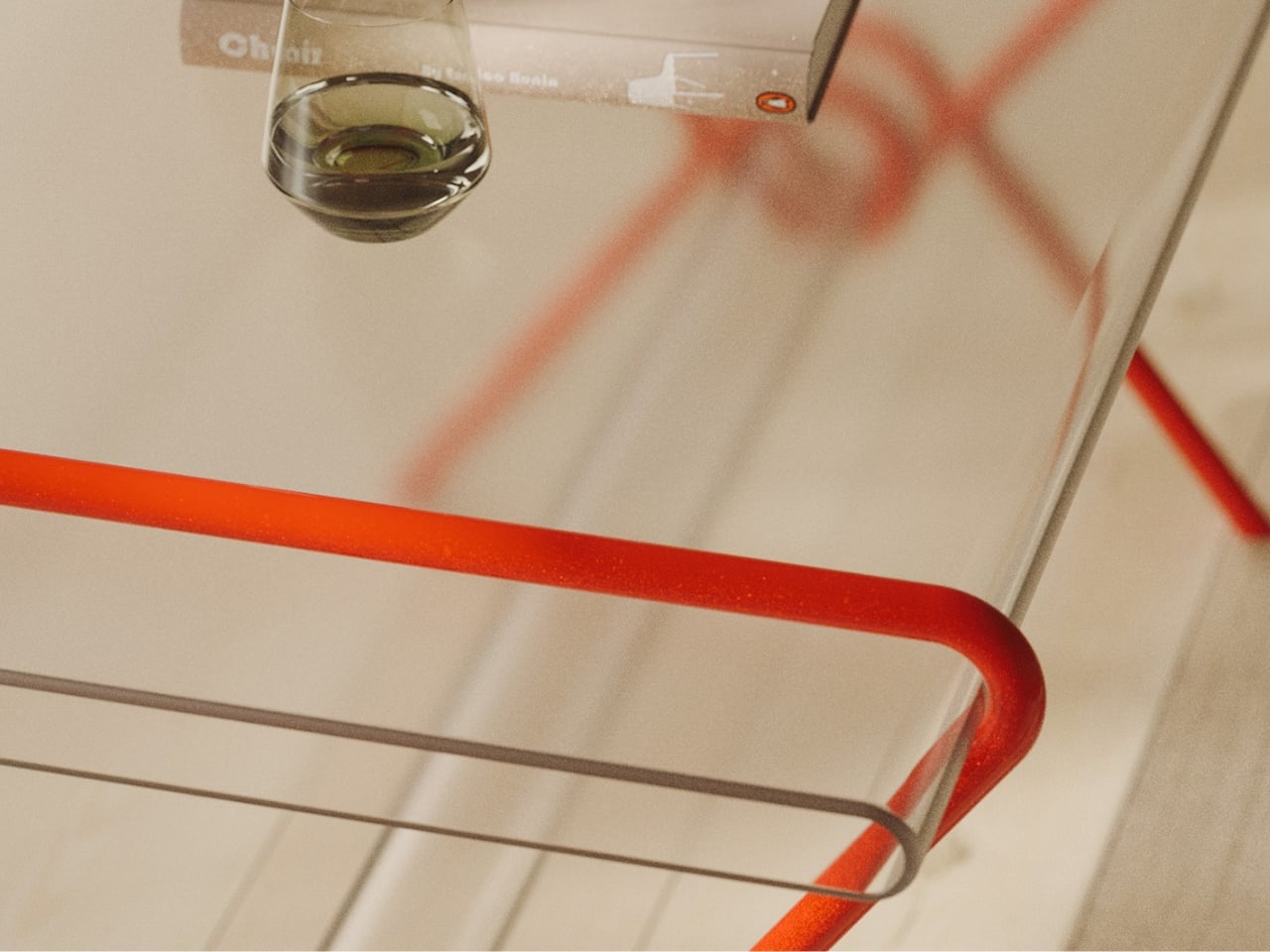
The refusal to over-explain might be the most quietly radical thing about it. A lot of contemporary furniture design tries to tell you exactly what it is and what it’s for. There are dining tables that are obviously dining tables, desks that are unambiguously desks, coffee tables that could not possibly be mistaken for anything else. Magician’s Rope doesn’t bother with that kind of insistence. It works as a dining surface, a work surface, a display surface, or something in between. The ambiguity is the feature, not a flaw.
It’s also worth noting that the concept addresses a real tension in how we live now. The lines between work and home have shifted in ways that most furniture hasn’t caught up with. A piece that can sit comfortably inside both modes of a day, without visual disruption, without demanding a room reorganization, without looking like an office prop or a formal dining relic, fills a gap that plenty of people have been quietly feeling for years. Magician’s Rope is a confident piece of work, and it carries the kind of assurance that makes you want to see what Hanqi Jia does next.